Ein junger Pariser erlebt, dass seine Liebe nicht ausreicht, um seine Geliebte zu halten. Als die Pest ausbricht, herrscht Anarchie in der Stadt, während politische und ethnische Konflikte eskalieren. Bruno Jasieńskis Roman von 1928 thematisiert die Gefahren von Seuchen und die radikale Ablehnung des Kapitalismus.
Bruno Jasieński Ordine dei libri (cronologico)
Bruno Jasieński fu una figura cardine del movimento futurista polacco, il cui lavoro esplorò le dinamiche della modernità e del cambiamento sociale con poesia espressiva e sperimentale. I suoi scritti riflettevano spesso le sue radicali convinzioni politiche e la sua ricerca di un nuovo linguaggio artistico che potesse eguagliare i tempi turbolenti. La vita di Jasieński, terminata tragicamente nel mezzo delle purghe sovietiche, conferisce una profonda dimensione alla sua eredità letteraria, fungendo da vivido monito delle intricate relazioni tra arte, politica e destino personale. La sua influenza come poeta e teorico d'avanguardia continua a essere riconosciuta nei circoli artistici modernisti.



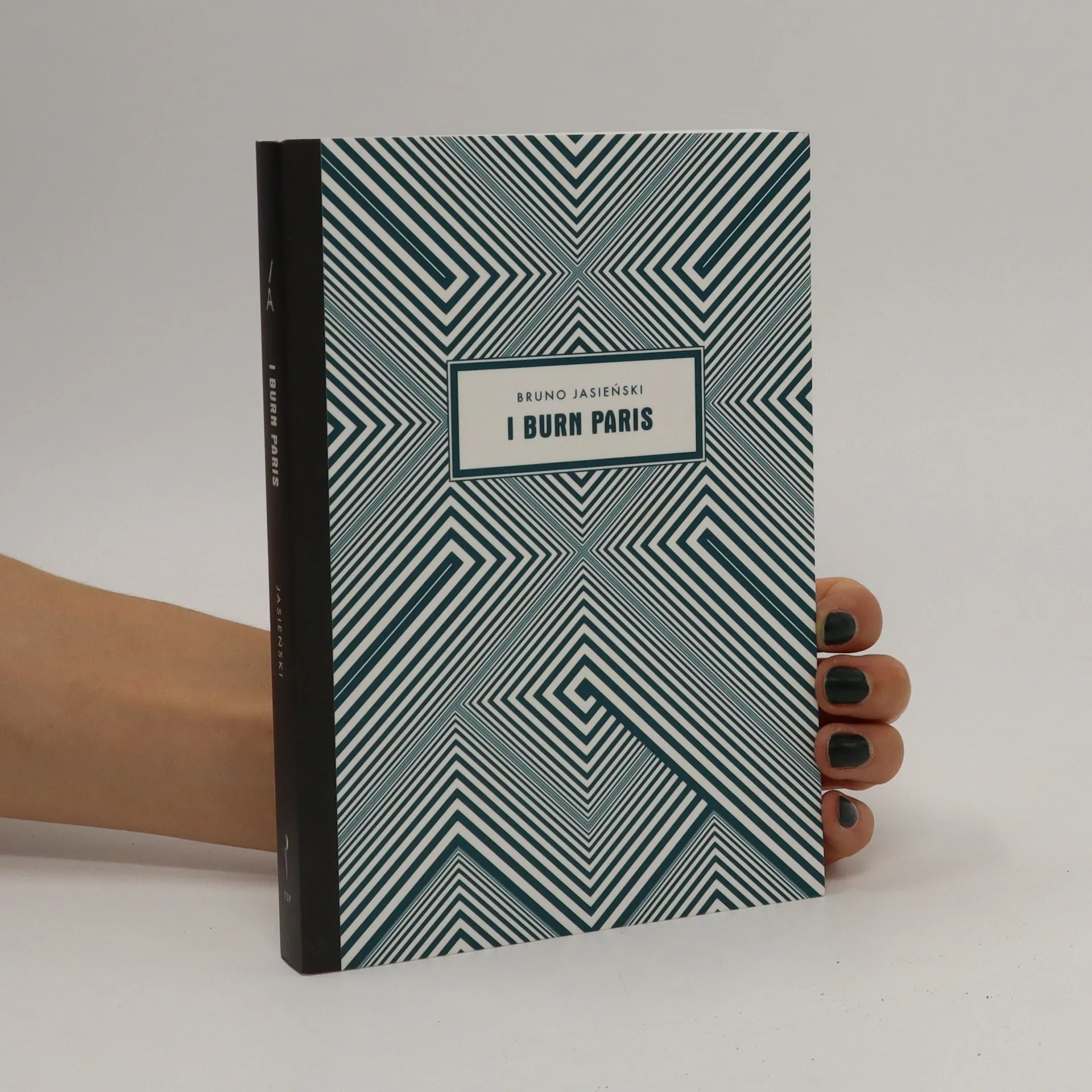
I Burn Paris
- 299pagine
- 11 ore di lettura
Tato kniha byla vydána českým nakladatelstvím Twisted Spoon Press, které sídlí v Praze a zaměřuje se na české a slovanské autory v angličtině. Oficiální anotace nakladatele: I Burn Paris zůstává jedním z nejnepříjemnějších literárních děl Polska od své kontroverzní serializace Henri Barbussem v roce 1928 v L'Humanité, což vedlo k deportaci Jasieńského za šíření subverzivní literatury. Příběh sleduje nespokojeného dělníka, který, ocitnuvší se na ulici, se rozhodne otrávit pařížský vodovod. Jak se počty mrtvých zvyšují, setkáváme se s čínskými komunisty, rabíny, zklamanými vědci, ruskými emigranty, francouzskými komunardy a royalisty, americkými milionáři a mnoha dalšími, jak se město rozděluje na etnické enklávy a každý plánuje svou cestu k útěše. Uprostřed kosmopolitního města se ukrývá hluboce zakořeněná xenofobie a nenávist, což je společný prvek všech těchto skupin. Jak Paříž směřuje k záhubě, Jasieński vydává výzvu utlačovaným světa, mísící prvky "Internacionály" s populární hudbou. S montážními strategiemi připomínajícími ranou avantgardní kinematografii a silnými metaforami, I Burn Paris si zachovává svou vitalitu. Jasieński neúprosně rozebírá utopické fantazie a transformuje pařížskou krajinu na produkt nemocnými myslí. Dielo představuje zdegenerovaný svět, kde továrny a stroje nahradily lidské vztahy, přičemž město je zobrazeno jako povrchně kosmopolitní, avšak v jádru nepřátelské a zvířecí. Tato anglická verze vyplň