Terror in den Zeiten des Kolonialismus
El Filibusterismo


José Rizal fu un polimata e nazionalista filippino, emerso come il più importante sostenitore delle riforme nelle Filippine durante l'era coloniale spagnola. I suoi romanzi sono acuti commenti sociali sulle Filippine, che hanno acceso sia i riformisti pacifici che i rivoluzionari armati nella loro resistenza contro il dominio spagnolo. Sebbene abbia sostenuto il cambiamento pacifico, il suo martirio ha infine catalizzato la Rivoluzione Filippina. I suoi scritti rivelano una profonda comprensione della società filippina e un profondo desiderio di identità nazionale.


El Filibusterismo
Der Roman des philippinischen Nationalhelden José Rizal erschien zunächst 1891 im belgischen Gent als Folge des Bestsellers „Noli Me Tangere“ (1887). Ins Philippinische und Englische übertragen, gehört er heute zu den Klassikern der philippinischen Literatur. In „Die Rebellion“ lässt Rizal die Motive von unschuldiger Liebe und Martyrium hinter sich und wendet sich der Obsession und Rache zu. Der Roman ist nicht nur eine flammende Anklage gegen die spanische Herrschaft und die katholische Kirche auf den Philippinen, sondern begeistert auch durch seine einfühlsame und spannungsreiche Schilderung eines leidenschaftlichen Kampfes für die Freiheit.
The Stunning continuation of José Rizal's great revolutionary epic of the Philippines - in a new translation Picking up the story of Noli Me Tangere thirteen years later, El Filibusterismo presents a gripping tale of obsession and revenge. Gone are the Noli's themes of innocent love, its hero, Ibarra, a man of great integrity and vision, replaced by the mysterious jeweller Simoun and a venal-and reprehensible-cast of characters. The result of Rizal's growth as a writer and influenced by his exposure to international events, El Filibusterismo is a riveting and suspenseful account of Filipino resistance to colonial rule that still resonates today. 'Augenbraum has done a masterful job translating El Filibusterismo and provides another elegant, well-researched and thoughtful introduction. Though the Noli remains the better known of the two, this powerful sequel shows us a more complicated, tough-minded Rizal and deserves a wider readership.' - Jessica Hagedorn Translated with an Introduction and Notes by HAROLD AUGENBRAUN
Roman
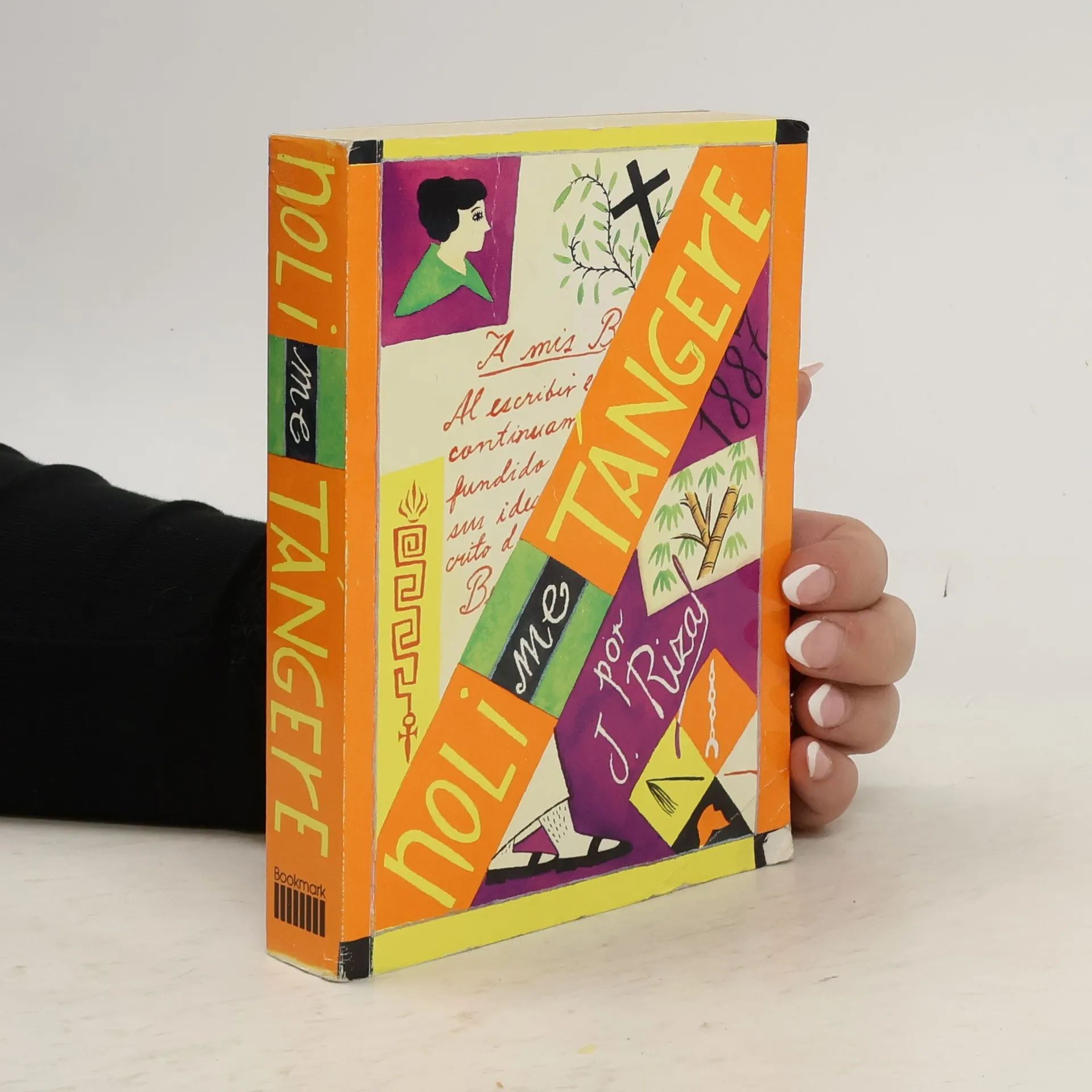
The Noli Me Tangere by Jose P. Rizal, national hero of the Philppines, is the novel with the greatest impact on Filipino political thinking in the 19th and 20th centuries, as well as the widest influence on contemporary fiction, drama, opera, dance and film. Its popularity was rooted in its relection of the times in which it was written, and has continued because of the characters Rizal created, set in situations that still ring true today. Rizal finished the Noli in 1887, and published 2,000 copies in Berlin. Many thousands more have since circulated, in the original SPanish, and in translations into German, French, Chinese, English, Filipino, and other PHilippine languages. The best known translations in English are those by Charles Derbyshire (1912) and Leon Ma. Guerrero (1961). In this new translation, Soledad Lacson-Locsin, a bilingual writer, has restored the unpublished chapter about Elias and Salome, as well as the whole of the "Canto de Maria Clara," wishing her translation to be a faithful rendition of the original.