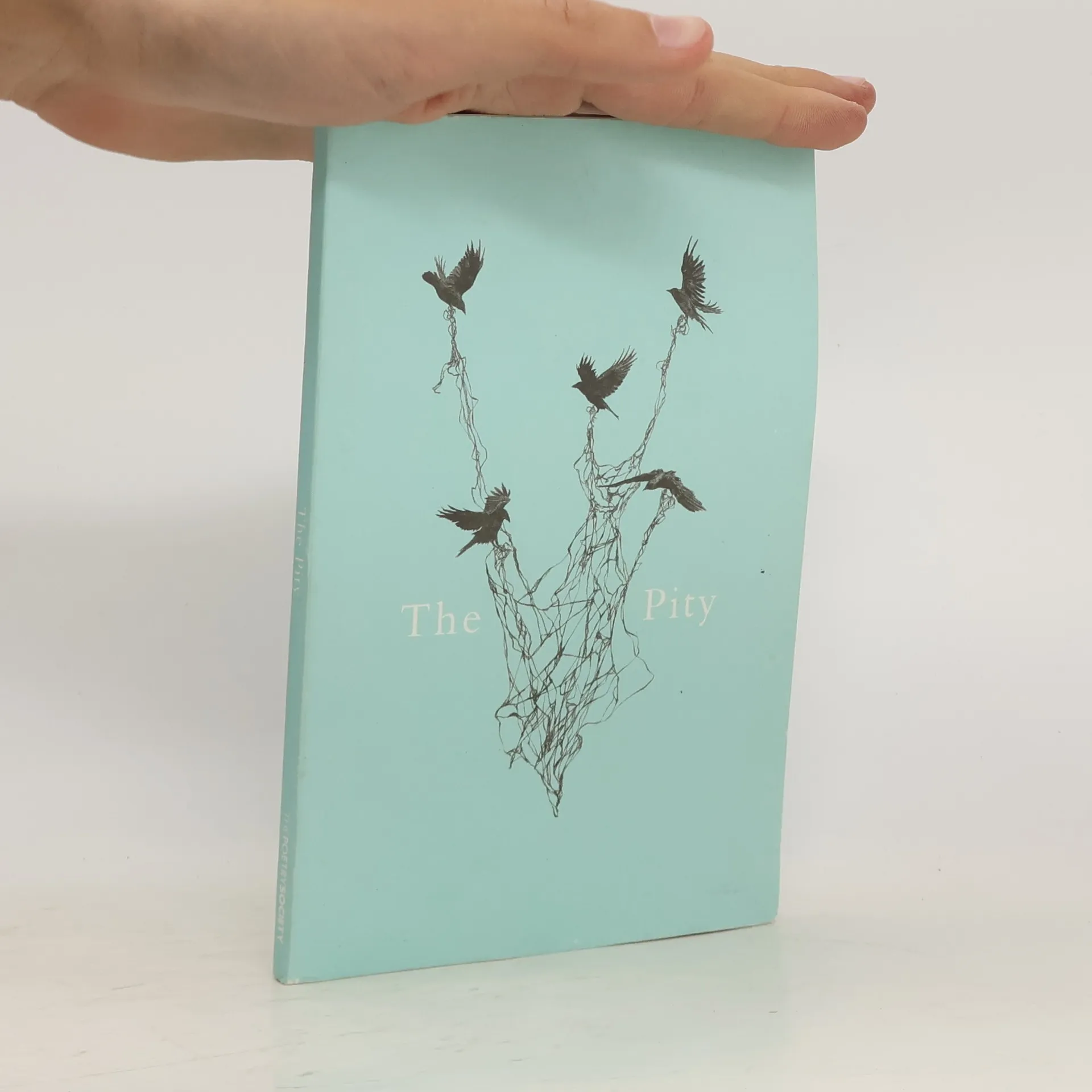
The Pity
- 69pagine
- 3 ore di lettura
New poems by Steve Ely, Zaffar Kunial, Denise Riley, Warsan Shire, and John Glenday


Denise Riley è una poetessa e filosofa inglese la cui opera si distingue per la paradossale interrogazione dell'identità nel modo lirico. I suoi scritti critici sulla maternità, le donne nella storia, l'"identità" e la filosofia del linguaggio sono riconosciuti come un importante contributo al femminismo e alla filosofia contemporanea. Riley si concentra sulla voce unica e sul significato letterario, offrendo ai lettori una prospettiva distintiva su ciò che è essenziale nella vita e nella letteratura.

New poems by Steve Ely, Zaffar Kunial, Denise Riley, Warsan Shire, and John Glenday
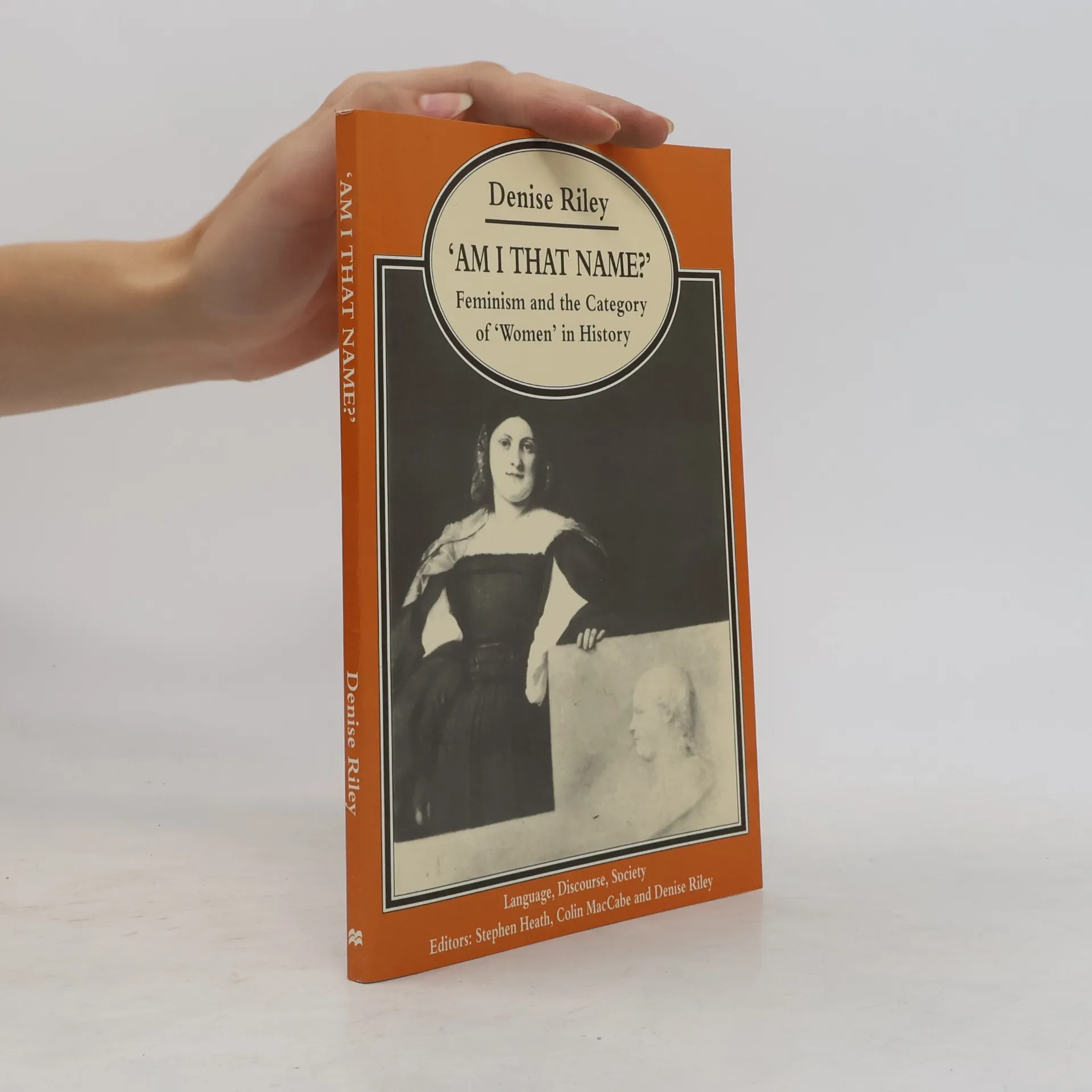
Writing about changes in the notion of womanhood, Denise Riley examines, in the manner of Foucault, shifting historical constructions of the category of "women" in relation to other categories central to concepts of personhood: the soul, the mind, the body, nature, the social. Feminist movements, Riley argues, have had no choice but to play out this indeterminacy of women. This is made plain in their oscillations, since the 1790s, between concepts of equality and of difference. To fully recognize the ambiguity of the category of "women" is, she contends, a necessary condition for an effective feminist political philosophy.
Feminism and the Category of 'Women' in History
Writing about changes in the notion of womanhood, Denise Riley examines, in the manner of Foucault, shifting historical constructions of the category of "women" in relation to other categories central to concepts of personhood: the soul, the mind, the body, nature, the social. Feminist movements, Riley argues, have had no choice but to play out this indeterminacy of women. This is made plain in their oscillations, since the 1790s, between concepts of equality and of difference. To fully recognize the ambiguity of the category of "women" is, she contends, a necessary condition for an effective feminist political philosophy.