

"Sister Helen Prejean's stirring spiritual journey is less widely known than her work as the nation's foremost leader in efforts to abolish the death penalty and as an activist nun. In her fiercely honest and moving account of her formative years, Sister Helen tells of an awakening that shattered her insulated life as a nun. In inner-city New Orleans of the 1980s, she learned about her neighbors' daily struggle against racism and recognized her own white privilege. This awakening catapulted her into abolitionist mission and toward a faith that fuels and sustains her work for human rights to this day. Along the way, she navigated close friendships, including one with a priest intent on marrying her, who challenged her vocation in 'the new territory of the heart.' Written in lighthearted, luminous prose, River of Fire captures how one woman, set on a life of prayer and teaching, was summoned from passive obedience and dreamy ideas of a better world to fierce intellectual critique of society. Sister Helen's story will galvanize those who are likewise seeking to lead a passionate and spiritual life that is wide awake to the struggles and creative opportunities of our world." -- From back cover
Helen Prejean Ordine dei libri (cronologico)
Sorella Helen Prejean è una suora cattolica romana consacrata e una delle principali sostenitrici americane dell'abolizione della pena di morte. Il suo lavoro si addentra profondamente nei temi della giustizia, della misericordia e della dignità umana nel contesto della pena capitale. Attraverso i suoi scritti e le sue conferenze pubbliche, condivide la sua incrollabile posizione contro la pena di morte, derivante da esperienze personali con detenuti nel braccio della morte. La Prejean si sforza di portare compassione e comprensione in ambienti spesso carichi di giudizio e animosità, esplorando le complesse questioni morali ed etiche che circondano questa pratica.
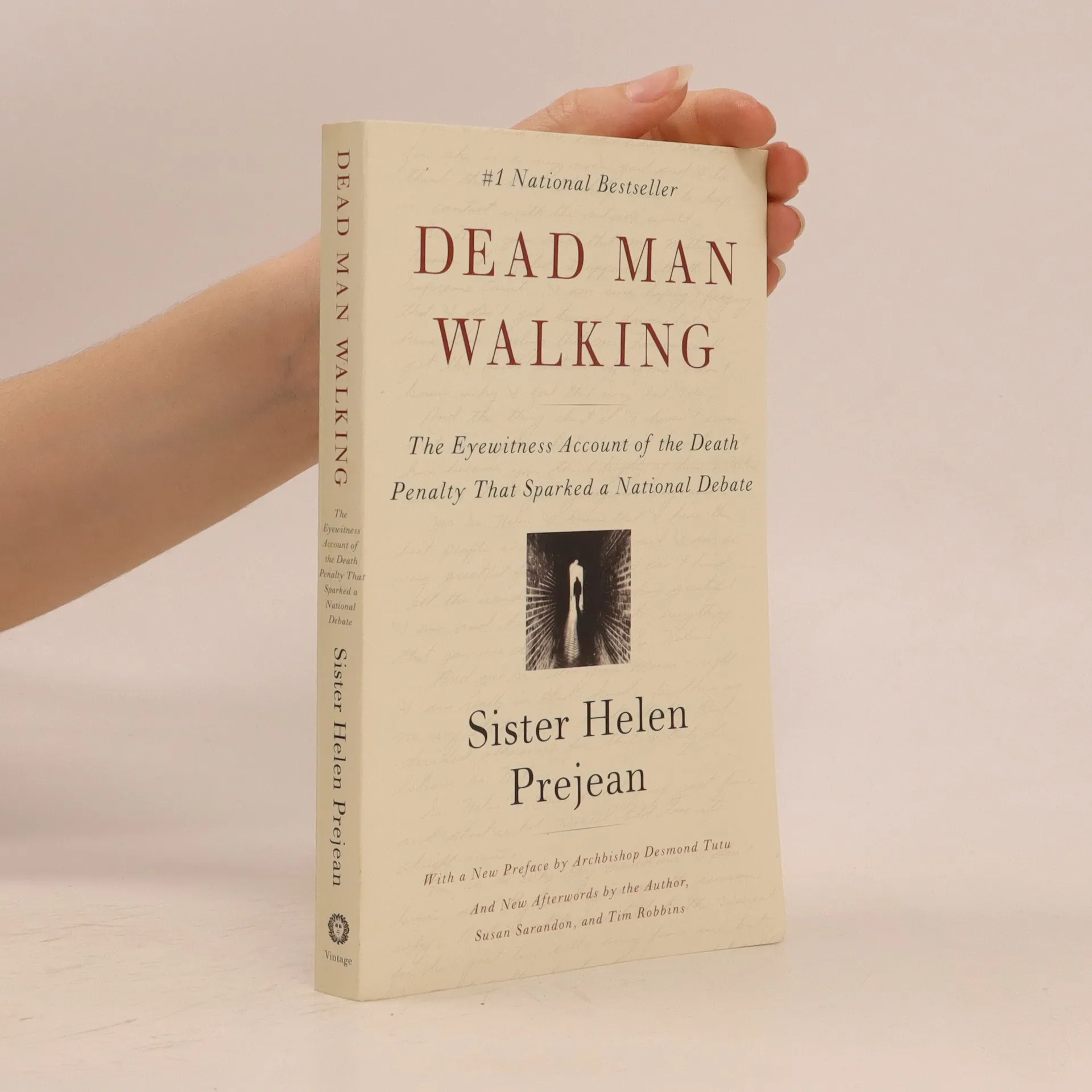

In 1982, Sister Helen Prejean became the spiritual advisor to Patrick Sonnier, the convicted killer of two teenagers who was sentenced to die in the electric chair of Louisiana’s Angola State Prison. In the months before Sonnier’s death, the Roman Catholic nun came to know a man who was as terrified as he had once been terrifying. She also came to know the families of the victims and the men whose job it was to execute—men who often harbored doubts about the rightness of what they were doing. Out of that dreadful intimacy comes a profoundly moving spiritual journey through our system of capital punishment. Here Sister Helen confronts both the plight of the condemned and the rage of the bereaved, the fears of a society shattered by violence and the Christian imperative of love. On its original publication in 1993, Dead Man Walking emerged as an unprecedented look at the human consequences of the death penalty. Now, some two decades later, this story—which has inspired a film, a stage play, an opera and a musical album—is more gut-wrenching than ever, stirring deep and life-changing reflection in all who encounter it.