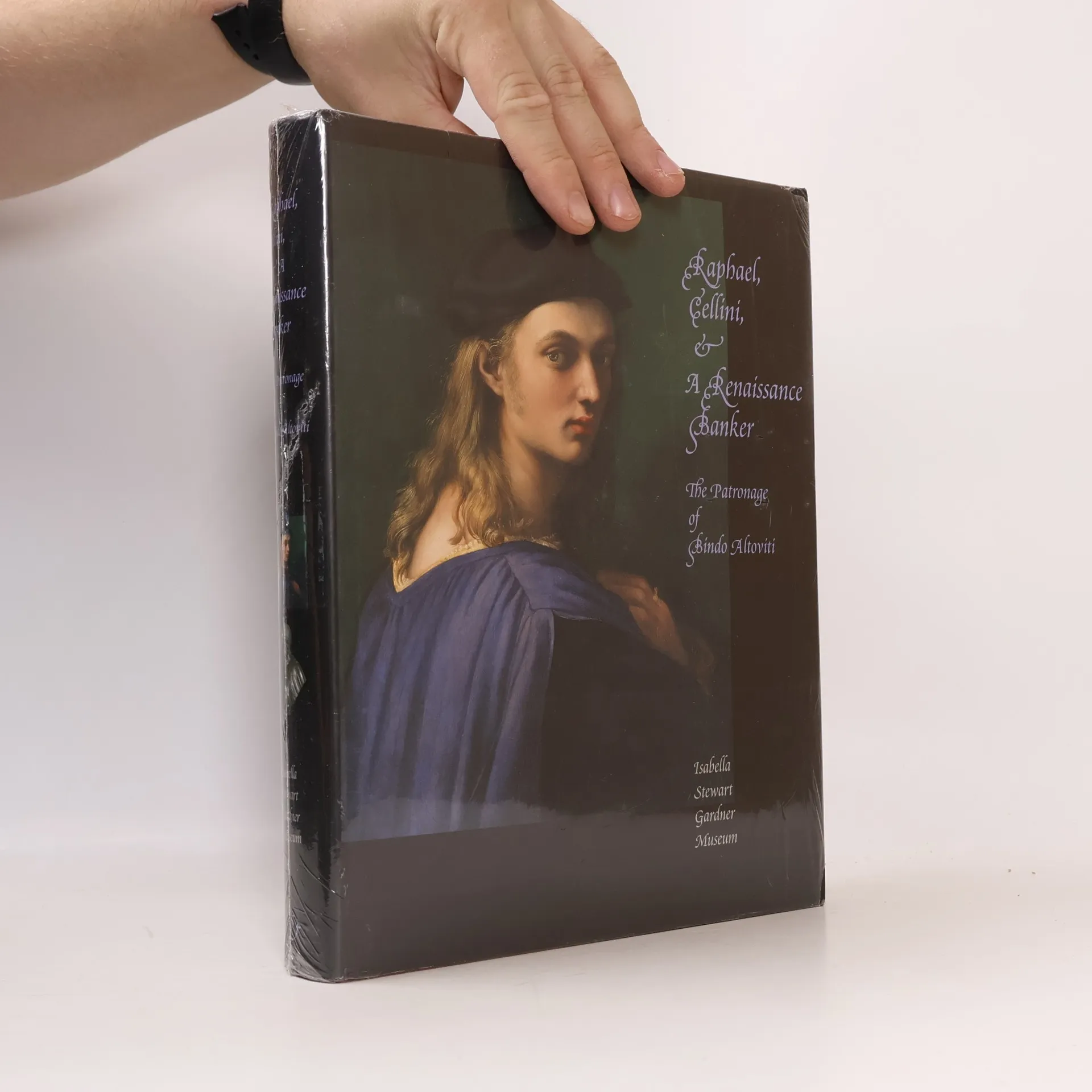
Focusing on the evolution and impact of the S. Rajaratnam School of International Studies, this book highlights its role as a key think tank in Singapore’s approach to Asia-Pacific security and policy-making. Established in 1996, RSIS has been pivotal in addressing security challenges, counter-terrorism, and fostering inter-religious dialogue. Contributions from prominent figures reflect on the school's history and its vision for the future, emphasizing its significance in shaping Singapore's national security strategies and intellectual discourse in the region.
Von Canaletto und Turner bis Monet - Katalog zur Ausstellung in der Fondation Beyeler, Riehen/Basel, 2008/2009
222pagine
8 ore di lettura
Venedig entwickelte sich im 19. Jahrhundert zu einem magischen 'Laboratorium der Wahrnehmung', geprägt von einem einzigartigen Zusammenspiel von Licht, Wasser und Atmosphäre. Claude Monet, der sich 1908 in der Lagunenstadt aufhielt, ließ sich zu seinem berühmten Venedig-Zyklus inspirieren. Diese venezianischen Gemälde markieren einen Wendepunkt in Monets Werk und verdeutlichen, dass Venedig einen bedeutenden, bisher wenig gewürdigten Beitrag zur Emanzipation der Malerei an der Schwelle zur Moderne geleistet hat. Der reich illustrierte Band widmet sich umfassend dem Bild der Lagunenstadt in der europäischen und amerikanischen Malerei des 19. und frühen 20. Jahrhunderts. Im Mittelpunkt steht Monets Venedig-Zyklus, ergänzt durch Meisterwerke von Künstlern wie Canaletto, J. M. William Turner und Paul Signac. Die vorgestellten Künstler umfassen unter anderem Francesco Guardi, James McNeill Whistler, John Singer Sargent, Anders Zorn, Edouard Manet und Pierre-Auguste Renoir. Eine begleitende Ausstellung fand in der Fondation Beyeler, Riehen/Basel, vom 28.9.2008 bis 25.1.2009 statt. Erhältlich ist auch die Reihe Kunst zum Lesen, die Briefe von Alice und Claude Monet aus Venedig umfasst.
Situated between Western Europe and the civilizations of Byzantium and the Islamic world, Renaissance Venice was uniquely positioned at the crossroads of East and West. In the beautiful Adriatic city, ideas and aesthetics were exchanged and developed in a remarkable age of cultural fusion. Venice’s distinctive architecture is already well known for integrating divergent cultural influences, but the impact of this synthesis on Venetian painting has not been fully explored. This gorgeous book focuses on the work of the remarkable Bellini family of painters—Jacopo and his sons Gentile and Giovanni—who transformed Venetian painting in the fifteenth and early sixteenth centuries.The authors examine the influence of Venetian trade with the East on Bellini paintings; the Byzantine influence on Venetian art; the impact of a visit to Mehmed II’s court in 1479 on Gentile Bellini, as well as his effect on Eastern-trained artists there; and much more. The book is abundantly illustrated with the Bellini family’s paintings and examples of the Eastern objects that inspired them.
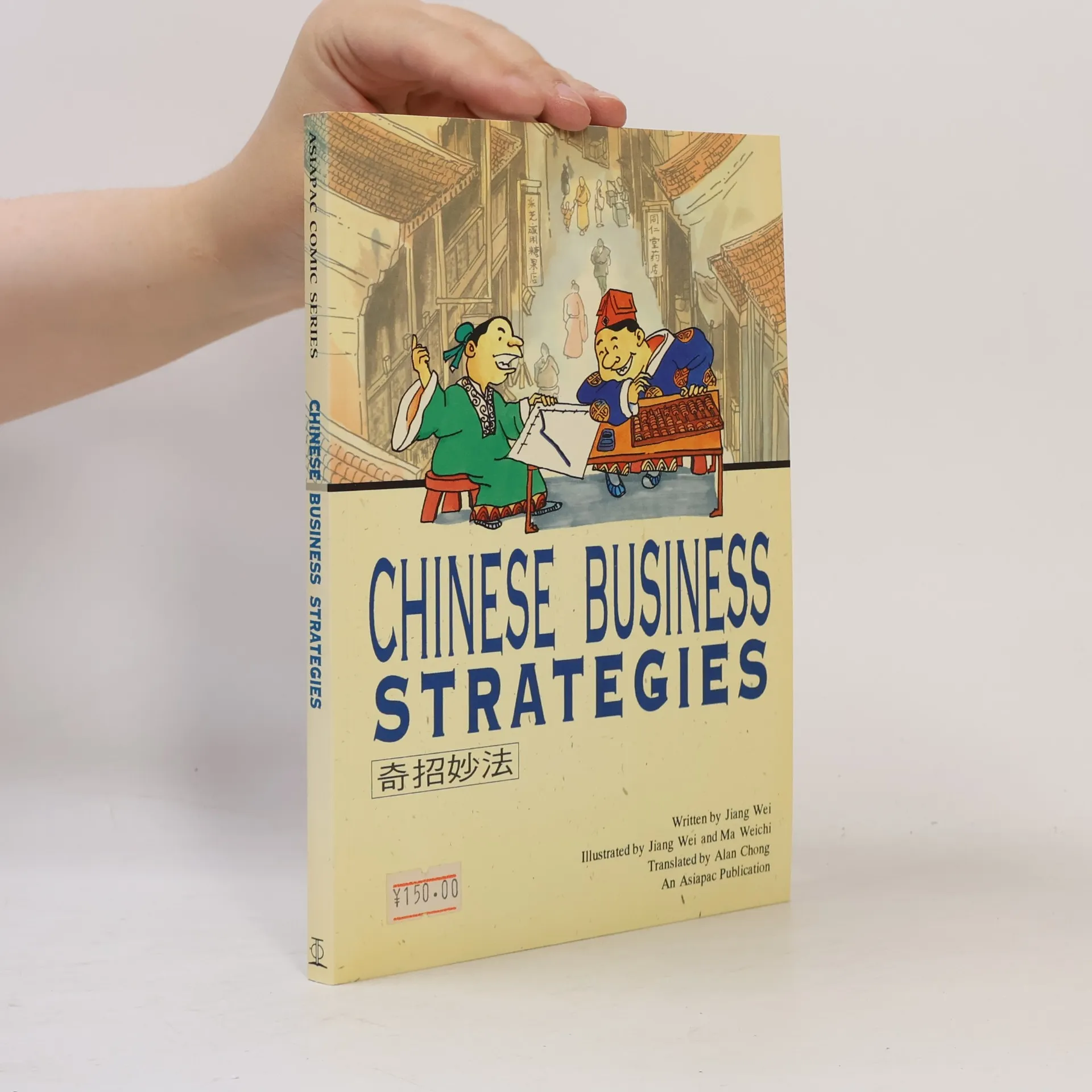
A new twist on thirty simple, yet powerful business axioms. The principles & trade secrets detailed in this edition are already popular among entrepreneurs & business people around the world.