
Drawing on four decades of research, Bernard Spolsky presents an updated theory of language policy that starts with the individual speaker instead of the nation. In this book, he surveys the language practices, beliefs, and planning efforts of individuals, families, public and private institutions, local and national activists, advocates and managers, and nations. He examines the diversity of linguistic repertoires and the multiplicity of forces, linguistic and non-linguistic, which account for language shift and maintenance. By starting with the individual speaker and moving through the various levels and domains, Spolsky shows the many different policies with which a national government must compete and illustrates why national policy is so difficult. A definitive guide to the field, this is essential reading for policy makers, stakeholders, researchers, and students of language policy.
Bernard Spolsky Ordine dei libri
Bernard Spolsky è un eminente studioso di linguistica applicata, che concentra il suo lavoro sull'acquisizione della seconda lingua e sulla politica linguistica. La sua ricerca approfondisce le condizioni che facilitano l'apprendimento delle lingue straniere, esaminando le dimensioni sociolinguistiche dello sviluppo linguistico. Le indagini di Spolsky contribuiscono a una comprensione più ricca di come individui e società interagiscono con la lingua. Le sue pubblicazioni, presso prestigiose case editrici universitarie, offrono preziose intuizioni sia ai linguisti che agli educatori.


- 2023
- 2014
Language Policy
- 264pagine
- 10 ore di lettura
Focusing on contemporary language policy debates, the book examines critical topics such as language correctness, bilingualism, and the preservation of endangered languages. It addresses language choice as a fundamental human right and delves into language education policy. Spolsky presents a theory of modern national language policy, highlighting the significant forces shaping it and exploring essential questions regarding the recognition and management of language policies.
- 2012
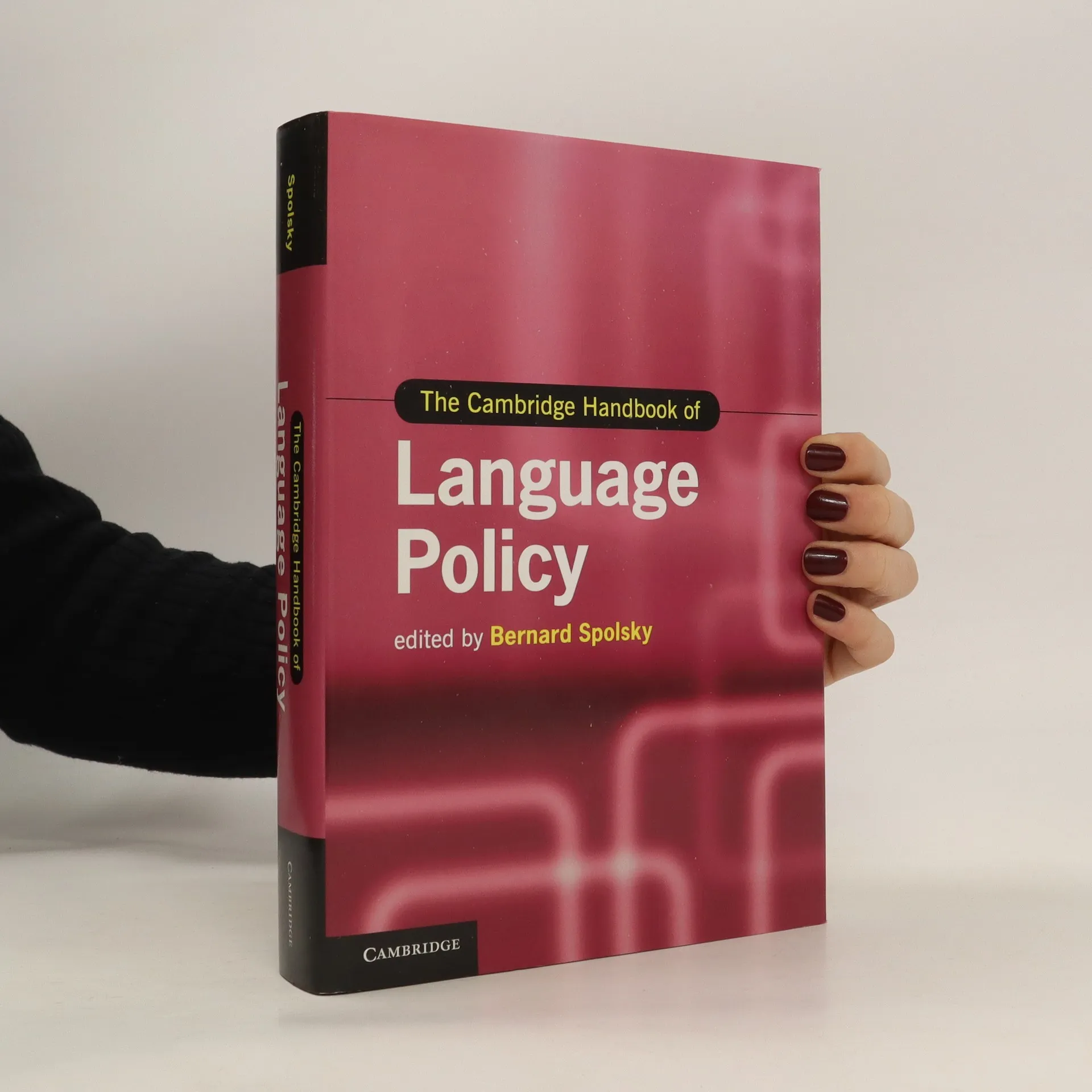
The Cambridge Handbook of Language Policy
- 738pagine
- 26 ore di lettura
Over the last 50 years, language policy has developed into a major discipline, drawing on research and practice in many nations and at many levels. This is the first Handbook to deal with language policy as a whole and is a complete 'state-of-the-field' survey, covering language practices, beliefs about language varieties, and methods and agencies for language management. It provides a historical background which traces the development of classical language planning, describes activities associated with indigenous and endangered languages, and contains chapters on imperialism, colonialism, effects of migration and globalization, and educational policy. It also evaluates language management agencies, analyzes language activism and looks at language cultivation (including reform of writing systems, orthography and modernized terminology). The definitive guide to the subject, it will be welcomed by students, researchers and language professionals in linguistics, education and politics.
- 1998
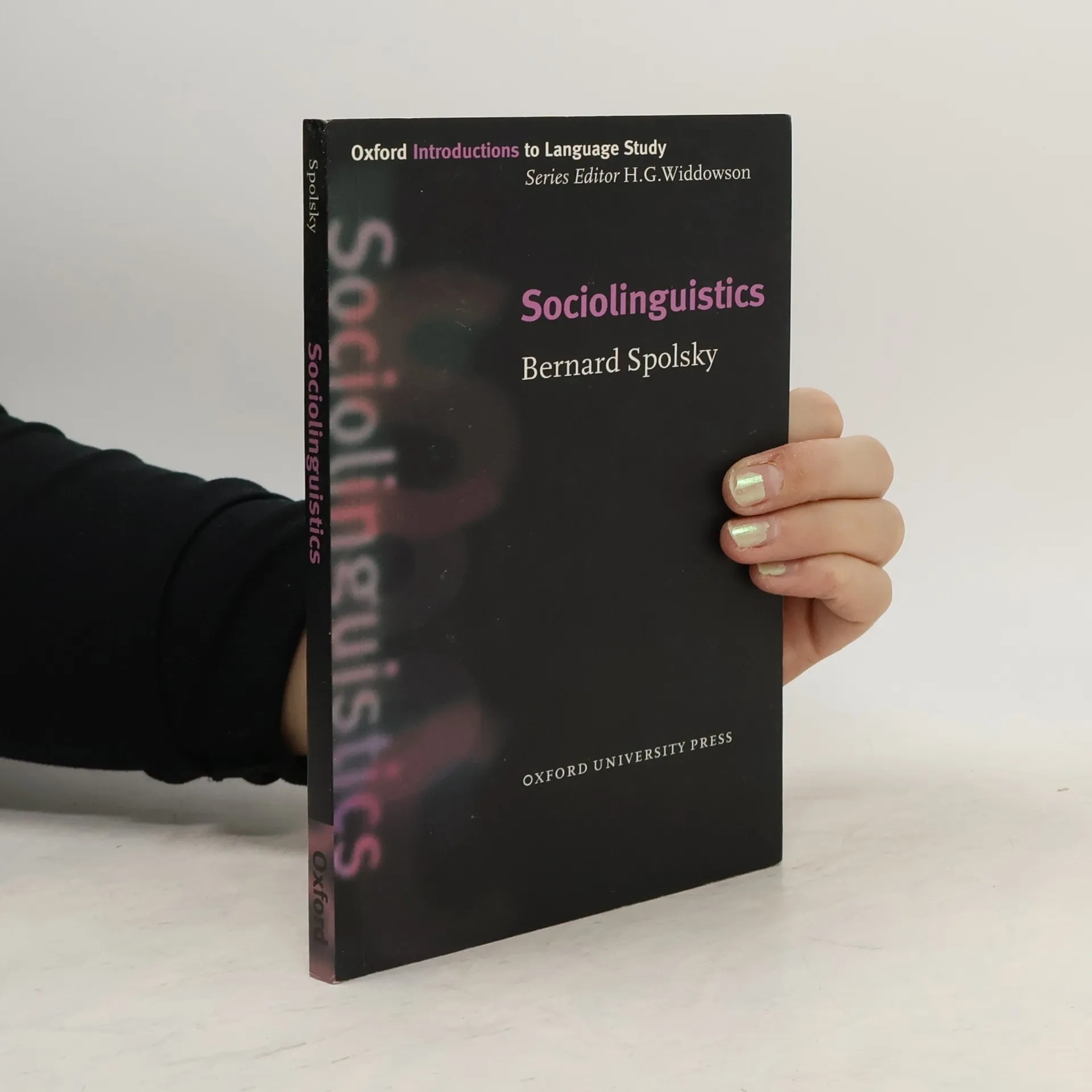
Sociolinguistics
- 142pagine
- 5 ore di lettura
Sociolinguistics is the study of the different ways in which different groups of people use language. This book provides a brief but comprehensive introduction to the field, making links with related disciplines such as history, politics, and gender studies.