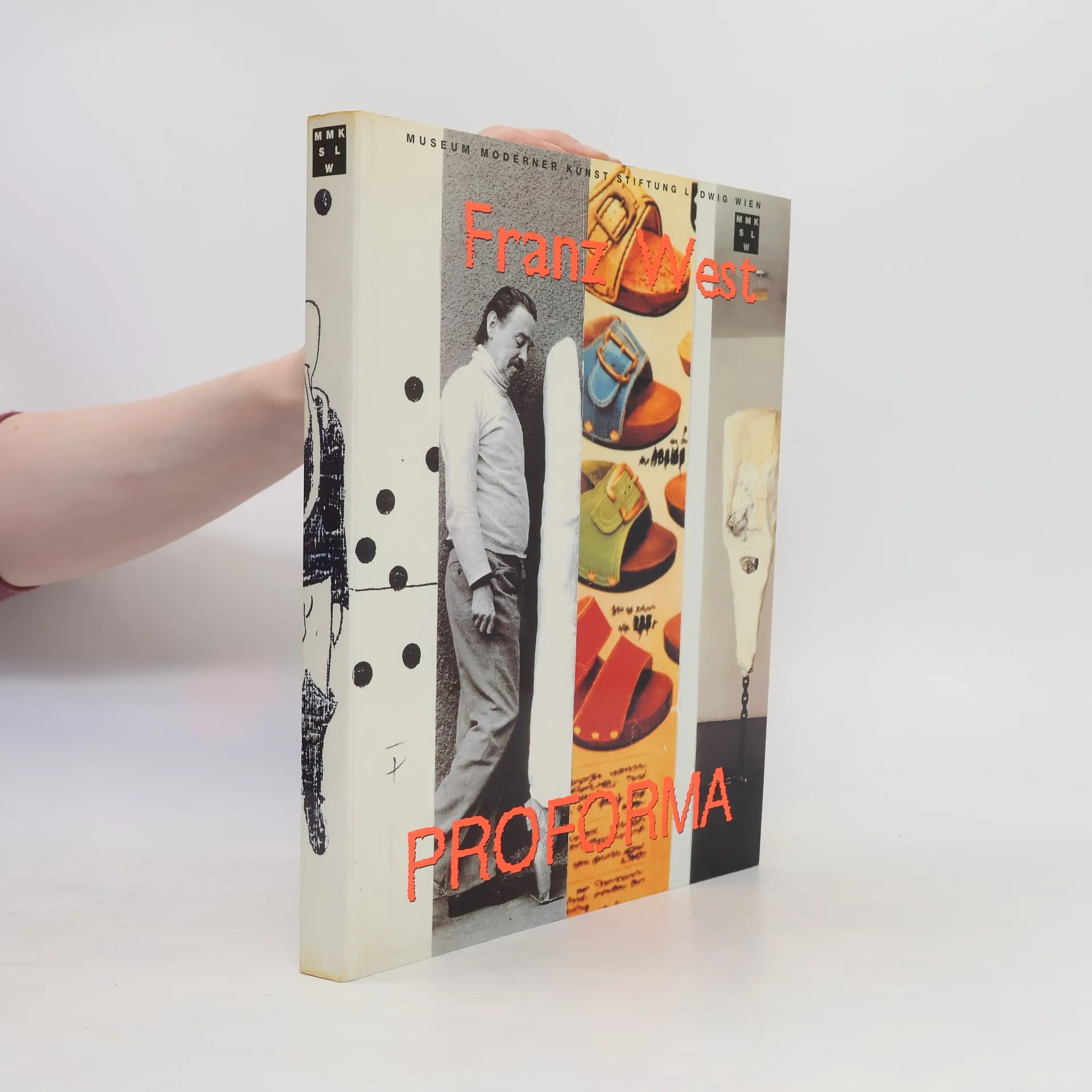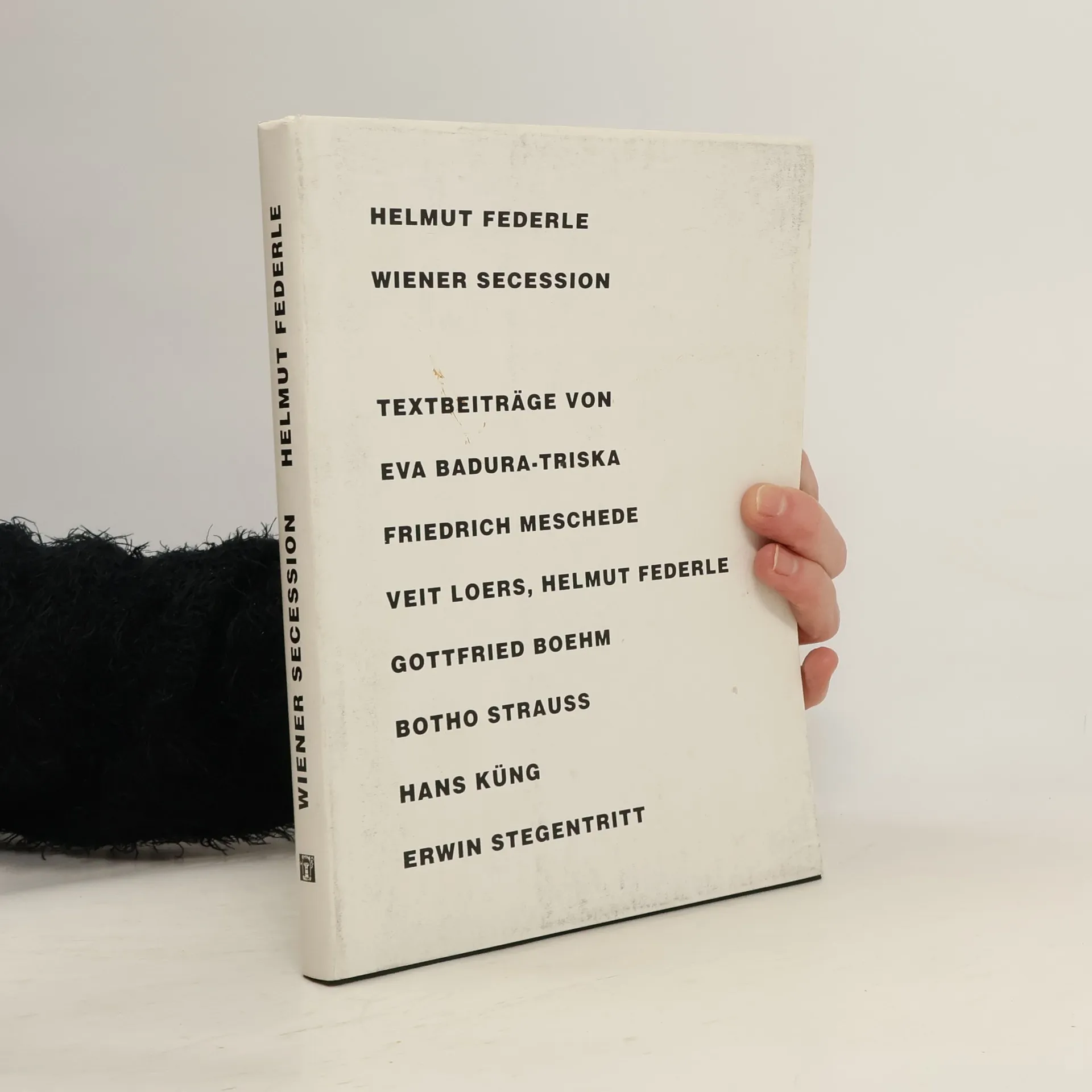
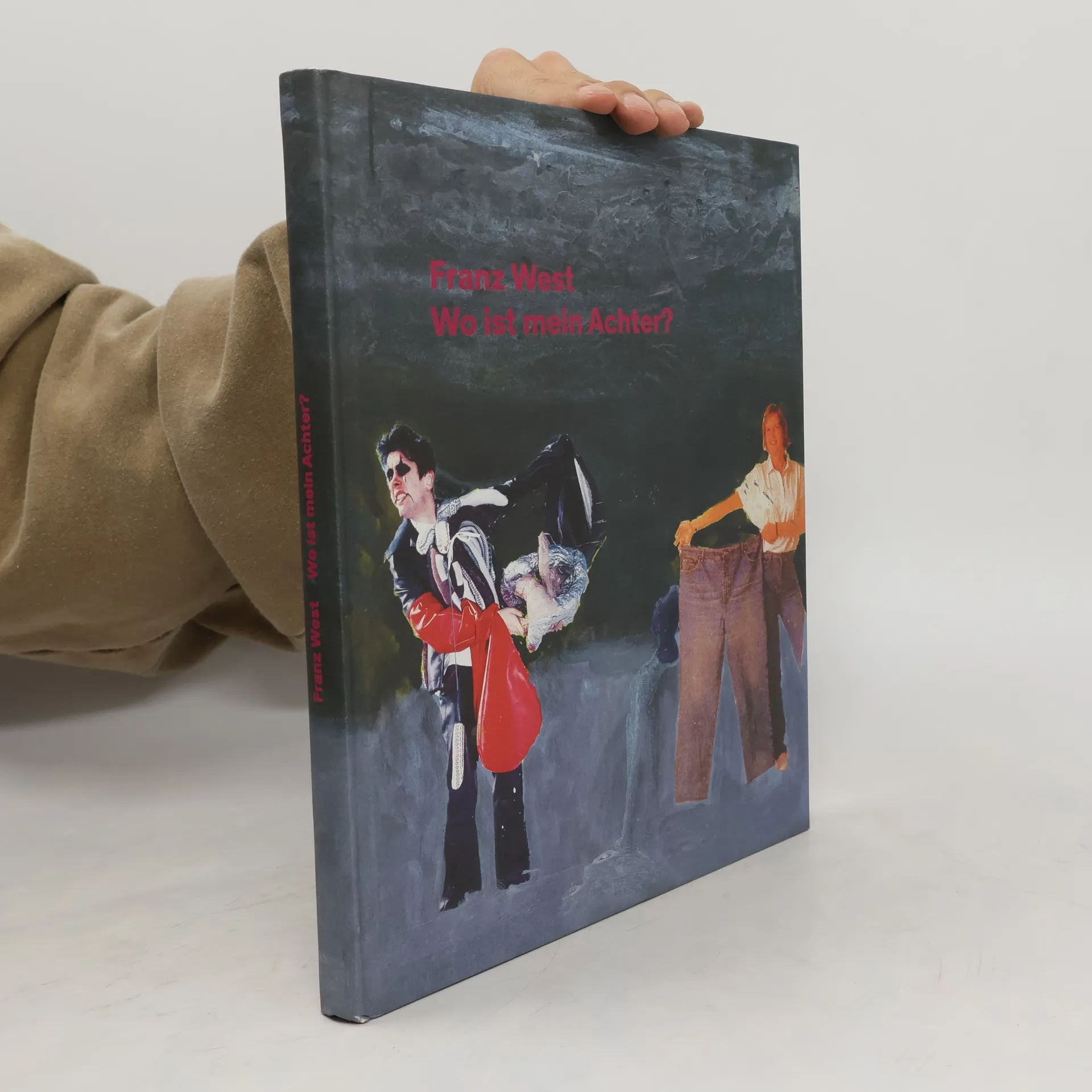
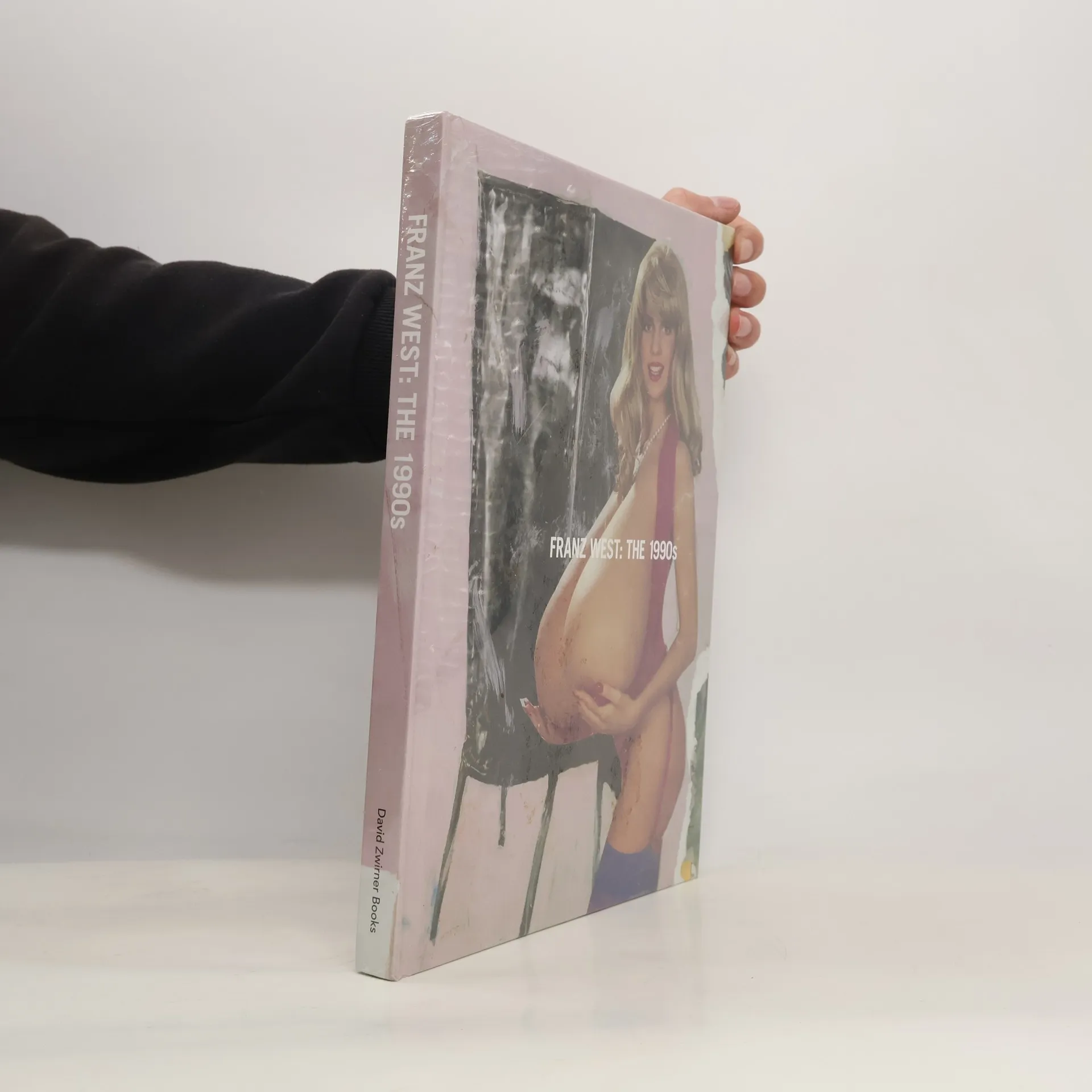
During the 1990s, Franz West’s work moved in new and innovative stylistic directions, as his career was solidified through important international exhibitions. This publication delves into this significant decade in an effort to contextualize the evolution of West’s singular practice. The 1990s proved critical in the development of the idiosyncratic style for which West is still known today. His key innovations from this period—which included the addition of exuberant color to his papier-mâché forms, the incorporation of furniture both as art object and as social incubator, and the inclusion of work by other artists in his own installations—resulted in dynamic, frequently interactive installations that helped to expand the possibilities of sculpture and the ways in which art is experienced. Produced on the occasion of David Zwirner’s 2014 exhibition in New York, this fully illustrated publication gives an in-depth overview of the decade, arguably the most important of the artist’s lengthy career. It features essays by noted West scholars Eva Badura-Triska and Veit Loers, as well as a personal account by Bernhard Riff on video collaborations made with the artist throughout the 1990s.
Eva Badura-Triska Ordine dei libri


- 2016
- 2003
Heimo Zobernig
- 192pagine
- 7 ore di lettura
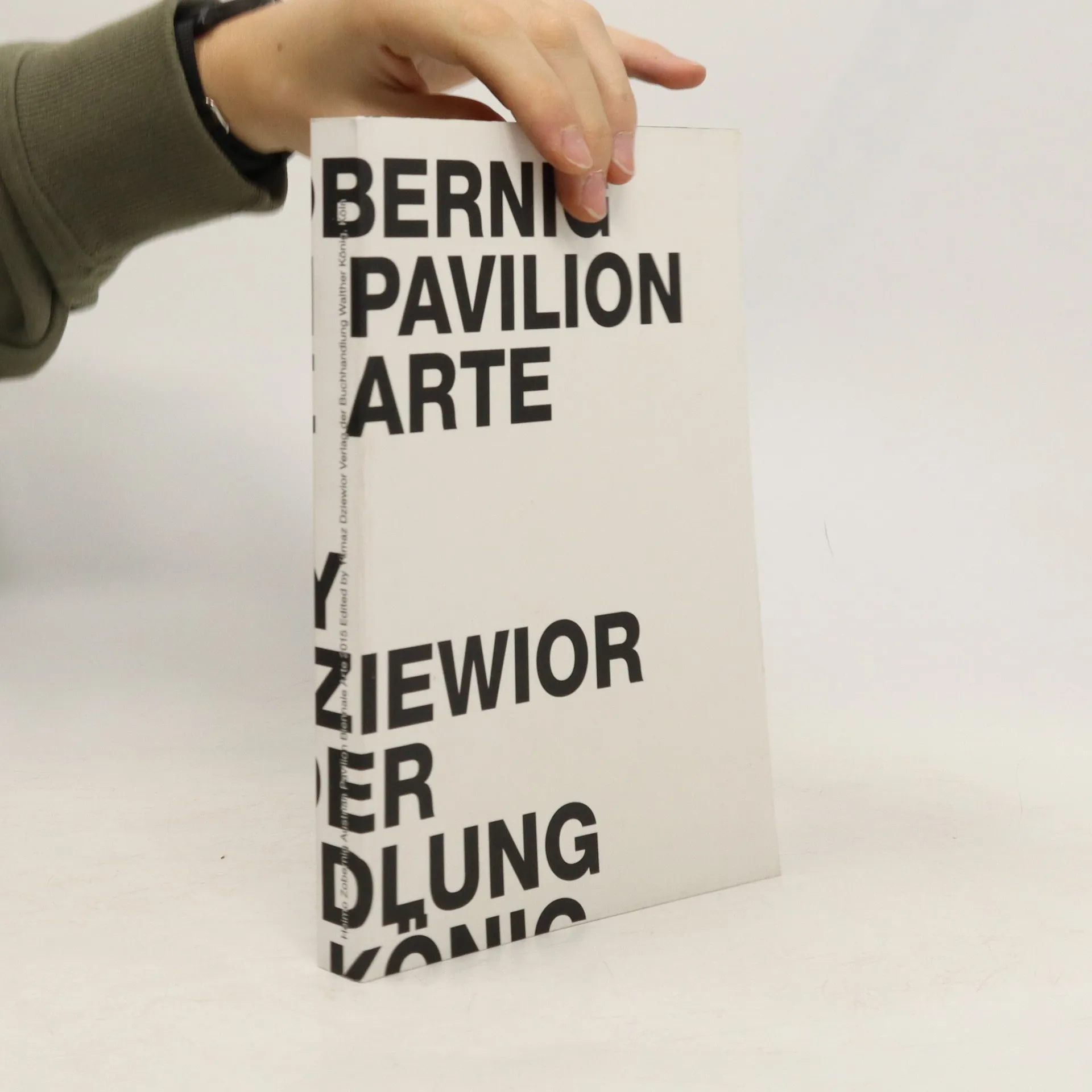
Mit seinem Biennale-Beitrag reagiert Heimo Zobernig unmittelbar auf die Ausstellungssituation in dem 1934 nach Plänen von Josef Hoffmann und Robert Kramreiter gebauten Österreichischen Pavillon, der mit klassischen Rundbögen und hoheitsvoll anmutenden Blickachsen einerseits sowie streng rationalen Formen und modernen Baustoffen andererseits zwischen Historizität und Moderne laviert. Gleichzeitig vereint Zobernig Innen und Außen und schafft auf diese Weise einen Ort, der zum Verweilen und zur Reflexion über die menschliche Präsenz im Raum einlädt. Heimo Zobernig’s contribution to the Venice Biennial responds directly to the existing exhibition situation in the Austrian Pavilion, built in 1934 based on plans by Josef Hoffmann and Robert Kramreiter. The Pavilion’s structure, with its rounded classical arches and majestic visual axes, on the one hand, and clear, rational forms and modern construction materials, on the other, moves between the poles of historicism and modernism. At the same time, Zobernig’s intervention connects inside and outside, to create an enclosed site where one can linger and reflect on human presence in space.
- 1991
German