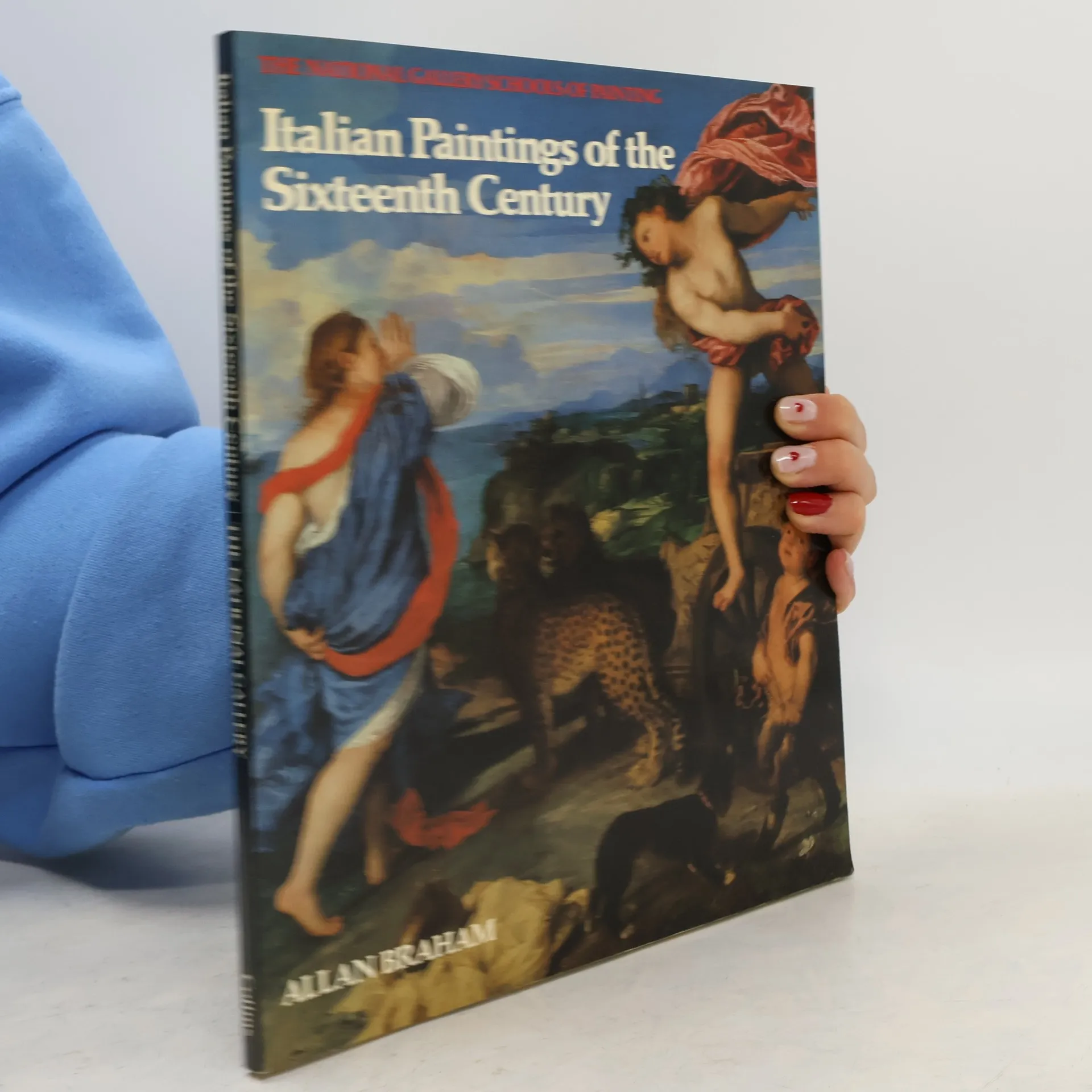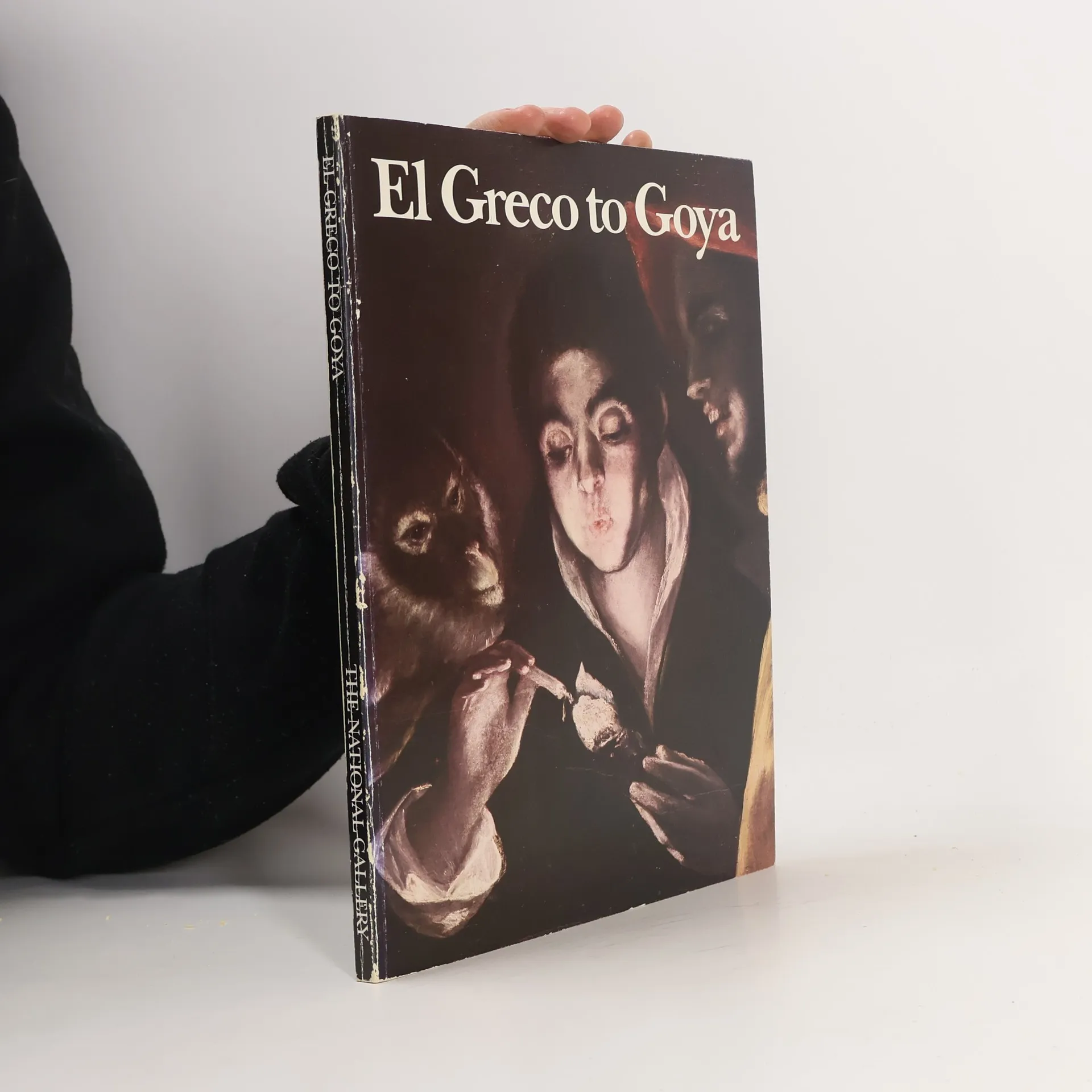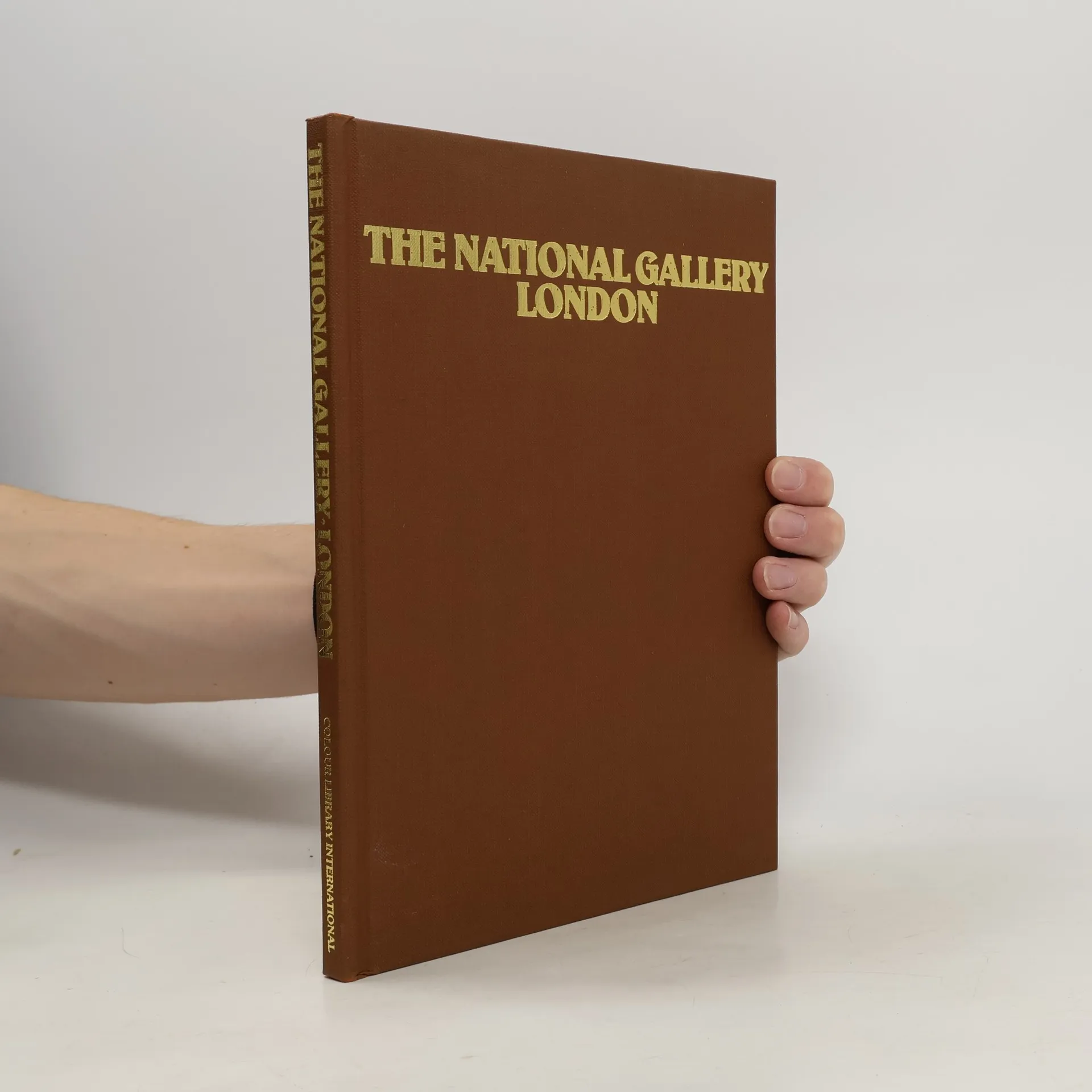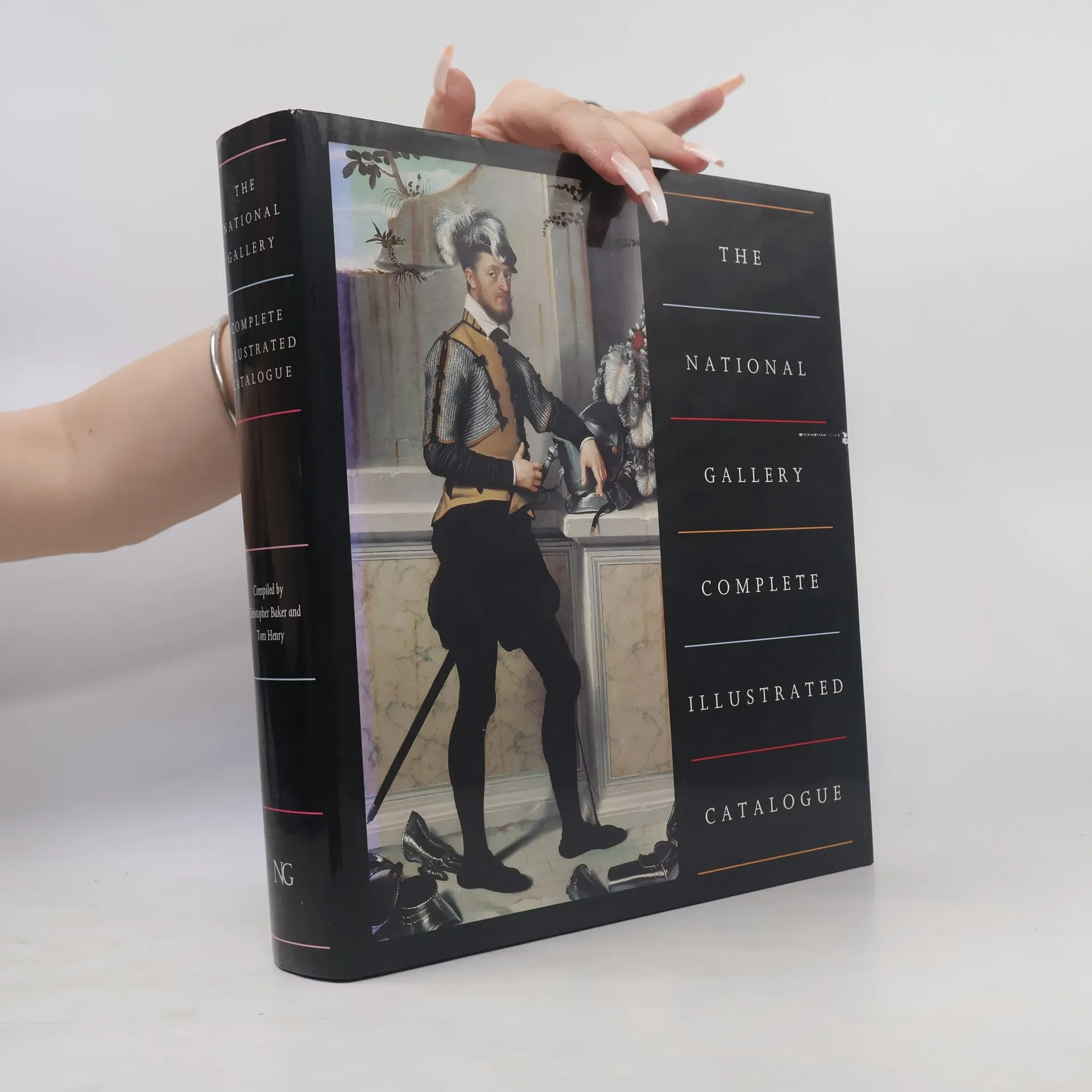
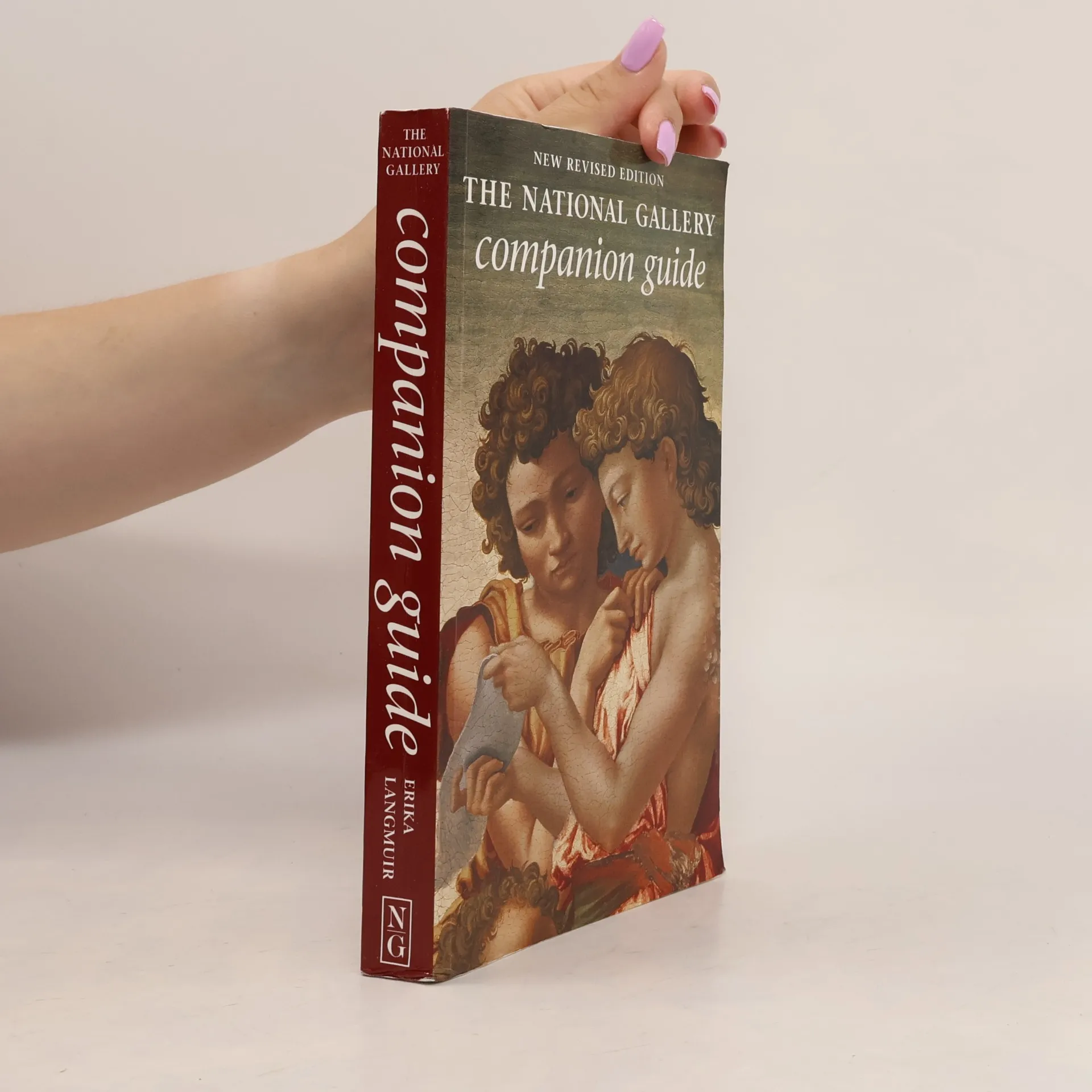
The Companion Guide introduces art lovers to one of the richest and most representative collections of Western European paintings in the world, including famous works by Piero della Francesca, Titian, Rembrandt, Rubens, Velaquez, Ingres, Degas and many others and works by less familiar artists.
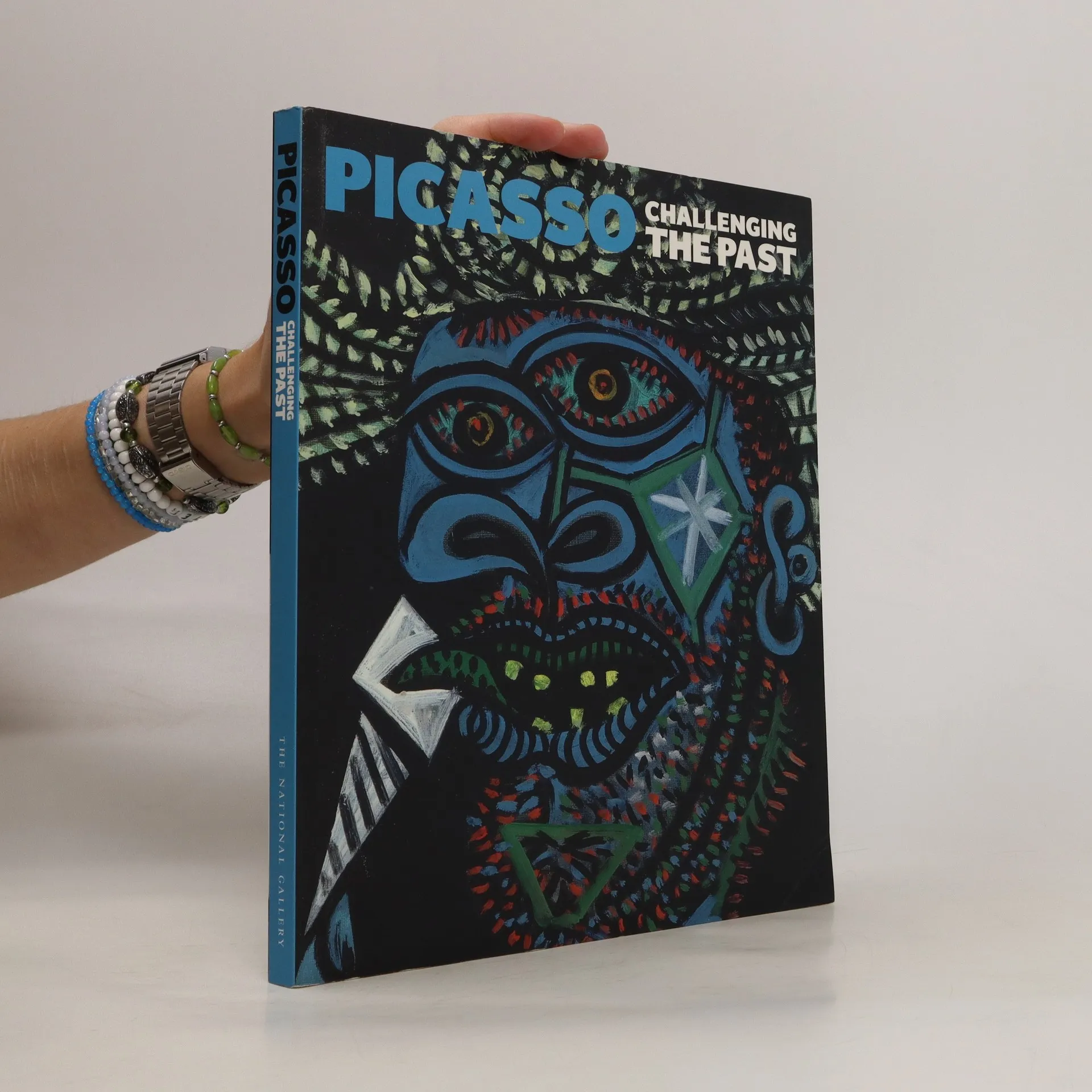
This thought-provoking book presents a lively introduction to the 20th century's most important artist, Pablo Picasso. Picasso was a passionate student of the European painting tradition, and his memory for images was voracious. Naturally drawn to Spanish masters Velázquez and Goya, he also engaged with such figures as Rembrandt, Delacroix, Ingres, Manet, and Cézanne. Picasso repeatedly pitted himself against these masters, taking up their signature themes, techniques, and artistic concerns in audacious paintings of his own. Sometimes his "quotations" were direct, other times highly allusive. Always, Picasso made the implicit case that it was he in the 20th century who most forcefully reinvigorated the European tradition. This book showcases his extraordinary work, where we witness the daring transformation of the art of the past into, in Picasso's own words, "something else entirely."
The book is recognized for its significant contribution to literature, valued by scholars and academics alike. It serves as an essential part of the knowledge base for future generations. To maintain its historical integrity, it is presented in its original print format, including any marks or annotations from the first publication, ensuring that its authentic nature is preserved for readers.
Very Good plus/No Jacket. Hardcover. No marks or inscriptions. No creasing to covers or to spine. A very clean very tight copy with bright unmarked laminated boards, very slight traces of storage and bumping to upper front corner. Unpaginated. pp. Captioned images of paintings from London's National Gallery. ISBN 0904681874
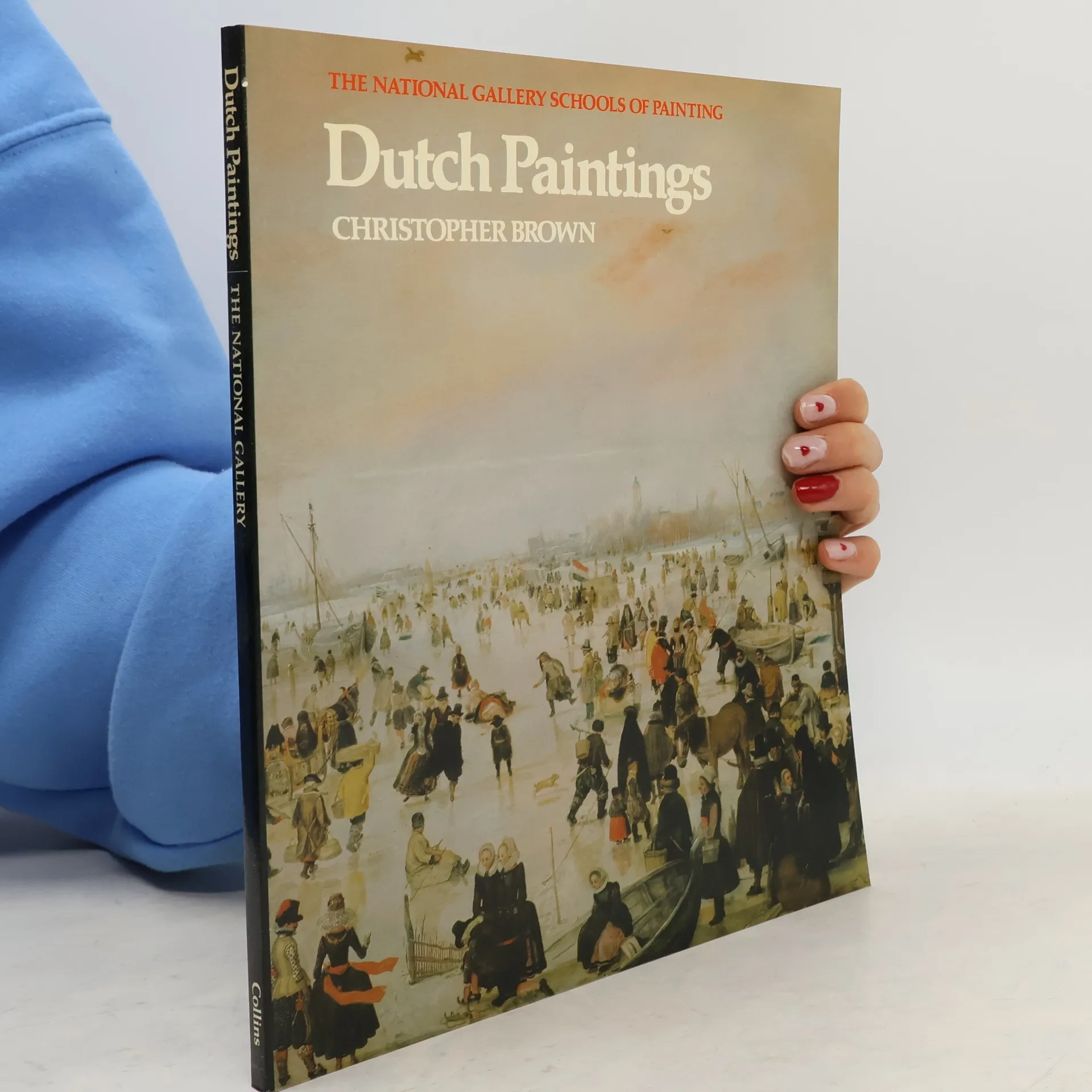
An introduction to the painting and artists of the Dutch town of Delft. It covers church interiors, portraits, landscapes and townviews, and culminates in an in-depth look at the work of three great Delft masters: Carel Fabritius, Pieter de Hooch and Johannes Vermeer.