

Bookbot

Harvey Cox

    Harvey Cox Jr. è un eminente teologo il cui lavoro esamina criticamente l'interazione tra religione, cultura e politica. Approfondisce temi significativi come l'urbanizzazione, l'evoluzione del cristianesimo globale, le relazioni giudaico-cristiane e i movimenti spirituali contemporanei in tutto il mondo. Il suo libro fondamentale del 1965, 'The Secular City', raggiunse lo status di bestseller internazionale e fu riconosciuto come un'opera profondamente influente nella teologia protestante del XX secolo. Gli scritti di Cox sono celebrati per la loro acuta analisi che collega il pensiero teologico con le realtà della vita moderna e le pressanti preoccupazioni sociali.

    Stadt ohne Gott?
    Das Fest der Narren
    God's Revolution and Man's Responsibility
    A New Heaven: Death, Human Destiny, and the Kingdom of God
    The Secular City
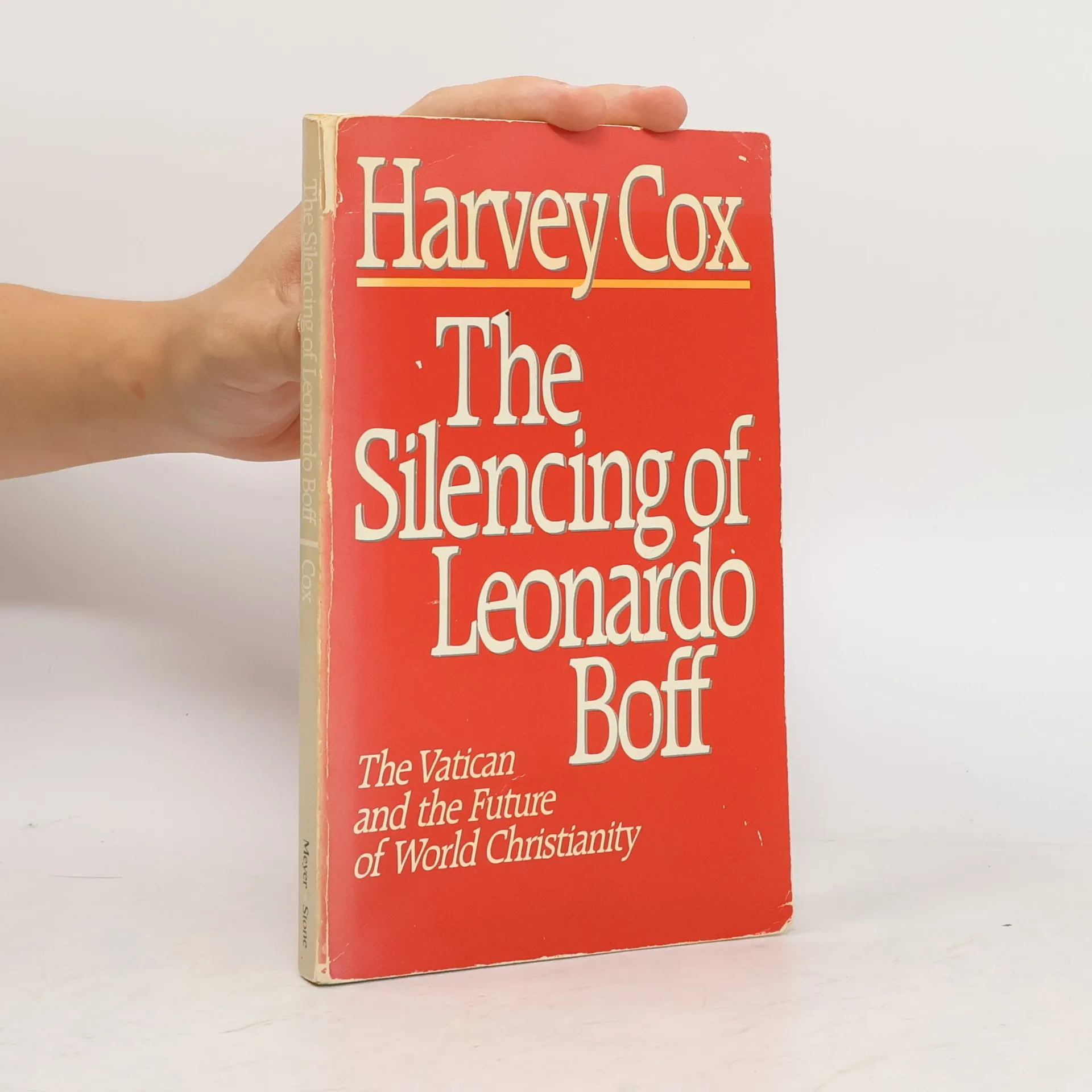
    The Silencing of Leonardo Boff
    • 2022

      Exploring profound themes of death, human destiny, and the Kingdom of God, this book delves into the biblical vision of a transformed existence. It reflects on the promise of renewal and the hope of a new heaven and earth, as depicted in Revelation. The cover features a striking wood engraving associated with the 19th-century astronomer Camille Flammarion, symbolizing the quest for understanding beyond our current reality. This work invites readers to contemplate the ultimate purpose of life and the nature of divine promise.

      A New Heaven: Death, Human Destiny, and the Kingdom of God
    • 1988
    • 1977
    • 1969

      Our times offer abundant evidence that organized Christianity is failing to fulfill its responsibilities in bringing about the changes most desperately needed in the world. The great events of our day are occurring apart from the church, and this fact indicates to Harvey Cox that the secular world is the principal arena of God's work today. Where does this leave the organized church, the clergy, and the lay member as they witness in modern society? These are the kind of questions that Harvey Cox faces and provocatively discusses in this book. There is no doubt as to where he stands personally with regard to the issues that trouble society most deeply. He is a prophet of God's reconciliation, whether in matters of race, ecumenical relationships, or world order, and he feels that Christians who stand with him will have to enter more vitally into the secular world if they are to be agents of reconciliation. You may or may not agree with this book, but you owe it to yourself to read it.

      God's Revolution and Man's Responsibility