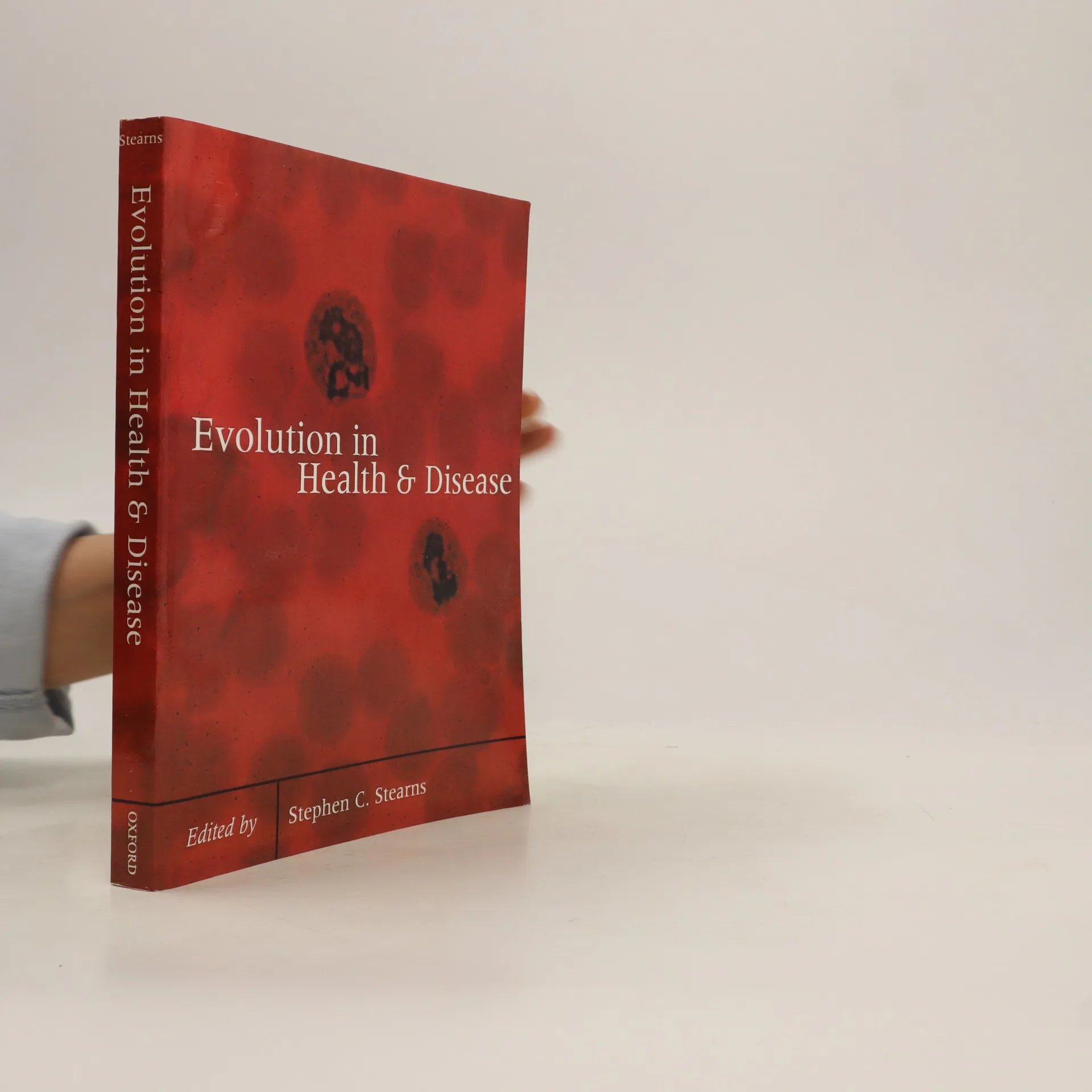
Have you ever considered how the life experiences of our ancestors might impact our health today? For most of our evolutionary history, humans lived in small hunter-gatherer groups with diets, lifestyles, and living conditions vastly different from contemporary life. The adaptations that define us—height, brain size, body proportions, metabolic rate—were established during the Pleistocene, a period far longer than our recent evolutionary history, and may not align with modern conditions. This engaging exploration examines how our ancient genes interact with contemporary human life. It provides a comprehensive look at the intersections of evolutionary biology and medical science, an area often overlooked in medical education yet rich with insights into human health and disease. Topics covered include antibiotic resistance, pathogen virulence, aging, vaccine design, and population-specific drug responses. The book also delves into mother-offspring conflict during pregnancy, menstruation, menopause, child abuse, homicide, depression, schizophrenia, and chronic diseases like cancer and osteoporosis. Written by leading experts in evolutionary medicine, it offers accessible insights into the primary literature, making a compelling case for integrating evolutionary biology into medical practice for students, researchers, and practitioners alike.
Stephen C. Stearns Ordine dei libri (cronologico)
Stephen C. Stearns è un biologo americano e professore di ecologia e biologia evolutiva. È noto per il suo lavoro sulla teoria della storia della vita e sulla medicina evolutiva. La sua ricerca esamina come i processi evolutivi influenzano lo sviluppo delle strategie vitali degli organismi e la loro suscettibilità alle malattie. Il lavoro di Stearns ha contribuito in modo significativo alla nostra comprensione dei principi evolutivi che governano i cicli vitali e la salute.