Classici della pedagogia - 4: L'educazione dell'uomo
- 346pagine
- 13 ore di lettura


Friedrich Fröbel, pedagogista tedesco e allievo di Pestalozzi, pose le basi dell'educazione moderna. Riconobbe le esigenze e le capacità uniche dei bambini, istituendo il concetto di 'kindergarten' e conia il termine. Sviluppò anche giocattoli educativi noti come doni di Fröbel.


The Students Froebel introduces the educational philosophy of Friedrich Fröbel, the founder of the Kindergarten movement. William Henry Herford adapts Fröbel's work and presents it in a format that will be accessible to educators and students alike. This book is a valuable resource for anyone who wants to explore Fröbel's ideas and learn how they can apply these ideas in their own work with students.
The TREDITION CLASSICS series aims to revive public domain literature by making it accessible in print. Driven by a passion for literature, this initiative not only preserves timeless works but also supports non-profit projects dedicated to literary content. By purchasing a book from this series, readers contribute to the mission of keeping significant literary works alive and preventing them from fading into obscurity.
This anthology examines Love's Labours Lost from a variety of perspectives and through a wide range of materials. Selections discuss the play in terms of historical context, dating, and sources; character analysis; comic elements and verbal conceits; evidence of authorship; performance analysis; and feminist interpretations. Alongside theater reviews, production photographs, and critical commentary, the volume also includes essays written by practicing theater artists who have worked on the play. An index by name, literary work, and concept rounds out this valuable resource.
„Wenn die Tiere krank sind“ ist ein liebevoll illustriertes Bilderbuch, das die Geschichte eines kranken Häschen erzählt, das Hilfe benötigt. Kinder können das Lied nachspielen und erleben, wie wichtig Gesundheit und Fürsorge sind. Ein buntes Buch für die ganze Familie, das Freude und Mitgefühl vermittelt.
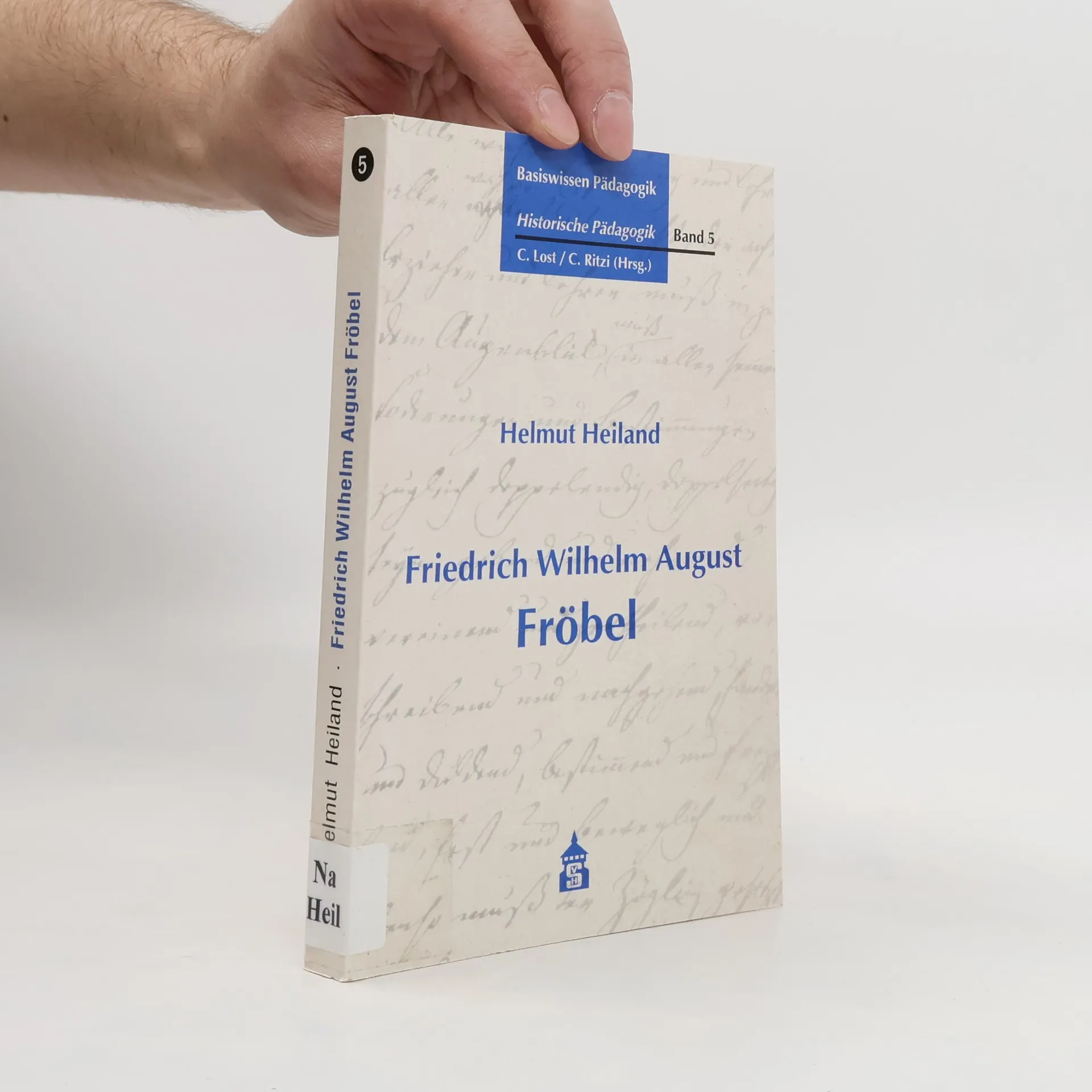
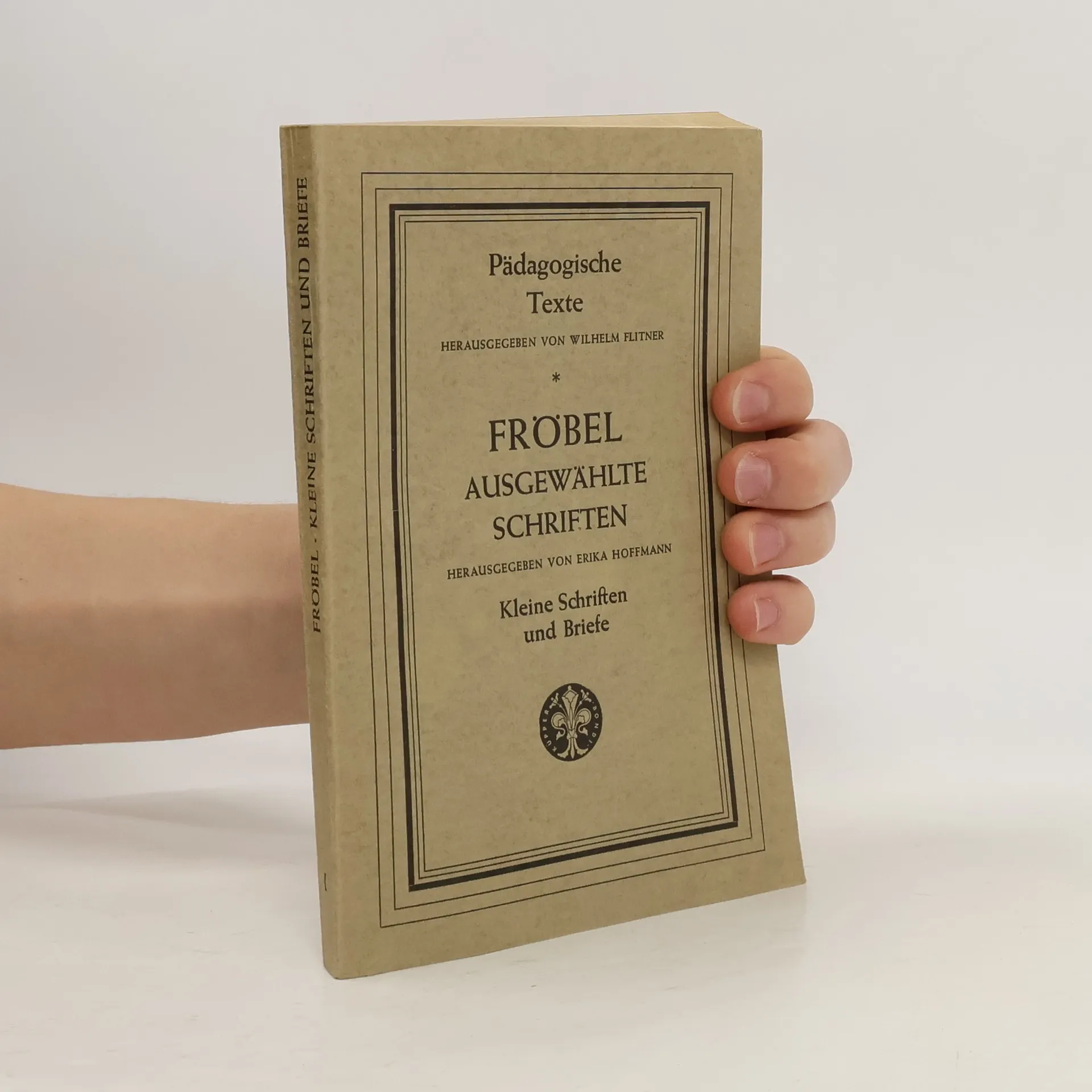
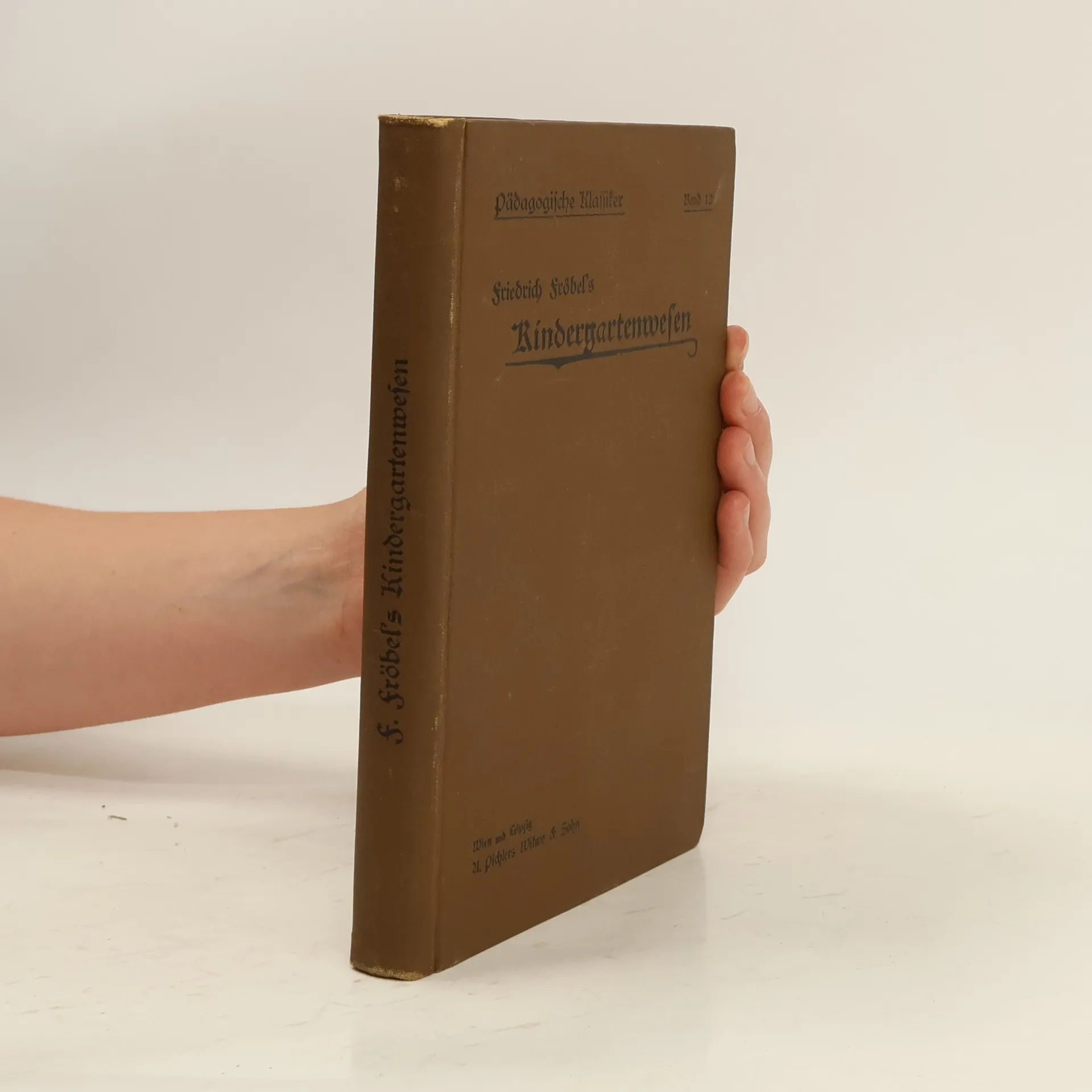
Der 5. Band der Reihe (siehe in dieser Nr.) stellt den Erziehungsphilosophen und Begründer der Kindergartenidee Friedrich Wilhelm August Fröbel (1782-1852) in den Mittelpunkt. Vgl. auch Fröbel: "Ausgewählte Schriften" (zuletzt ID 16/88). (3) (LK/W: Scharmann)
Friedrich Fröbel's gesammelte pädogogische Schriften - Erster Band: Autobiographie und kleinere Schriften ist ein unveränderter, hochwertiger Nachdruck der Originalausgabe aus dem Jahr 1862. Hansebooks ist Herausgeber von Literatur zu unterschiedlichen Themengebieten wie Forschung und Wissenschaft, Reisen und Expeditionen, Kochen und Ernährung, Medizin und weiteren Genres. Der Schwerpunkt des Verlages liegt auf dem Erhalt historischer Literatur. Viele Werke historischer Schriftsteller und Wissenschaftler sind heute nur noch als Antiquitäten erhältlich. Hansebooks verlegt diese Bücher neu und trägt damit zum Erhalt selten gewordener Literatur und historischem Wissen auch für die Zukunft bei.
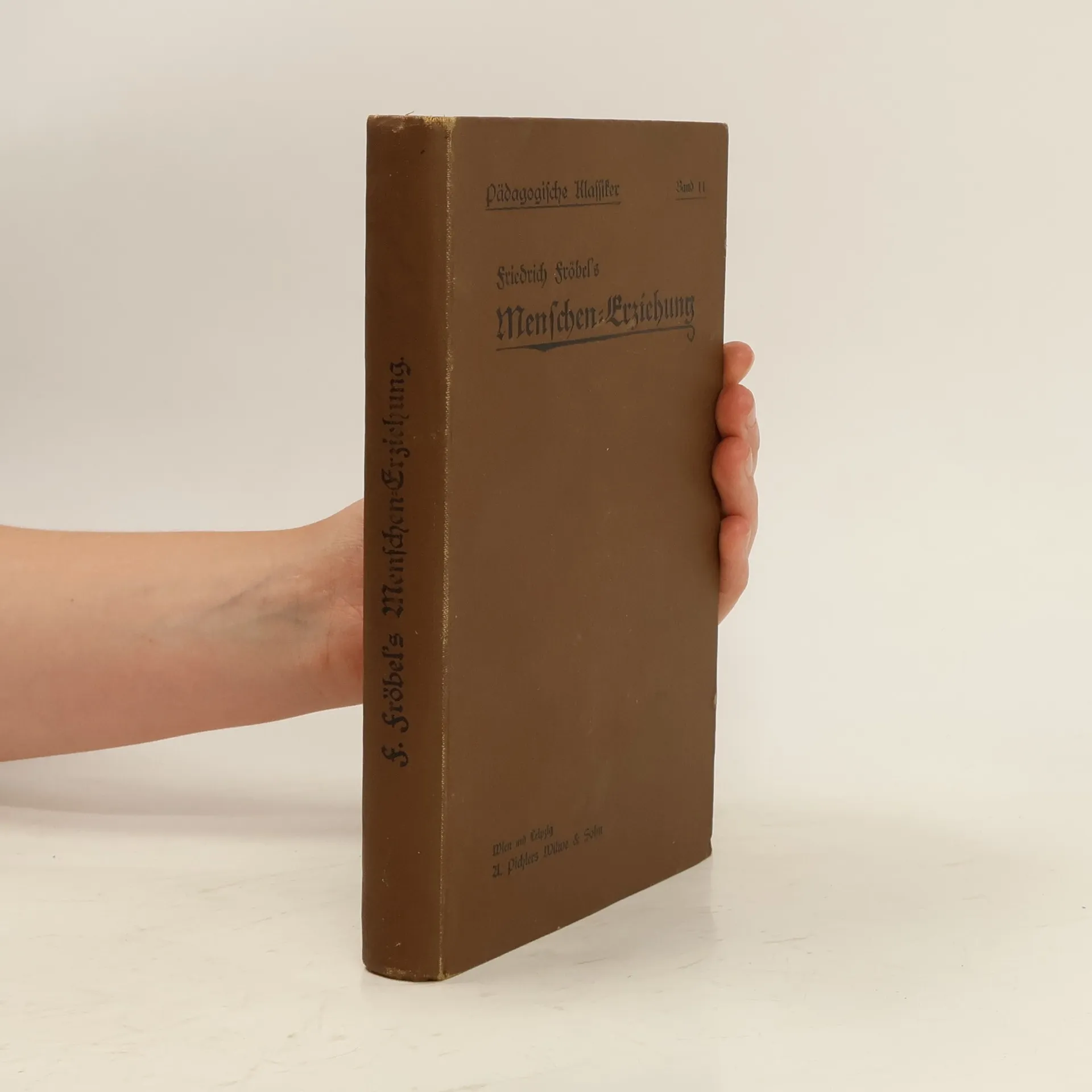
Friedrich Fröbel in Seiner Entwicklung ALS Mensch Und Pädagog, Zweiter Band; Die Menschenerziehung Und Verschiedene Abhandlungen (Classic Reprint)
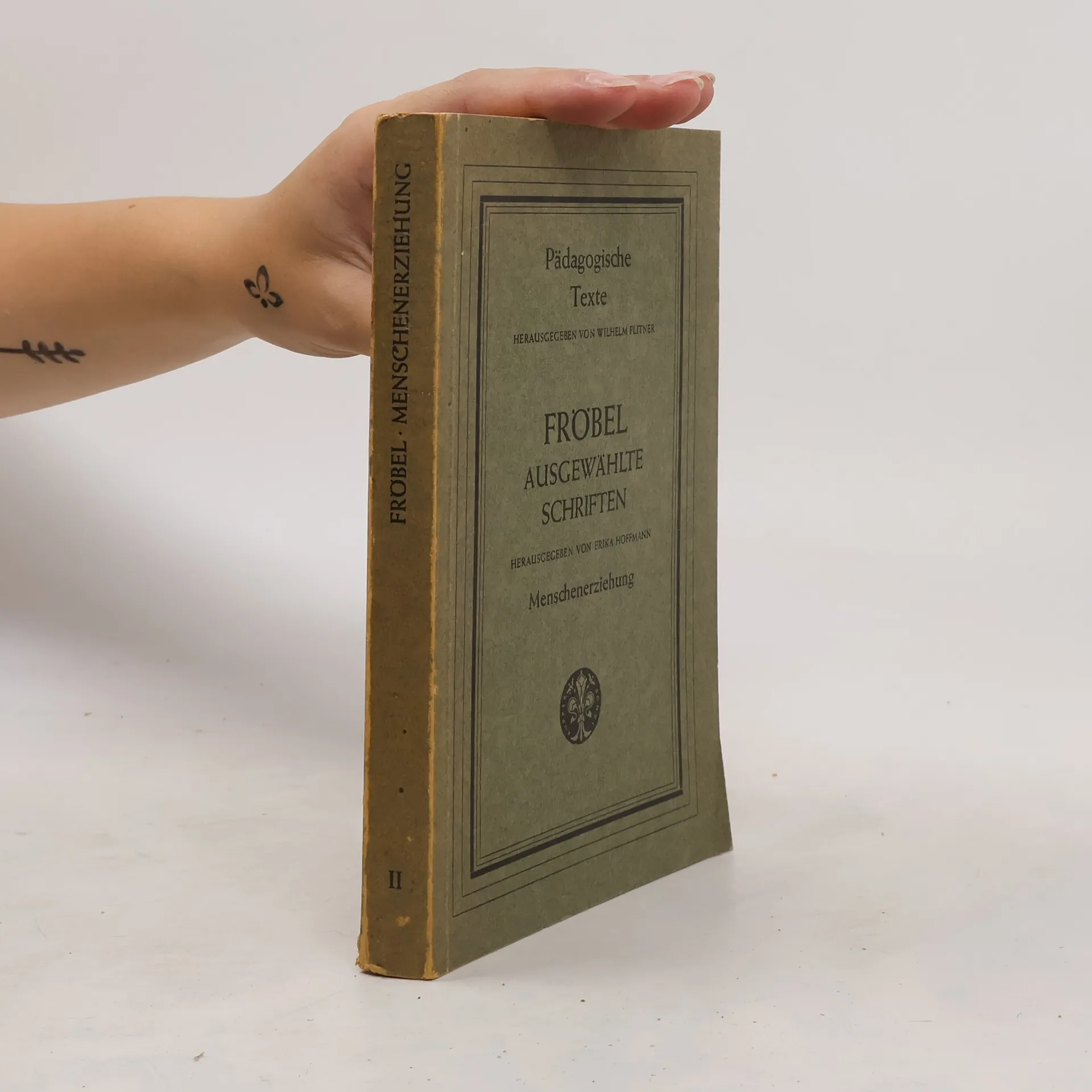
This volume features excerpts from Friedrich Fröbel's collected pedagogical writings, highlighting his development as both a person and educator. It includes significant contributions from 1826, reflecting on various aspects of human education and philosophical insights that were not initially intended for public dissemination. The text discusses Fröbel's evolving ideas and their implications for education, emphasizing the importance of inner development and the role of family in shaping educational experiences. The work is presented with care, ensuring the preservation of its original format while addressing imperfections from the original copy. Forgotten Books, the publisher, specializes in reproducing historical texts, utilizing advanced technology to maintain the integrity of the work while making it accessible to contemporary readers. This edition aims to provide insight into Fröbel's influential thoughts and methodologies, which laid the groundwork for modern educational practices.