

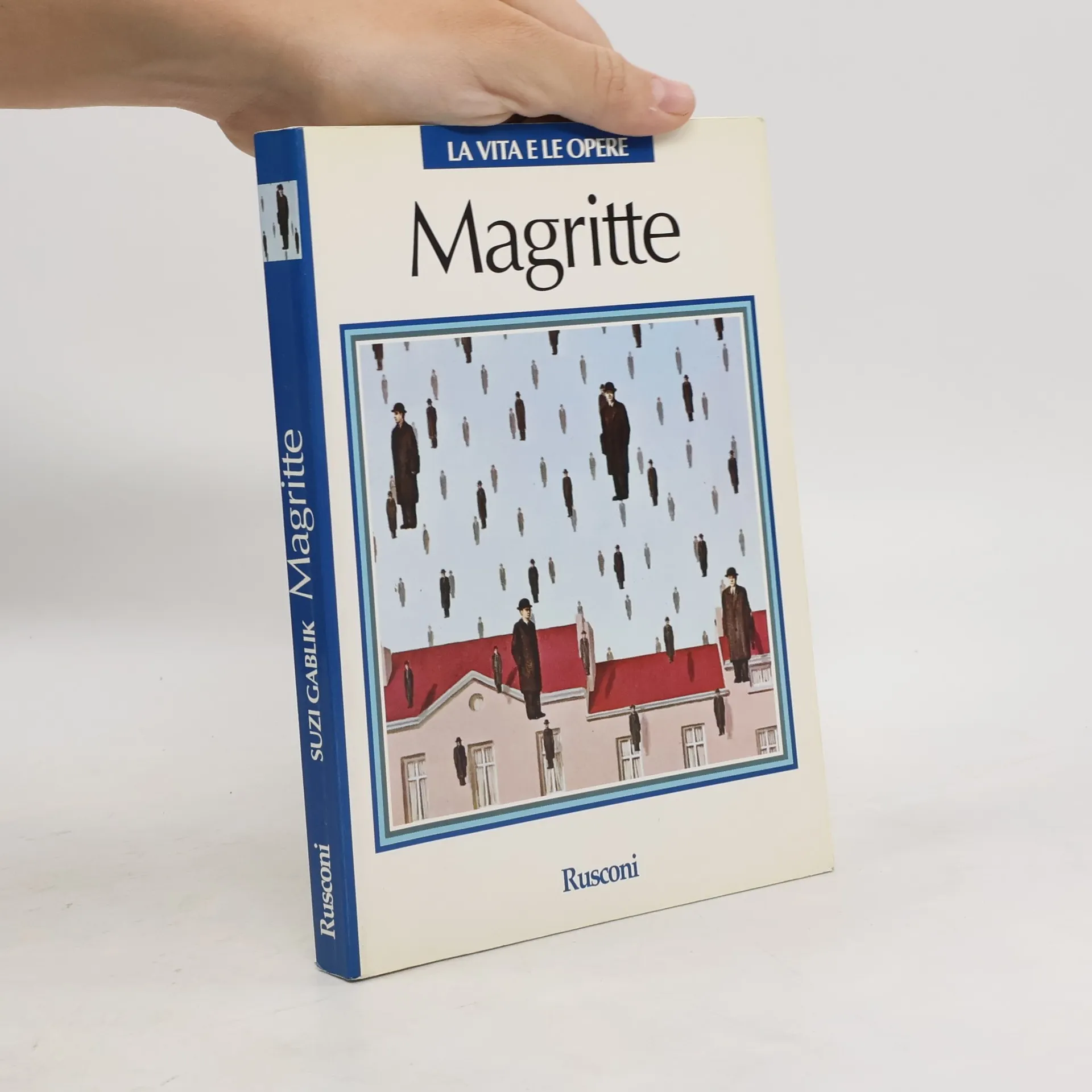
Attraverso lo shock, il paradosso e le sue inattese giustapposizioni di oggetti, René Magritte getta una sfida deliberata al senso comune e rivela la natura misteriosa del pensiero. In questo studio Suzi Gablik chiarisce i temi maggiori dell'opera del pittore belga, analizzandoli per gruppi correlati di immagini: ogni dipinto, in aggiunta al suo valore intrinseco, ne acquista uno di posizione in una sequenza. L'autrice mostra fra l'altro come Magritte non si sia mai affidato alle tecniche sperimentali e alle innovazioni stilistiche degli altri surrealisti e come, di conseguenza, la sua opera si sia rivelata più ricca di possibilità per il futuro. Questa monografia è anche una guida per esplorare i vasti problemi sottintesi alla pittura del nostro secolo.
Suzi Gablik Libri

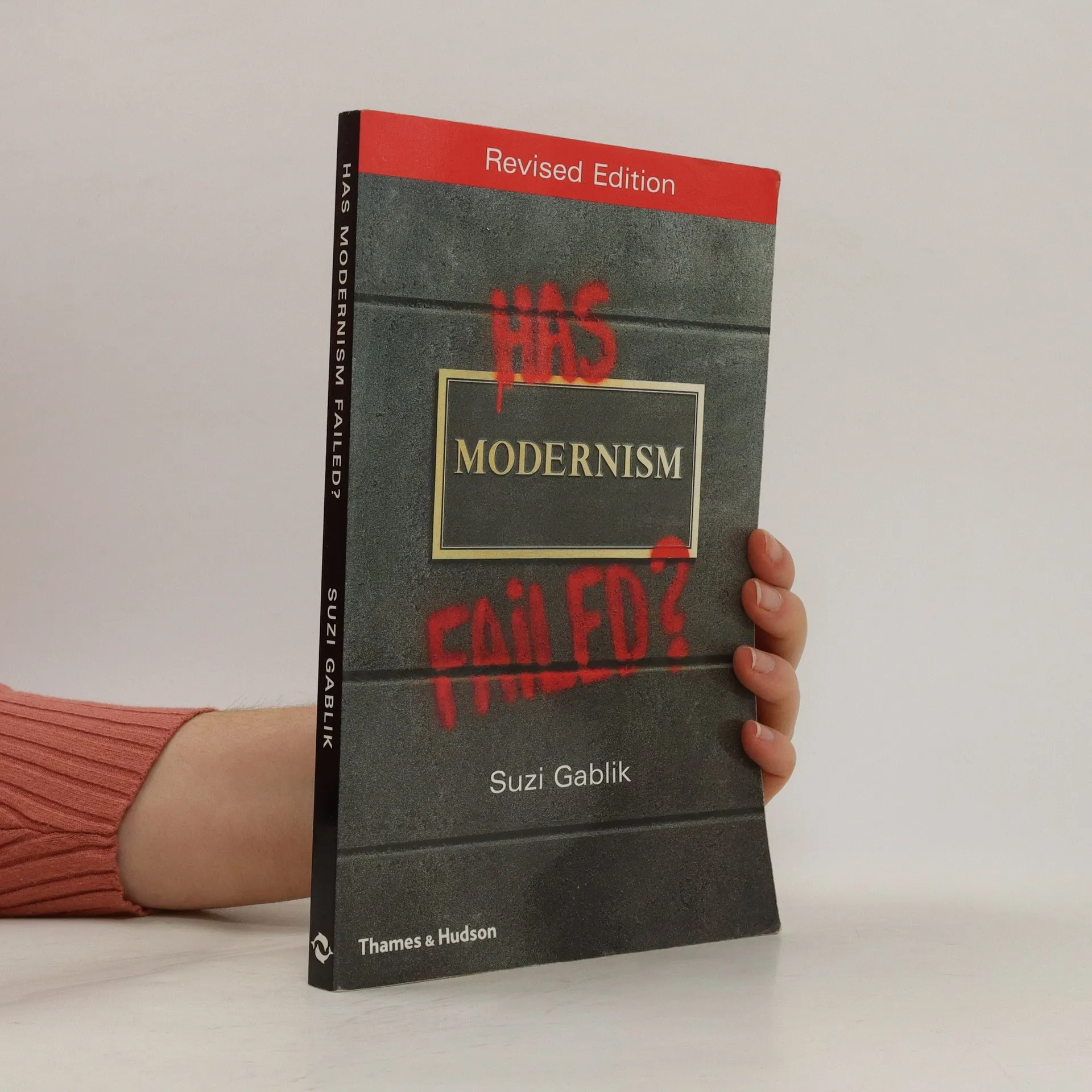
In 1984, Suzi Gablik's Has Modernism Failed? was one of the first books to confront the social situation of contemporary art. In describing a world whose central aesthetic paradigm of modernism had lost its vitality, with an "avant-garde" that reflected the culture of consumerism, her book struck a chord in an audience that had once responded to the heroic idealism of modernism. Reprinted many times, Has Modernism Failed? became one of the most popular and influential works of contemporary art criticism. Now Gablik has revised and expanded her work to encompass developments over the last two decades. A new prologue looks at changes in the cultural context of art, especially at the radical split between artists who still proclaim the self-sufficiency of art, "in defiance of the social good," and artists who want art to have some worthy agenda outside of itself. In a new chapter, "Globalization," she looks at the ruthless cultural homogenization of a universal consumer society and how a number of artists and curators are challenging it. And in a passionate new chapter called "Transdisciplinarity" she offers a way forward for individuals to break free of the limiting ideologies of modernism and consumerism and shows how some artists are reflecting both spiritual and social concerns in their art.