


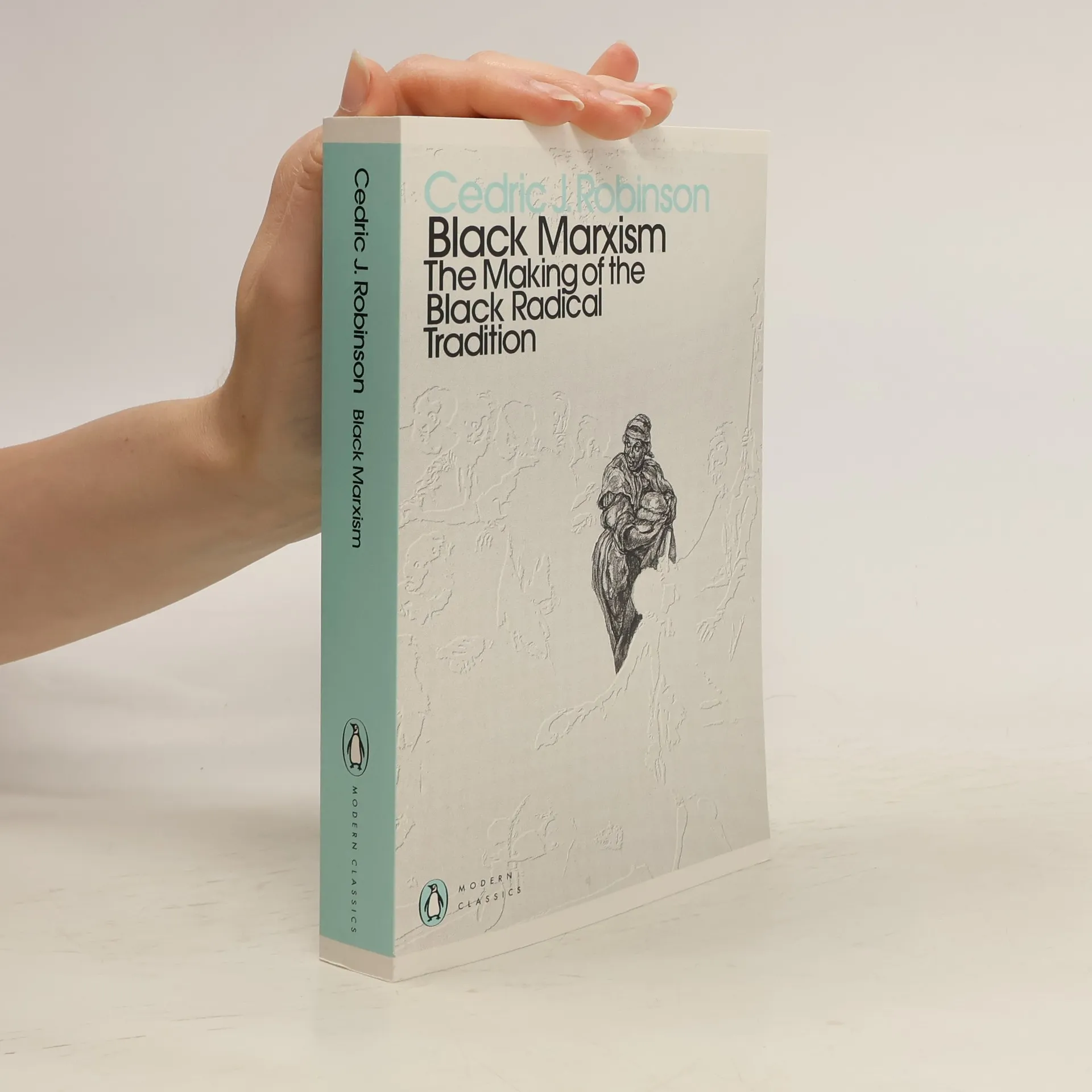
Black Marxism
- 496pagine
- 18 ore di lettura
The book explores the intersection of race and capitalism, examining the emergence and limitations of European radicalism. It begins with an analysis of racial capitalism, highlighting the nonobjective nature of capitalist development and its effects on society. The narrative delves into the English working class, discussing the impact of poverty and industrial capitalism, and the relationship between English labor and Irish workers. It questions the role of socialist theory in relation to nationalism, tracing the evolution of socialist thought from Babeuf to Marx and its implications for understanding class struggles. The second part focuses on the roots of Black radicalism, detailing the transmutation of Africa and the consequences of the African diaspora. It critiques American historical narratives that obscure the African past and examines the historical relations between Africa and Europe, including the influences of Islam. The discussion extends to the Atlantic slave trade, emphasizing the role of African labor within the context of global capitalism and the economic systems that emerged from it. The work culminates in a historical archaeology of the Black radical tradition, offering insights into the enduring legacy of these struggles in the face of systemic oppression.