
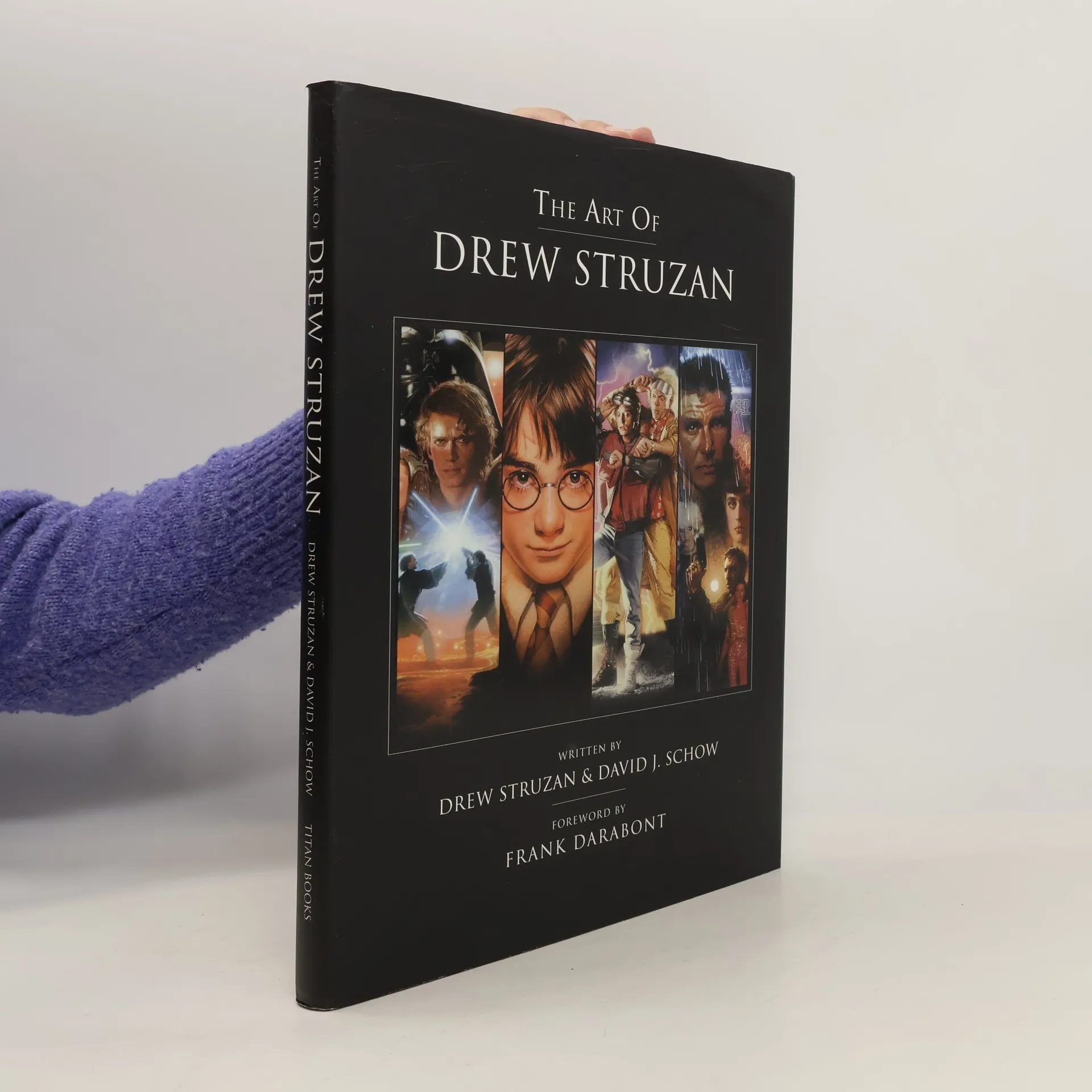
Drew Struzan has created some of the most iconic movie poster images, from
Raiders of the Lost Ark to Star Wars: Episode III. This book cover his movie
work. Featuring over 300 pieces of artwork, including poster art for Harry
Potter and the Chamber of Secrets and Hellboy II, it is suitable for movie
buffs and artists alike.
Gabriel Hunt finds adventure everywhere he goes. The warlord's men came to New
York to preserve a terrible secret - and left a dead body in their wake. Now
Gabriel Hunt is on their trail, a path that will take him to the treacherous
alleyways and rooftops of Shanghai and a showdown with a madman out to
resurrect a deadly figure from China's past.
Is it one of those assemble-the-team deals? YOU BET! The scientist. The murderer. The mercs. The witch. And the half-human visitor from the Underneath. The mission: Recover the most amazing mineral power source ever discovered. The target: Miles beneath the Earth's crust, teeming with monster denizens we haven't seen in centuries. It's a one-way trip straight to HELL.
Drew Struzan discovered the distinction between a "fine artist" and an "illustrator" while in art school. A fine artist creates freely, while an illustrator works for pay. Struzan chose the latter, driven by the desire to paint for a living. Over nearly four decades, he witnessed illustration evolve into a respected art form, with his iconic movie poster paintings playing a pivotal role in this transformation. His remarkable talent for portraiture defined the visual identity of beloved franchises like Star Wars, Indiana Jones, the Muppets, and Back to the Future, among many others.
This collection offers a behind-the-scenes look at the numerous "comps" (sketches and rough illustrations) that led to these famous images, along with abandoned concepts for projects like posters for Buffy the Vampire Slayer and Harry Potter and the Chamber of Secrets. It provides insight into Struzan's studio and chronicles the rise and decline of movie poster illustration in Hollywood. The narrative unfolds in the artist's own words, capturing both triumphs and disappointments, and presents a project-to-project timeline that highlights the history of a craft that is slowly fading, cherished only by a select few.