Honoré de Balzac è stato un romanziere e drammaturgo francese del diciannovesimo secolo la cui vasta opera presenta un panorama della vita francese nell'epoca successiva alla caduta di Napoleone Bonaparte. È riconosciuto come uno dei fondatori del realismo letterario europeo per la sua acuta osservazione dei dettagli e la sua rappresentazione schietta della società. Balzac è celebrato per i suoi personaggi sfaccettati, che sono complessi, moralmente ambigui e pienamente umani, e la sua scrittura spesso infonde qualità vivaci persino a oggetti inanimati e alla città di Parigi. La sua influenza letteraria si è estesa a numerosi autori famosi e continua a ispirare scrittori ancora oggi.
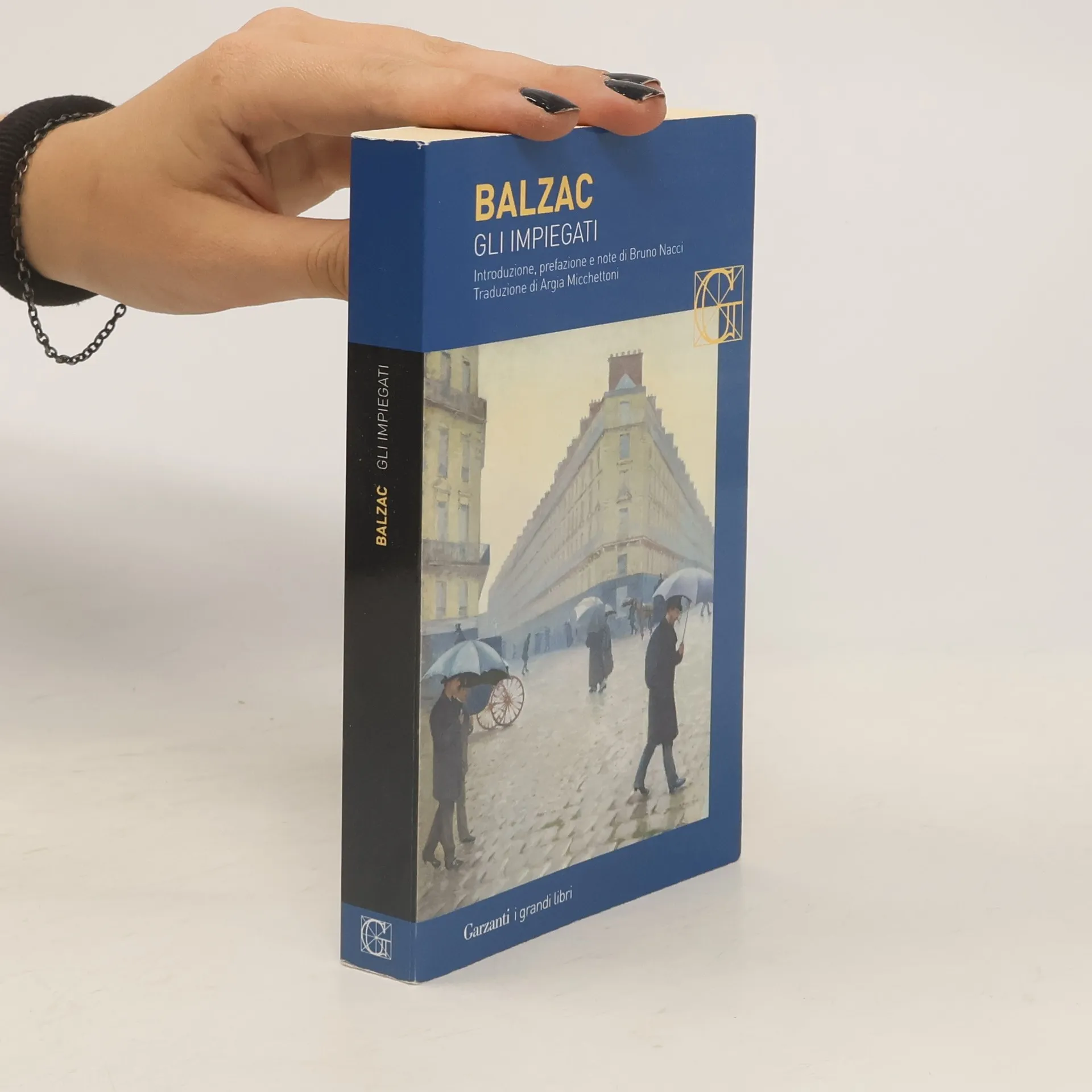
L'opera fu scritta da Balzac in sei settimane e fu pubblicata a puntate sulla "Presse" dal 1° al 14 luglio 1837. Ambientato nella Francia della prima metà degli anni Venti, quando l'efficiente amministrazione voluta da Napoleone è degenerata in un sistema di clientelismo politico, il romanzo si ispira alle sfortunate vicende personali del cognato di Balzac.
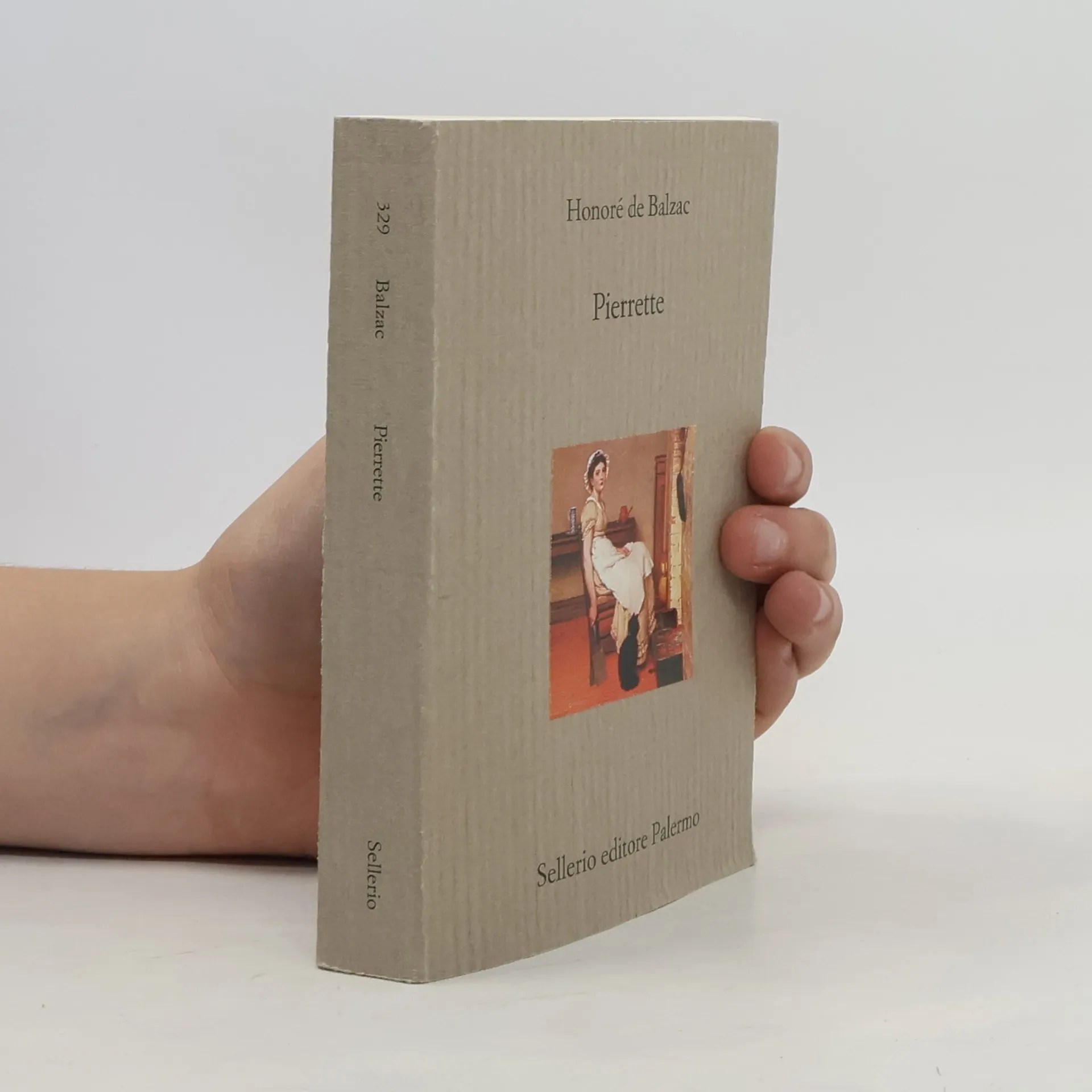
«I celibi sostituiscono i sentimenti con le abitudini. Quando a questo sistema morale si somma un carattere debole, le cose materiali acquistano su di loro un potere sorprendente». Questo racconto è una disamina spietata di come le energie affettive non consumate pervertono i rapporti umani. Rappresenta una metafora del potere e della sua sete, accentuata dalla soffocante angustia di una provincia bigotta. Balzac esplora «le leggi naturali dell’egoismo», mostrando una lotta di interessi che si trasforma in un dramma cosmico. I tre protagonisti incarnano diverse forme di egoismo: don Birotteau, il parroco innocuo e viziato, è incapace di percepire le ostilità; don Troubert, maligno calcolatore, evolve da canonico intrigante a genio del male, godendo della vendetta contro Birotteau; infine, la triste zitella Gamard, che coltiva un sentimento di vendetta, diventa strumento di una rivalsa futile. La geometria degli egoismi ruota attorno a un appartamento e al suo mobilio, che Birotteau ha legato al significato della sua esistenza. Troubert lo depreda facilmente, mentre la città passa dalla pietà all’ostilità. Balzac, con una fusione di triviale e sublime, trasforma l’oggetto quotidiano in tragedia, segnando la nascita di una nuova sensibilità: il realismo ottocentesco.
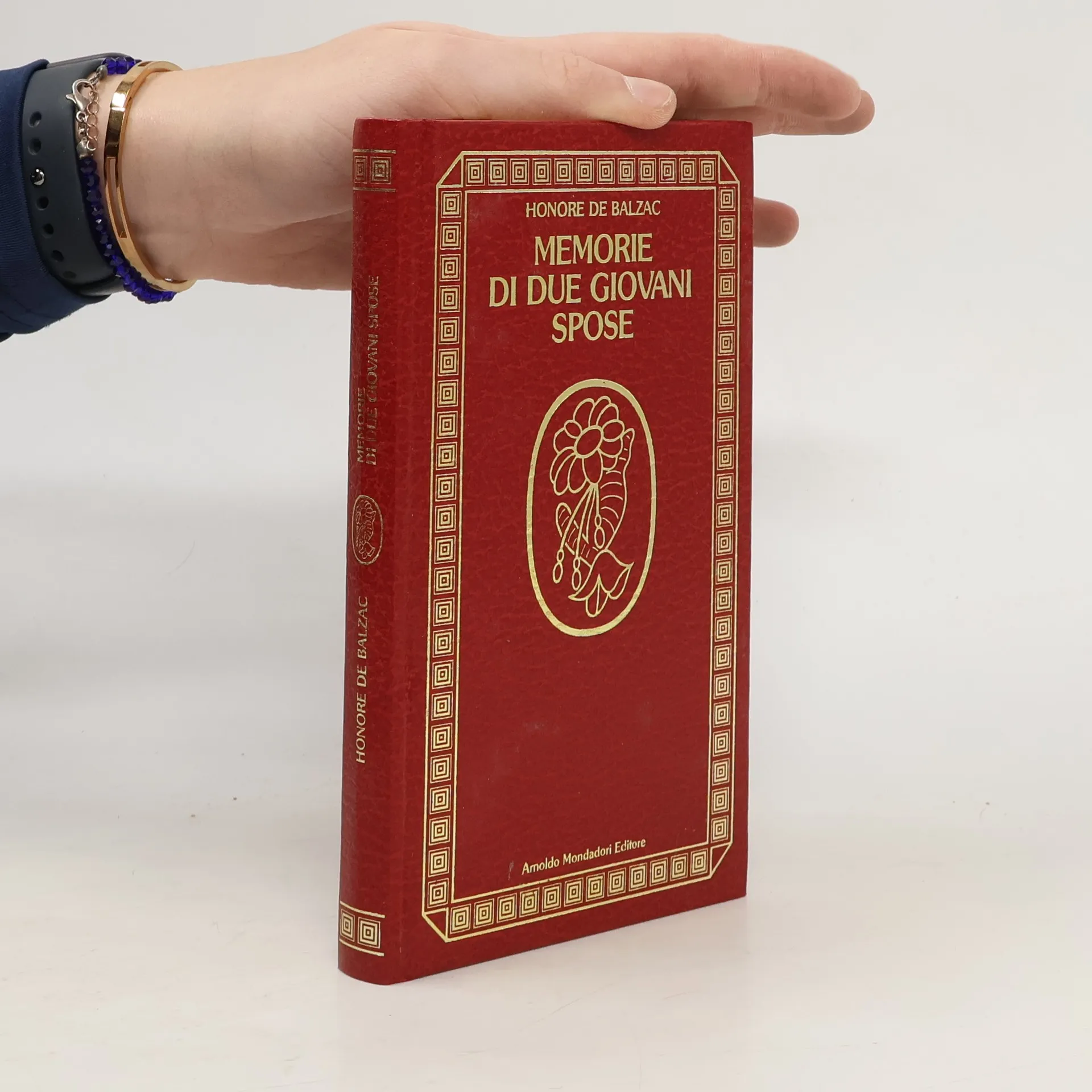
Il romanzo offre uno sguardo intimo sulla vita di due amiche, Louise de Chaulieu e Renée de Maucombe, mentre affrontano il passaggio dalla scuola conventuale alle sfide dell'età adulta e del matrimonio nella Francia del primo Ottocento. Attraverso le loro lettere, Balzac esamina in modo intricato temi dell'amicizia femminile, dell'amore e delle limitazioni sociali imposte alle donne, offrendo un ricco commento sulle loro esperienze e aspirazioni. Questo formato epistolare amplifica la natura personale del loro viaggio, rendendo le loro lotte e trionfi profondamente risonanti.
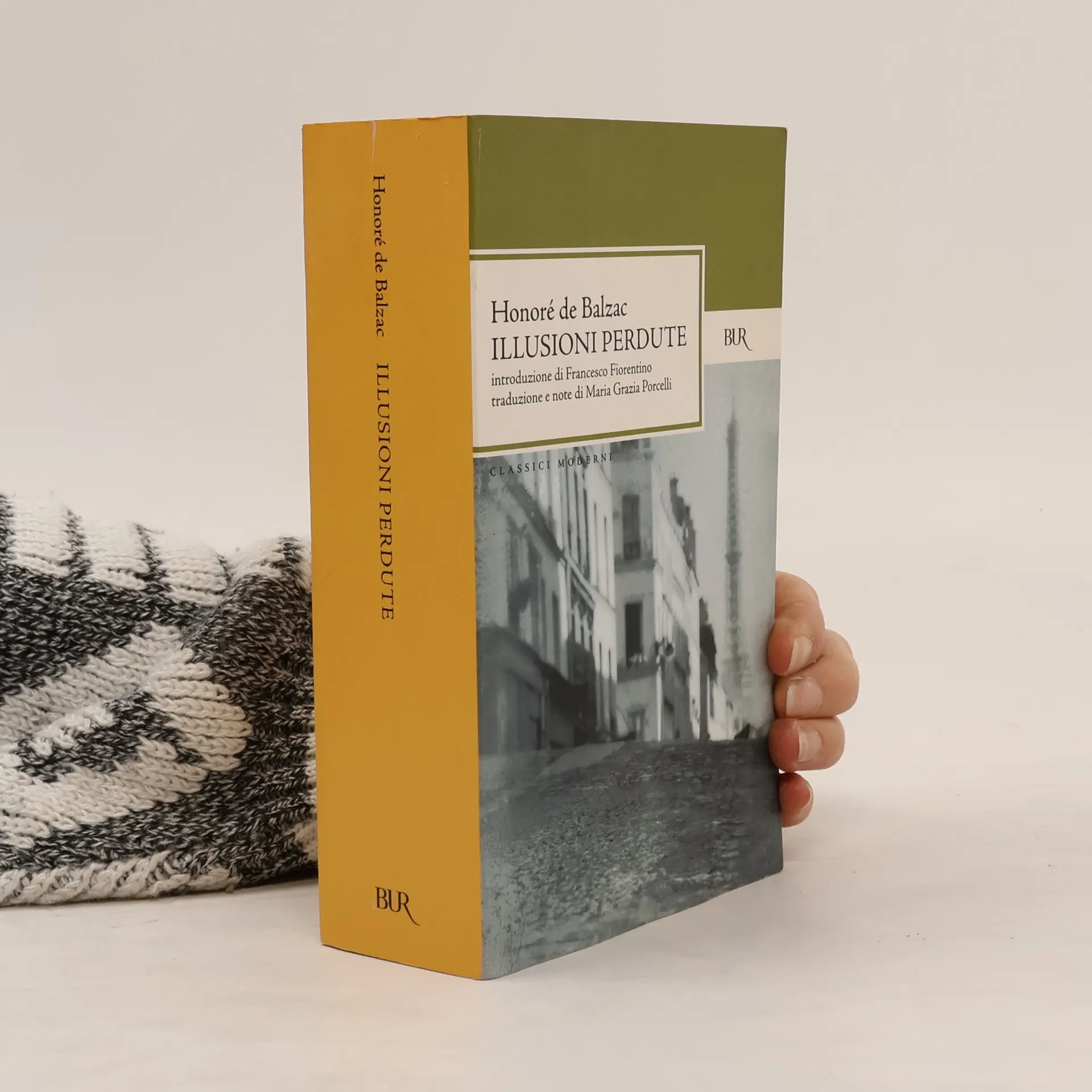
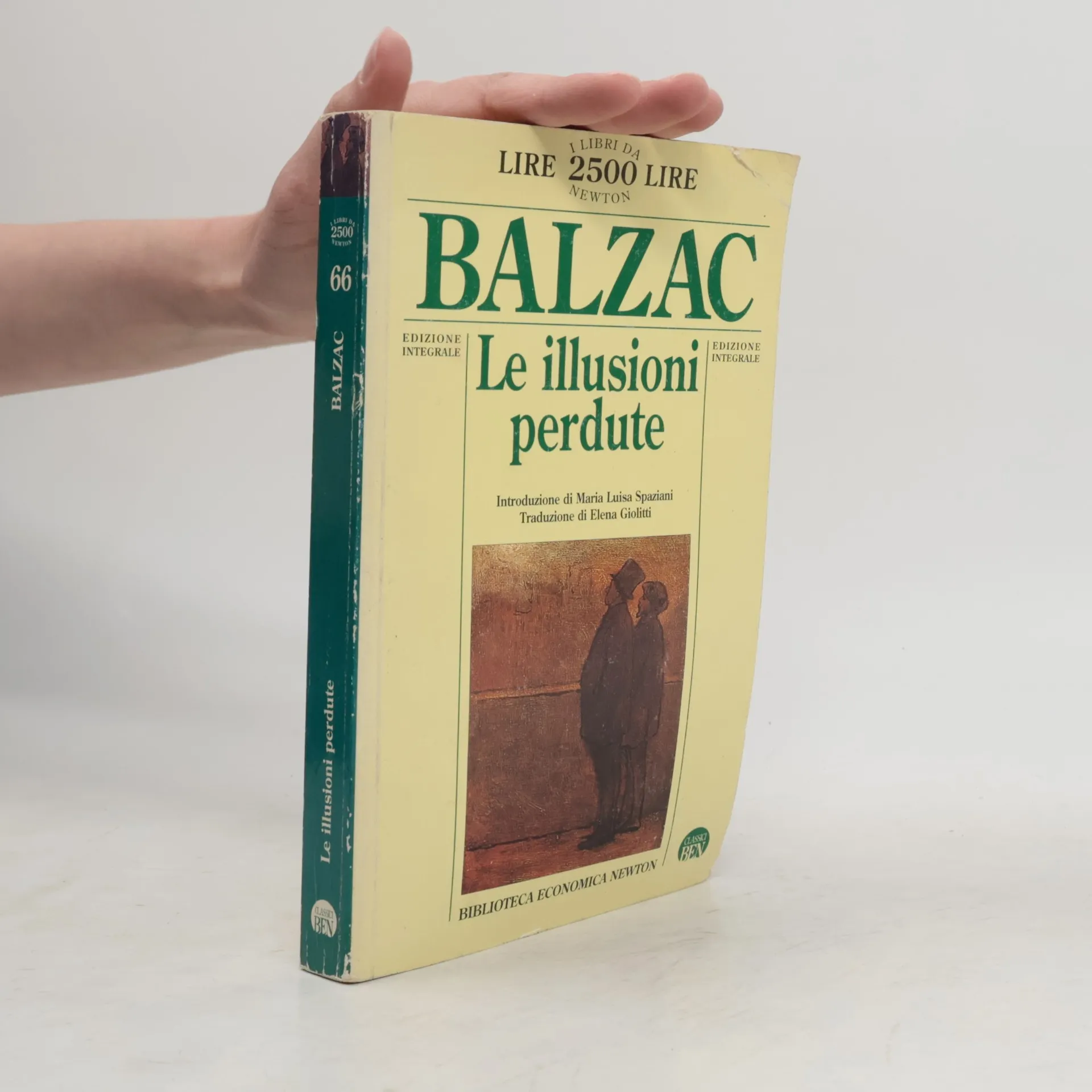
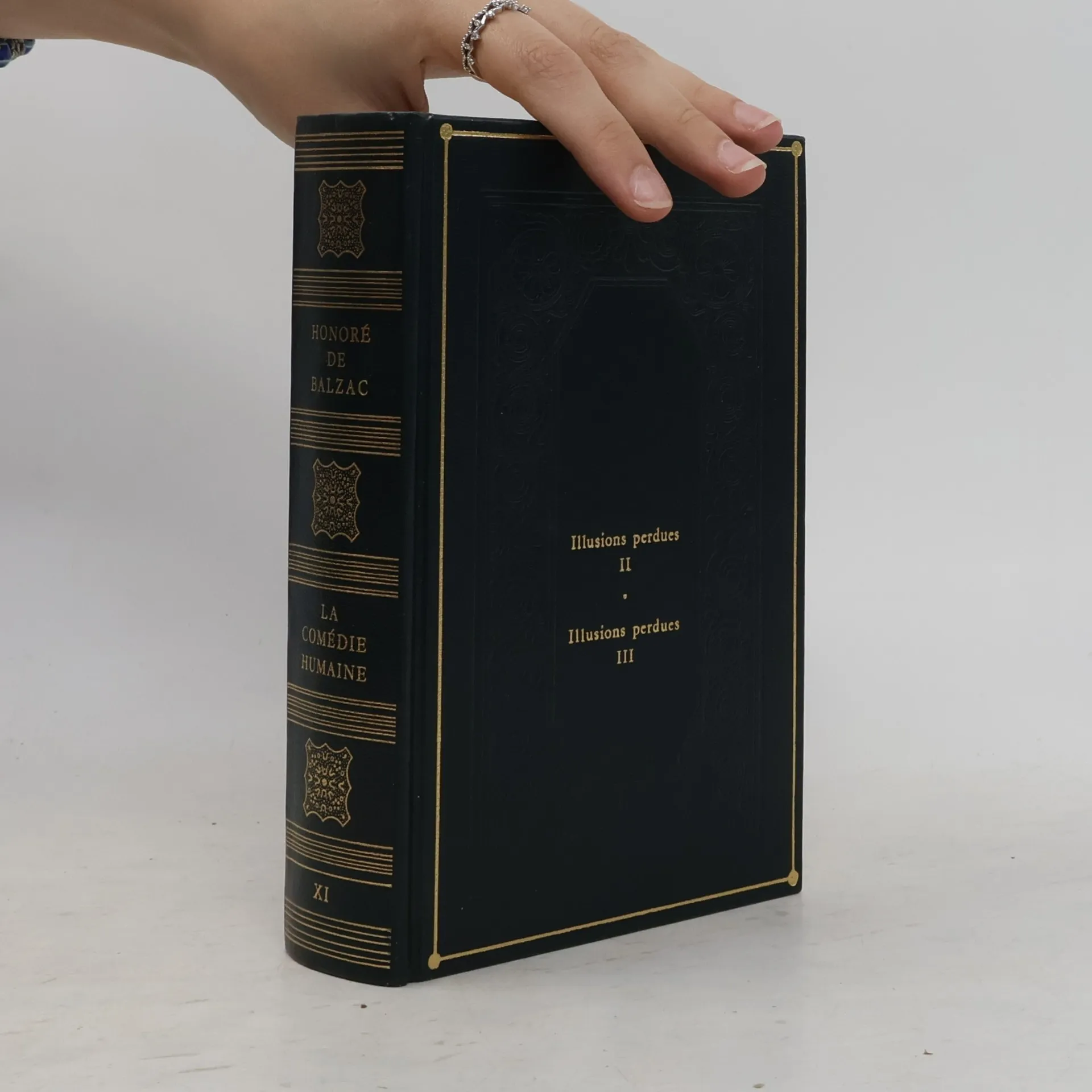
Illusioni perdute è un ciclo di tre romanzi che hanno per protagonista un giovane provinciale, ambizioso, costretto a scontrarsi con le difficoltà dell'autoaffermazione. Fragile testimone del suo tempo, senza alcuna volontà di affrontarlo veramente, ha un animo nobile incapace di dedicarsi all'arte della sopraffazione: le sue illusioni sono destinate a infrangersi contro la spietata società parigina. Tra autobiografia e indagine sociologica, filosofia e analisi delle passioni, realismo e immaginazione visionaria, Balzac affronta un tema intimamente legato alla propria esperienza diretta, al proprio difficile rapporto con la realtà della società borghese: il tema delle "illusioni perdute", destinato ad assumere nelle opere successive toni sempre più amari. An alternative cover edition for this ISBN can be found here .
L'opera di Balzac è celebre per la sua vivida rappresentazione della società francese post-napoleonica attraverso La Comédie humaine, una serie di racconti interconnessi. Le sue acute capacità di osservazione e la critica sociale senza filtri lo stabiliscono come un pioniere del realismo nella letteratura. La complessità dei suoi personaggi, anche quelli minori, riflette un'ambiguità morale e una profondità umana, mentre la città di Parigi è descritta con ricche qualità antropomorfiche. La sua influenza si estende a numerosi scrittori e cineasti di spicco, segnando un impatto significativo sulle tradizioni letterarie e cinematografiche.
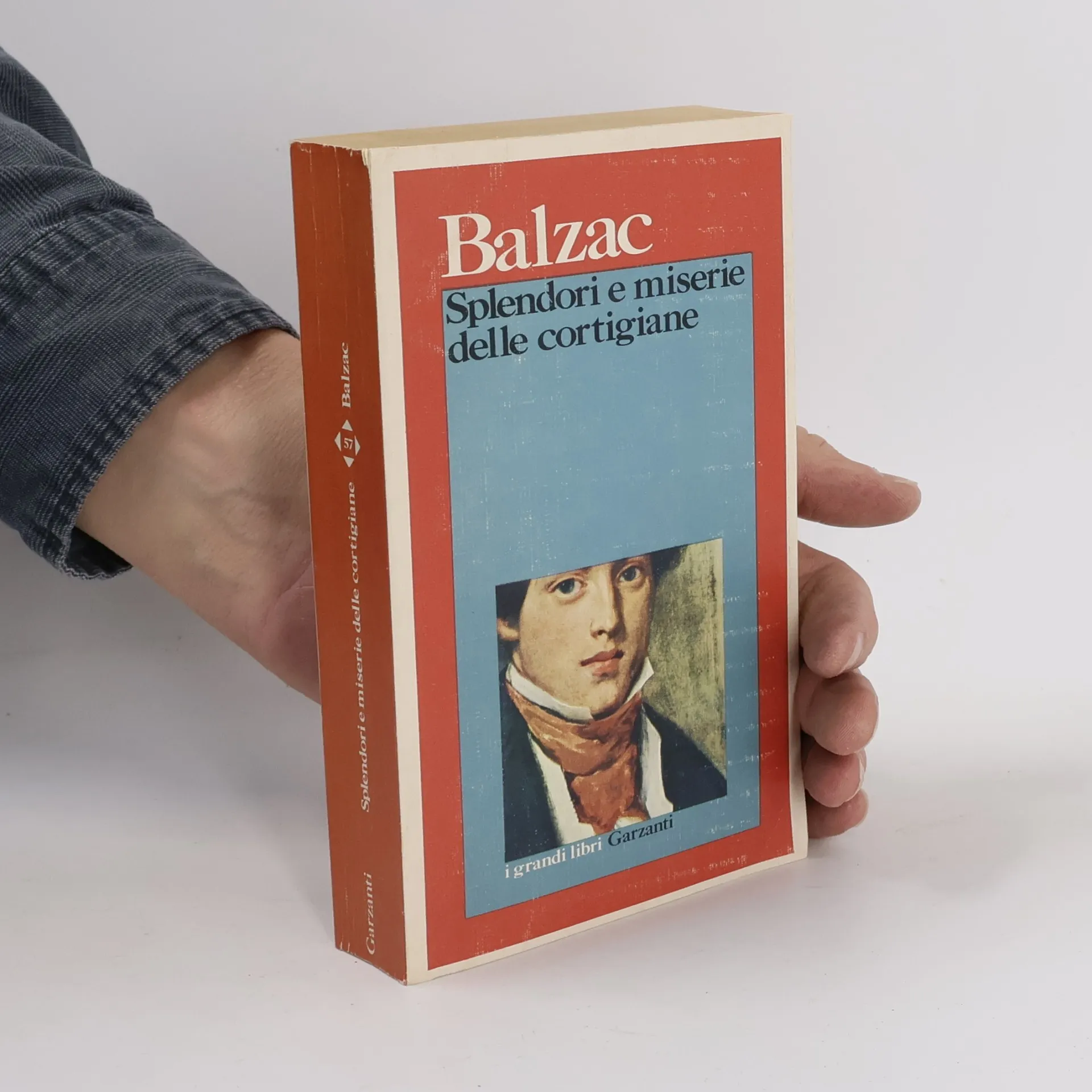
Au mois de février 1824, une ancienne courtisane, Esther Gobseck, se rend au bal masqué de l'Opéra en compagnie de Lucien de Rubempré dont elle s'est éprise, mais, en dépit de son déguisement, elle est reconnue et moquée ; désespérée, elle tente de s'asphyxier quand l'abbé Carlos Herrera survient et la sauve. Comme Lucien, elle est désormais sous sa coupe, et, quand le banquier Nucingen tombera amoureux d'elle, l'abbé ne la lui cédera qu'en échange d'un million pour permettre au jeune homme un prestigieux mariage. Mais l'affaire échouera et Lucien, en prison, retrouvera Herrera. Parus de 1838 à 1847, les quatre romans que rassemble Splendeurs et misères des courtisanes sont la suite d'Illusions perdues dont le romancier n'a pas achevé encore la rédaction lorsqu'il entame l'histoire d'Esther. Il se peut qu'ici la publication en feuilleton soumette à ses règles le génie de Balzac ; en tout cas, elle ne le bride pas, comme le montre la puissante figure d'Herrera qui va redevenir Vautrin : il incarne le mal aussi bien que l'amour total, et c'est de sa présence envoûtante que procède l'unité du livre.
Un medico parigino, deluso e stanco della propria condotta dissipata, si trasferisce in un villaggio della Savoia dove, con impegno e dedizione, si applica al miglioramento della vita della comunità, che lo ripaga eleggendolo sindaco. La ricostruzione del piccolo universo del villaggio, la descrizione dei suoi interni e dei costumi contadini, le lunghe conversazioni del medico-sindaco offrono pagine intense ed efficaci dalle quali prende vita una grande varietà di ritratti, dettagliati profili e semplici schizzi. Edizione priva di ISBN Edition without ISBN Edición sin ISBN
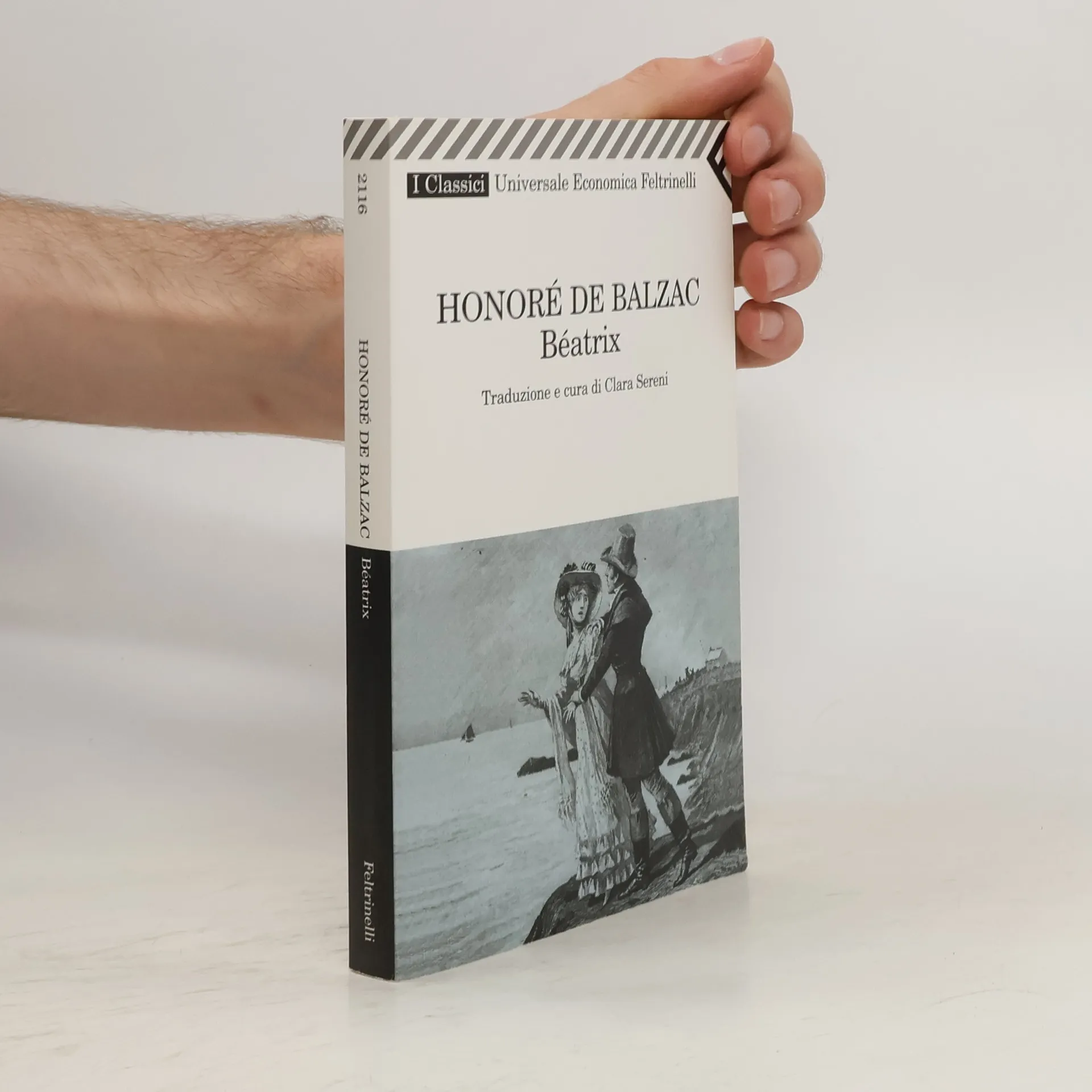
'Beatrix' (1838-1844) è una bellissima e intricata storia d'amore che ricorda gli intrecci e le atmosfere di Le relazioni pericolose. Grazie alla traduzione e alla cura di una grande scrittrice italiana di oggi, la riscoperta di un capolavoro di Balzac.
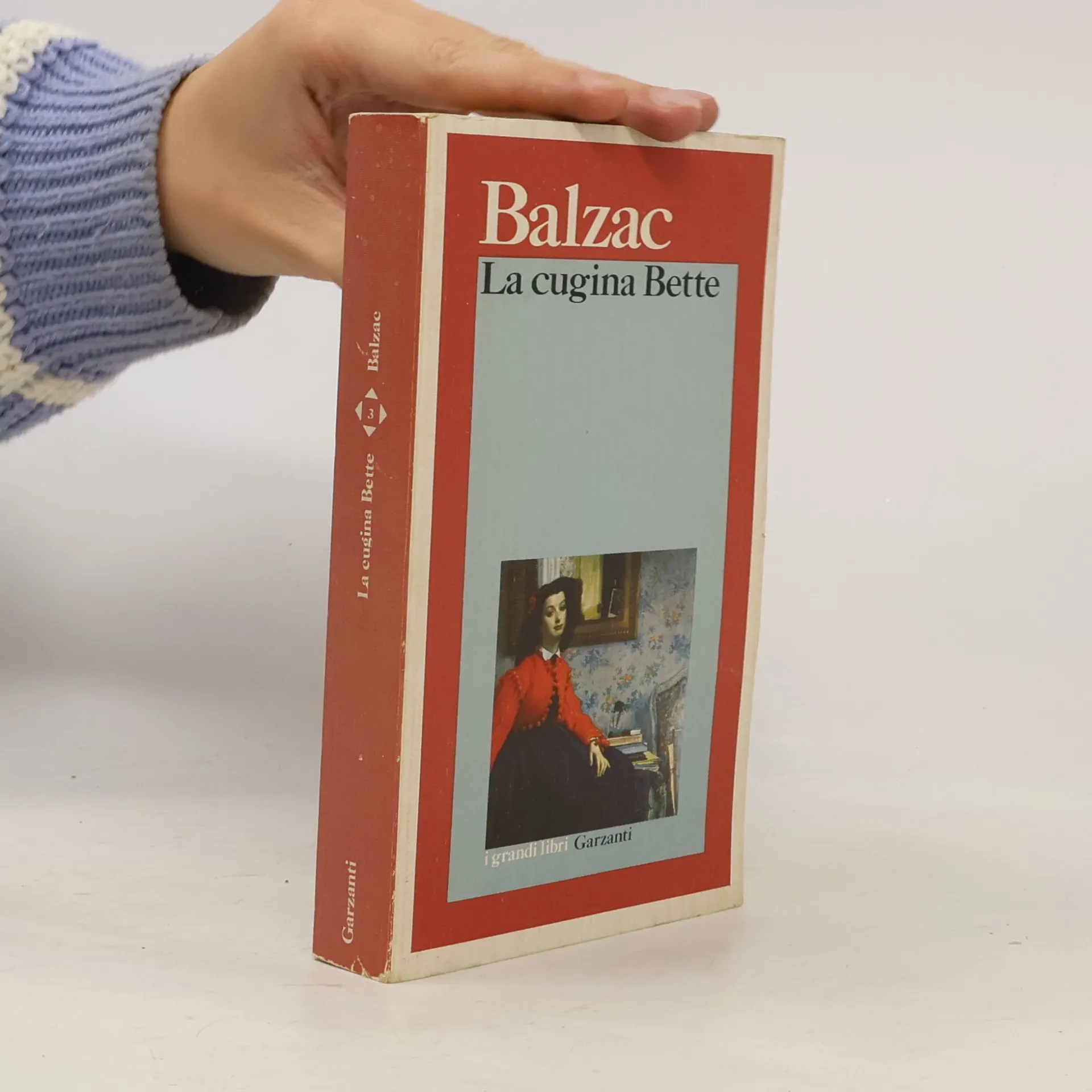
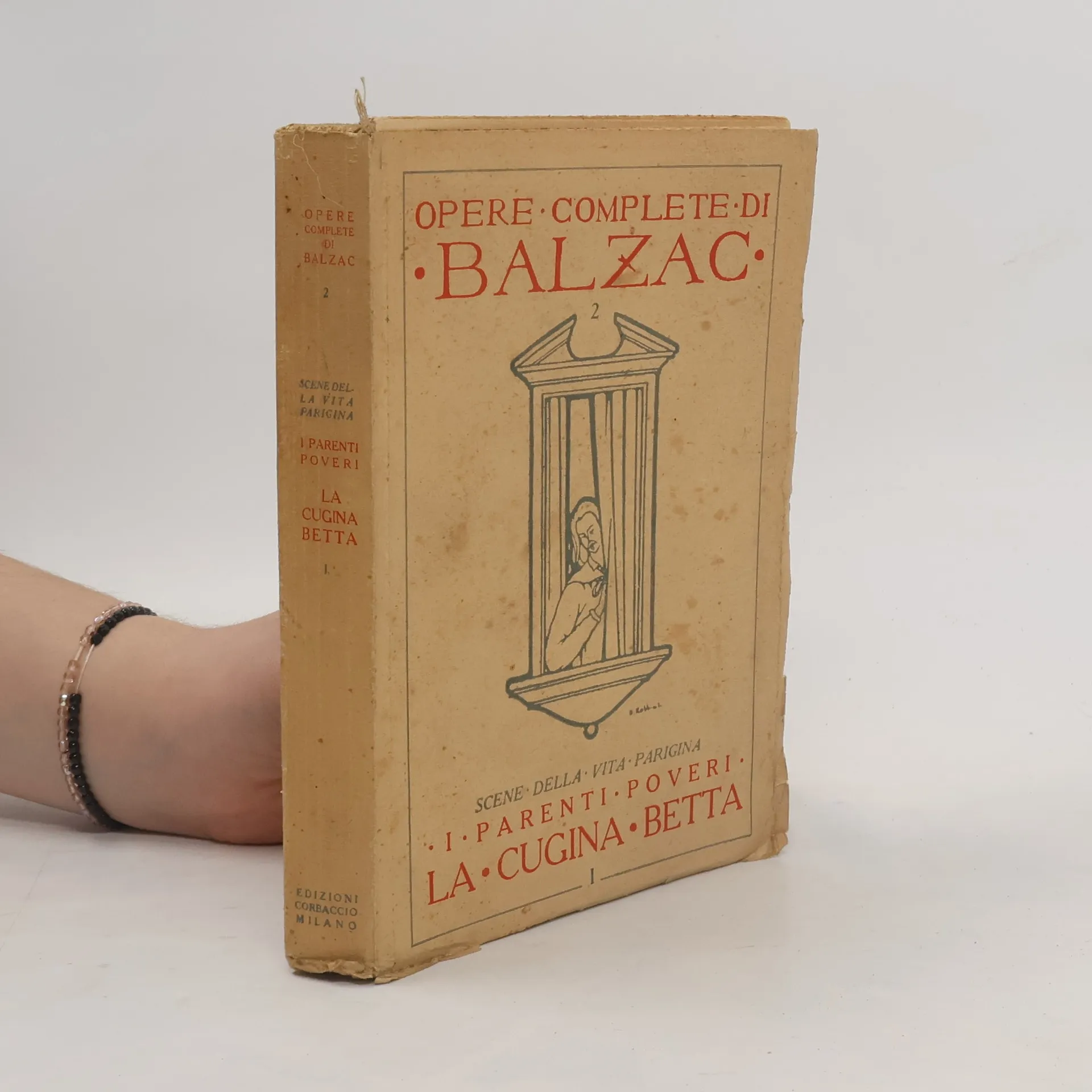
La dolce Adeline Hulot è moglie del barone Hector Hulot, un incorreggibile libertino. Adeline aveva fatto venire in gioventù a Parigi la cugina Lisbeth,una donna che negli anni aveva accumulato rancore nei confronti della più agiata cugina. Bette da tempo nutriva per il conte Steinbock un cupo affetto e quando questo sposa la figlia di Adeline, riesce a gettare sia lui che il conte Hulot tra le braccia della signora Marneffe, donna avida e senza scrupoli,che distrugge pace e patrimonio delle due famiglie. Uscita di scena la signore Marneffe con una morte infamante, la stessa Bette soccomberà alla tisi, mentre la famiglia Hulot riuscirà a superare la crisi finanziaria. Adeline, vera martire, morirà e il marito sposerà la volgare e rozza cuoca Agathe.
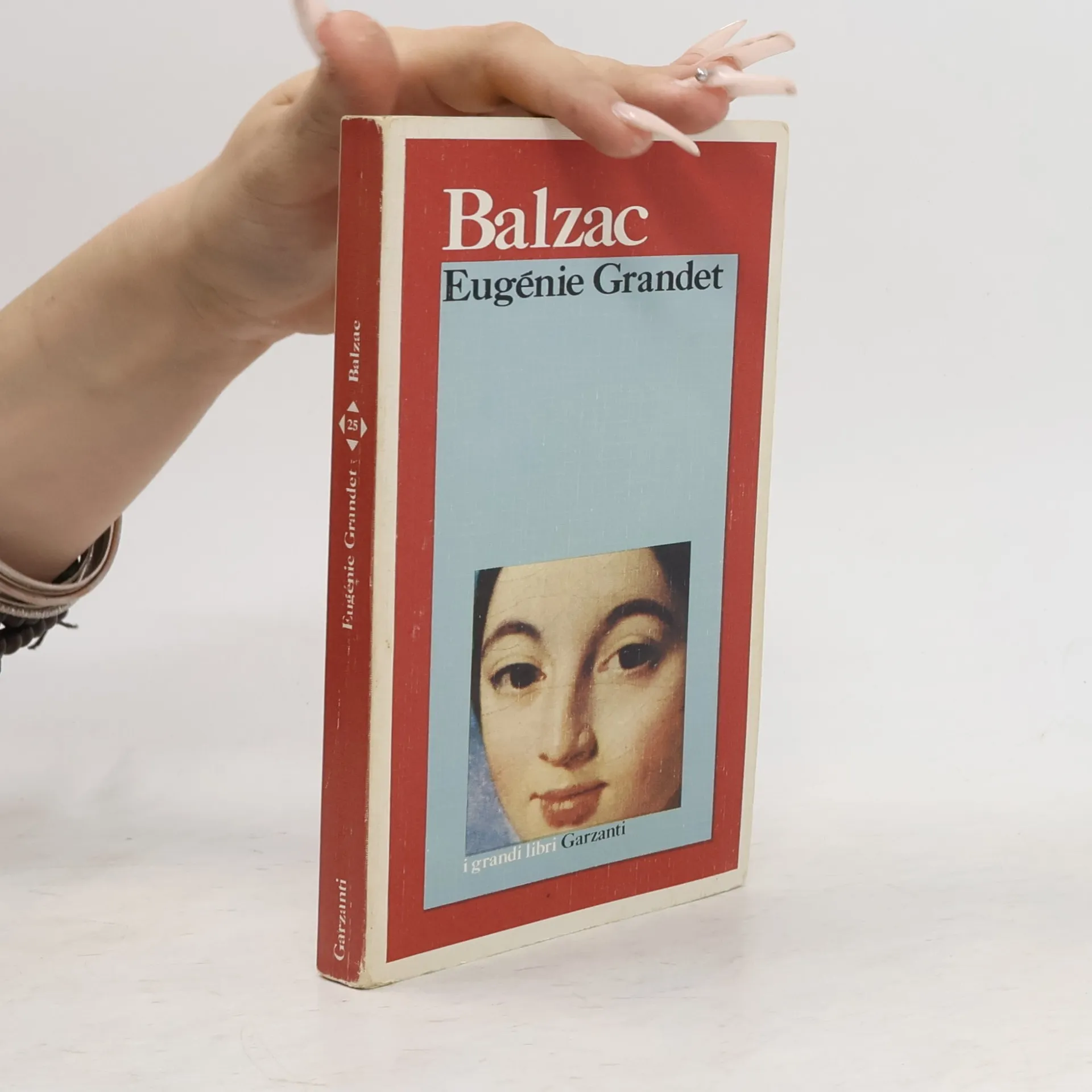
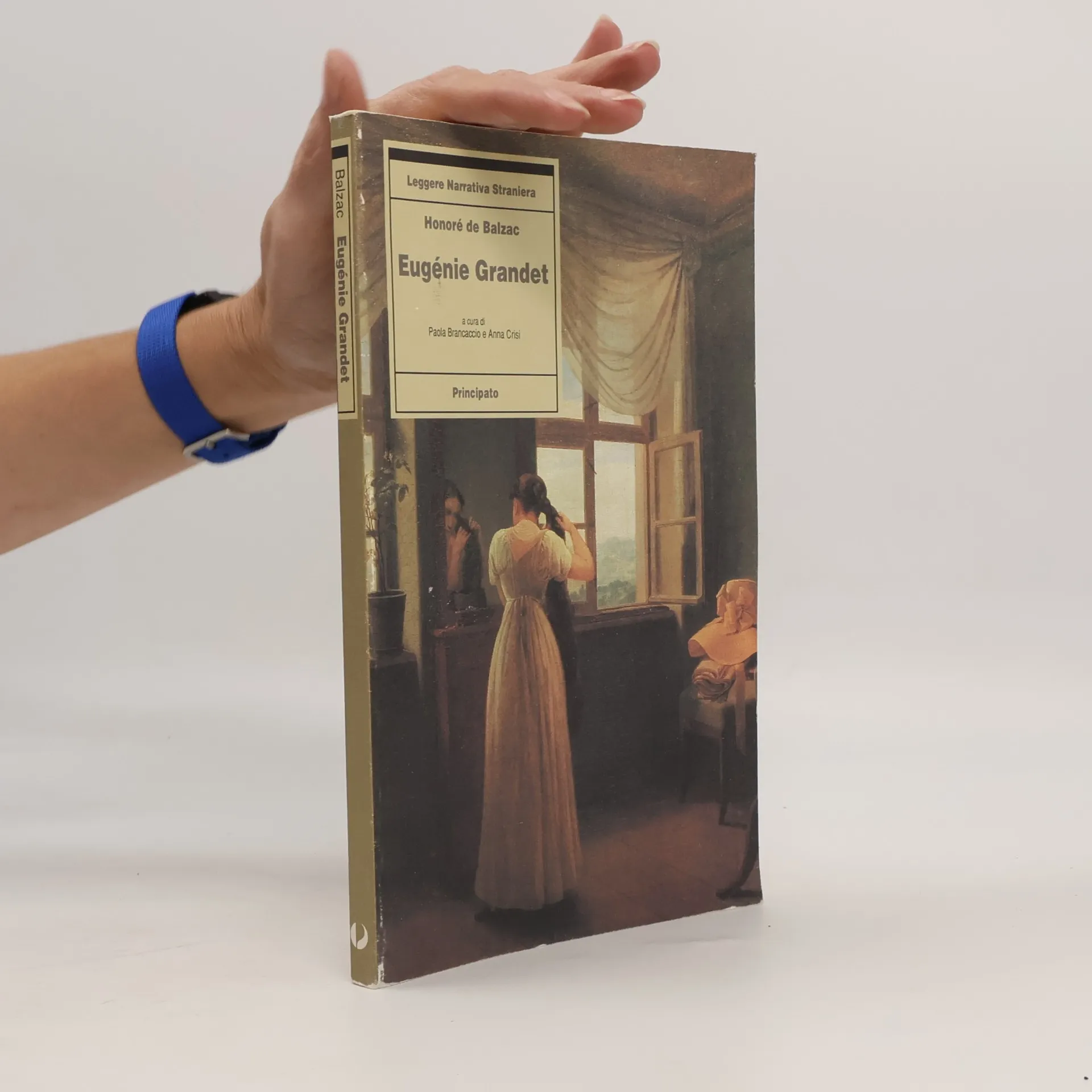
Considerato da molti il capolavoro di Balzac, Eugénie Grandet presenta due figure tra le più straordinarie della letteratura francese: Félix Grandet, commerciante ricchissimo, prigioniero della propria smisurata avarizia, e la figlia Eugénie, d'animo nobile e sensibile, prigioniera di un sogno d'amore. Due ritratti indimenticabili, tratteggiati con vigore e grande maestria psicologica, che si fronteggiano in un dramma di «ordinaria famiglia». Nulla può distrarli dal perseguimento del proprio credo, dalla fatale attuazione del proprio destino: nella scena memorabile della morte del vecchio Grandet, l'ultimo «gesto spaventoso» è quello per afferrare il crocifisso dorato che il parroco gli porge, «e quest'ultimo sforzo gli costò la vita».
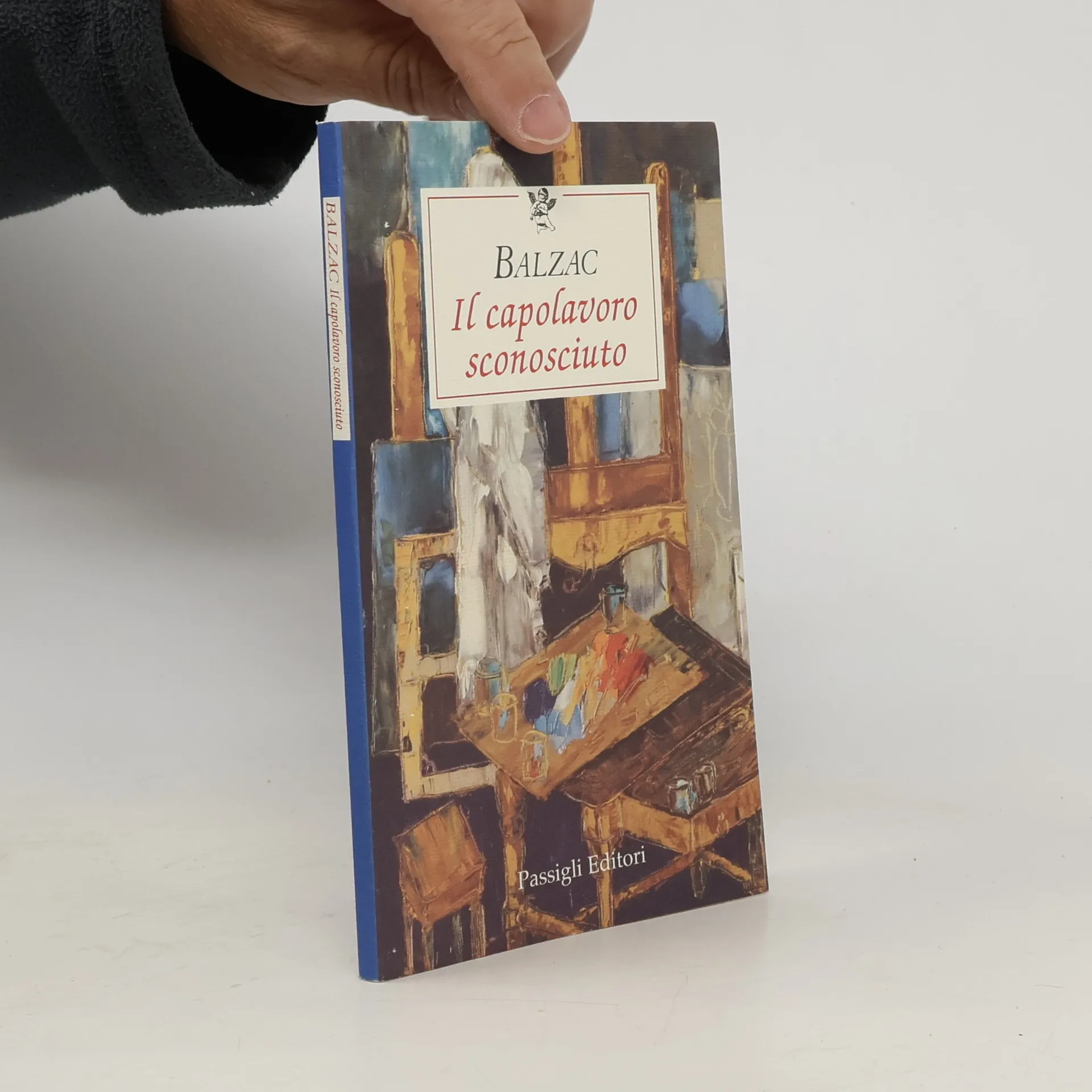
Questo breve racconto è uno dei più perfetti di Balzac, un capolavoro di densità di scrittura che ha affascinato artisti grandissimi quali Cézanne, Matisse, Picasso, che nel 1931 ne illustrò una stupenda edizione e che, ancora nel 1959, ebbe a dire: “Questo è il meraviglioso di Frenhofer (il protagonista del racconto): che alla fine non si riesce a vedere altro che se stessi. Egli, a causa della sua perenne ricerca della realtà, cade nella più buia oscurità. Ci sono tante realtà diverse che, a volerle abbracciare tutte, si piomba nel buio”. “Il capolavoro sconosciuto” ha ispirato anche il cinema: è del 1991 la realizzazione del film di Jacques Rivette “La bella scontrosa” con Michel Piccoli nel ruolo del protagonista del racconto.
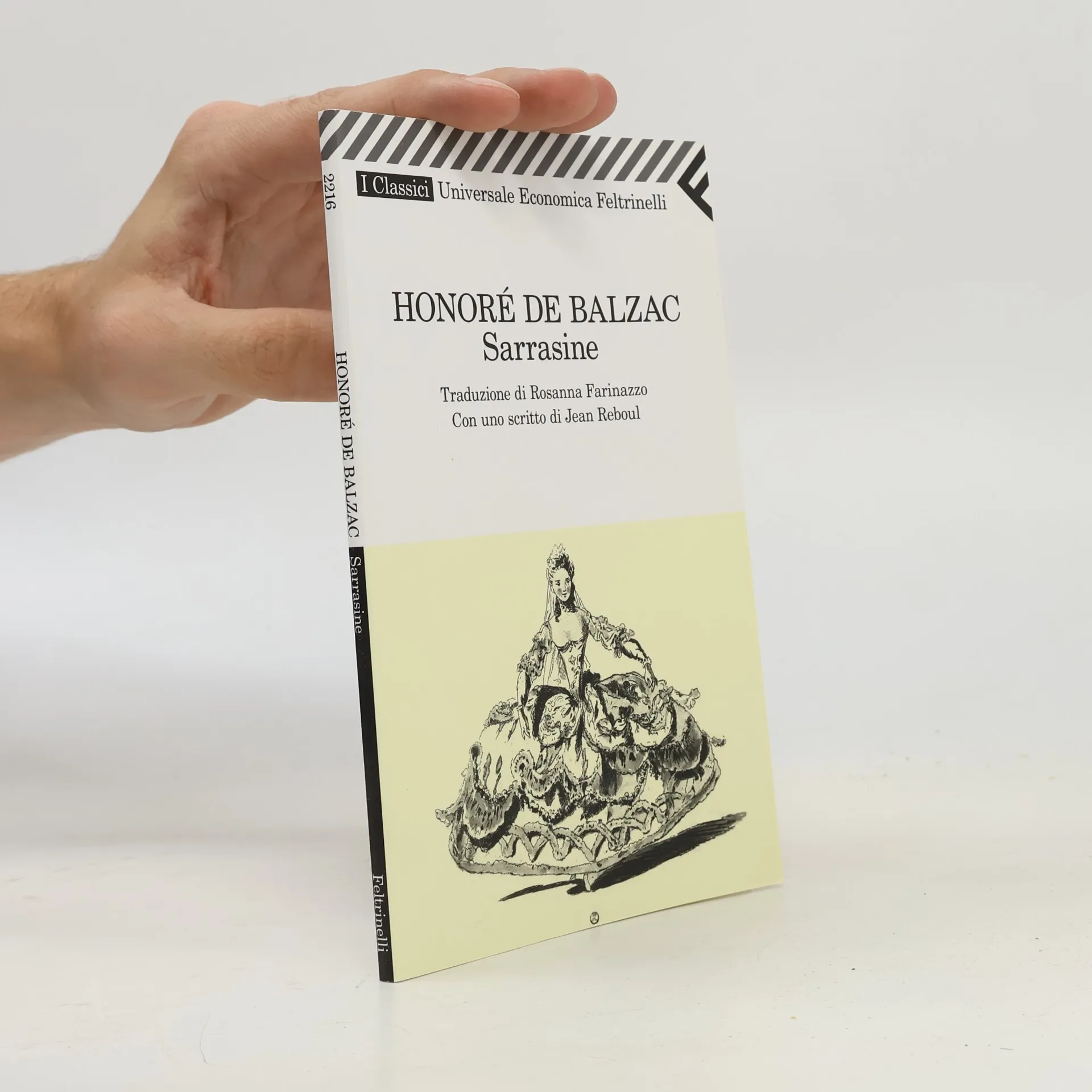
La novella,ambientata all'inizio dell'Ottocento e scritta in prima persona, si apre con una sontuosa festa da ballo presso la villa della ricchissima famiglia parigina dei Lanty, a cui partecipa assieme alla voce narrante una giovane dama, e dove a un certo punto compare un bizzarro centenario, goffo di modi e inquietante.Tutti i membri della famiglia mostrano grande premura verso di lui, mentre gli ospiti formulano le ipotesi più stravaganti sulla sua reale identità. Il narratore promette alla fanciulla di svelarle presto il mistero e la sera successiva, nell'appartamento di lei, inizia a narrare la storia di Ernest-Jean Sarrasine. Fonte: Feltrinelli
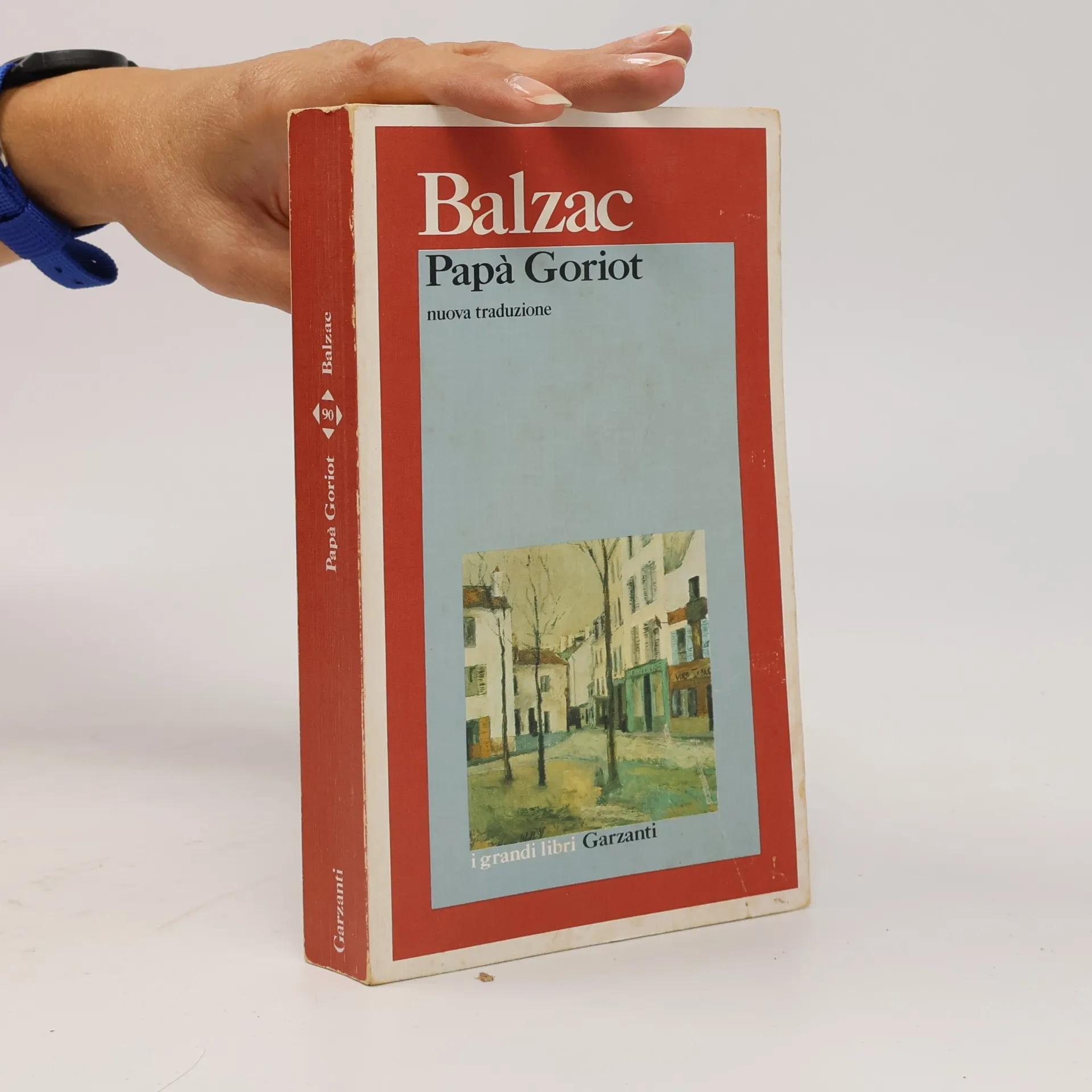
Eugène Rastignac, giovane ambizioso giunto a Parigi con l’obiettivo di entrare a far parte dell’alta società. Vautrin, malvivente privo di scrupoli pronto a sfruttare a suo vantaggio ogni debolezza altrui. E, soprattutto, Papà Goriot, pastaio in pensione consumato dagli sforzi per poter compiacere le continue richieste delle due figlie avide e capricciose. Sono loro i protagonisti di uno dei romanzi più potenti di Balzac, in cui il grande narratore francese parte dalle vicende che si intrecciano nella pensione Vauquer per rappresentare il conflitto tra lo sterile snobismo delle classi agiate e la feroce avanzata di una borghesia in costante tensione fra l’aspirazione a condizioni migliori e il terrore di ricadere nella povertà. Un’opera di spietato realismo, che ci porta nel cuore della Parigi del primo Ottocento e dà voce al dramma di un’umanità schiacciata dalla lotta per affermare se stessi.
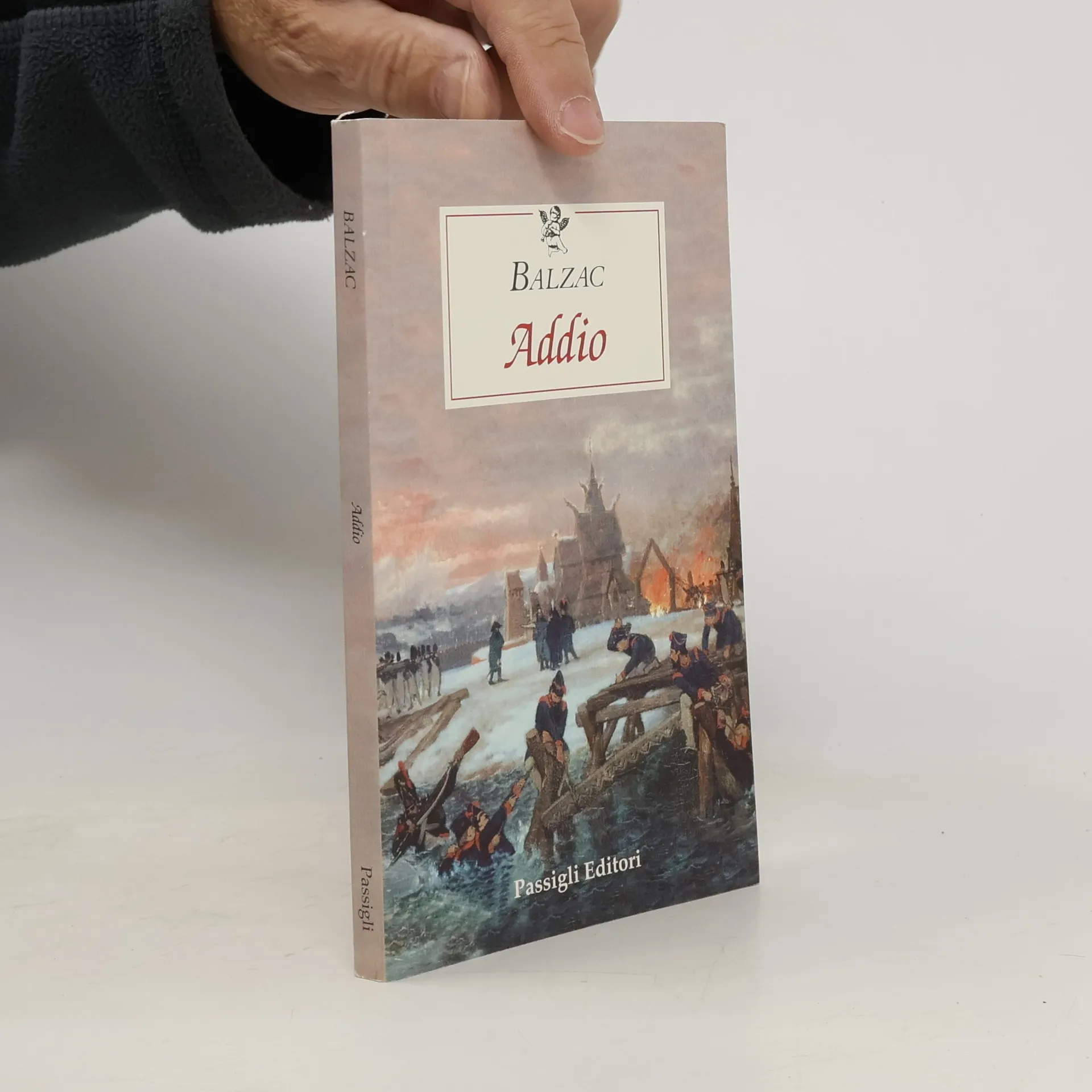
Nel 1819, in una calda giornata d'estate, due cacciatori e amici, il marchese d'Albon e il barone Philippe de Sucy, si perdono in una foresta dell'Ile-de-France. Sotto le fronde di un parco abbandonato, scorgono una figura femminile di grazia eterea. Questa giovane donna, folle, ripete incessantemente un solo parola: "Addio". Philippe, sconvolto, riconosce la contessa Stéphanie de Vandières, la sua amante appassionata dalla quale fu tragicamente separato nel 1812 durante il passaggio della Bérésina. Animato da un'insensata speranza, decide di tentare di ridare vita a quest'anima morta. Questo racconto insolito e toccante, che si presenta come un'"analisi filosofica" e una "scena della vita militare", è uno dei più compiuti de La Comédie humaine.
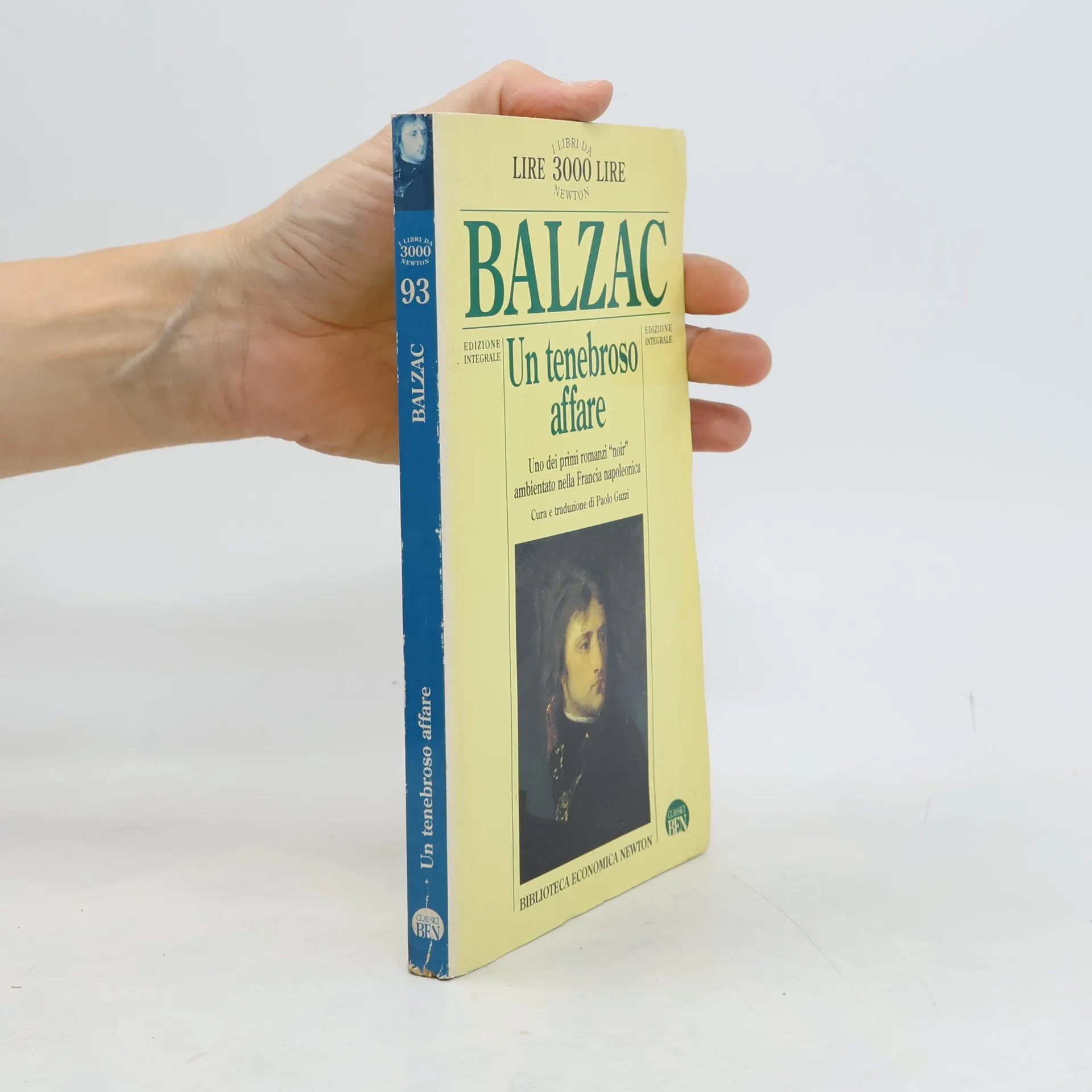
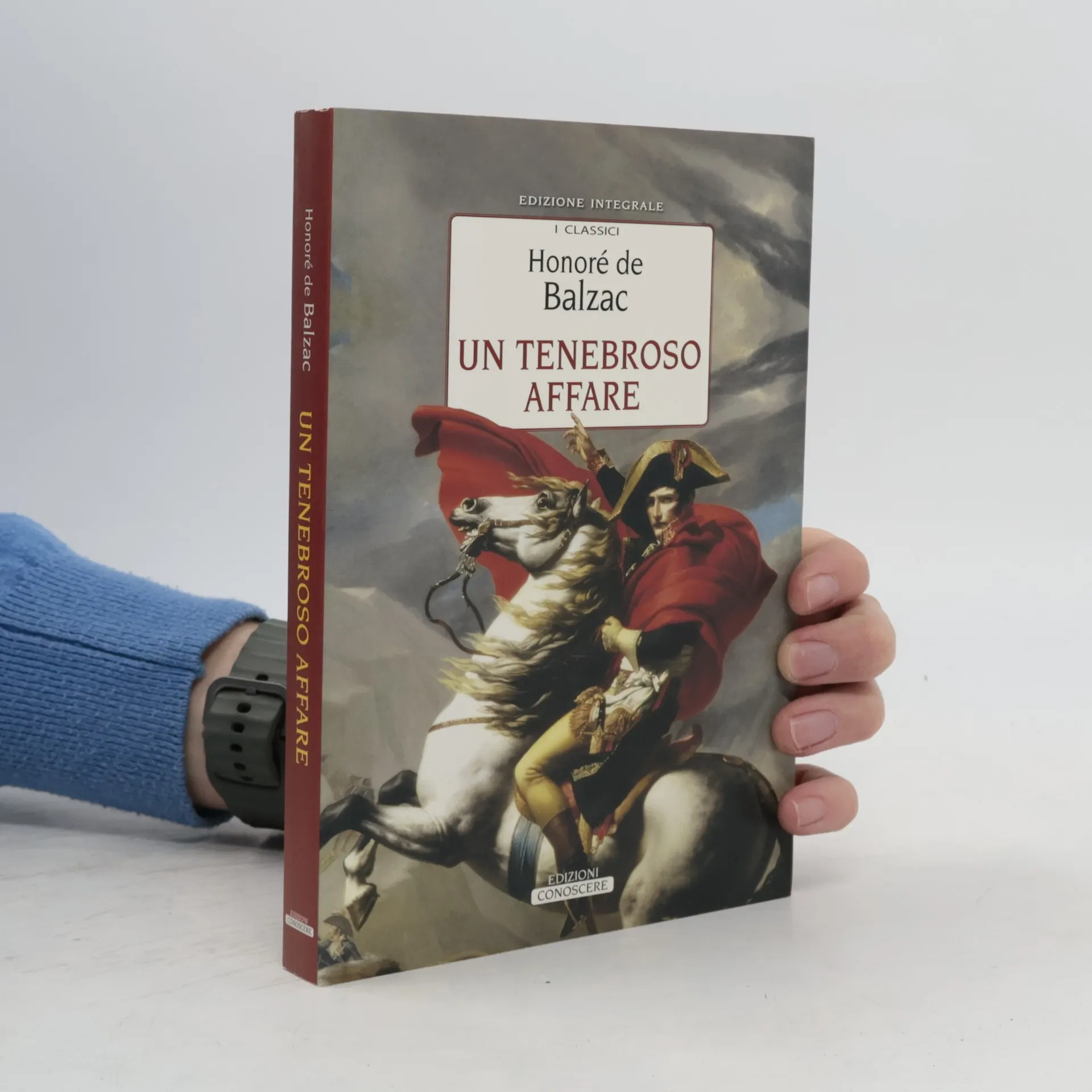
Il sequestro di un senatore per scopi politici e per vendetta personale è al centro di Une ténébreuse affaire . Si tratta di uno dei primi romanzi "noir", un poliziesco che rievoca un fatto realmente accaduto in Francia durante il Consolato, scritto per essere pubblicato a puntate, e quindi con la tecnica della suspense. In quest'opera personaggi storici quali Napoleone e i ministri Talleyrand e Fouché si alternano e interagiscono con personaggi d'invenzione. Su tutti, come quasi sempre in Balzac, domina la figura di Bonaparte, "uomo del destino" visto dall'autore con ammirazione e con severità critica. L'altro personaggio-chiave è la giovane e bella Laurence de Cinq-Cygne, simbolo di un'aristocrazia indomita e aggressiva che odia Napoleone e trama per il ritorno dei Borbone.
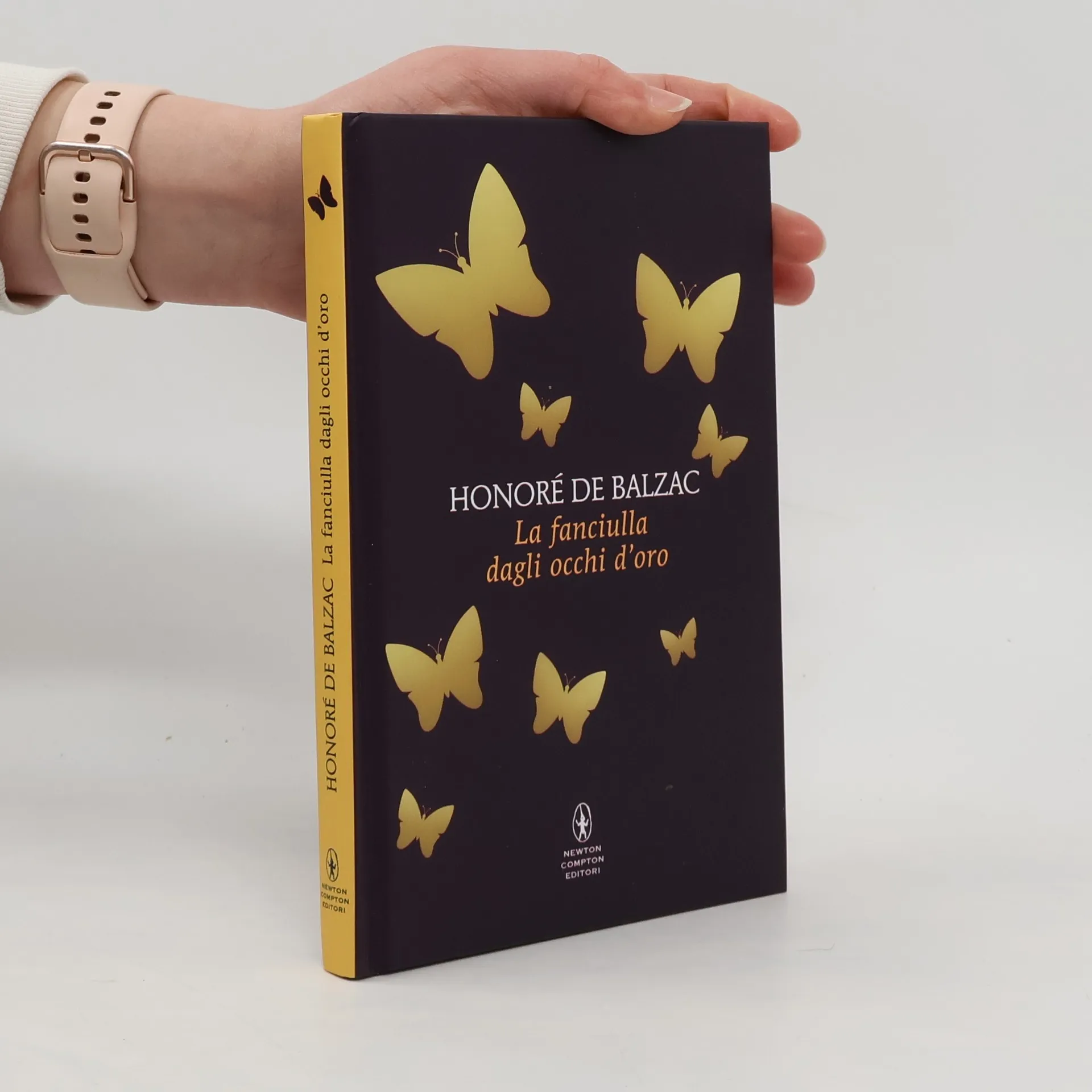
Una ragazza di meravigliosa bellezza fa misteriose apparizioni in un quartieredi Parigi, sempre strettamente vigilata da una governante. Un giovane siinnamora perdutamente di lei, ma solo quando la passione divampa tra i duescopre il terribile mistero che essa cela. Sullo sfondo di una Parigi"spietata e grande cortigiana", teatro di sinistri intrighi e oscure vendette,Balzac tratteggia uno dei quadri che compongono il grande affresco della"Comédie Humaine", rappresentazione dei costumi della società del XIX secolo e"fisiologia generale del destino umano".
Illusioni perdute è un ciclo di tre romanzi che hanno per protagonista un giovane provinciale, ambizioso, costretto a scontrarsi con le difficoltà dell'autoaffermazione. Fragile testimone del suo tempo, senza alcuna volontà di affrontarlo veramente, ha un animo nobile incapace di dedicarsi all'arte della sopraffazione: le sue illusioni sono destinate a infrangersi contro la spietata società parigina. Tra autobiografia e indagine sociologica, filosofia e analisi delle passioni, realismo e immaginazione visionaria, Balzac affronta un tema intimamente legato alla propria esperienza diretta, al proprio difficile rapporto con la realtà della società borghese: il tema delle illusioni perdute , destinato ad assumere nelle opere successive toni sempre più amari.
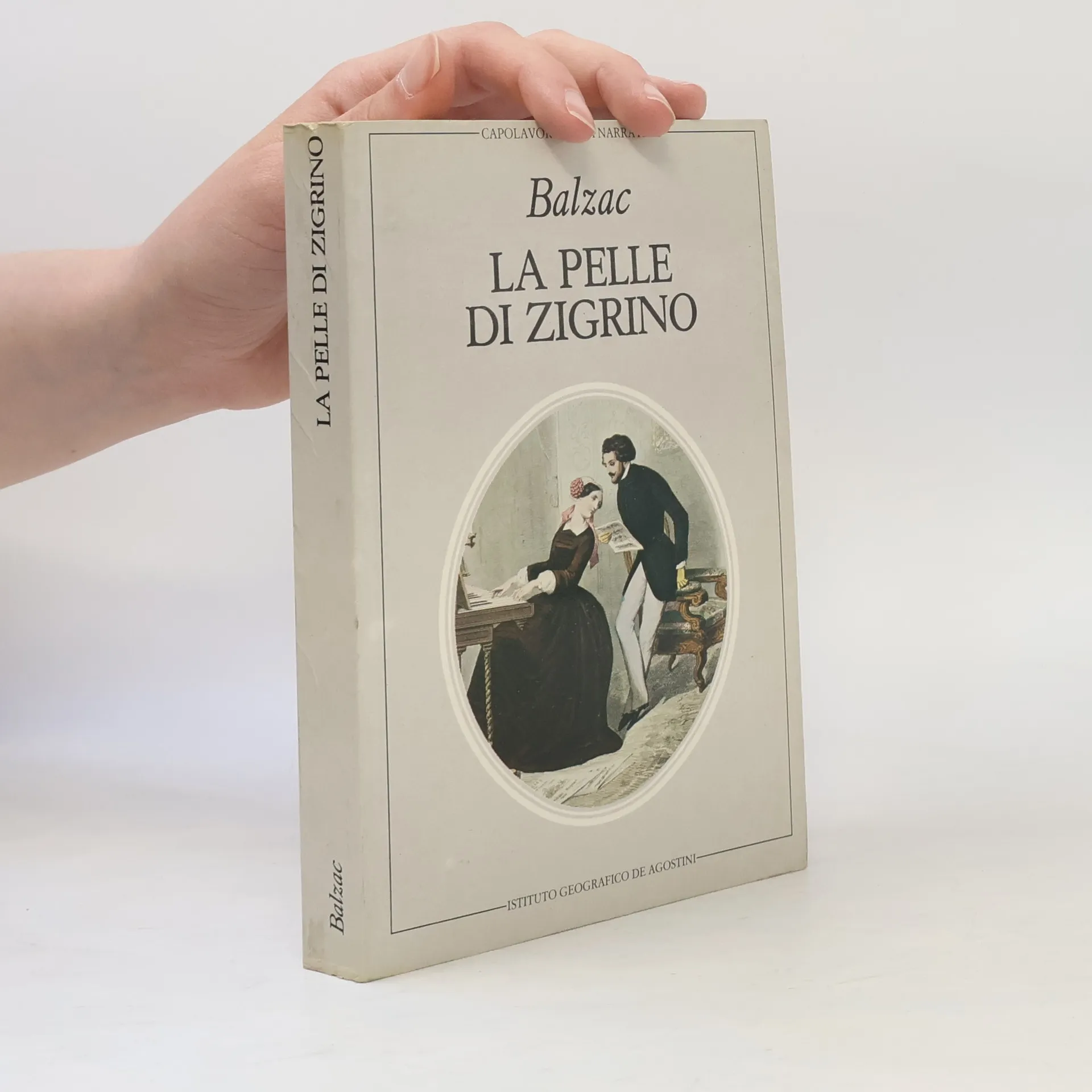
Un giovane uomo, Raphael de Valentin, avendo perduto al gioco le sue ultime risorse, desidera morire. Scopre, presso un vecchio antiquario, un talismano, una pelle di zigrino, che dovrebbe permettergli di soddisfare le tumultuose passioni della sua età. Cede, allora, all'impeto del piacere, conduce un'esistenza dissoluta, sogna anche l'amore e passa dalla crudele Foedora a l'angelica Pauline. Nelle sue esperienze successive, si inaridisce. Ad ogni nuova gioia che si procura, la pelle, che è tagliata a misura per la sua vita, si restringe; un giorno si accorge che ormai, è ridotta a qualche pollice e cerca invano di scongiurare il suo destino avverso: irrimediabilmente condannato, sparirà come il suo talismano. Questa avventura è il simbolo dell'alternativa in cui gli uomini si trovano messi di fronte alla loro condizione: una vita lunga ma tetra o una vita intensa ma breve.
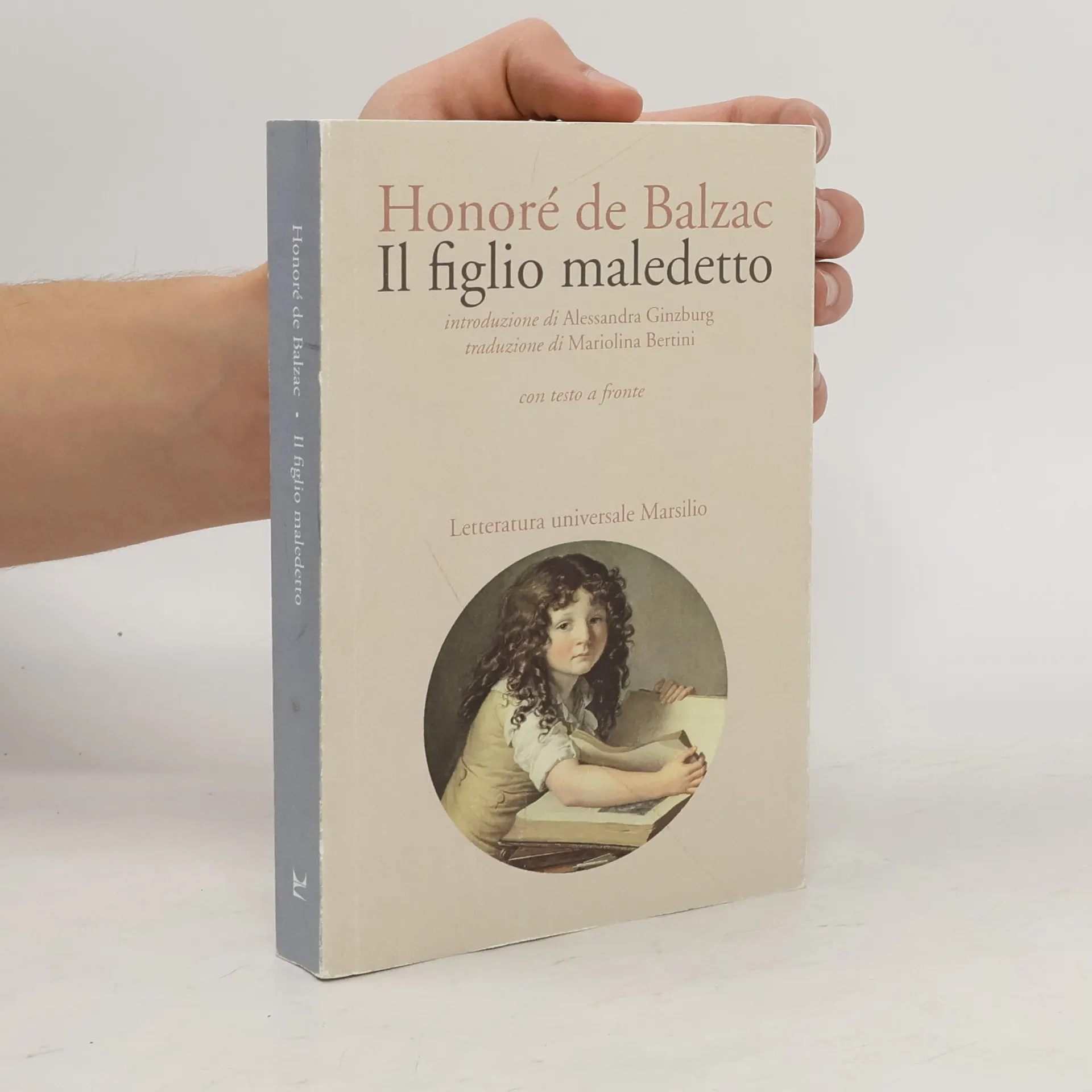
Il figlio maledetto, sebbene sembri un romanzo sulle segrete familiari, sull'amore e sul feudalesimo, fu pubblicato per la prima volta all'interno di Felsefesel İncelemeler. Un testo ingannevole che non può essere limitato a una lettura unidimensionale, scritto con un linguaggio misterioso e racconta una storia di orrore.
Un sogno sulla fusione fisica, la morale e il lavoro dell'inconscio. La storia di corpi esili, cuori ignoranti, bambini capaci di leggere fiori e mare, ma incapaci di vivere con gli esseri umani.
Nel sedicesimo secolo, in Normandia, un bambino nasce in una notte tempestosa dalla moglie virtuosa, ferita ed elegante di un crudele signore feudale. Dopo essere stato maledetto dal padre, vive lontano dagli uomini, in un'esistenza in cui ci sono solo sua madre, l'oceano e la musica, fino a incontrare un altro bambino, distaccato dalla vita reale, capace di comprendere il linguaggio dei fiori. Le loro anime e corpi si mescolano, trasformando il meraviglioso sogno di Platone in realtà; “insieme diventano un'unica entità e lo divinizzano”.
Encyclopædia Britannica offers a monumental collection that compiles history's greatest written works, from the ancient classics to more recent masterpieces. It contains 517 works from 130 of the most renowned minds throughout history. The collection includes a unique guide that enables you to investigate a particular idea and compare the perspectives of different authors, organizing thirty centuries of thought into 102 Great Ideas, divided into topics and subtopics to explore different viewpoints over time. This collection represents the essential core of the Western literary canon.
The novel sequence La Comédie humaine offers a detailed exploration of post-Napoleonic French society through Balzac's keen observation and unfiltered realism. His characters, rich in complexity and moral ambiguity, reflect the intricacies of human nature, while even inanimate objects gain personality, particularly the vibrant city of Paris. Balzac's influential style has left a lasting impact on notable writers and filmmakers, cementing his status as a foundational figure in European literature.
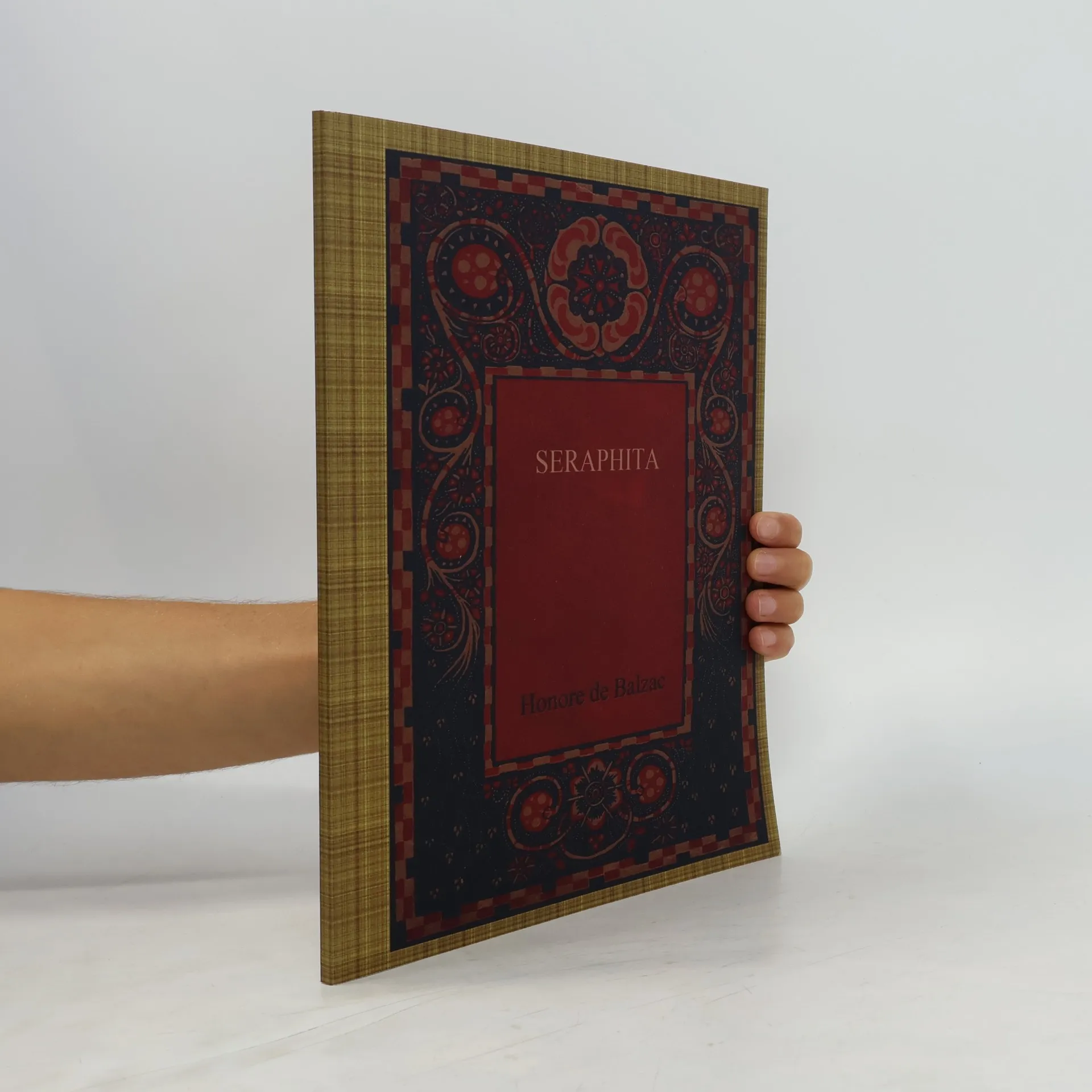
Balzac begins with a travelogue of the fiords of Norway, concentrating ultimately on one valley that is isolated by the roaring waters of the Sieg River which rises in Sweden and by the forbidding mountains of Jarvis. We begin with two figures cross-country skiing UP a mountain, past unimaginable abysses. One of them is Minna Becker, daughter of the village pastor. The other is a pale young male named Seraphitus, who expertly guides Minna up the slope to an Alpine meadow.
Balzac's work offers a detailed portrayal of post-Napoleonic French society through his extensive sequence, La Comédie humaine. His characters, rich in complexity and moral ambiguity, reflect a deep understanding of human nature. Notably, even inanimate objects and settings, like Paris, are infused with personality, enhancing the narrative's realism. This keen observation and representation of life have established Balzac as a pivotal figure in European literature, influencing notable writers and filmmakers alike.
Balzac's work is a detailed exploration of post-Napoleonic French society, showcasing his keen observational skills and commitment to realism. His characters, rich in complexity and moral ambiguity, reflect the intricacies of human nature, while even inanimate objects, particularly in Paris, are given life and personality. This intricate portrayal of life has left a profound impact on numerous literary figures and filmmakers, establishing Balzac as a pivotal influence in European literature.
The novella explores the contrasting worlds of the idealistic artist Théodore de Sommervieux and the practical Augustine Guillaume, daughter of a cloth merchant. Set against the backdrop of early 19th-century France, it delves into themes of social class, ambition, and the complexities of love. As part of Balzac's La Comédie humaine, it provides insight into the intricacies of human relationships and societal expectations during that era.
The novel explores the complexities of marriage through the story of Paul de Manerville, a wealthy Parisian gentleman who chooses to abandon his bachelor lifestyle at twenty-seven to marry Natalie Evangelista, a stunning but spoiled Spanish heiress. Set against the backdrop of Bordeaux, the narrative delves into the tensions between love and societal expectations, as Paul's decision faces opposition from his cynical friend de Marsay and highlights the challenges posed by Natalie's family's diminishing fortune.
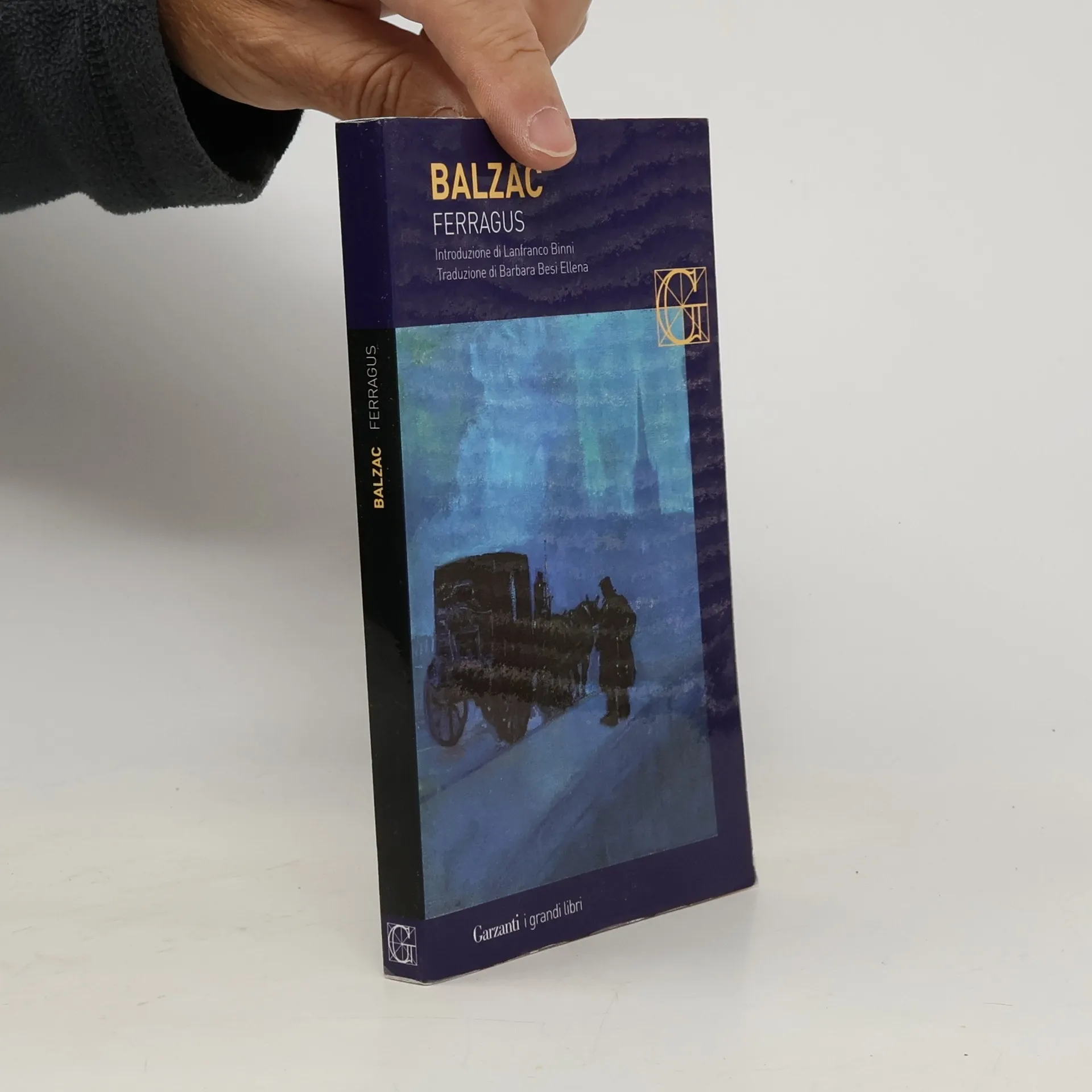
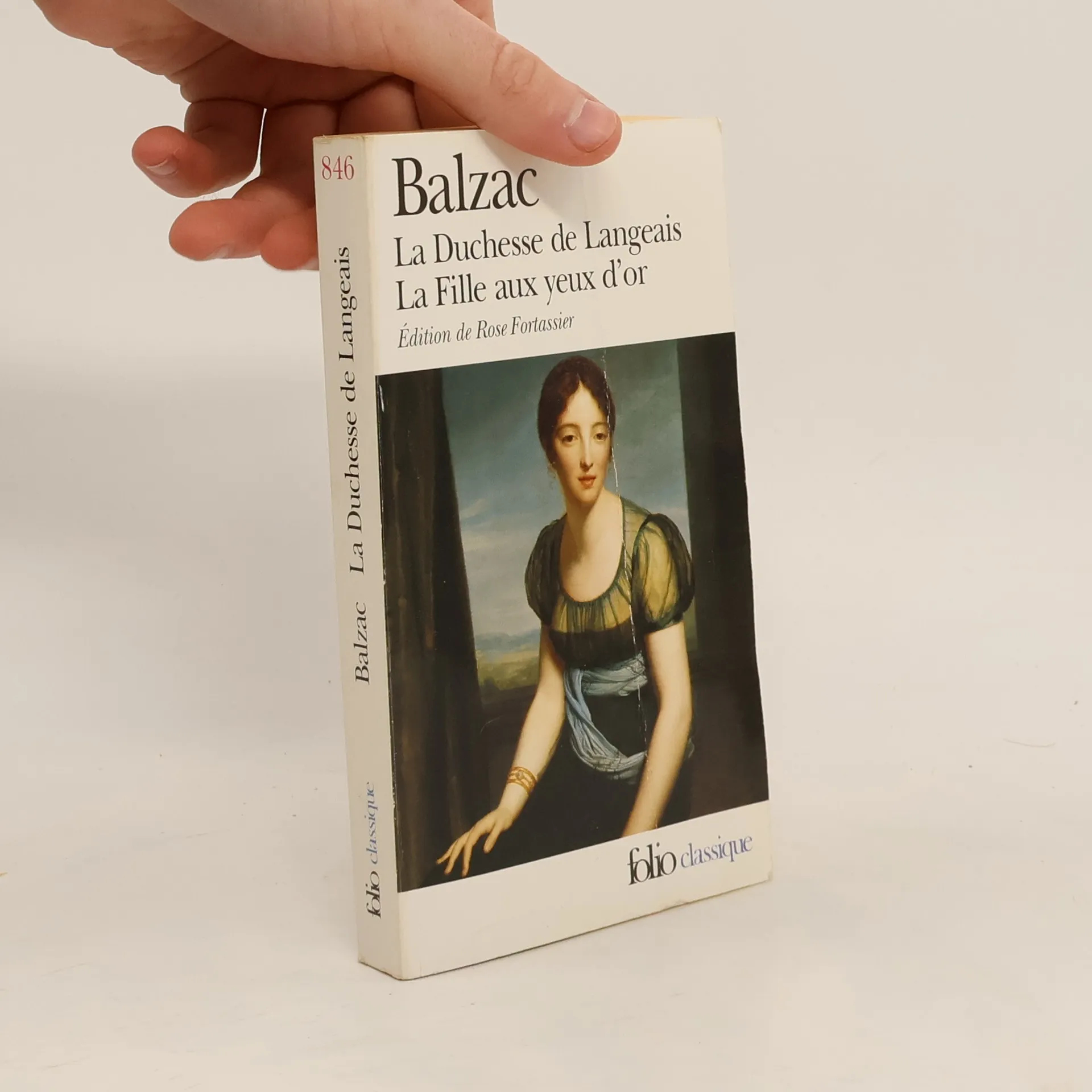
History of the Thirteen is a trilogy written by Honoré de Balzac: Ferragus is the first part, the second is La Duchesse de Langeais and the third is The Girl with the Golden Eyes. The story is set around the year 1820. Auguste de Maulincour, a young cavalry officer, walking in a Parisian district of ill repute, sees from afar a young married woman, Clemence, with whom he is secretly in love. In the days that follow his arrival to Paris, Auguste uncovers the secrets of powerful and mysterious people and escapes several assassination attempts.
Set against the backdrop of 19th-century French society, the novel explores themes of social class and familial pressure through the character of Rosalie, the daughter of a distinguished yet dysfunctional family. Her timid father contrasts sharply with her proud, controlling mother, who desires for Rosalie to pursue a relationship with the superficial M. de Soulas. The story delves into the complexities of personal aspirations and societal expectations during the Restoration and July Monarchy periods, reflecting Balzac's keen observations of human nature.
This publication focuses on making historical works accessible through large print, catering specifically to individuals with impaired vision. The effort by Megali highlights the importance of inclusivity in literature, allowing a broader audience to engage with classic texts.
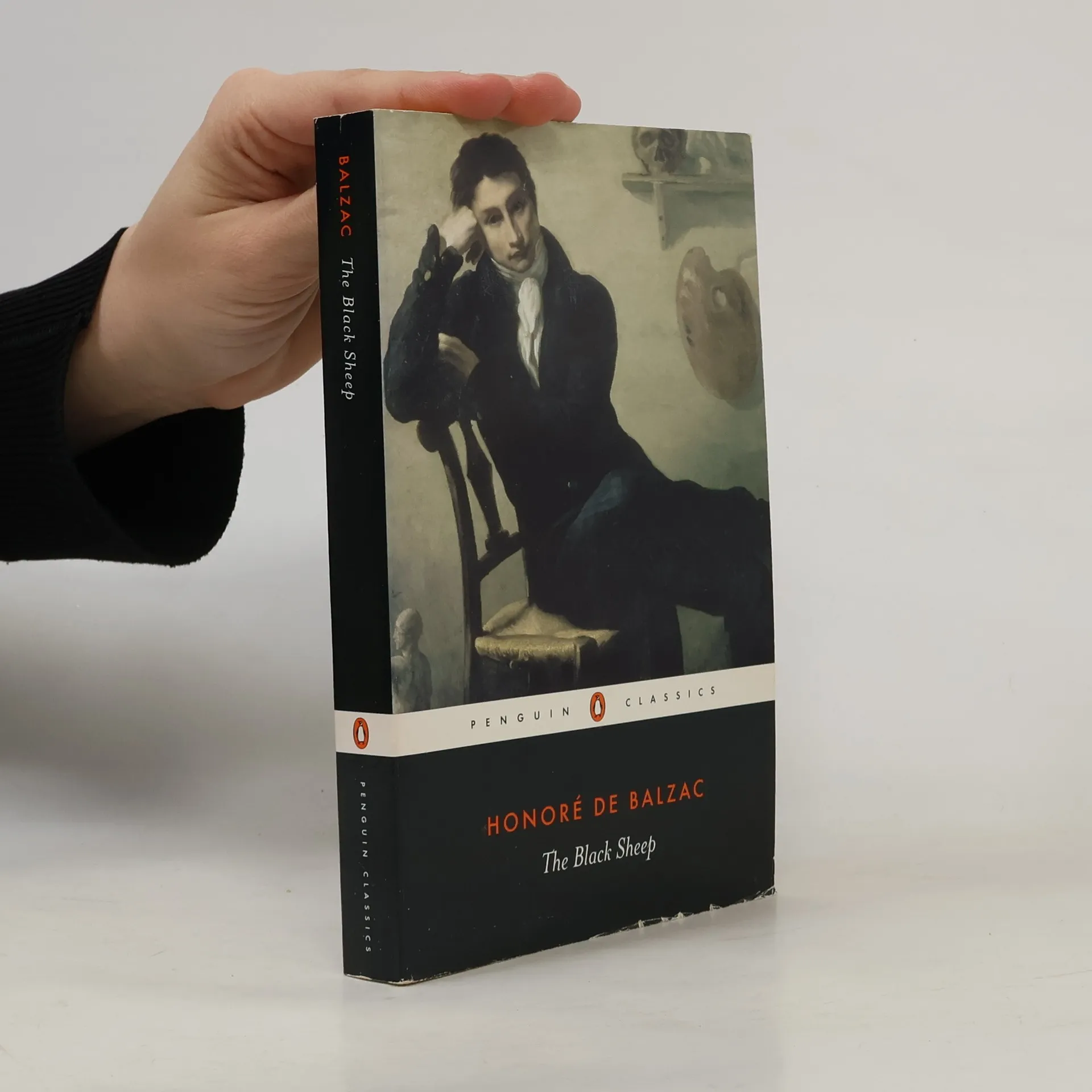
In this elegantly-crafted tale of sibling rivalry, two brothers, Philippe and Joseph Bridau, embody stark contrasts. Philippe, the elder, is a seemingly heroic soldier adored by their mother, Agathe, yet he harbors bitterness and squanders her savings after a fleeting career as Napoleon's aide-de-camp. In contrast, Joseph is fundamentally virtuous, but Agathe's prejudice against his artistic lifestyle blinds her to his kindness. Unbeknownst to her, she is manipulated by her favored son, raising the question of who the true black sheep is. This narrative offers a dazzling depiction of the power of money and the harsh realities of life in nineteenth-century France, exploring the nature of deceit. The translation by Donald Adamson captures Balzac's modernity, while the introduction situates the story within the broader context of Balzac's renowned Comédie humaine. For over seventy years, Penguin has been a leading publisher of classic literature, offering a global collection of over 1,700 titles. Readers rely on the series for authoritative texts, enriched by introductions and notes from distinguished scholars and contemporary authors, as well as contemporary translations by award-winning translators.
Set within the framework of La Comédie humaine, this novel explores the life of a young woman, Modeste Mignon, navigating love and ambition in a society marked by social stratification. The story unfolds through her interactions with various suitors, each representing different facets of society and desire. Balzac's rich character development and intricate social commentary highlight the challenges Modeste faces as she seeks true love amidst societal expectations. The work reflects the complexities of human relationships in 19th-century France.
The House of the Cat Who Pelted: followed by The Ball of Seals; The Vendetta; The Purse. Four "scenes of private life," four short stories written around 1830 that show Balzac beginning his social investigation, taking root in reality, laying the first stones of the edifice of The Human Comedy. This comedy is primarily about love, and three of these stories depict failed marriages, one due to cultural incompatibility, another due to social arrogance, and the third due to the madness of familial vengeance. But beyond the romantic intrigue appears the soon abundant variety of types and conditions: shopkeepers and courtiers, remnants of the Old Regime, lions and wolves of the Restoration, while Balzac discovers the mysterious and cruel Paris that will be one of the main characters of his work.
In "The Lily of the Valley," Honoré de Balzac explores themes of love, duty, and societal constraints through the story of Felix de Vandenesse, who struggles with his feelings for a married woman. Set in early 19th-century France, the novel offers rich character development and a profound commentary on human relationships and social dynamics.
Godefroid, a thirty-year-old failure, seeks solace in a monastery-like lodging house near Notre-Dame, overseen by the noble yet tragic Madame de La Chanterie. The house is home to men shaped by the aftermath of the French Revolution, dedicated to charitable acts. Inspired by their mission, Godefroid embarks on a secret journey to rescue a noble family living in slum conditions. There, he encounters a beautiful Polish woman oblivious to her family's suffering. Through this quest, Godefroid seeks spiritual redemption and a deeper understanding of virtue.
This book is a reproduction of a historical work, published by Megali, which focuses on making literature accessible through large print. It aims to assist readers with impaired vision, ensuring they can enjoy and engage with classic texts comfortably.
Set against the backdrop of 19th-century France, this novella explores the life of Gobseck, a shrewd usurer whose wealth and power reveal the moral decay of society. Through intricate character interactions and sharp social commentary, Balzac delves into themes of greed, ambition, and the consequences of financial manipulation. The story serves as a critical reflection on the human condition, showcasing the interplay between wealth and personal integrity within the broader narrative of La Comédie humaine.
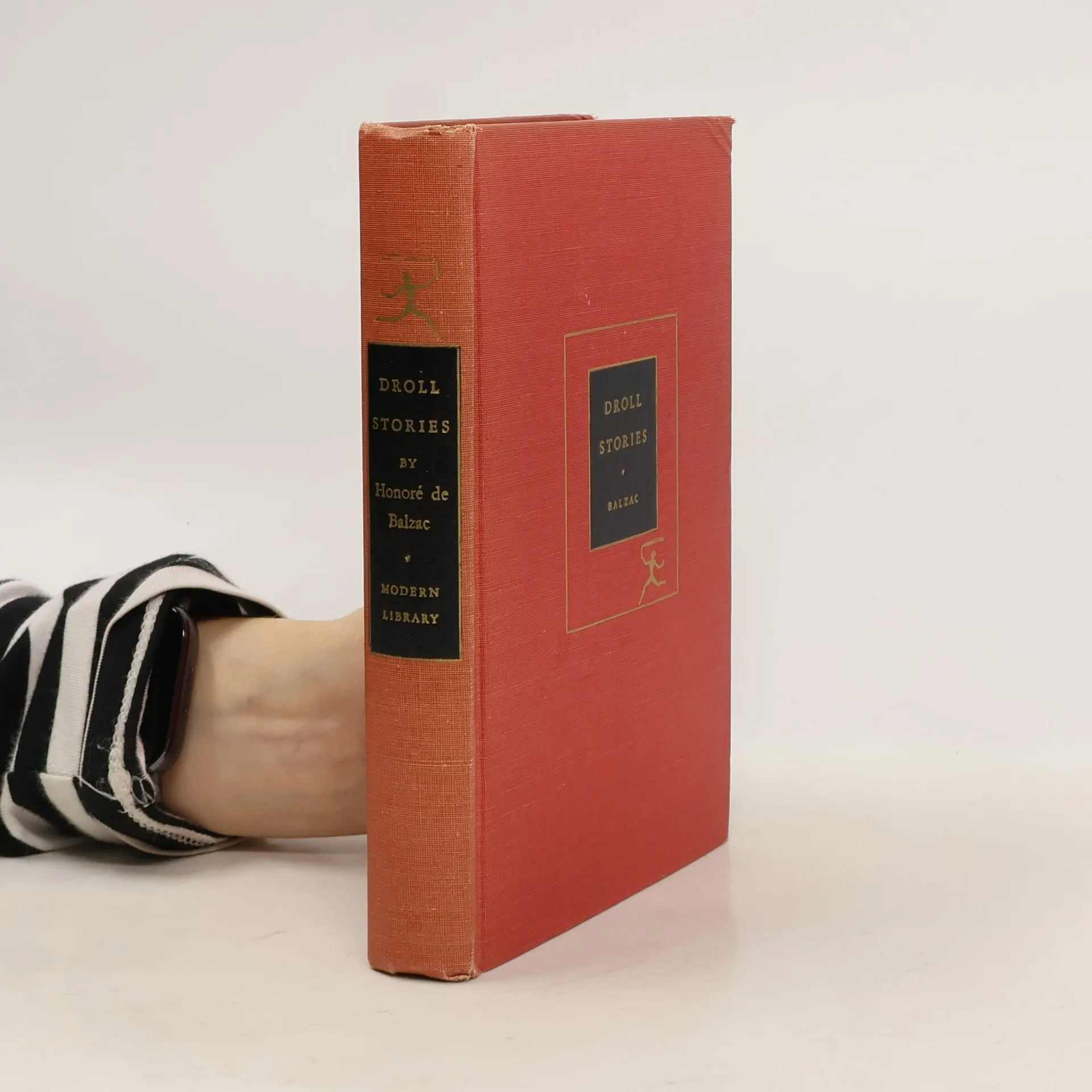
These choice selections from Honoré de Balzac's Droll Stories offer a lively and lusty portrait of sixteenth-century French life and manners. Told in the tradition of Boccaccio, Chaucer, and Rabelais, they allegedly originated in manuscripts from the abbeys of Touraine. Originally published in three sets of ten tales in the 1830s, the stories abound in episodes of good-humored licentiousness that scandalized Balzac's contemporaries and continue to delight modern readers. French novelist and playwright Honoré de Balzac (1799–1850) was a founder of realism in European literature. An inspiration to Proust, Dickens, Faulkner, Dostoyevsky, and countless others, Balzac wrote works that were hailed for their multifaceted characters and exquisite attention to detail. This edition's excellent translation was the first to make his Contes Drolatiques available to English-speaking readers.
Focusing on accessibility, this publication features a reproduction of a historical work in large print, catering specifically to individuals with impaired vision. Megali, the publishing house behind this initiative, is dedicated to enhancing the reading experience for those who may struggle with standard text sizes.
The book is a reproduction of a historical work, presented in large print to enhance accessibility for individuals with impaired vision. Published by Megali, a company dedicated to making historical texts more readable, it aims to preserve the original content while ensuring it is accessible to a broader audience.
Balzac's work is celebrated for its rich portrayal of post-Napoleonic French society, showcasing a diverse array of complex characters, each morally ambiguous and deeply human. His keen attention to detail and realistic representation of life mark him as a pioneer of realism in literature. Inanimate objects and settings, particularly Paris, are infused with personality, enhancing the narrative's depth. His influence extends to renowned authors and filmmakers, solidifying his legacy in the literary and cinematic worlds.
Set against the backdrop of post-war Brittany during the 1799 uprising, the narrative weaves a tale of romance and conflict between aristocrat Marie de Verneuil and royalist Alphonse de Montauran. Honoré de Balzac intricately blends military history with personal drama, reflecting the tensions of the era. Inspired by his trip to Brittany in 1828, Balzac meticulously crafted the story through multiple revisions, showcasing his fascination with the region's people and culture.
The book "The Magic Skin", has been considered important throughout the human history, and so that this work is never forgotten we have made efforts in its preservation by republishing this book in a modern format for present and future generations. This whole book has been reformatted, retyped and designed. These books are not made of scanned copies of their original work and hence the text is clear and readable.
Set in early 19th century Paris, the story follows Auguste de Maulincour, a young cavalry officer infatuated with Clemence, a married woman he observes in a disreputable district. As part of Balzac's broader work, La Comédie humaine, this novel delves into themes of love, desire, and societal constraints. It serves as the first installment of the Histoire des treize trilogy, exploring the complexities of relationships within the context of Parisian life. The narrative intricately weaves personal ambition with the darker elements of urban existence.
Balzac's work is marked by a detailed and unfiltered portrayal of post-Napoleonic French society, establishing him as a pioneer of realism in literature. His characters, even the minor ones, are intricately developed with moral complexity, reflecting the human experience. Inanimate objects, particularly the city of Paris, are given life and personality, enhancing the narrative depth. His influence extends to notable writers and filmmakers, showcasing his lasting impact on literature and art.
The longest, without exception, of Balzac's books, and one which contains hardly any passage that is not very nearly of his best, Illusions Perdues suffers, I think, a little in point of composition from the mixture of the Angouleme scenes of its first and third parts with the purely Parisian interest of Un Grand Homme de Province. It is hardly possible to exaggerate the gain in distinctness and lucidity of arrangement derived from putting Les Deux Poetes and Eve et David (a much better title than that which has been preferred in the Edition Definitive) together in one volume, and reserving the greatness and decadence of Lucien de Rubempre for another.
Focusing on accessibility, this book is a reproduction of a historical work presented in large print format. The publishing house Megali is dedicated to enhancing reading experiences for individuals with impaired vision, ensuring that classic texts remain available and easy to read.
Focusing on accessibility, this book is a reproduction of a historical work presented in large print, catering specifically to individuals with impaired vision. Published by Megali, a house dedicated to enhancing readability, it aims to preserve important texts while ensuring they are easily accessible to a wider audience.
The publishing house Megali focuses on creating large print reproductions of historical works, catering specifically to individuals with impaired vision. This initiative aims to enhance accessibility and ease of reading, ensuring that important texts from the past remain available to a broader audience.
The book is a reproduction of a historical work, published by Megali, which focuses on making literature accessible to individuals with impaired vision through large print. This initiative highlights the importance of inclusivity in reading, ensuring that historical texts are available to a wider audience.
This book is a reproduction of a historical work, presented in large print for enhanced readability. The publishing house Megali focuses on making literature accessible to individuals with impaired vision, ensuring that important texts remain available to a broader audience.
The book features a reproduction of a historical work presented in large print, catering specifically to individuals with impaired vision. Published by Megali, a company dedicated to making historical texts more accessible, this edition emphasizes readability while preserving the original content.
The novel sequence La Comédie humaine offers a detailed exploration of post-Napoleonic French society through a realistic lens. Balzac's talent for creating complex, morally ambiguous characters, alongside anthropomorphizing inanimate objects, enriches the narrative. His portrayal of Paris as a living entity adds depth to the backdrop of his stories. As a pivotal figure in the development of realism, Balzac's influence extends to notable authors and filmmakers, marking him as a significant contributor to European literature.
Focusing on accessibility, this work by Megali aims to provide historical texts in large print, catering specifically to individuals with impaired vision. The publishing house emphasizes the importance of making literature more accessible, ensuring that significant works can be enjoyed by a wider audience.
This book is a reproduction of a historical work, published in large print to enhance accessibility for individuals with impaired vision. The publishing house Megali focuses on making such texts available, ensuring that important historical content is easier to read and enjoy for a wider audience.
The book is a reproduction of a historical work, presented in large print to enhance accessibility for individuals with impaired vision. Megali, the publishing house behind this edition, focuses on making important texts more readable for a wider audience.
Exploring the ambitions and challenges of a provincial man in the vibrant society of Paris, this novel offers a rich portrayal of human relationships and the quest for social success. Balzac's keen observations and vivid characterizations bring to life the complexities of Parisian life in the 19th century. The narrative serves as a profound commentary on the human condition, highlighting the struggles for recognition and acceptance within the sophisticated milieu of the French capital. This work is essential for enthusiasts of French literature and societal insights.
Focusing on accessibility, this edition is a reproduction of a historical work presented in large print, catering specifically to individuals with impaired vision. The publishing house Megali is dedicated to making classic literature more accessible, ensuring that important texts can be enjoyed by a wider audience.
Focusing on accessibility, this edition is a reproduction of a historical work presented in large print, catering specifically to individuals with impaired vision. Published by Megali, a house dedicated to enhancing readability, it aims to provide an inclusive reading experience while preserving the original text's integrity.