The revived cult of Pan recognizes him as the god of fields, groves and wooded glens. This connects him to fertility and the season of spring, with his entourage of fauns and satyrs pursuing and copulating with woodland nymphs.The word panic also ultimately derives from the god's name. He is the eponymous Piper at the Gates of Dawn in The Wind in the Willows. In the late 19th century Pan became an increasingly common figure in literature and art. and there was an astonishing resurgence of interest in the Pan motif. He appears in poetry, in novels and children's books, and is referenced in the name of the character Peter Pan.The conception of Pan has continued to evolve. He is now seen by many as an eco-guardian, a protector of the landscape and natural resources from human depredations. He remains a relevant and vital figure.
John Kruse Libri
Basandosi su decenni di esperienza come consulente nel settore del volontariato e come formatore freelance, questo autore si è inizialmente concentrato sulla saggistica legale, in particolare sul diritto di esecuzione. Tuttavia, il desiderio di scrivere romanzi, spinto dai commenti della famiglia, lo ha portato a una nuova passione per la narrazione. Ora affascinato dall'arte, l'autore sta lavorando diligentemente a numerose nuove narrazioni di finzione. La sua narrativa è auto-pubblicata e facilmente disponibile tramite i principali rivenditori online.


This book pulls together everything we know about how things work in Faery. The information is scattered across many narratives, but once it is assembled, we discover we have a detailed picture of their politics and economy. Much of this is entirely independent of human affairs. References from old books and oral traditions as well as the authors personal knowledge combine to make this a comprehensive work.
This book is founded squarely upon an acceptance that faeries have a tangible physical reality and that we can describe them medically and biologically, in just the same manner as may be done for any other living being. It is, therefore, to some degree a natural history of faery kind, but it is limited to an examination of their bodies. A text that looks at the actual physicality of fairies- their anatomies, physiologies, even their psychology.
Faery
- 312pagine
- 11 ore di lettura
Enter the world of faery and discover the amazing possibilities that come from living and working with the Good Folk. This remarkable book is both a folkloric resource and guide to residing near our magical neighbours.
Beyond Faery
- 312pagine
- 11 ore di lettura
Provides detailed descriptions of more than 60 magical creatures, including descriptions of their appearance, habitat, behaviours, and mythological references
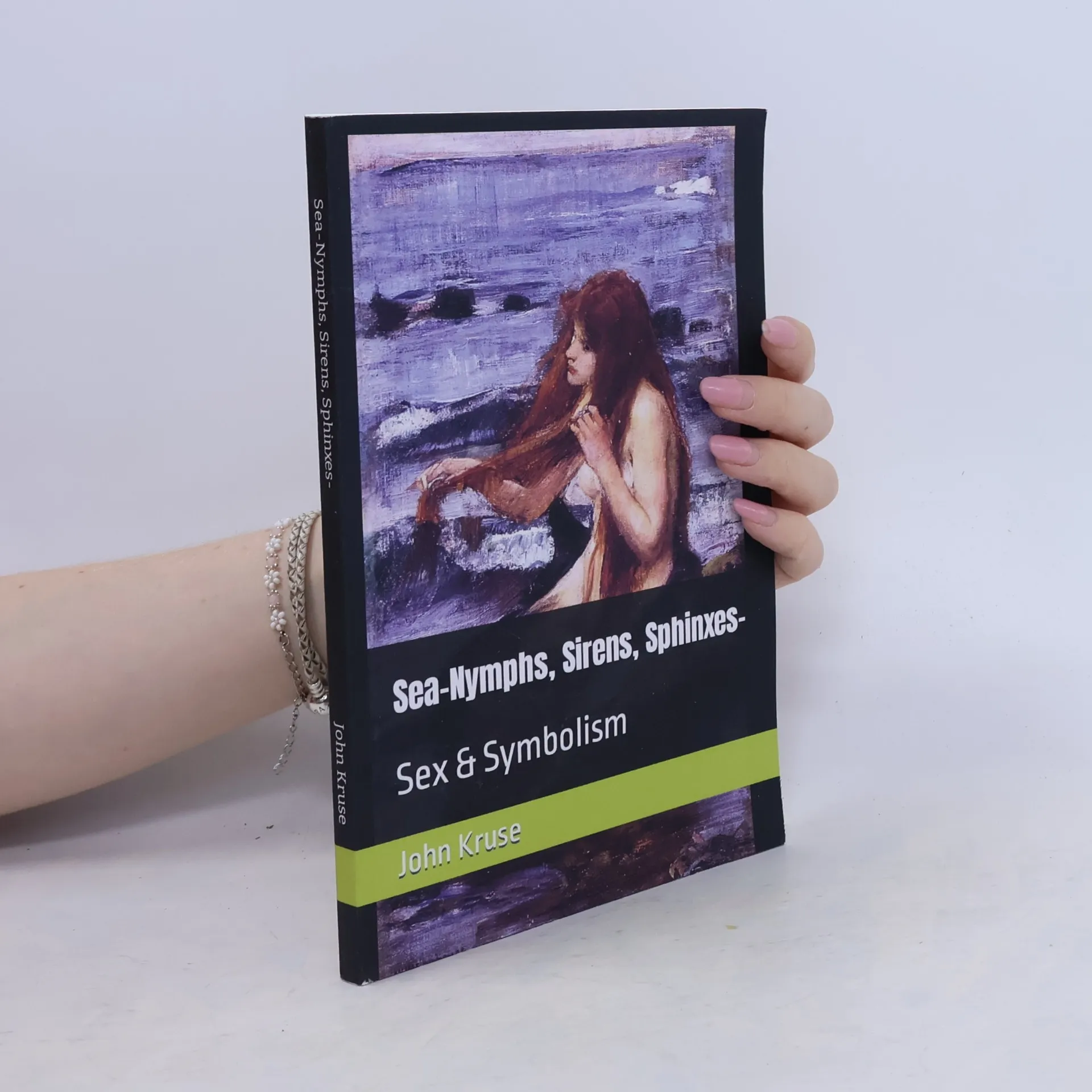
The goddess of love, Aphrodite - or Venus, or Astarte - she has had many names. She is the goddess of life, fertility and renewal, but she is also the patroness of carnal "a thousand honey secrets thou shalt know" is her promise to the boy Adonis in Shakespeare's poem about the pair. Incredibly, perhaps, he resists this offer- but most of us do not. The enduring role of the goddess in human sex and passion is well known, but how well is she suited for love and sexuality in the modern world? To understand that, we must trace something of her origins, and focus our attention on the way in which more recent writers and artists have imagined her.
There is a distinct tendency today to assume that faery kind are friendly and helpful towards us humans. The evidence of over one thousand years experience, preserved in British folk tradition, tells a very different story. British faeries are (like humans) selfish, greedy, violent and cruel. What makes things worse, of course, is the fact that they have magical powers too.
The Isle of Man is full of faery beings. In a concentrated area, it has all the most fascinating supernatural creatures of the British Isles, not just fairies, but various goblins, faery beasts and mermaids. It provides a fascinating case study of the wider wonders of British faery-lore, a kind of microcosm of Britain's faeries.
The pixies are the faery folk of the South West of England, by which I mean Cornwall, Devon and the western part of Somerset (essentially Exmoor, the Quantocks and the Blackdown Hills). Beyond this area, moving into northern and eastern Somerset and into Dorset, it is far more common to speak of fairies. Pixies came to wider attention through the work of a handful of authors. Before that, they had been well-known within the south-west, and local people had speculated about their origins over centuries.
It is an article of faith central to fairy belief today that they are beings intimately connected with nature- they are the elemental spirits, even, of water, air and vegetation. In one form or another this view has long existed.
