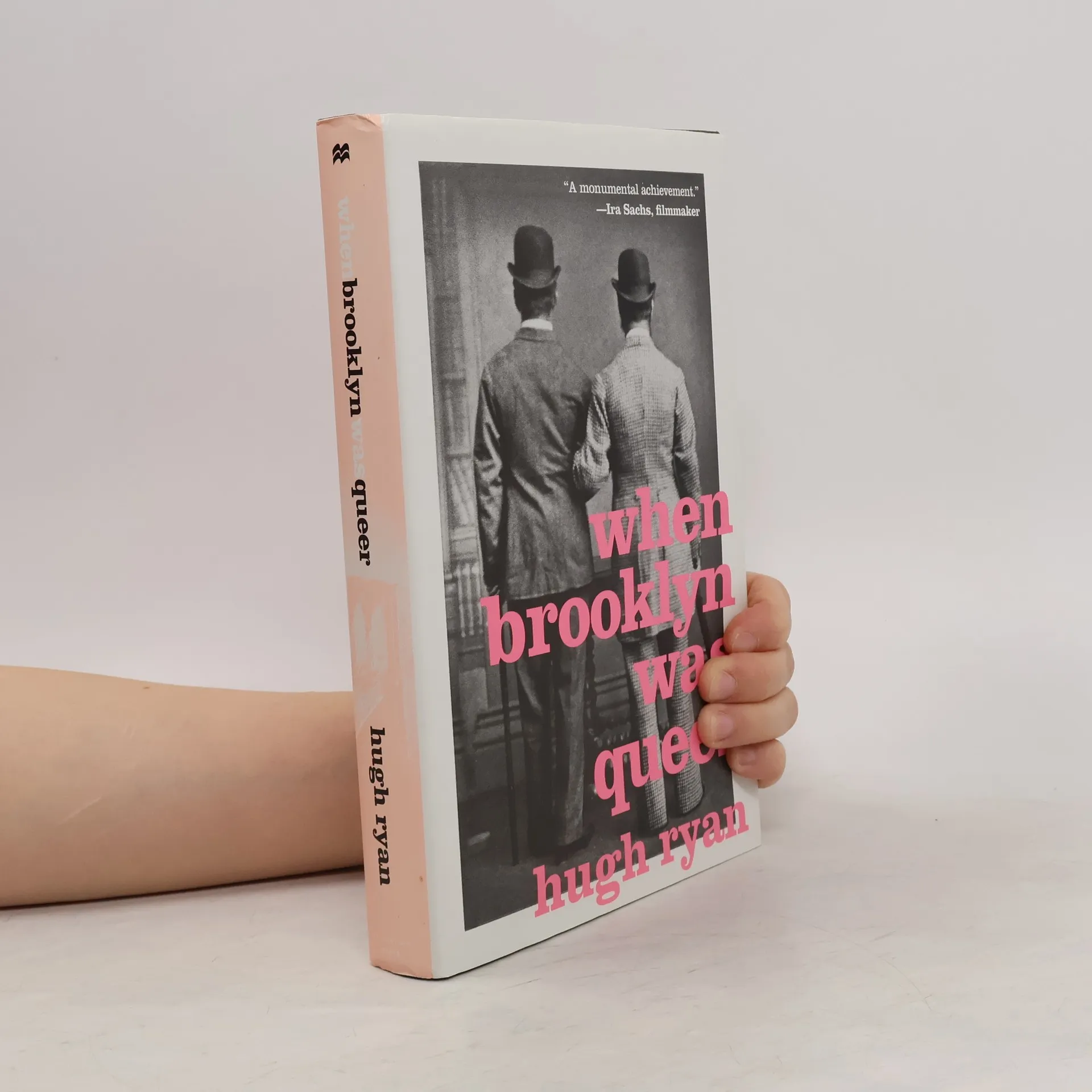
This singular history of a prison, and the queer women and trans people held there, is a window into the policing of queerness and radical politics in the twentieth century.The Women’s House of Detention, a landmark that ushered in the modern era of women’s imprisonment, is now largely forgotten. But when it stood in New York City’s Greenwich Village, from 1929 to 1974, it was a nexus for the tens of thousands of women, transgender men, and gender-nonconforming people who inhabited its crowded cells. Some of these inmates—Angela Davis, Andrea Dworkin, Afeni Shakur—were famous, but the vast majority were incarcerated for the crimes of being poor and improperly feminine. Today, approximately 40 percent of the people in women’s prisons identify as queer; in earlier decades, that percentage was almost certainly higher.Historian Hugh Ryan explores the roots of this crisis and reconstructs the little-known lives of incarcerated New Yorkers, making a uniquely queer case for prison abolition—and demonstrating that by queering the Village, the House of D helped defined queerness for the rest of America. From the lesbian communities forged through the Women’s House of Detention to the turbulent prison riots that presaged Stonewall, this is the story of one building and much more: the people it caged, the neighborhood it changed, and the resistance it inspired.
Hugh Ryan Libri