
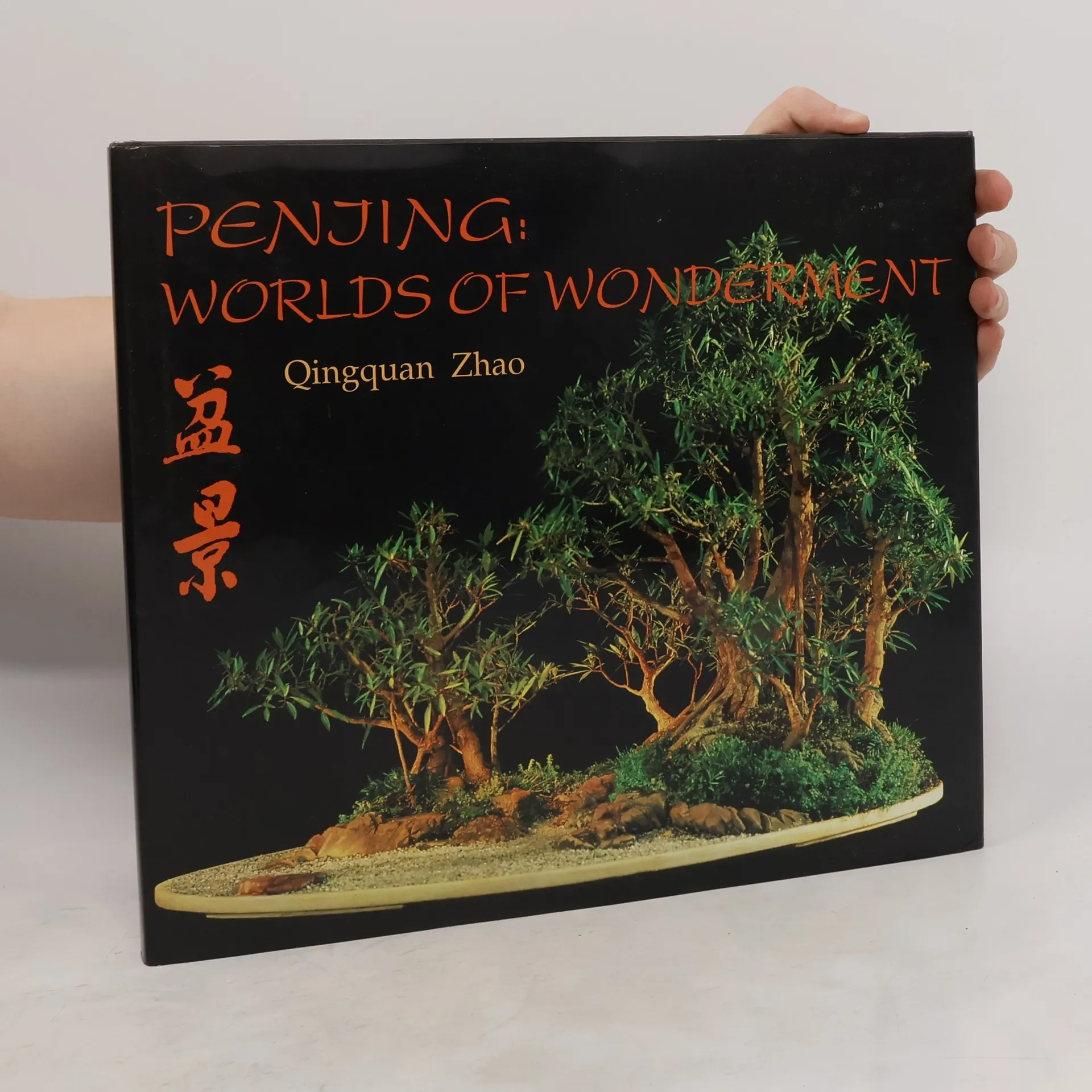
The word penjing can be roughly translated from the Chinese as "potted scenery." It is the original, older form of the art of bonsai. Penjing aims to embody entire natural scenes within individual works. Penjing is sometimes described as Chinese landscape painting in three dimensions. It aims to make viewers feel as though they were really in nature, contemplating the ripples on the surface of a lake or sheltering from the sun in the shade of a tree. It is an art form that is still, yet full of dynamic energy, embodying the natural beauty of trees, stones, and water. The book gives detailed guidance and instruction to those who wish to create a vivid miniature landscape of their own. It also describes the creation process of several outstanding examples of forest penjing, with accompanying photographs from each stage of their “journey” towards completion. Meant for beginners and experts alike, the information and techniques outlined in this book can help sow the seed of a new love for penjing or to refine the craft of a seasoned penjing designer.
Qingquan Zhao Libri


Literati Style Penjing - Chinese Bonsai Masterworks
- 160pagine
- 6 ore di lettura
The art of bonsai is widely known in the West: from the Karate Kid to the American Bonsai Association and even local grocery stores, bonsai has become a common sight in the States. But bonsai, the Japanese art of creating miniature trees, actually originated in China, where it's called penjing. Penjing, meaning tray scenery, is a traditional Chinese art of creating miniature potted landscapes including trees and other plants. Brought from China to Japan in ancient times before spreading to the West, bonsai/penjing is now popular throughout the world. In China, the art of creating miniature landscapes has evolved in several different ways. Literati Style Penjing: Chinese Bonsai Masterworks focuses on a special category of penjing associated with traditional Chinese culture, such as the painting of the literati, or elite scholar-bureaucrats, of imperial China. Like literati ink paintings, this style of penjing has a subtle elegance distinguished by a lone, lean trunk with sparse foliage exhibiting distinct lines and simplicity. The term literati style penjing has been widely accepted by the bonsai community and is becoming more common within the bonsai world. It is well suited to melding concepts from Chinese painting, poetry and Zen into a stunning bonsai work, making it of interest to a wide variety of gardening styles. Literati Style Penjing; Chinese Bonsai Masterworks explains the concept of penjing with a literati bent, exploring its rich history and aesthetics, as well as cultivation techniques, and care and maintenance. It includes 12 examples of literati style penjing creations, which incorporate a deep knowledge of the art form together with practical creativity and artistic beauty. Lovers of bonsai will find much to inspire and delight within these pages
Penjing
- 144pagine
- 6 ore di lettura
A lavishly illustrated book, endorsed by six internationally recognized experts. It is likely to become a classic and will delight anyone interested in Oriental gardening, culture, and art. Penjing is the Chinese art of creating a miniature landscape in a container. Using trees, rocks, or a combination of the two, the Chinese artist seeks to express the beauty of a conceptual idea, to grant outward form to an inner vision. Penjing magically and succinctly captures the atmosphere and magnificence inherent in a natural landscape. The artist strives to express the mood and spirit observed in Nature and the emotions or morality instilled in him. Although China is the cradle of this art and the forerunner of the more widely known art of bonsai associated with Japan, little information had been available on this time-honored Chinese art, and this is the first major work shedding light on this subject. Penjing places the art into the wider context of Chinese culture. While it was written for the bonsai and penjing enthusiast who, having mastered the basic skills of shaping and caring for miniature trees, wishes to hone his or her artistic sensitivities, the book's appeal is by no means limited to people wanting to create their own penjing. Instead, it addresses anyone interested in the Chinese experience. Any lover of Oriental gardening and any aficionado of Chinese culture and art will treasure Penjing.