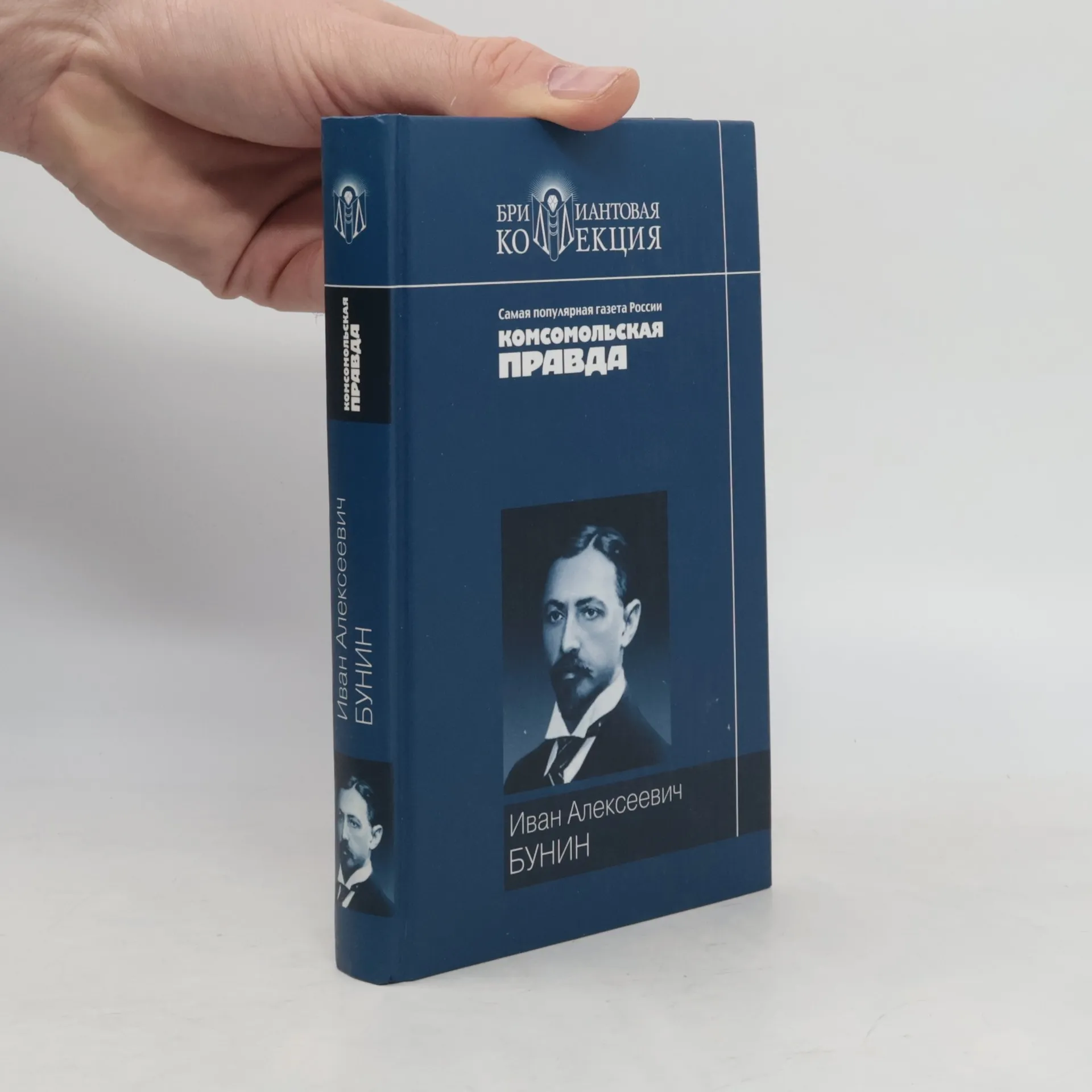
Ivan Alexejevič Bunin Libri
22 ottobre 1870 – 8 novembre 1953
Ivan Bunin, primo scrittore russo a ricevere il Premio Nobel per la Letteratura, è celebrato per la rigorosa maestria artistica con cui ha portato avanti le tradizioni classiche russe nella prosa e nella poesia. Le sue poesie e storie, note per la loro ricca tessitura, sono talvolta definite "broccato Bunin". Ritenuto un vero erede della tradizione realista stabilita dai giganti della letteratura russa, Bunin era venerato da emigrati bianchi anticomunisti, critici europei e colleghi scrittori. La sua opera testimonia la profonda ricchezza linguistica e letteraria russa.


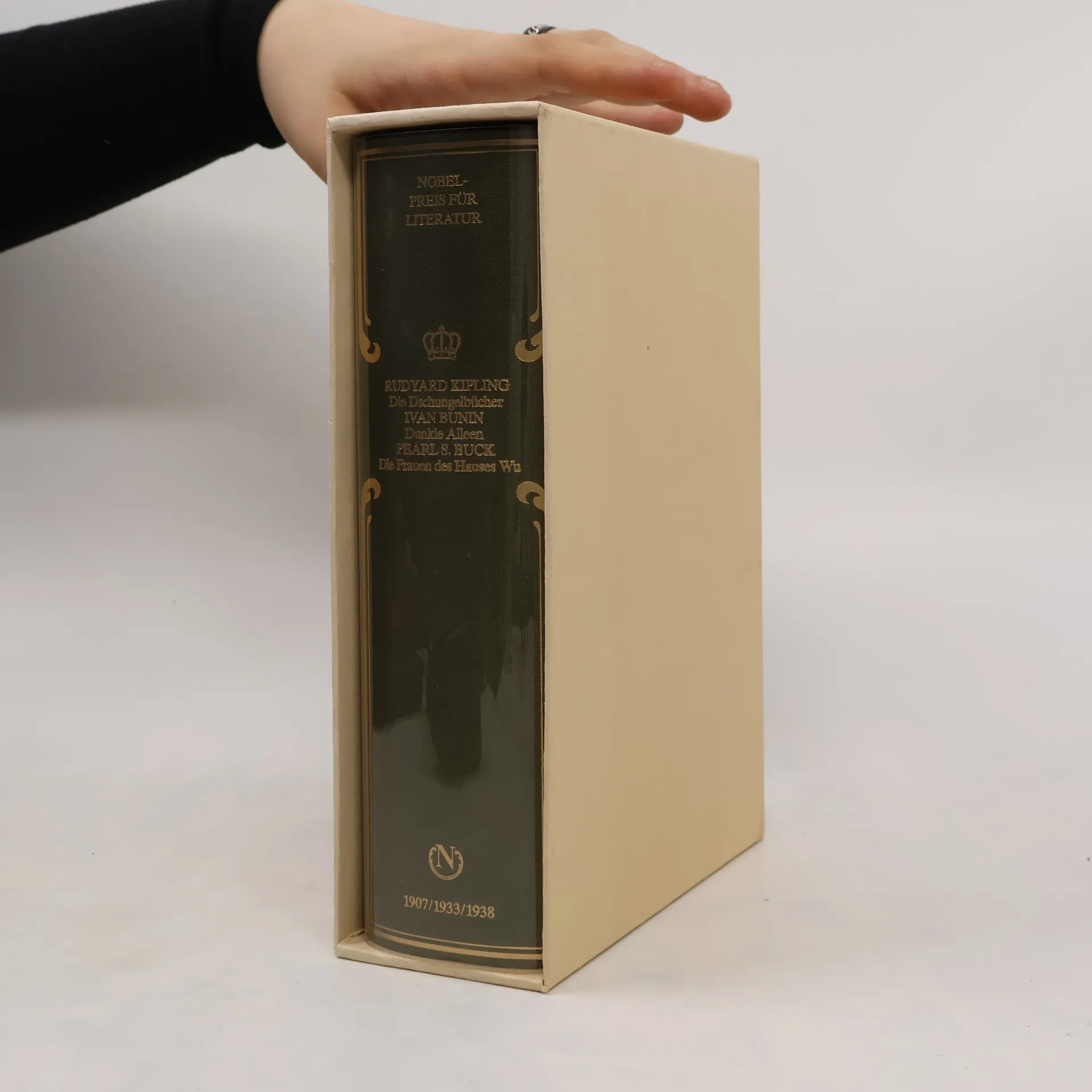
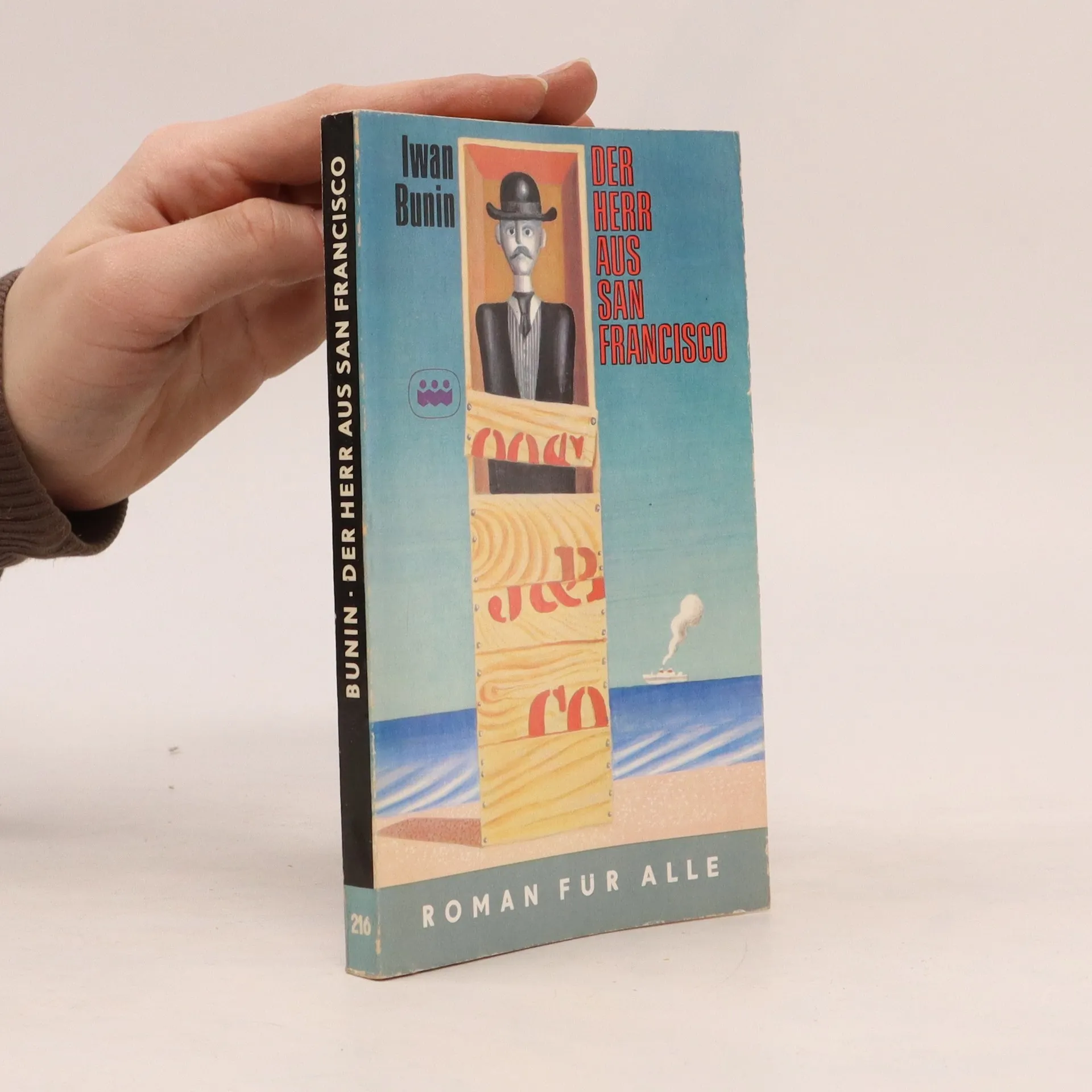
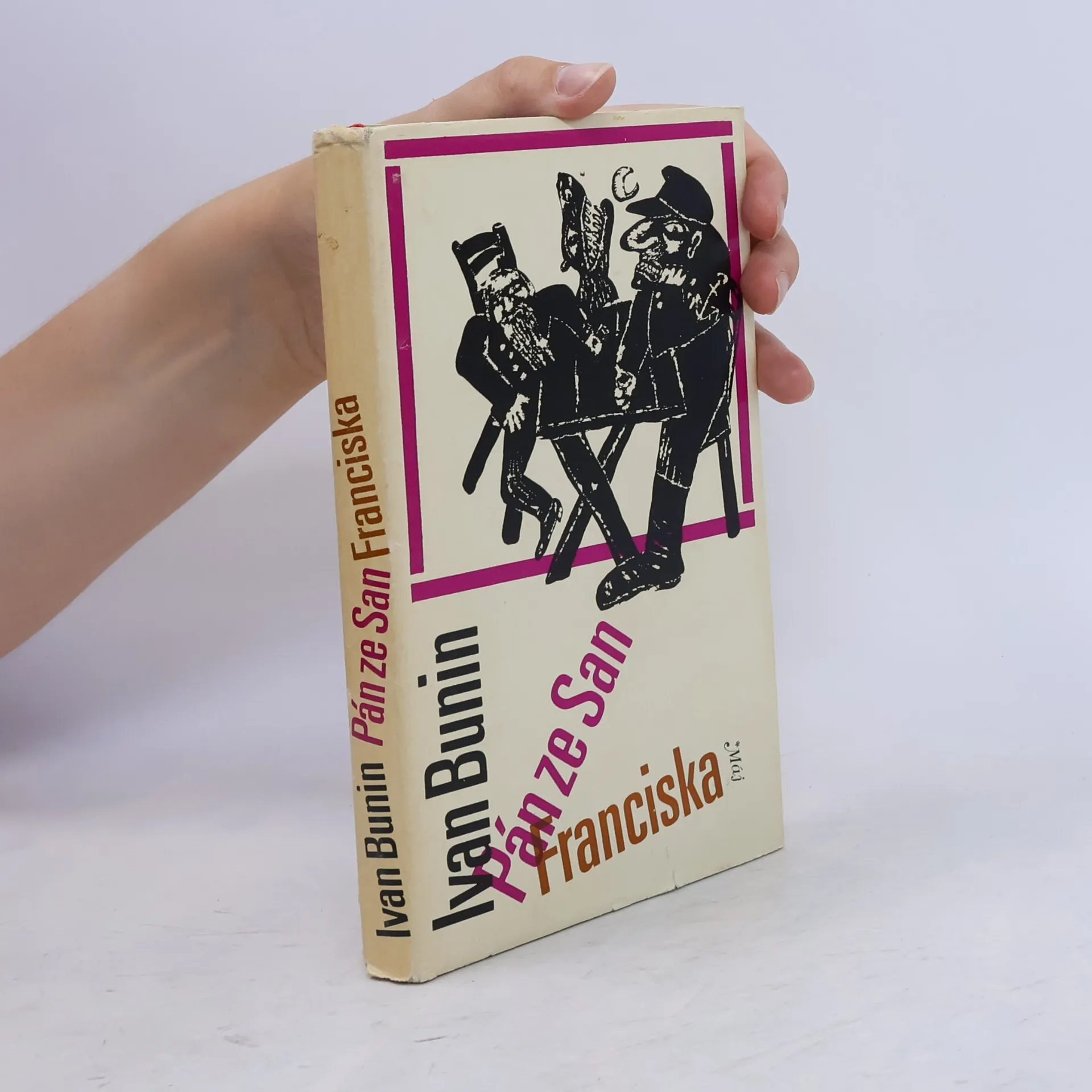
The Gentleman from San Francisco and Other Stories
- 52pagine
- 2 ore di lettura
The gentleman from San Francisco, whose name was forgotten in Capri and Naples, was embarking on a two-year journey to the Old World with his wife and daughter. He felt entitled to this break, believing he had earned the right to enjoy life after years of hard work. At fifty-eight, he considered himself just beginning to truly live, having previously only existed, albeit comfortably, with his aspirations set on the future. His relentless work in the factories employing thousands of Chinamen had brought him success, and he now felt he had reached the status of his ideals, prompting him to take a pause for leisure. Like many of his peers, he planned to start his enjoyment with a trip to Europe, India, or Egypt. He was eager to reward himself for his labor, but also wanted his family to share in these experiences. While his wife lacked notable sensitivities, she was a passionate traveler, a trait common among elderly American women. His daughter, no longer young and somewhat fragile, needed the journey for her health, and he believed that travel often led to serendipitous encounters, like sitting next to a multimillionaire at dinner or admiring frescoes together.
Light Breathing and Other Stories
- 422pagine
- 15 ore di lettura
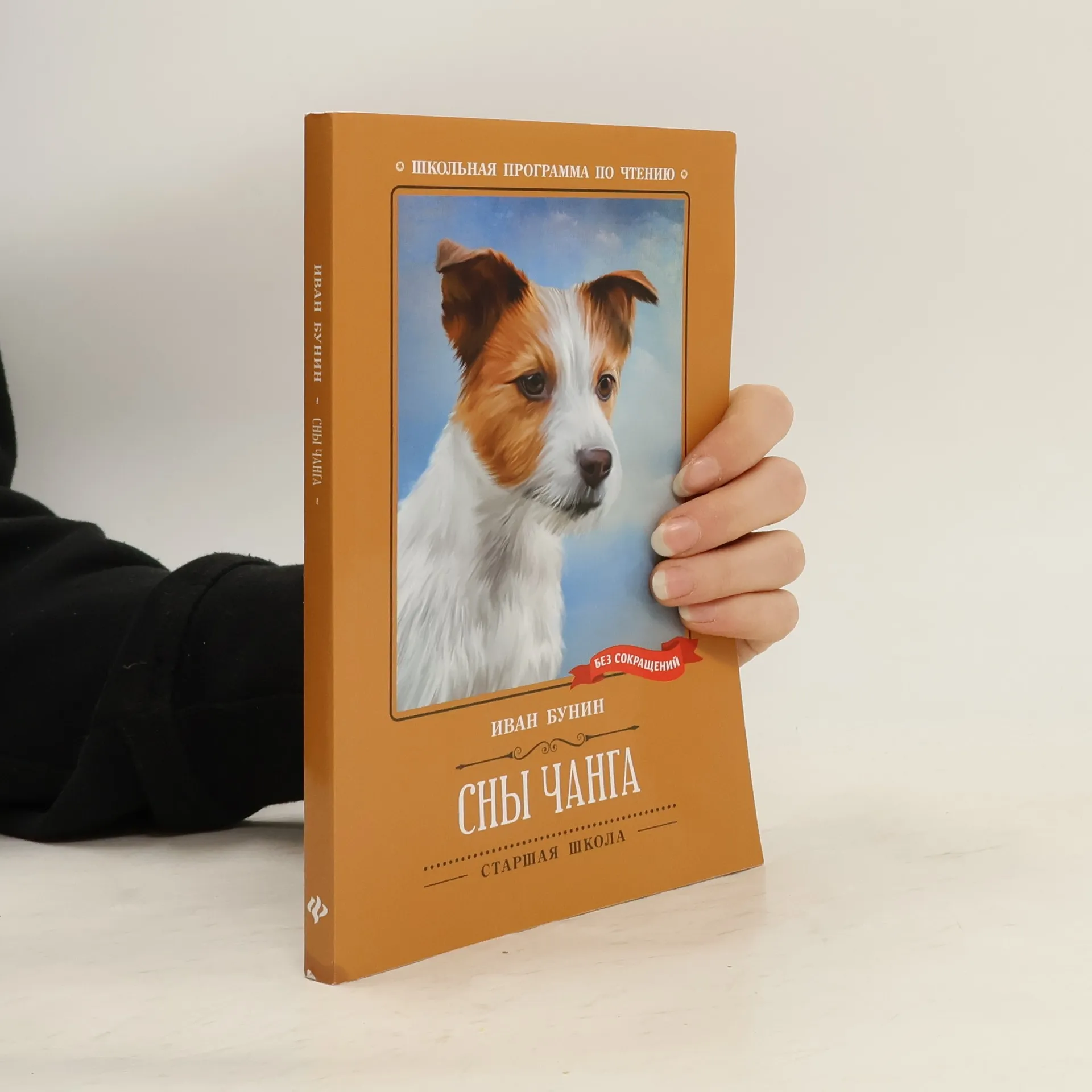
This volume includes stories written over a period of forty-five years by Ivan Bunin (1870-1953), a major Russian prose writer and poet. The book opens with one of his best known early stories "Apple Fragrance". While poeticising the country estate life into which he had been born and which he loved for its lingering beauty even in its decline and impoverishment, Bunin was not blind to the shortcomings of this life. The theme that runs through his entire work is the theme of love. The boldness with which he describes love is combined with a classic clarity and perfection of verbal form, a style which was entirely novel and Bunin's own, and in which he remains unsurpassed. Included in this volume are his masterpieces "Light Breathing", "The Last Rendezvous", "Chang's Dreams", "Mitya's Love", "Sunstroke", and the stories from the book Shadowed Paths "Heinrich", "Tania", "Natalie", and others.
Dark Avenues
- 331pagine
- 12 ore di lettura
One of the great achievements of 20th-century Russian émigré literature, Dark Avenues —the culmination of a life’s work of unrelenting challenge to Soviet dogma—took Bunin’s poetic mastery of language, eventually known for its richness as "Bunin brocade," to new heights. Written between 1938 and 1944 and set in the context of the Russian cultural and historical crises of the preceding decades, this collection of short fiction centers around dark, erotic liaisons. Love in its many varied forms is the unifying motif in a rich range of narratives, characterized by the evocative, elegiac, elegant prose for which Bunin is rightly renowned.
Set against the backdrop of Moscow and Odessa in 1918 and 1919 these are the great anti-Bolshevik diaries of Ivan Bunin, the first Russian to be awarded the Nobel prize for literature. Originally published in 1936 but banned during the Soviet period, these diaries are now translated into English for the first time by the distinguished Professor of Russian History at the University of Notre Dame, Thomas Gaiton Marullo. Bunin despised the Bolsheviks, whom he believed were ruining his beloved country. In these diaries he recreates the time of revolution and civil war with graphic and gripping immediacy. His uncompromising truths are jolting. His pain and suffering in watching the overthrow of his country by ¿thugs¿ and the chaos of civil war, and his fears for the devastation of ¿patriarchal¿ Russian culture, consumed his days and receive vivid expression in his diaries. An original and important contribution to our understanding of this tumultuous period by a master of prose and a perceptive social critic.
Ivan Bunin
From the Other Shore, 1920-1933: A Portrait of the Nobel Prize-Winning Writer and of Russians in Exile, Drawn from Letters, Diaries, and Fiction
- 347pagine
- 13 ore di lettura
In this second volume of his major work on Bunin, the neglected master of Russian letters, Thomas Marullo recreates his life in exile, chiefly in Paris, after escaping from his newly bolshevized country in 1920. Drawing from Bunin's correspondence, his diaries, and his stories, and translating most of these materials into English for the first time, Mr. Marullo gives us a vivid picture of a man suddenly and agonizingly without a country. Bunin's life and art, which depended so heavily on traditional Russian values, seemed to be overthrown in a moment, and the writer found himself marooned amidst Western culture, clinging to his old ideals. Through his writings we are also provided a window on the lively but despairing and often fractious community of Russian emigrés in Paris in the twenties, which included Stravinsky, Rachmaninoff Chafiapin, Prokofiev, Chagall, Kandinsky, Pavlova, Diaghilev, and Zamyatin. The volume ends in 1933, when Bunin became the first Russian to receive the Nobel Prize in literature. Mr. Marullo's first volume, Ivan Russian Requiem , was widely acclaimed. Gary Saul Morson of Northwestern "It engages the reader from the first page ...Marullo has an eye for the perfect quotation." Ruth Rischin, in the Russian Review , described the book as "elegantly crafted... a serious achievement."
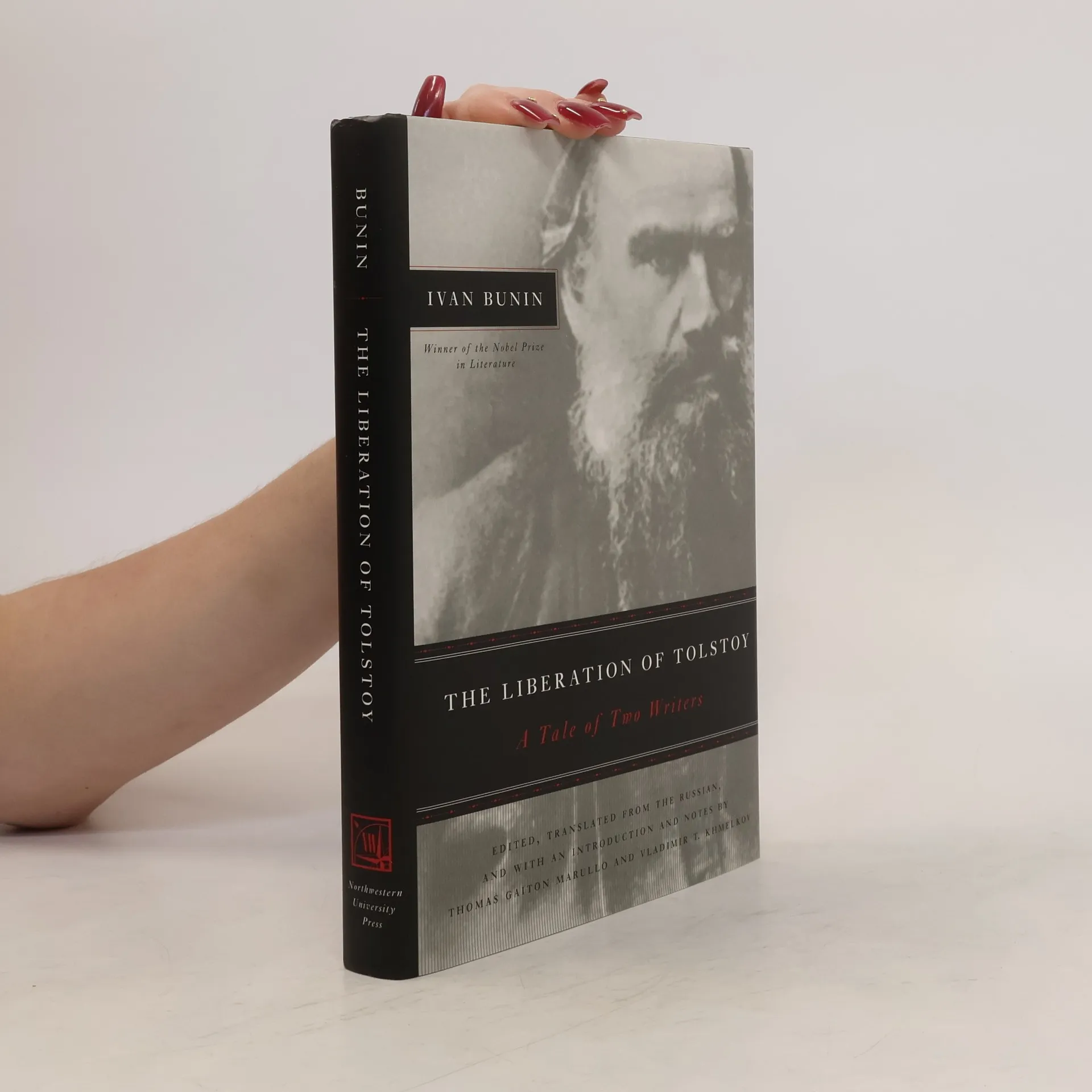
The Liberation of Tolstoy
A Tale of Two Writers
This first annotated translation of Ivan Bunin's The Liberation of Tolstoy is a timely accompaniment to the ongoing revival of the Russian writer, both in his homeland and the West. Written in 1937, more than two decades after Leo Tolstoy's death, The Liberation of Tolstoy --equal parts biography, memoir, and literary study--serves as a dialogue between two great writers on the proklyatye voprosy, or "damned questions," of life.
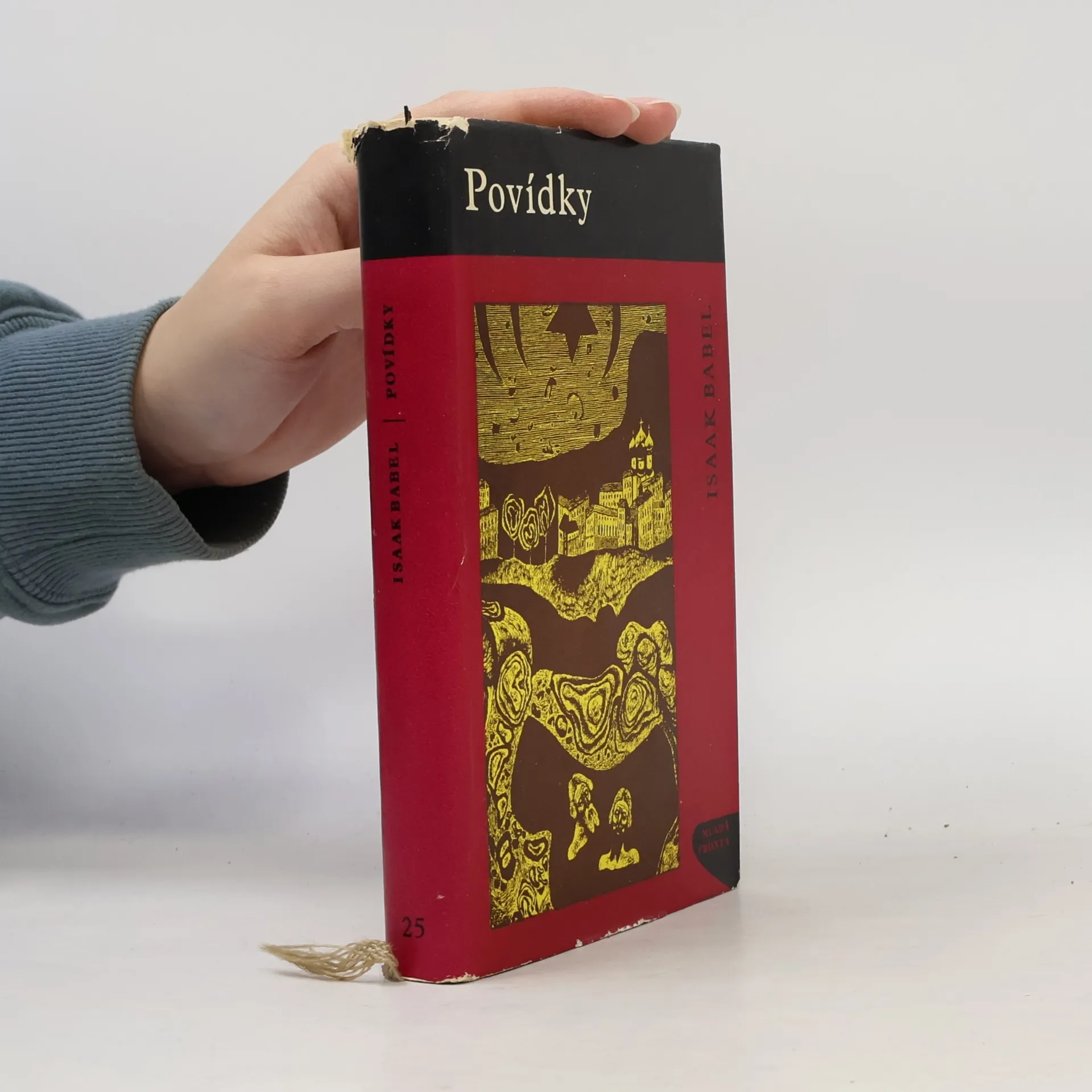
Druhé, doplněné české vydání Babelových povídek. Z ruských knižních originálů a časopiseckých textů vybral, přeložil a doslov napsal Jan Zábrana. Edice Kapka, Ilustrovaná řada sv. 25.
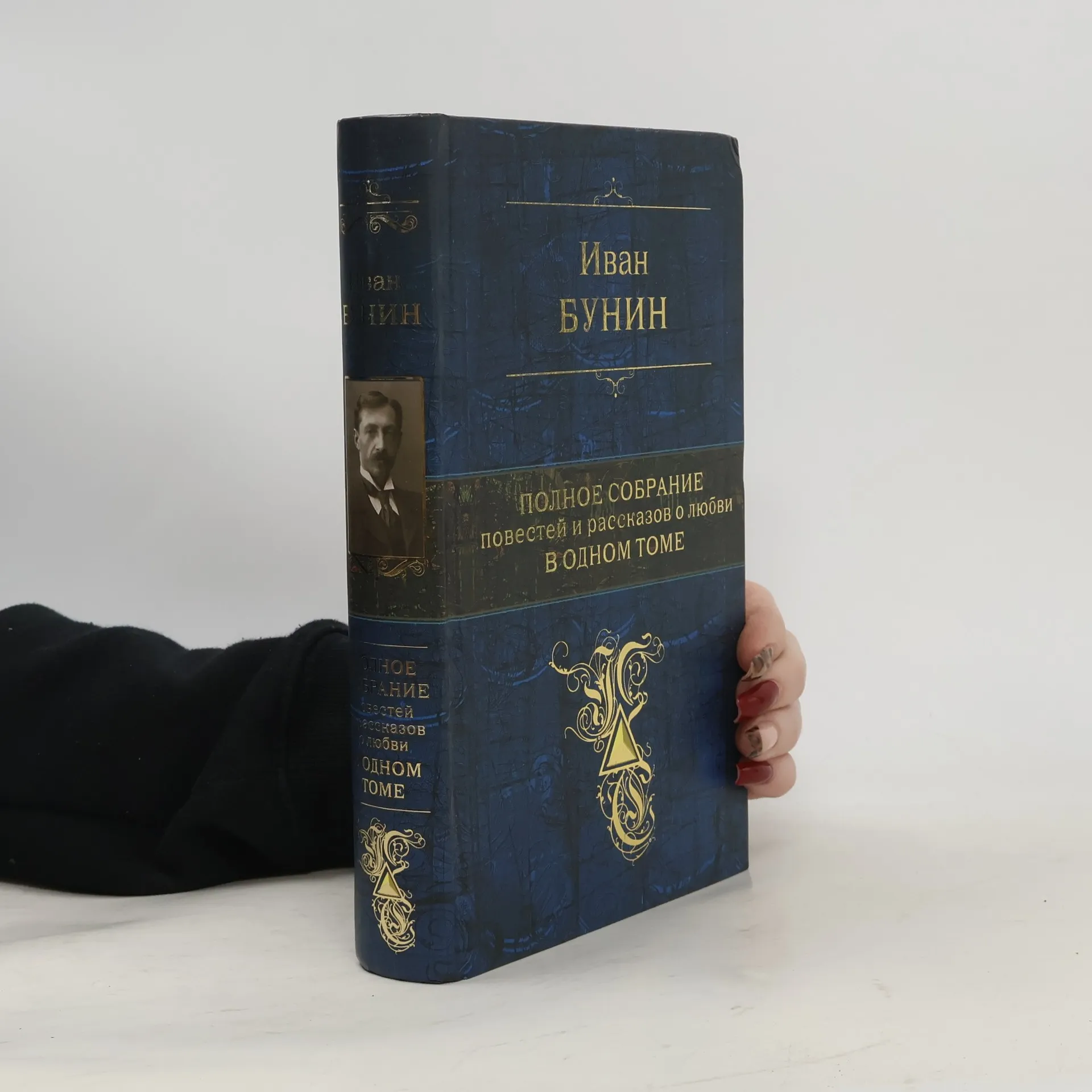
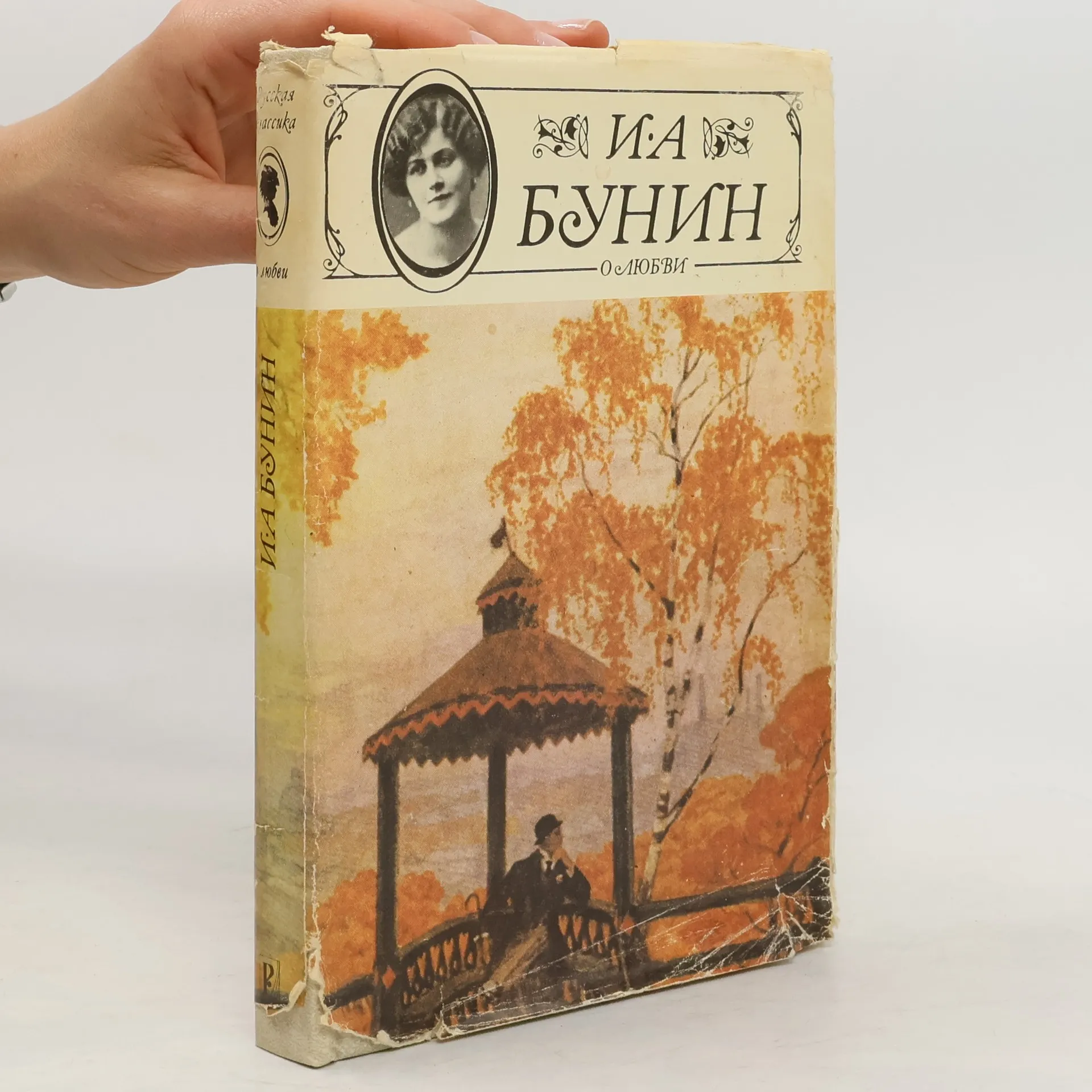
Иван Бунин. Полное собрание повестей и рассказов о любви в одном томе
- 704pagine
- 25 ore di lettura
The most complete collection of stories by Ivan Bunin about love. (0.745 kg.)
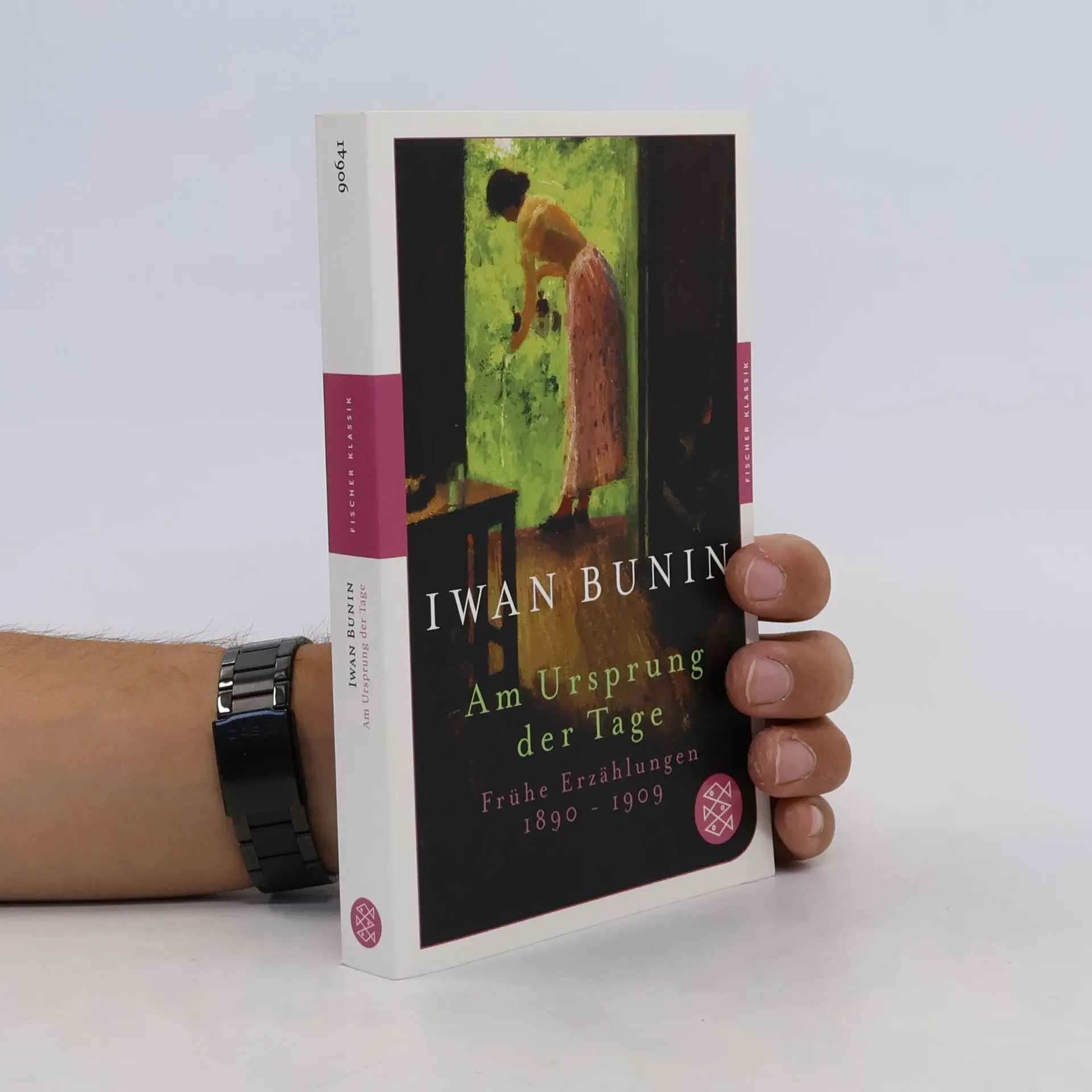
RUSSISCHE REVOLUTION: Der schwere Duft überreifer Äpfel, vom Gras überwachsene Höfe, streunende Bettler, hungernde Kinder - politische Unruhen bringen Russland zu Beginn des 20. Jahrhunderts ins Wanken. Zahlreiche Bauern sind gezwungen, ihre kleinen Landgüter aufzugeben. In den 17 frühen Erzählungen beschreibt der bedeutendste Schriftsteller Russlands poetisch und gnadenlos den Untergang des russischen Landlebens.
Soubor šesti psychologických novel, které spojuje navzájem téma lásky a smrti.
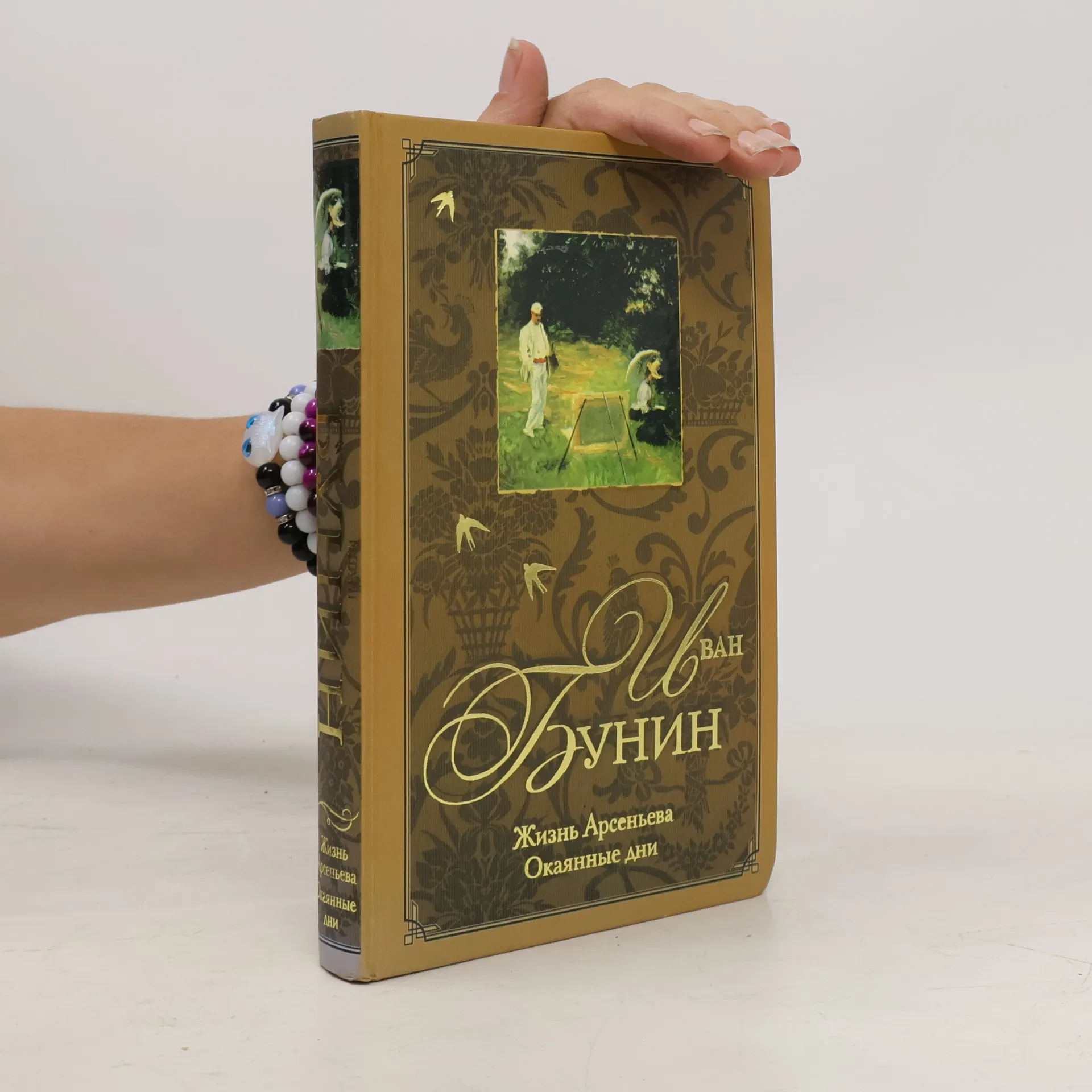
«Жизнь Арсеньева» — единственный роман, написанный Буниным. Блестящий образец отечественной психологической прозы начала ХХ века, умело и точно исследующей душу русского интеллигента в тончайших ее проявлениях. «Окаянные дни» — страшная хроника первых лет «послеоктябрьской» России, залитой кровью, растерявшей ориентиры, лишенной будущего. Две разные грани великого таланта Бунина!
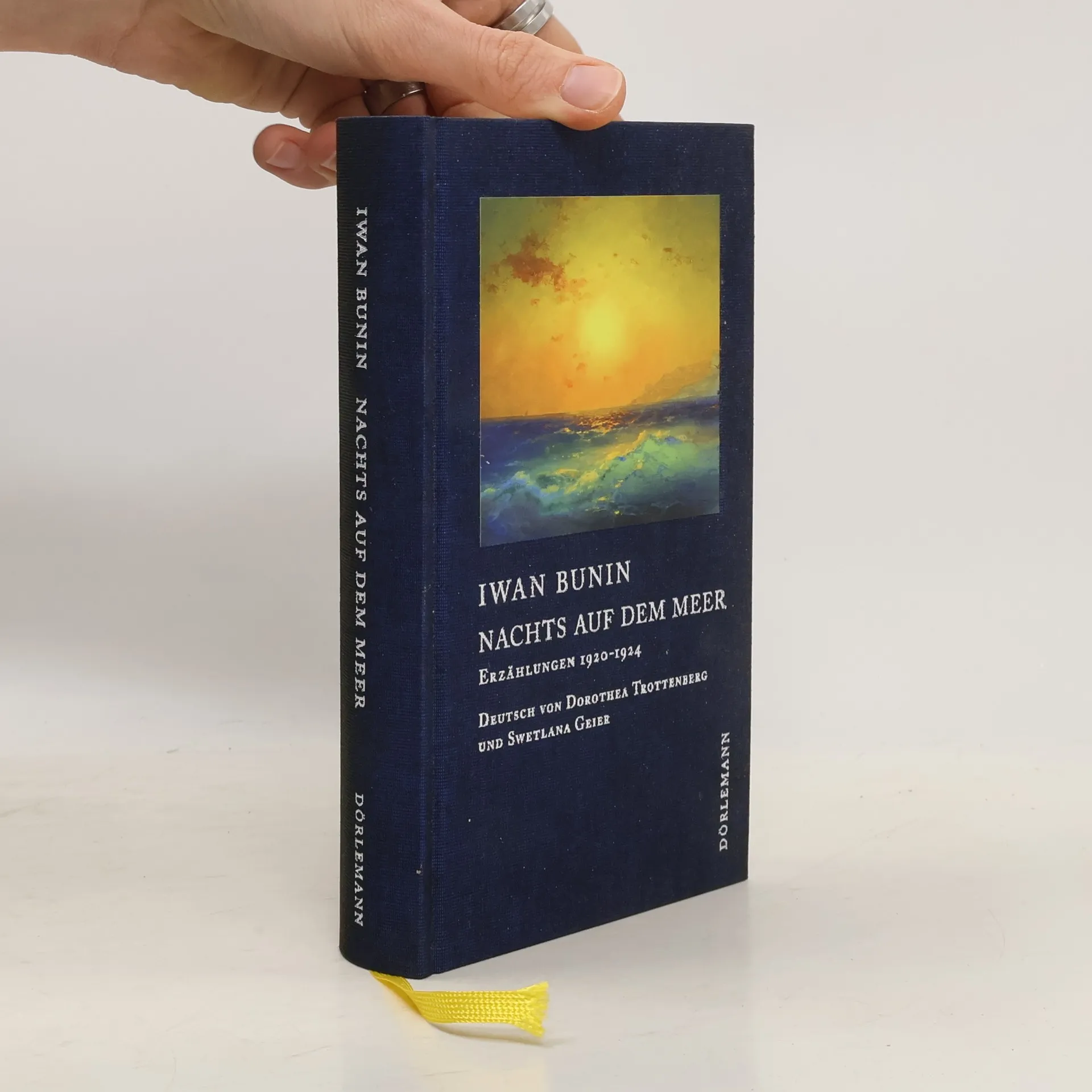
»Nachts auf dem Meer«, auf einem Dampfer in Richtung Krim, begegnet ein Passagier zufällig dem Mann, der ihm vor Jahren seine geliebte Ehefrau abspenstig gemacht hat – und die Erinnerungen kommen wieder hoch.In den 28 Erzählungen, von denen fünfzehn erstmals ins Deutsche übersetzt sind, spiegeln sich die politischenUmwälzungen von Revolution und Bürgerkrieg (»Der rote General«) und vor allem Bunins Zerrissenheit in den ersten Jahren der Emigration. Frankreich bietet ihm Sicherheit, aber er erkennt seinen Verlust, der sich in bitteren Reflexionen ebenso zeigt wie in emotionalen erzählerischen Reminiszenzen an das verlorene Russland: »Längst Vergangenes« (so der Titel einer Erzählung) gibt den bittersüßen Kammerton dieses Bandes vor.
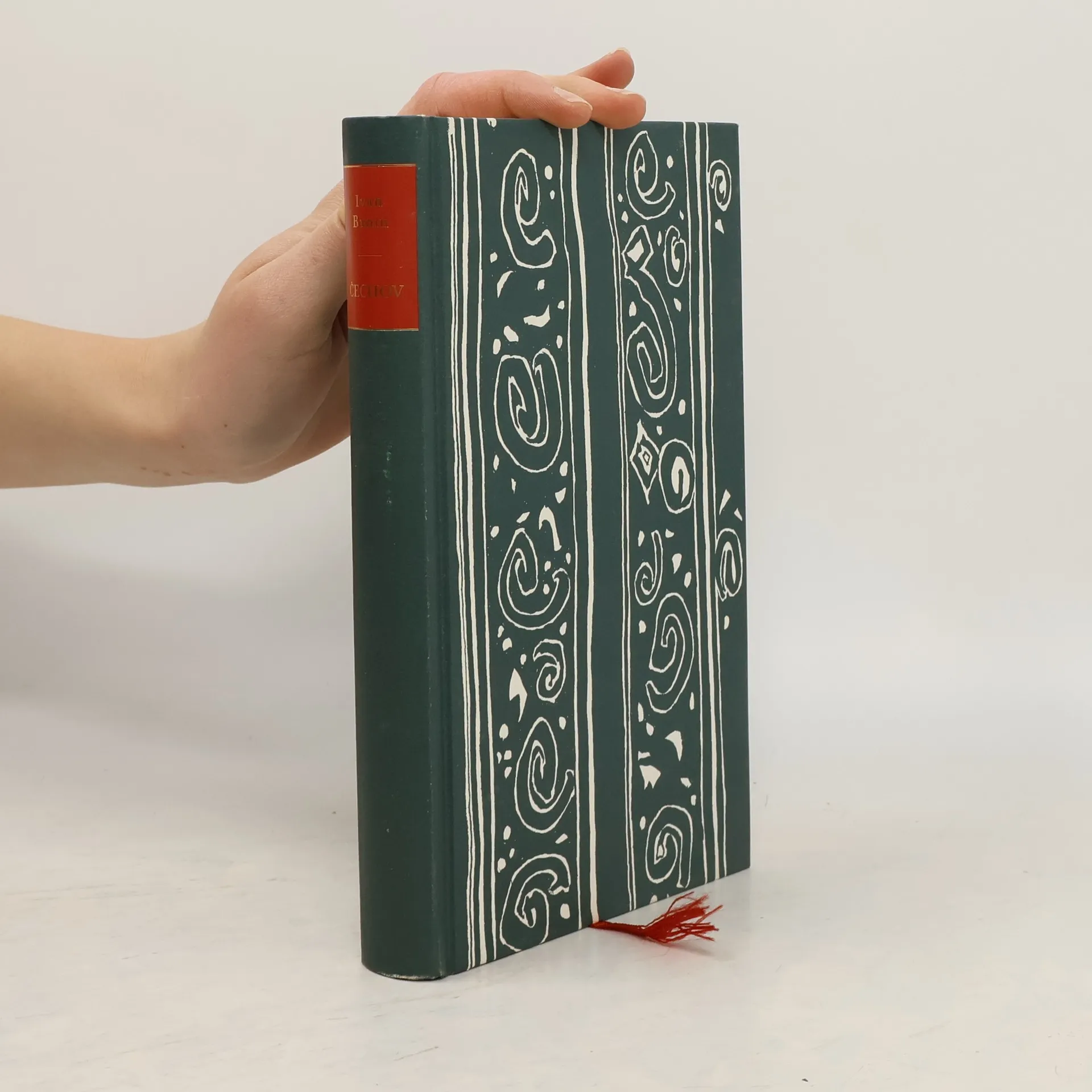
Čechov
- 298pagine
- 11 ore di lettura
Huldigungen von drei seiner Zeitgenossen in der Welt der russischen Literatur an den Meister der Kurzgeschichte und Dramatiker.
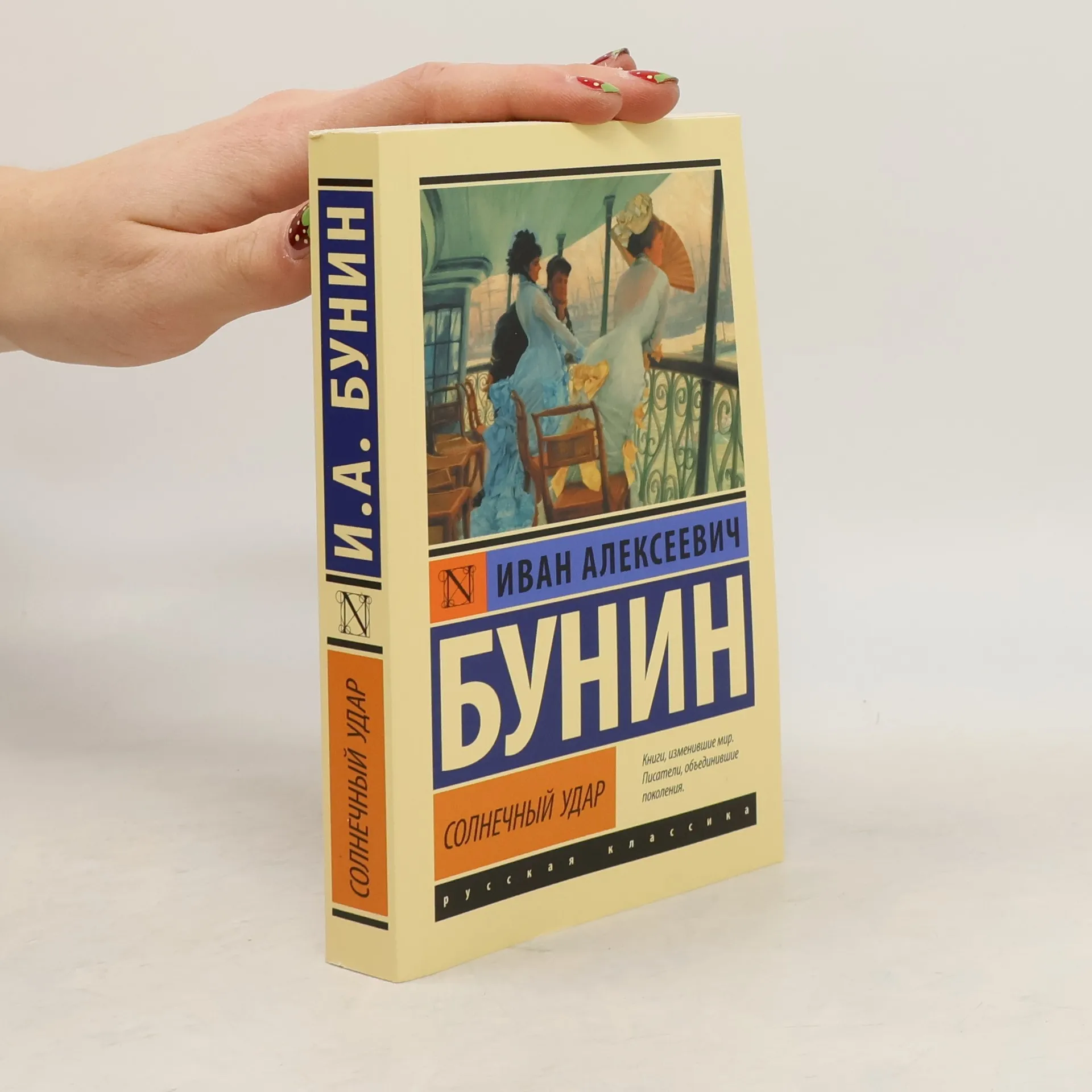
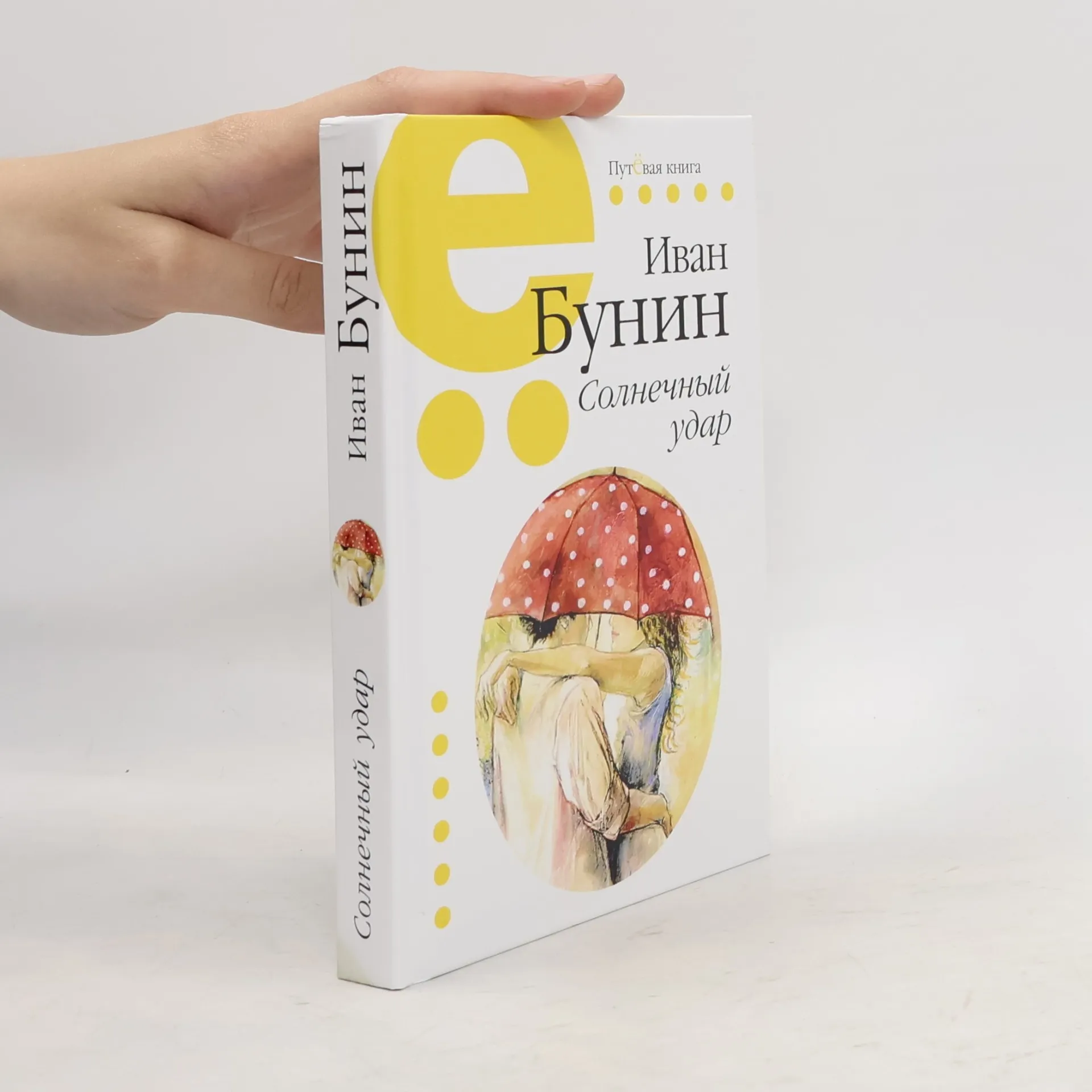
Солнечный удар
- 320pagine
- 12 ore di lettura
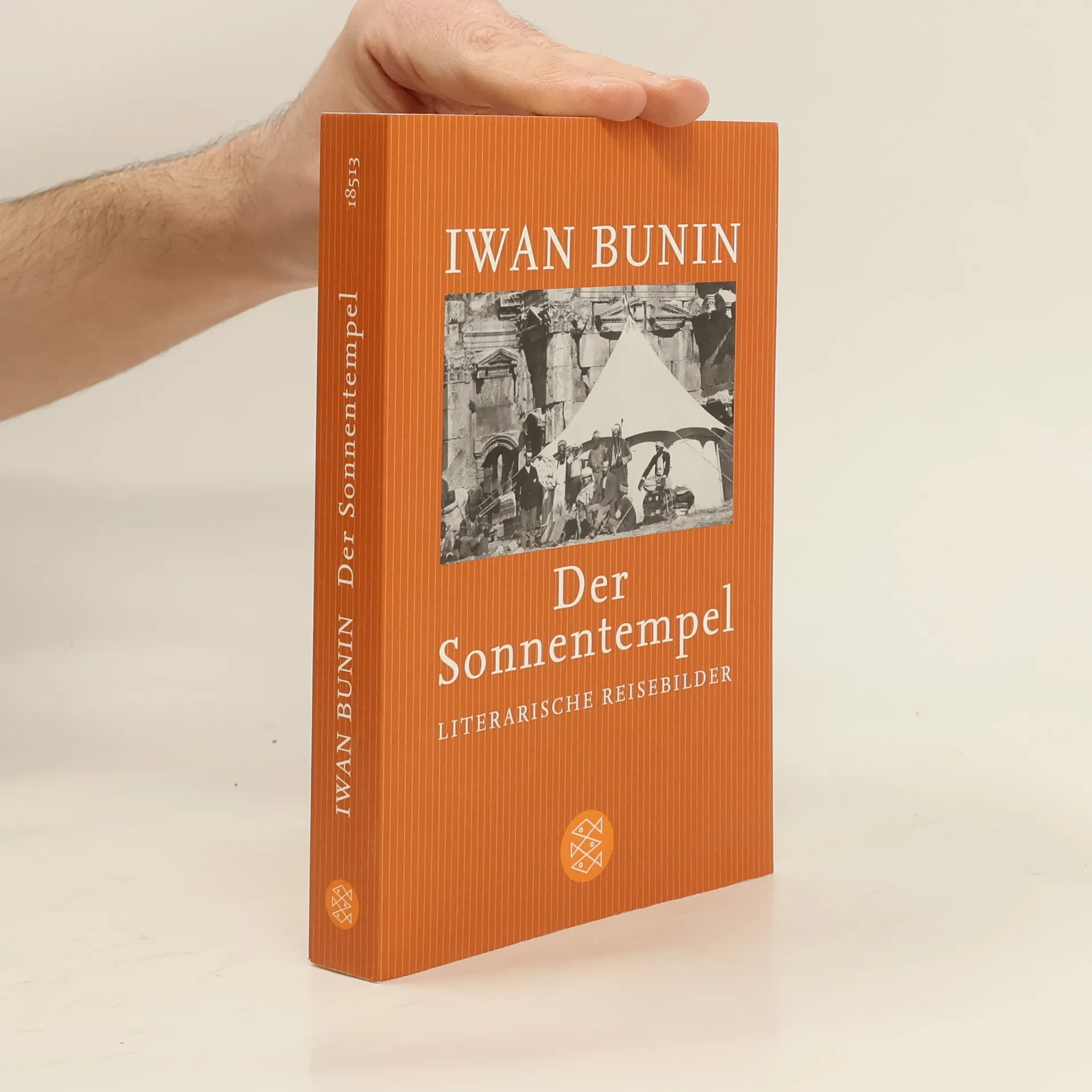
Quer durch Europa, Asien und Afrika, durch Meere und über Berge - Iwan Bunin nimmt uns mit auf eine philosophisch-poetische Reise. Den bloßen Weg versieht er mit romantischen und emotionsreichen Gedankeneinschüben zur mystischen Vergangenheit, der Bibel und dem Koran. Mit außerordentlicher Stilsicherheit und Erzählgabe beschwört Bunin ein atemberaubendes Bild fremder Länder und unstillbares Fernweh. »Das Reisen ist nicht nur die Erfahrung des Anderen und des ganz Großen - es ist die Erweiterung des Ichs ebenso wie die Erfahrung der eigenen Winzigkeit und Vergänglichkeit.« Thomas Grob in seinem Nachwort zu ›Der Sonnentempel‹.
Eine Sammlung meisterhafter Erzählungen, ausgewählt und mit einem Nachwort von Horst Bienek.
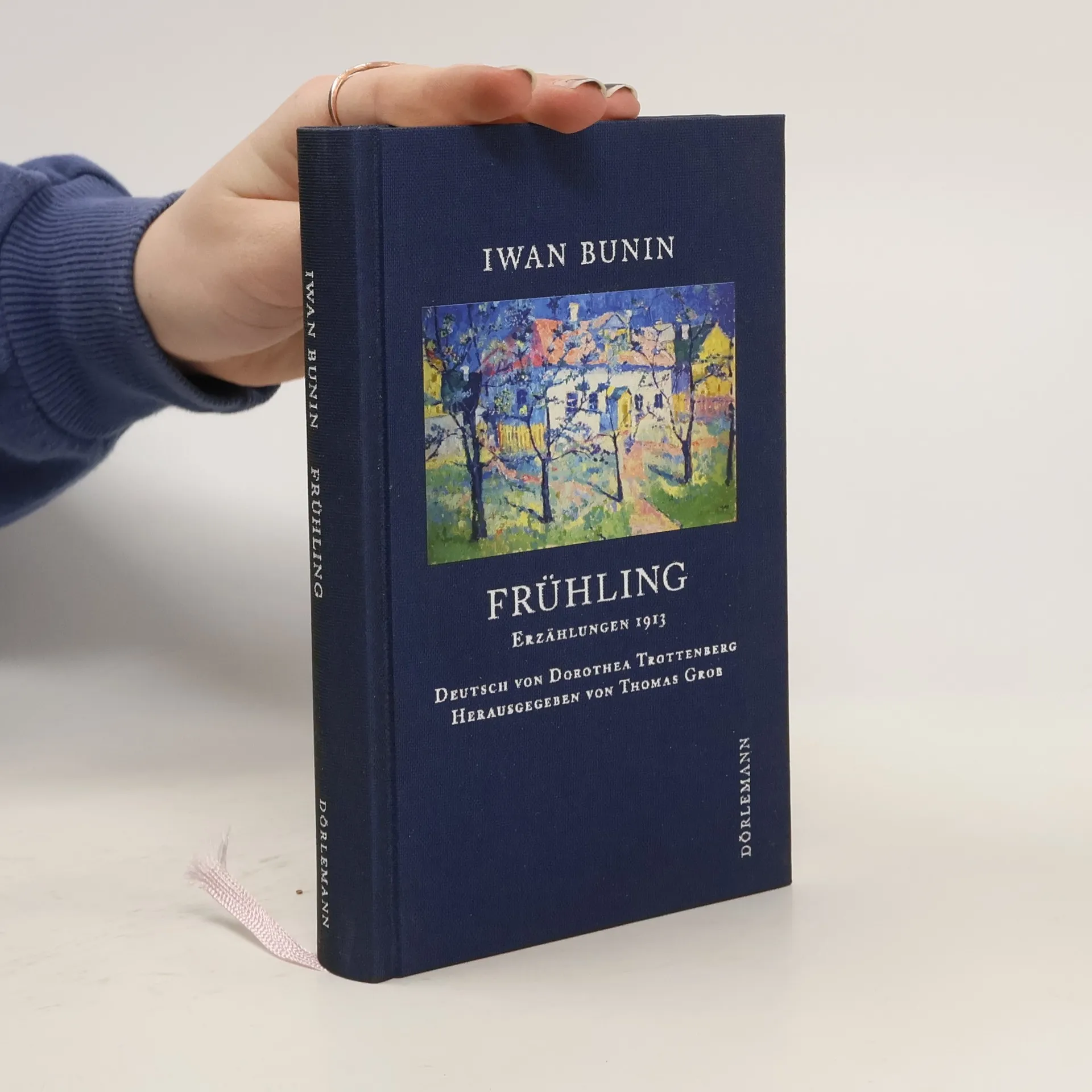
Frühling
Erzählungen 1913
1913 – das Jahr vor der Weltkriegskatastrophe – fiel in die Zeit boomender russischer Großstädte und der unge lösten Fragen in der russischen Provinz. Russlands Weiten sind geprägt von Niedergang und diffuser Erwartung. Auf der Höhe seiner Erzählgewalt verfolgt Iwan Bunin sein literarisches Großprojekt, das Bild dieser Welt zu zeichnen.Der Bauer, der zur Unzeit sein Getreide verkaufen sollte, oder derjenige, der seinem Herrn Geschichten von Gewalt gegen Gutsbesitzer erzählt, der Seminarist, der sich für etwas Besseres hält, die brutal verprügelte Kupplerin, der in alle Geheimnisse eingeweihte Pferdedoktor, der missratene, gequälte Sohn, die Frau, die ihr Leben in der Erinnerung an einen jugendlichen Sommer voller Liebe verbringt, und nicht zuletzt der Städter, der kurz in seinem provinziellen Kindheitsort Halt macht – in all diesen und anderen Figuren, in jeder dieser präzisen wie poetischen, anrührenden Skizzen, findet sich ein Stück dieser Welt wieder.
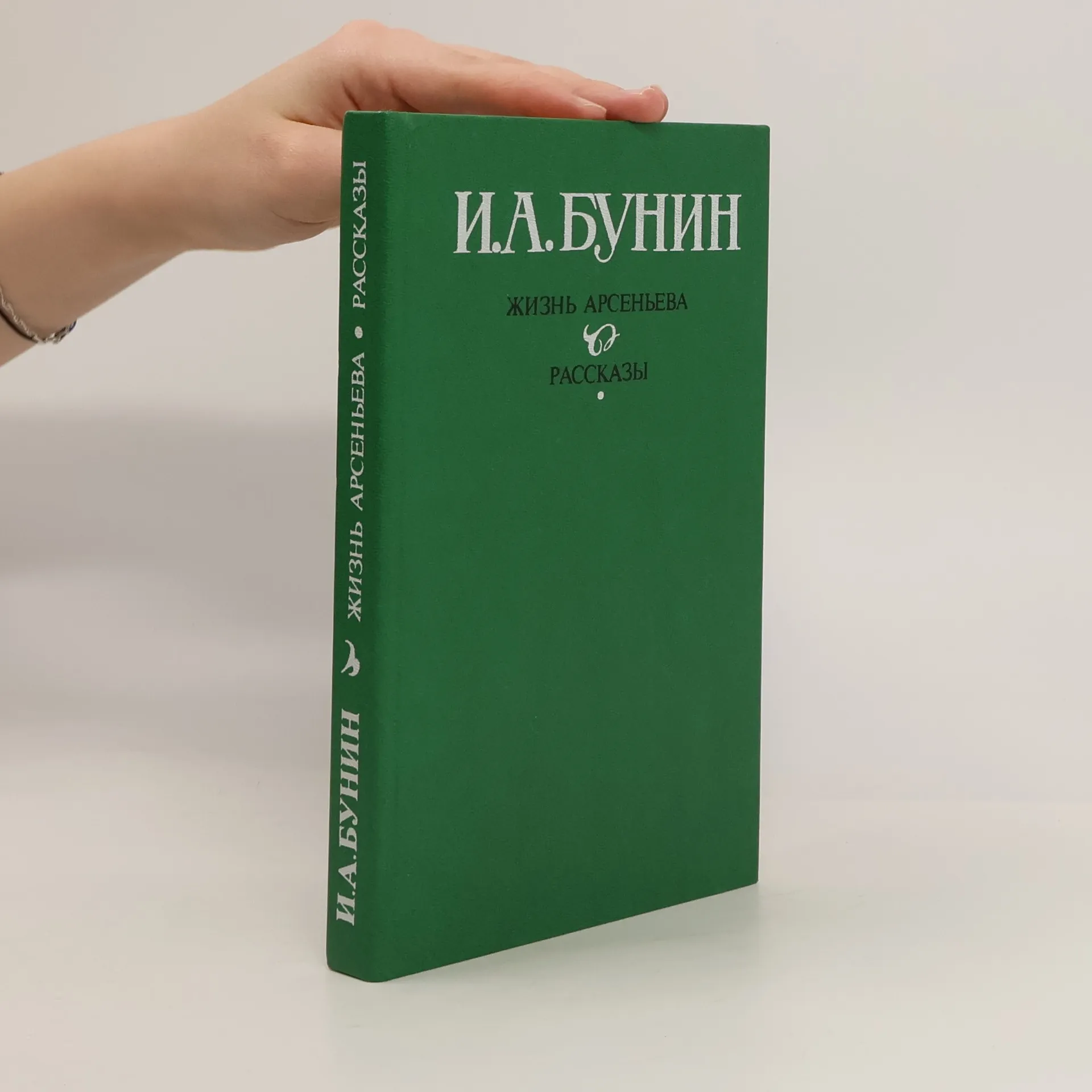
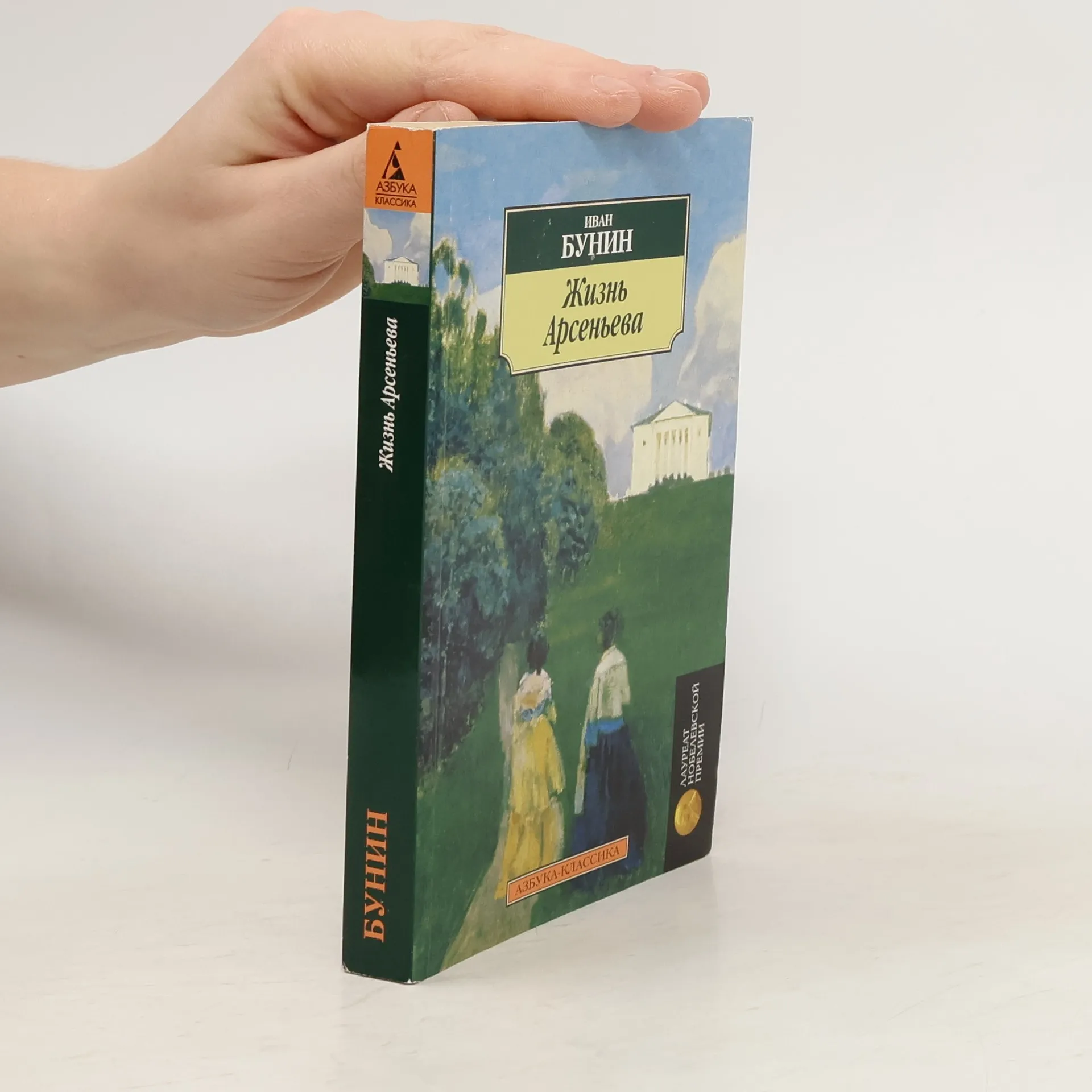
Жизнь Арсеньева
- 239pagine
- 9 ore di lettura
Первый том автобиографического романа с подзаголовком «У истока дней». История разворачивается в 80-х и 90-х годах 19 века и представляет детство героя в степном среднерусском дворце, гимназические годы, его отношение к попыткам молодой интеллигенции к социальной революции и первую трагическую любовь.
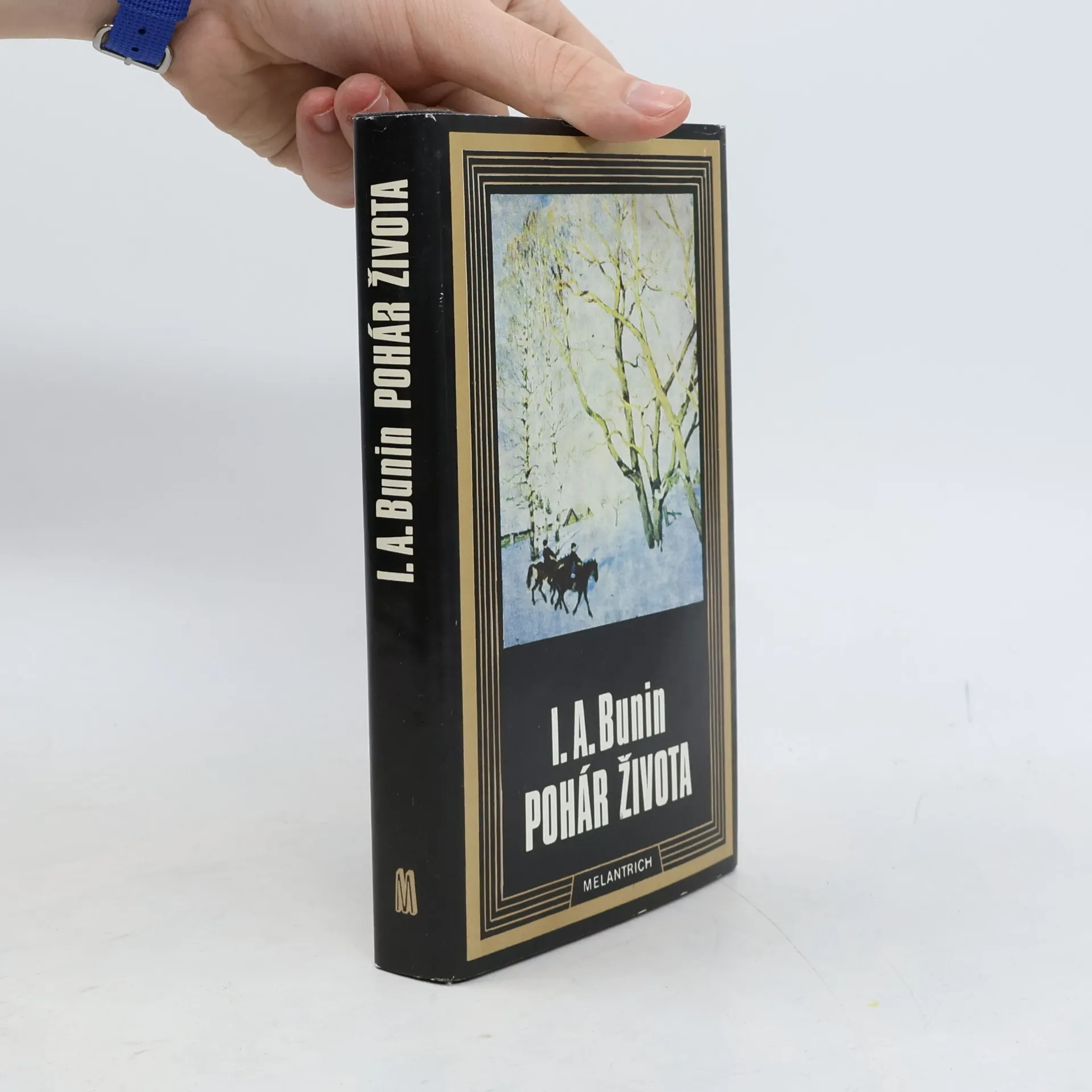
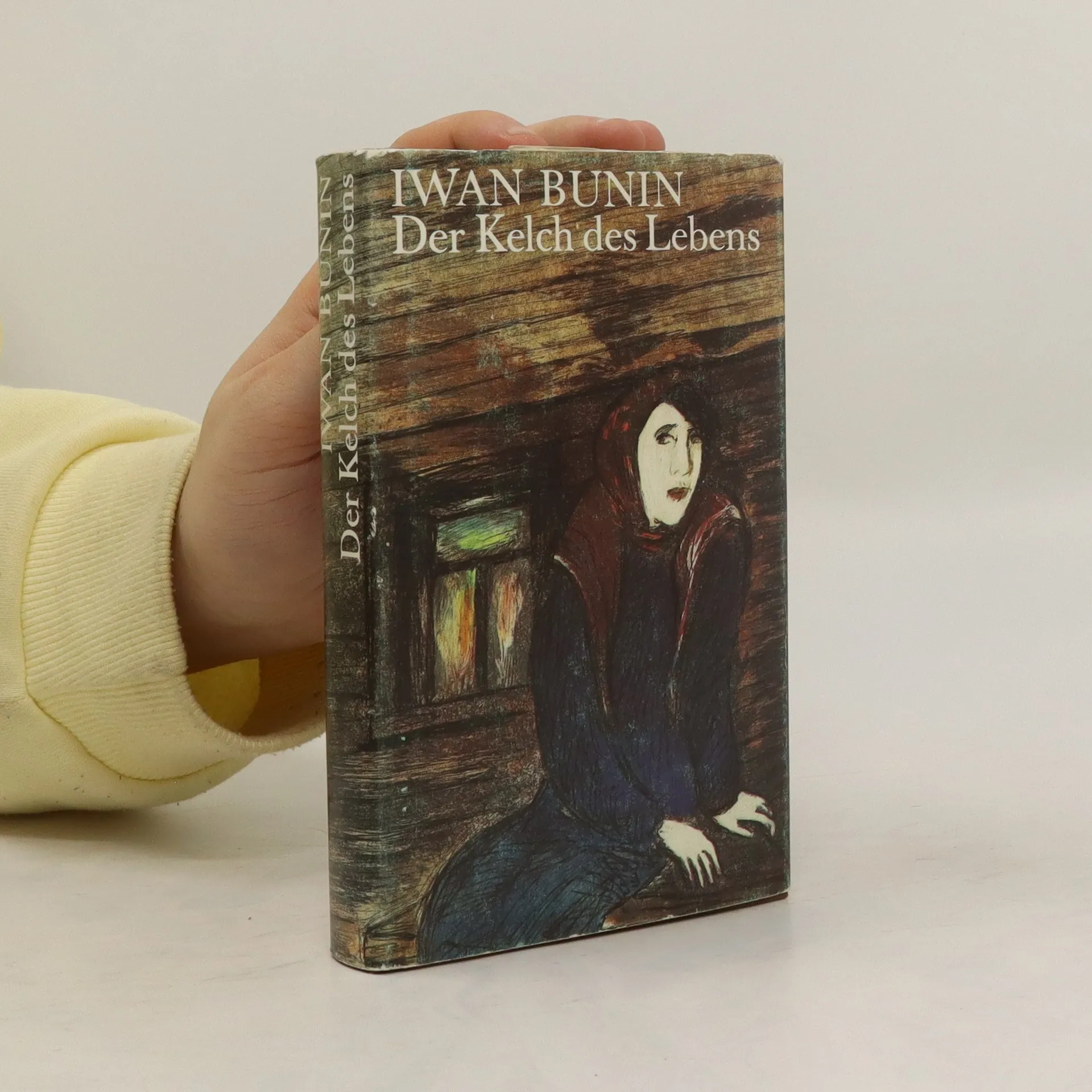
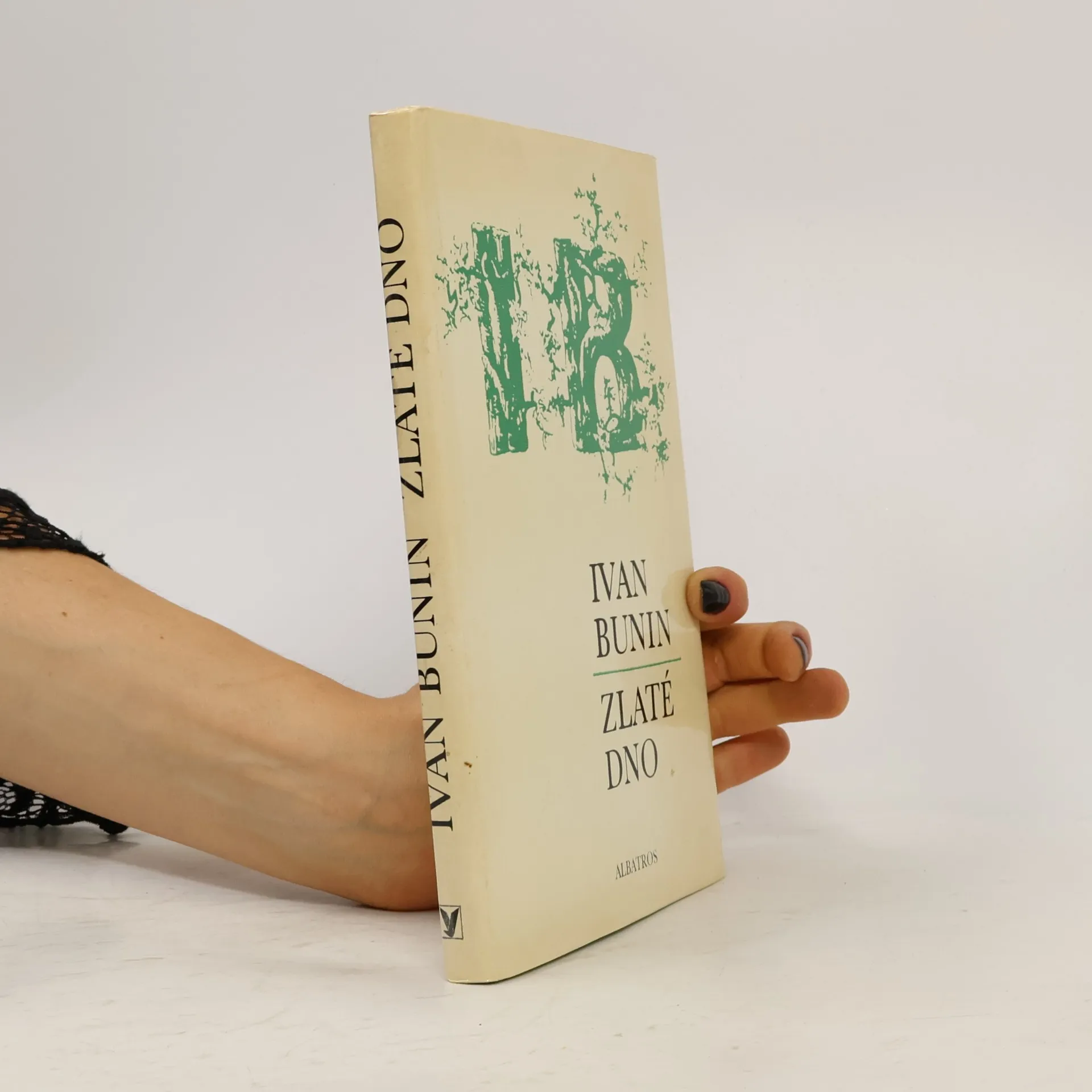
Pohár života
- 317pagine
- 12 ore di lettura
Výbor povídek I. A. Bunina, nositele Nobelovy ceny, mistra slova i stylu, hlubokého a jízlivého znalce ruské duše.
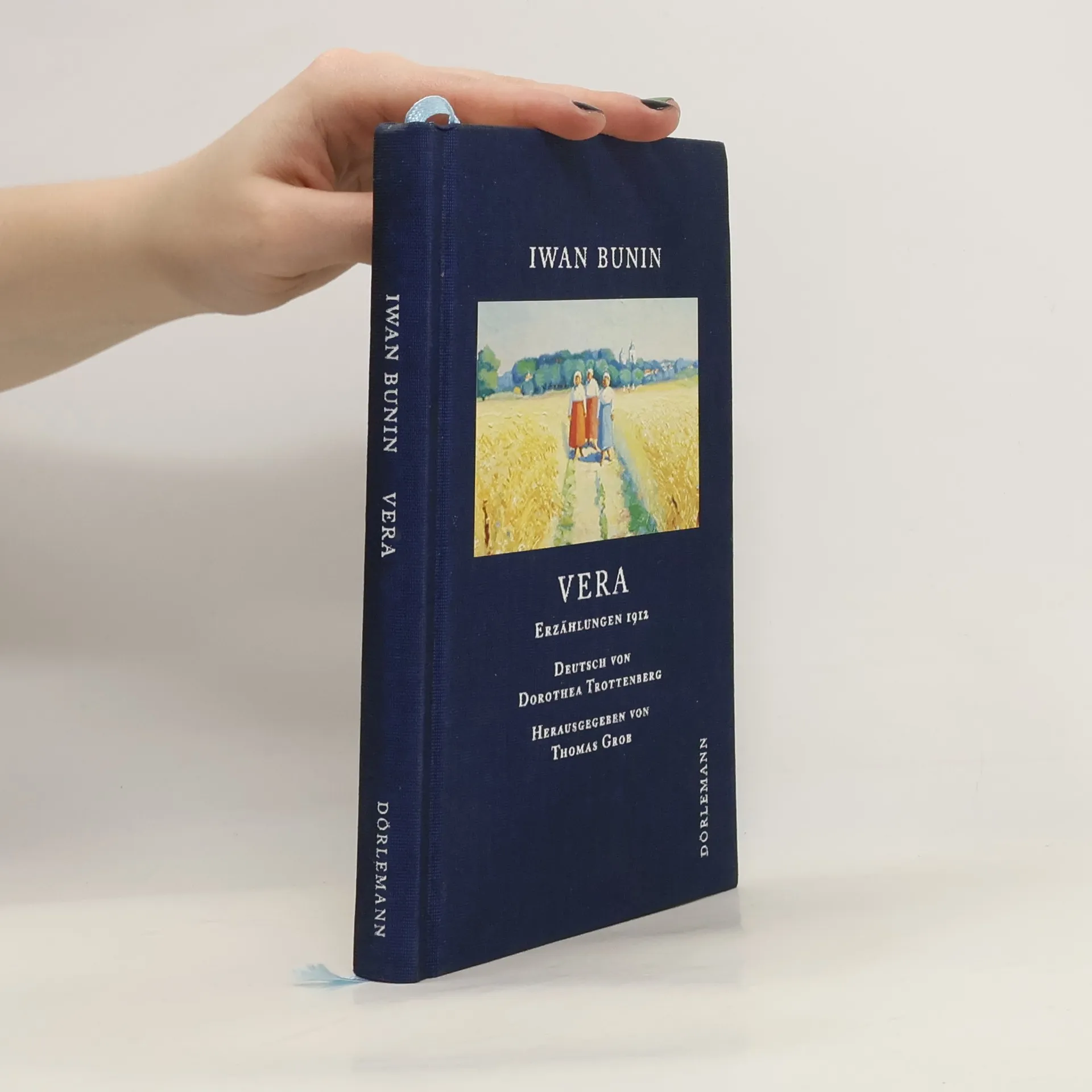
Die fünf 1912 geschriebenen Erzählungen Iwan Bunins sind Preziosen, die schon bei Zeitgenossen starke Resonanz fanden. Die ungewöhnlichen Schicksale stehen für Bunins Bild vom ländlichen russischen Leben, ein scheinbar zeitloses Leben im Schatten der Moderne, weitab der großen Städte. Doch spiegelt sich in den kleinen und großen Schicksalen das innere Leben dieser Welt: in der tödlich endenden Trinkwette des Bauern Worobjow ebenso wie im Schicksal der als Kind missbrauchten Ljubka oder demjenigen von Andrej und Vera, die beim letzten Wiedersehen das Scheitern ihrer Träume erkennen.
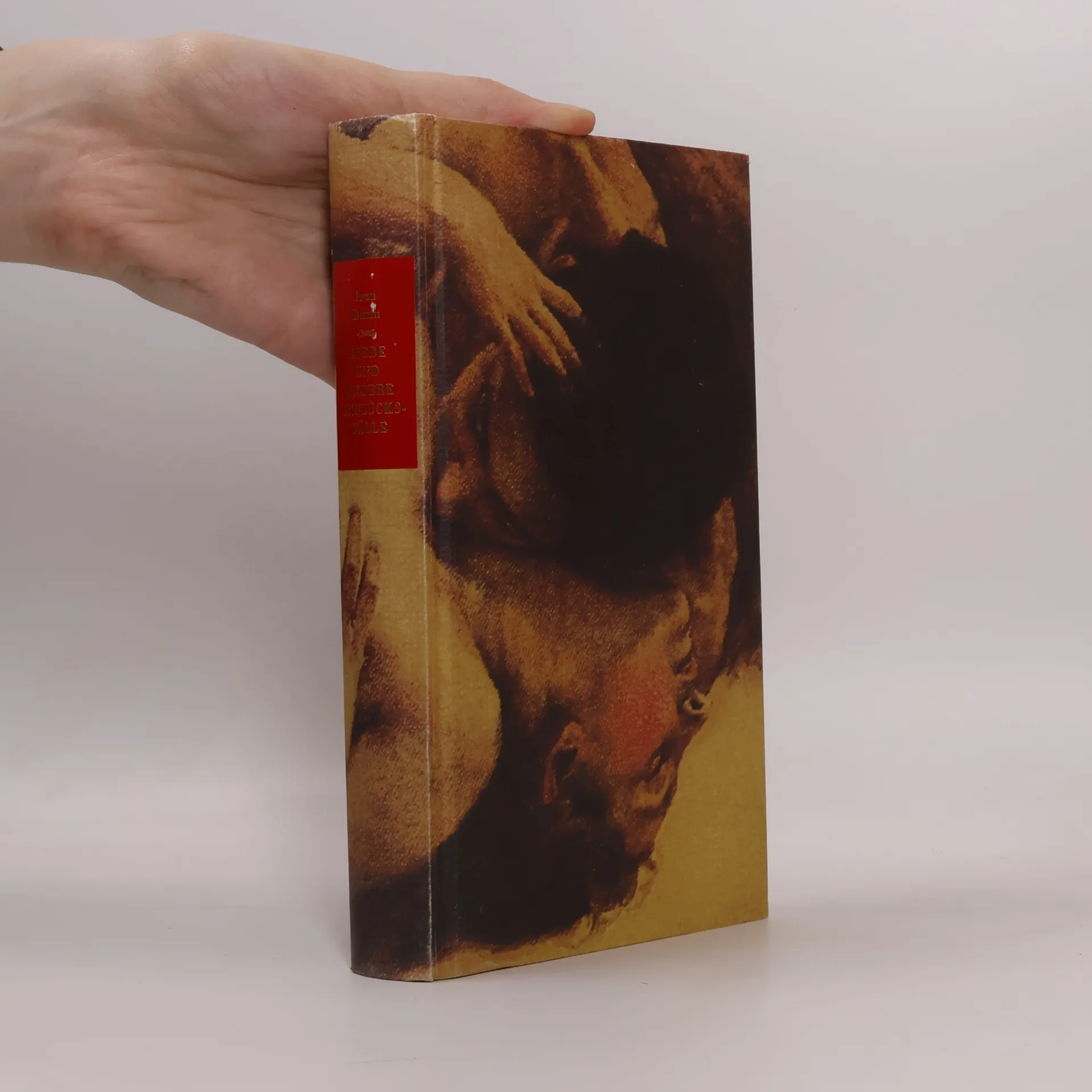
Liebe und andere Unglücksfälle
- 396pagine
- 14 ore di lettura
Russischer Autor (1870-1953).(Nobelpreis für Literatur 1933). - Aus den Sammlungen "Dunkle Alleen" und "Der Kelch des Lebens" getroffene Auswahl mit Kurzprosa des russischen Nobelpreisträgers
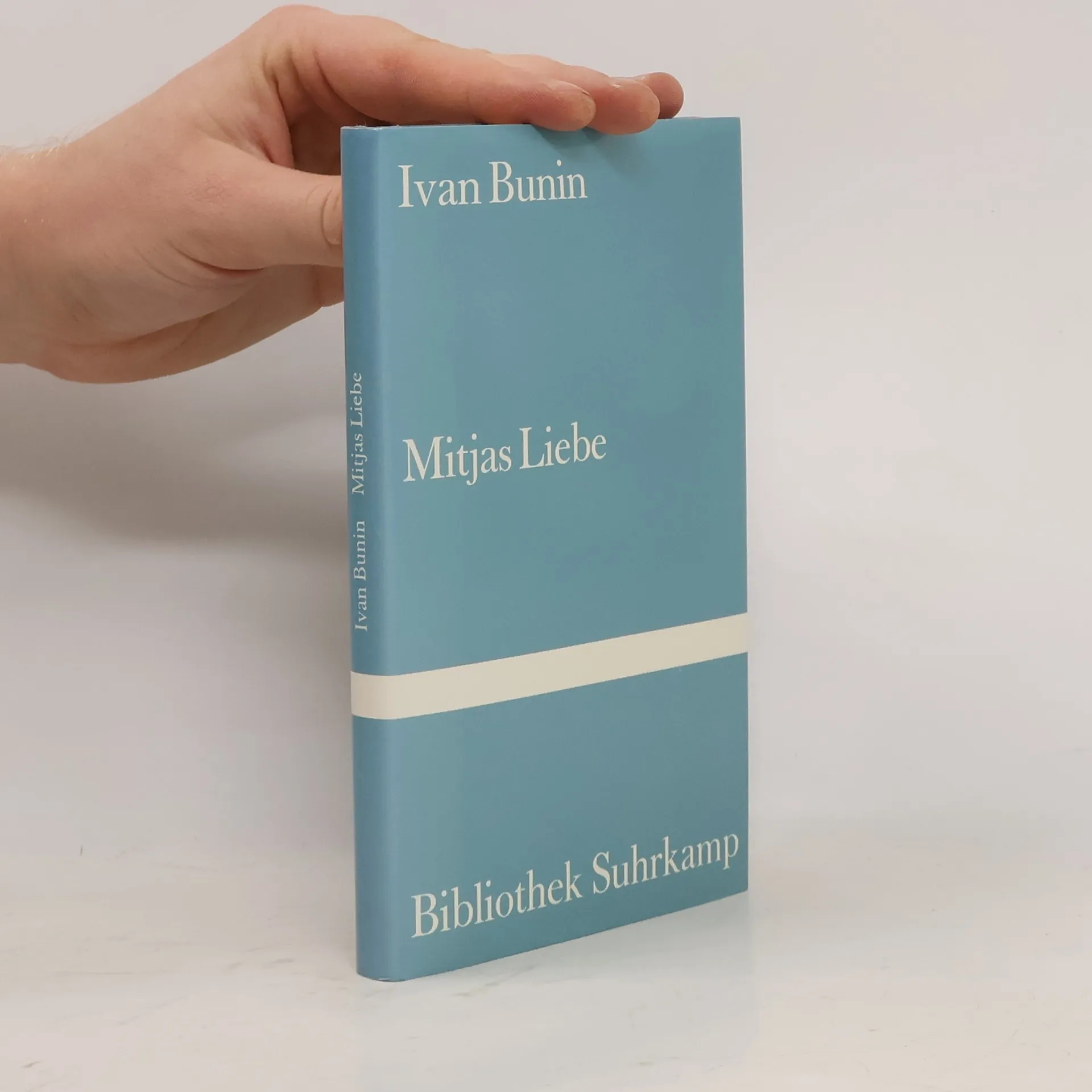
Mitjas Liebe
- 115pagine
- 5 ore di lettura
Roman über das emotionale Auflodern eines jungen Mannes, über seine Eifersucht und den Tod. Die Handlung offenbart Bunins Liebe zu seinem Heimatland Russland, ist jedoch gleichzeitig voller Schicksalhaftigkeit, die dem Verständnis des Autors von der Realität nahekommt.
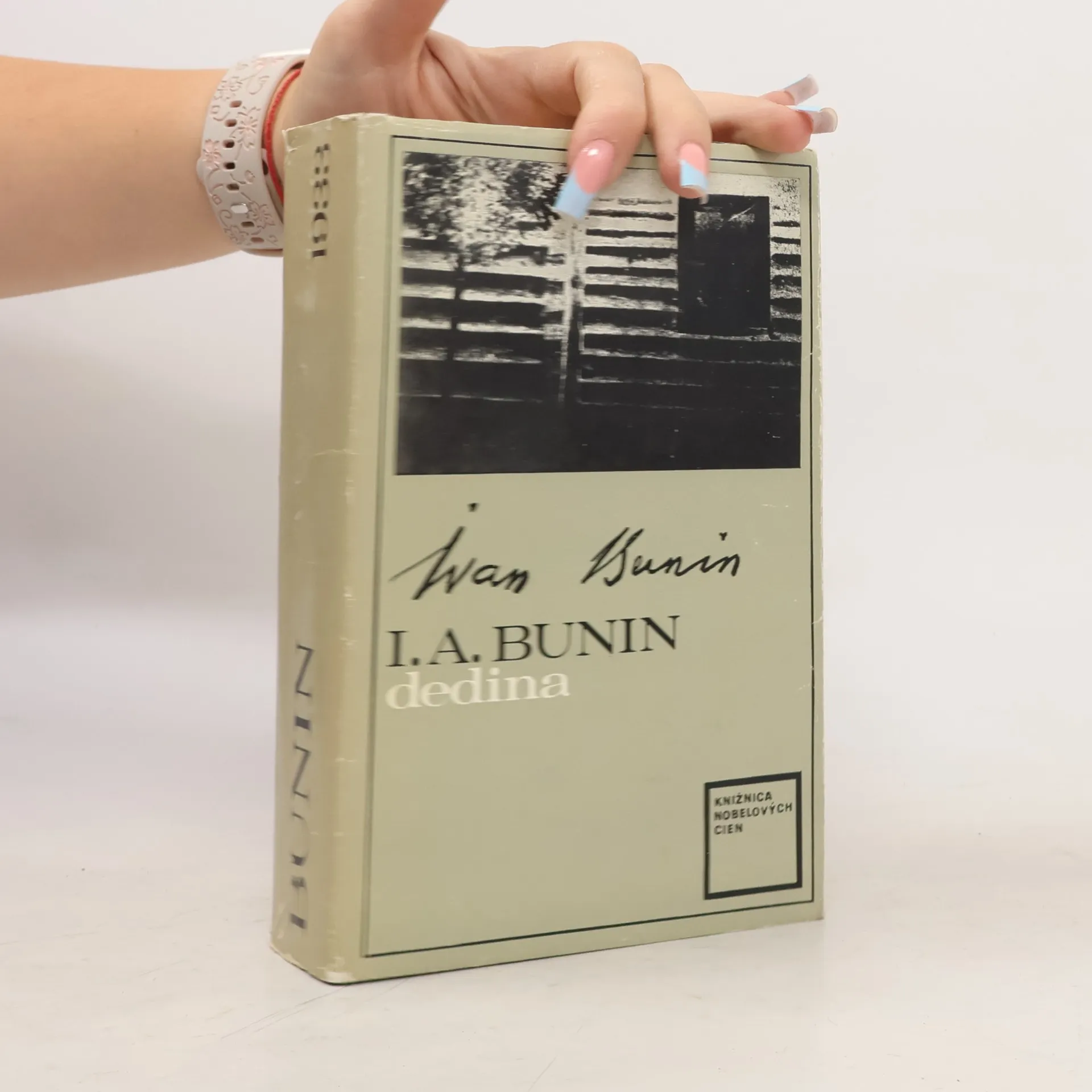
Ivan Bunin's first published novel, "The Village" is a bleak and uncompromising portrayal of rural life in south-west Russia. Set at the time of the 1905 Revolution and centering on episodes in the lives of two peasant brothers - 'characters sunk so far below the average of intelligence as to be scarcely human' - it reveals the pettiness, violence and ignorance of life on the land. At once nostalgic for a bygone more innocent age and foreshadowing the turbulences of the twentieth century, Bunin's narrative is a triumph of bitter realism, shot through with the author's classical style and precision of language.
Novela, po prvé uveřejněná v r. 1910, je najzávažnejšou sociálnou prózou významného ruského spisovateľa, ktorý bol v r. 1936 vyznamenaný Nobelovou cenou. Bunin podal v tejto "prozaickej básni plnej žalu a tvrdej, príkré otvorenosti" otřesné záběry z ruského vesnického života na počiatku tohto storočia. "Syrové obrazy hladem zdivočelých a zaostalých rolníkov, zbohatlých a bohatnúcich vydřiduchov a zchudlých šľachticov zo strastiplné doby po porážke revolúcie 1905 sa tu striedajú s lyrikou stesku a melanchólie, s mlhavými a nekonečne smutnými scenériami ruskej stepi a širokých diaľok, s poéziou tamojších ľudových zvykov, priepoviedok a piesní." Ako všetky Buninove diela, aj táto poviedka vyniká formálnou precíznosťou a bohatým kultivovaným jazykom.
Die Erzählung handelt von einer passionierten Leserin, dieein Buch kauft, darin zu lesen beginnt und sich im Geschriebenen wiederfindet. Fasziniert schreibt sie an den ihr unbekannten, aber so vertraut scheinenden Freund
И цветы, и шмели...
- 221pagine
- 8 ore di lettura
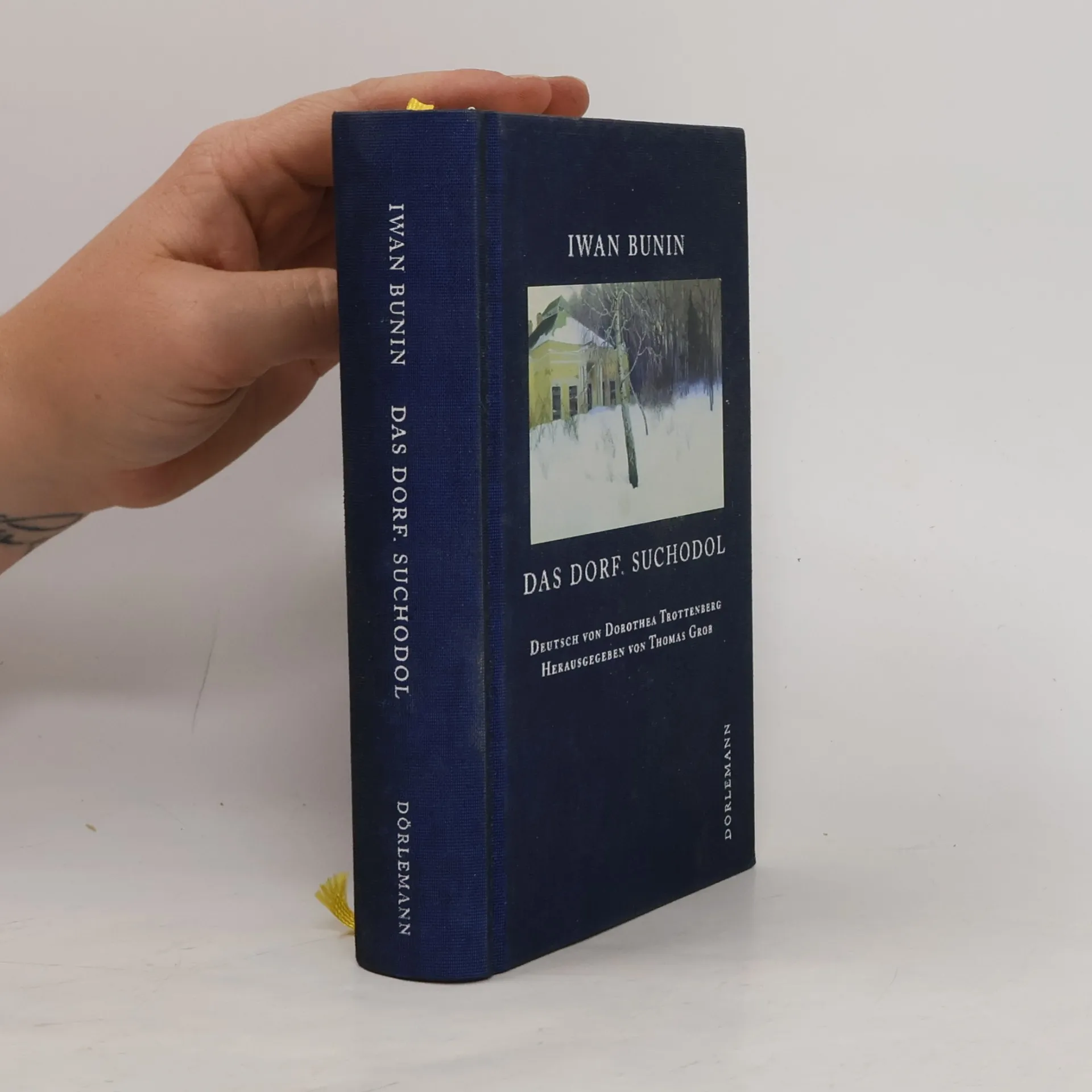
Иван Алексеевич Бунин (1870 - 1953) - выдающийся русский писатель, поэт, почётный академик Петербургской Академии наук, лауреат Нобелевской премии по литературе. Имя Ивана Бунина - одного из проницательных, трагических классиков русской литературы - известно во всем мире. В сборник вошли следующие произведения: "Антоновские яблоки," "Цифры," "Деревня," "Легкое дыхание," "Окаянные дни," "Суходол."
Первая любовь. Pervaya lyubov'
- 427pagine
- 15 ore di lettura
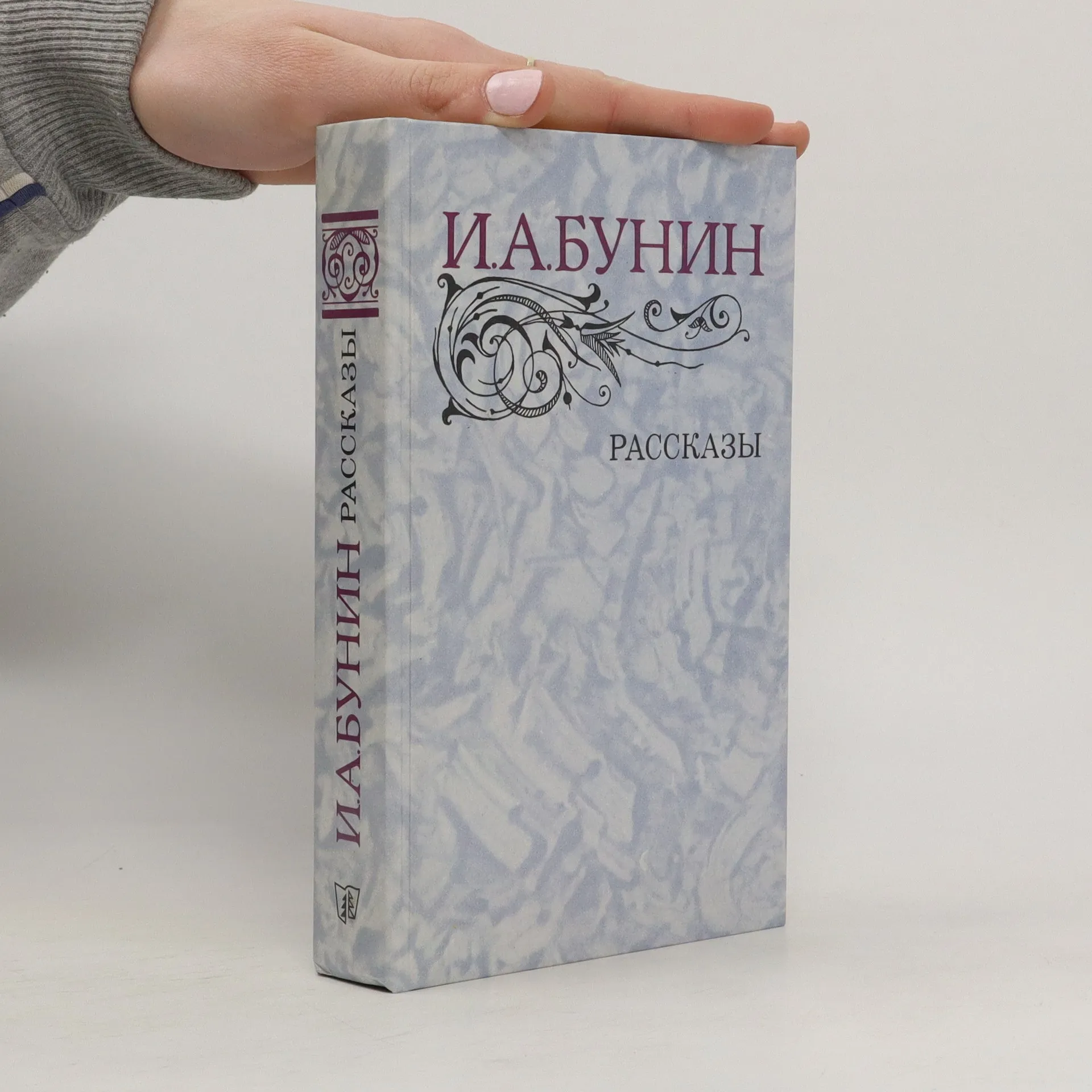
Rasskazy
- 64pagine
- 3 ore di lettura
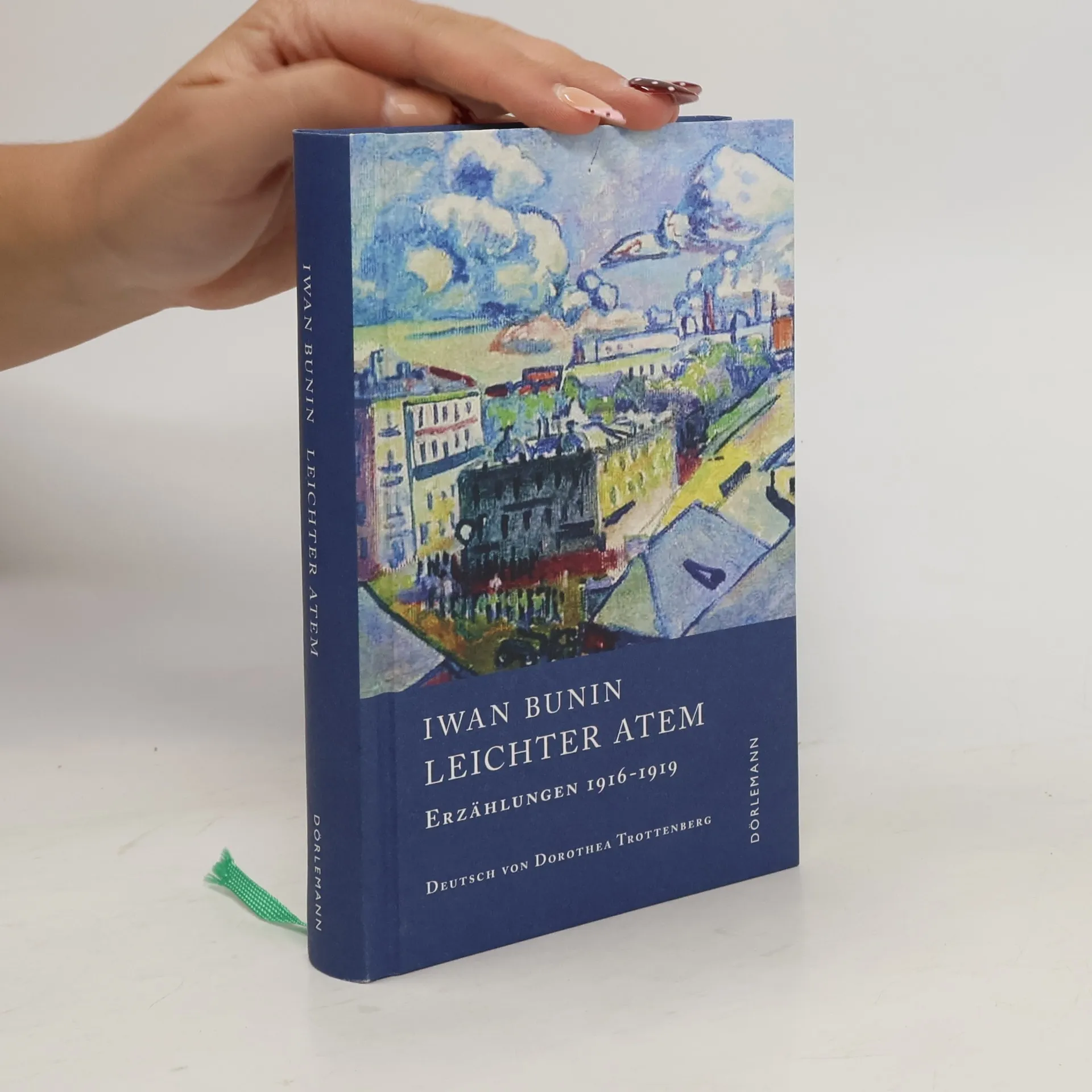
Leichter Atem
Erzählungen 1916-1919
»Leichter Atem« ist eine der schönsten Erzählungen Bunins. In der Geschichte der aparten, mutwilligen Gymnasiastin Olja, die von einem Freund ihres Vaters verführt wird, stehen Beschwingtheit und Melancholie dicht nebeneinander. Von einer fatalen Affäre erzählt auch »Der Sohn«: Madame Mareau, die Ehefrau eines Kolonialbeamten in Algerien, gibt aus Ennui und Koketterie den Avancen eines jungen Verehrers nach. Die achtzehn Erzählungen dieses Bandes, von denen acht erstmals auf Deutsch vorliegen, sind die letzten, die Iwan Bunin vor seiner Emigration 1920 schrieb. Sie entstanden in politisch bewegten Zeiten und insbesondere der Erste Weltkrieg steht wie ein Schatten hinter den Geschehnissen.
Novela "Případ korneta Jelagina" pod změněnými jmény obou mileneckých postav zpracovává skutečný životní příběh a násilnou smrt talentované polské herečky Marie Wisnowské, zavražděné jejím milencem, carským důstojníkem Alexandrem Bartěněvem r. 1890. Ruský autor zhušťuje příběh na spádnou novelu o bezvýchodném mileneckém vztahu obou, z něhož bylo možno se vysvobodit jen společnou smrtí, přičemž milenec po zastřelení milenky nedokončil pro apatii sebevraždu vlastní.
Výbor povídek, z nichž většina vyniká barvitým líčením ruské přírody a zachycuje život upadajících venkovských šlechticů a jiných obyvatel vsi v předrevolučním Rusku. Vydání brožované i vázané.
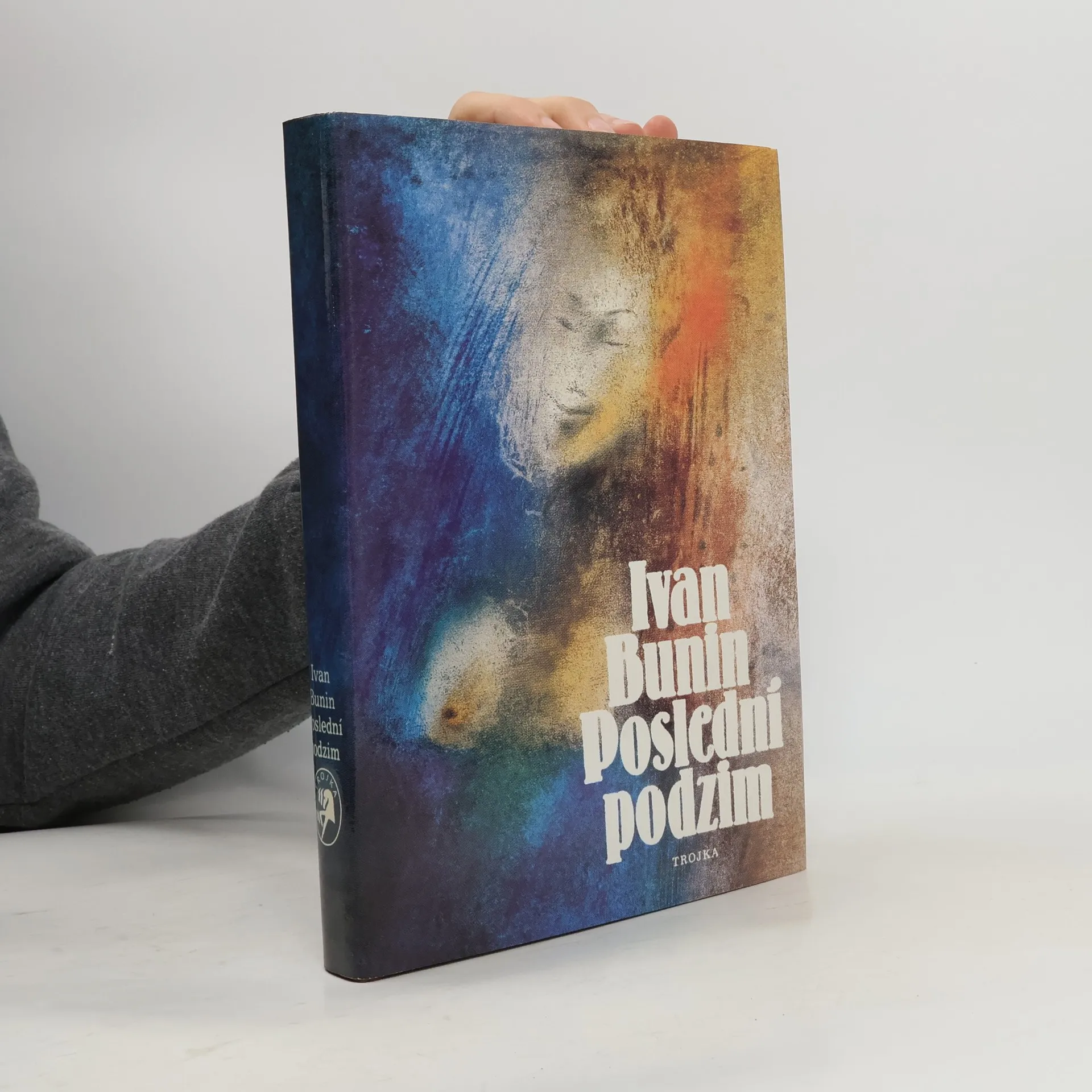
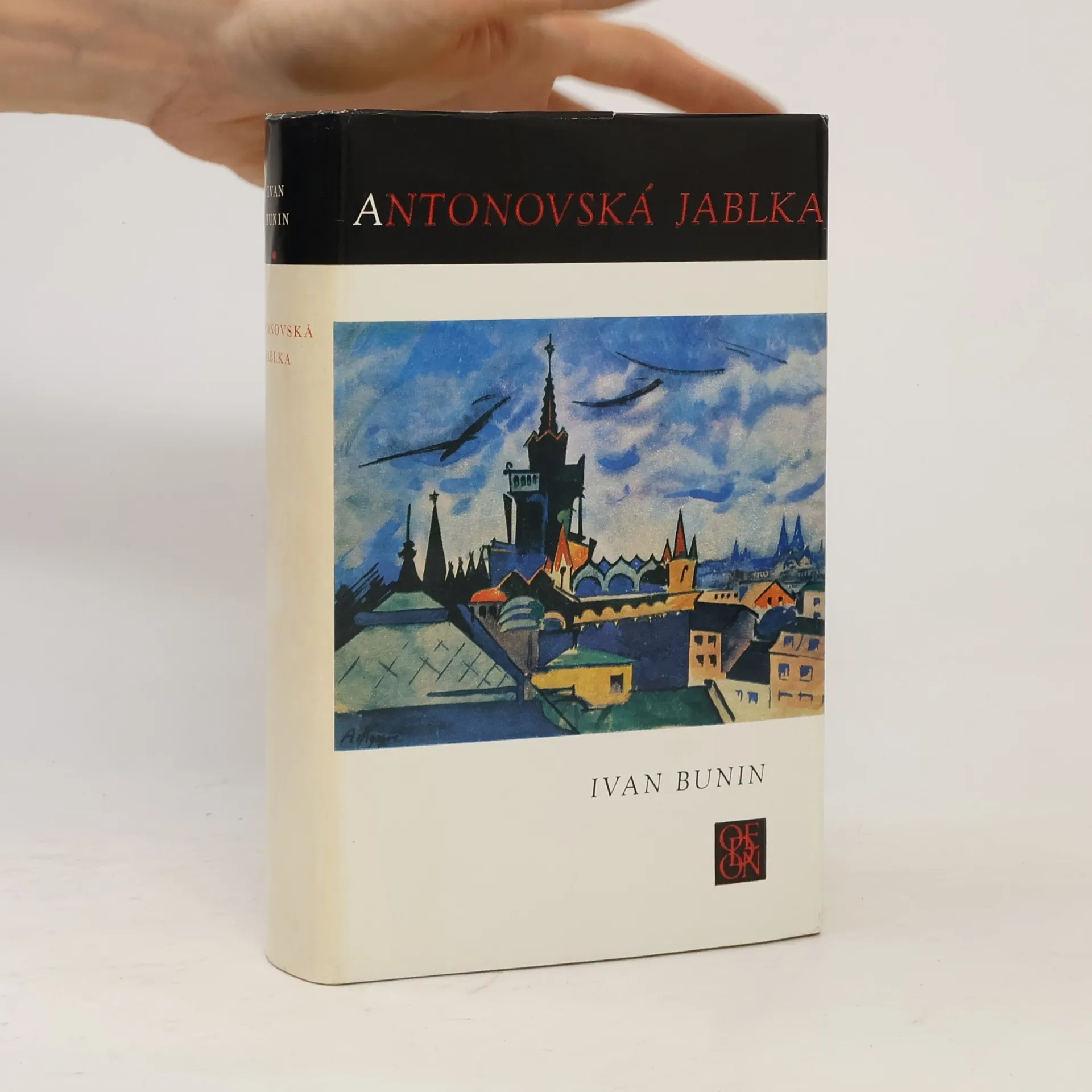
Výbor z nejproslulejších autorových próz z let 1900-1952 zahrnuje povídku někdejšího "pěvce šlechtických hnízd" Antonovská jablka, sociální novelu vesnice, jednu z nejmagičtějších próz, wertherovskou novelu Míťova láska aj. – Obálku s použitím barev. reprodukce obr. A. V. Kuprina a vazbu s kresbou V. D. Noskova navrhl Milan Hegar. Vybral a uspořádal Jan Zábrana.
Sbírka povídek z Ruska, základem je sbírka Temné aleje.
Výbor z básnického díla velkého ruského básníka a prozaika, autora, který nesouhlasil s revolucí 1917, 1920 emigroval do Francie a zemřel v Paříži, autora, kterému byla r. 1933 udělena Nobelova cena. Verše, které na pozadí přírodních dojmů z ruské krajiny zachycují stesk, ve kterém, jakříká autor doslovu, "je něco z obecného soumraku doby na přelomu století". Verše zachycují nálady dne, noci a ročních období. Verše s přírodními obrazy, do nichž jsou promítány pocity loučení, míjení a stesku, stesku z neopakovatelnosti a nenávratna. Verše vzpomínají na uprchlou, prožitou lásku. Verše všímající si osamocených přírodních míst a hřbitovního prostředí s podtextem míjení a zániku.
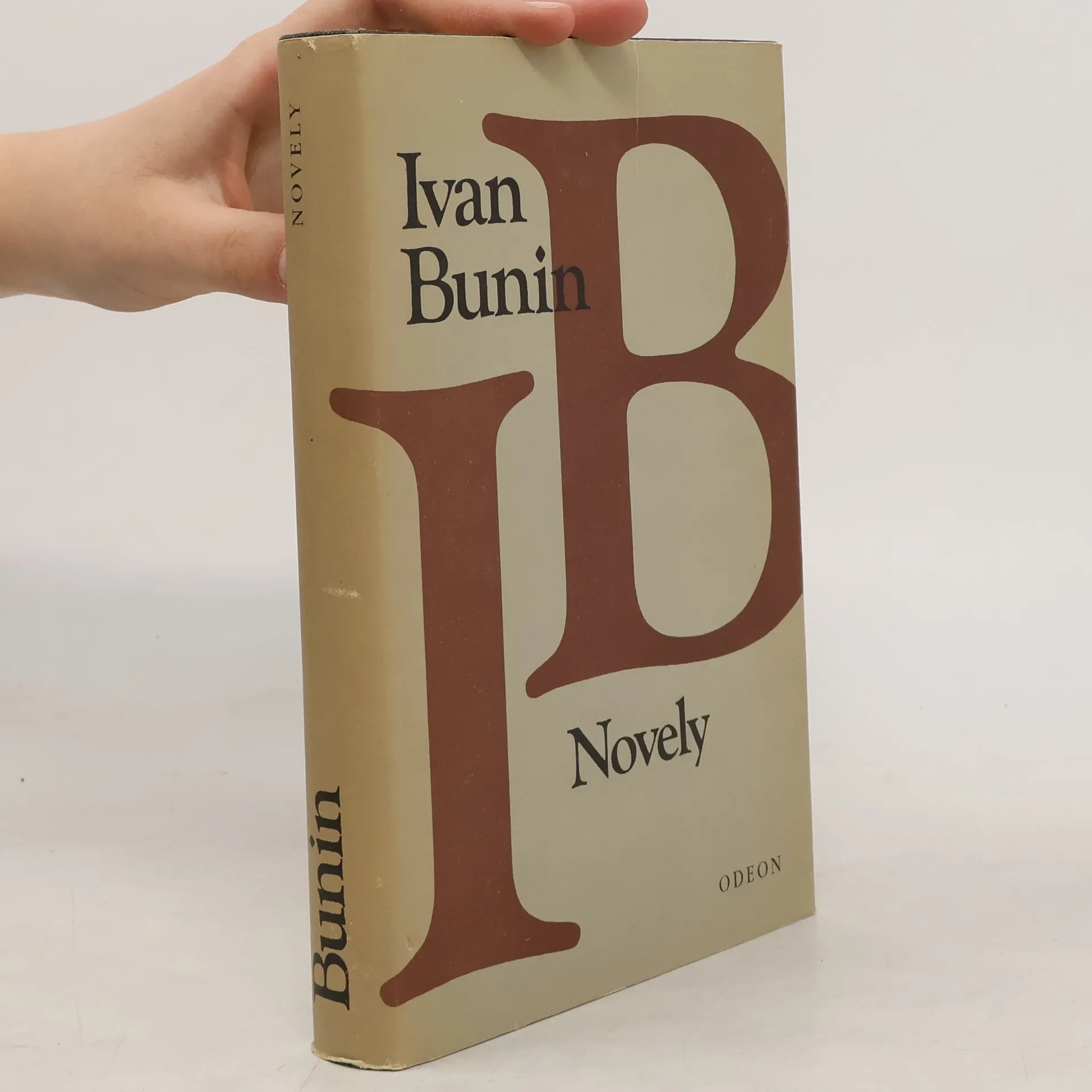
Z ruského originálu Sobranije sočiněnij, vydanéhonakladatelstvím Chudožestvennaj litěratura,Moskva 1965, přeložili Taťjana Haškováa Jan Zábrana.Vybral, uspořádal a doslov napsal Jan Zábrana.Ilustroval Jasroslav Šerých.Vazbu navrhl a graficky upravil Pavel Hrach.Vydal Odeon, nakladatelství krásné literaturya umění n. p., jako svou 3838. publikaciv redakci krásné literatury. Praha 1980.Odpovědná redaktorka Ludmila Dušková.Technická redaktorka Pavla Šubrtová.Vytiskla Stráž, tiskařské závody, n. p., Plzeň,závod Vimperk.11,92 AA /ilustrace 0,70, texz 11,22/. 12,22 VAVydání v tomto uspořádání první.Náklad 10 000 výtisků. 60522855.01-045-80. 13/34. Cena váz. 20 Kčs
Já měla hezkej život, pane
- 33pagine
- 2 ore di lettura
Divadelní hra na motivy povídky Ivana Alexejeviče Bunina (s využitím překladu Zdeňky Psůtkové).
Стихотворения и переводы
- 480pagine
- 17 ore di lettura
Путевая книга: Солнечный удар
- 384pagine
- 14 ore di lettura
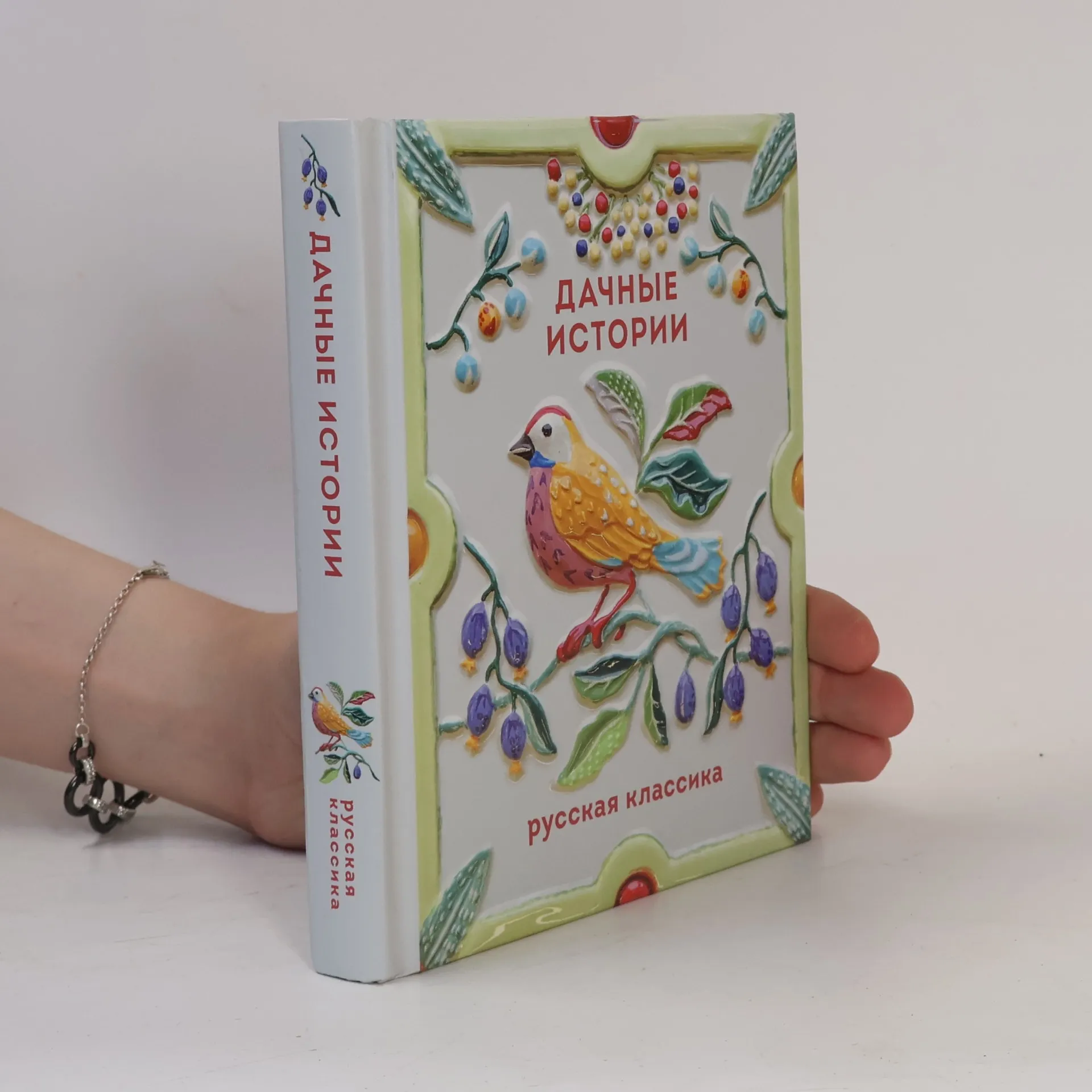
Дачные истории
- 320pagine
- 12 ore di lettura
Окна, распахнутые всю ночь. Дурманящий запах летних трав. Освежающая река с быстрым течением. Неутомляющий бойкий труд. Веселые гости, дети, свободные от уроков, - все это любимая дача. Знатоки русской усадьбы и дачной жизни Иван Бунин, Александр Куприн, Антон Чехов воспевают и идеализируют В этом сборнике летнюю счастливую жизнь.
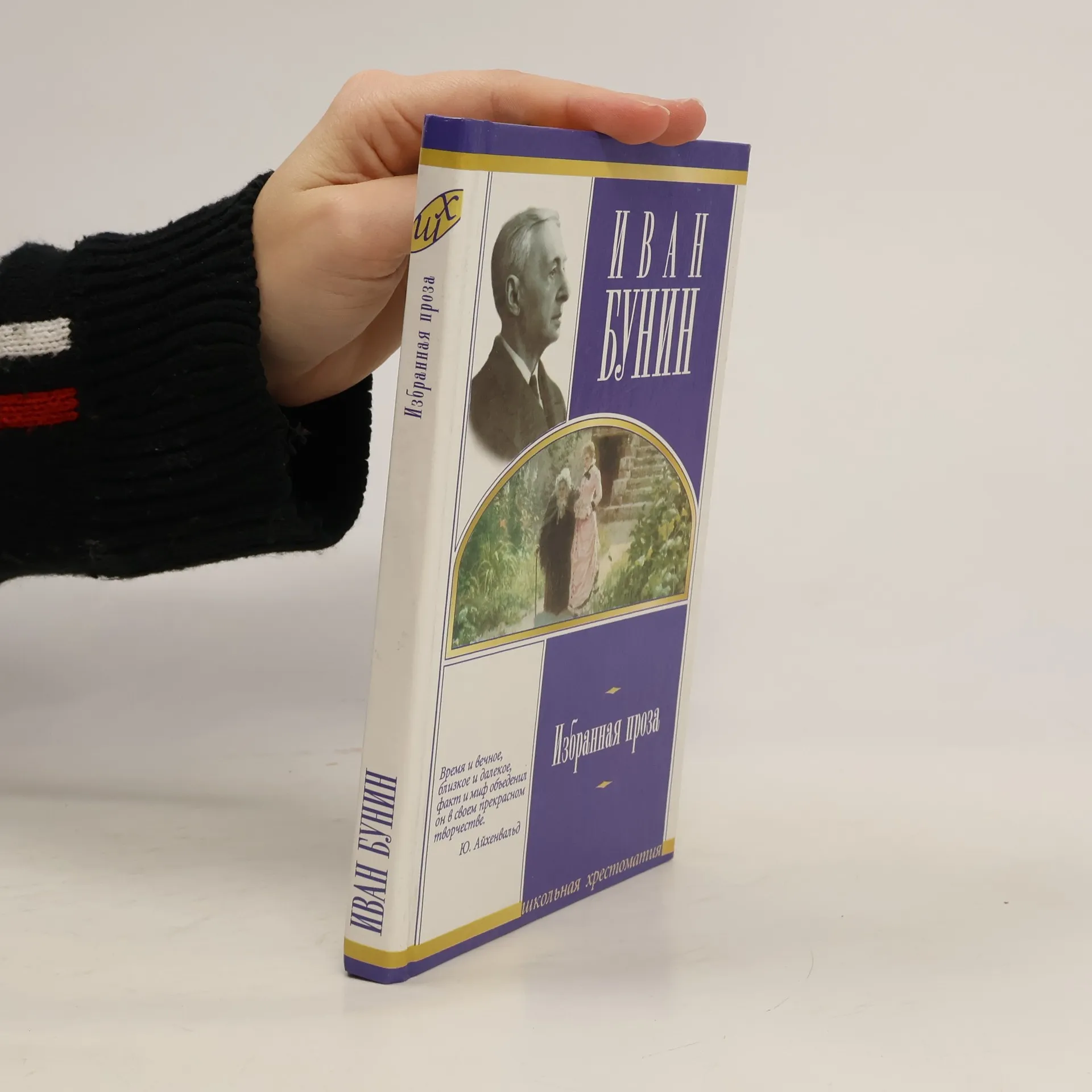
Избранная проза
- 267pagine
- 10 ore di lettura
Жизнь Арсеньева
роман
В прил.: Жизнь Бунина : фрагм. из. кн. / В. Н. Муромцева-Бунина. "Умное сердце" / Е. Петинова
Sinn und Form 5/2025
Beiträge zur Literatur