

Die Schöne und der Papagei ist eine Politsatire – und zugleich eine Referenz an die altindische und bis in die Gegenwart tradierte uralte indische Erzählkunst, wie sie sich etwa in den didaktischen Sammlungen Panchatantra und Hitopadesha niederschlägt. Charakteristisch für diese Erzählkunst ist die Kopplung von ausuferndem Fabulieren mit handfester Menschenkenntnis. Die Figuren verbinden den gebildeten Ausdruck mit Bauernschläue, eloquente Rhetorik mit absoluter Gewissenlosigkeit. Wie der Roman beweist: Keine Regung des Herzens, keine Wendung des korrupten Politikkarussells, keine Winkelzüge der Machthabenden sind der Autorin Mrinal Pande fremd.
Mrinal Pande Ordine dei libri (cronologico)
Pande è riconosciuta per la sua narrativa breve e la sua influente carriera nei media indiani. La sua scrittura approfondisce temi sociali e il suo lavoro editoriale ha plasmato il panorama letterario della nazione. Con una vasta esperienza nel giornalismo e nella radiodiffusione, porta una prospettiva unica ai suoi contributi letterari. L'impatto di Pande sulla letteratura e sui media indiani è significativo, abbracciando vari generi e piattaforme.

Popular Hinduism, Stories and Mobile Performances
The Voice of Morari Bapu in Multiple Media
- 186pagine
- 7 ore di lettura
The book explores the recent changes in popular Hinduism, emphasizing the intersection of religious and artistic practices. It delves into how these transformations reflect broader cultural shifts and the evolving expressions of faith. Through detailed analysis, it highlights specific rituals, art forms, and community engagement, offering insights into the dynamic nature of contemporary Hindu practice. This examination sheds light on the significance of these developments in understanding the modern landscape of Hinduism.
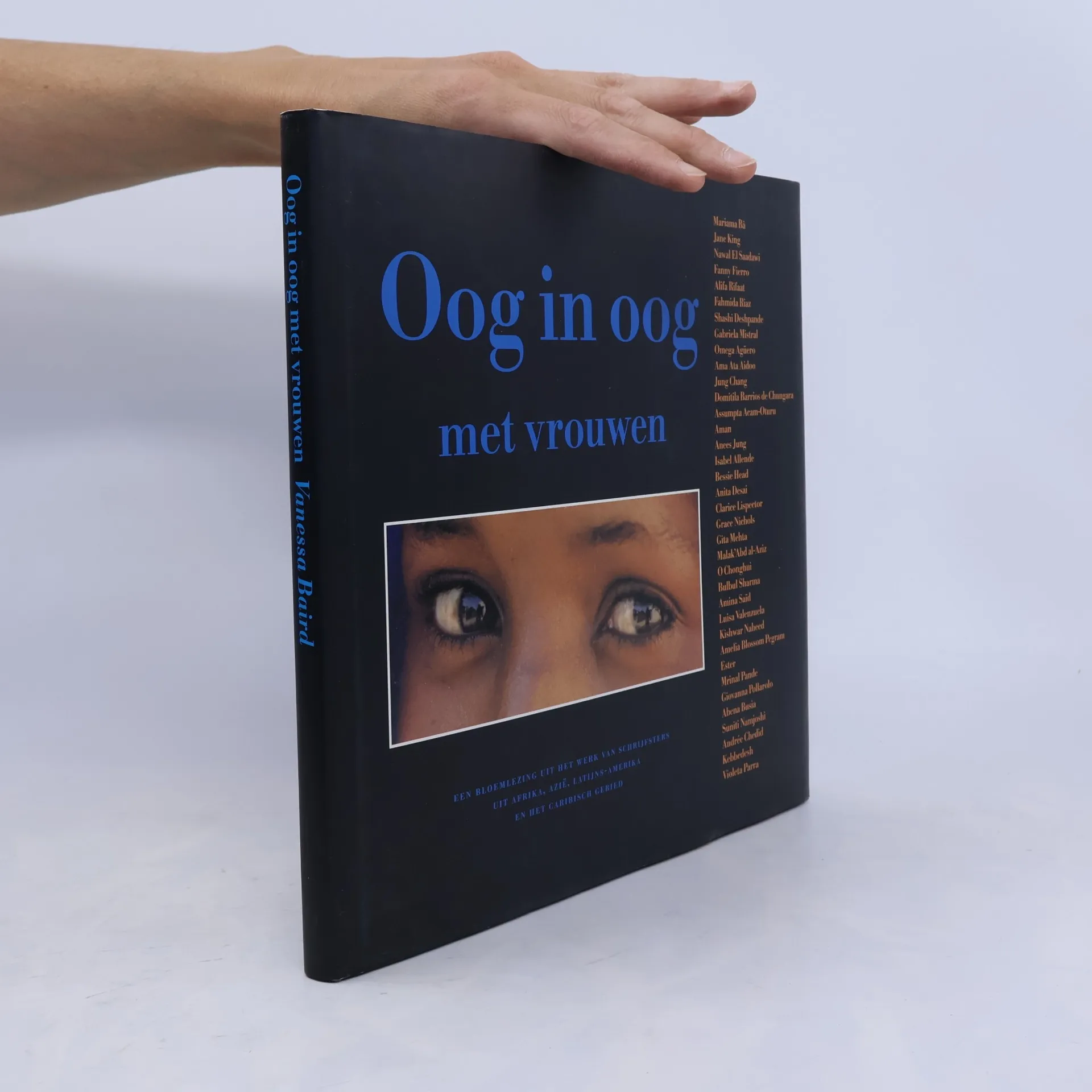
Oog in oog met vrouwen
- 128pagine
- 5 ore di lettura
Oog in oog met vrouwen is een bloemlezing uit het prachtige werk van schrijfsters uit Afrika, Azië, Latijns-Amerika en het Caribisch gebied. De fragmenten uit proza en poëzie, die zijn samengebracht onder noemers als Leven en Liefde, Werk en spel en Politiek en maatschappij , worden visueel vertaald en verlevendigd door meer dan veertig kleurenfoto's. Daarmee is dit boek een genoegen om te lezen en tegelijk een lust voor het oog.
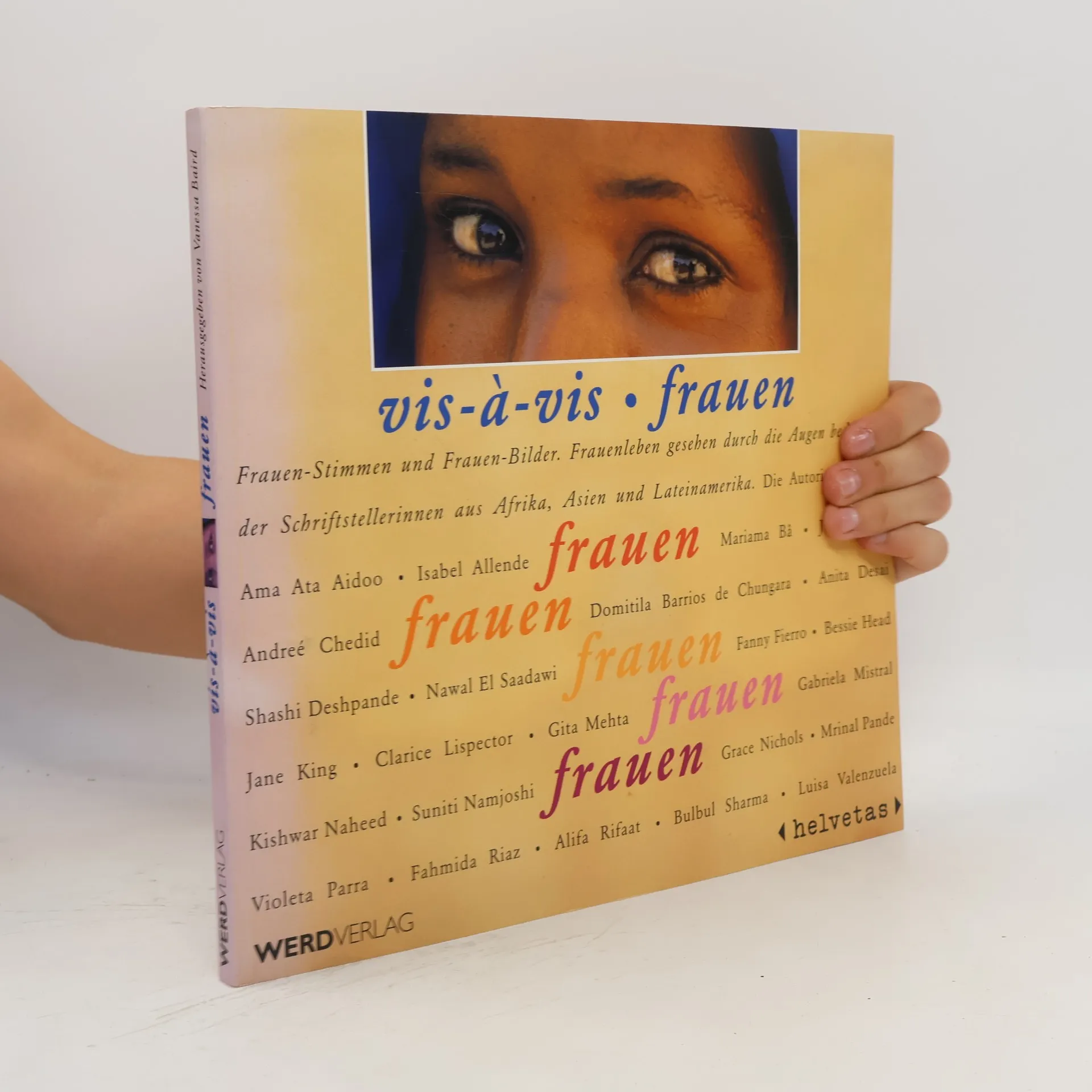
Vis-à-vis Frauen
- 128pagine
- 5 ore di lettura
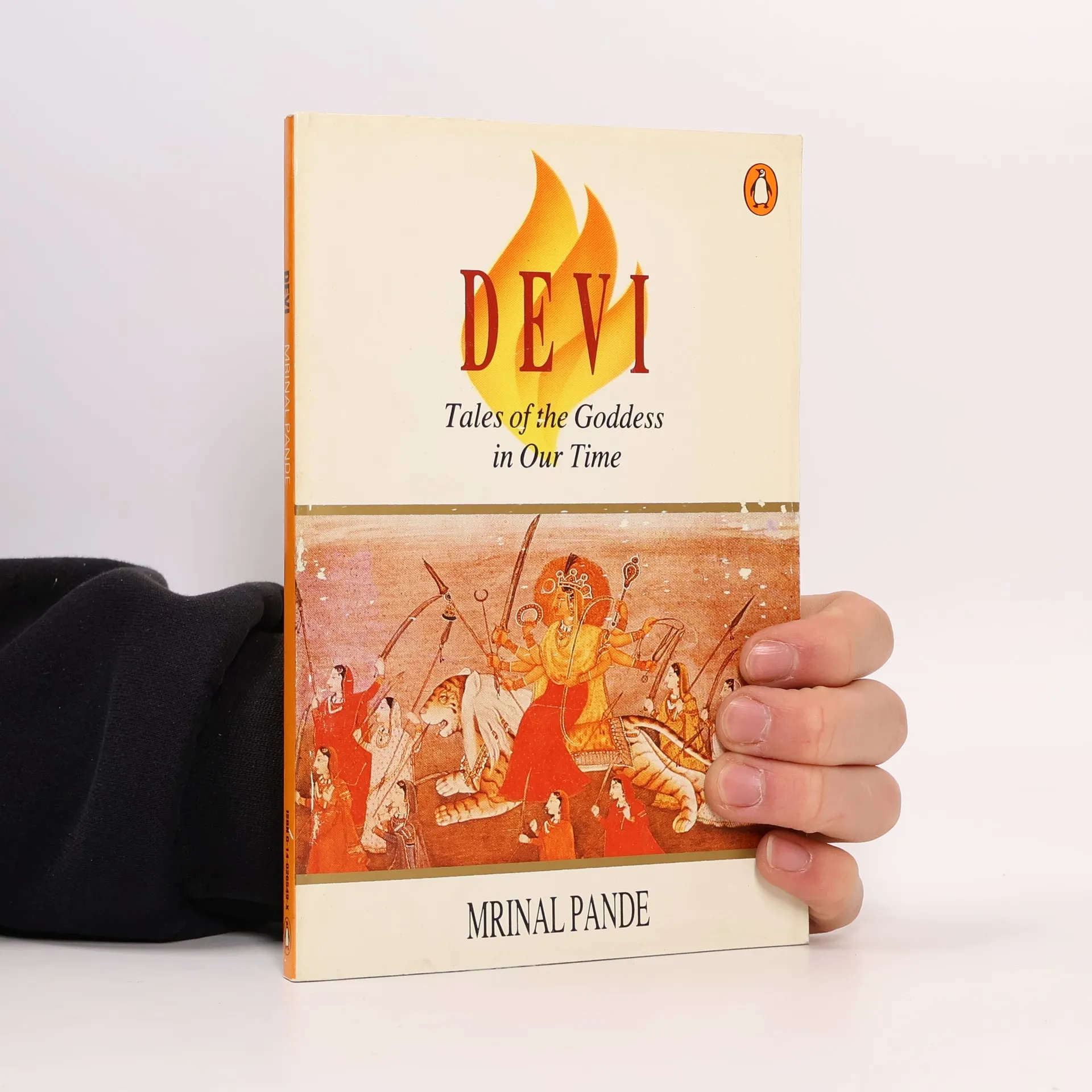
Writer and journalist Mrinal Pande sees in strong passionate women who defy the strictures of a male-dominated world, shades of the Goddess. There were many such women in her life, women who succeeded beyond the expectations of men. First, there was her forceful mother, the writer Shivani. Then came Badi Amma, the most colorful woman in this book, her domineering, intellectual aunt. There were friends who silently lived lives of emotional deprivation till they opted out of the world altogether. There were women who made the news and women who preyed on men. In all these women, the writer sees the original Devi.