

Sofia Petrovna is Lydia Chukovskaya's fictional account of the Great Purge. Her eponymous heroine is a Soviet Everywoman, a doctor's widow who works as a typist in a Leningrad publishing house.
Lydia Chukovskaya Libri
Lydia Chukovskaya fu un'autrice di principi saldi che rimase ferma nelle sue convinzioni in un regime repressivo. La sua opera, in particolare 'Sofia Petrovna', è una testimonianza straziante della vita durante le Grandi Purghe, che espone le brutali realtà del terrore stalinista. Nonostante abbia affrontato notevoli ostacoli e censure, la Chukovskaya emerse come una figura letteraria rispettata per la sua incrollabile dedizione. La sua eredità è definita dal suo indomabile impegno per la verità e l'arte, lasciando un segno indelebile nella letteratura russa.
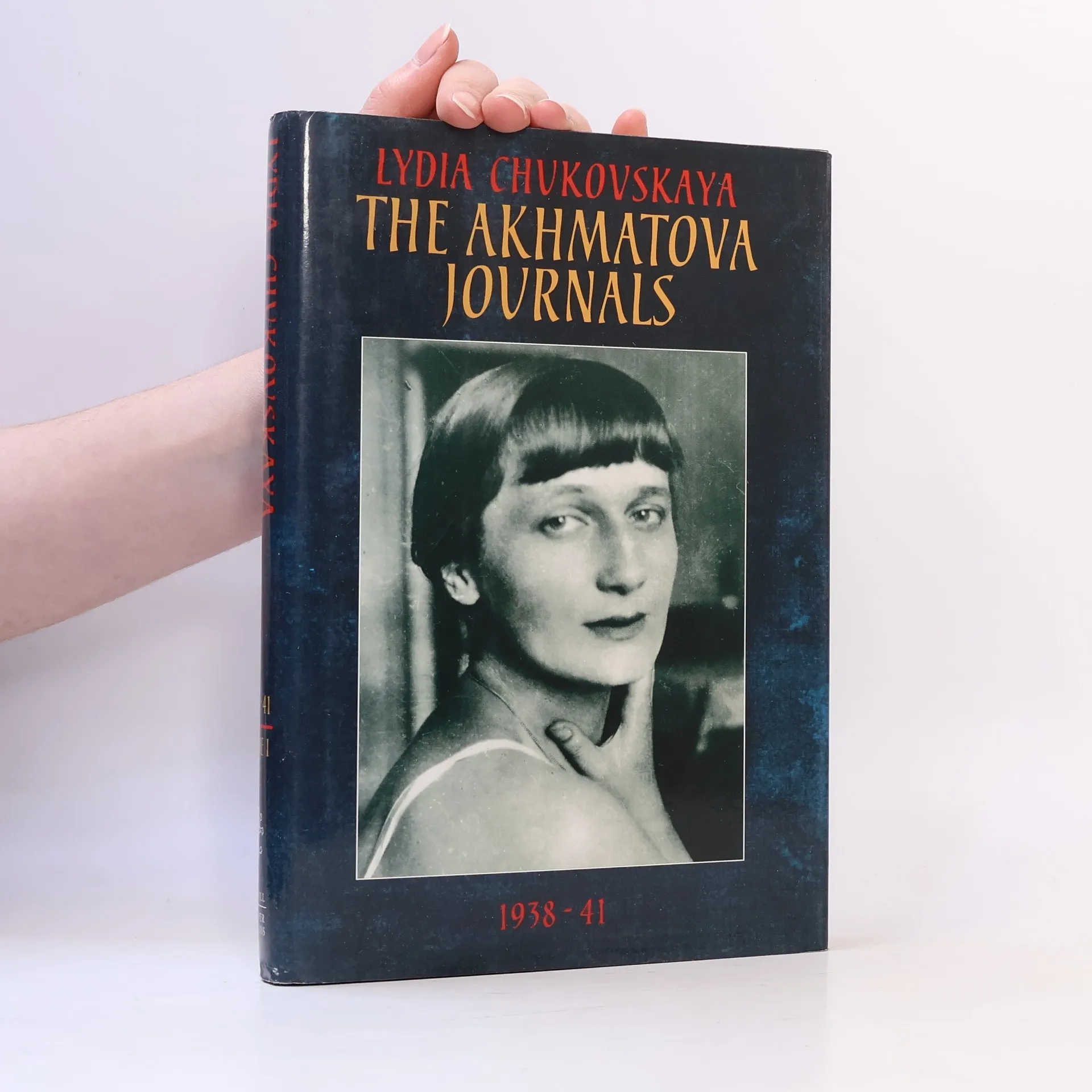

Lydia Chukovskaya and Anna Akhmatova were brought together by a common tragedy (both had lost loved ones in the purges of the 1930s) and by a common passion for literature. The journals are excerpts from Chukovskaya's diaries kept at great risk to herself and to those about whom she wrote, but now to be published in Moscow to celebrate the centenary of Akhmatova's birth. The journals compose a portrait of a poet of genius and a remarkable woman, and also provide a unique picture of Russian intellectual circles in the terrible years of World War II, years of hunger, disappearances and queues of prison-widows. When the publication of The Journals is complete in English - volume II will end with 1958 and volume III with Akhmatova's death in 1966 - it will stand as a testament to a poet's life and the cultural life of a nation under a totalitarian regime.
Nina Sergejewna verbringt winterliche Wochen im Jahr 1949 in einem Sanatorium für Künstler auf dem Lande. Hier ist alles auf Vergessen gestimmt. Doch sie will mehr über die Vergangenheit, über ihr eigenes Leid und das ihrer Mitmenschen erfahren. Als sie Bilibin kennenlernt, der im gleichen Arbeitslager wie ihr Mann war, sucht sie seine Nähe. Es entspinnt sich eine zarte Zuneigung, doch enttäuscht wendet sie sich ab, als auch Bilibin nicht die Wahrheit, sondern das Verdrängen und Vergessen sucht.