

Influential philosopher, poet, and literary critic George Santayana (1863-1952) was a thorough naturalist, concerned with the ideal factors in human experience. He held that everything possesses a natural basis and that everything natural has an ideal development. In this one-volume edition of his early work, The Life of Reason (originally published 1905-6), Santayana argues that rational life is embodied in various ideal forms, including religion, and that religion may be embodied in reason. However, this is not to say that religion is grounded in science; rather, religion is poetic, a rendering of natural events in a dramatic form. Hence, to take so-called religious truths as literal claims is preposterous
Santayana George Libri
George Santayana fu un filosofo, poeta e critico letterario la cui opera anticipò svolte intellettuali chiave su entrambi i lati dell'Atlantico. Il suo naturalismo e l'enfasi sull'immaginazione creativa influenzarono fondamentalmente il pensiero moderno. Santayana esplorò molteplici perfezioni prima che il multiculturalismo diventasse un problema, e intese la filosofia come letteratura prima che diventasse un tema nei circoli accademici. Riuscì a naturalizzare il platonismo, aggiornare Aristotele e offrire una descrizione sensibile della vita spirituale senza credenze religiose. La sua eredità ispanica e il suo senso di essere un estraneo in America gli permisero di catturare qualità della vita americana trascurate dagli addetti ai lavori.


The great philosopher, essayist, poet, and novelist masterfully offers his fascinating outline of Aesthetics Theory. Drawing on the art, literature, and social sciences involved, Santayana discusses the nature of beauty, form, and expression.
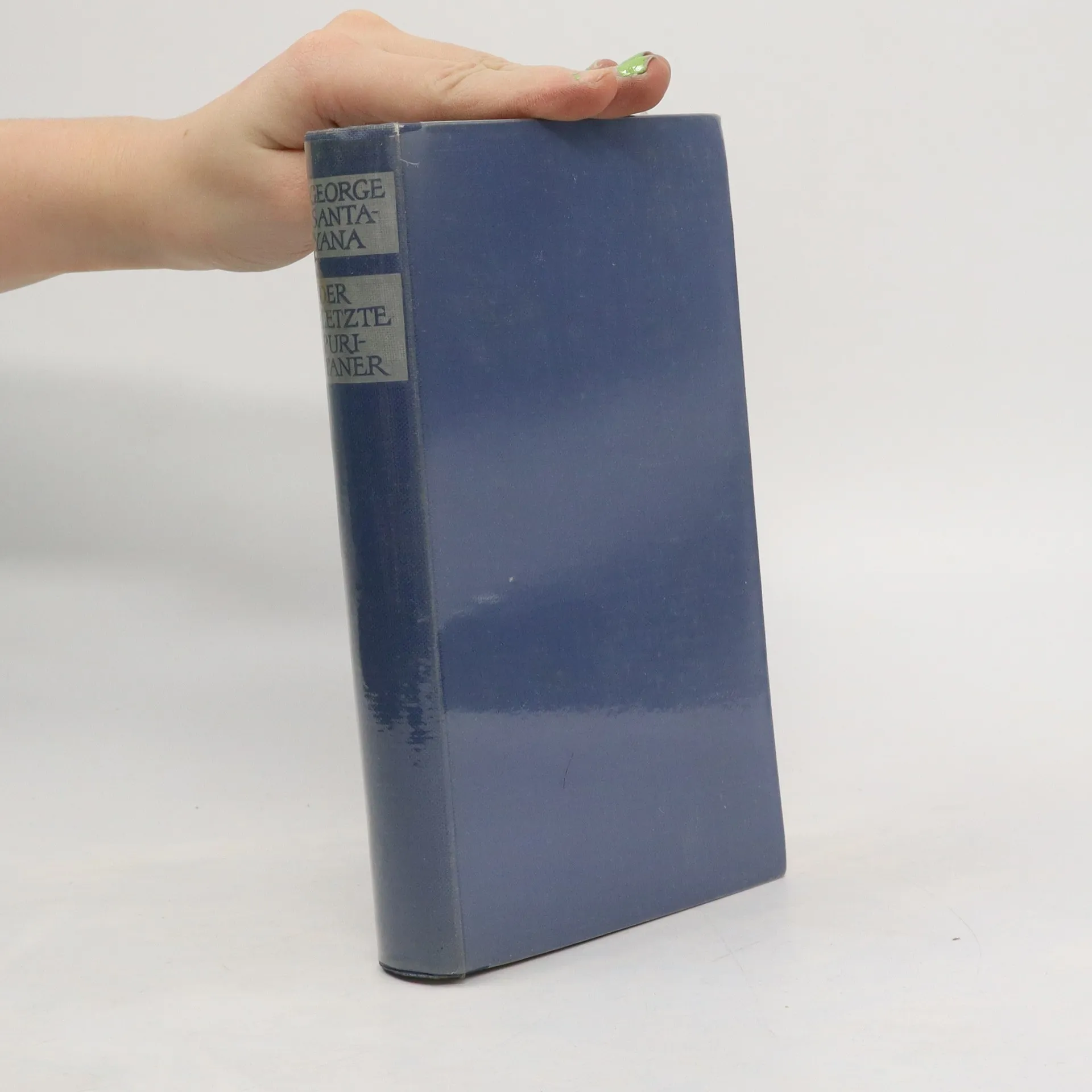
Published in 1935, George Santayana's The Last Puritan was the American philosopher's only novel and it became an instant best- seller, immediately linked in its painful voyage of self-discovery to The Education of Henry Adams. It is essentially a novel of ideas expressed in the birth, life, and early death of Oliver Alden. In Oliver's case the puritanical self-destruction that prevented him from realizing his own spirituality is transcended by his attainment of the type of self-knowledge that Santayana recommends throughout his moral philosophy.The Last Puritan is volume four in a new critical edition of George Santayana's wroks that restores Santayana's original text and provides important new scholarly information. Books in this series - the first complete publication of Santayana's works - include an editorial apparatus with notes to the text (identifying persons, places, and ideas), textual commentary (including a description of the composition and publication history, along with a discussion of editorial methods and decisions), lists of variants and emendations, and line-end hyphenations.