John D'Agata Libri
John D’Agata è un maestro del saggio, che approfondisce le complessità del fatto e della narrazione. Il suo lavoro esplora la tensione tra verità e finzione, concentrandosi spesso su soggetti apparentemente ordinari per scoprirne le profonde risonanze. D’Agata è noto per il suo stile meticoloso e il suo approccio non convenzionale, che sfida i lettori a considerare la natura stessa della saggistica. I suoi saggi offrono un'esplorazione avvincente di come costruiamo il significato nel mondo.

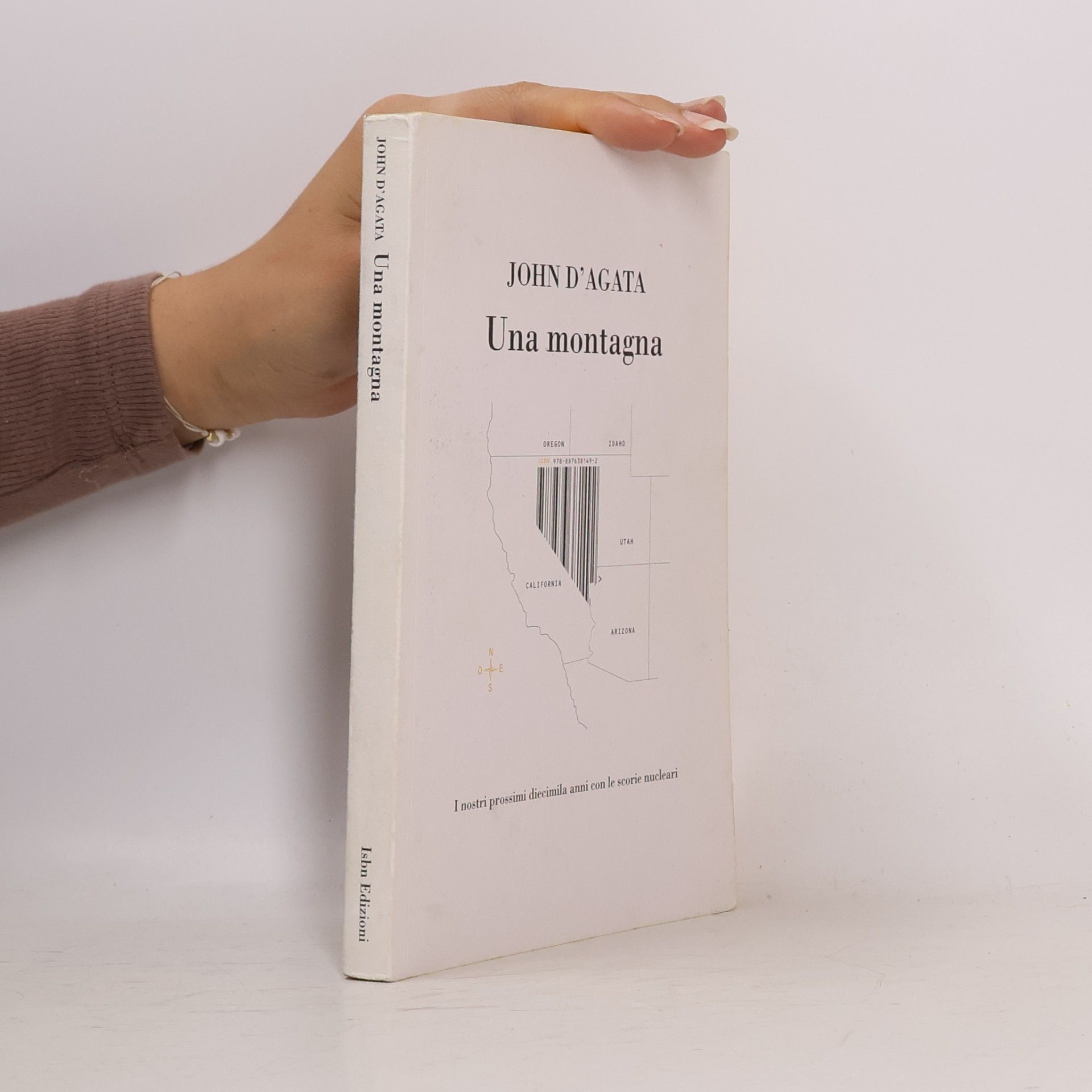
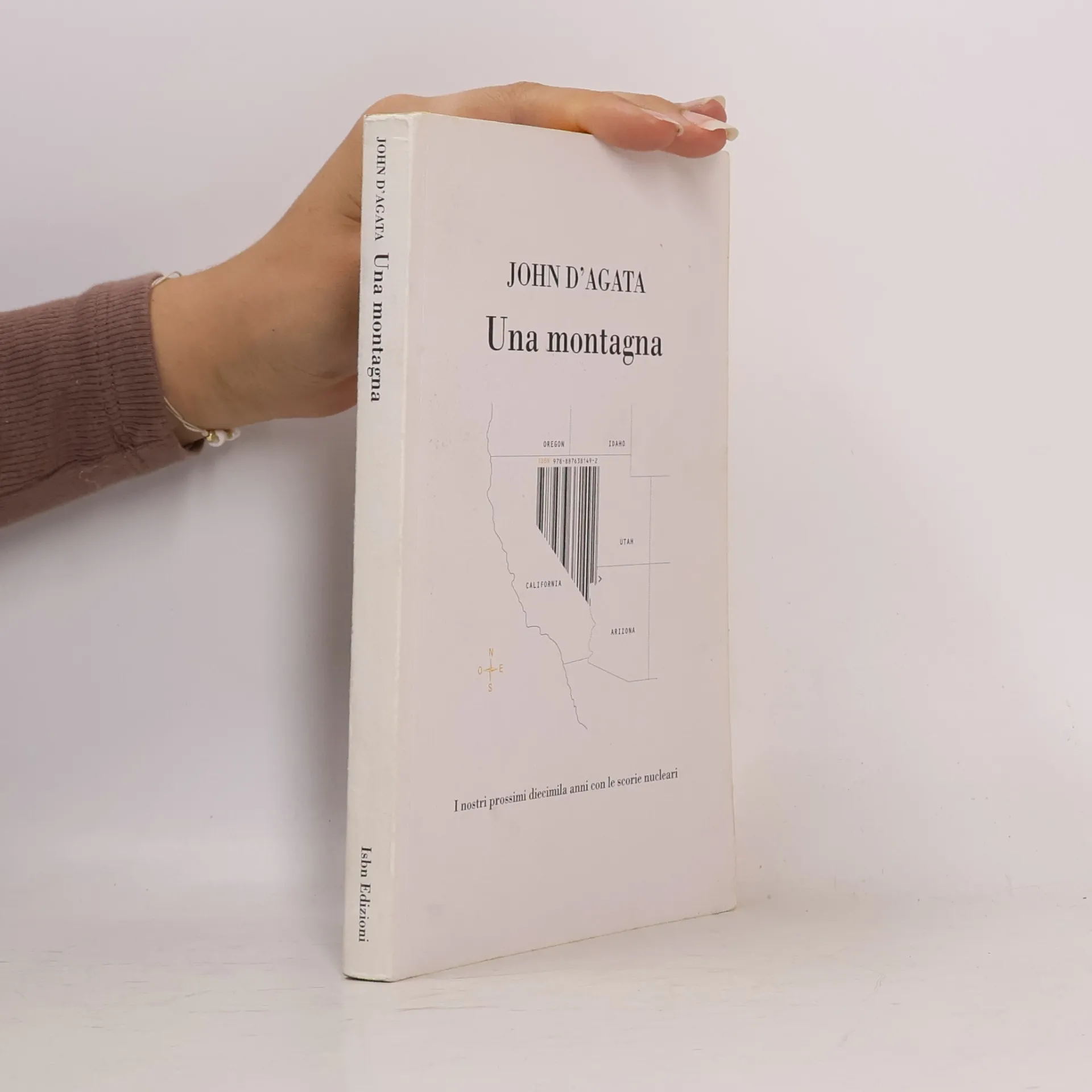
About a Mountain
- 240pagine
- 9 ore di lettura
The narrative unfolds as John D'Agata assists his mother in relocating to Las Vegas and becomes engrossed in the controversial government plan to store nuclear waste at Yucca Mountain. This exploration leads to a profound examination of the implications for humanity's future, blending personal experience with critical social issues. Through this lens, the book challenges readers to reconsider the intersections of environment, policy, and the existential risks faced by society.
 3,6
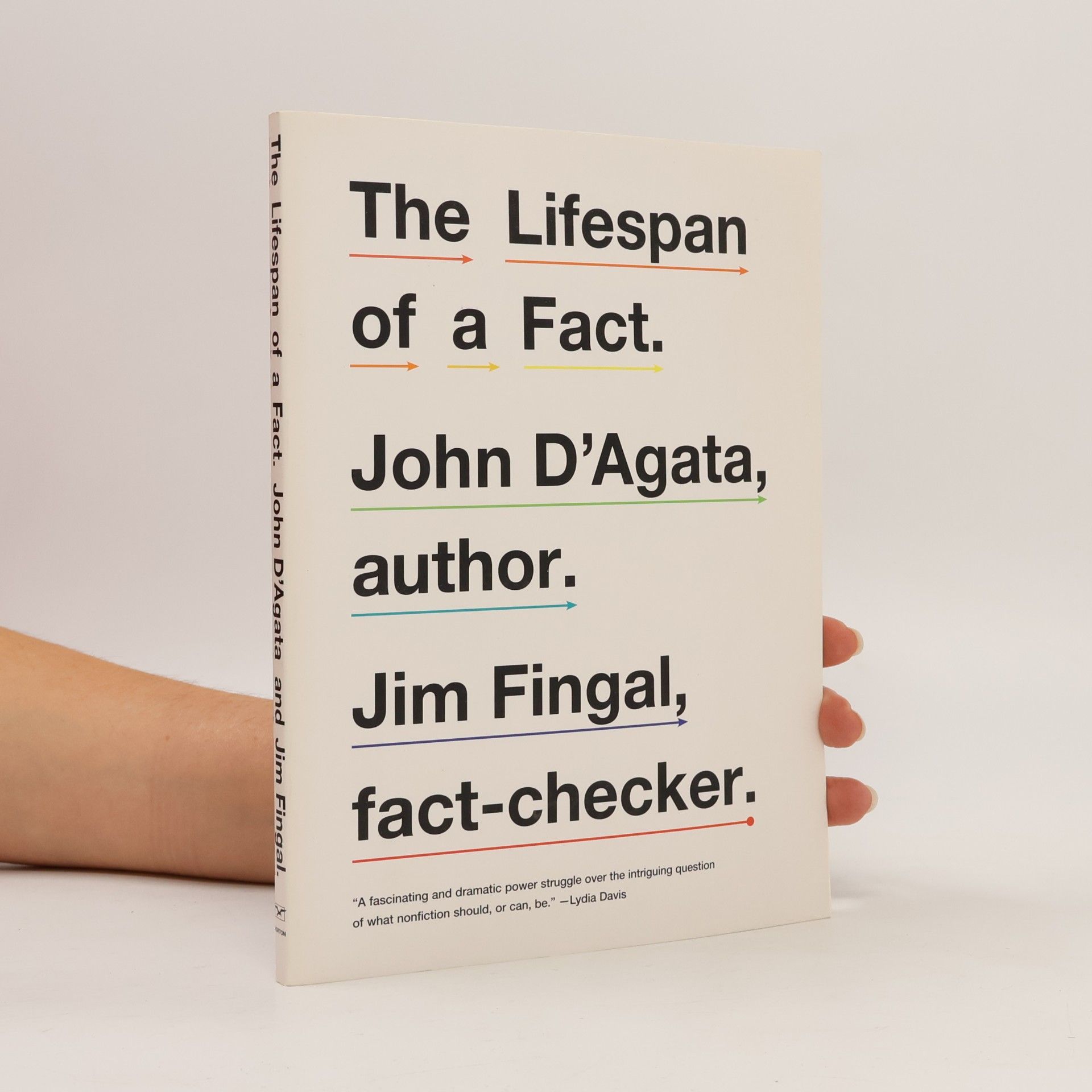
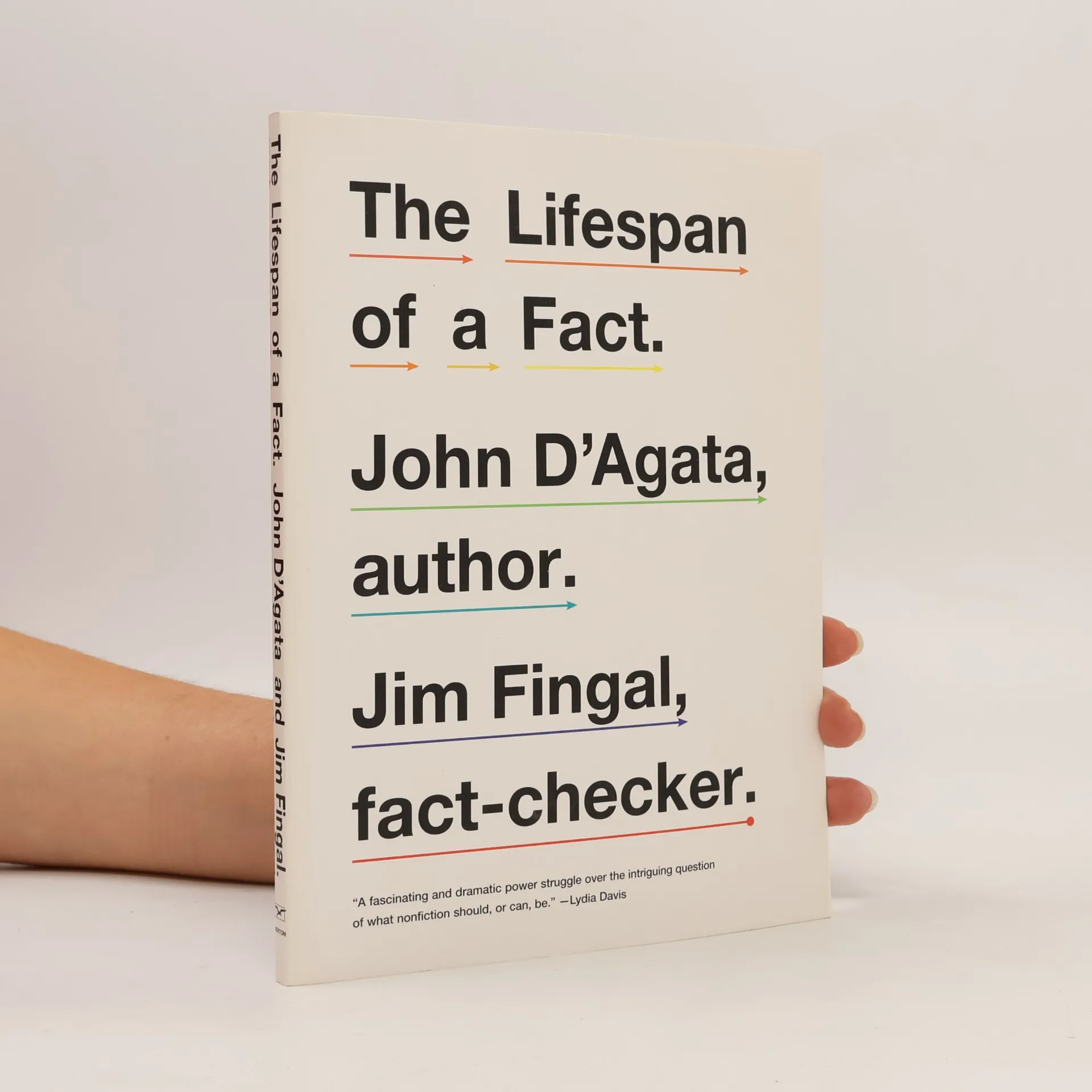
Lifespan of a Fact
- 128pagine
- 5 ore di lettura
Now a Broadway Play. An innovative essayist and his fact-checker do battle about the use of truth and the definition of nonfiction. How negotiable is a fact? In 2003, after publishing his book of experimental essays, Halls of Fame , John D’Agata was approached by Harper’s magazine to write an essay for them, one that was eventually rejected due to disagreements related to its fact checking. That essay which eventually became the foundation of D’Agata’s critically acclaimed About a Mountain was accepted by another magazine, the Believer , but not before they handed it to their own fact-checker, Jim Fingal. What resulted from that assignment, and beyond the essay’s eventual publication in the magazine, was seven years of arguments, negotiations, and revisions as D’Agata and Fingal struggled to navigate the boundaries of literary nonfiction. This book includes an early draft of D’Agata’s essay, along with D’Agata and Fingal’s extensive discussion around the text. What emerges is a brilliant and eye-opening meditation on the relationship between “truth” and “accuracy” and a penetrating conversation about whether it is appropriate for a writer to substitute one for the other.