Inderpal Grewal esamina le intricate relazioni tra transnazionalismo, femminismo e forze neoliberali. Il suo lavoro approfondisce i modi in cui nazioni, genere e imperi vengono plasmati in un contesto globale, spesso attraverso viaggi culturali e narrazioni. Attraverso un'analisi precisa, rivela come concetti come casa e identità vengano continuamente negoziati e rimodellati. La sua scrittura offre profonde intuizioni sulle dinamiche di potere e cultura nel mondo interconnesso di oggi.
Inderpal Grewal traces the changing relations between the US state and its
citizens in an era she calls advanced neoliberalism, under which everyday life
is militarized, humanitarianism serves imperial aims, and white Christian men
become exceptional citizens tasked with protecting the nation from racialized
others.
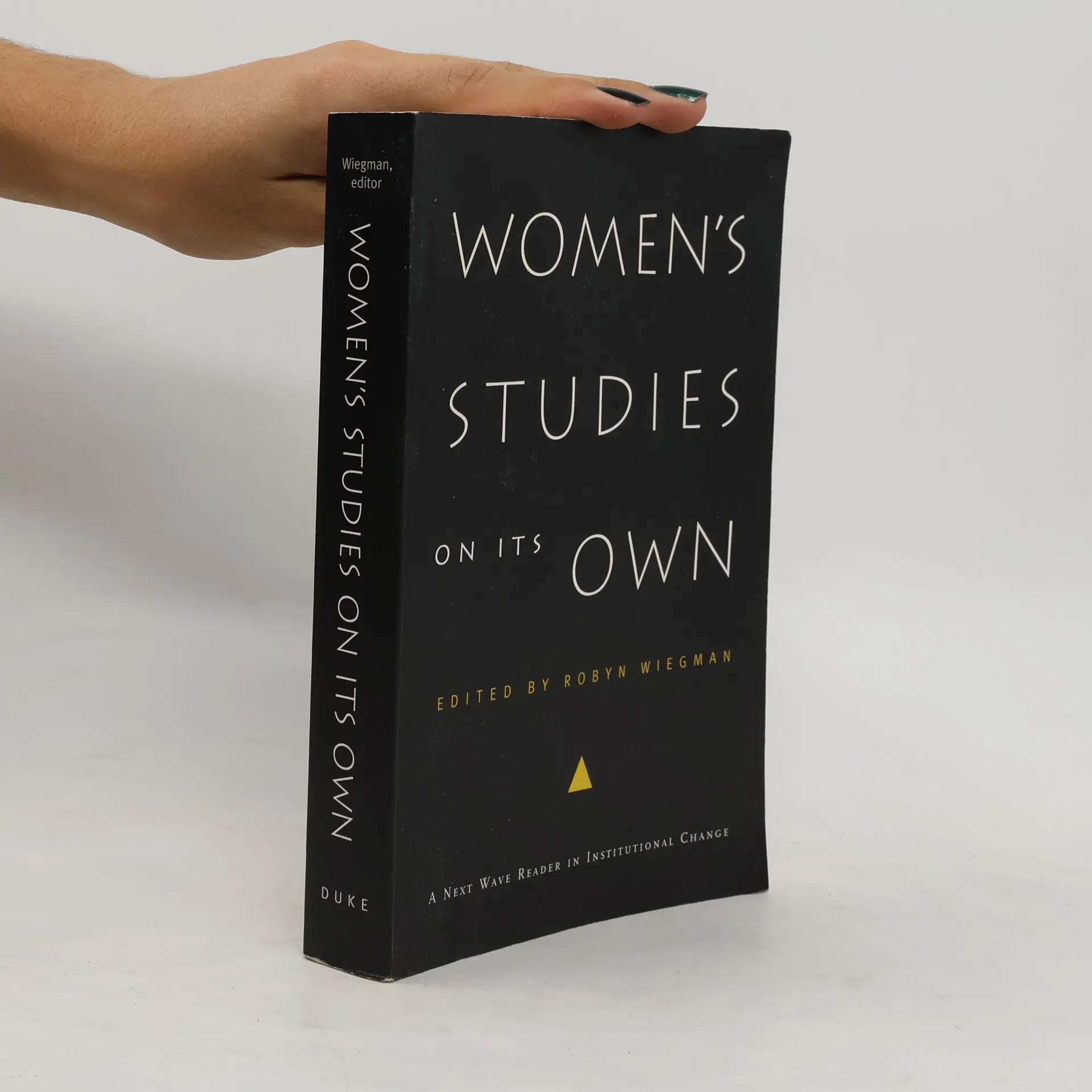
Since the 1970s, Women's Studies has evolved from a grassroots initiative into a significant academic discipline. This work evaluates the current and future landscape of the field, illustrating how its institutionalization has fostered a vital intellectual project for new scholars and students. It explores the history, pedagogy, and curricula of Women's Studies programs, as well as their relationship with the managed university. The essays, grounded both theoretically and institutionally, delve into the pedagogical implications of various knowledge divisions—racial, sexual, disciplinary, geopolitical, and economic. They analyze institutional practices that both challenge and support Women's Studies, including interdisciplinarity, governance, administration, faculty review, professionalism, corporatism, and financial constraints. Contributors engage with topics such as academic labor, the influence of postcolonialism on curricula, and the connection between education and the state, offering insightful and witty theoretical reflections on the evolving nature of the field. This collective work represents a significant contribution to understanding Women's Studies as a dynamic and transformative academic discipline.