
Bookbot

David Hajdu

    David Hajdu è un acclamato autore e critico il cui lavoro si addentra nelle avvincenti narrazioni di musicisti e artisti. La sua scrittura esplora le profondità delle vite e della produzione creativa dei suoi soggetti, rivelando le complessità dei loro viaggi artistici. L'approccio analitico di Hajdu e la sua prosa avvincente assicurano che le sue opere risuonino con i lettori che cercano una comprensione più profonda delle figure culturali. Attraverso la sua critica e i suoi contributi accademici, modella le conversazioni sulla cultura moderna.

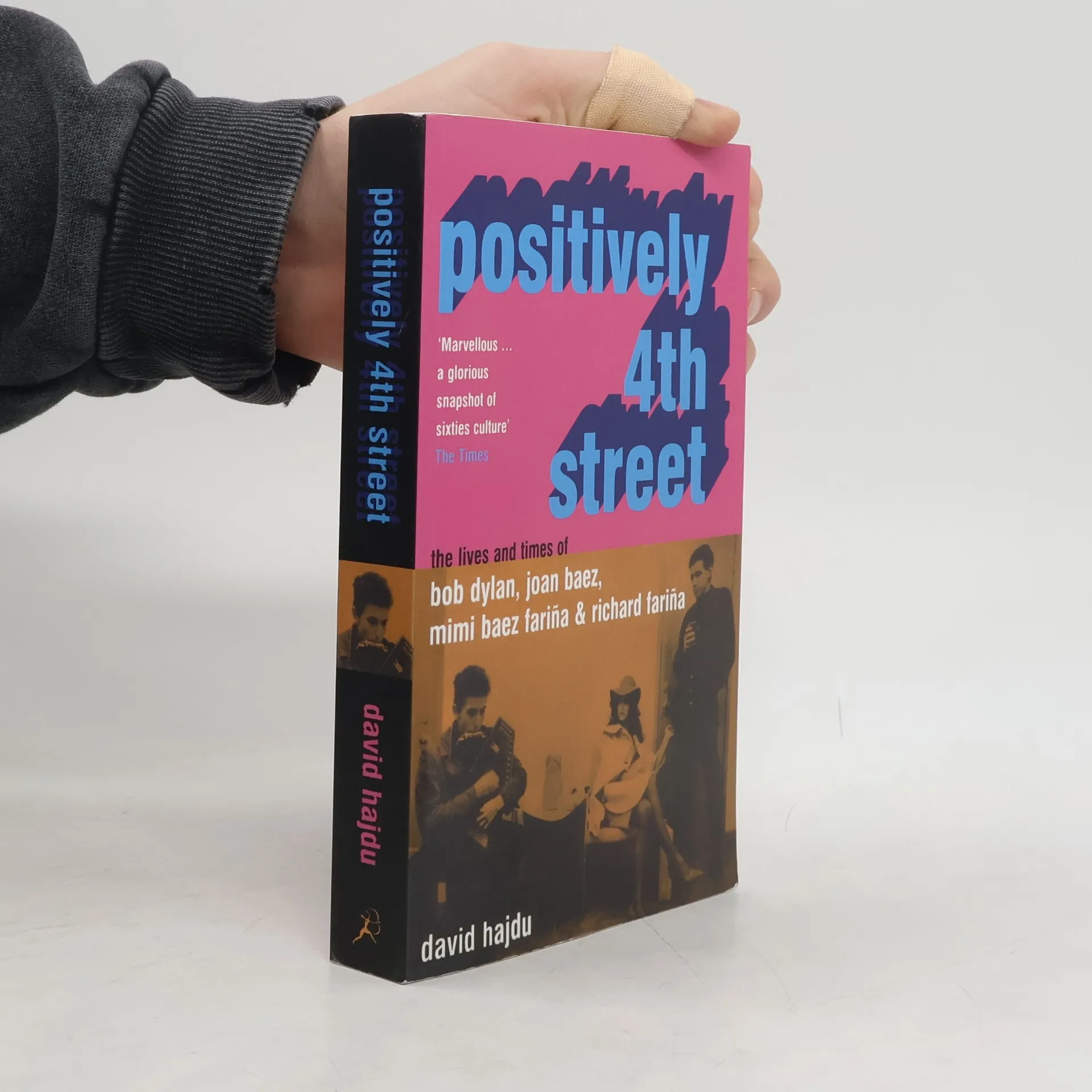
    Positively 4th Street
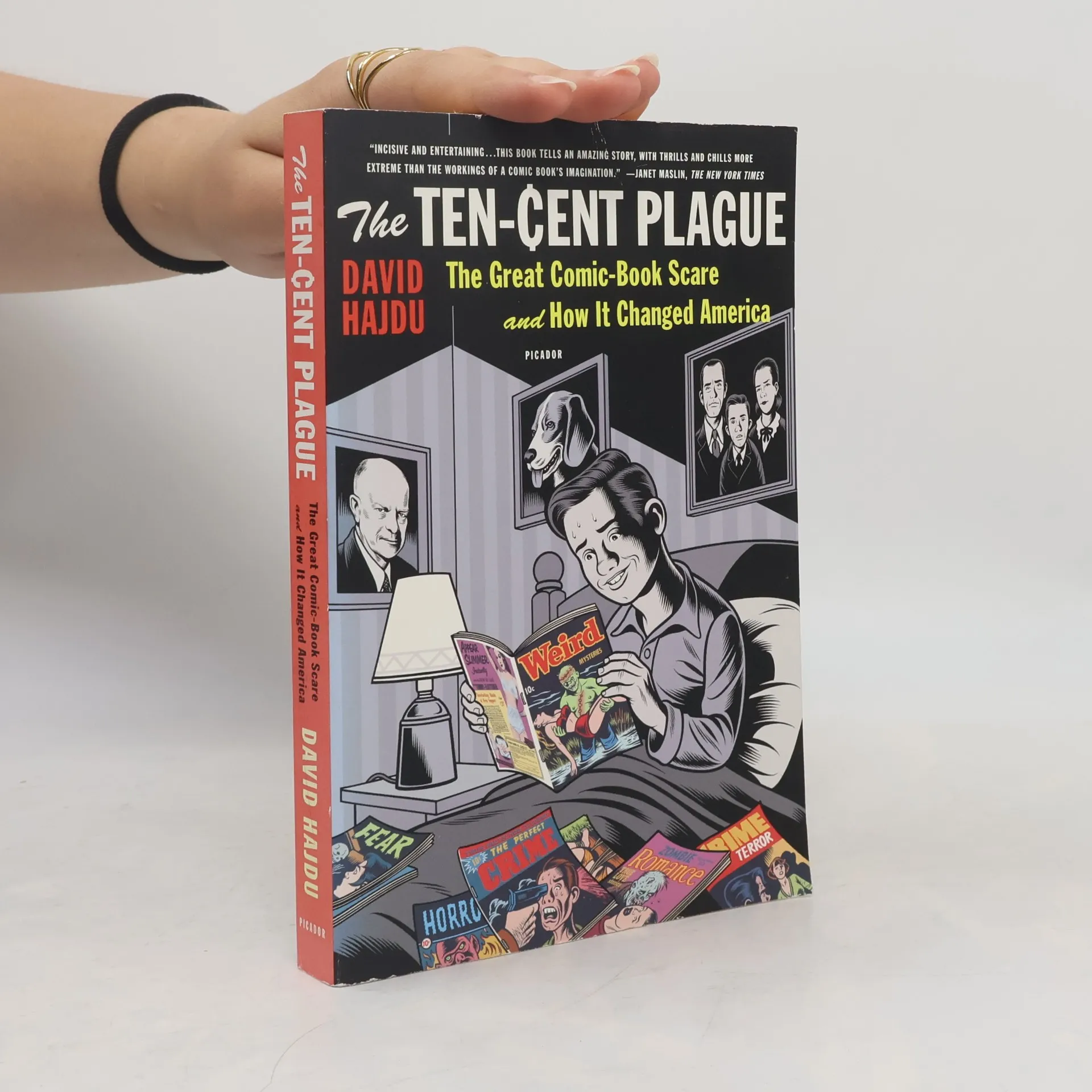
    The Ten-Cent Plague
    A Revolution in Three Acts
    • A Revolution in Three Acts

      • 176pagine
      • 7 ore di lettura

      A Revolution in Three Acts explores how three vaudeville stars defied the standards of their time to change how their audiences thought about what it meant to be American, to be Black, to be a woman or a man. The writer David Hajdu and the artist John Carey collaborate in this work of graphic nonfiction.

      A Revolution in Three Acts
      3,8
    • The Ten-Cent Plague

      The Great Comic-Book Scare and How It Changed America

      • 458pagine
      • 17 ore di lettura

      Focusing on the vibrant yet tumultuous history of comic books, this book explores their creative evolution and cultural impact, highlighting the medium's defiance against authority. David Hajdu uncovers the untold story behind the rise and eventual decline of comic books, immersing readers in a world filled with innovation and controversy. The narrative captures the essence of an era that shaped popular culture and reflects on the societal attitudes that influenced this art form.

      The Ten-Cent Plague
      3,7
    • Positively 4th Street

      The Lives and Times of Joan Baez, Bob Dylan, Mimi Baez Fariña, and Richard Fariña

      • 336pagine
      • 12 ore di lettura

      In 1966 when Bob Dylan, age twenty-five, disappeared from public view, he closed a chapter on one of the most fascinating stories in post-war cultural history. In just five years Dylan had become a spokesman for the counterculture; Greenwich Village the epicentre of youth style; and folk music - once played by earnest throwbacks - had been crossed with rock 'n' roll to form a thoughtful, literate, new musical style. POSITIVELY 4th STREET relates just how folk became rock by looking at four young beatniks and their rise to fame: Bob Dylan, his part-time lover Joan Baez, her sister Mimi, and Mimi's husband, the writer Richard Farina. It is that rare find - a new story to tell of a moment no one can forget.

      Positively 4th Street