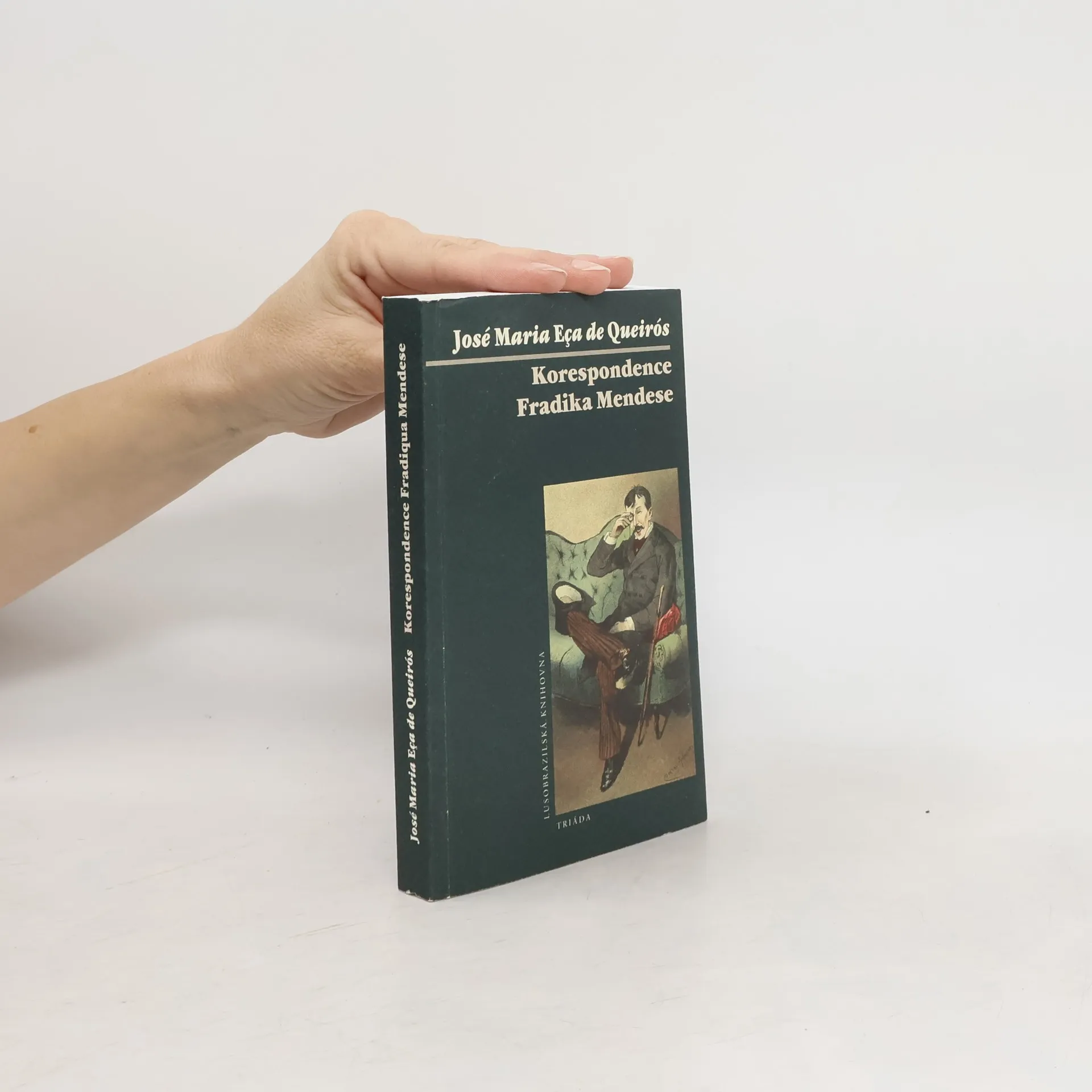
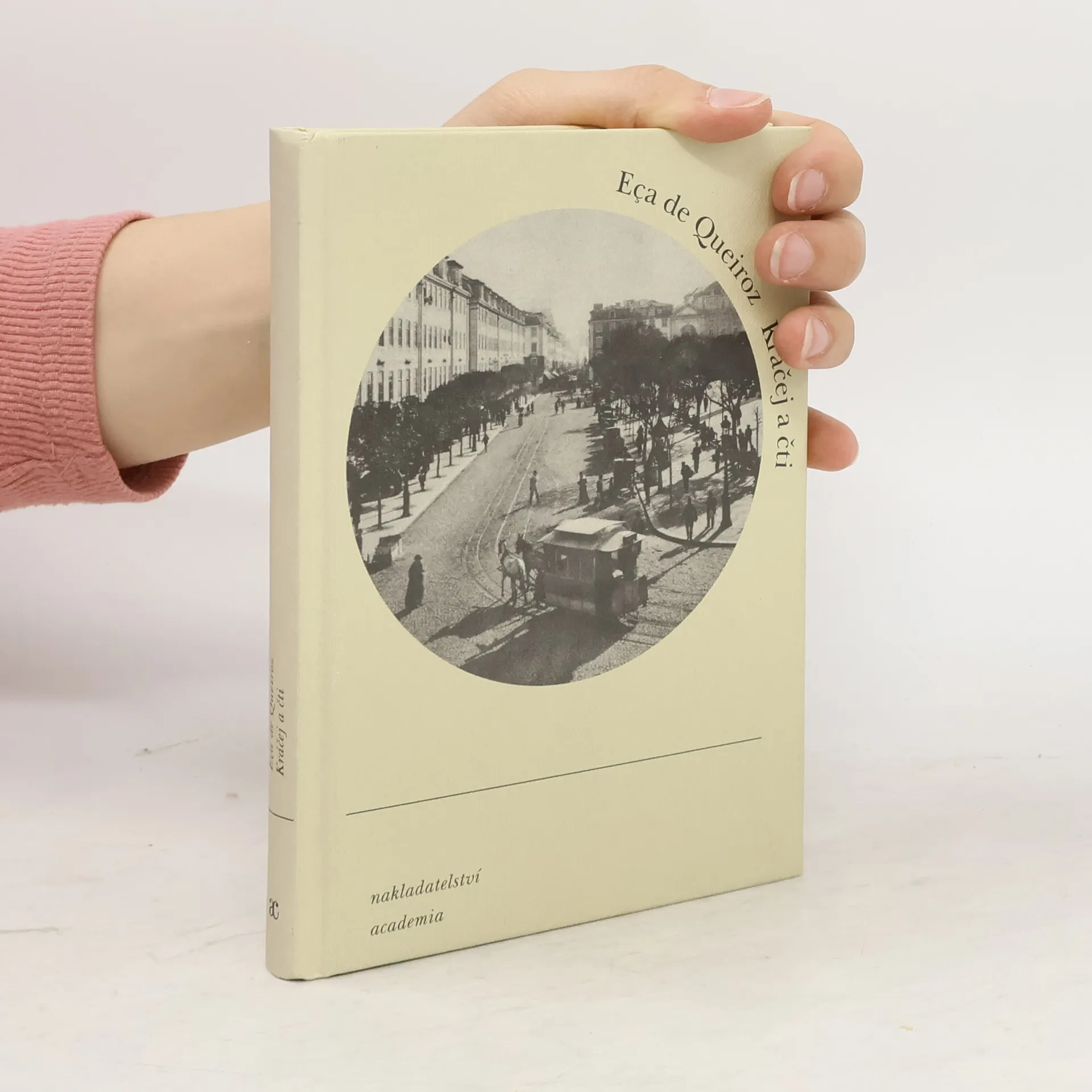
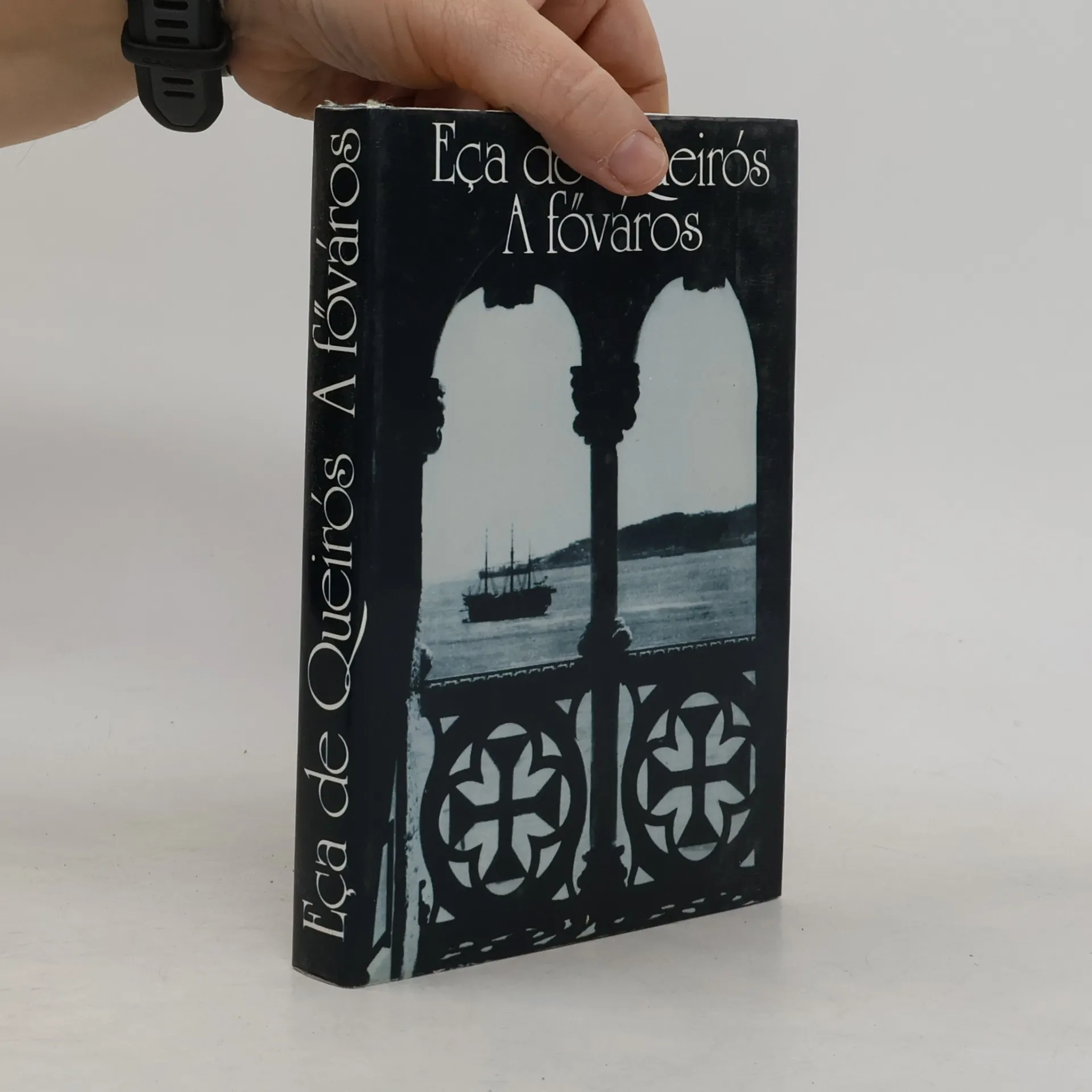
Kniha představující neznámou tvář portugalského klasika (1845–1900) sestává z dochovaných dopisů čerstvě zesnulého „nejzajímavějšího Portugalce 19. století“, uvedených osobní vzpomínkou jeho přítele. Carlos Fradique Mendes je zde velmi konkrétně určen jako dandy, rentiér, kosmopolita, dobrodruh, polyhistor a odmlčevší se básník, přesto však lze mluvit o „korespondenci jedné abstrakce“. Na pohled autentický vydavatelský počin totiž navazuje na romantickou tradici „nalezeného rukopisu“ a od Fradikovy schopnosti dočasně přitakat rozličným absolutním pravdám je už jen krok k modernistické heteronomii, bujení nezávislých tvůrčích osobností v jediném autorském subjektu. Prozatím se nám pod rouškou reality, která je fikcí, s neodolatelným humorem předkládá ironická suma západního myšlenkového světa konce 19. století a v konfrontaci s ním se klade se otázka pravé portugalské identity. Doprovodnou studii napsala Vlasta Dufková.
José Maria Eca de Queiroz Ordine dei libri (cronologico)
José Maria Eça de Queirós fu un romanziere portoghese che introdusse il Naturalismo e il Realismo nella letteratura portoghese. Le sue opere, spesso intrise di ironia e critica sociale, esponevano le mancanze della società tradizionale portoghese e miravano alla riforma. Eça de Queirós è considerato il più grande romanziere portoghese del XIX secolo, con una reputazione internazionale che si estendeva oltre i confini della sua patria. Il suo stile unico e il suo acuto ritratto della natura umana fanno sì che la sua scrittura risuoni ancora oggi nei lettori.
"A Capital" traz-nos as aventuras e desventuras de Artur Corvelo, um jovem sonhador e romântico que ambiciona uma carreira literária que lhe granjeará a fama e o elevará ao Olimpo da intelectualidade lisboeta. Depois de ter sido obrigado a interromper os estudos em Coimbra e a buscar abrigo na casa de duas velhas tias na província, onde a pacatez da vida rural o vai estiolando, uma inesperada herança permite a Artur realizar o seu sonho: mudar-se para a capital em busca da ambicionada glória nas letras. Mas a sociedade lisboeta que tanto deslumbra o jovem acaba por não ser exactamente como ele imagina… Publicado postumamente, "A Capital" constitui um fabuloso retrato do meio social e intelectual da Lisboa de finais do século XIX, bem ao estilo mordaz e acutilante de Eça de Queirós.
Daždivý deň
- 108pagine
- 4 ore di lettura
Zbierka piatich vybraných poviedok od významného portugalského realistu Eçu de Queirósa, nazvaná po jednej z poviedok Daždivý deň. Hoci Eça žil a tvoril v druhej polovici 19. storočia, vďaka svojmu rozprávačskému majstrovstvu, nevtieravému humoru a prenikavému pozorovaciemu talentu v ničom nezaostáva za súčasnými spisovateľmi. Ukáže vám Portugalsko, ako ho poznal on, a vy sa presvedčíte, že svet, v ktorom žil, sa od toho nášho až tak veľmi nelíši.
Contos Natal
Autores portugueses e estrangeiros intemporais
O mistério da estrada de Sintra
- 283pagine
- 10 ore di lettura
Colecção BI.077 O Mistério da Estrada de Sintra é a primeira narrativa de cariz policial da literatura nacional.
Dedalus European Classics: The Tragedy of the Street of Flowers
- 320pagine
- 12 ore di lettura
The Tragedy of the Street of Flowers was discovered amongst the author's papers after his death, and was only published in Portugal in 1980. This is the first English translation, and its publication is timed to coincide with the centenary of Eca's death." "One night at the theatre, Vitor da Silva, a young law graduate, sees a strikingly beautiful Genoveva de Molineux. She claims to have been born in Madeira and to have lived for many years in Paris. The truth about her past gradually begins to surface, as does the terrible secret that lies behind the overwhelming mutual attraction between her and Vitor. Eca brilliantly dissects a world in which only surface counts, providing the reader with a vivid and gripping portrayal of a society and class consumed by hypocrisy, greed and materialism."--
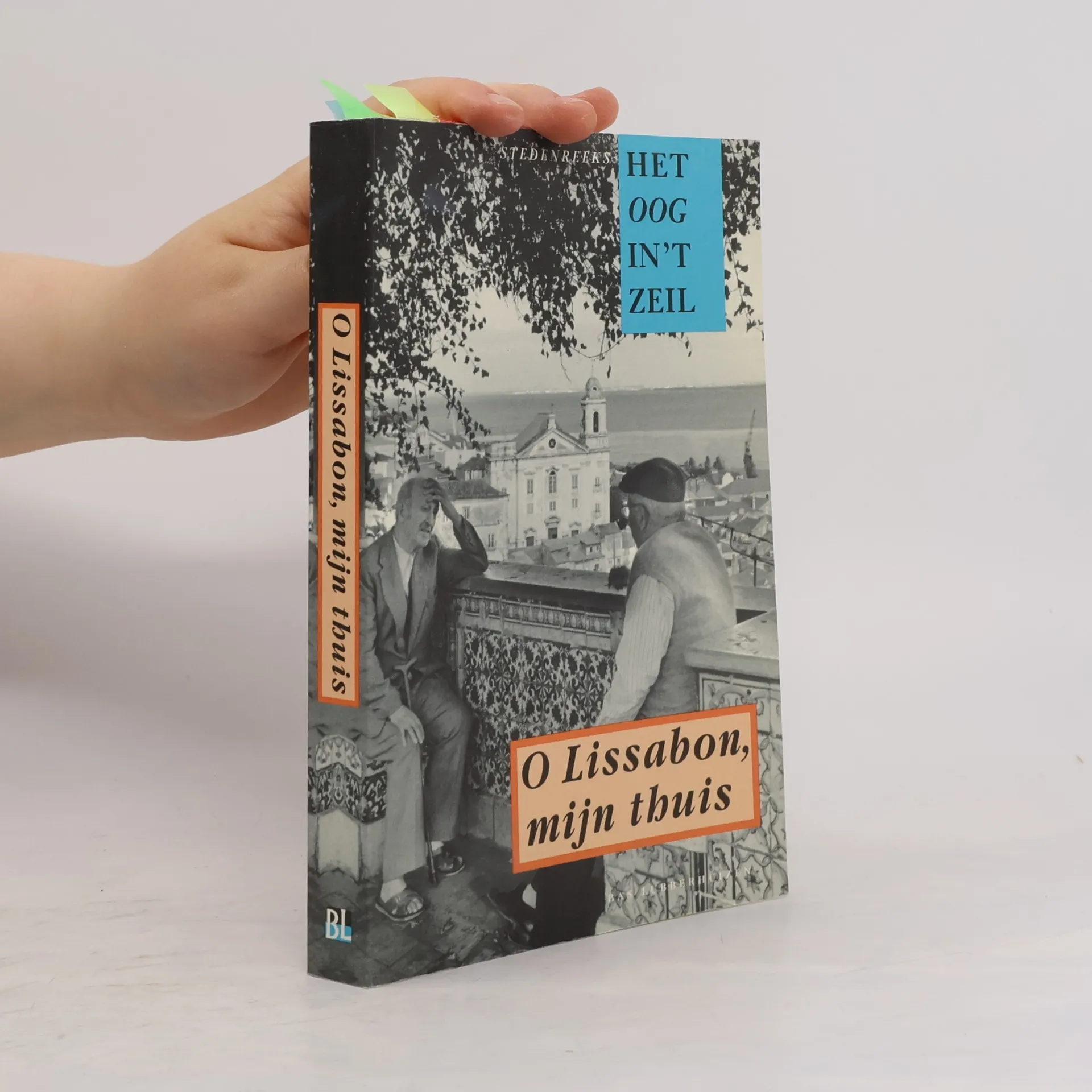
Wie aan Lissabon denkt, denkt aan Camões, Pessoa en Slauerhoff, drie schrijvers die in O Lissabon, mijn thuis ruimschoots aan bod komen. Maar de letterkundige geschiedenis van Lissabon is zoveel rijker. Wat hadden bijvoorbeeld William Beckford, Robert Southey en Lord Byron in de Portugese hoofdstad te zoeken? Wie was de dichter Cesário Verde, door Pessoa beschouwd als zijn 'Meester'? Hoe dacht Eça de Queiroz, Portugals grootste en venijnigste prozaschrijver, over Lissabon? Wat deden F.C. Terborgh en Antonio Tabucchi daar? Hoe voltrok zich de modernistische revolutie in de Portugese poëzie? En wat verbindt de schrijvers José de Almada Negreiros en José Cardoso Pires? Of José Saramago en António Lobo Antunes? De letterkundige opstellen - van o.a. August Willemsen, J. Rentes de Carvalho, Harrie Lemmens en Arie Pos - worden afgewisseld door beschouwingen over de mysterieuze kunstverzamelaar Calouste Gulbenkian, over azulejos, de typisch Portugese tegels, en over de fado, de niet minder typisch Portugese liedkunst. Bovendien bevat O Lissabon, mijn thuis, naast bijzondere foto's en schitterende tekeningen van Frits Müller, een schat aan vertaalde teksten van Camões, Pessoa, Mário de Sá-Carneiro en José de Almada Negreiros.
Román největšího portugalského prozaika 19. století zachycuje proměnu mladého muže ze zastánce městského života na milovníka venkova. Eça de Queiroz se na příběhu dvou přátel, Hyacinta a Josého, zamýšlí nad hodnotou technických a civilizačních vymožeností městského způsobu života konce 19. století. Bohatý Hyacint, jakožto představitel městského stylu, cítí odpor k venkovu a manuální práci, zatímco José se s městem vyrovnává obtížněji a varuje před jeho negativními dopady na lidskou inteligenci. Když Hyacint odjíždí ze svého pařížského domu na venkovskou usedlost v portugalských horách, plánuje si zmírnit nepohodlí, avšak ztráta předem poslaných věcí ho donutí improvizovat. Postupně se propadá do krás horské přírody a idylického venkovského prostředí. Autor s jemným humorem rozvíjí téma obrody prostřednictvím návratu k historickým kořenům a tradicím, varuje před negativy civilizace a označuje město za iluzi, v níž skončila mravní svoboda člověka. V románu je plasticky vykreslen obraz Paříže i svérázní obyvatelé portugalských hor, což činí toto dílo výjimečným v jeho odkazu.
Eça's English Letters
- 208pagine
- 8 ore di lettura
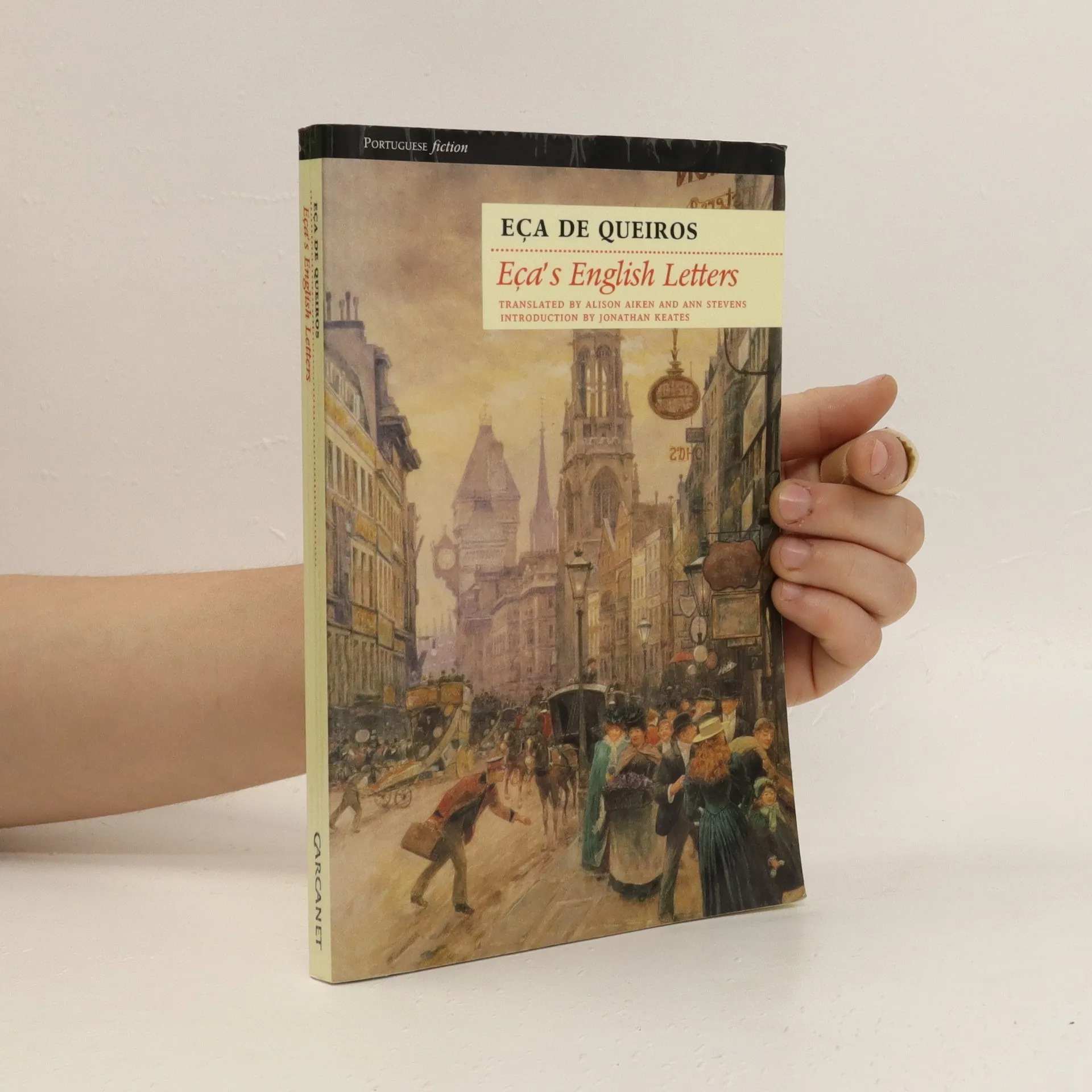
England in the 1880s: the aristocracy stoically endures the tedium of country-bound weeks in winter, when fashion forbids their showing themselves in London. Lord Beaconsfield's death is mourned - and a national myth is buried. The Times remains the watchdog of the English conscience. Abroad, John Bull is sweetly reasonable; Irish rebels must not be allowed to incommode English landlords; Egyptian rebels must by taught to respect their established rulers (and of course, British interests must be safeguarded). Meanwhile, in Newcastle-upon-Tyne, an obscure young Portuguese consul, Eca de Queiros, writes regular letters to his Brazilian readers, giving a dry, gently amused, if not wholly impartial, account of these and other English activities. If his facts are sometimes a shade garbled, ad his irony occasionally cruel, his descriptions of people, places and events are always lively and vigorous. He shows a propoensity for blowing raspberries at our more venerable institutions - the Times he finds incessently amusing - but, read as a corrective to the British propoganda of the period, "Letter from England" provide a vivid glimpse of late-Victorian Britain as an eminently civilized European would have seen it.
Die Rose
- 55pagine
- 2 ore di lettura
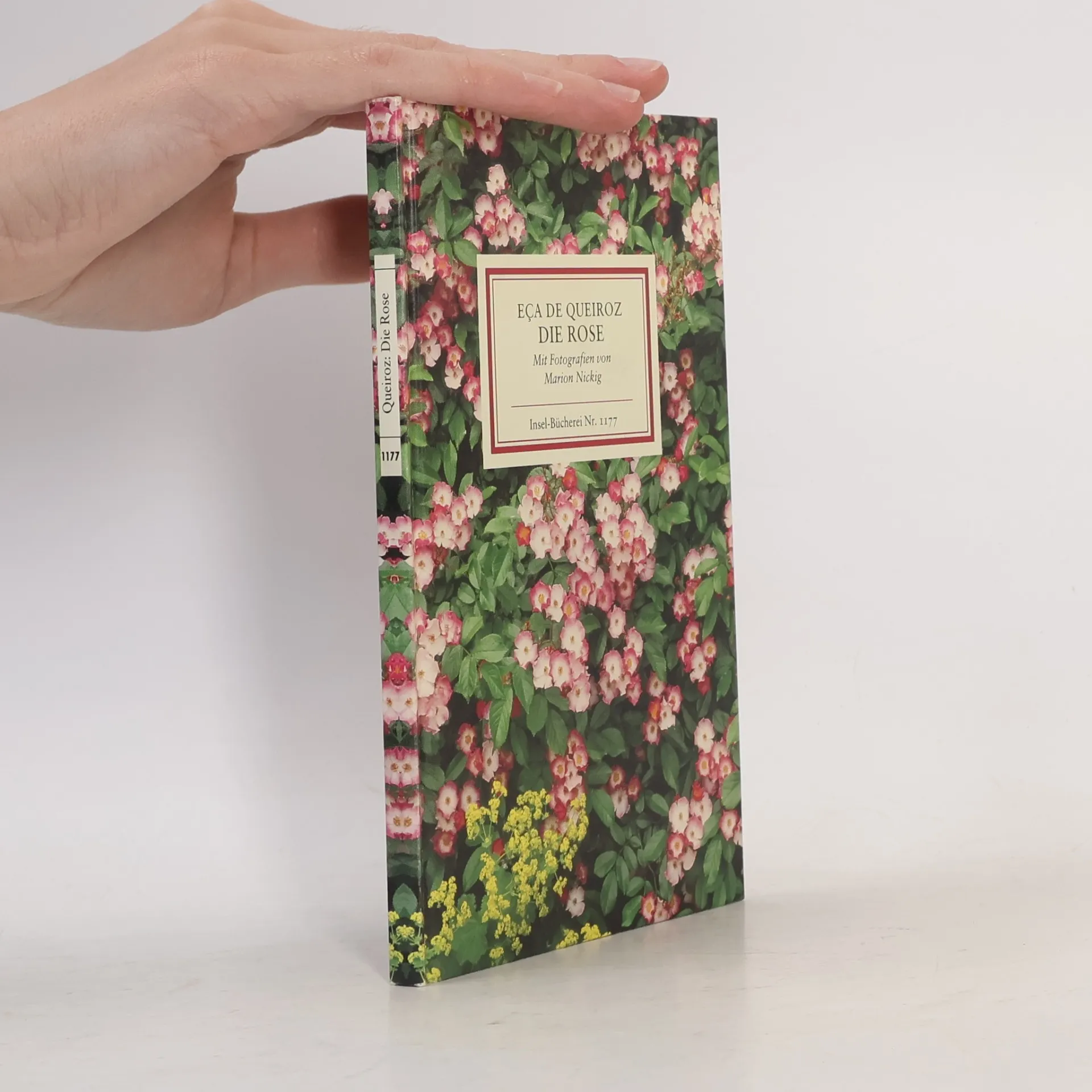
Eca de Queiroz (1845-1900), einer der bedeutendsten Romanciers Portugals, schreibt in diesem Essay eine kleine Kulturgeschichte der Rose, weil es nie eine andere Blume gab, die einen herrlicheren Triumph errungen hatte . An allem, was den Menschen tief berührt, war immer die Rose beteiligt, und die ganze Kultur seit der Antike wird von ihrem Wohlgeruch durchdrungen. Sie verschönt die Liebe, tröstet im Tod. Mit ihr wurden alle bekränzt, die Triumphe errungen hatten. Die Cäsaren hatten sie zur Blume des Staates und die Päpste zur Blume der Kirche erhoben. Ohne ihren Wohlgeruch ist jedes menschliche Fest unvollständig. Und vom Morgen- bis zum Abendland verkünden und überliefern alle Kulturen nacheinander den großen Kult der Rose. Welch wunderkräftige Blume!
Nachwort von Klotz, Volker Erzählungen. 158 S.
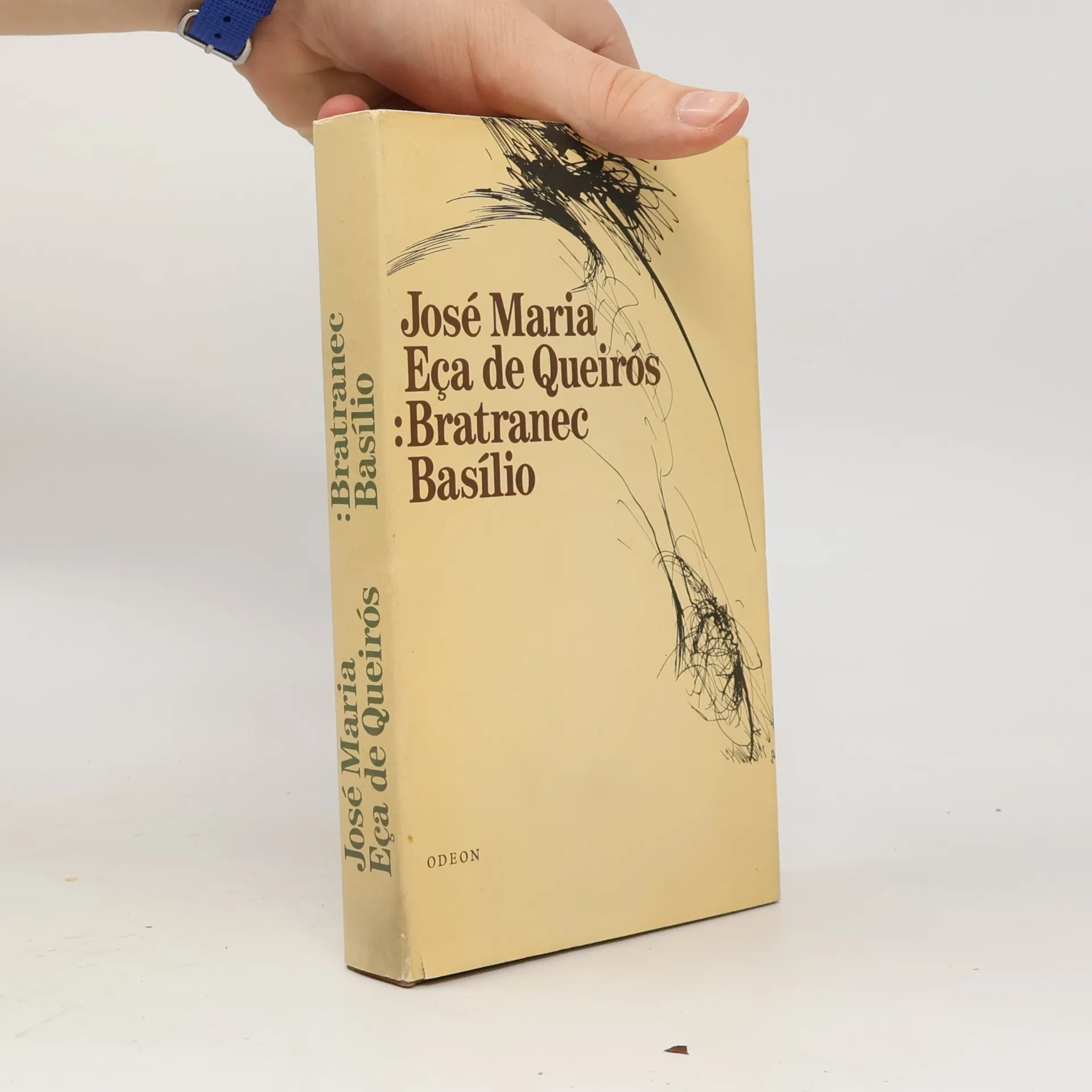
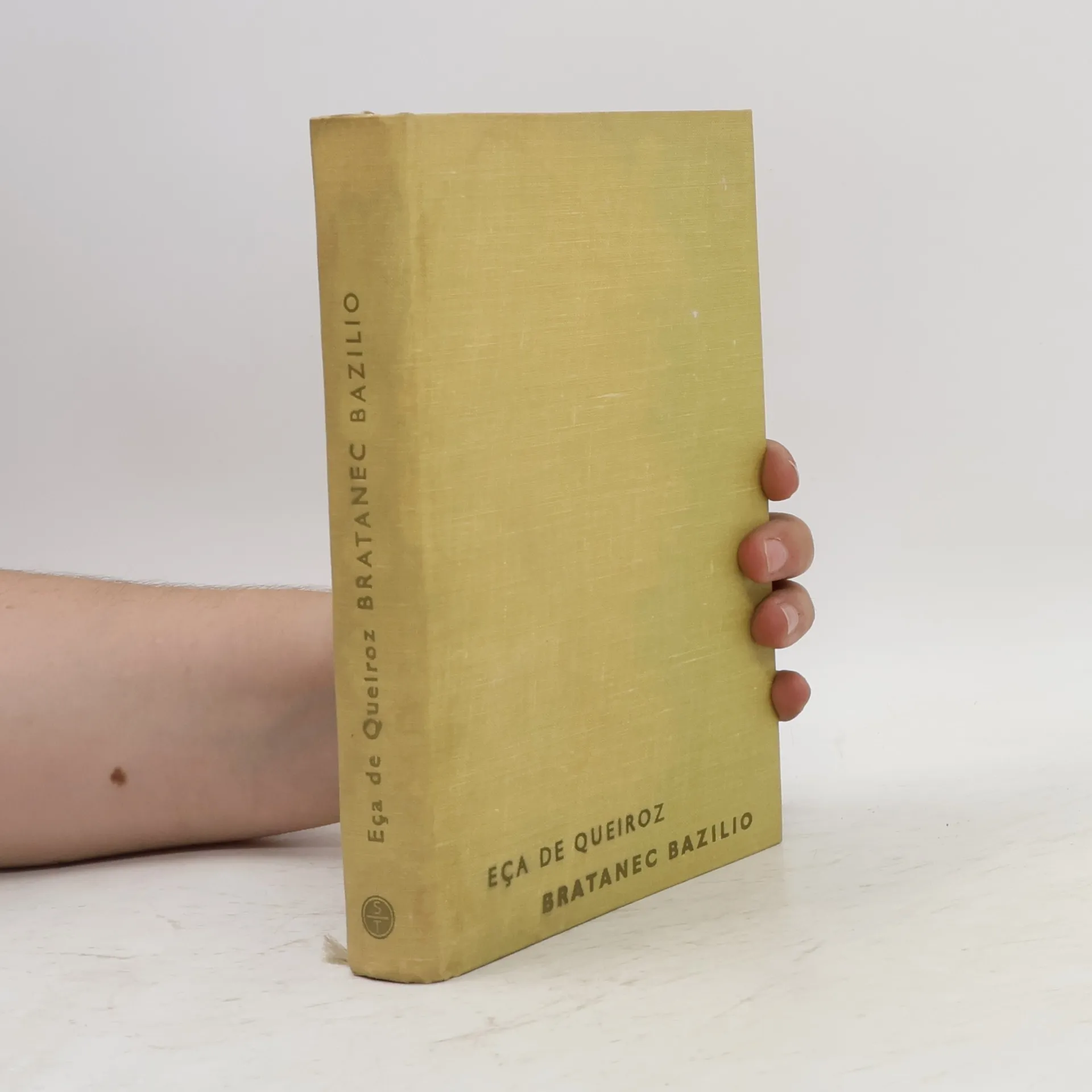
Bratranec Basílio
- 388pagine
- 14 ore di lettura
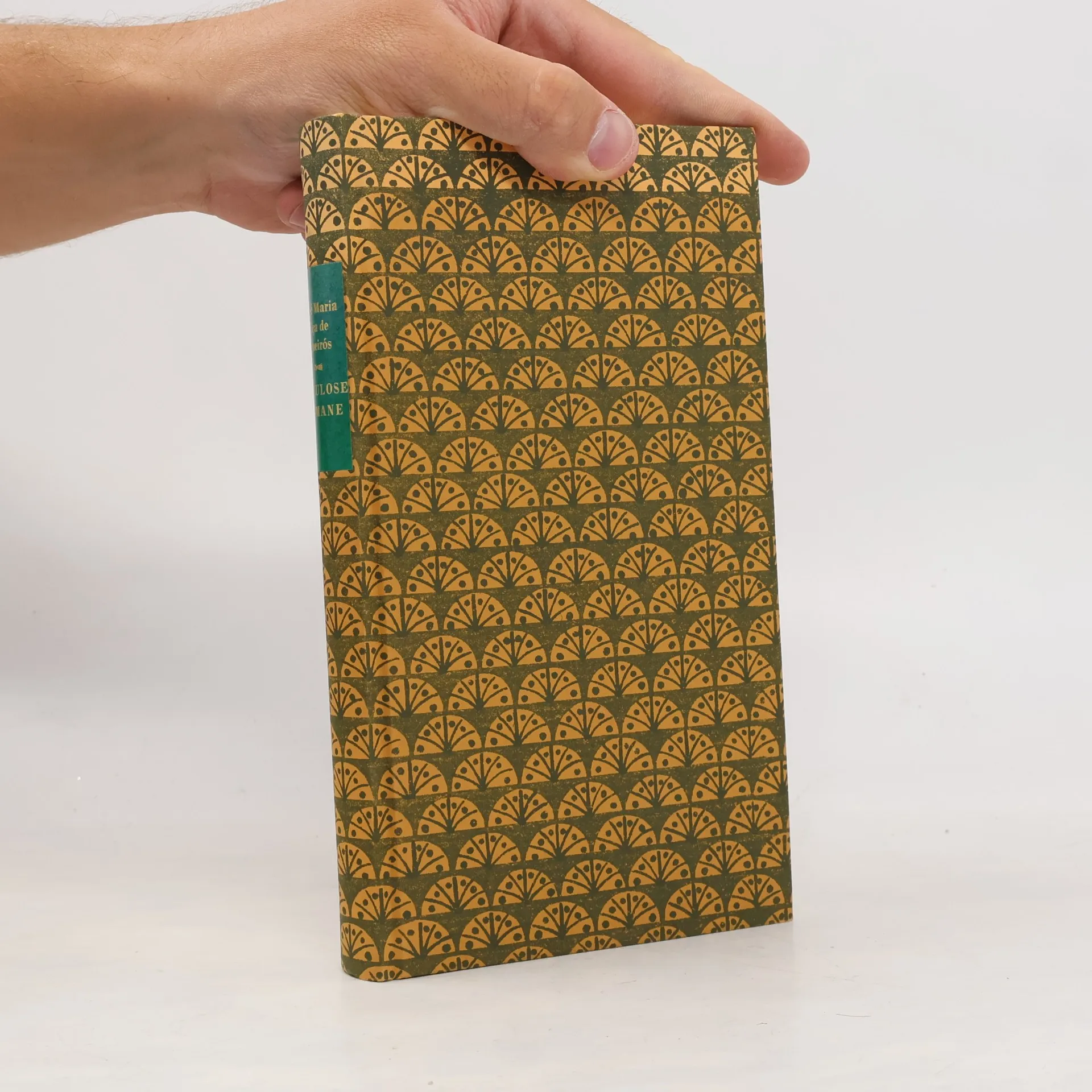
Treulose Romane. Basilio und Alves & Co.
- 374pagine
- 14 ore di lettura
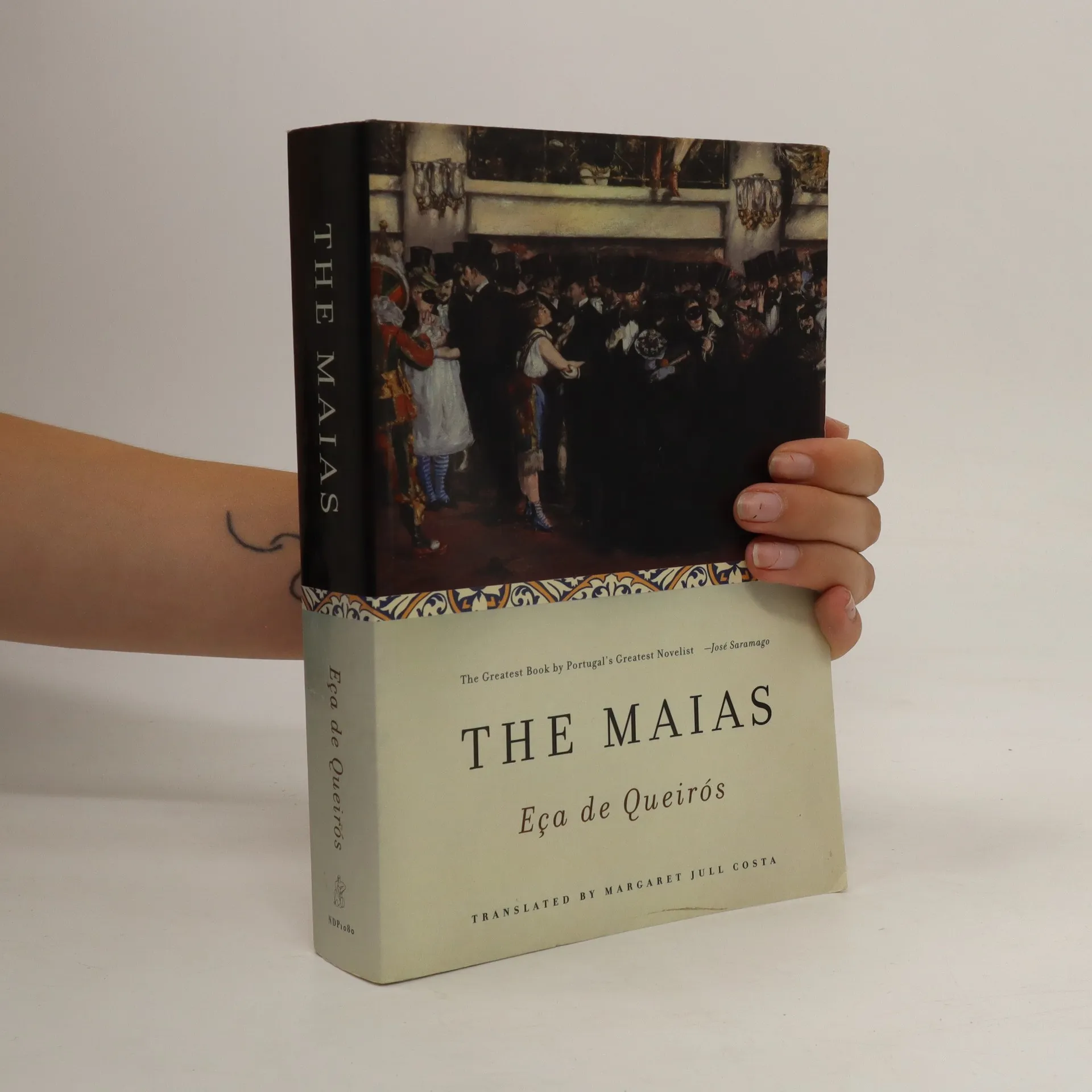
Carlos, heir to a great fortune, becomes a doctor and drifts along spending time at the theater, reading, and having affairs, until he falls deeply in love but has to hide a terrible secret.
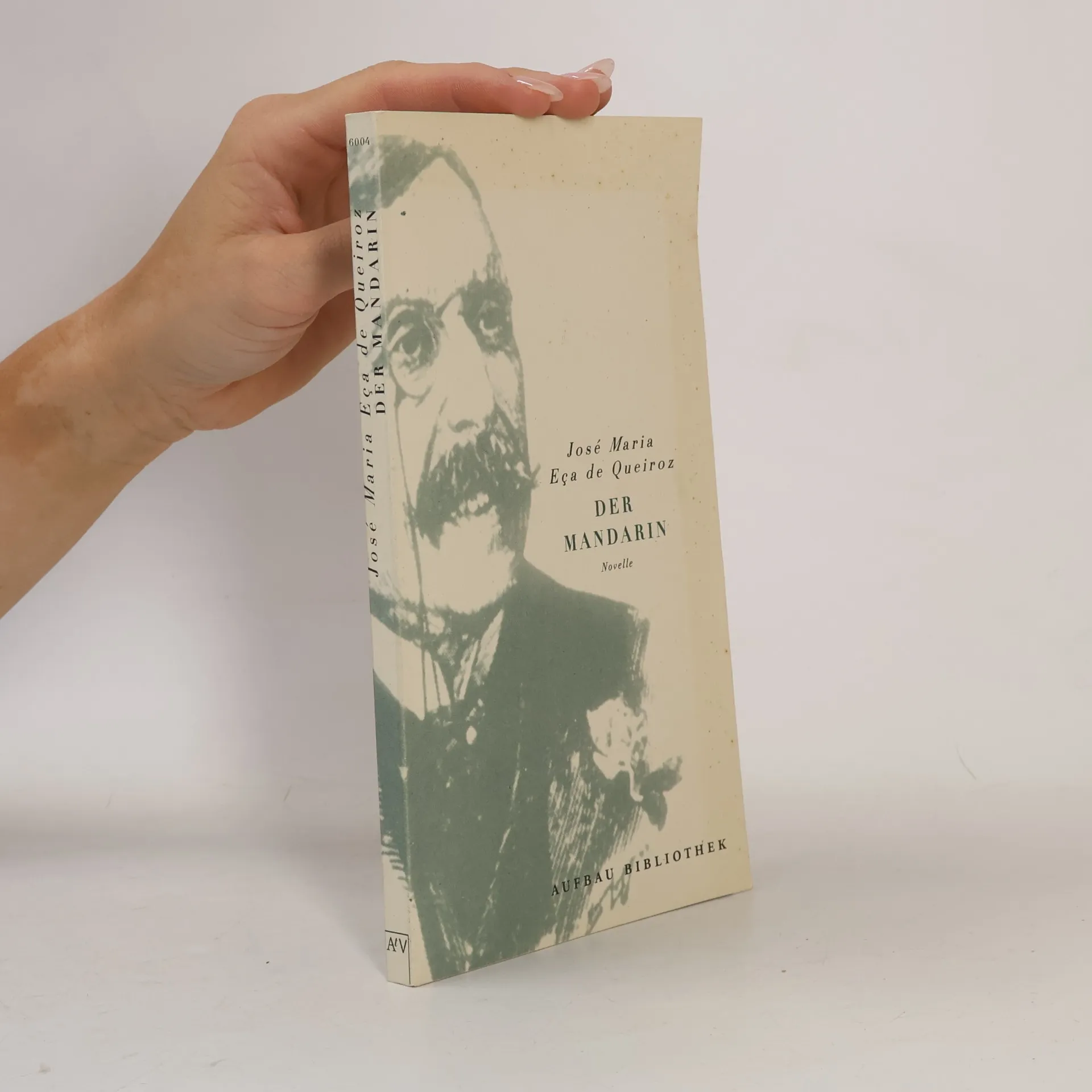
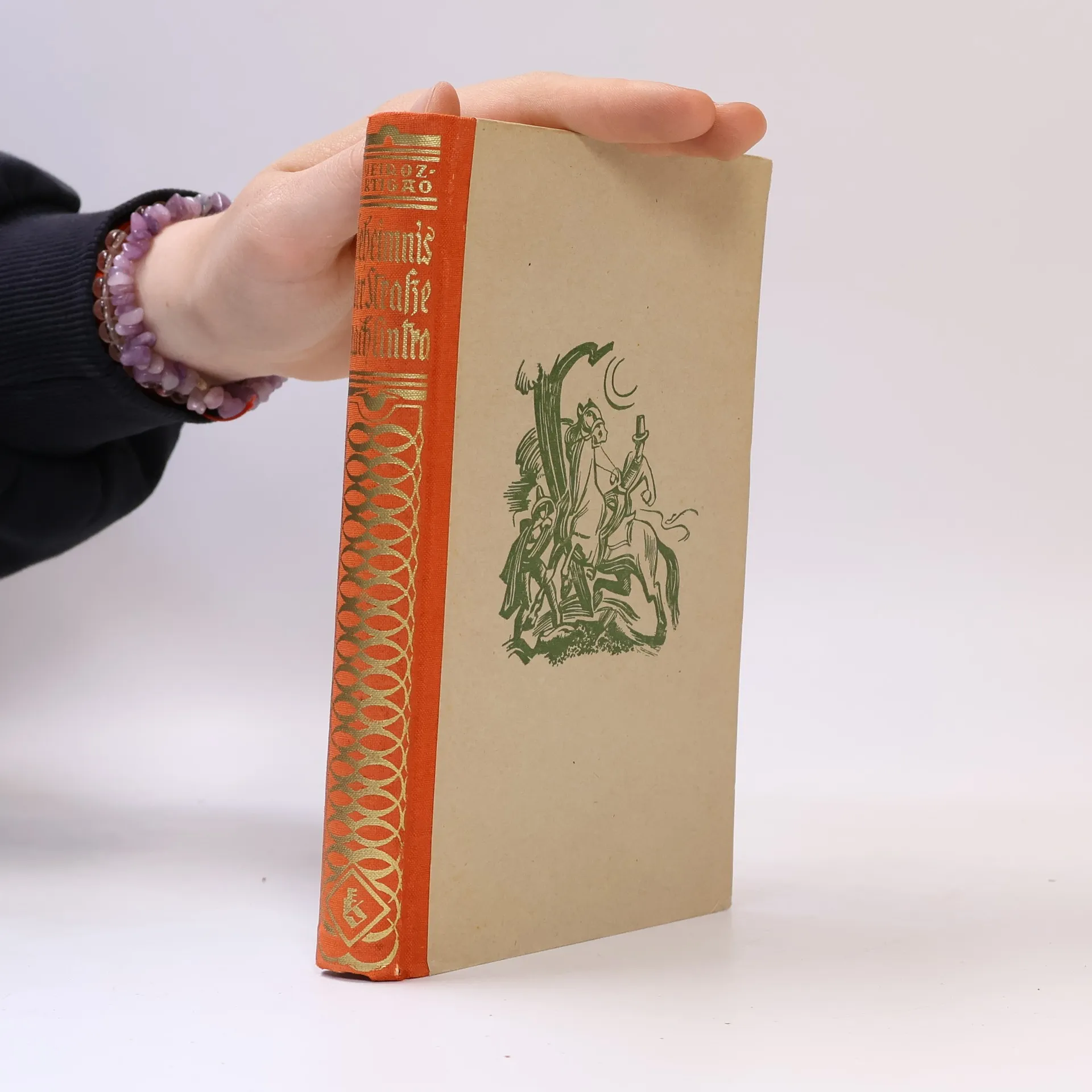
Geheimnisvolle und teufelische Mächte lassen den kleinen Regierungsbeamten Teodoro zum Mörder an einem Mandarin im fernen China werden und spielen ihm dessen märchenhaften Reichtum in die Hände. Über Nacht ist er ein vielumworbener Mann geworden, Pracht und Glanz umgeben ihn. In seinen nächtlichen Träumen aber wird er von dem Phantom des Ermordeten heimgesucht...
Román (Hrabě d’ Abranhos, 1925) a novelu (Alves a spol., 1925) spojuje nejen společenskokritický pohled, ale navíc i ironie a vtip, první próza je oslavnou biografií smyšleného konzervativního politika - bezzásadového kariéristy, druhá líčí nevěru vdané ženy a důsledky nevěry v tehdejšíměšťácké společnosti.
A Revived Modern Classic: The Illustrious House of Ramires
- 324pagine
- 12 ore di lettura
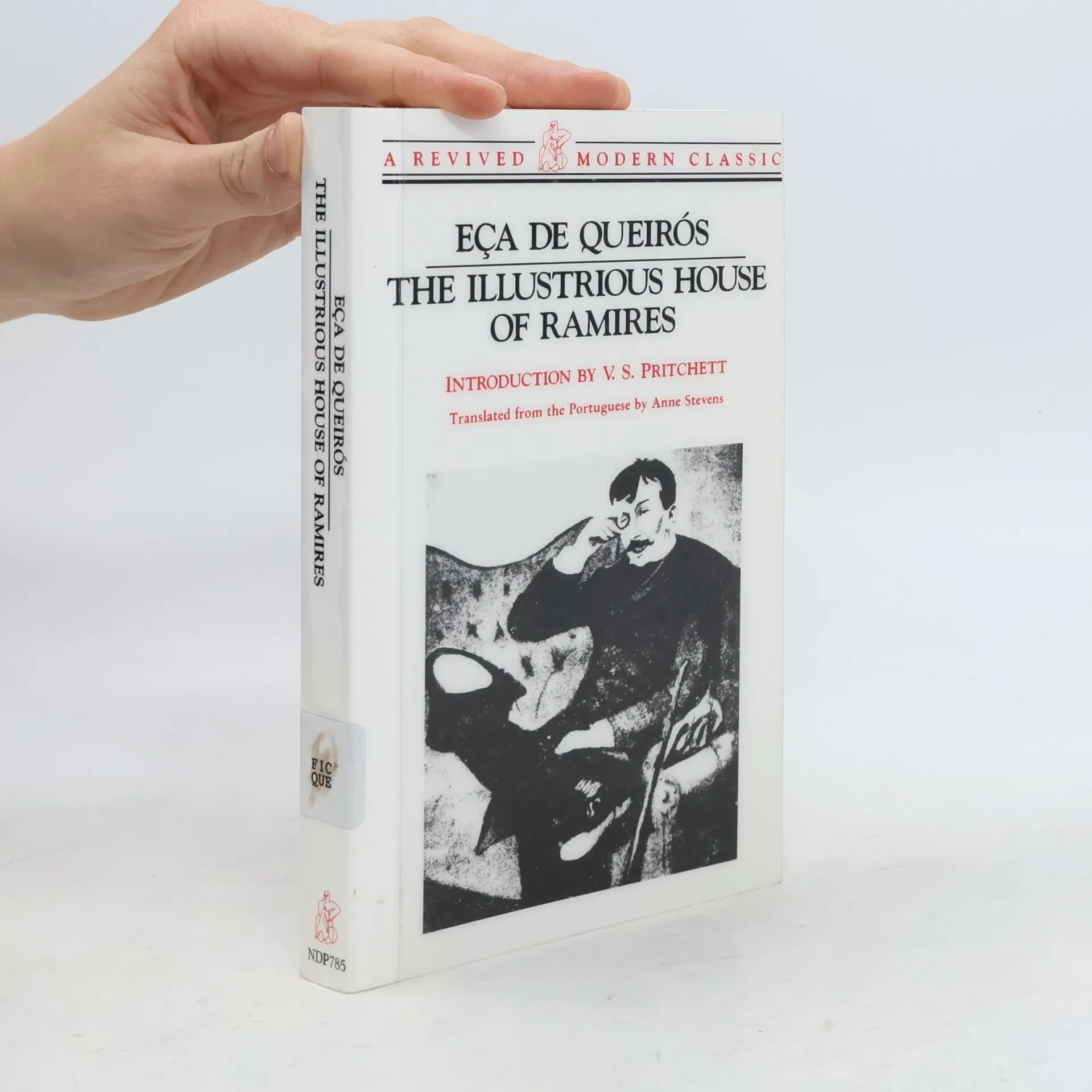
"Eça de Queiros (1845-1900) ought to be," as the London Observer stated, "up there with Balzac, Dickens, and Tolstoy as one of the talismanic names of the nineteenth century." His superlative penultimate novel, The Illustrious House of Ramires (1900) centers on Gonçalo Ramires, heir to the most noble family of Portugal. Gonçalo, charming but disastrously effete, muddles through his life while writing a historical novel based on the heroic deeds of his ancestors. "The record of their valour is ironically counterpointed by his own chicanery. A combination of Don Quixote and Walter Mitty, he is continually humiliated [but he] is at the same time kindhearted .... Ironic comedy is the keynote of the novel .... Eça de Queiros has justly been compared with Flaubert and Stendhal."( The London Spectator )
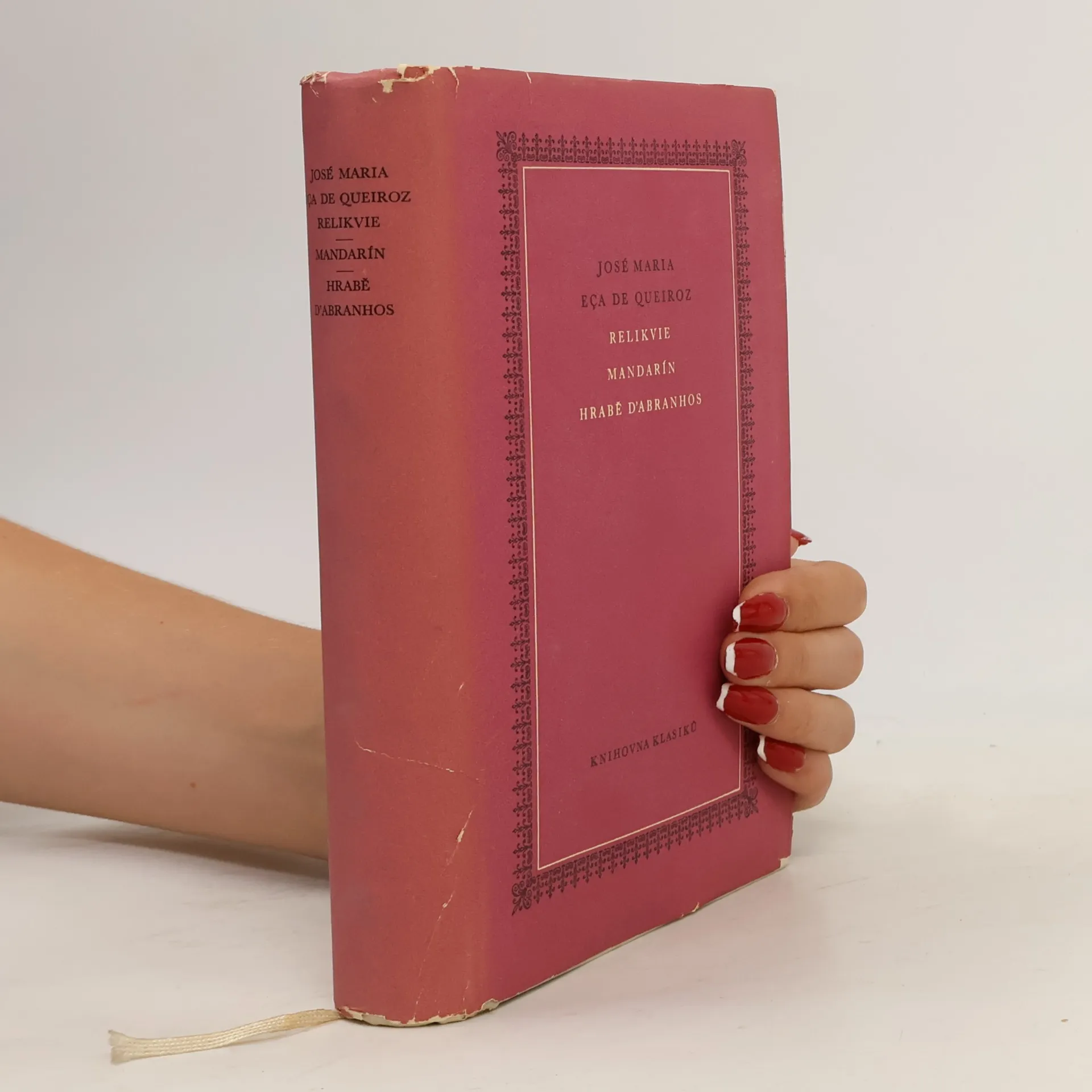
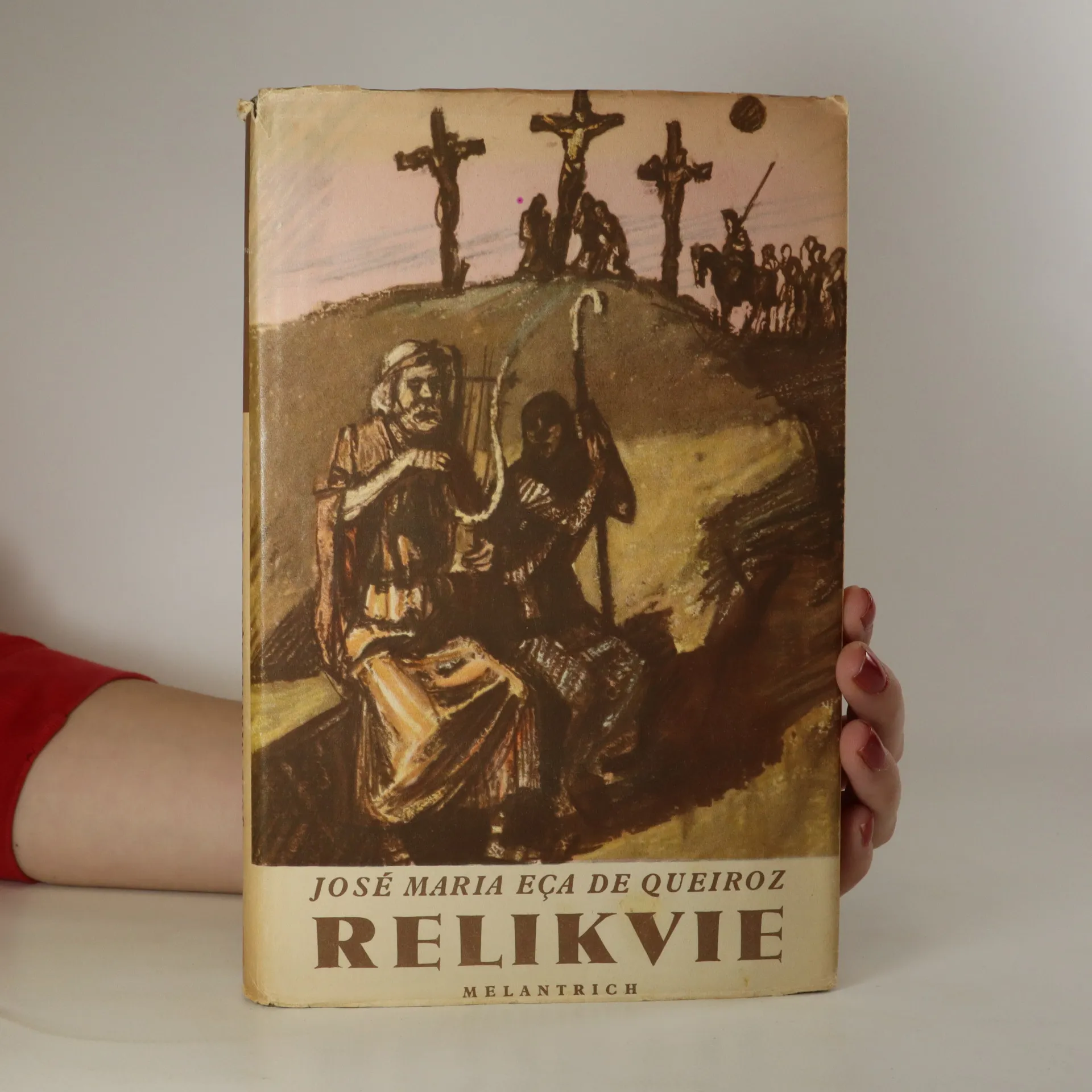
Svazek obsahuje tři texty Eçy de Queiroze: Relikvie (1887) je románová satira o cestě mladého pokrytce do Svaté země; Mandarín (1880) je proslulá fantastická povídka; satira Hrabě d'Abranhos (1925) je oslavnou biografií smyšleného konzervativního politika, napsaná jeho osobním tajemníkem.
Na životě jedné rodiny lisabonské velkoburžoazie podaná systematická studie portugalské společnosti v druhé polovině devatenáctého století. V postavě literáta jménem João da Ega zpodobil Eça tak trochu i sám sebe. Verše přebásnil Kamil Bednář.
Román portugalského autora z edície Svetových klasikov. Hlavnú dejovú niť tvorí životný príbeh vzdelaného a bohatého Portugalca, žijúceho v Paríži Jacintha. Jeho mottom je, že človek môže byť len vtedy šťastný, keď je civilizovaný, preto sa obklopí výdobytkami techniky, no chýba mu mravné zdravie. Je nešťastný, prepadá nude a stráca duševnú rovnováhu.
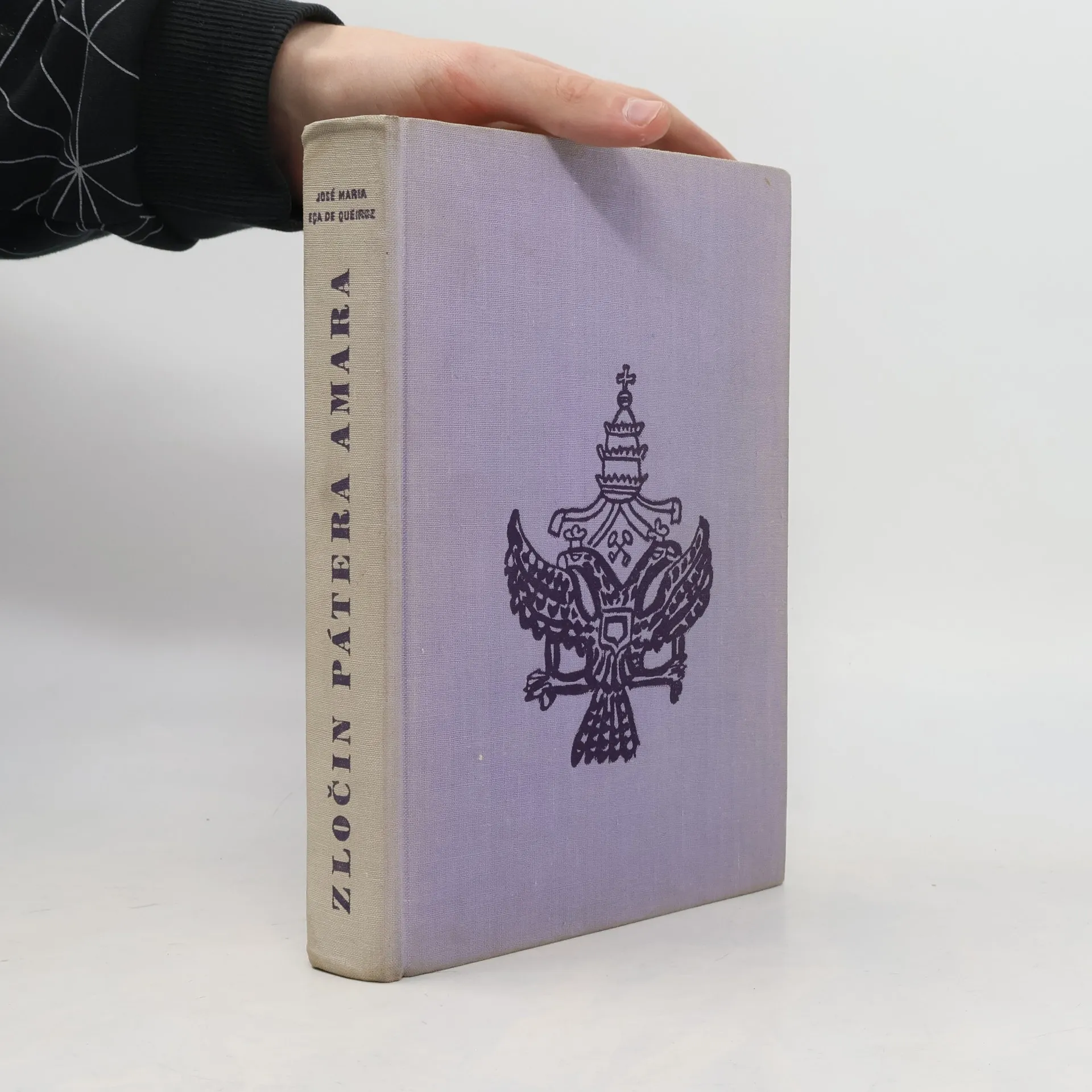
Zločin pátera Amara
Výjevy z nábožného života
Román nejvýznamnějšího portugalského spisovatele podává nelítostnou analýzu portugalského maloměšťáckého prostředí a kritiku klerikalismu a života duchovenstva na sklonku 19. stol. Jeho děj se odehrává na malém provinčním městě během jednoho roku. Je zalidněn vtipně a mnohde i s ironickým postřehem vykreslenými postavami a postavičkami z řad maloměšťáků i duchovních, kteří se točí kolem stěžejní dvojice románu, kolem pátera Amara a mladé dívky Amélie, kteří se milují. „Zločinem“ zde není míněno překročení církevního předpisu o kněžském celibátu, ale skutečný „světský“ zločin, trestný podle kteréhokoliv státního zákoníku, jehož se Amáro dopouští, aby se zbavil nežádoucích následků své „lásky“ s Amélií.
Parodující satira na pokryteckou vnější zbožnost a katolickou hierarchii. Hrdinou románu je mladý muž, který usiluje o jmění své bigotně tupé tety. Již se zdá, že zvítězil nad svými soupeři o dědictví, Ježíšem Kristem a církví svatou, tetička v něm počíná vidět světce. Jeho vítězství má dotvrdit trnová koruna, kterou tetince přiváží z Jeruzaléma. Avšak když je balíček třesoucíma se rukama tety rozbalen, společnost v kapli padá do mdlob: místo koruny zjeví se kraječková noční košile jeruzalémské prostitutky. Je vyděděn. Nějaký čas si však žije dobře. Rozprodává ostatní relikvie, které přivezl ze Svaté země – podaří se mu udat přes sedmdesát hřebíků z Kříže. Ale pak je trh nasycen a přišla bída. Nakonec poznává, že „ne Ježíš, ale Svědomí“, přestává být pokrytcem a zakládá si poctivou občanskou existenci.
The Relic
- 294pagine
- 11 ore di lettura
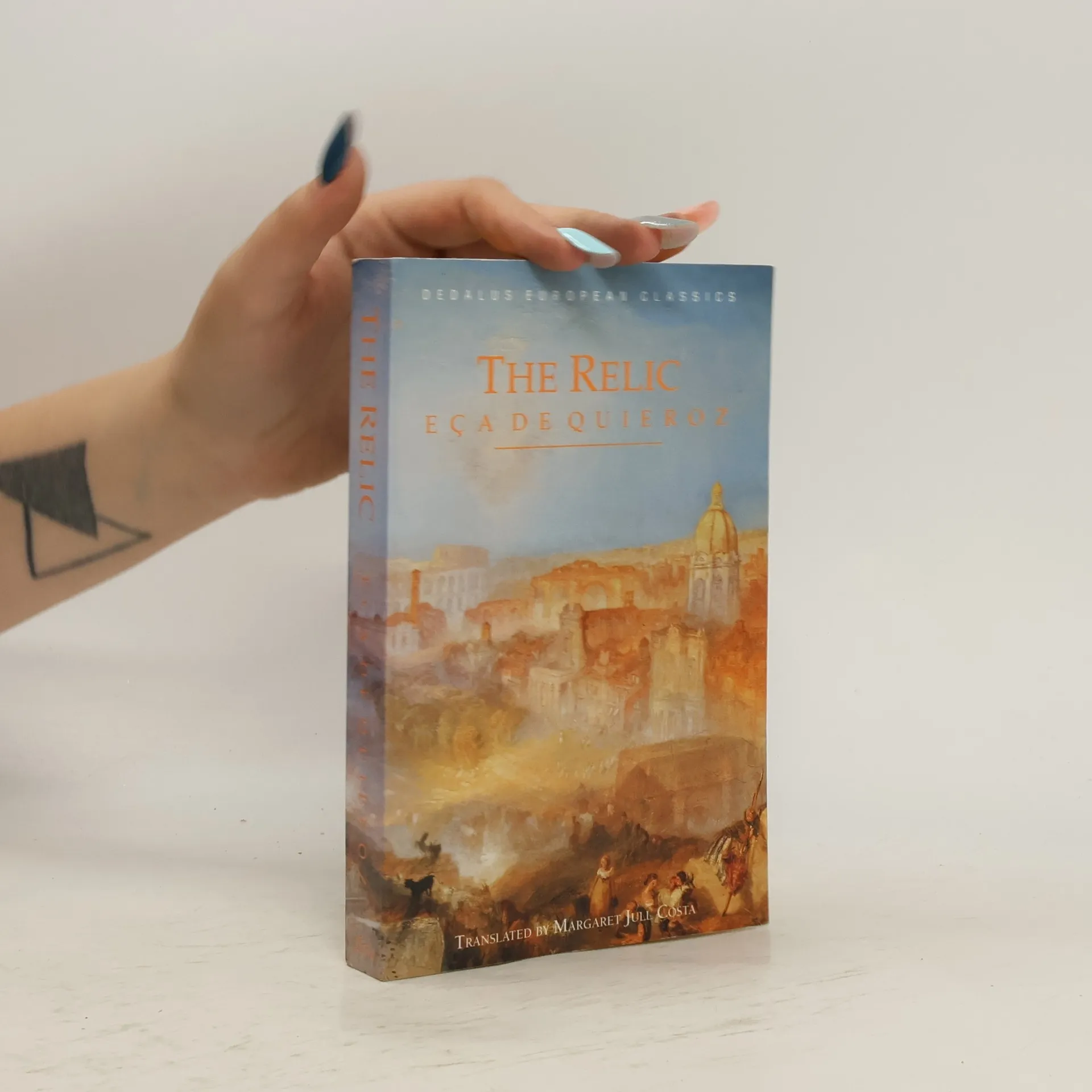
Teodorico Raposo, the novel's anti-hero, is a master of deceit, one minute feigning devotion to his rich, pious aunt in order to inherit her money; the next, indulging in debauchery. Spurred on by the desire to please his aunt, and in order to get away from his unfaithful mistress, Teodorico embarks on a journey to the Holy Land in search of a holy relic. The resulting fiasco is a masterpiece of comic irony as religious bigotry and personal greed are mercilessly ridiculed.
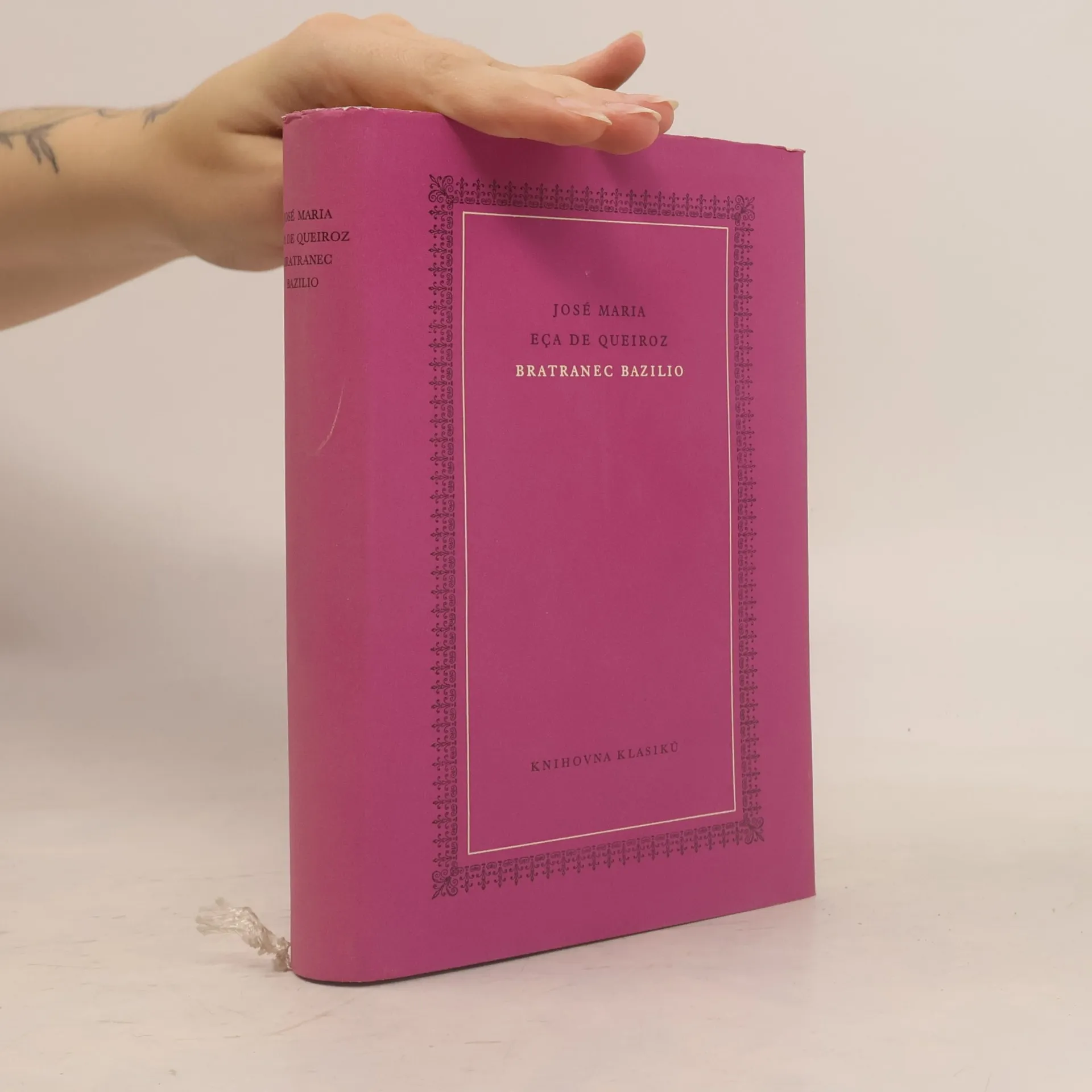
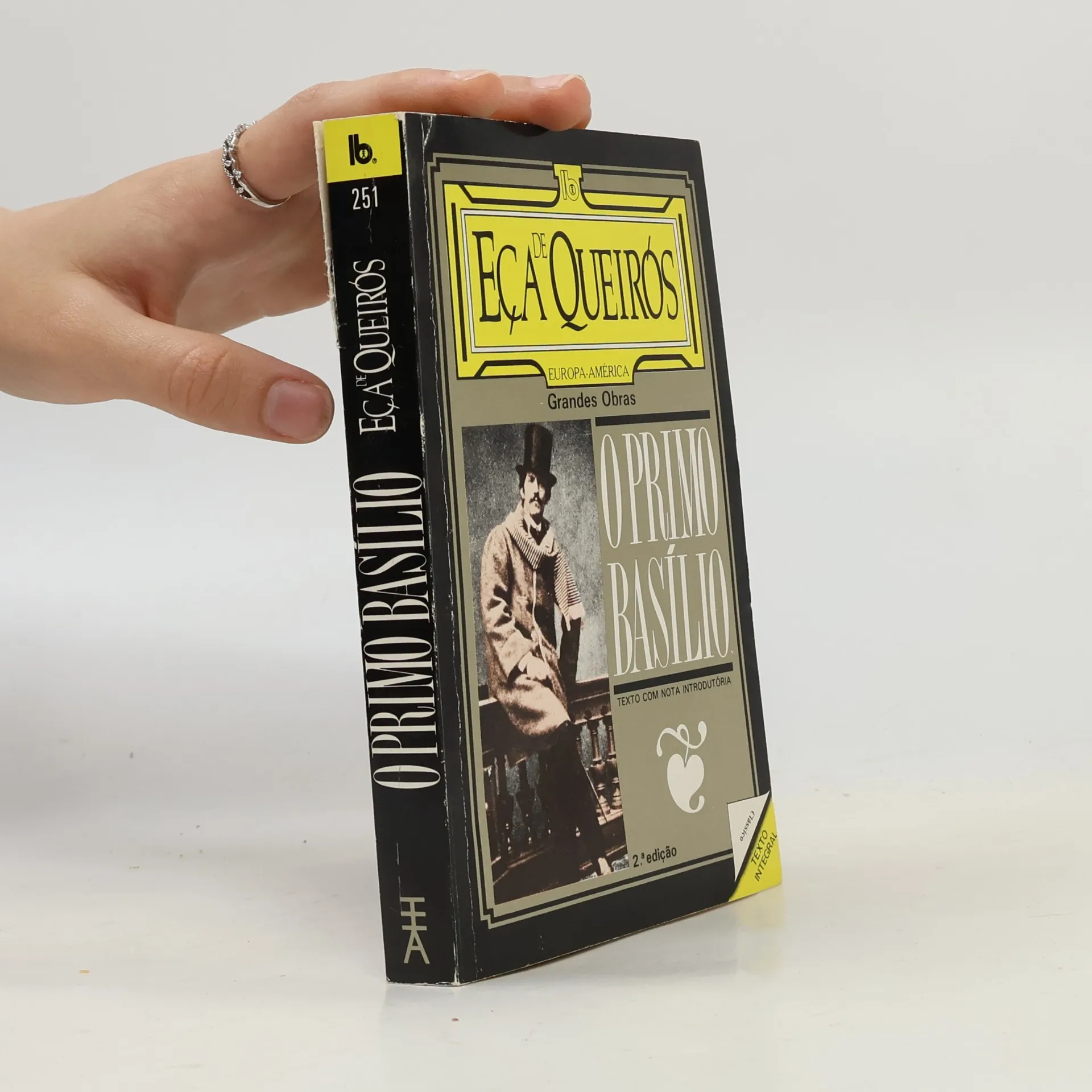
Primeiro grande êxito literário de Eça de Queirós, este romance é marcado por uma análise minuciosa da sociedade de seu tempo. O autor usou da ironia, da linguagem coloquial e direta e, principalmente, do olhar atento sobre o cotidiano para revelar a intimidade da vida burguesa. Luísa é casada com Jorge e leva uma vidinha tão segura quanto entediante. O sonho, o romantismo e o desejo são despertados pela chegada do primo Basílio à Lisboa. Ao optar pelo adultério como tema central, a intenção do autor era provocar a discussão. Eça é o grande mestre do romance português moderno e certamente o mais popular entre os escritores do século XIX em Portugal e no Brasil.