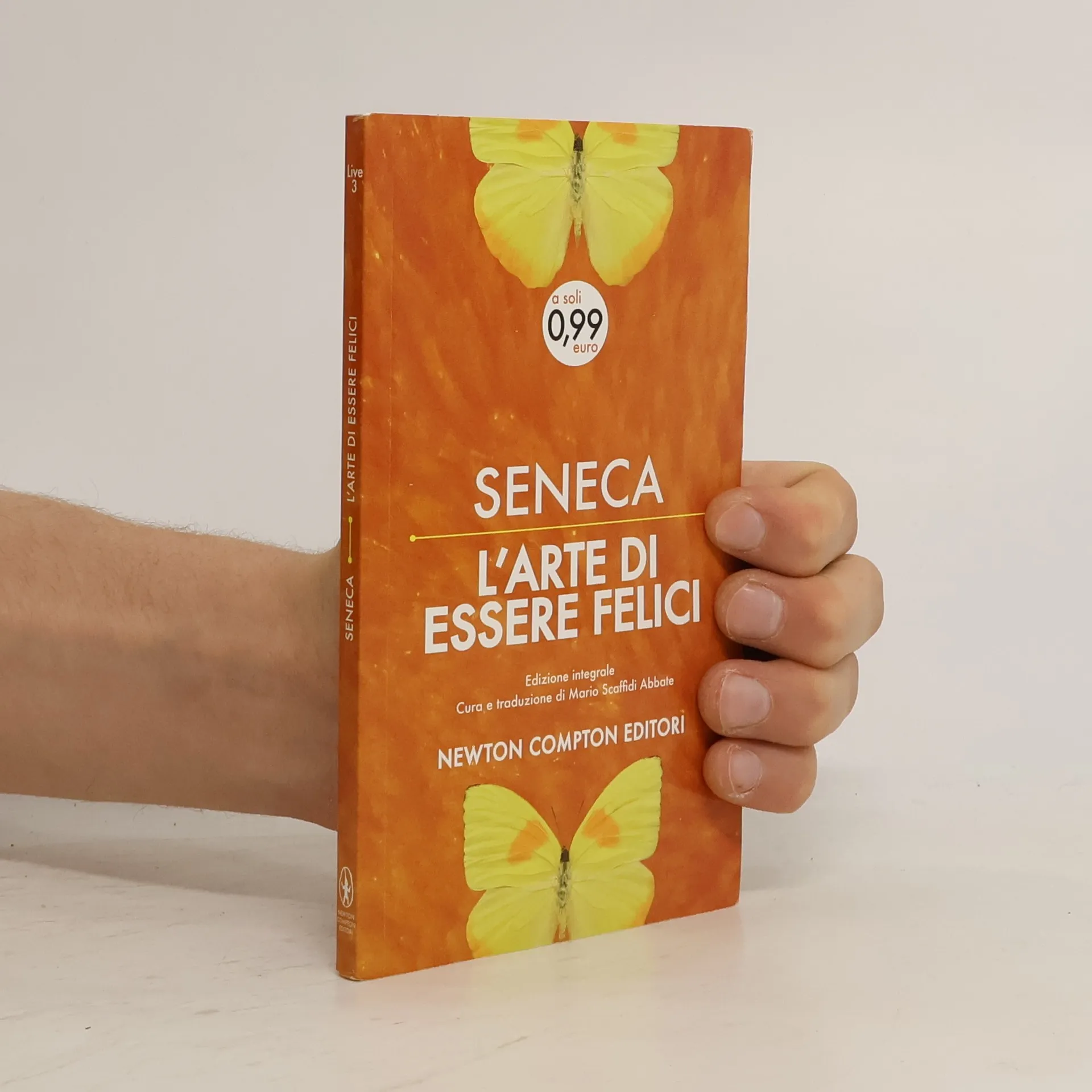
The Complete Tragedies, Volume 1
- 274pagine
- 10 ore di lettura


Seneca fu un filosofo stoico, statista e drammaturgo romano dell'età argentea della letteratura latina. Servì come precettore e poi consigliere dell'imperatore Nerone, plasmando il panorama intellettuale del suo tempo. I suoi scritti esplorano profonde questioni etiche e la ricerca della saggezza con un distintivo rigore filosofico e un'audacia drammatica. L'eredità di Seneca risiede nei suoi duraturi contributi al pensiero stoico e nella sua avvincente esplorazione della virtù e della resilienza umana.


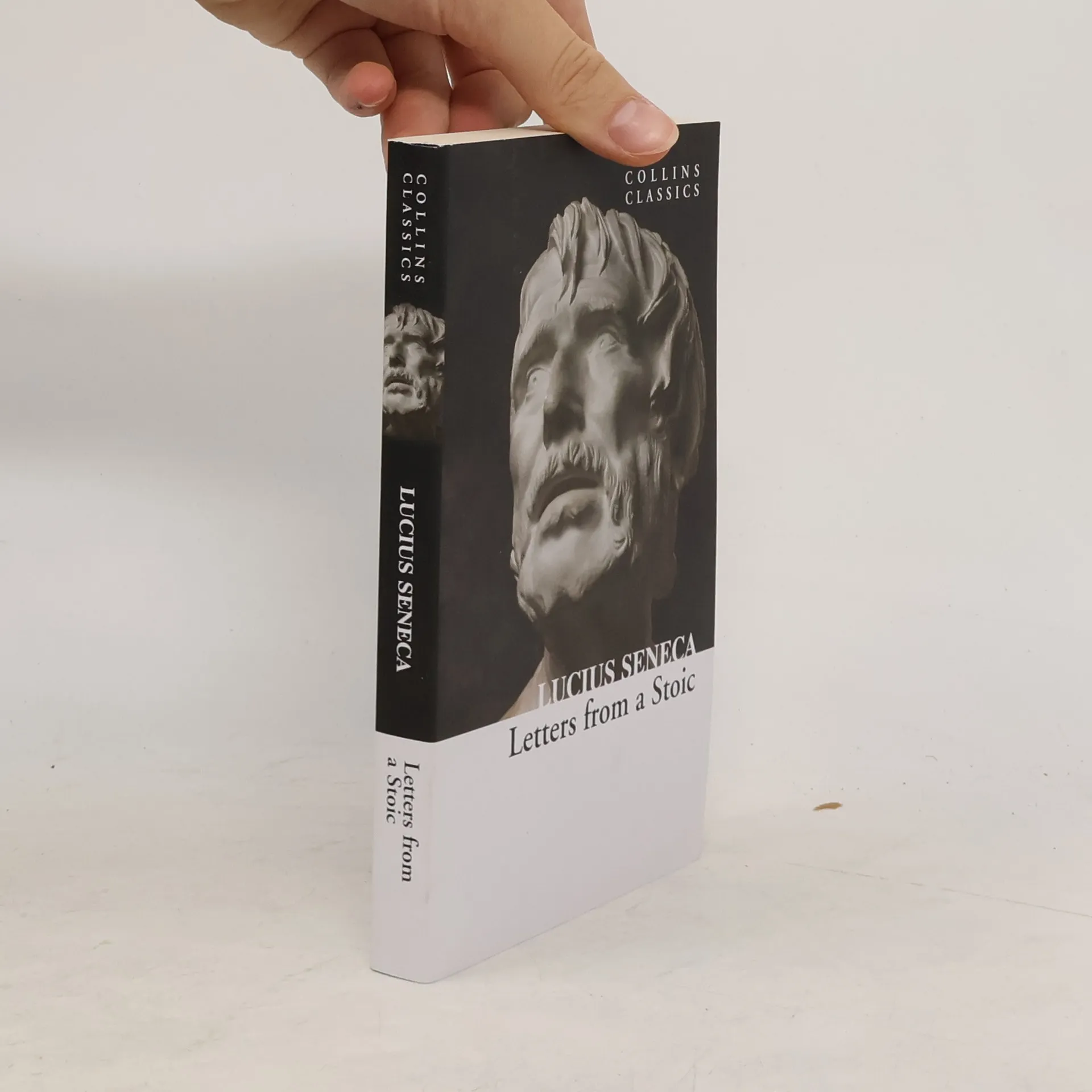

HarperCollins is proud to present its incredible range of best-loved, essential classics. No man can live a happy life, or even a supportable life, without the study of wisdom Lucius Annaeus Seneca (4 BC-AD 65) is one of the most famous Roman philosophers. Instrumental in guiding the Roman Empire under emperor Nero, Seneca influenced him from a young age with his Stoic principles. Later in life, he wrote Epistulae Morales ad Lucilium, or Letters from a Stoic, detailing these principles in full. Seneca's letters read like a diary, or a handbook of philosophical meditations. Often beginning with observations on daily life, the letters focus on many traditional themes of Stoic philosophy, such as the contempt of death, the value of friendship and virtue as the supreme good. Using Gummere's translation from the early twentieth century, this selection of Seneca's letters shows his belief in the austere, ethical ideals of Stoicism - teachings we can still learn from today.
A selection of Seneca's most significant letters that illuminate his philosophical and personal life.
Exploring the intricate dynamics of giving and receiving, Seneca's work delves into the moral complexities of relationships from a Stoic perspective. He emphasizes the importance of intention behind acts of generosity and the responsibilities that accompany receiving benefits. By examining gratitude and the ethical implications of generosity, Seneca encourages readers to reflect on their social interactions and moral conduct. This philosophical treatise remains relevant, offering timeless insights into kindness, reciprocity, and the nature of human relationships.
Exploring essential Stoic principles, this collection by Seneca delves into the foundations of a happy life, emphasizing virtues like generosity, self-control, and forgiveness. He argues that true happiness stems from inner peace and moral integrity, regardless of external circumstances. Seneca highlights the dangers of anger and provides strategies for emotional regulation, while advocating for kindness and the moral obligation to assist others. Ultimately, he posits that clemency and compassion foster better relationships and strengthen society.
De Brevitate Vitae (English: On the Shortness of Life) is a moral essay written by Seneca the Younger, a Roman Stoic philosopher, sometime around the year 49 AD, to his father-in-law Paulinus. The essay argues that time is best used by living in the present moment in pursuit of the intentional, purposeful life.
Wie findet man das Glück? Dieser Lebensfrage gehen heute hunderte von Ratgeberbüchern nach. Diese existenzielle Suche ist keine Erfindung der Neuzeit. Sie beschäftigt schon immer Philosophen und Denker. Lebensnah beschreibt Lucius Annaeus Seneca (1-65 n. Chr.), einer der bedeutendsten Philosophen des alten Rom, wie wir Menschen zum Glück finden können. Sein Werk Vom glücklichen Leben gehört zum Erhellendsten, das zu diesem Thema je geschrieben wurde. - Senecas Werk gibt viele Handlungsanweisungen, wie man dem Ziel nahe kommen kann, besonders in Hinsicht auf den Umgang mit Geld und materiellen Besitztümern. Dieses Buch versammelt Senecas einflussreichste philosophische Von der Seelenruhe Vom glücklichen Leben Von der Muße Von der Kürze des Lebens
Una condizione di beatitudine così profonda che non si può nemmeno esprimere a parole, che si può solo sperimentare: un attimo che racchiude l’eterno e l’infinito. È la felicità il tema del De vita beata, un mirabile vademecum del pensiero di Seneca. In questo dialogo, dedicato al fratello Anneo Novato, il filosofo latino mostra che solo il saggio può raggiungerla. Distaccandosi dalle passioni terrene, egli diventa imperturbabile, al punto da non temere neanche la morte. Certo, è una strada difficile e piena di ostacoli, ma non impraticabile. Perché non nel piacere, che è meschino, servile, debole e caduco, ma nella virtù risiede la sola vera felicità.
Die Briefe an Lucilius über Ethik sind das reifste und eingängigste Werk des großen römischen Philosophen Lucius Annaeus Seneca. Im allerbesten Sinne des Wortes populärphilosophisch, präsentieren sie sich dem Leser als kurze und kompakte Lebensratgeber. Jeder einzelne Brief ist voll der Weisheit, des lebenspraktischen Rates, der ermutigenden Worte und an den fruchtbarsten Stellen mit prägnanten Merksätzen, sogenannten Sentenzen, versehen. Dieser Band enthält das 3. Buch der Briefe in deutscher Übersetzung. Anders als die meisten Ausgaben Senecascher Werke bedient sich diese allerdings nicht der hundert Jahre alten Übertragung des Otto Apelt, sondern bringt eine Neuübersetzung, in welcher der klassische literarische Geist, die rhetorische Kraft des Urtextes sowie der wörtliche Sinn möglichst bewahrt sind. Ein Anhang am Ende des Buches bietet Anmerkungen zu philosophischen, historischen und literarischen Details. Wer die tiefen praktischen Einsichten der Briefe nicht nur oberflächlich erfassen, sondern gänzlich durchdringen will, wird so an die Materie unmittelbar herangeführt.