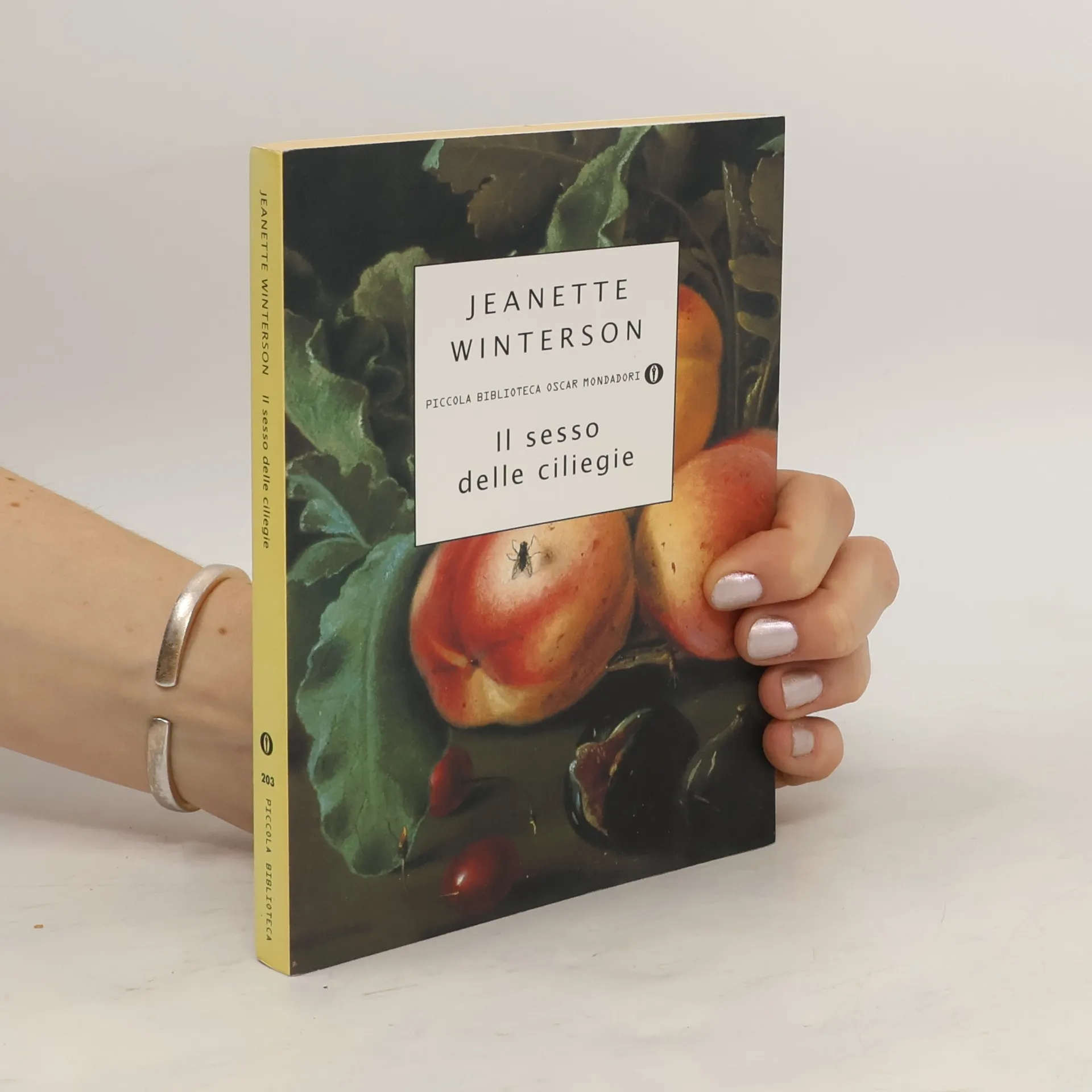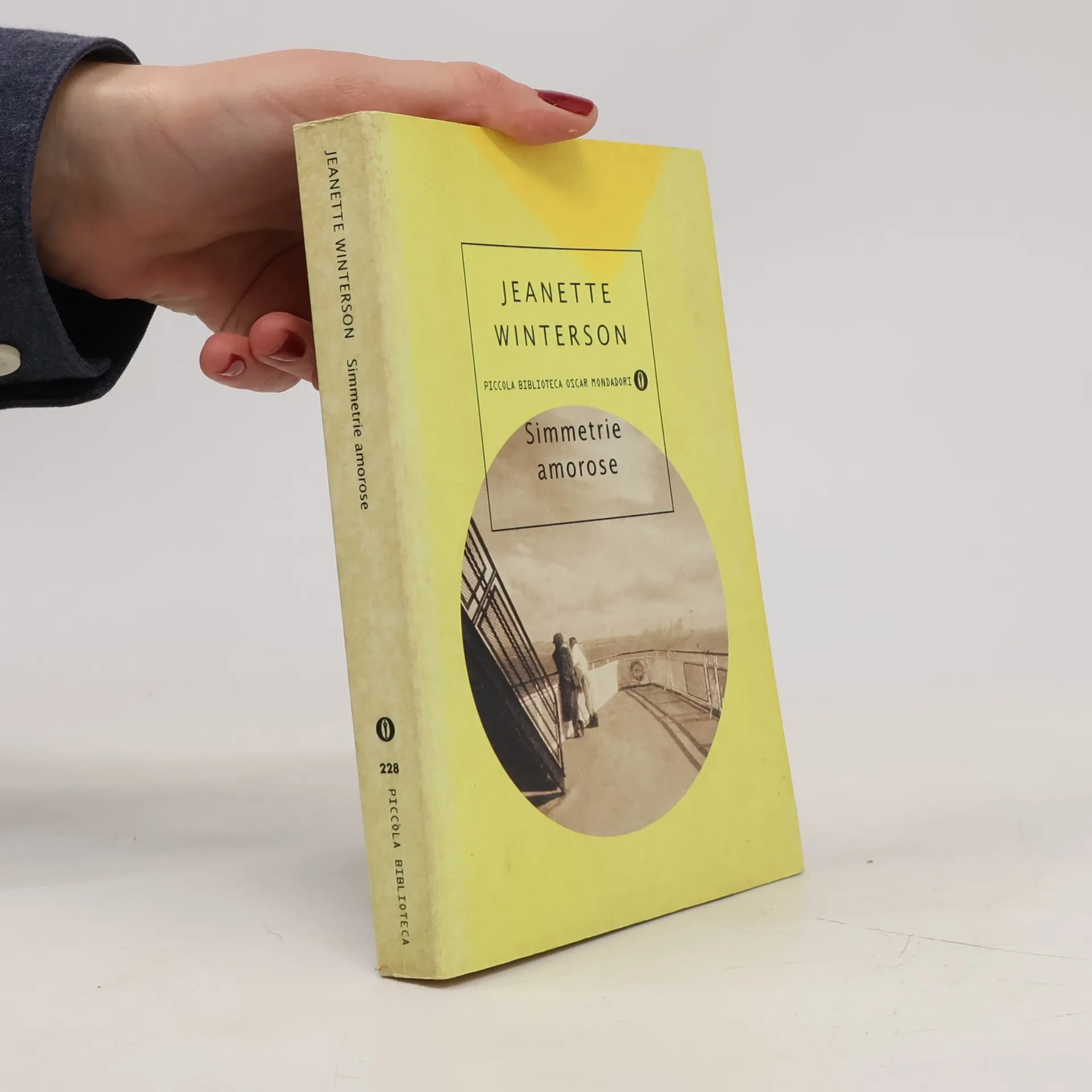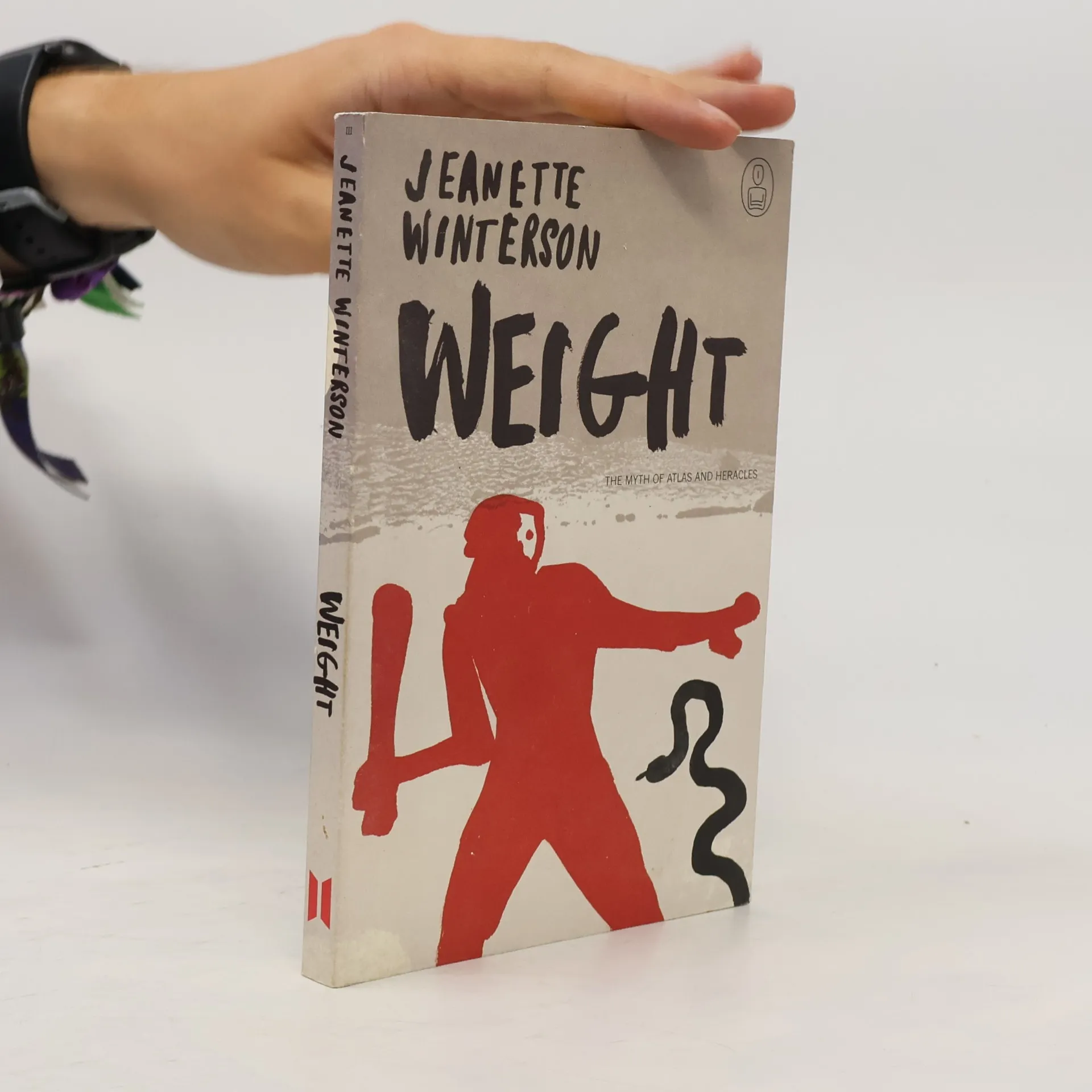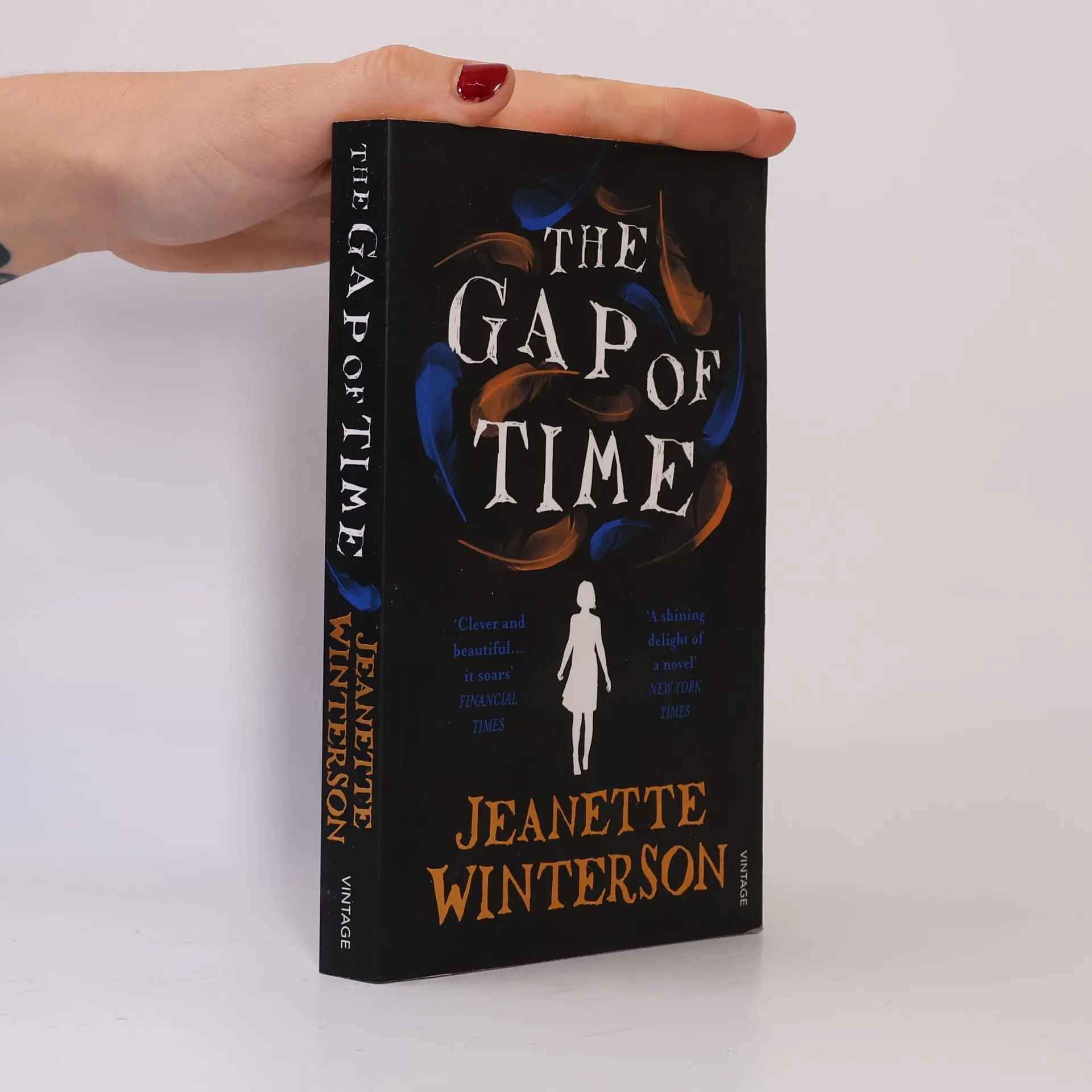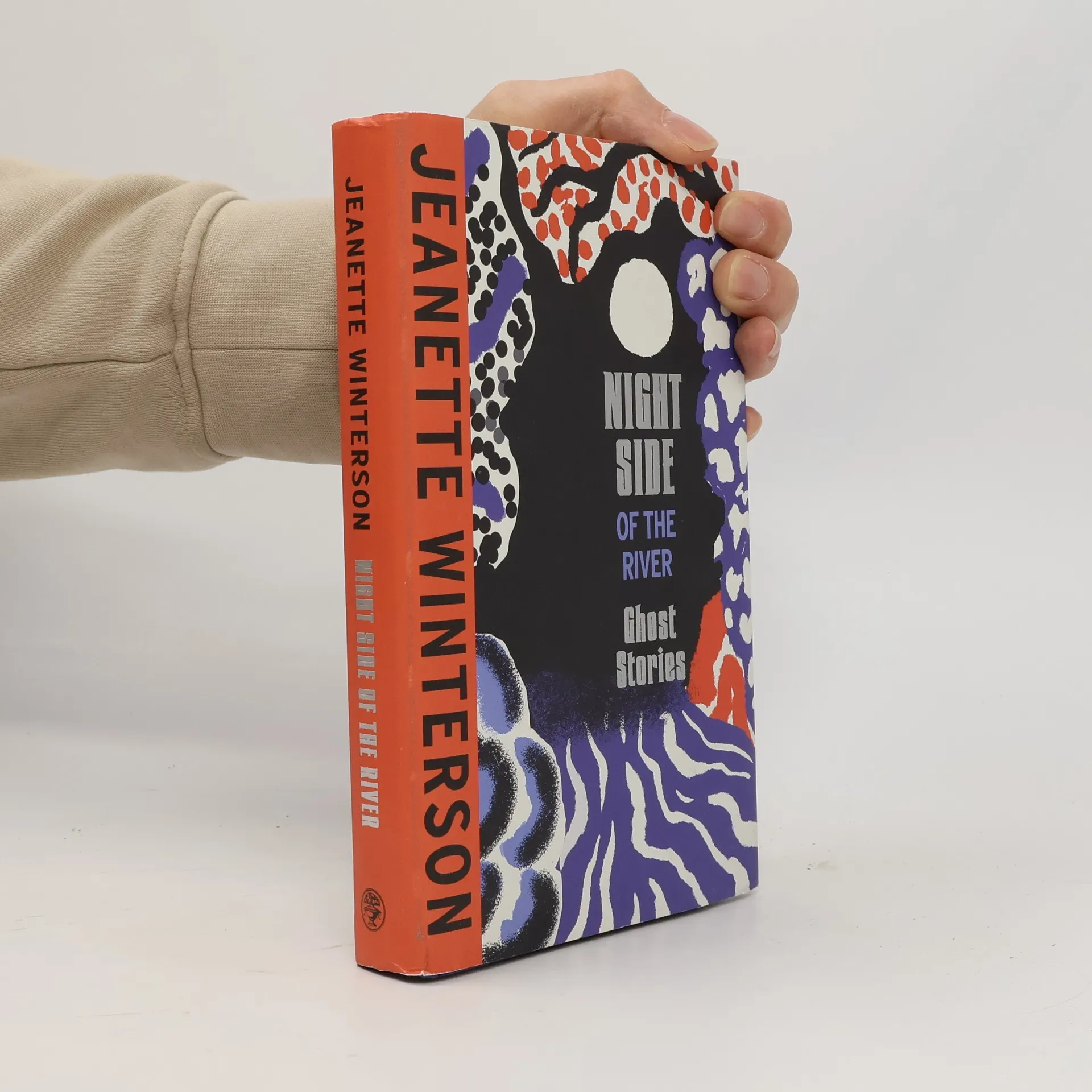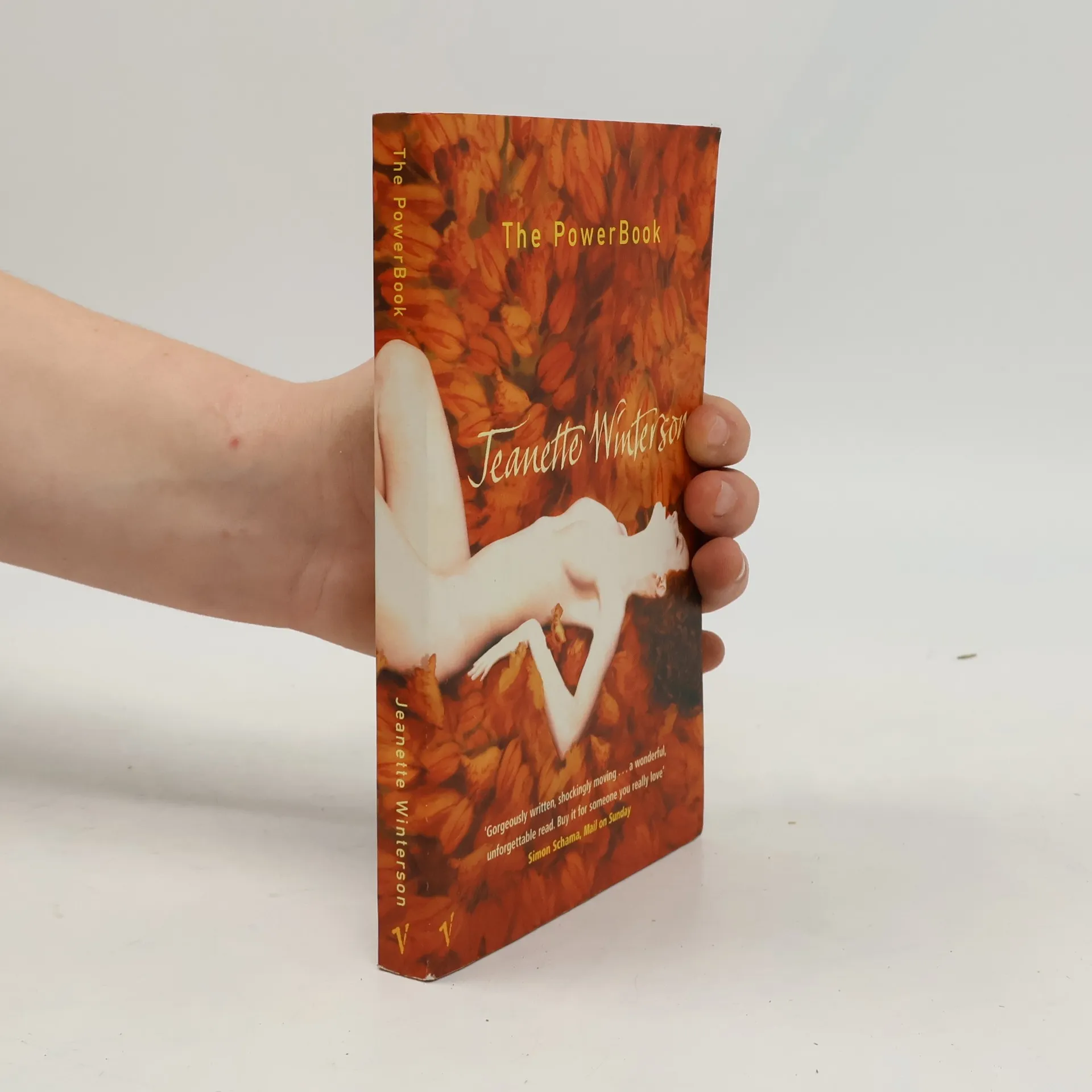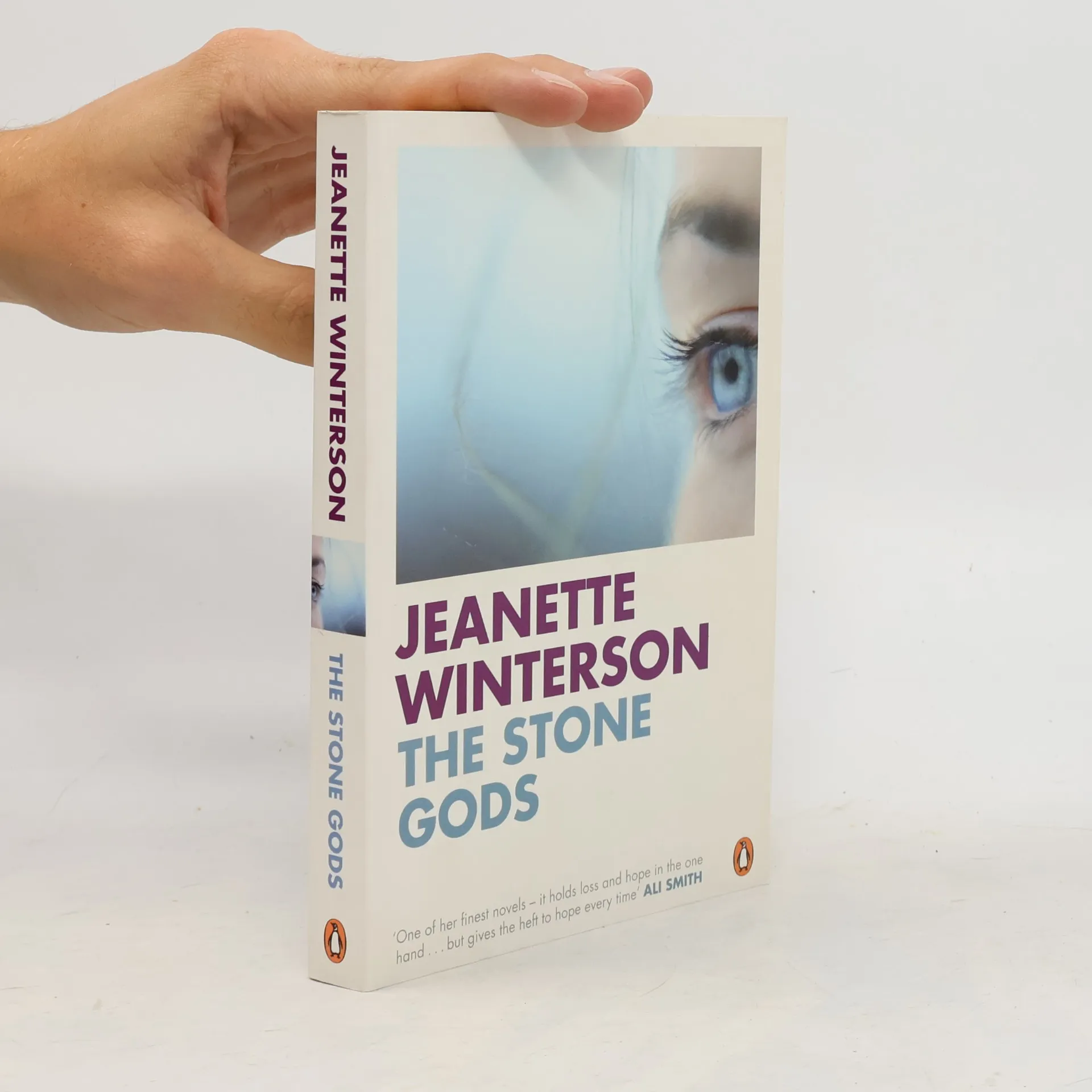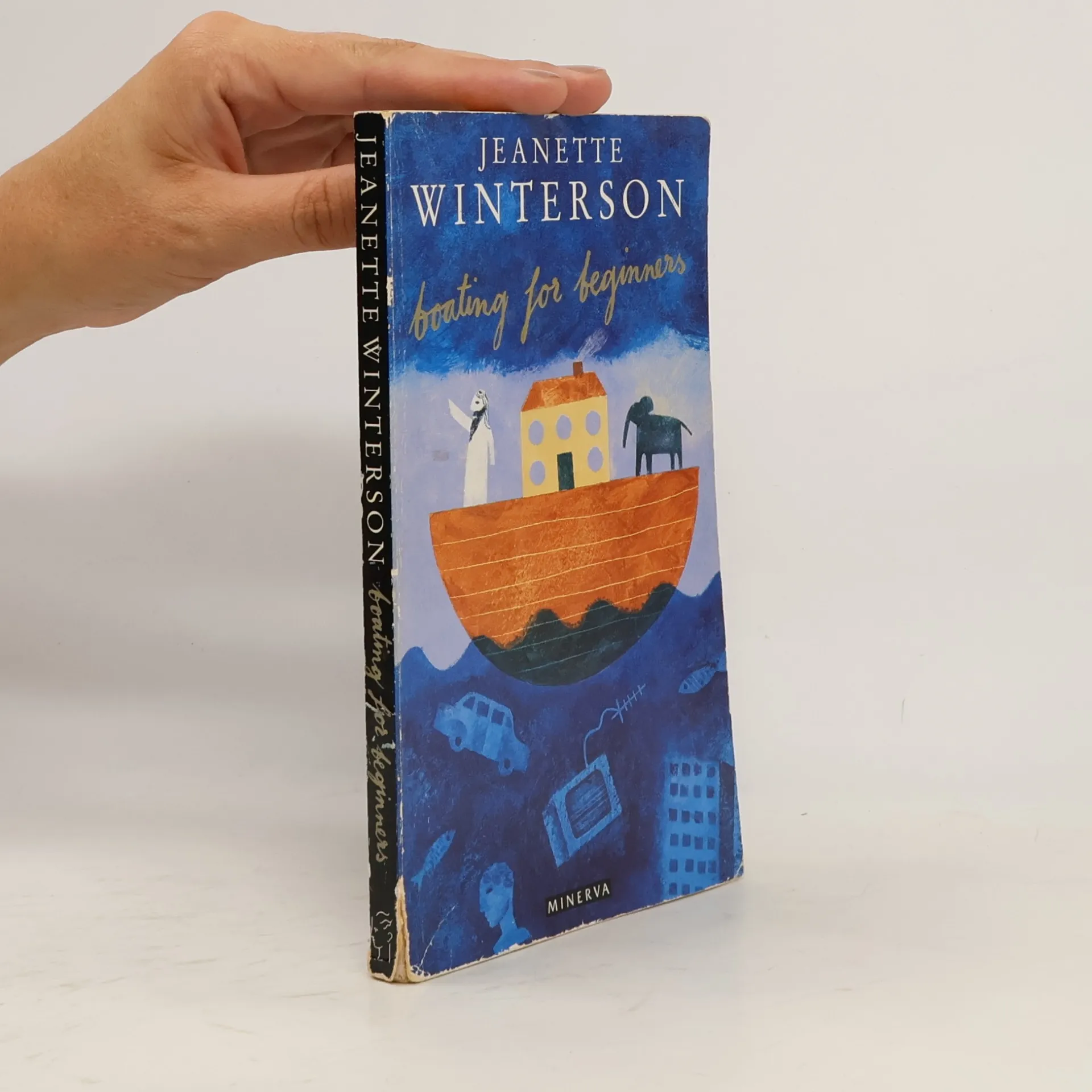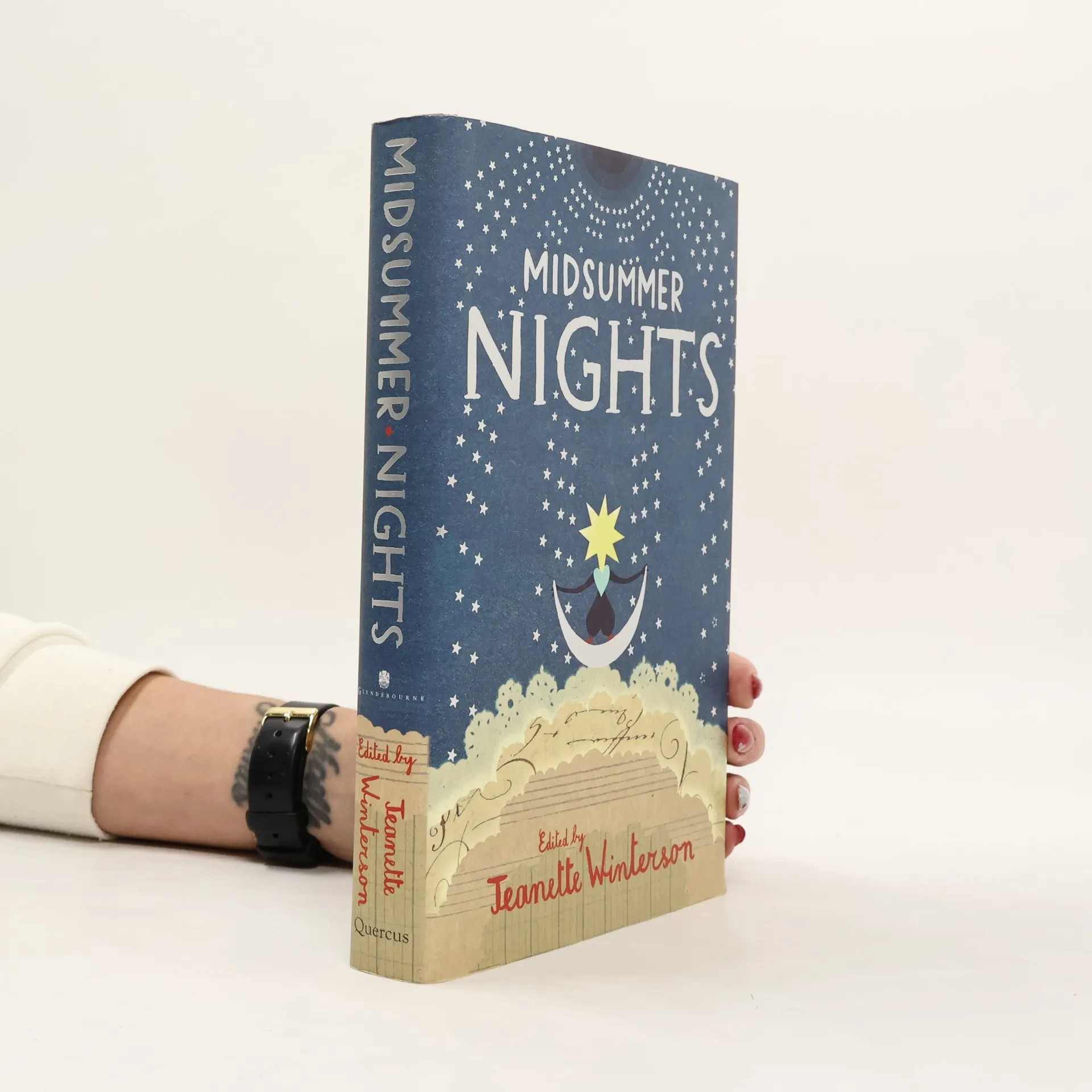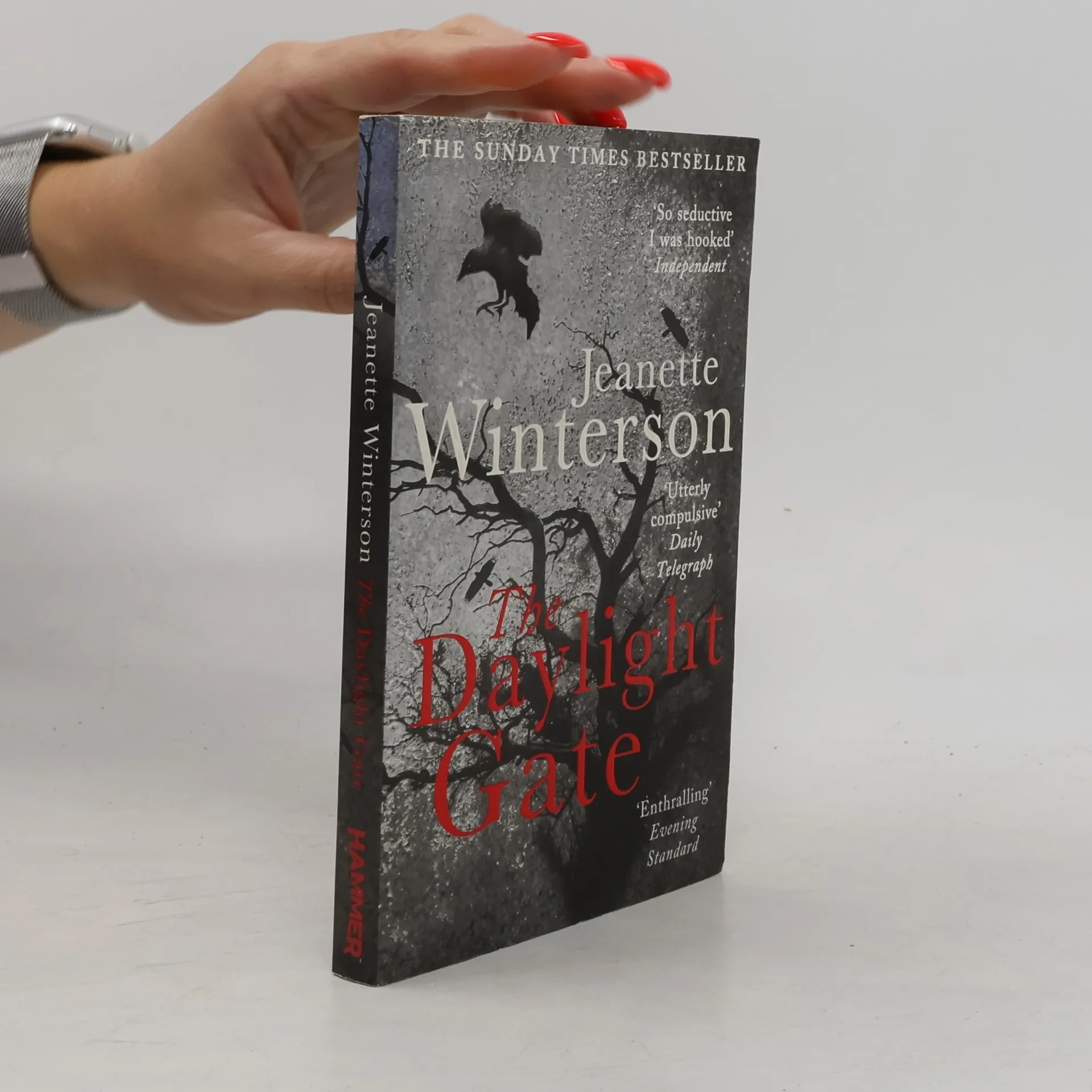
Jeanette Winterson si afferma come una delle voci più originali della narrativa britannica emerse negli anni '80. La sua scrittura approfondisce spesso temi di identità e credo, traendo frequentemente ispirazione dalla sua fervente educazione. Winterson è celebrata per il suo distintivo approccio stilistico e le sue penetranti intuizioni sulla condizione umana. Le sue opere sono pubblicate in 28 paesi e contribuisce regolarmente con recensioni e articoli a importanti giornali e riviste.
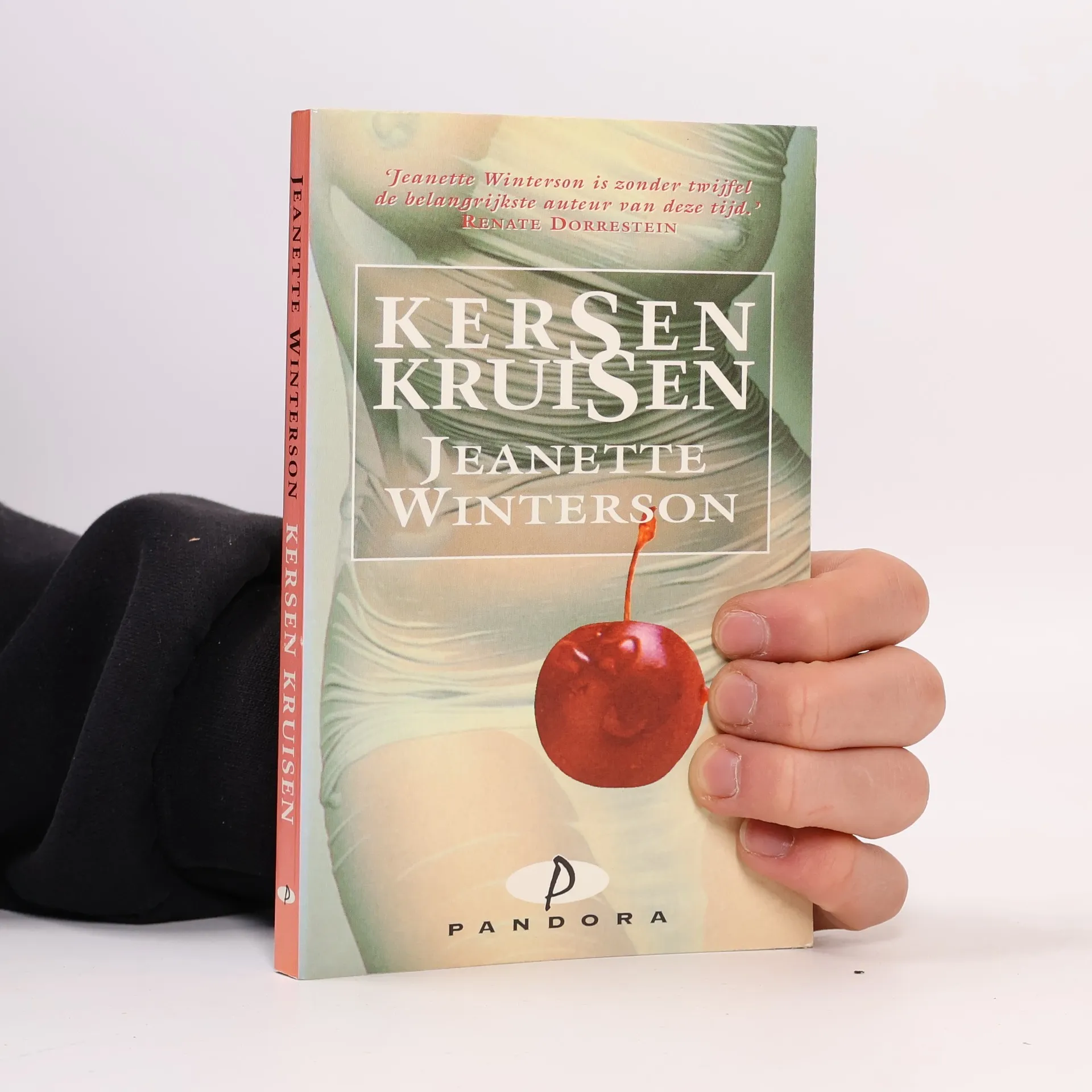
Il romanzo è il racconto in prima persona di Henri, cuoco nell'esercito di Napoleone, e della sua passione non corrisposta per la figlia lesbica di un gondoliere veneziano. Il resoconto di un innamorato che scava dentro se stesso per scoprire finalmente il confine segreto fra l'amore e l'ossessione, tra la favola e il sentimento autentico. Sullo sfondo dell'ascesa e del declino di Napoleone, si intreccia un'opera che fonde temi scabrosi e fantasia, esplorando i sottili meccanismi psicologici che innescano la smodata adorazione per un leader e per una donna.
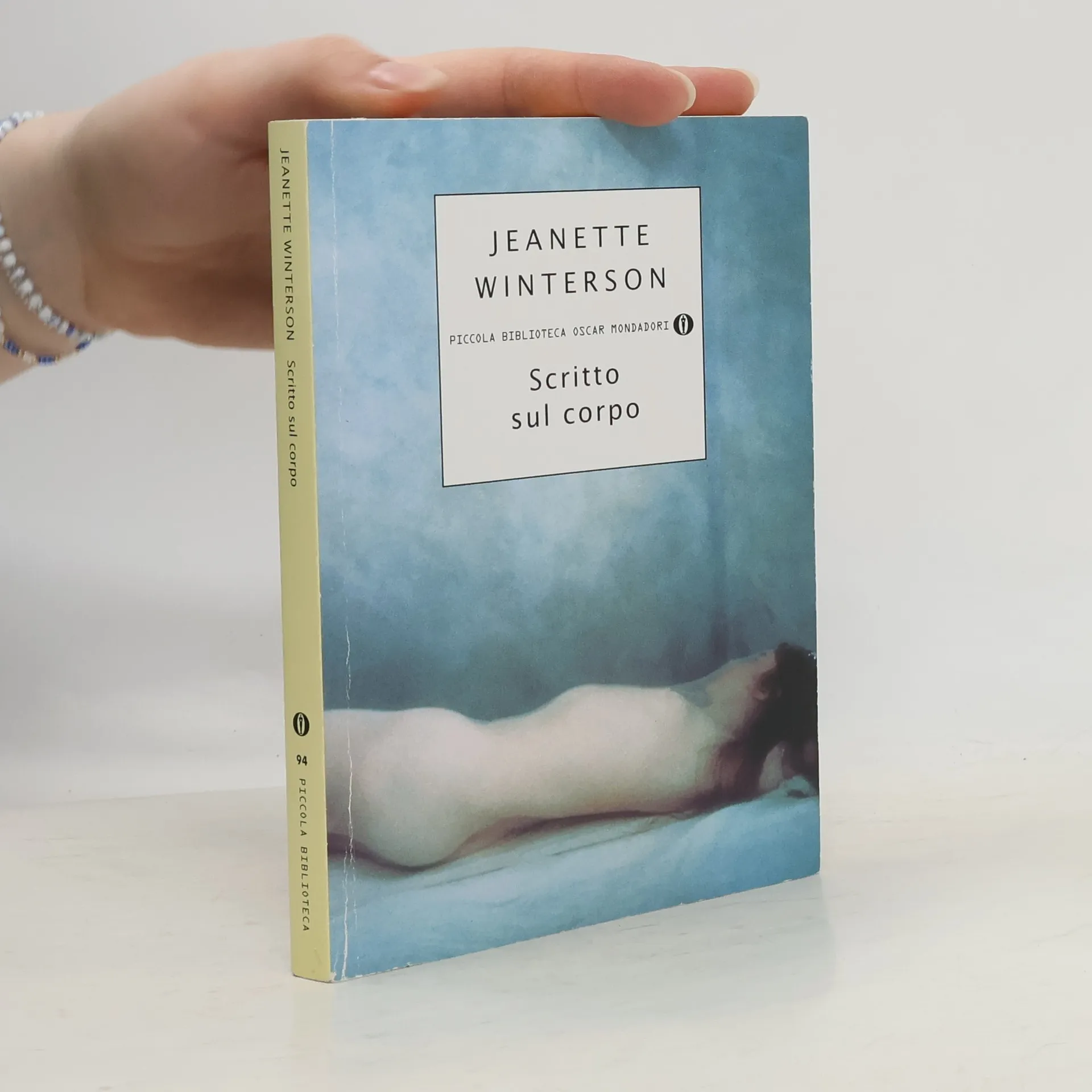
Written on the Body is a secret code only visible in certain lights: the accumulation of a lifetime gather there. In places the palimpsest is so heavily worked that the letters feel like braille. I like to keep my body rolled away from prying eyes, never unfold too much, tell the whole story. I didn't know that Louise would have reading hands. She has translated me into her own book.
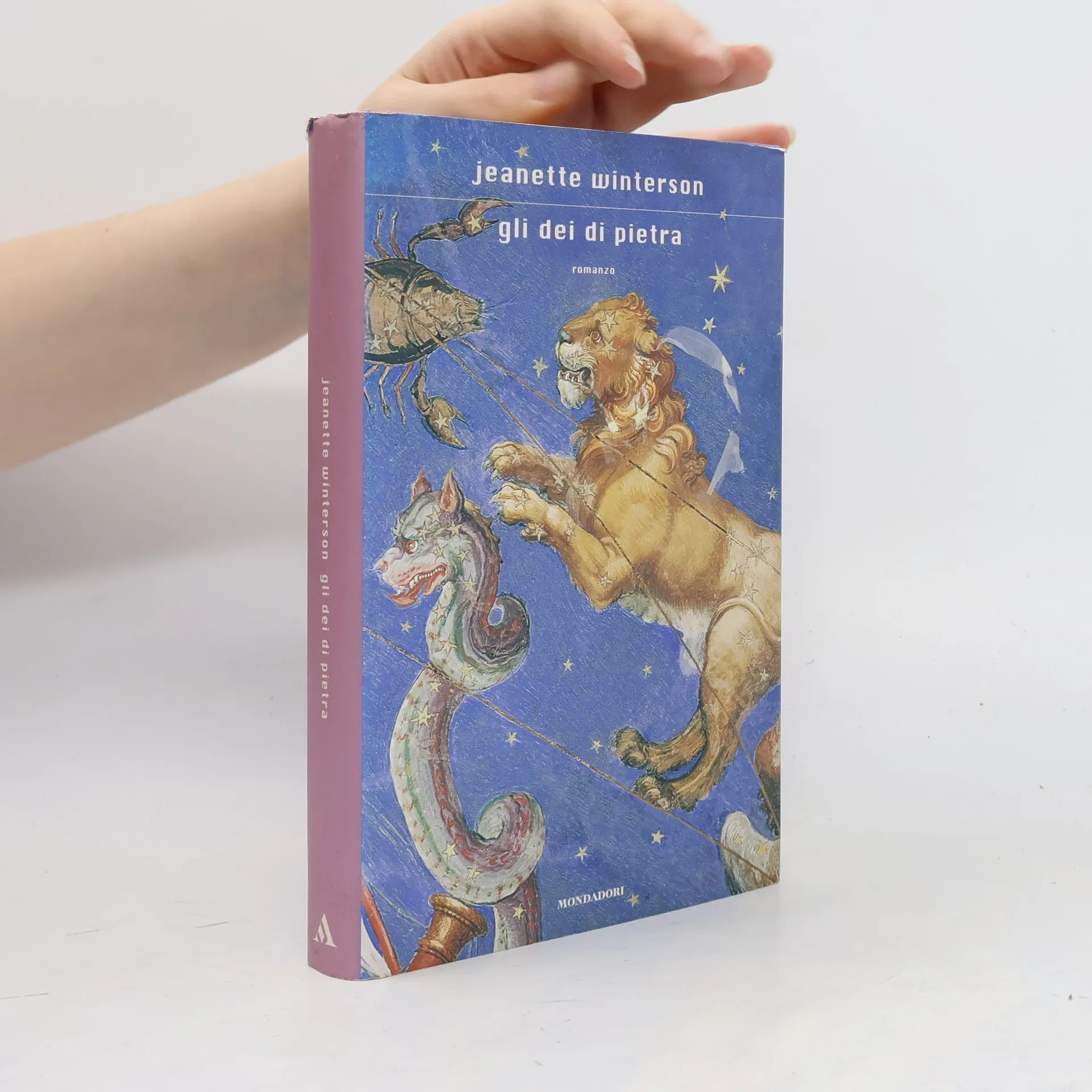
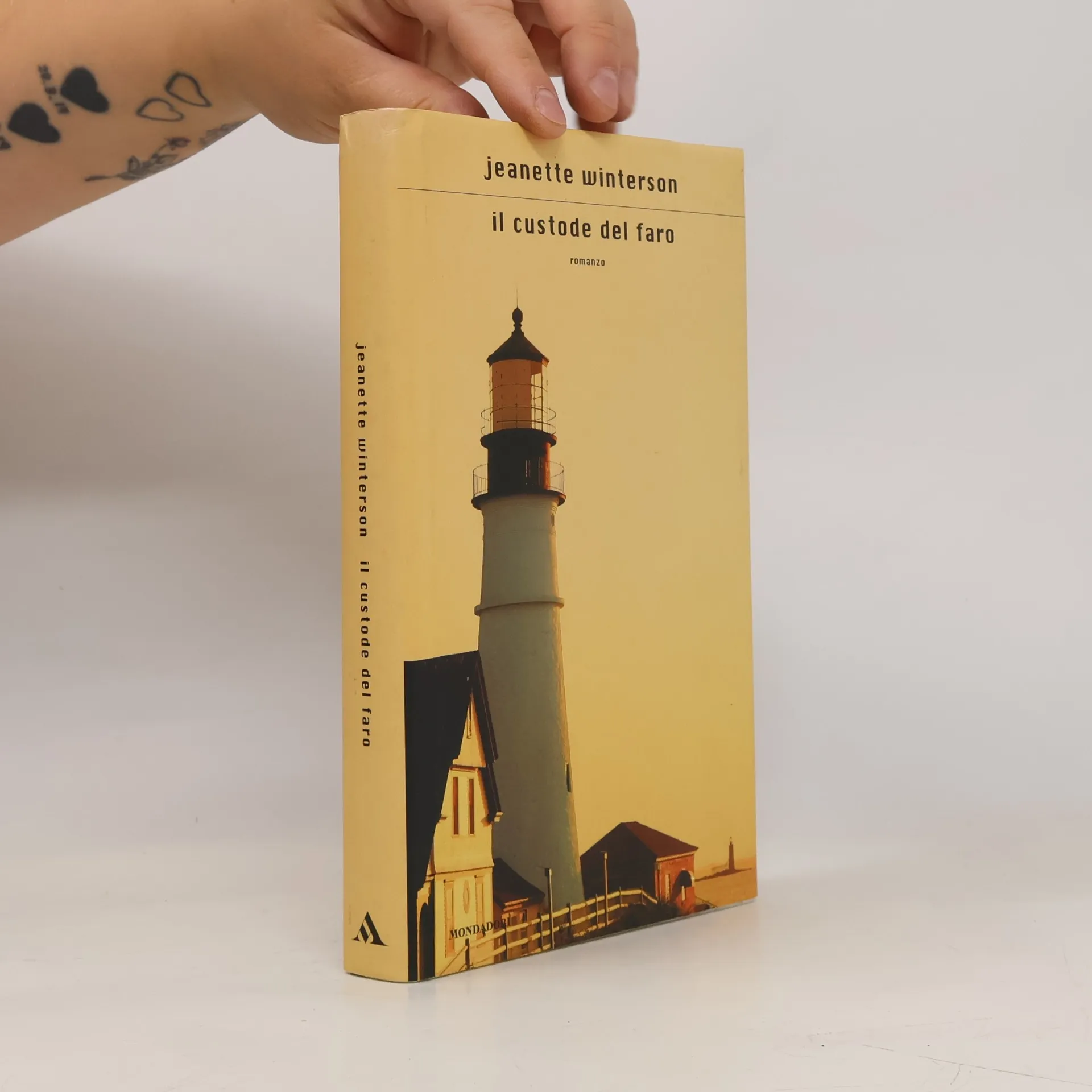
Al tempo di re Carlo II, in una Londra assediata dalla peste, Jordan decide di mettersi in viaggio per conoscere il mondo. Scoprirà presto che l'unico limite all'avventura umana risiede nella forza dell'immaginazione. Un libro affascinante che mescola il gusto orientale per la fiaba e la tradizione filosofica occidentale. Un romanzo che conferma la Winterson come autrice di libri di culto.
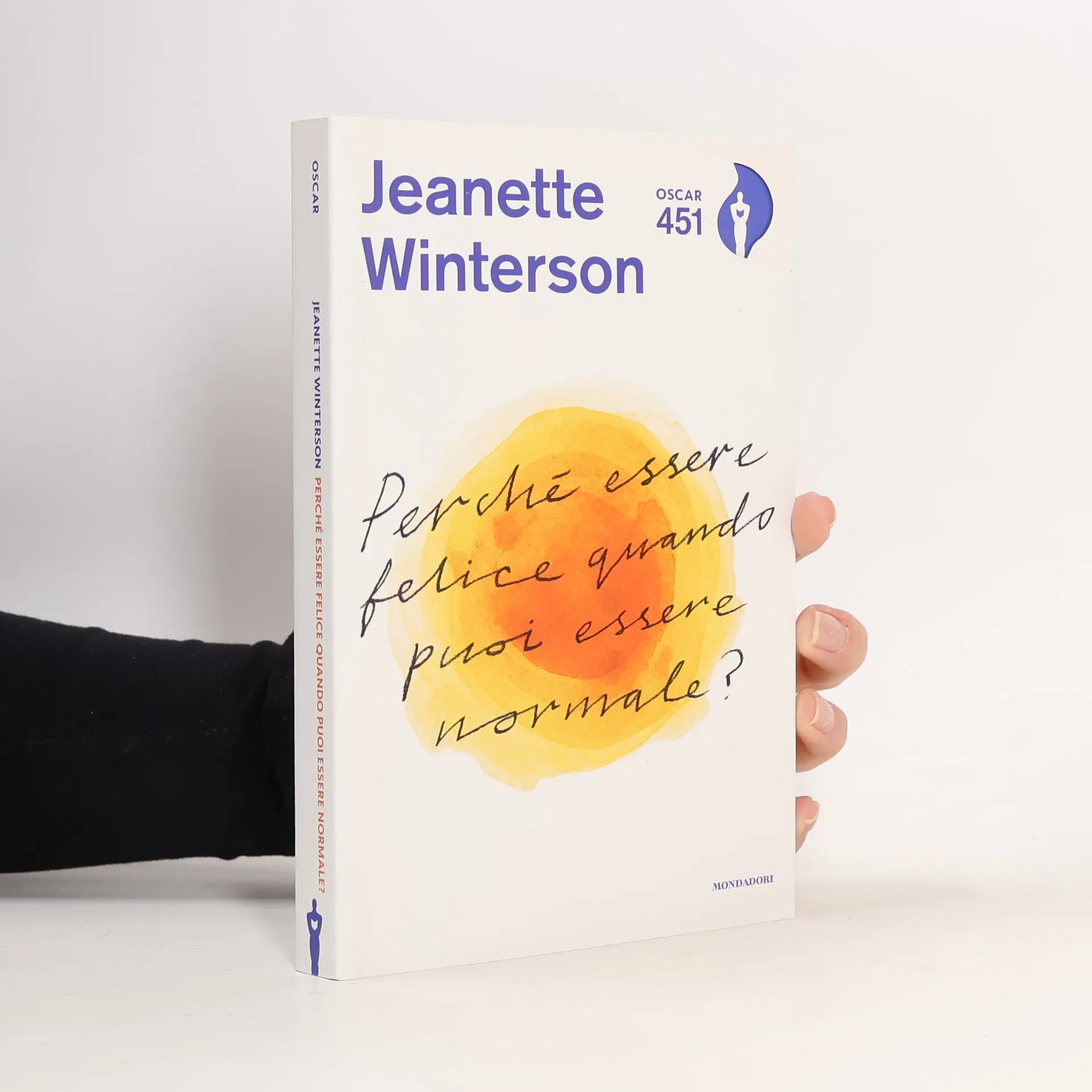
Nell'autunno del 1975 la sedicenne Jeanette Winterson deve prendere una decisione: rimanere al 200 di Water Street assieme ai genitori adottivi o continuare a vedere la ragazza di cui è innamorata e vivere in una Mini presa in prestito. Sceglie la seconda strada, perché tutto quello che vuole è essere felice. Tenta di spiegarlo alla madre, che però le chiede: "Perché essere felice quando puoi essere normale?". Da questa frase inizia il racconto intimo e personale di un'infanzia trascorsa fra un padre indifferente e una madre che passa le notti sveglia ad ascoltare il Vangelo alla radio, impastando torte e lavorando a maglia. La sua è fin dall'inizio la storia di una lotta per sopravvivere alle prepotenze di questa madre, che trova normale lasciare la figlia fuori dalla porta tutta la notte e sottoporla a esorcismi liberatori. Una lotta per affermare se stessa, la propria omosessualità e l'amore per i libri. Perché questa è anche la storia di un amore infinito per la letteratura, nato per proteggersi e per cercare quell'affetto stabile che in casa sembra mancare irrimediabilmente, un amore che resiste anche quando la madre scopre i libri che Jeanette nasconde e li dà alle fiamme. Con generosità e onestà intellettuale, Jeanette Winterson scava nei propri pensieri e sentimenti di bambina, adolescente e donna, ripercorrendo nel contempo la sua dolorosa ricerca della famiglia naturale. Ne esce un racconto intenso, a tratti tragico ma anche allegro, come sa essere la sua scrittura.

In 1985 Jeanette Winterson's first novel, Oranges Are Not the Only Fruit, was published. It was Jeanette's version of the story of a terraced house in Accrington, an adopted child, and the thwarted giantess Mrs Winterson. It was a cover story, a painful past written over and repainted. It was a story of survival. This book is that story's the silent twin. It is full of hurt and humour and a fierce love of life. It is about the pursuit of happiness, about lessons in love, the search for a mother and a journey into madness and out again. It is generous, honest and true.
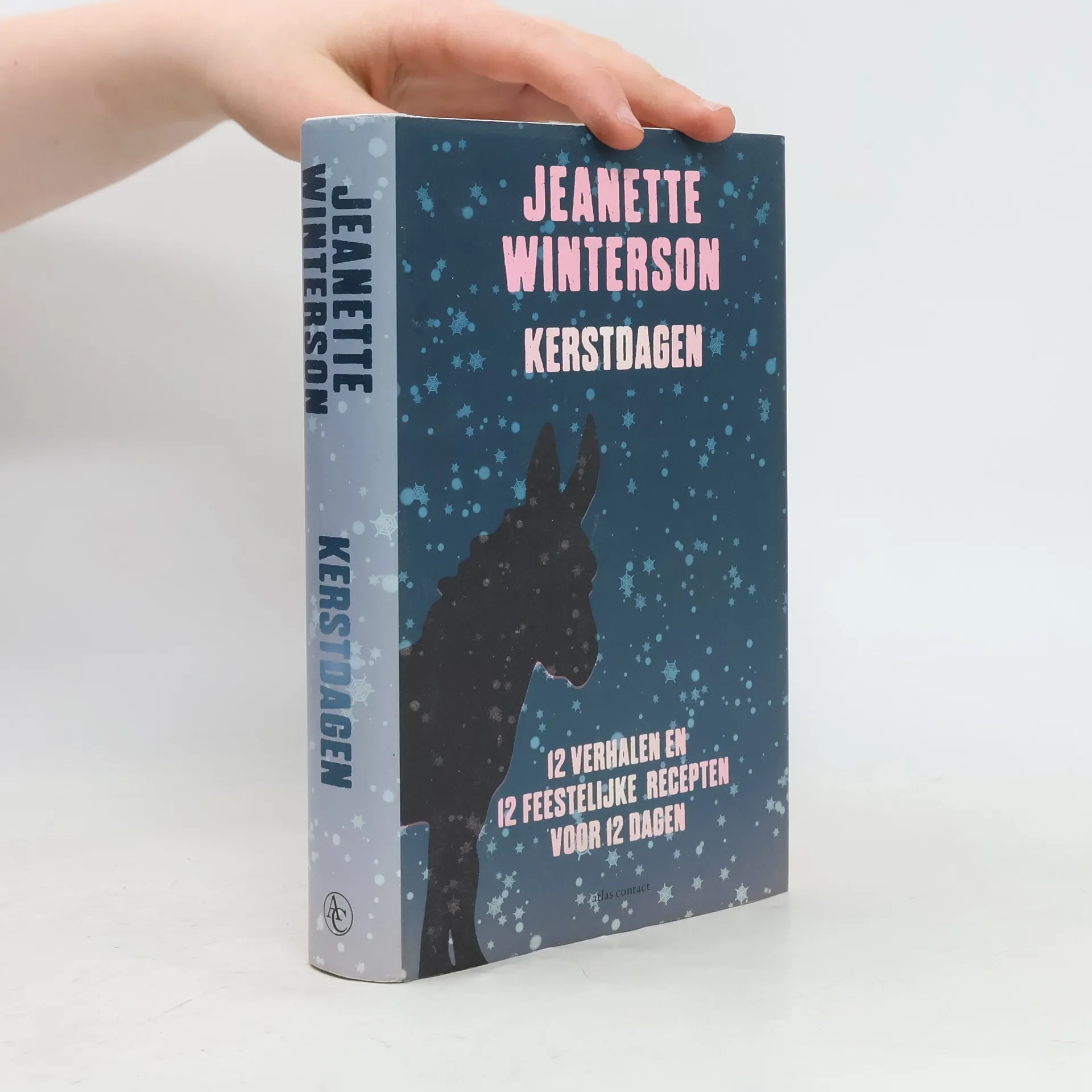
A powerful retelling of the traditional Nativity Story. In this beautifully evocative retelling of the story of the very first Christmas, the humble donkey is chosen above all the other animals to carry Mary to Bethlehem. As his journey unfolds, he is touched by the magic and mystery of the Nativity ... With sparkles of originality, humour and warmth, the Christmas story is born.
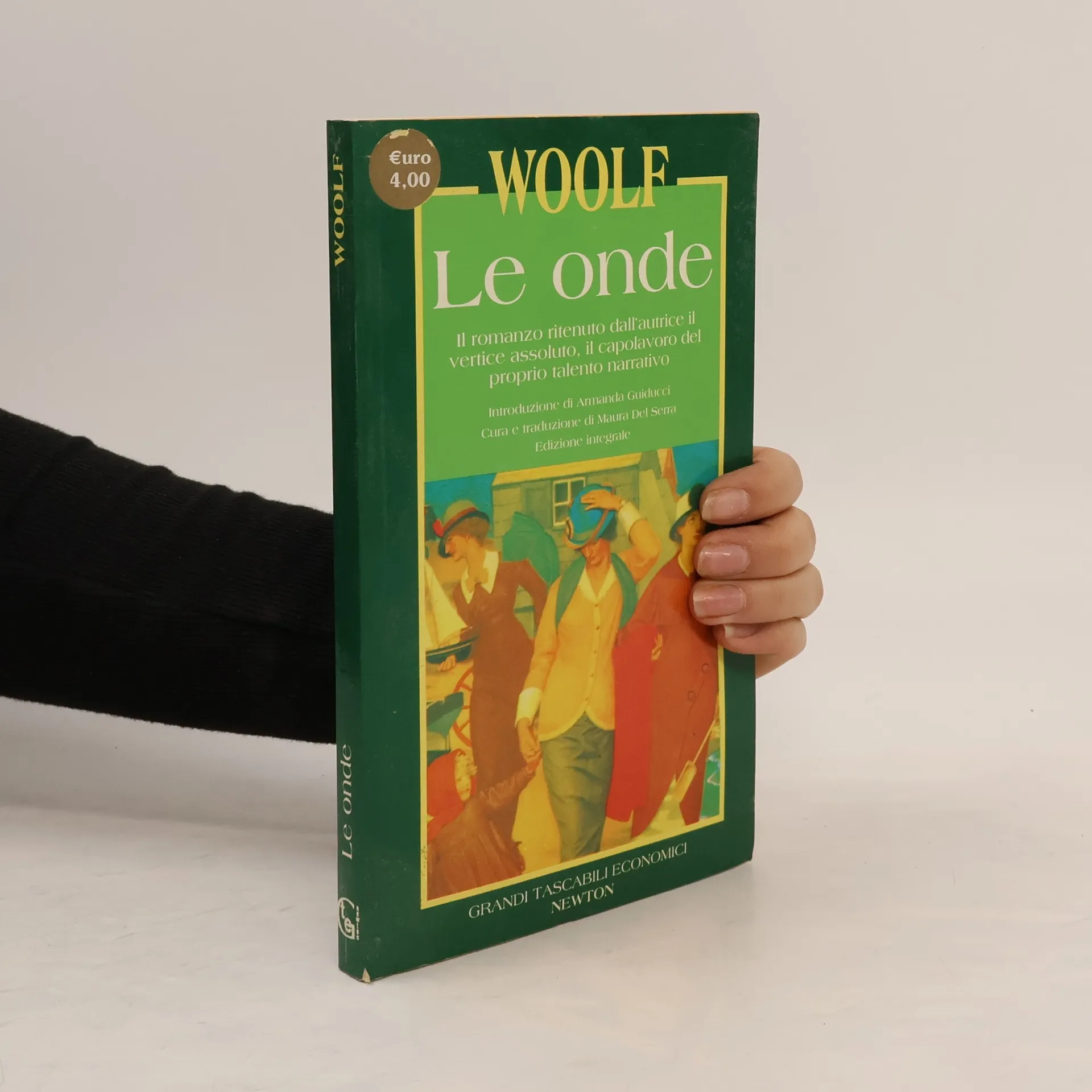
Set on the coast of England against the vivid background of the sea, The Waves introduces six characters—three men and three women—who are grappling with the death of a beloved friend, Percival. Instead of describing their outward expressions of grief, Virginia Woolf draws her characters from the inside, revealing them through their thoughts and interior soliloquies. As their understanding of nature’s trials grows, the chorus of narrative voices blends together in miraculous harmony, remarking not only on the inevitable death of individuals but on the eternal connection of everyone. The novel that most epitomizes Virginia Woolf’s theories of fiction in the working form, The Waves is an amazing book very much ahead of its time. It is a poetic dreamscape, visual, experimental, and thrilling.
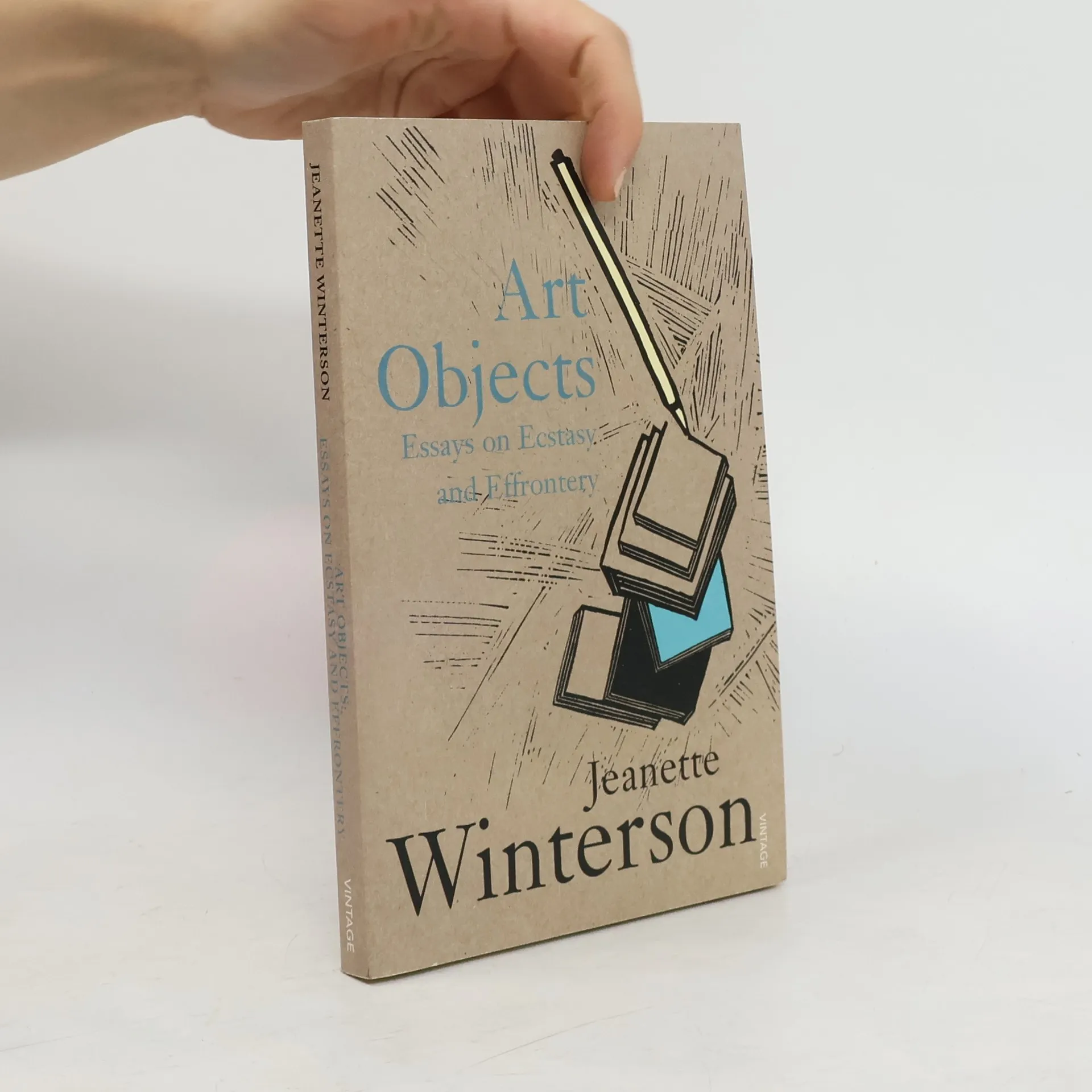
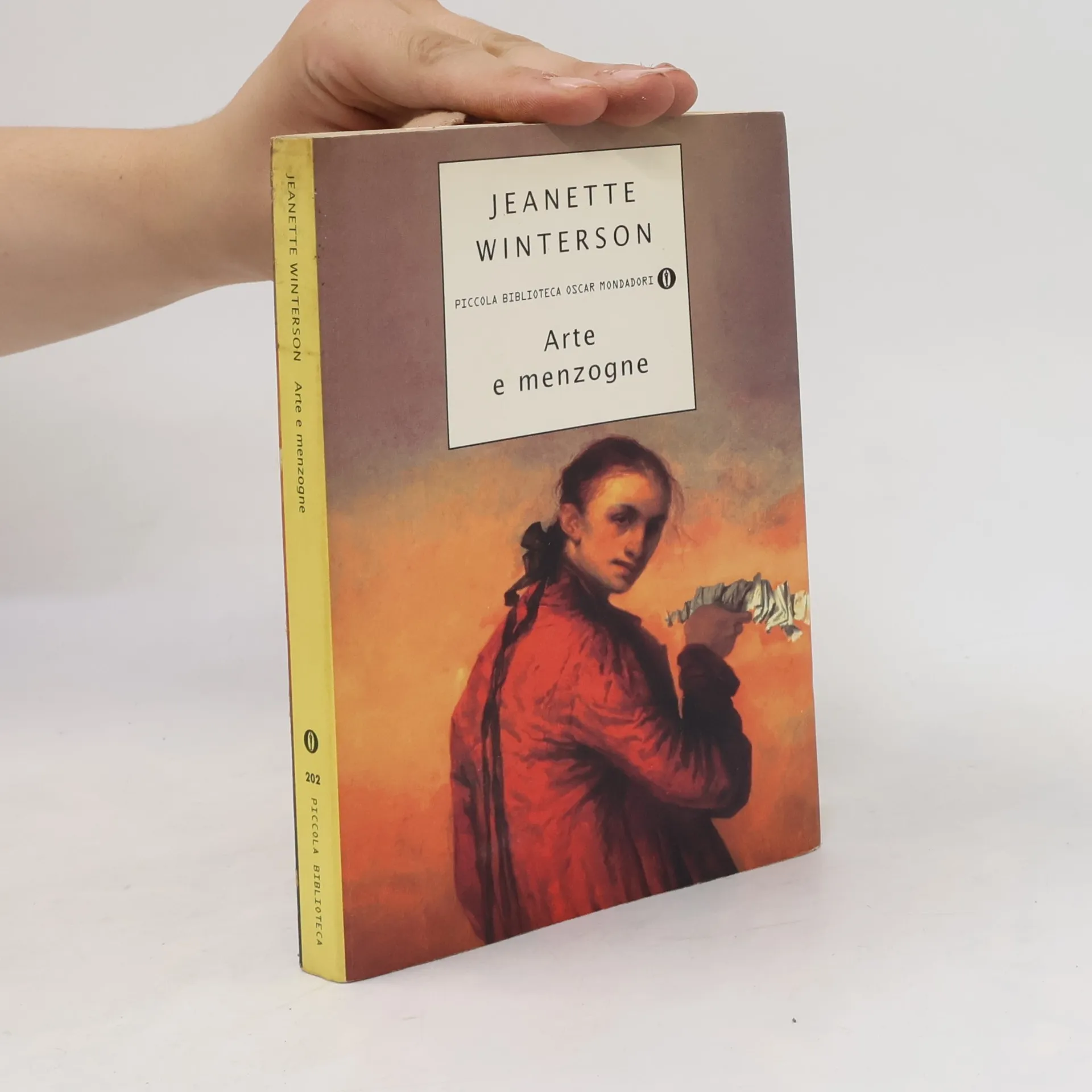
These interlocking essays uncover art as an active force in the world - neither elitist or remote, present to those who want it, affecting even those who don't. Winterson's own passionate vision of art is presented here, provocatively and personally, in pieces on Modernism, autobiography, style, painting, the future of fiction, in two essays on Virginia Woolf, and more intimately in pieces where she describes her relationship to her work and the books that she loves.
The incredible variety of Acker's body of work has been distilled into a single volume that reads like a communique from the front lines of late-20th century America. Acker was a literary pirate whose prodigious output drew promiscuously from popular culture, the classics of Western civilization, current events, and the raw material of her own life.
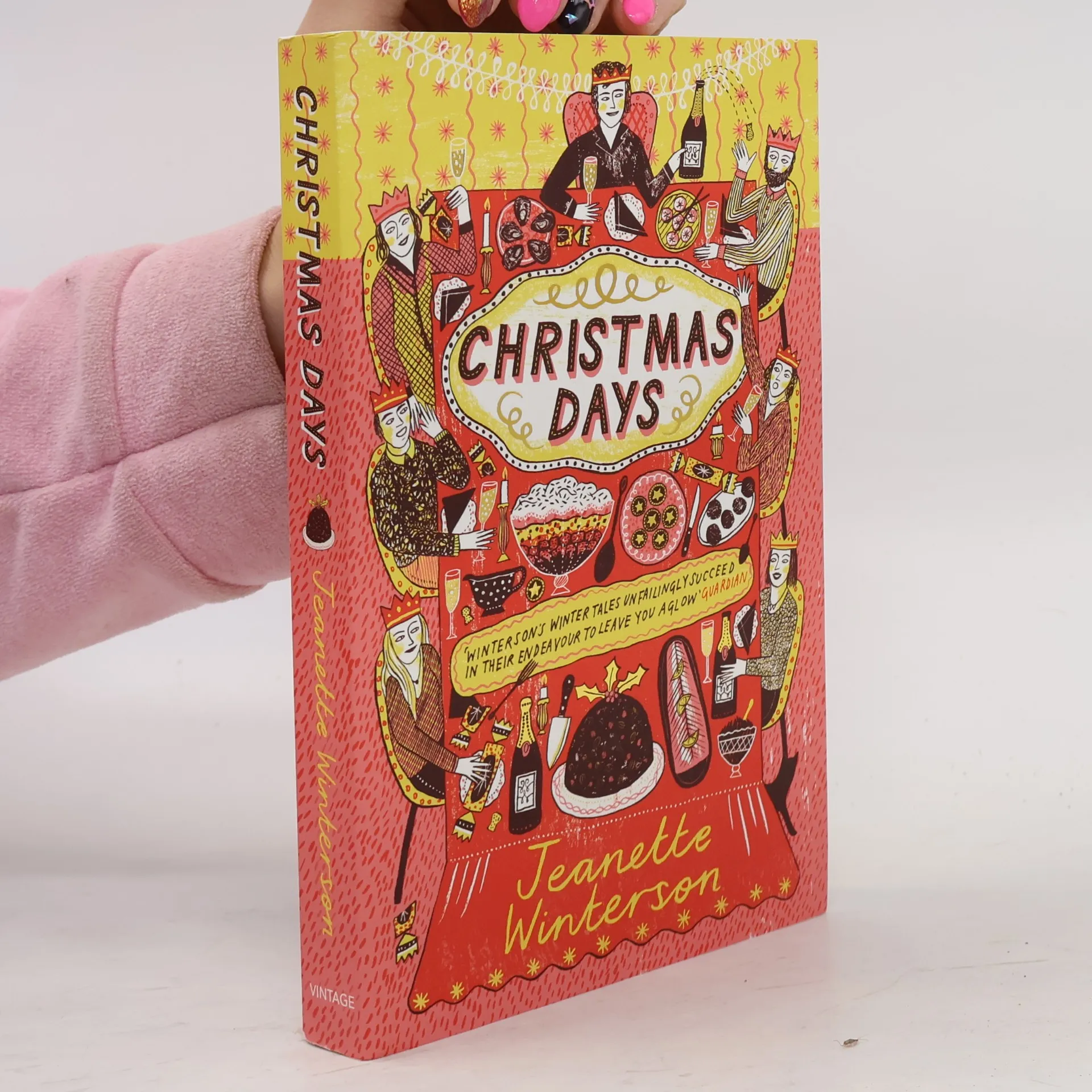
"If you crave the mystery, the family rituals, and the special victuals of Christmastime, you'll savor . . . bold, revelatory feminist writer Jeanette Winterson's Christmas Days." --Elle