Ogni anno, da più di vent'anni, centinaia di studenti affollano il teatro del campus di Harvard per seguire il corso di Introduzione alla filosofia politica e morale di Michael Sandel. Il segreto di questo successo sta nella straordinaria capacità di Sandel di collegare i grandi interrogativi della filosofia politica alle questioni più scottanti del nostro tempo. Il libro nasce di lì, da queste leggendarie lezioni. È una ampia e appassionata esplorazione del ruolo e del significato della giustizia nella società contemporanea e un invito ai lettori di qualunque convinzione politica a ragionare sulle controversie e sui dilemmi etici del nostro tempo mettendosi in gioco, considerandole parte di un rinnovato impegno civile. Sandel ci chiede di mettere sotto esame le nostre convinzioni e di trovare risposte "nostre" alle scelte cui siamo chiamati come membri di una comunità. Quali obblighi abbiamo l'uno verso l'altro come cittadini? È giusto che il governo tassi i ricchi e aiuti i poveri? Il libero mercato è equo? Esistono situazioni in cui dire la verità è sbagliato? Esiste una circostanza in cui uccidere sia giusto? Possiamo accettare che uno stato legiferi in tema di moralità? I diritti del singolo possono essere in conflitto con quelli del bene comune? E ancora: aborto, suicidio assistito, matrimonio tra persone dello stesso sesso, dissenso, servizio militare.
Michael J. Sandel Libri
Michael J. Sandel è un filosofo politico americano noto per la sua esplorazione di questioni morali e politiche. Il suo lavoro approfondisce la natura della giustizia, della cittadinanza e del bene pubblico. Sandel sfida le concezioni liberali moderne dell'autonomia individuale, sottolineando il significato dei legami sociali e dei valori condivisi. Le sue analisi spingono alla riflessione su come le nostre identità personali e i nostri impegni morali plasmino le nostre vite politiche e su come possiamo promuovere una società più giusta e coesa.


La tirannia del merito
- 288pagine
- 11 ore di lettura
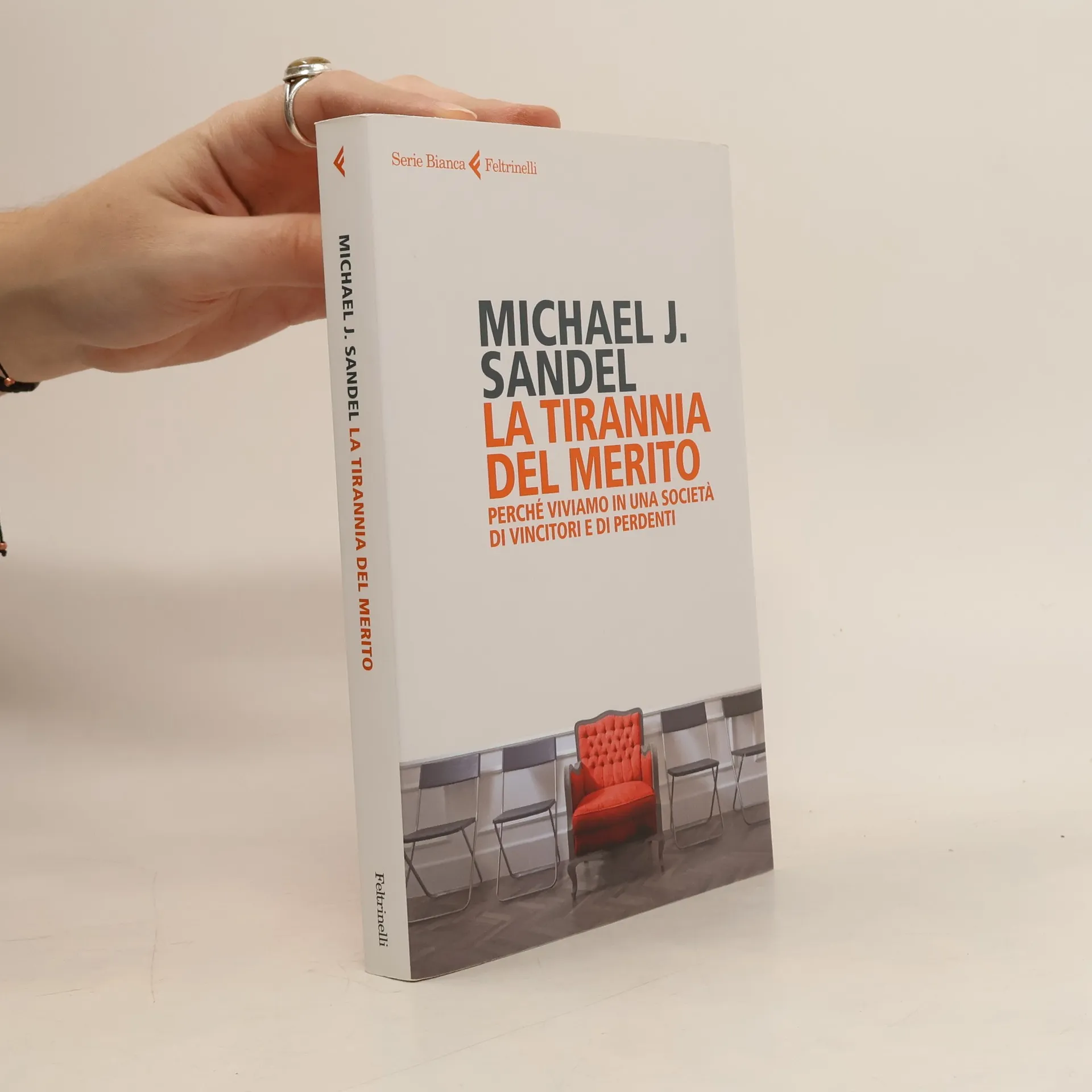
Il filosofo di fama mondiale Michael J. Sandel esplora la questione centrale del nostro tempo: che fine ha fatto il bene comune? Viviamo in un'epoca di vincitori e vinti, in cui le probabilità sono a favore dei già fortunati. La mobilità sociale stagnante e l'ineguaglianza radicata smentiscono il credo che "puoi farcela se ci provi". La conseguenza è un miscuglio di rabbia e frustrazione che ha alimentato proteste populiste e una polarizzazione estrema, portando a una profonda sfiducia nei confronti del governo e dei nostri concittadini, lasciandoci moralmente impreparati ad affrontare le sfide profonde del nostro tempo. Sandel sostiene che per superare le crisi che stanno sconvolgendo il nostro mondo, dobbiamo ripensare le attitudini verso il successo e il fallimento che hanno accompagnato la globalizzazione e l'aumento dell'ineguaglianza. Mostra l'arroganza che una meritocrazia genera tra i vincitori e il giudizio severo che impone a chi è rimasto indietro, tracciando le gravi conseguenze nella vita americana. Propone un modo alternativo di pensare al successo, più attento al ruolo della fortuna, più incline a un'etica di umiltà e solidarietà, e più affermativo della dignità del lavoro. La tirannia del merito ci indirizza verso una visione speranzosa di una nuova politica del bene comune.
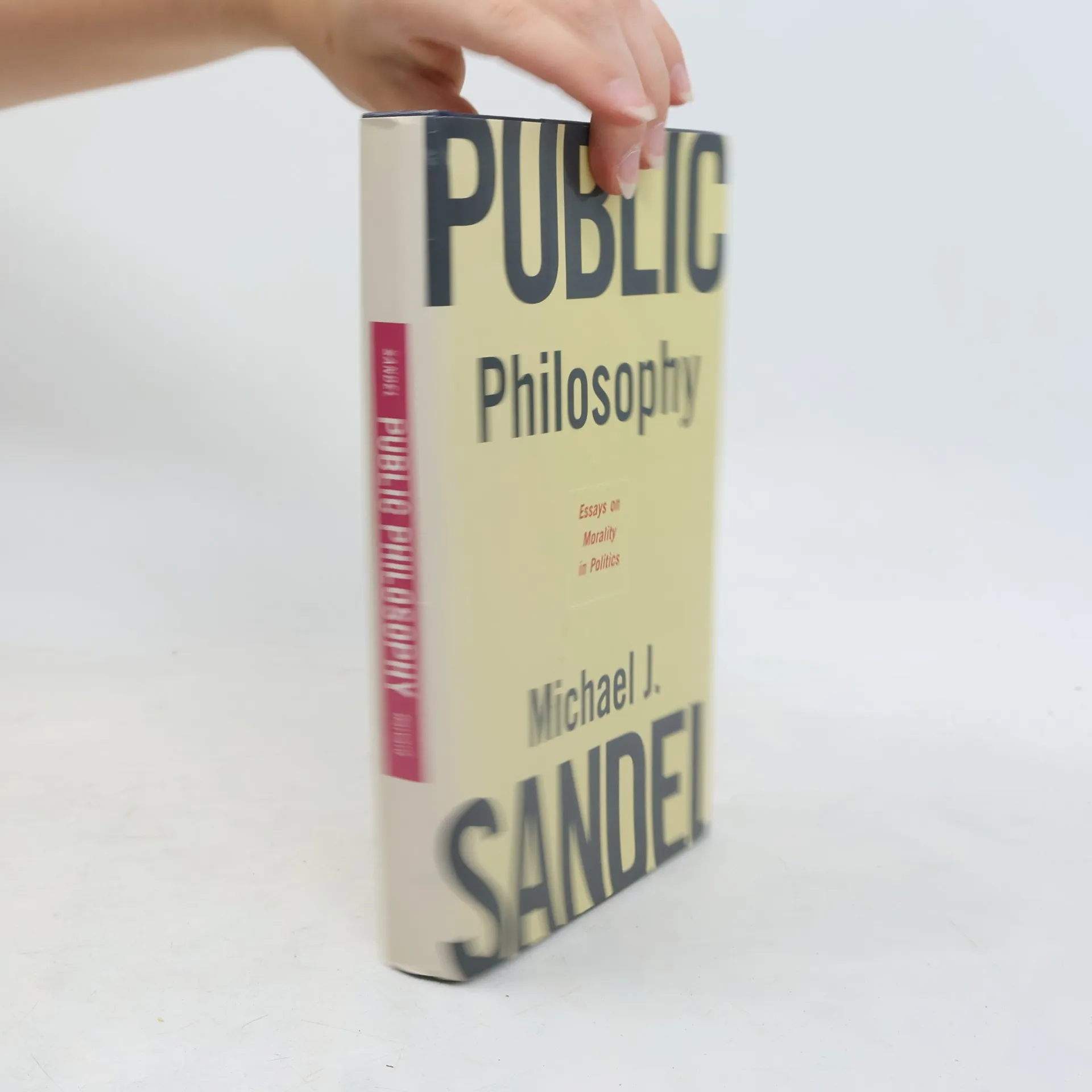
In this book, Michael Sandel takes up some of the hotly contested moral and political issues of our time, including affirmative action, assisted suicide, abortion, gay rights, stem cell research, the meaning of toleration and civility, the gap between rich and poor, the role of markets, and the place of religion in public life. He argues that the most prominent ideals in our political life--individual rights and freedom of choice--do not by themselves provide an adequate ethic for a democratic society. Sandel calls for a politics that gives greater emphasis to citizenship, community, and civic virtue, and that grapples more directly with questions of the good life. Liberals often worry that inviting moral and religious argument into the public sphere runs the risk of intolerance and coercion. These essays respond to that concern by showing that substantive moral discourse is not at odds with progressive public purposes, and that a pluralist society need not shrink from engaging the moral and religious convictions that its citizens bring to public life.
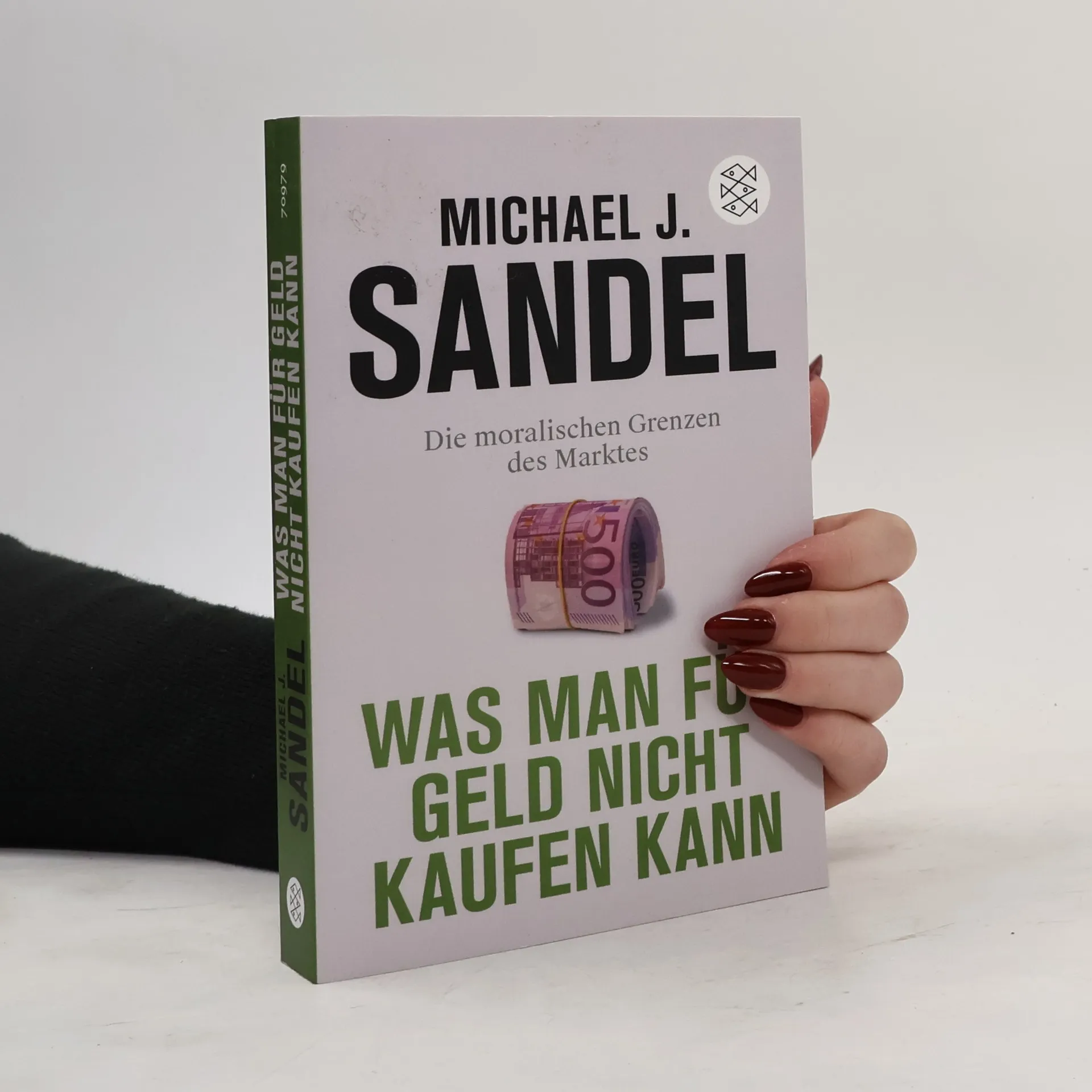
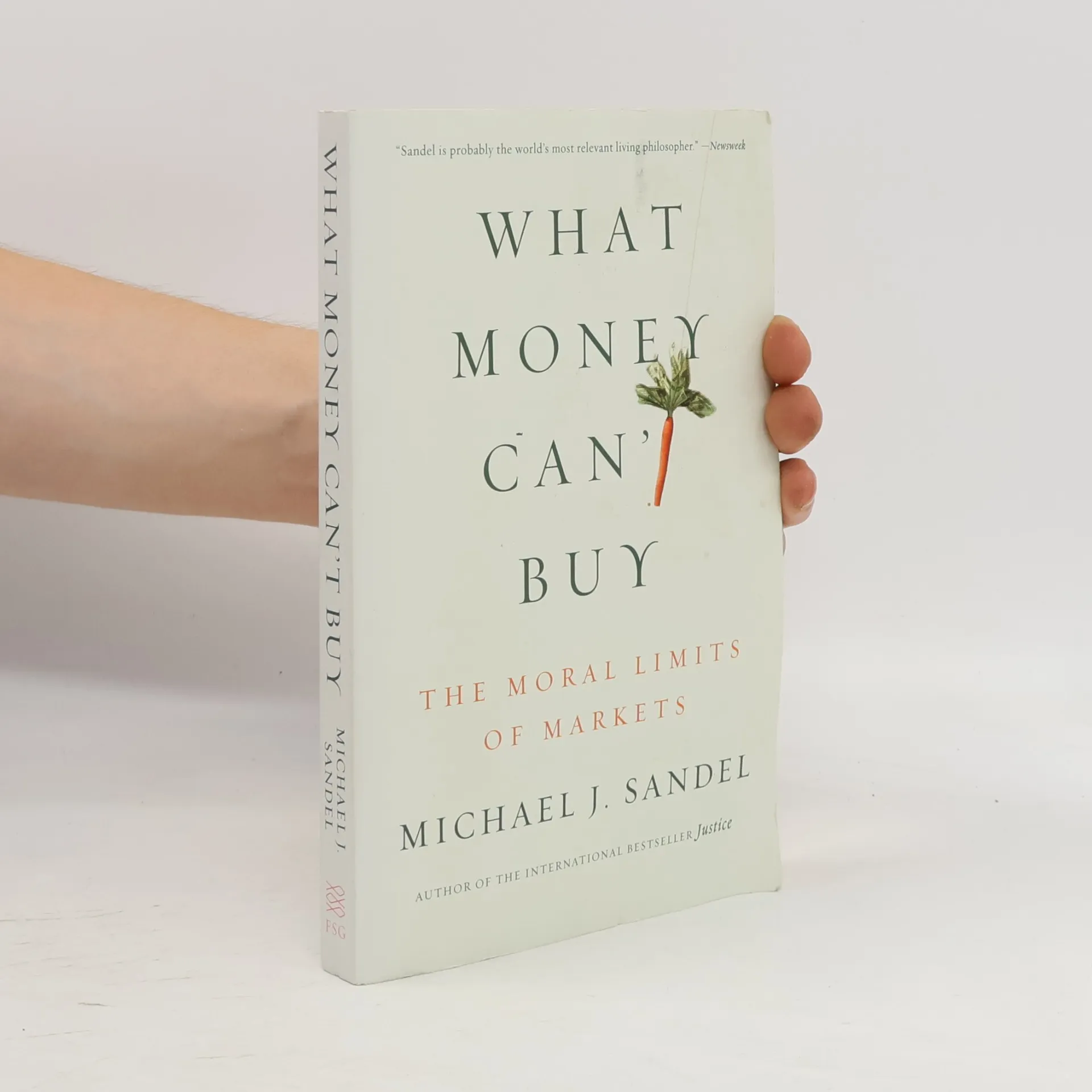
What Money Can't Buy. Was man für Geld nicht kaufen kann, Englische Ausgabe
- 256pagine
- 9 ore di lettura
"Should we pay children to read books or to get good grades? Should we allow corporations to pay for the right to pollute the atmosphere? Is it ethical to pay people to test risky new drugs or to donate their organs? What about hiring mercenaries to fight our wars? Auctioning admission to elite universities? Selling citizenship to immigrants willing to pay? In What Money Can't Buy, Michael J. Sandel takes on one of the biggest ethical questions of our time: Is there something wrong with a world in which everything is for sale? If so, how can we prevent market values from reaching into spheres of life where they don't belong? What are the moral limits of markets? In recent decades, market values have crowded out nonmarket norms in almost every aspect of life---medicine, education, government, law, art, sports, even family life and personal relations. Without quite realizing it, Sandel argues, we have drifted from having a market economy to being a market society. Is this where we want to be? ... What is the proper role of markets in a democratic society---and how can we protect the moral and civic goods that markets don't honor and that money can't buy?"--Back cover
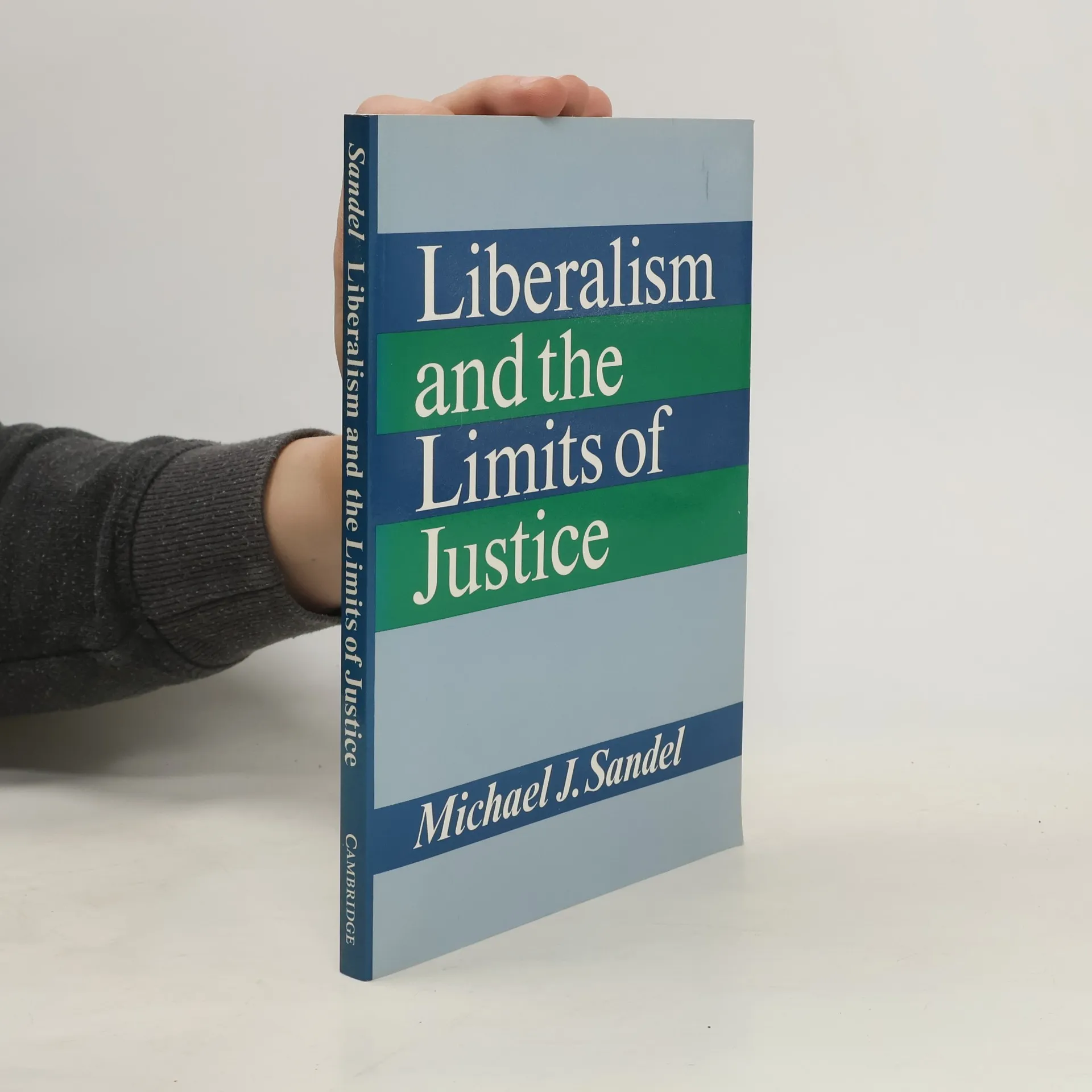
Liberalism and the limits of justice
- 199pagine
- 7 ore di lettura
A liberal society seeks not to impose a single way of life, but to leave its citizens as free as possible to choose their own values and ends. It therefore must govern by principles of justice that do not presuppose any particular vision of the good life. But can any such principles be found? And if not, what are the consequences for justice as a moral and political ideal? These are the questions Michael Sandel takes up in this penetrating critique of contemporary liberalism. This new edition includes a new introduction and a new final chapter in which Professor Sandel responds to the later work of John Rawls.
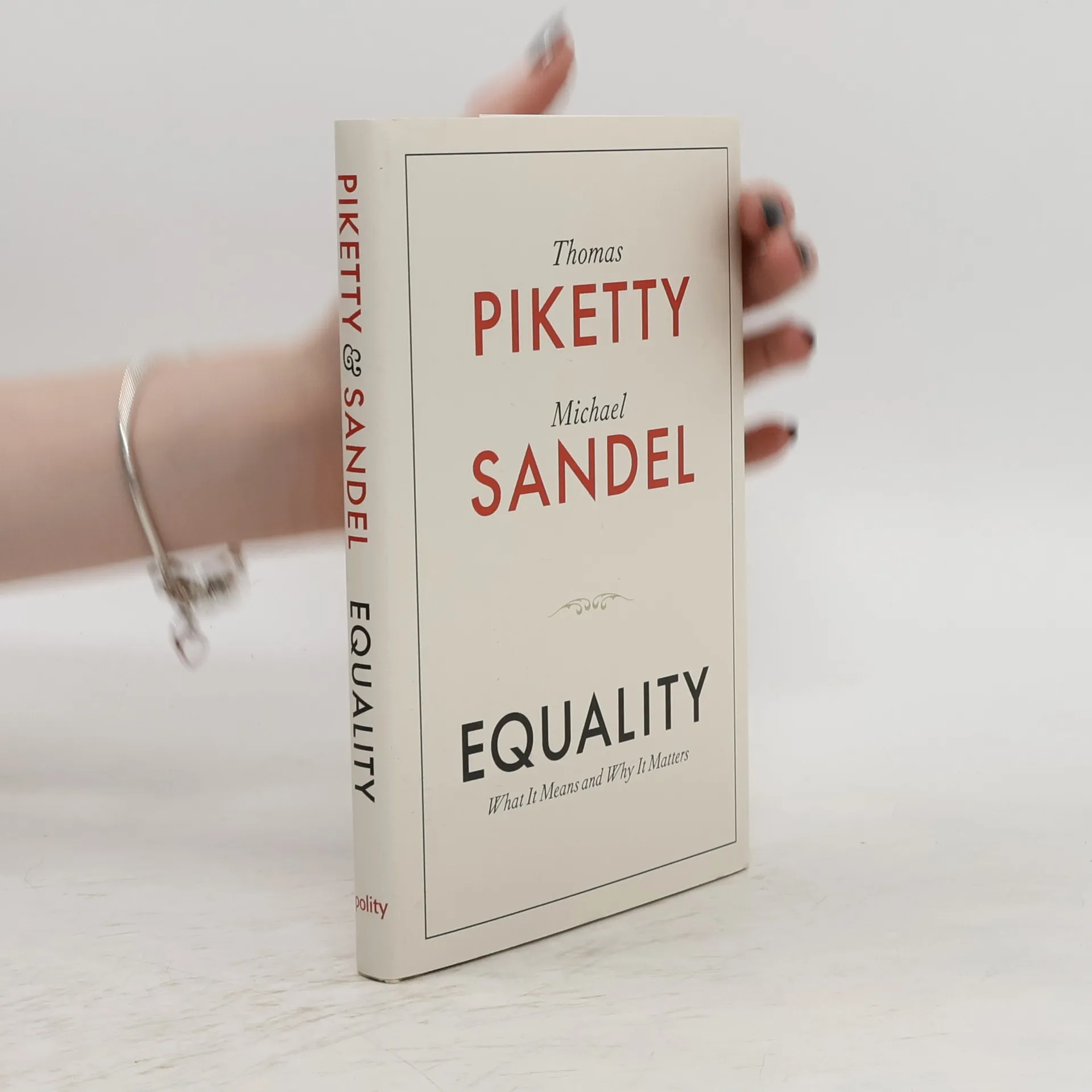
In this compelling dialogue, two of the world’s most influential thinkers reflect on the value of equality and debate what citizens and governments should do to narrow the gaps that separate us. Ranging across economics, philosophy, history, and current affairs, Thomas Piketty and Michael Sandel consider how far we have come in achieving greater equality. At the same time, they confront head-on the extreme divides that remain in wealth, income, power, and status nationally and globally. What can be done at a time of deep political instability and environmental crisis? Piketty and Sandel agree on much: more inclusive investment in health and education, higher progressive taxation, curbing the political power of the rich and the overreach of markets. But how far and how fast can we push? Should we prioritize material or social change? What are the prospects for any change at all with nationalist forces resurgent? How should the left relate to values like patriotism and local solidarity where they collide with the challenges of mass migration and global climate change? To see Piketty and Sandel grapple with these and other problems is to glimpse new possibilities for change and justice but also the stubborn truth that progress towards greater equality never comes quickly or without deep social conflict and political struggle.
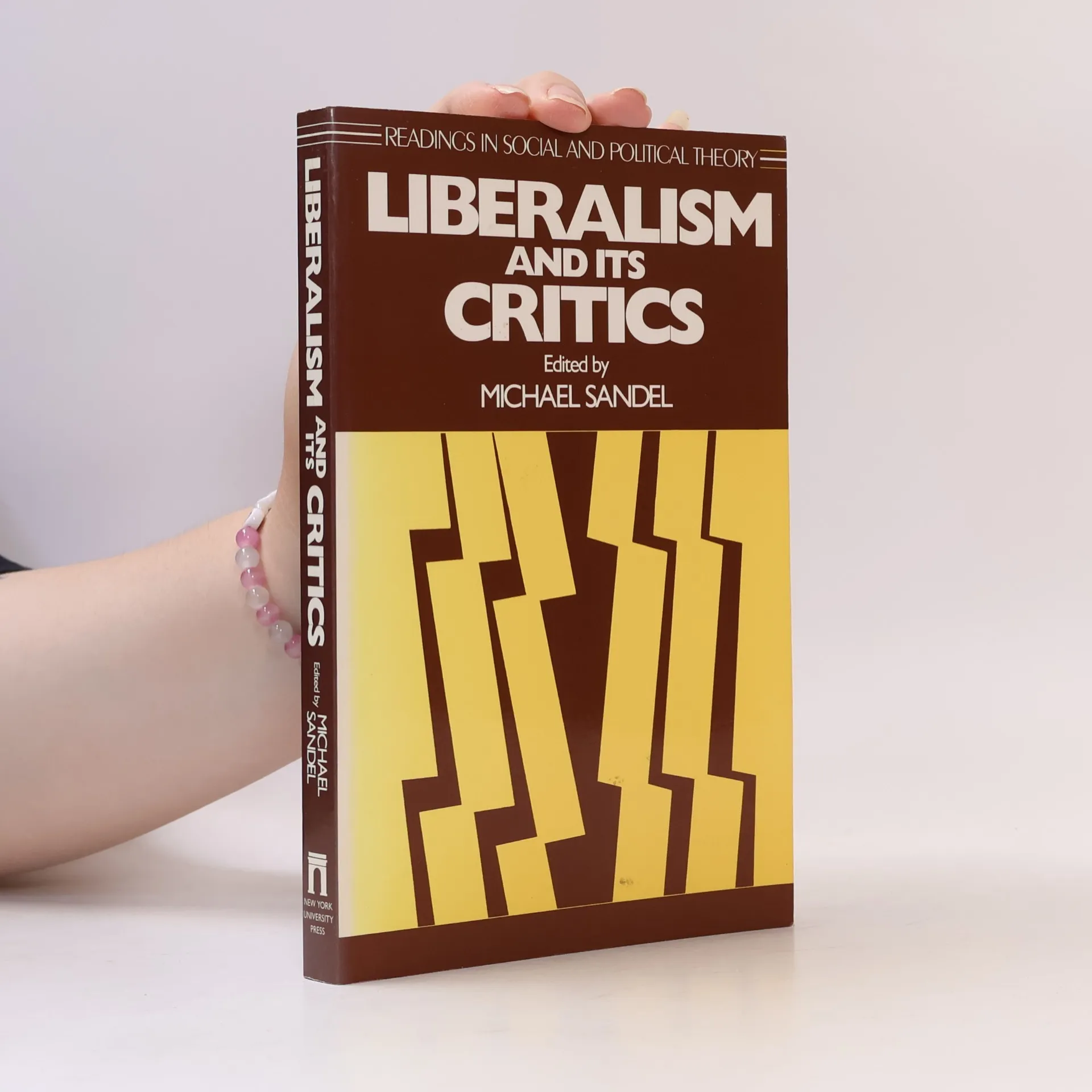
Readings in Social and Political Theory: Liberalism and Its Critics
- 278pagine
- 10 ore di lettura
Presents leading statements of rights-based liberalism and of the communitarian, or civic republican alternatives to that position
Michael Sandel, profesor morální a politické filosofie na Harvardově univerzitě, v knize srozumitelně vysvětluje, že prospěšná funkce trhu má své morální meze. Ačkoli zaznamenáváme tendenci, že stále více věcí a služeb je dnes možné prodat a koupit (například lidské orgány na ilegálním trhu), většina lidí se nepřeje, aby trhy zcela ovládaly jejich životy a byly nejvyšším hodnotovým kritériem. Kniha je vhodná především pro čtenáře z odborné i širší veřejnosti se zájmem o dané aktuální téma a o současnou morální, ekonomickou, sociální a politickou filosofii, politologii, sociologii a ekonomii.
»Sandel erklärt die Theorien der Gerechtigkeit mit Klarheit und Dringlichkeit.« New York Times Seit ihren Anfängen gehört Gerechtigkeit zu den Kernthemen der Philosophie. Wie können wir die Erkenntnisse, die sie im Laufe der Jahrhunderte gewonnen hat, für unseren Alltag nutzen? Anhand konkreter Beispiele von Abtreibung und Leihmutterschaft über Preisfindung in Krisenzeiten bis hin zu Kriegsrecht und Umweltschutz macht Bestseller-Autor und Star-Philosoph Michael J. Sandel die Theorien von Aristoteles, Kant oder John Rawls für unsere Zeit fruchtbar. Welchen Wert haben moralische Normen? Gibt es Kriterien für das richtige Handeln? »Gerechtigkeit« stellt unsere Überzeugungen auf den Prüfstand und plädiert für ein moralisches Engagement der Gesellschaft, das das Gemeinwohl ins Zentrum rückt.
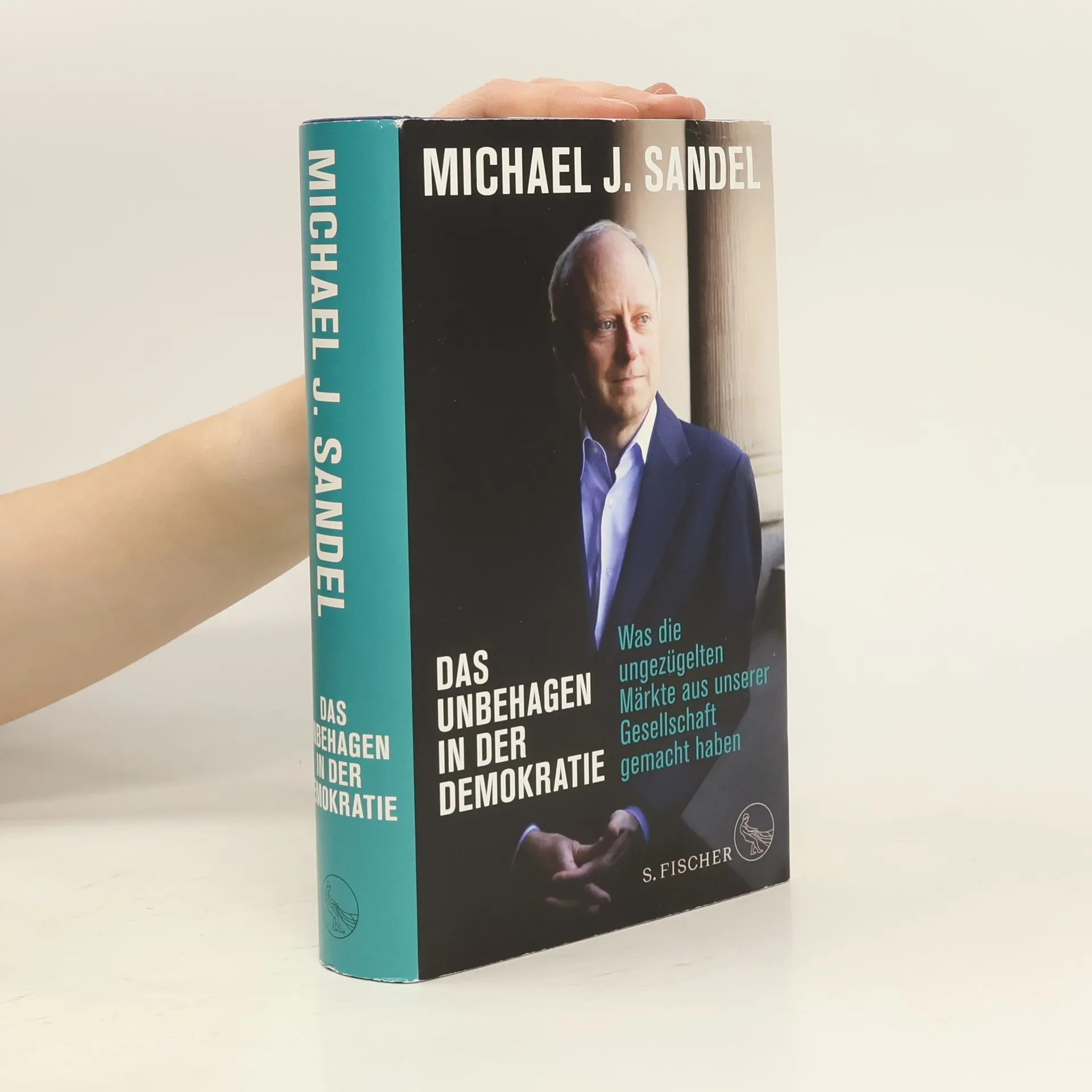
Das Unbehagen in der Demokratie
Was die ungezügelten Märkte aus unserer Gesellschaft gemacht haben
- 512pagine
- 18 ore di lettura
Michael J. Sandels bahnbrechende Kritik am globalen Kapitalismus – erstmals in deutscher Übersetzung Unsere Gegenwart hat ein Demokratie-Problem. Zum einen sind unsere Gesellschaften gespalten wie nie zuvor: Befeuert durch die sozialen Medien treiben uns rassistische Ausschreitungen, Populismus, soziale Ungleichheit und eine weltweite Pandemie in die Vereinzelung. Zum anderen hat eine global ausgerichtete, von unseren Regierungen vollkommen unregulierte Wirtschaft der Politik den Rang abgelaufen. Seit nunmehr 40 Jahren macht der Neoliberalismus aus Bürgern Gewinner oder Verlierer des globalen Kapitalismus – mit verheerenden Folgen für unsere Demokratie. In seinem monumentalen Werk zeichnet Michael J. Sandel ein historisch informiertes und philosophisch inspiriertes Bild unserer demokratievergessenen Zeit. Und er führt aus, was wir tun müssen, damit aus Konsumenten wieder Bürger werden, die ihre Gesellschaft aktiv gestalten. »Das Unbehagen in der Demokratie« ist die nun erstmals auf Deutsch vorliegende, vollständig überarbeitete und aktualisierte Ausgabe von Michael J. Sandels Klassiker »Democracy's Discontent«, der 1996 in den USA erschien und seither die Debatten um Neoliberalismus und Kapitalismus entscheidend prägt.
Das Plädoyer des Bestseller-Autors und Philosophen Michael J. Sandel gegen die immer stärker um sich greifende Kommerzialisierung unserer Lebensbereiche In unserer Welt scheint heute so gut wie alles käuflich zu sein. Selbst Lebensbereiche, deren Wert eigentlich unbezifferbar ist – Gesundheit, Politik, Recht und Gesetz, Kunst, Sport, Erziehung, Familie und Partnerschaft – haben im freien Markt ihren Preis. Aus unserer Marktwirtschaft ist eine Marktgesellschaft geworden. Hellwach, lebensnah und zugänglich spürt Michael J. Sandel in seinem internationalen Bestseller »Was man für Geld nicht kaufen kann« den moralischen Grenzen des Marktes nach: Welche Rolle spielt er in unseren Demokratien? Wie frei darf er sein? Und wie können wir jene moralischen Güter und gesellschaftlichen Werte schützen, die man für Geld nicht kaufen kann?
Os avanços da ciência genética nos apresentam uma promessa e um dilema. A promessa é que em breve poderemos ser capazes de tratar e prevenir uma série de doenças debilitantes. O dilema é que apesar destes e outros benefícios, nosso repertório moral ainda está mal equipado para enfrentar as perguntas mais complexas suscitadas pela engenharia genética. Contra a perfeição explora este e outros dilemas morais relacionados com a busca por aperfeiçoar a nós mesmos e a nossos filhos. Michael J. Sandel argumenta, de forma brilhante, que a revolução genética vai mudar a forma como filósofos discutem a ética e vai colocar as questões espirituais de volta na agenda política.
Ein Gipfeltreffen der Superstars: Thomas Piketty, der Ökonom aus Paris, und Michael J. Sandel, der Philosoph aus Harvard, diskutieren über Gleichheit und Gerechtigkeit im 21. Jahrhundert. Sie beleuchten aktuelle Herausforderungen wie wachsende soziale Ungleichheit, Klimawandel, Massenmigration, den Aufstieg der Rechten und die Zukunft der Linken. Ihre Gespräche bieten nicht nur tiefgreifende Einsichten, sondern auch intellektuelles Vergnügen. In Zeiten politischer Instabilität und schwerer Umweltkrisen stellen sie die Frage, wie gegengesteuert werden kann. Beide sind sich einig, dass mehr Investitionen in inklusive Gesundheit und Bildung, höhere progressive Steuern sowie klare Grenzen für die Macht des Reichtums und der Märkte notwendig sind. Doch wie erreichen wir diese Ziele? Und sollten wir materiellen Wohlstand oder sozialen Wandel priorisieren? Die Diskussion wird zusätzlich durch den Aufstieg eines neuen radikalen Nationalismus weltweit erschwert. Piketty betont die Problematik der Eigentumskonzentration, die zu einer Machtkonzentration führt: "Die einen haben große Macht und die anderen verlieren die Kontrolle." Ihre Besteller haben die Debatte über die Vereinbarkeit von Reichtum und sozialer Gerechtigkeit neu entfacht und bieten eine spannende Grundlage für die Kernfragen unserer Zeit.
Der Philosoph Michael J. Sandel setzt sich in diesem Buch mit den zentralen moralischen und politischen Themen unserer Zeit auseinander: Er beleuchtet Sterbehilfe und Abtreibung, Homosexuellenrechte wie Stammzellenforschung, »Affirmative Action« sowie die Kluft zwischen Arm und Reich, die Rolle der Märkte und den Platz der Religion im öffentlichen Leben. Inwieweit kann Moral Einfluss auf die Politik nehmen? In seinen wegweisenden Essays argumentiert Michael Sandel für eine gerechte, moralische Gesellschaft und für ein staatsbürgerliches Freiheitsverständnis, das es Bürgerinnen und Bürgern ermöglicht, eigene Wertvorstellungen in die Gemeinschaft einzubringen. »Ein Buch zur Orientierung in schwieriger Zeit.« Morgenpost am Sonntag
Liberalismus oder Republikanismus
- 119pagine
- 5 ore di lettura
Michael J. Sandel, einer der Wegbereiter der kommunitaristischen Kritik am „philosophischen Liberalismus“, behandelt in seinen Vorlesungen die Frage nach der politischen Kultur in der Demokratie. Gegen einen werteneutralen Liberalismus versucht Sandel nachzuweisen, daß es nicht möglich ist, die Fundierung liberaler Freiheitsrechte von bestimmten Wertorientierungen oder Vorstellungen des Guten zu trennen. Diese Diagnose hat einschneidende Konsequenzen für die Beurteilung wertegeladener Traditionen in der politischen Gegenwart. Für Sandel kommt der Tradition des Republikanismus, die in der Gründerzeit der amerikanischen Demokratie eine entscheidende Rolle gespielt hat, auch für die Zukunft eine große Bedeutung zu. Ohne aktiven Bürgersinn wird es nicht gelingen, dem moralischen Zerfall der Gesellschaft und der wachsenden Politikverdrossenheit der Gegenwart die Perspektive eines freien Gemeinwesens entgegenzusetzen.
Die Kämpfe der Zukunft 11248
Gleichheit und Gerechtigkeit im 21. Jahrhundert
Wie hängen der Vertrauensverlust in demokratische Institutionen und die ungleiche Verteilung von Einkommen und Vermögen zusammen? Warum stellt soziale Ungleichheit überhaupt ein Problem dar? Und welche politischen Maßnahmen können zu mehr Gerechtigkeit führen - national wie international? Der Moralphilosoph Michael J. Sandel und der Ökonom Thomas Piketty diskutieren die drängenden Fragen unserer Zeit und zeigen Wege auf, sie zu beantworten. Beide argumentieren, dass die zunehmende Konzentration von Reichtum und Macht nicht nur materielle Ungleichheiten verstärke, sondern auch das demokratische Miteinander und die Würde der Individuen untergrabe. Eine Gesellschaft, die Anerkennung immer stärker an Bildungsabschlüsse und Markterfolg knüpft, riskiere, ihre demokratische Substanz zu verlieren. Die Autoren plädieren für einen grundlegenden Kurswechsel: Dazu zählen eine progressive Steuerpolitik, umfassende Investitionen in Bildung und öffentliche Daseinsvorsorge sowie neue Formen gesellschaftlicher Anerkennung und Teilhabe. Im Zentrum steht dabei die Forderung nach einer Gesellschaft, die Würde und Gleichberechtigung für alle sichert - unabhängig von Herkunft, Bildungsgrad oder beruflichem Erfolg.
Phải Trái Đúng Sai. Justice
What´s The Right Thing To Do?