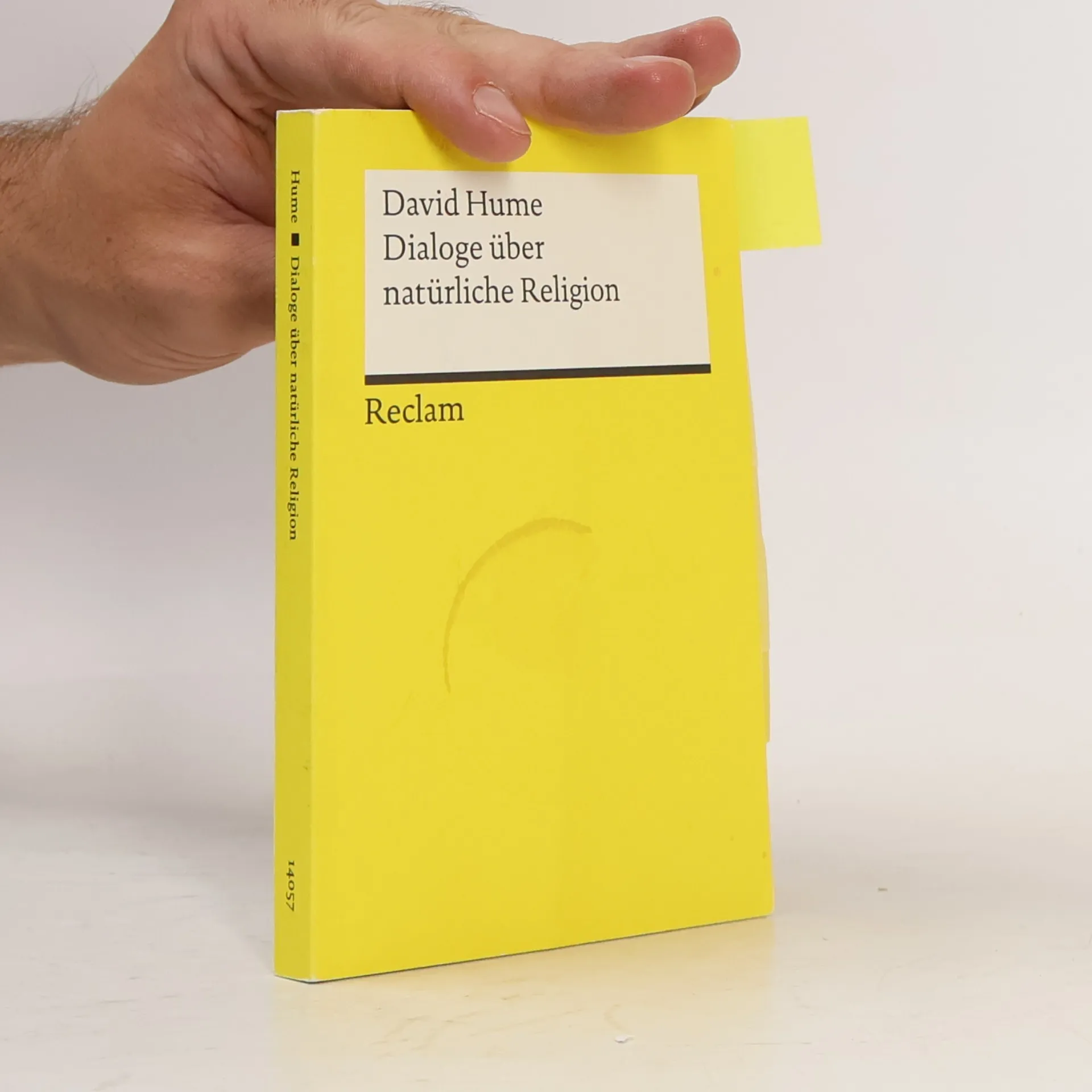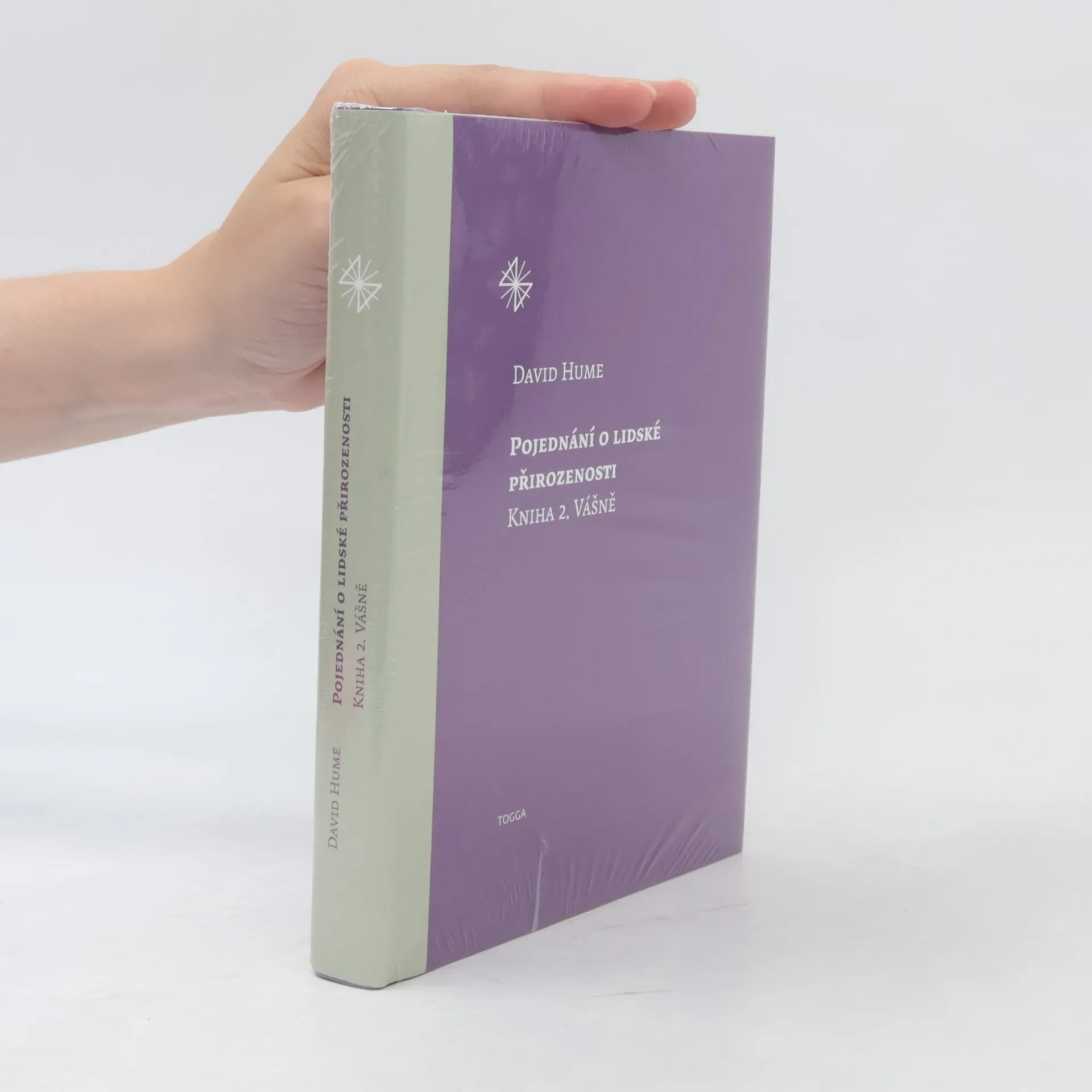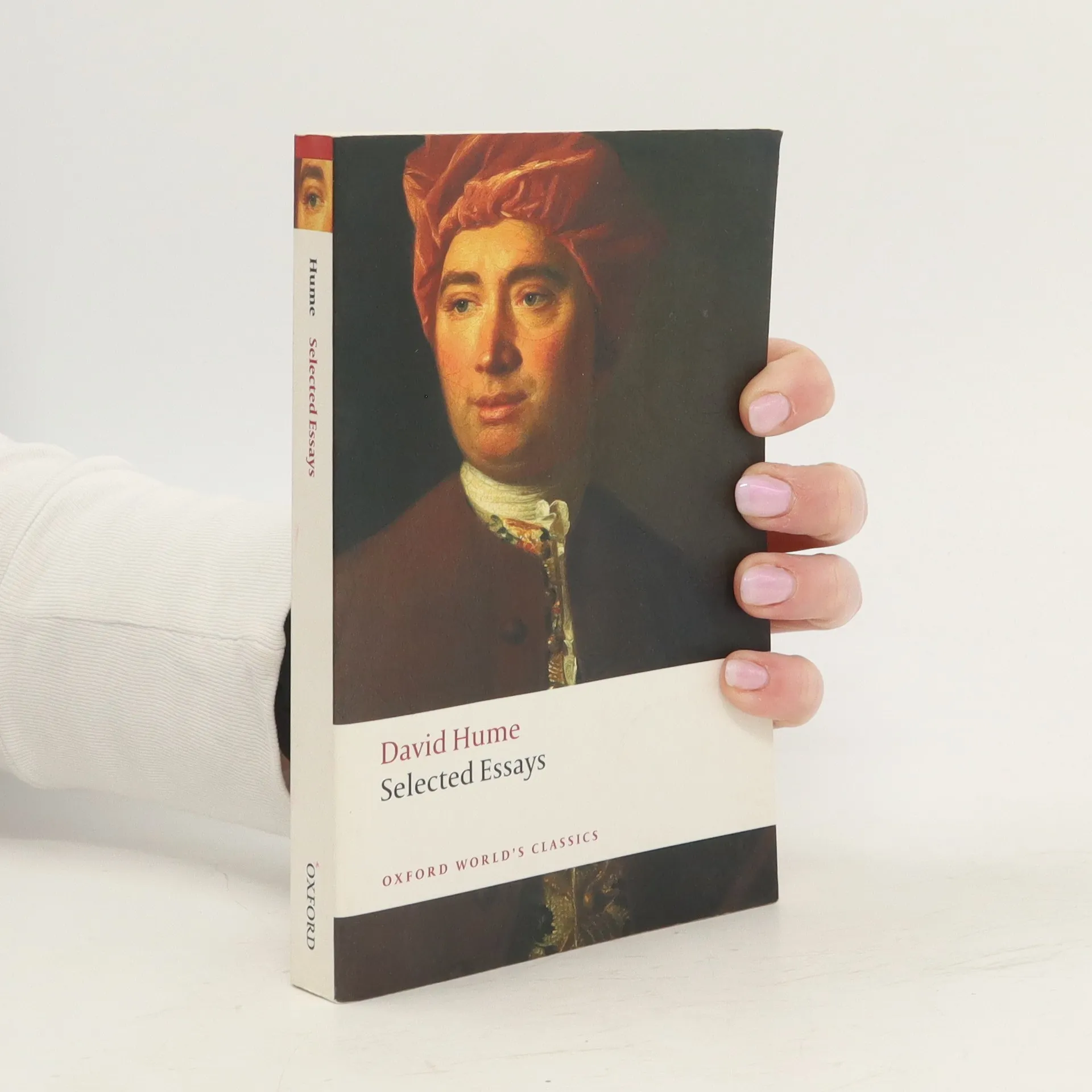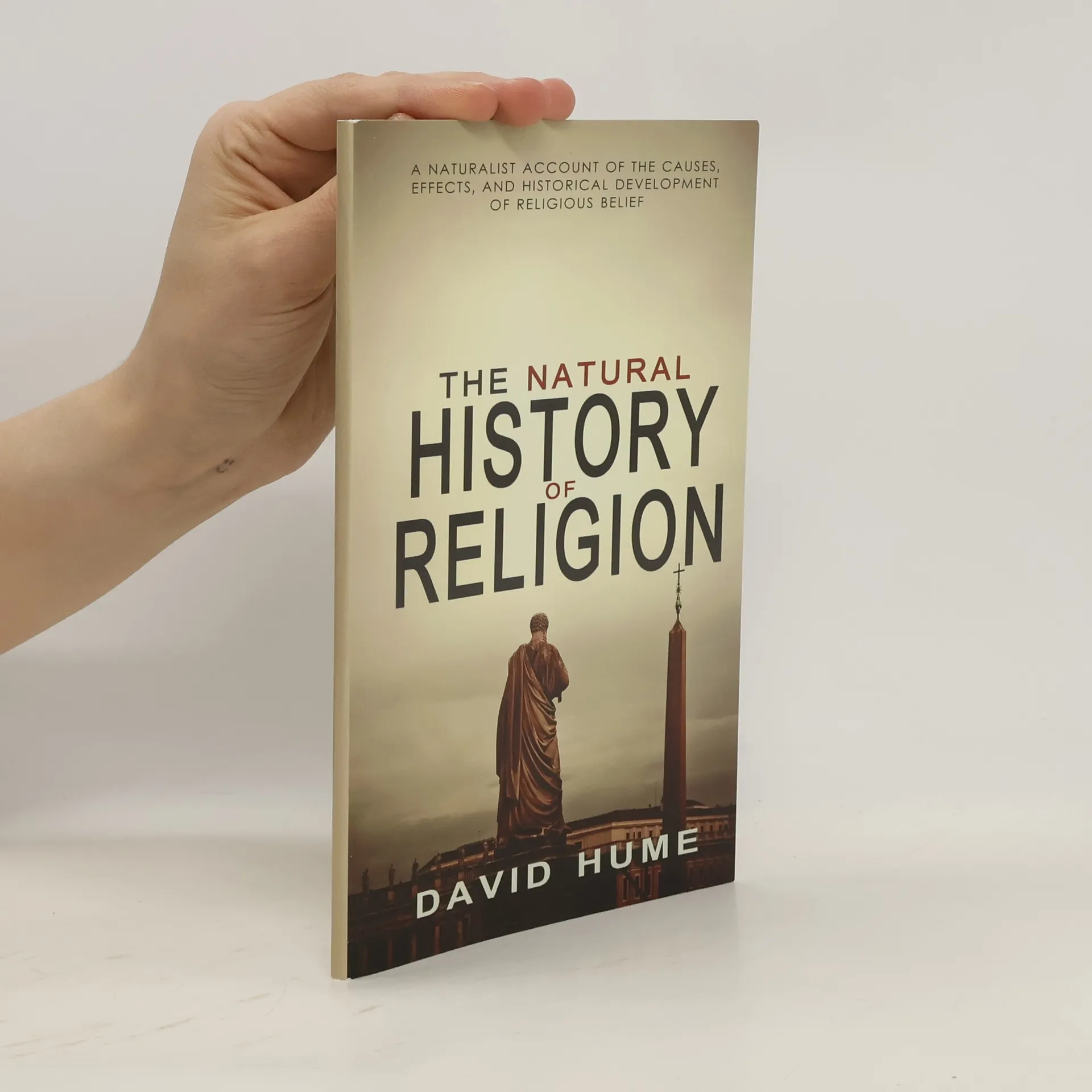



This book is a reproduction of a historical work, produced in large print to enhance accessibility for individuals with impaired vision. The publishing house Megali focuses on making such texts available, ensuring that important historical literature can be enjoyed by a wider audience.
David Hume Ordine dei libri (cronologico)
David Hume, figura di spicco dell'Illuminismo scozzese, ha plasmato in modo fondamentale il pensiero occidentale attraverso il suo radicale empirismo filosofico e scetticismo. Cercò di stabilire una 'scienza dell'uomo' naturalistica, esplorando le basi psicologiche della natura umana e concludendo che il desiderio, piuttosto che la ragione, governa il comportamento. Hume sostenne che la conoscenza deriva unicamente dall'esperienza diretta, sfidando la nozione di idee innate e mettendo in discussione la giustificazione razionale della causalità. Le sue influenti teorie sul libero arbitrio e sull'etica, fondate sul sentimento piuttosto che su principi astratti, continuano a risuonare nella filosofia contemporanea.


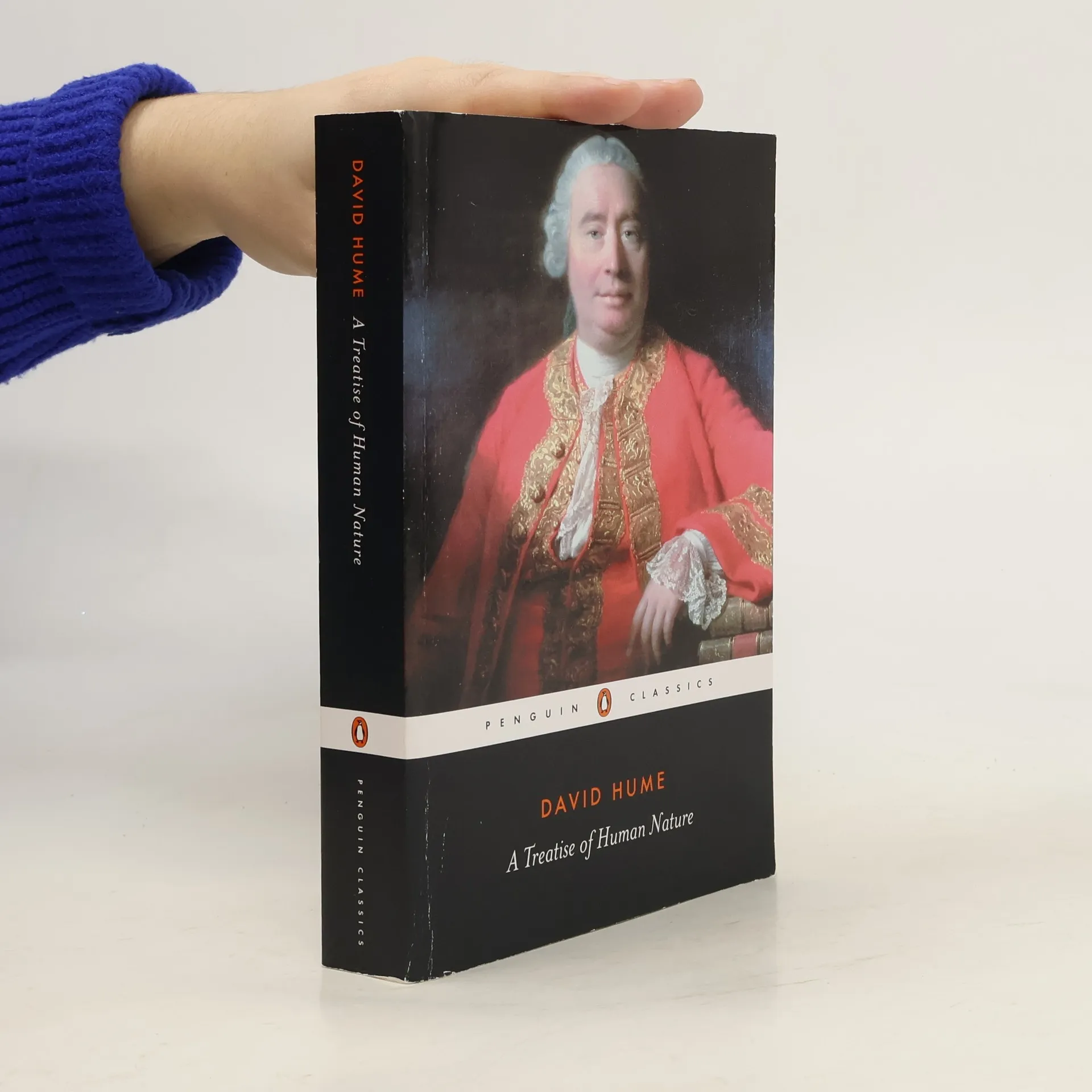
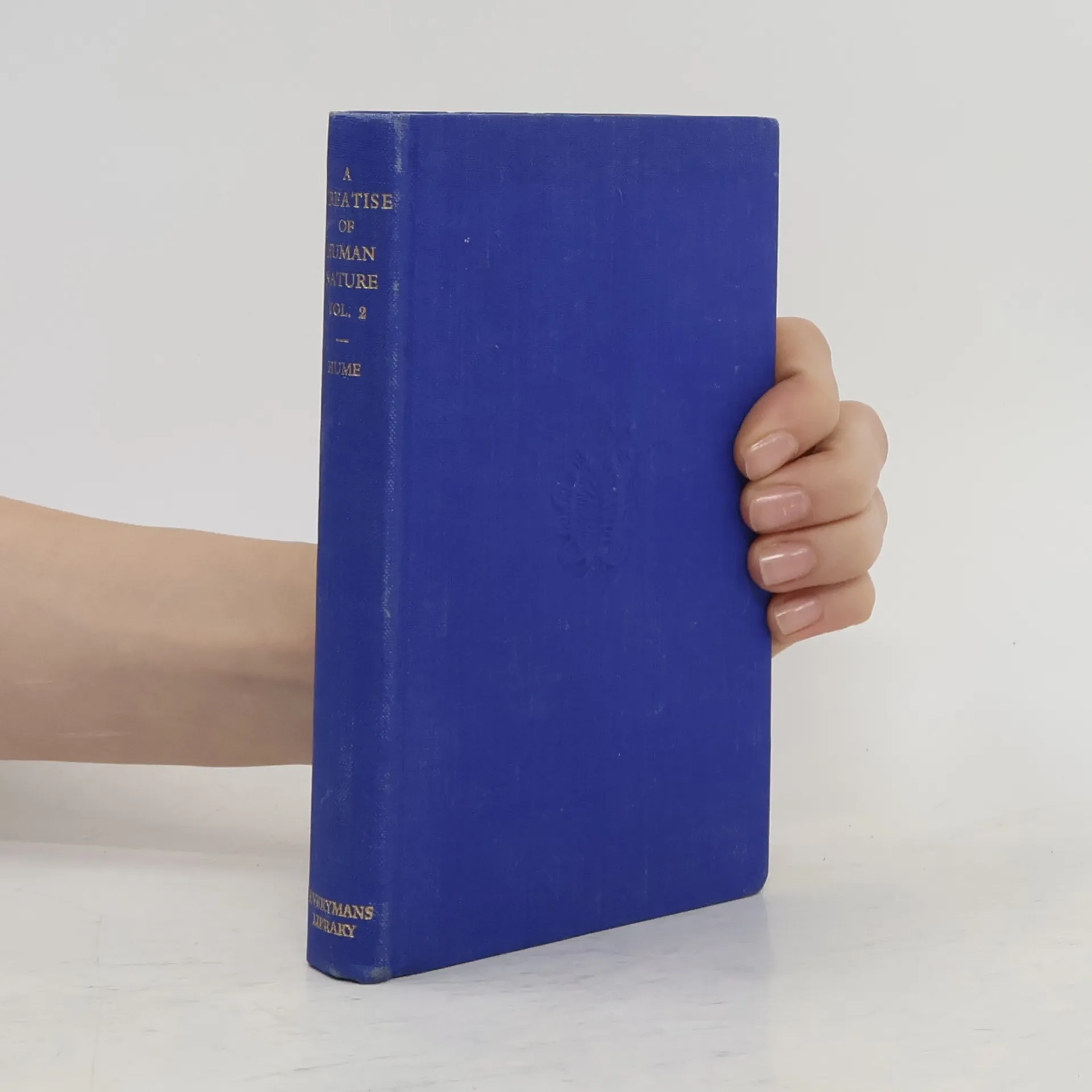
A Treatise of Human Nature and Critique of Pure Reason (Case Laminate Hardbound Edition)
- 826pagine
- 29 ore di lettura
Exploring the philosophical contributions of David Hume and Immanuel Kant, this volume delves into their contrasting views on knowledge, reality, and human experience. Hume's empiricism challenges the foundations of rational thought, while Kant's critical philosophy seeks to reconcile empirical observations with metaphysical inquiries. The book highlights key themes such as skepticism, morality, and the limits of human understanding, offering a comprehensive analysis of their enduring impact on modern philosophy.
Originally published in 1856, this reprint offers readers a chance to explore the themes and insights of the time. The book captures the essence of its era through its narrative, characters, and societal reflections, providing a historical perspective that remains relevant today. Its enduring relevance is a testament to the author's skill in addressing universal human experiences and emotions, making it a valuable addition to any literary collection.
The History of England; From The Invasion Of Julius Caesar To The Revolution In 1688, In Six Volumes
Volume 1 - in large print
- 880pagine
- 31 ore di lettura
This book is a reproduction of a historical work, presented in large print to enhance accessibility for readers with impaired vision. Published by Megali, a house known for its commitment to making literature more inclusive, it aims to preserve and share important texts while ensuring they are easy to read for everyone.
David Hume Selected Works Collection
- 740pagine
- 26 ore di lettura
The collection features four seminal works by David Hume, exploring fundamental philosophical themes. "A Treatise of Human Nature" examines human psychology and behavior, while "An Enquiry Concerning Human Understanding" delves into the nature of knowledge and perception. "An Enquiry Concerning the Principles of Morals" discusses ethical principles and moral philosophy, and "Dialogues Concerning Natural Religion" engages in a debate about the existence and nature of God. Together, these texts provide a comprehensive insight into Hume's influential ideas.
The History Of England Vol.1
- 464pagine
- 17 ore di lettura
Focusing on England's rich historical tapestry, this volume by David Hume explores significant eras such as the Anglo-Saxons, Normans, and Plantagenets, along with the Roman invasion. Hume's Enlightenment-influenced perspective emphasizes reason and human nature, providing a comprehensive analysis of pivotal personalities and events. The narrative is accessible to readers of all levels, blending intelligent critique with a factual recounting of history, making it a respected work in the field of historical literature.
Focusing on accessibility, this book is a reproduction of a historical work presented in large print format. The publishing house Megali aims to facilitate reading for individuals with impaired vision, ensuring that classic literature remains available to a wider audience.
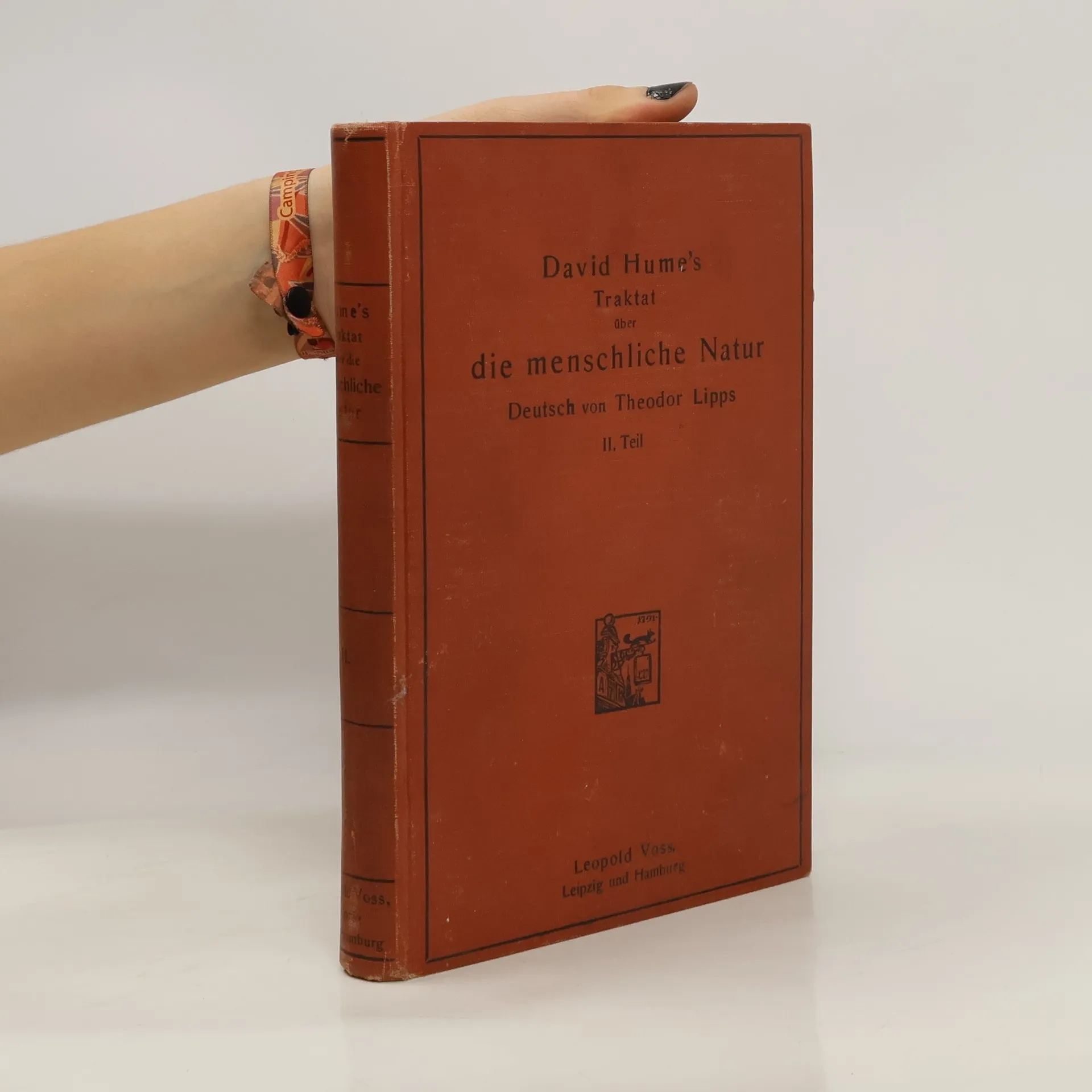
Traktat über die menschliche Natur Buch I-III
Buch I. Über den Verstand/ Buch II. Über die Affekte. Buch III. Über Moral
David Humes Erstlingswerk "A Treatise of Human Nature" besteht aus drei Büchern über Verstand, Affekte und Moral. Es gilt als grundlegendes Werk der kritischen Empirie und zielt darauf ab, traditionelle Metaphysik zu hinterfragen und eine neue Anthropologie zu etablieren, die den Menschen ins Zentrum rückt.
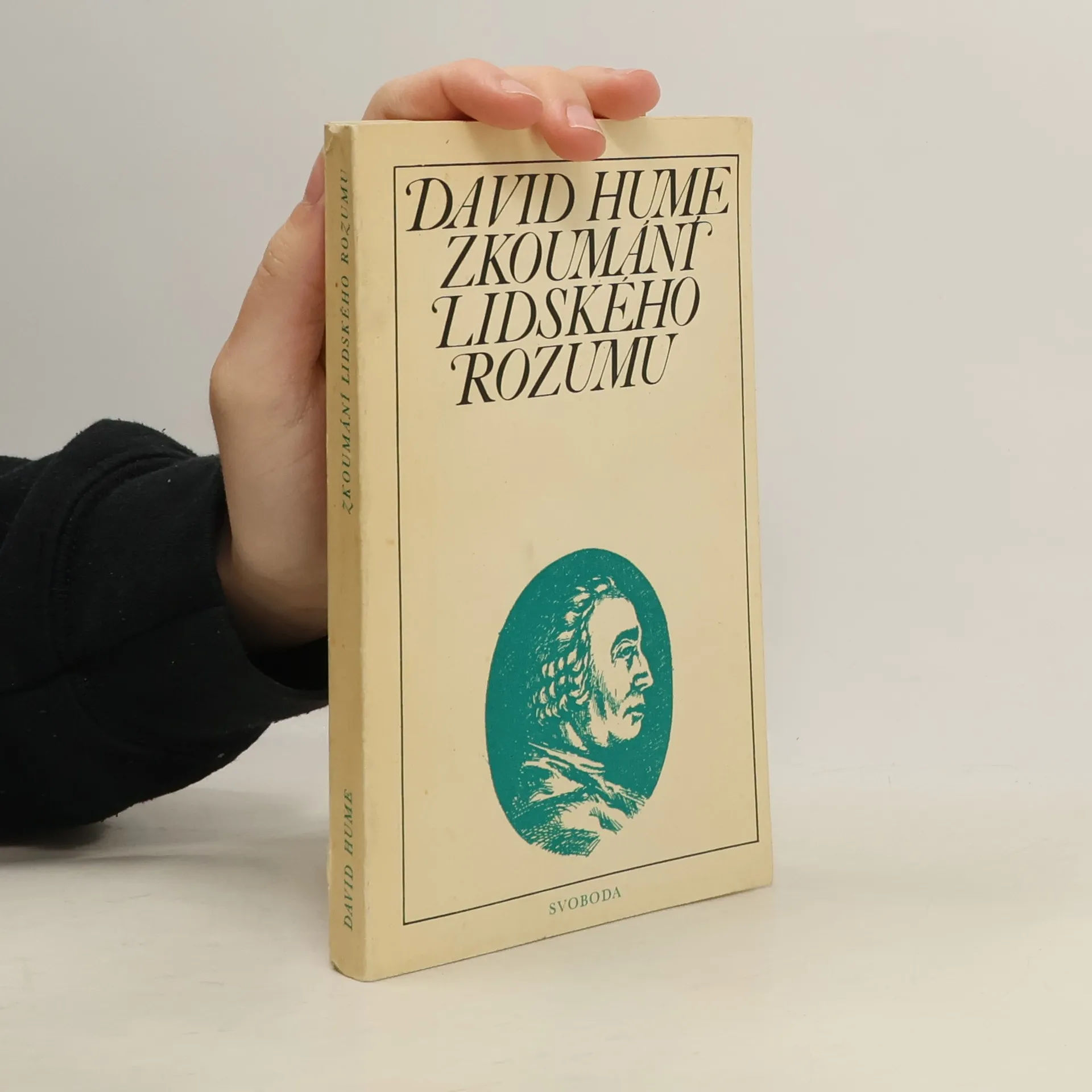
Eine Untersuchung im Betreff des menschlichen Verstandes
- 124pagine
- 5 ore di lettura
Die Reflexionen über Freiheit und Determinismus von Hume sind entscheidend für die Entwicklung der Analytischen Philosophie. Während Historiker Handlungen in einem kausalen Zusammenhang betrachten, erlebt der Handelnde seine Entscheidungen als undeterminiert. Hume legt auch grundlegende Annahmen zu Bewusstsein und Erkenntnis dar, insbesondere dass Eindrücke die Quelle von Ideen sind und dass der Verstand einfache Vorstellungen zu komplexen Ideen kombiniert. Diese Ansätze prägen das Verständnis von menschlichem Handeln und Denken.
Eine Untersuchung in Betreff des menschlichen Verstandes
- 124pagine
- 5 ore di lettura
Die Reflektionen von Hume zu Freiheit und Determinismus sind entscheidend für die moderne Analytische Philosophie. Er kontrastiert die chronologisch-kausale Erklärung von Handlungen durch Historiker mit der subjektiven Wahrnehmung des Handelnden, der seine Entscheidungen als undeterminiert erlebt. Zudem entwickelt Hume grundlegende Annahmen über das Bewusstsein und die Erkenntnis, indem er betont, dass Eindrücke die einzige Quelle von Ideen sind und einfache Vorstellungen im Verstand zu komplexen Ideen kombiniert werden.