
10 libri per 10 euro qui
Bookbot

Jamyang Khyentse

    1 gennaio 1961

    Dzongsar Jamyang Khyentse Rinpoche è un rispettato maestro di buddismo e regista cinematografico, dedito alla conservazione e alla diffusione degli insegnamenti buddisti. Il suo lavoro si concentra sulla comprensione della saggezza e della compassione nel mondo contemporaneo. Attraverso la fondazione di istituzioni educative e la sua attività cinematografica, rende accessibili i profondi concetti buddisti a un pubblico più ampio. Il suo approccio si basa su uno studio e una pratica approfonditi sotto la guida di maestri eminenti.

    Jamyang Khyentse
    Buddha's Words for Tough Times
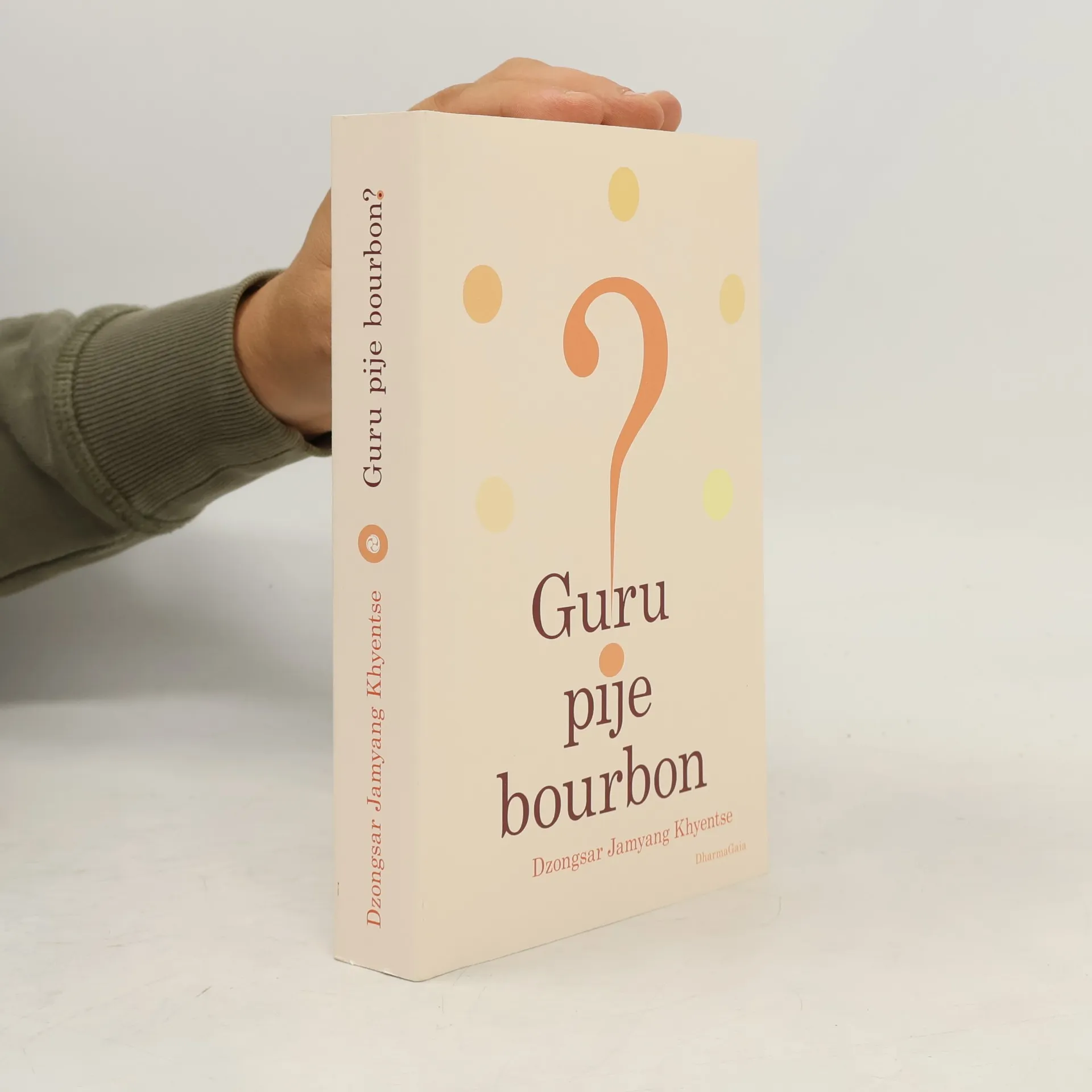
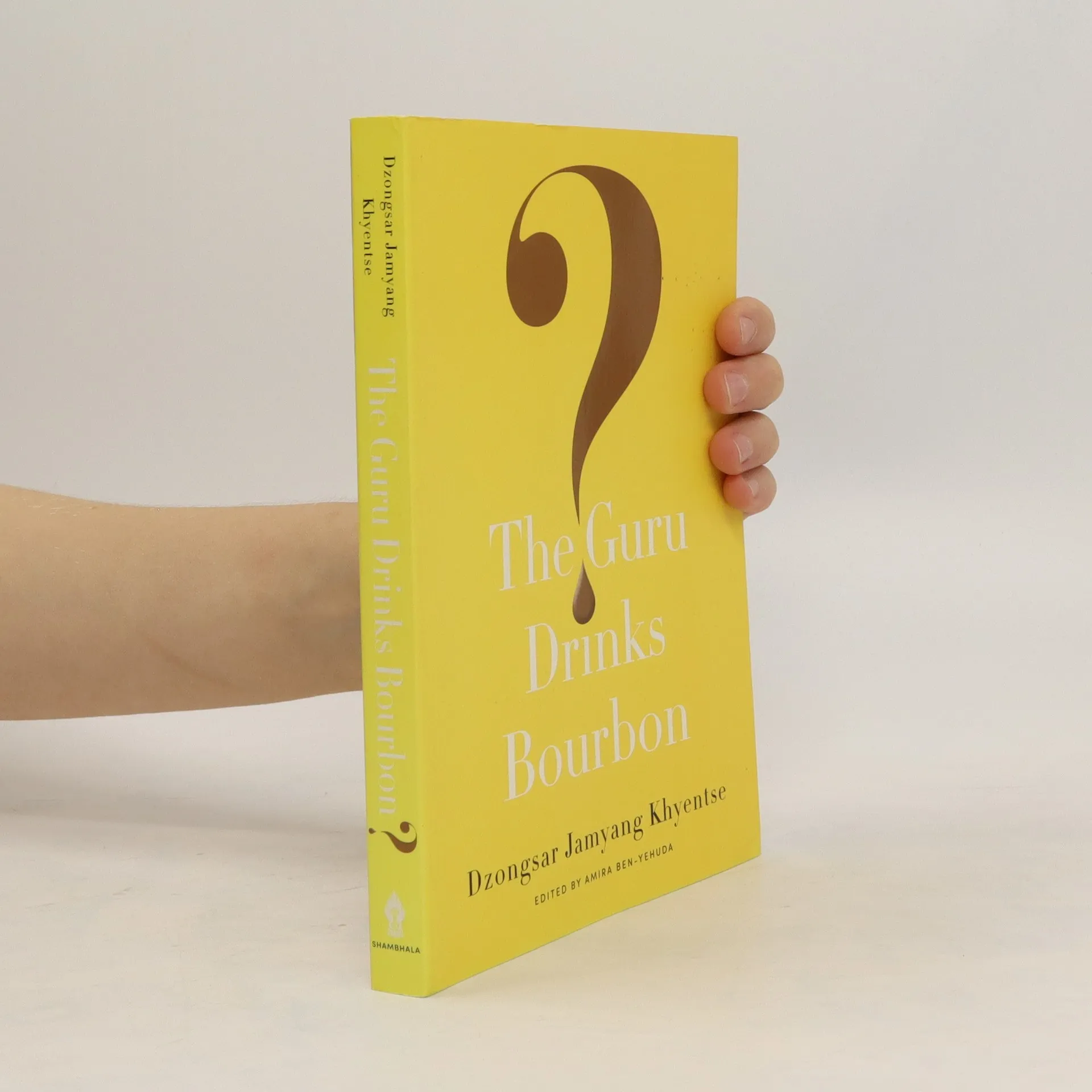
    The Guru Drinks Bourbon
    Living is Dying
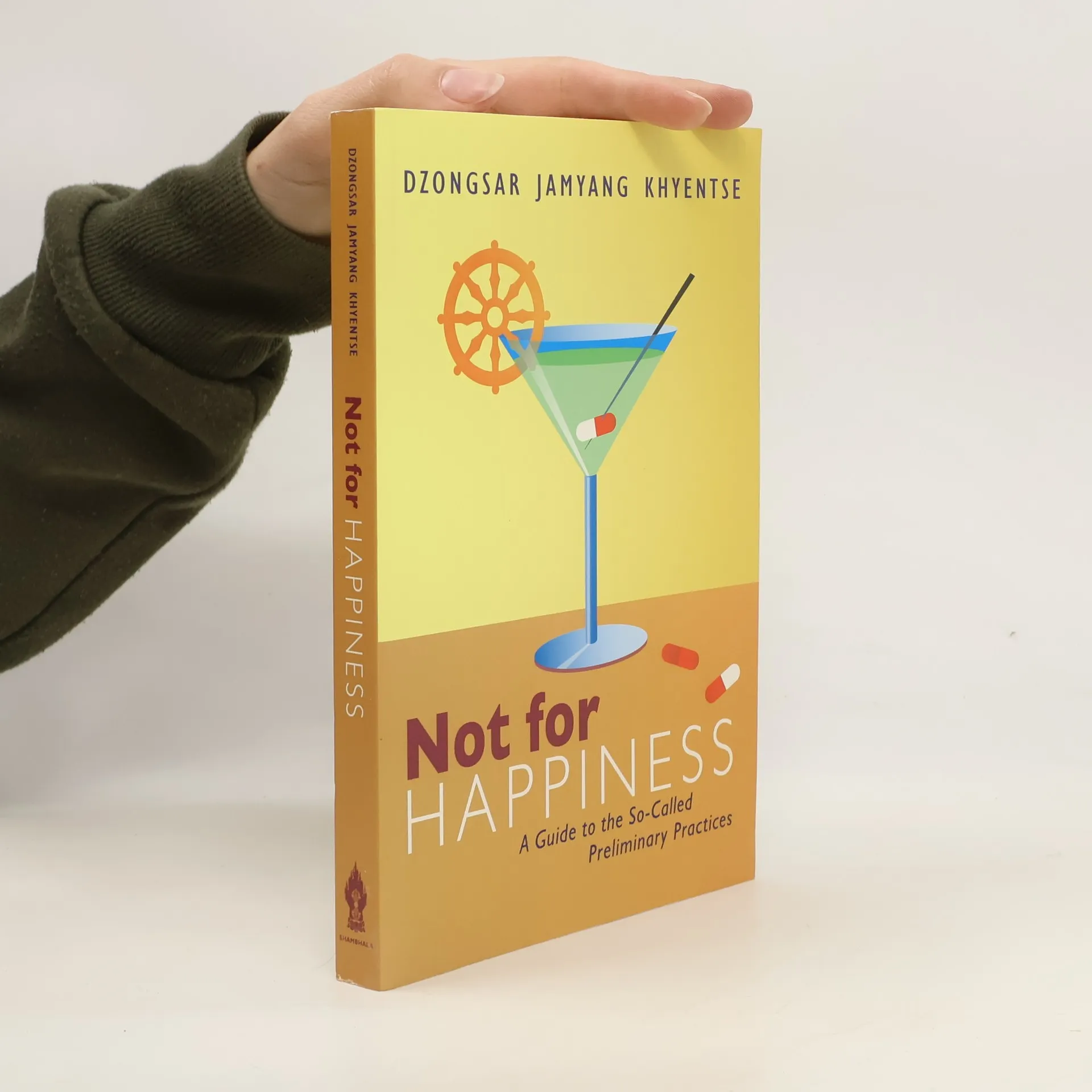
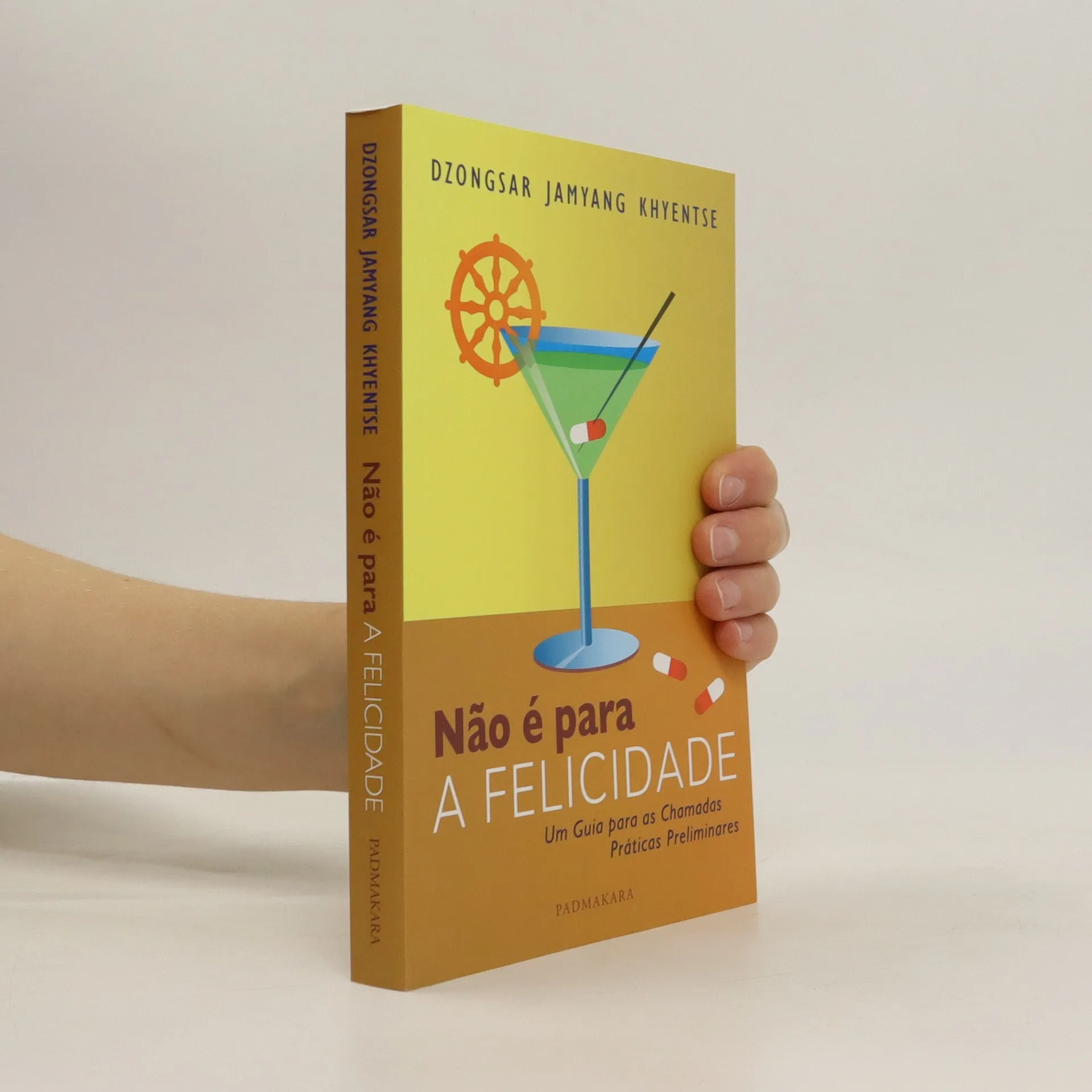
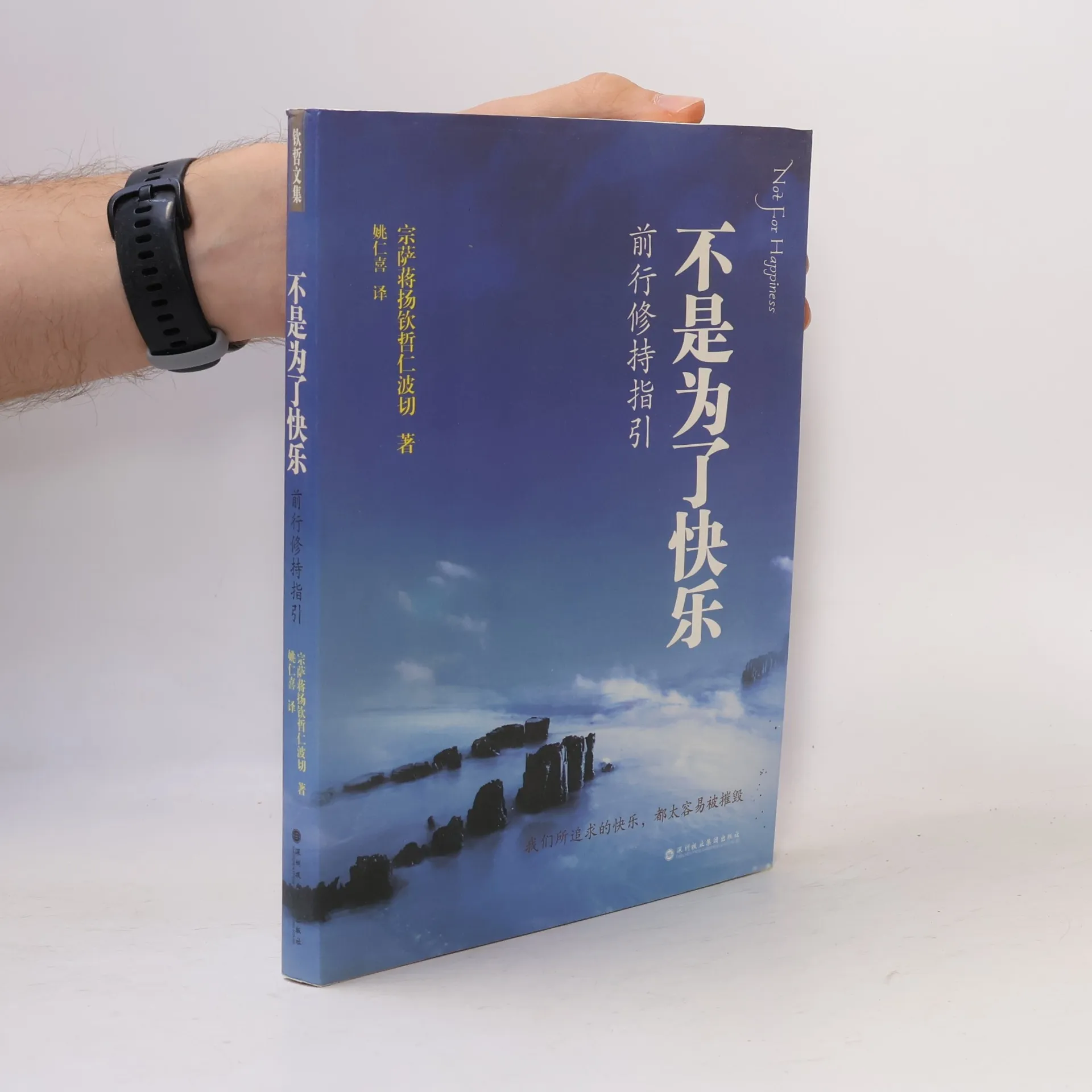
    Not for Happiness
    Not for happiness : a guide to the so-called preliminary practices
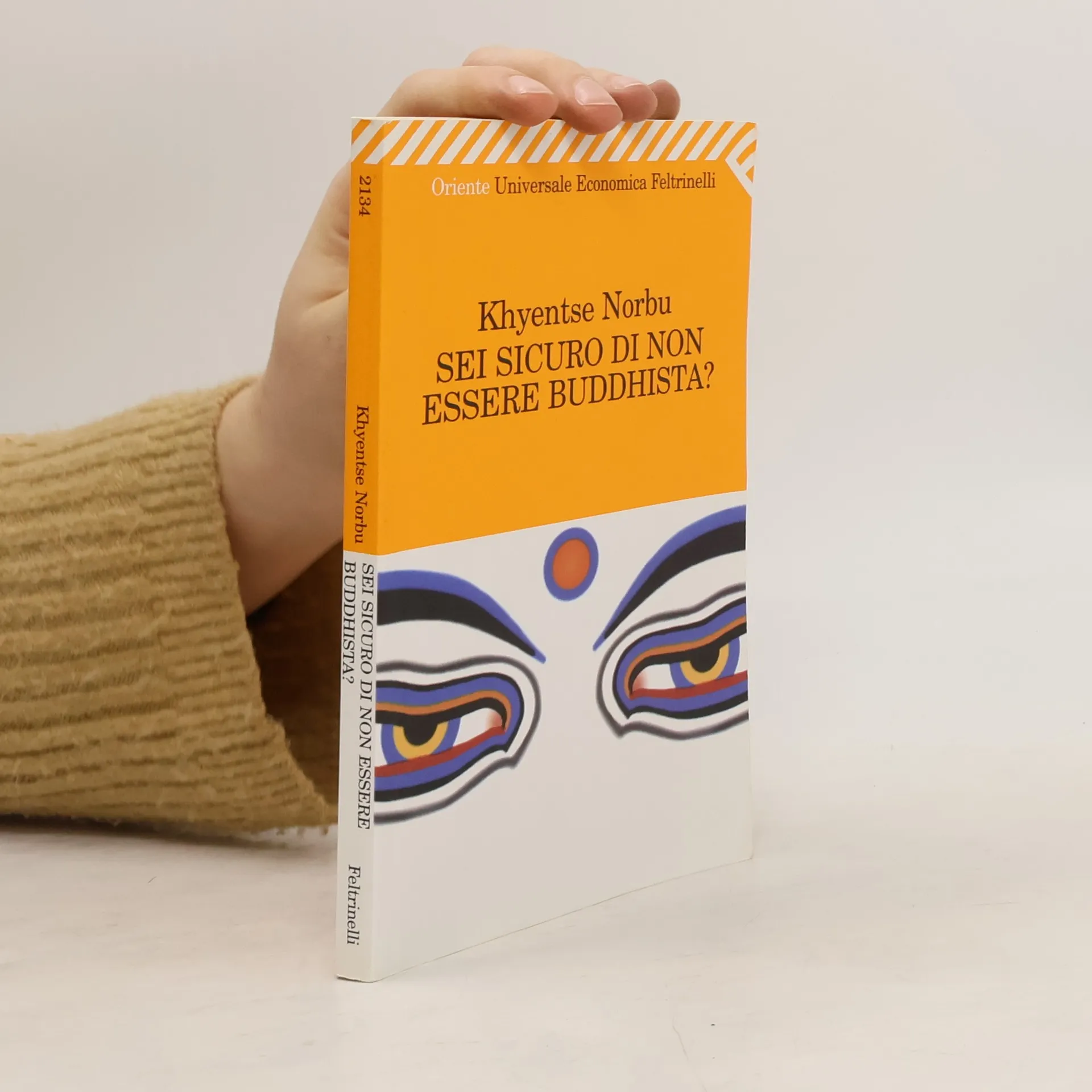
    Sei sicuro di non essere buddhista?
    • Il punto di partenza di questo piccolo libro sta nella messa a fuoco di cosa fa di una persona un non buddhista, sottintendendo che chiunque può scoprirsi ed essere buddhista, al di là di ogni rito o tradizione, gusto o carattere. I quattro principi fondamentali che un buddista deve condividere e da cui discende tutto l'essere buddhista sono i quattro "sigilli" della verità, ossia: 1. Tutte le cose composte sono transitorie; 2. Tutte le emozioni sono dolore; 3. Tutte le cose non hanno intrinseca esistenza; 4. Il Nirvana sta al di là dei concetti. Per essere buddhisti "praticanti" basta accettare e praticare le quattro verità da cui deriva tutto il resto, ovvero astenersi dal nuocere al prossimo e cercare di aiutare gli altri il più possibile (se non si praticano le verità è come essere un malato che legge l'etichetta della medicina senza prenderla). Il messaggio buddhista (del karma, della purificazione, della non violenza, della rinuncia come forma di ricchezza, della saggezza, della pratica dell'armonia) è portatore di pace proprio perché i buddhisti non hanno la missione di convertire il mondo e nessun buddhista è autorizzato a commettere violenza in nome del buddhismo.
      Sei sicuro di non essere buddhista?
    • From the author of What Makes You Not a Buddhist comes a fresh look at the foundations of Tibetan Buddhist practice, with practical advice and guidance for the modern practitioner Do you practice meditation because you want to feel good? Or to help you relax and be “happy”? Then frankly, according to Dzongsar Jamyang Khyentse, you are far better off having a full-body massage than trying to practice the Dharma. Genuine spiritual practice, not least the Ngöndro preliminaries, will not bring the kind of comfort and ease most worldly people crave. Quite the opposite, in fact. But if your ultimate goal is enlightenment, Ngöndro practice is a must, and Not for Happiness your perfect guide, as it contains everything an aspiring practitioner needs to get started, including advice about: • Developing “renunciation mind” • Discipline, meditation and wisdom • Using your imagination in visualization practice • Why you need a guru

      Not for happiness : a guide to the so-called preliminary practices
    • Do you practise meditation because you want to feel good? Or to help you relax and be "happy"? Then frankly, according to Dzongsar Jamyang Khyentse, you are far better off having a full-body massage than trying to practise the Dharma. Genuine spiritual practice, not least the Ngöndro preliminaries, will not bring the kind of comfort and ease most worldly people crave. Quite the opposite, in fact. But if your ultimate goal is enlightenment, Ngöndro practice is a must, and Not for Happiness your perfect guide, as it contains everything an aspiring practitioner needs to get started, including advice about: • developing "renunciation mind" • discipline, meditation and wisdom • using your imagination in visualization practice • why you need a guru

      Not for Happiness
    • Living is Dying

      • 160pagine
      • 6 ore di lettura

      An insightful collection of teachings about death and dying to help face life's greatest mystery calmly and with equanimity. Lifetimes of effort go into organizing, designing, and structuring every aspect of our lives, but how many people are willing to contemplate the inevitability of death? Although dying is an essential part of life, it is an uncomfortable topic that most people avoid. With no idea what will happen when we die and a strong desire to sidestep the conversation, we make all kinds of assumptions. Living Is Dying collects teachings about death and the bardos that have been passed down through a long lineage of brilliant Buddhist masters, each of whom went to great lengths to examine the process in minute detail. Renowned author and teacher Dzongsar Jamyang Khyentse responds to the most common questions he's been asked about death and dying--exploring how one prepares for death, what to say to a loved one who is dying, and prayers and practices to use as a handhold when approaching the unknown territory of death. Whether you are facing death today or decades from now, preparing for it can help to allay your worst fears and help you appreciate what it means to be truly alive.

      Living is Dying
    • Devotion to one’s teacher is the lifeblood of the Vajrayana path. Because the guru can and will use whatever means it takes to wake us up, this relationship may require us to drop our most deeply held beliefs and expectations. Dzongsar Jamyang Khyentse addresses some of the most misunderstood aspects of this powerful relationship and gives practical advice on making the most of this precious opportunity for transformation. Through stories and classical examples, he shows how to walk the path with eyes wide open, with critical-thinking skills sharpened and equipped to analyze the guru, before taking the leap.

      The Guru Drinks Bourbon
    • Buddha's Words for Tough Times

      An Anthology

      • 528pagine
      • 19 ore di lettura

      The anthology presents twenty translations from Buddhist literature, highlighting ancient wisdom relevant to contemporary challenges. Peter Skilling, a leading expert on Buddhist texts, illuminates themes of impermanence and anxiety, reflecting on the timeless insights of the Buddha. Through translations from Tibetan, Sanskrit, and Pali, he reveals the rich history and significance of these teachings. This collection serves as a vital resource, offering profound guidance for navigating today’s turbulent times and making the teachings accessible to English readers.

      Buddha's Words for Tough Times
    • Dzongsar Jamyang Khyentse, provokující učitel, významný filmař, umělec a spisovatel, je jedním z nejkreativnějších a nejinovativnějších tibetských buddhistických učitelů naší doby. Jeho kniha Co z vás (ne)dělá buddhistu nás vybízí ke zkoumání našich základních předpokladů a vžitých představ. S neobvyklou intenzitou a originalitou čtenáři předkládá esenci buddhismu formulovanou do čtyř bodů – čtyř pečetí buddhismu – a základní principy buddhismu vysvětluje přístupnou formou, které může porozumět každý.

      Co z vás (ne)dělá buddhistu