
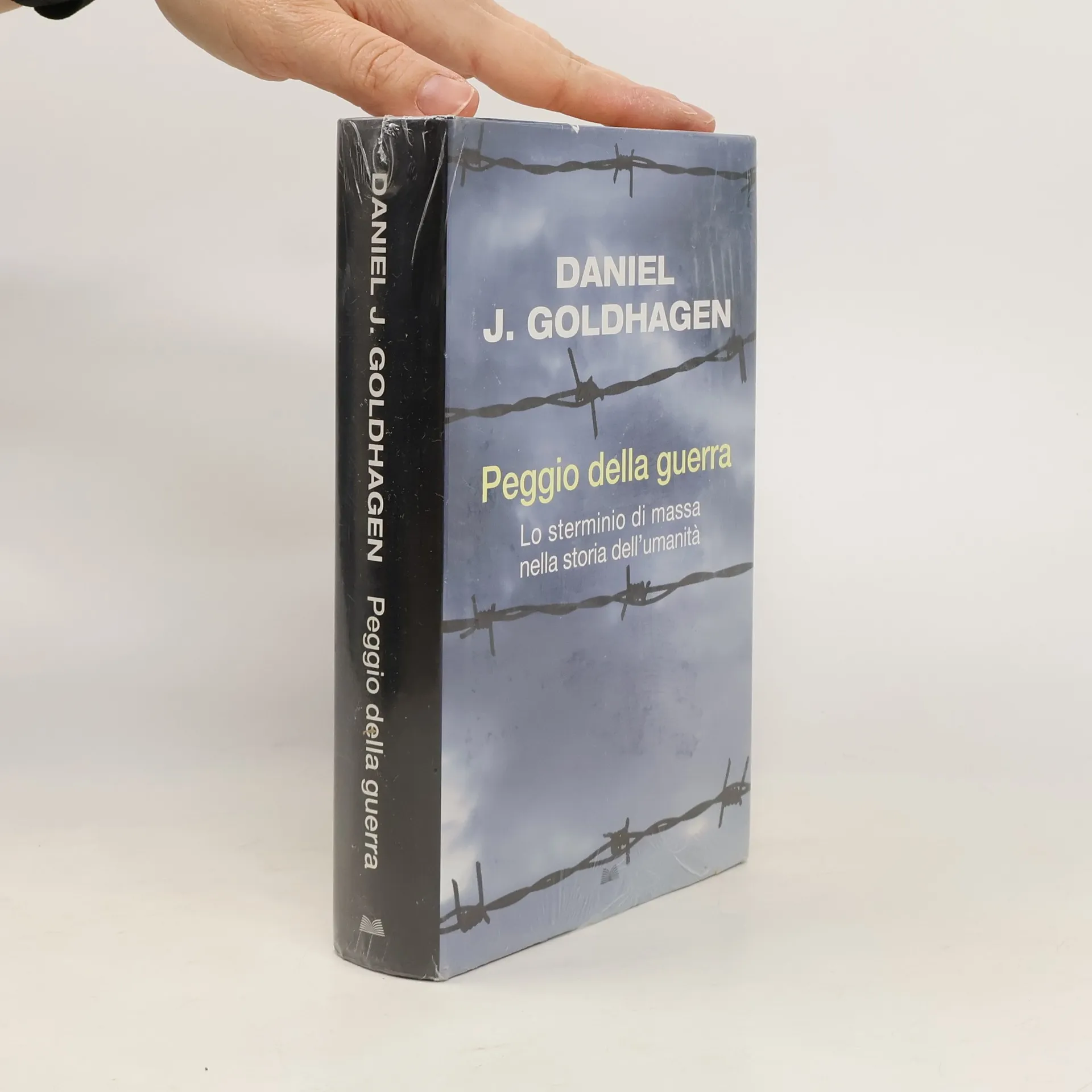
Peggio della guerra
Lo sterminio di massa nella storia dell'umanità
Questo autore ha ottenuto attenzione internazionale per le sue controverse opere che esaminano l'Olocausto e il genocidio. La sua scrittura approfondisce i ruoli che le persone comuni svolgono nelle atrocità di massa e nella resa dei conti morale delle società. Sebbene spesso scatenino dibattiti intensi, le sue analisi costringono i lettori a confrontarsi con profonde domande sulla natura del male e sulla responsabilità umana. Il suo stile è diretto e provocatorio, concentrandosi sulle dimensioni morali degli eventi storici.


Lo sterminio di massa nella storia dell'umanità
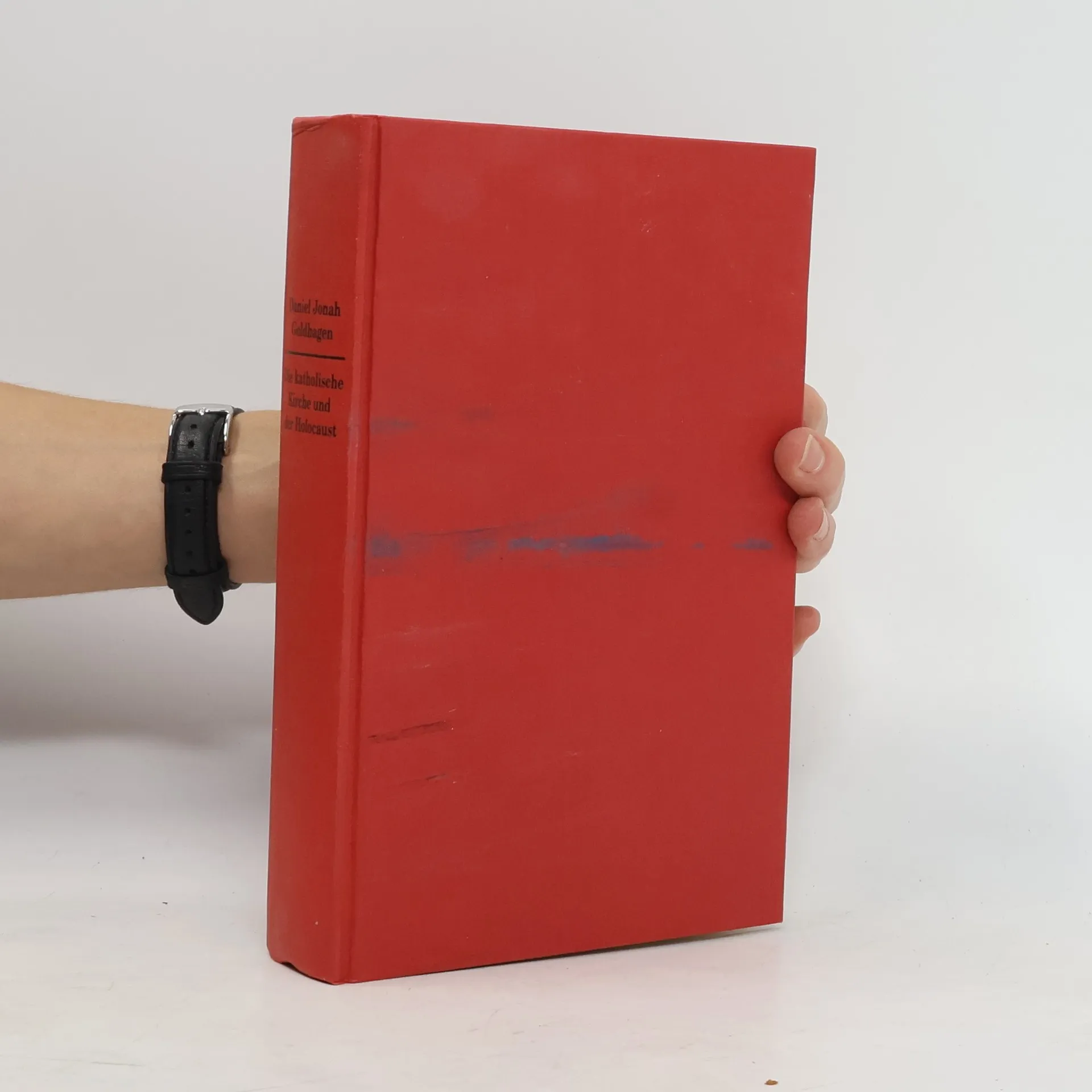
In this book Daniel Jonah Goldhagen cuts through the historical and moral fog to lay out the full extent of the Catholic Church's involvement in the Holocaust, transforming a narrow discussion fixated on Pope Pius XII into the long-overdue investigation of the Church throughout Europe. He shows that the Church's and the Pope's complicity in the persecution of the Jews was much deeper than has been understood. The Church's leaders were fully aware of the persecutions and they did not speak out and urge resistance. Instead, they supported many aspects of the persecution. Some clergy even took part in the mass murder. But Goldhagen goes further and develops a new, precise way for assessing the Church and its clergy's culpability. He then shows that the Church has, even according to its own doctrine, an unacknowledged duty of repair. He explores this duty, analyzes the Church's tactics of evasion, and delineates all that the Church must do to repair the harm it inflicted on Jews and to heal itself
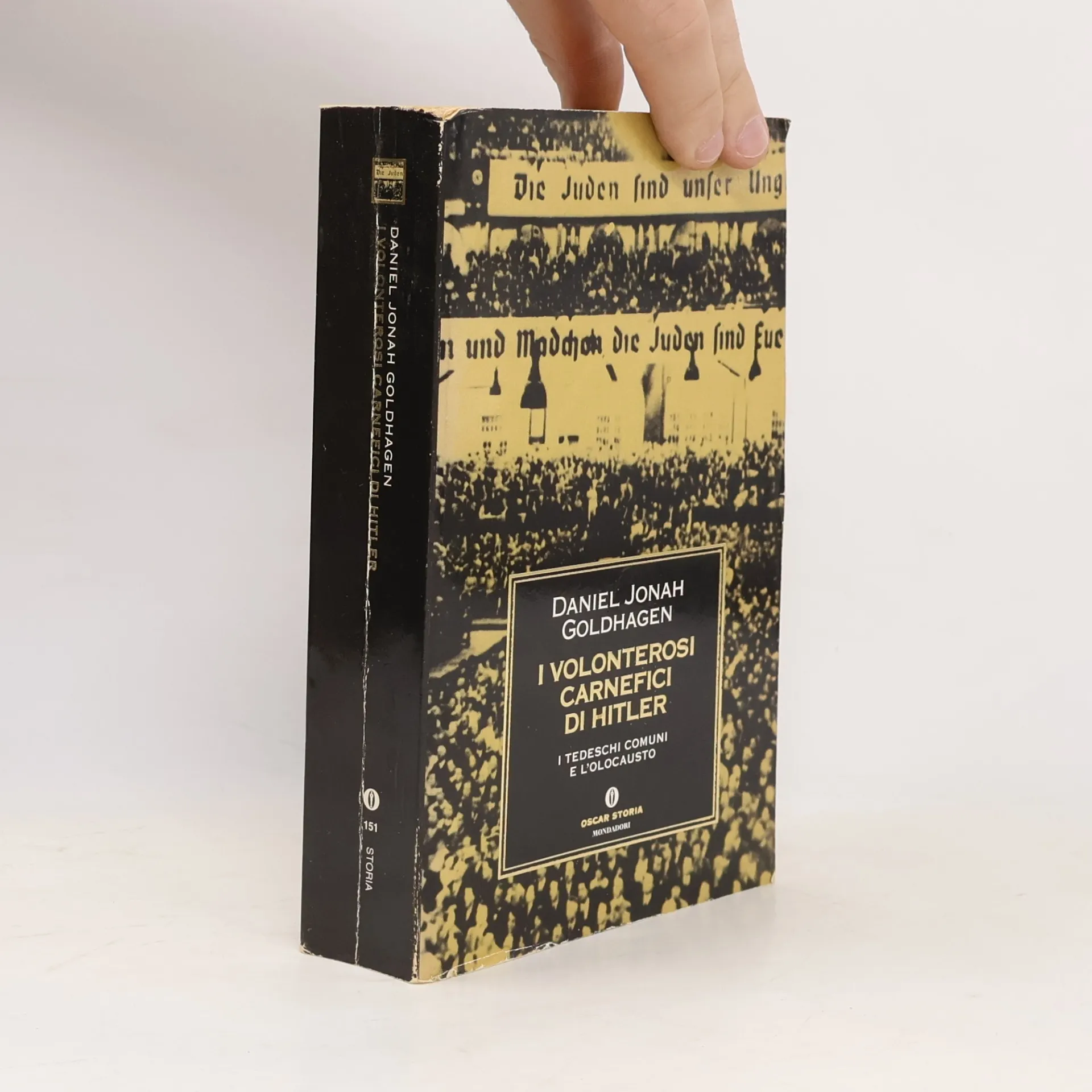
Daniel Jonah Goldhagen has revisited a question that history has come to treat as settled, and his researchers have led him to the inescapable conclusion that none of the established answers holds true. That question is: "How could the Holocaust happen?" His own response is a new exploration of those who carried out the Holocaust and of German society and its ingrained anti-semitism - and it demands a fundamental revision of our thinking about the years 1933-1945
A deep moral examination of the Catholic Church's involvement in the Holocaust.
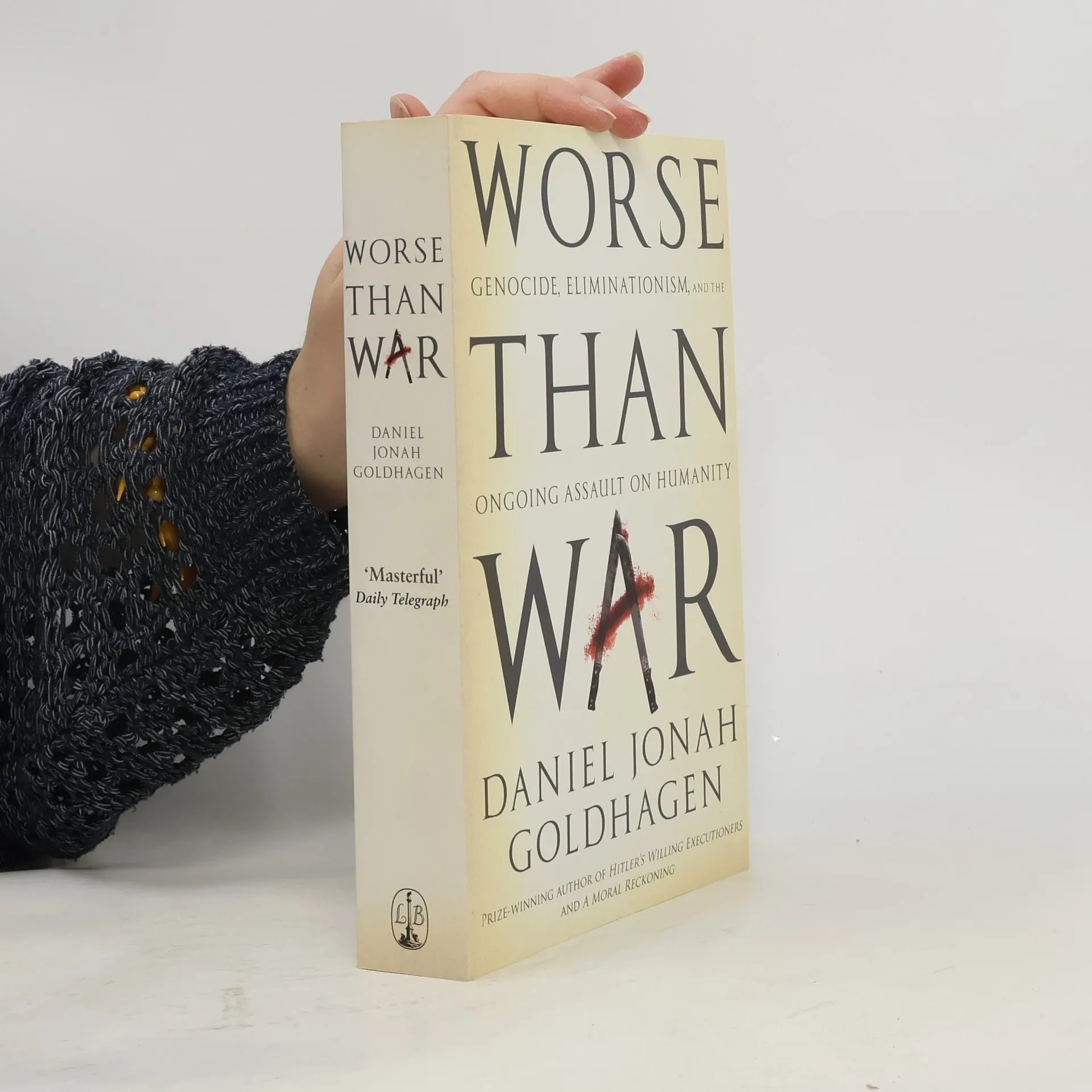
Genocide, Eliminationism, and the Ongoing Assault on Humanity
A "New York Times" Notable Book of the Year: "A magisterial and profoundly disturbing 'natural history' of mass murder." Daniel Jonah Goldhagen's books are events. They stir passionate public debate among political and civic leaders, scholars, and the general public because they compel people to rethink the most powerful conventional wisdoms and stubborn moral problems of the day. "Worse Than War" gets to the heart of the phenomenon, genocide, that has caused more deaths in the modern world than military conflict. In doing so, it challenges fundamental things we thought we knew about human beings, society, and politics. Drawing on extensive field work and research from around the world, Goldhagen explores the anatomy of genocide--explaining why genocides begin, are sustained, and end; why societies support them, why they happen so frequently and how the international community should and can successfully stop them. As a great book should, "Worse than War" seeks to change the way we think and to offer new possibilities for a better world. It tells us how we might at last begin to eradicate this greatest scourge of humankind.
Der amerikanische Politologe und Bestseller-Autor Daniel Jonah Goldhagen untersucht in seinem neuesten Werk, wie Völkermord entsteht und sich von anderen gewaltsamen Konflikten unterscheidet. Dieses Buch wird eine internationale Debatte anstoßen und unser Verständnis genozidaler Konflikte nachhaltig verändern. Die Weltöffentlichkeit steht oft fassungslos vor brutalen Gewaltausbrüchen, sei es in abgelegenen Regionen Afrikas oder Fernost, oder mitten in Europa. Politische und mediale Aufmerksamkeit erfolgt meist erst, wenn das Blutvergießen bereits begonnen hat. Goldhagen analysiert gezielt Ursprung, Verlauf und Folgen solcher Konflikte: Was treibt Menschen dazu, ihre Nachbarn zu töten? Wie beginnen und enden diese Morde? Und warum sehen wir oft tatenlos zu, während Völkermord geschieht? Sein Buch bietet neue Einblicke in die Anatomie des Völkermords und zeigt Wege auf, wie die Welt diesem Verbrechen, das schlimmer ist als Krieg, begegnen kann. Mit einem neuen Verständnis für die Ursprünge und Entwicklungsstufen von Genoziden präsentiert Goldhagen Möglichkeiten, wie solche Konflikte frühzeitig erkannt, verhindert oder zumindest eingedämmt werden können.
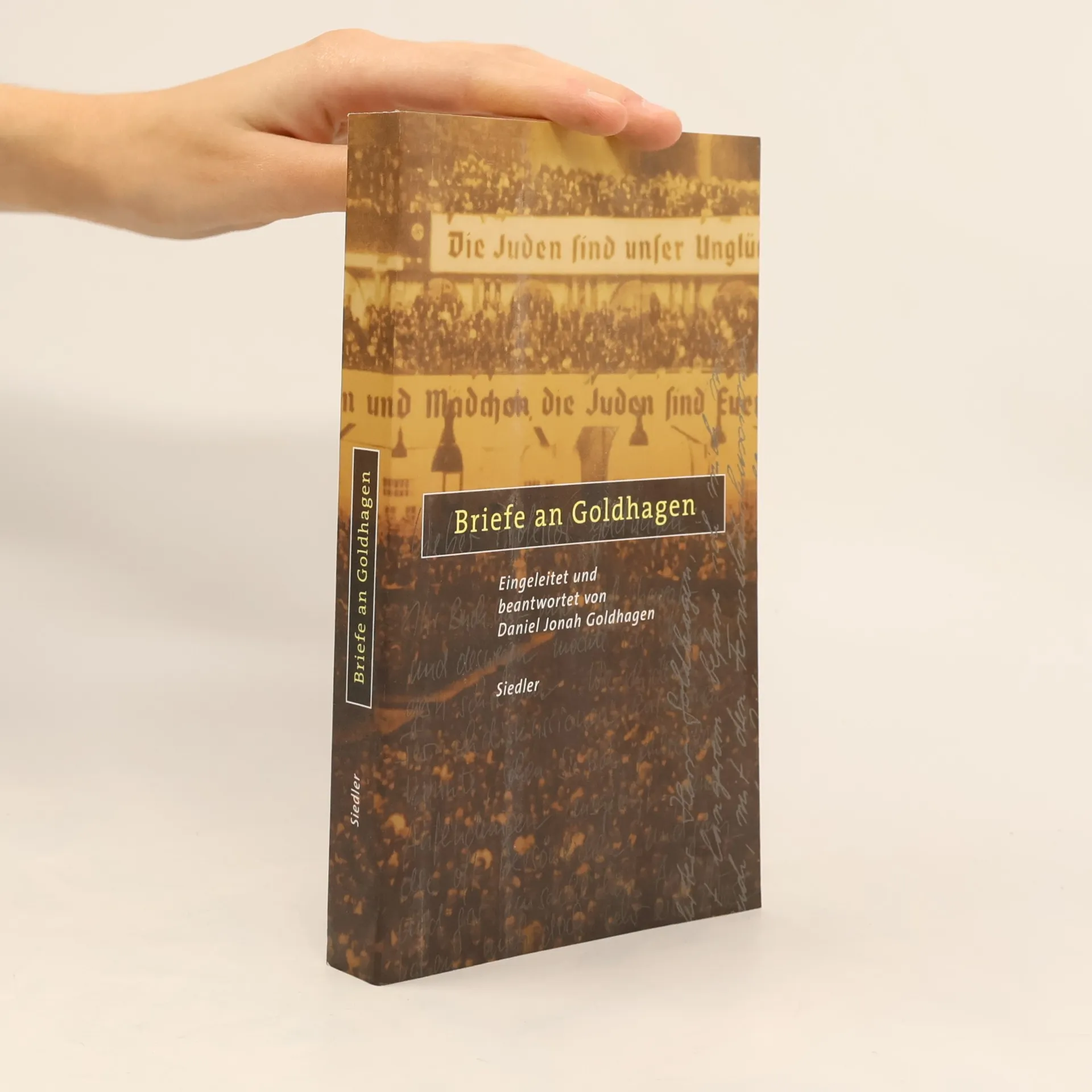
Daniel J. Goldhagens Buch "Hitlers willige Vollstrecker" hat eine hitzige Debatte ausgelöst. Den Autor erreichten mittlerweile Hunderte von Leserzuschriften. Für dieses Buch wurde eine Auswahl zusammengestellt - die Stimmen reichen von zustimmend und abwägend bis zornig und entrüstet.
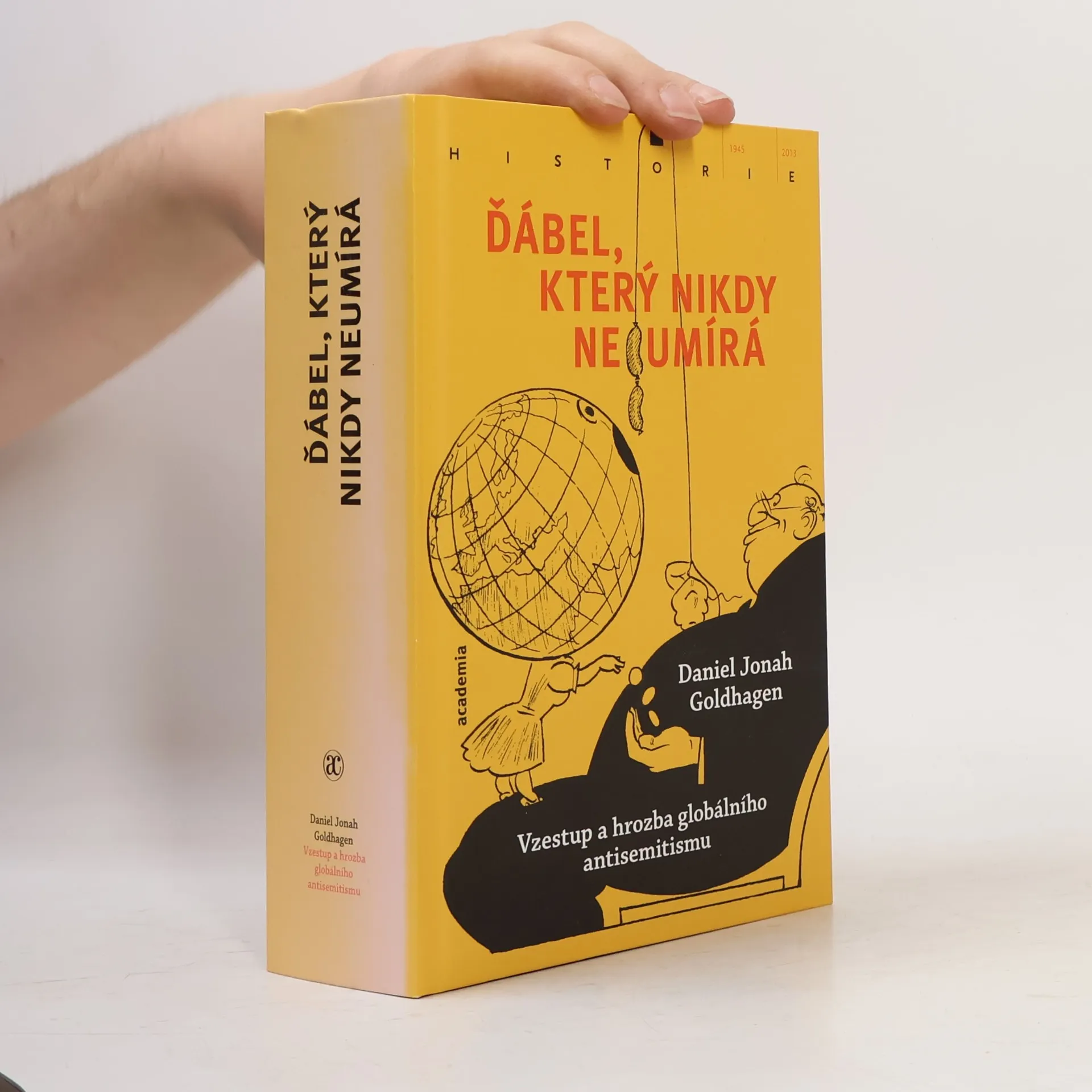
Autor provokativně zkoumá, čím přesně je antisemitismus v jedenadvacátém století, a nastoluje znepokojivé nové paradigma jeho chápání. Dále se zabývá rozměry této hrozby, vysvětluje, jak nové technologie přiživily oheň, jenž před nástupem nového tisíciletí jen doutnal. Výsledky jsou ničivé. Goldhagen rozebírá, jak se antisemitismus mezinárodně prosadil v institucích, jako je OSN a přední nevládní organizace, i v široké koalici nepřátelských států, jak antisemitismus po celém světě podněcují média i akademická sféra. Autor předkládá těm, jimž leží na srdci spravedlnost a morálka, plán tohoto nejznepokojivějšího předsudku.