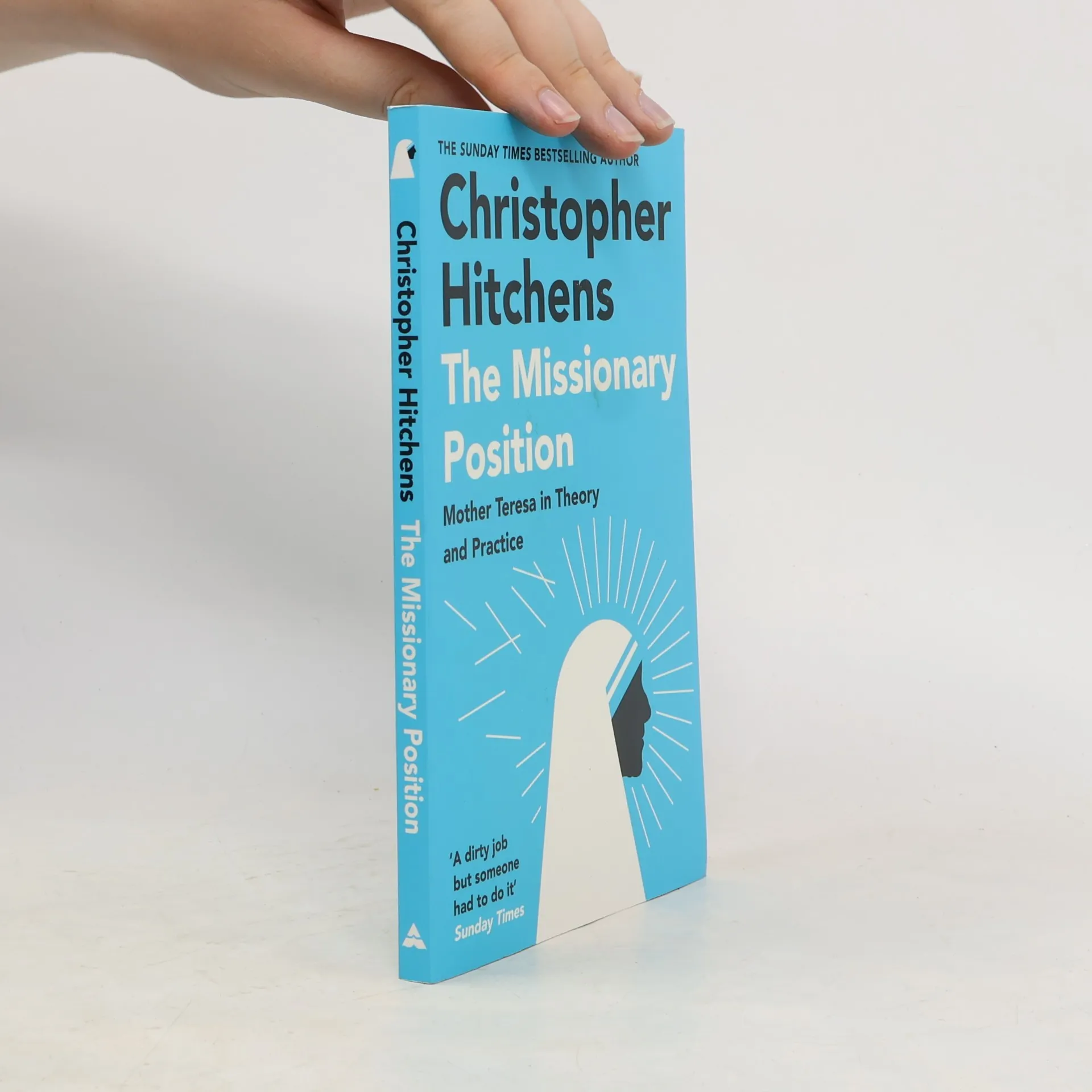
Christopher Hitchens fu un polemista e intellettuale la cui scrittura era caratterizzata da un'analisi incisiva e uno stile intransigente. Sebbene inizialmente si fosse schierato con la sinistra radicale, le sue opinioni si evolsero nel tempo, portando a notevoli cambiamenti nelle sue posizioni politiche. Sostenne i valori dell'Illuminismo come il secolarismo, l'umanesimo e la ragione, criticando ferocemente i dogmi religiosi e le figure politiche che considerava dannose. La sua produzione letteraria continua ad essere celebrata per il suo rigore intellettuale e l'audace esame delle verità consolidate.
Ispirato dallo sdegno per gli attacchi mossi da Edmund Burke alla rivoluzione francese, il testo di Paine è un'appassionata difesa degli inalienabili diritti dell'uomo. Paine si schiera contro la monarchia e tratteggia gli elementi di un sistema repubblicano efficiente, inclusi educazione pubblica, pensioni e sussidi a poveri e disoccupati, il tutto finanziato con le entrate delle tasse.
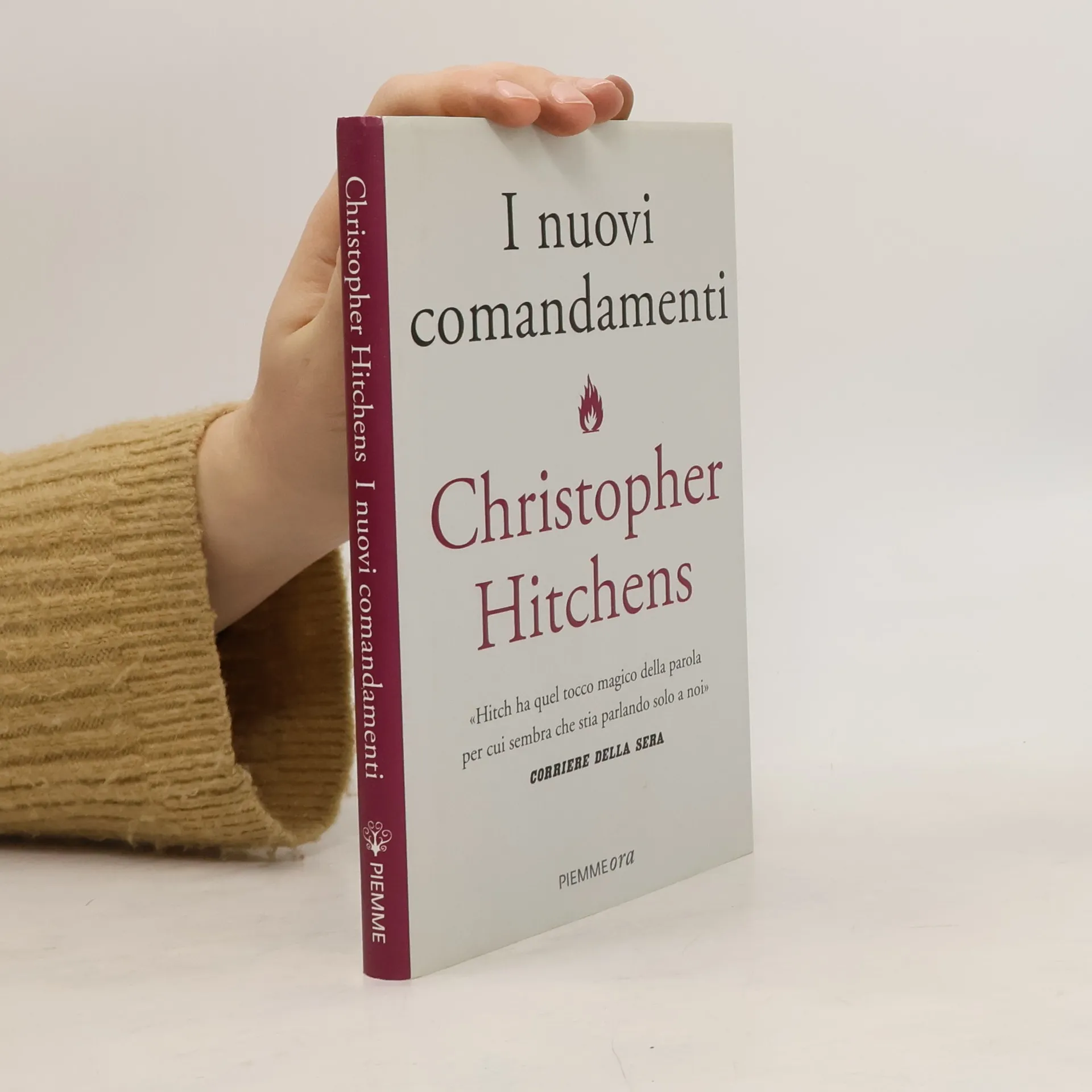
I Dieci comandamenti non reggono più. Sono confusi, ambigui, tutt'altro che "scritti nella pietra". Di fatto, sono una sorta di work in progress che costringe a un sacco di stucchevoli precisazioni. Per esempio, dire "Lo sa solo Dio" è nominare il suo nome invano? E sul non uccidere, ci sarebbe quel passaggio dell'Esodo che invita i figli d'Israele a sterminare i nemici... Tralasciando le considerazioni che si possono fare sul non desiderare la donna d'altri, o la roba d'altri. No, non reggono più, è di tutta evidenza. Erano destinati a un gruppo di tribù nomadi dei tempi andati, quindi andrebbero emendati e rivisti, in questi tempi di crimini ambientali, ladroni dell'alta finanza, guerre pseudo-sante... Per non dire di chi urla in pubblico al cellulare. Ci occorre un nuovo codice morale, insomma, ma ragionato, non in pillole. Per fortuna ci pensa Hitchens, al suo meglio, con il consueto inconfondibile humour, la sua acuta intelligenza, le sue provocazioni intellettuali mai banali o pretestuose.
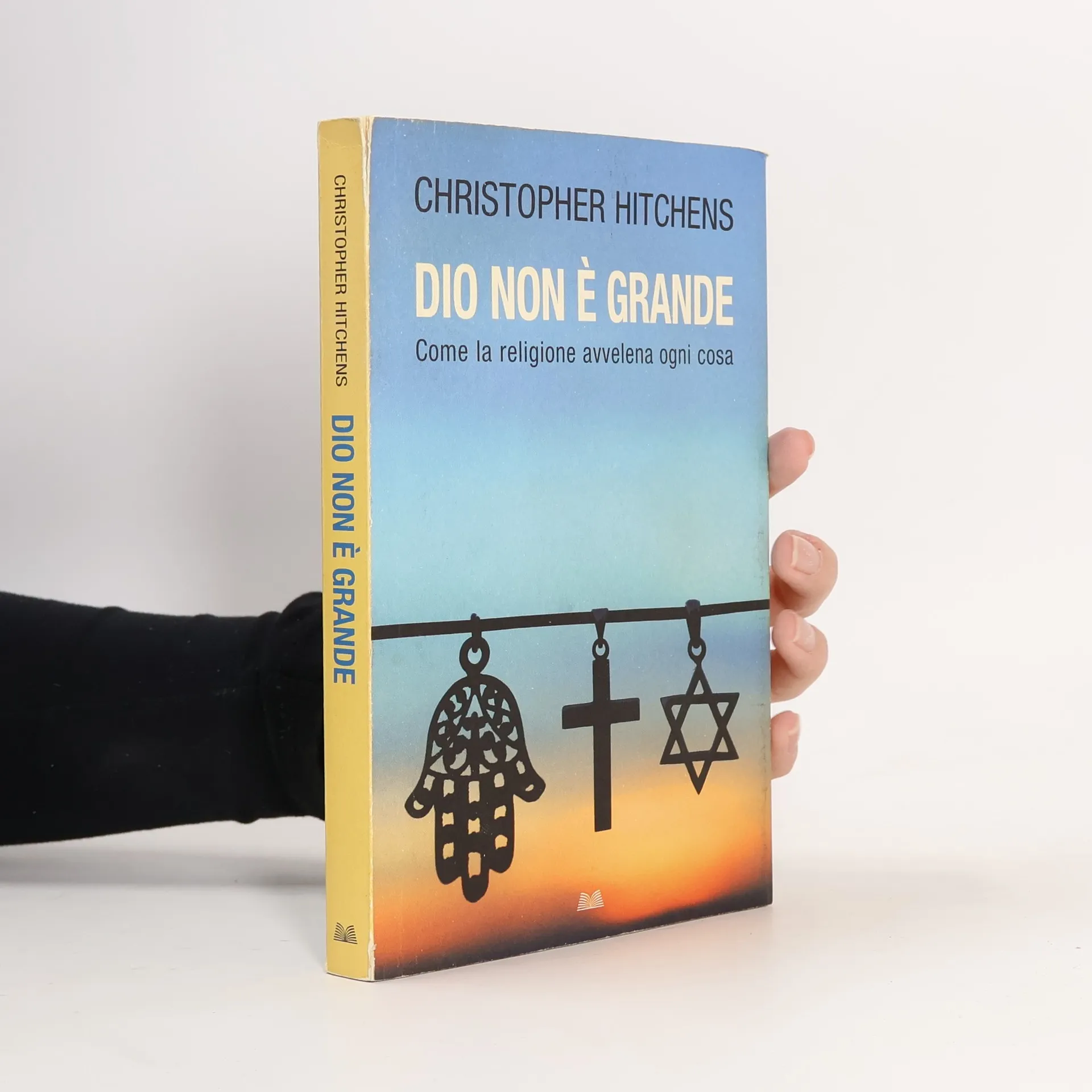
"La fede religiosa è inestirpabile, appunto perché siamo creature ancora in evoluzione. Non si estinguerà mai, o almeno non si estinguerà finché non vinceremo la paura della morte, del buio, dell'ignoranza e degli altri". Questa la tesi da cui parte "Dio non è grande". Muovendosi tra l'analisi dei testi di fondazione delle grandi religioni (Bibbia e Corano sopra tutti) e la riflessione sull'attualità politica e sullo scontro di civiltà in atto, Hitchens costruisce un implacabile atto di accusa contro le follie cui l'uomo si abbandona nel nome di una fede: oscurantismo, superstizione, intolleranza, senso di colpa, terrore verso la sessualità, anti-secolarismo. Contro questi non-valori, e memore della grande tradizione laica anglosassone, Hitchens reclama un ritorno alle idee dell'illuminismo, intessendo un elogio arguto e a tratti commovente della ragione umana. Un saggio che senza mai rinunciare alle armi dell'ironia e del paradosso, costringe faziosamente il lettore a schierarsi.
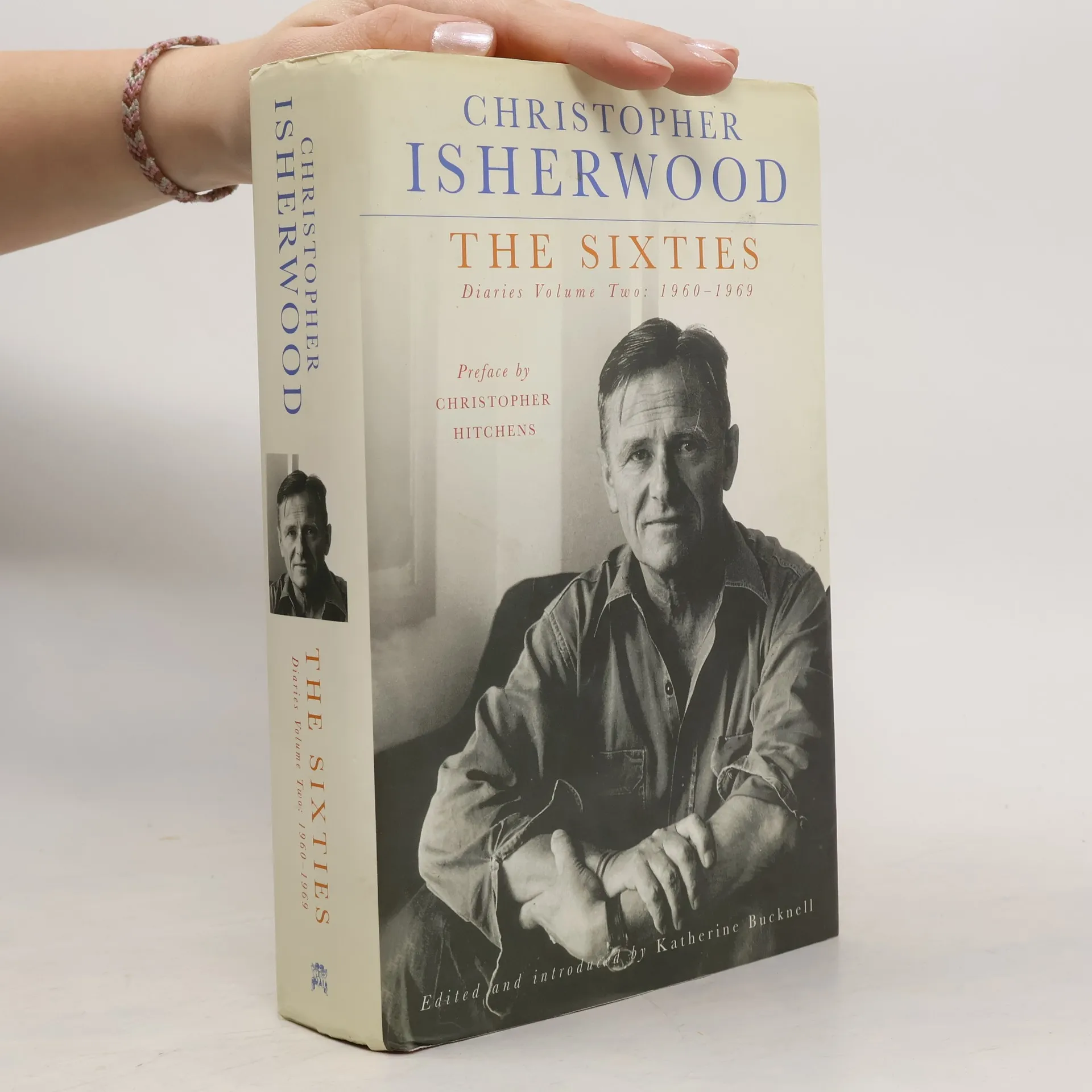
This second volume of Christopher Isherwood's remarkable diaries begins on his fifty-sixth birthday, capturing the transition from the fifties to a decade of social and sexual revolution. Isherwood takes readers through the bohemian landscape of Southern California, the liberated atmosphere of London, the vibrant cosmopolitanism of New York, and the rugged Australian outback. He chronicles his spiritual quest guided by his Hindu guru and shares the emotional complexities of his relationship with American painter Don Bachardy, who is thirty years his junior and navigating his own artistic path. The diaries are filled with sharp gossip and psychological insights about cultural icons of the era, including Francis Bacon, Richard Burton, and Mick Jagger. However, they are most revealing about Isherwood himself—his literary works, film writing, college teaching, and romantic entanglements. He seamlessly connects diverse topics, from Beckett to Brando and the opening of "Cabaret" to a detailed analysis of Gide. The backdrop includes significant political and historical events: the Cold War anxieties, Gagarin's spaceflight, the Vietnam War, and the Summer of Love. Isherwood, known for his prophetic portrayals of a morally bankrupt Europe before World War II, offers an unparalleled chronicle of the decade that profoundly influences contemporary life.
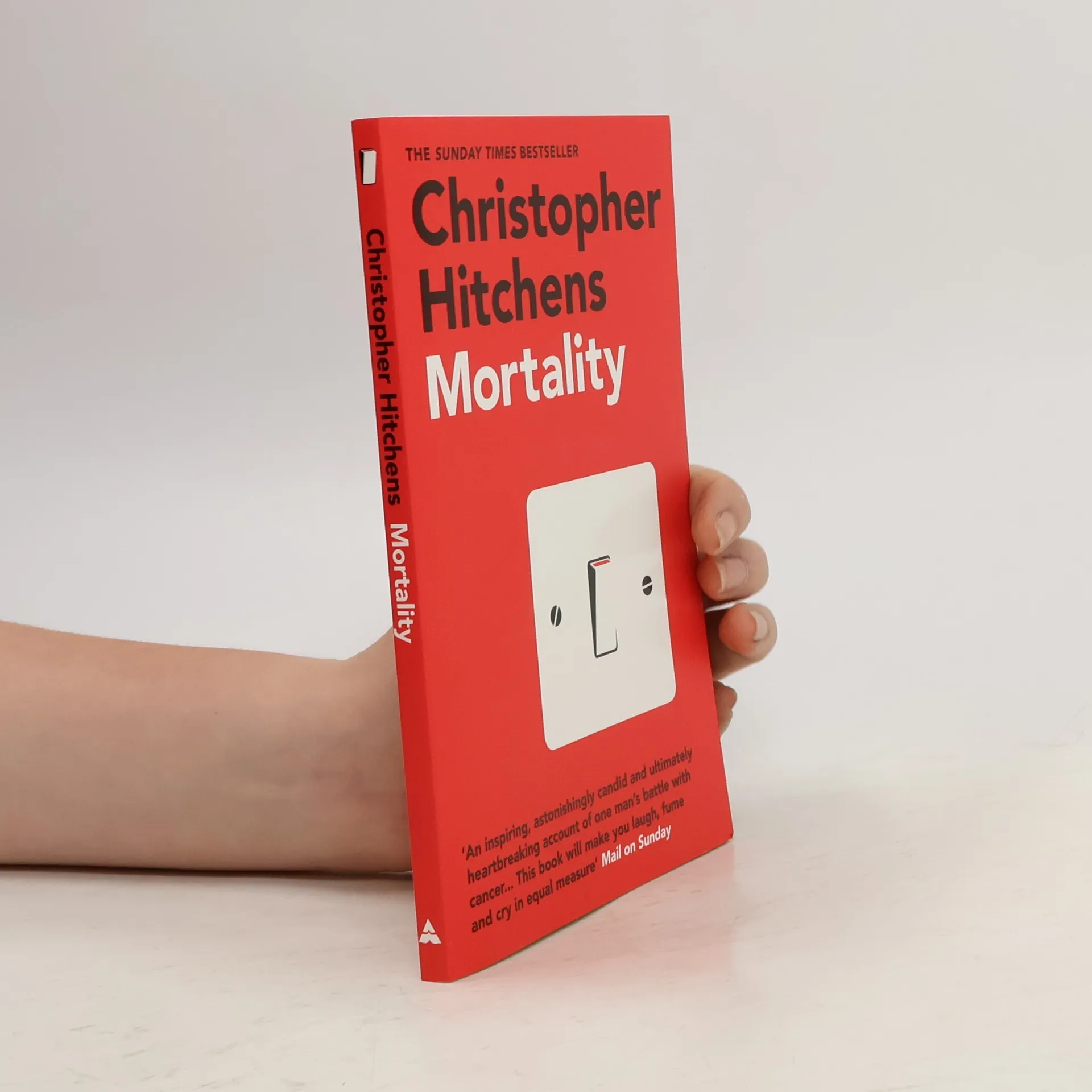
Ten years since the death of the world-renowned and controversial intellectual, this stylish edition is one of twelve commemorating Christopher Hitchens' most wry and provocative works.
'Vanity Fair Portraits' traces the cultural history of the 20th century and its leading personalities in the pages of a magazine that helped usher in the modern age and which has itself become a benchmark of modern achievement.
Ten years since the death of the world-renowned and controversial intellectual, this stylish edition is one of twelve commemorating Christopher Hitchens' most wry and provocative works.
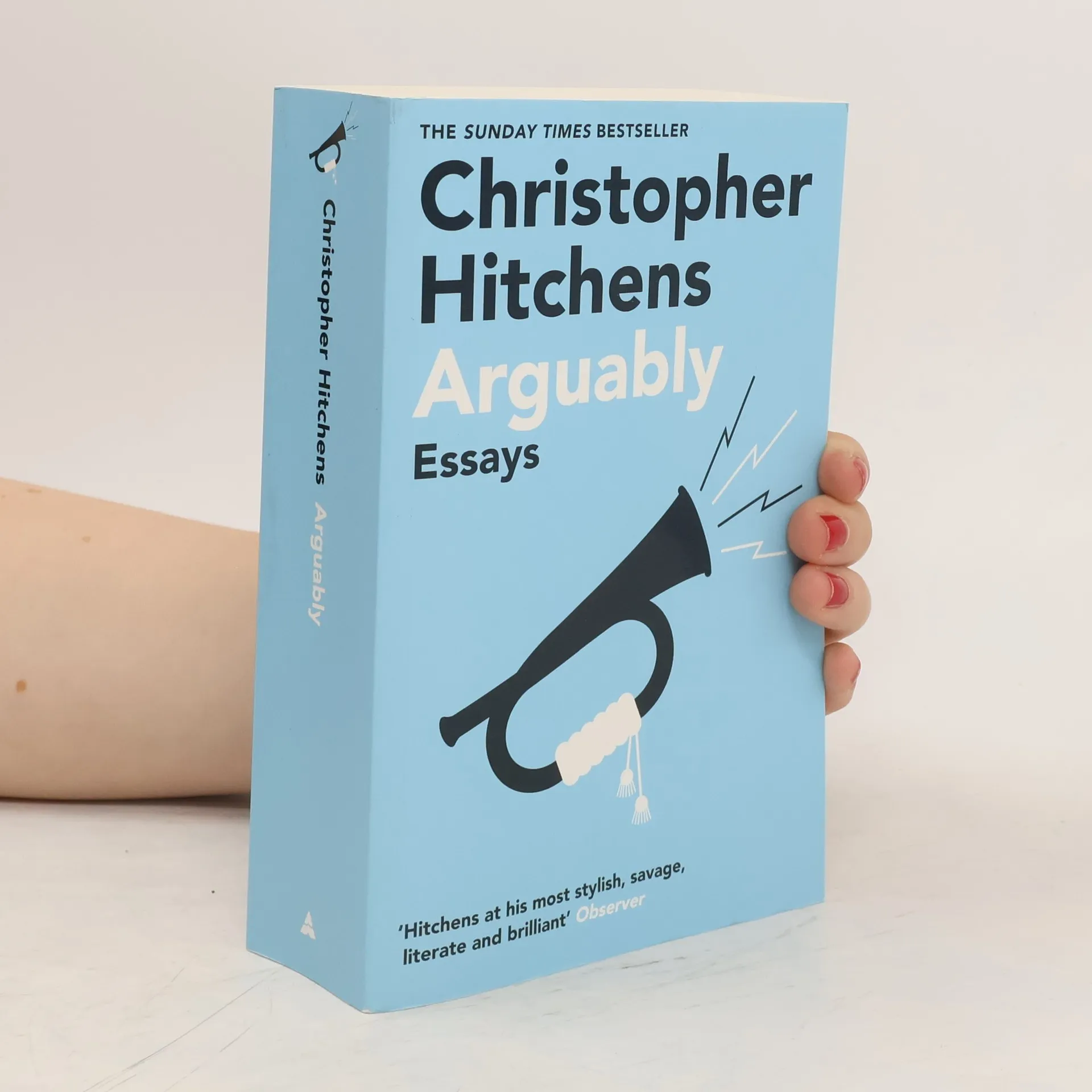
"All first-rate criticism first defines what we are confronting," wrote jazz critic Whitney Balliett. By this measure, the essays of Christopher Hitchens rank among the best. For nearly four decades, Hitchens has articulated the core principles of reason, tolerance, and skepticism that underpin our civilization—principles that must be defended anew by each generation. Recognized as one of the greatest conversationalists, alongside figures like Sir Patrick Leigh-Fermor and Sir Tom Stoppard, Hitchens invites readers into a democratic dialogue, engaging and reasoning with them. His formidable knowledge, akin to an encyclopedic treasure, feels like a conversation where he follows the logic of his thoughts, unafraid to expose fraudulence, denounce injustice, and critique hypocrisy. Readers have come to admire his eloquence, wit, and readiness to confront adversaries. In this collection, Hitchens offers fresh insights on figures like Charles Dickens, Karl Marx, and George Orwell, enriched by his experiences from traveling and reporting in places like Iran and China. His directness, elegance, and humor applied to a wide range of subjects set a high standard for essayists. This volume presents an intellectual self-portrait of a writer dedicated to the pursuit of reason and justice, showcasing his profound love for the English language.
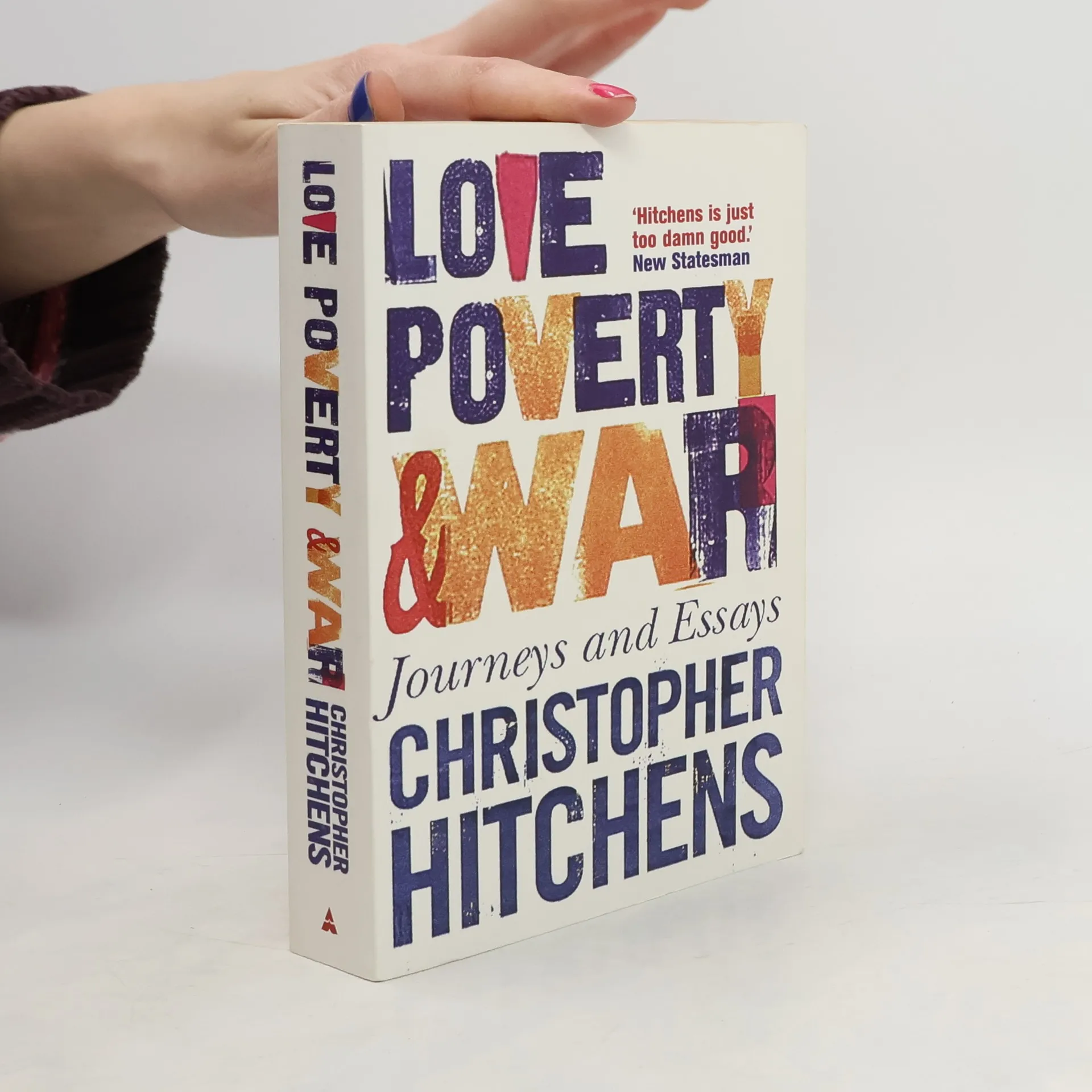
Features three sections: 'Love', 'Poverty', and 'War'. 'Love' celebrates the work of Joyce, Proust and Borges. 'Poverty' includes a series of assessments of Michael Moore and the cult of the Kennedys. This book's final section, 'War', contains reportage from North Korea, Pakistan and Iraq.
In the book that he was born to write, provocateur and best-selling author Christopher Hitchens inspires future generations of radicals, gadflies, mavericks, rebels, angry young (wo)men, and dissidents. Who better to speak to that person who finds him or herself in a contrarian position than Hitchens, who has made a career of disagreeing in profound and entertaining ways.This book explores the entire range of "contrary positions"-from noble dissident to gratuitous pain in the butt. In an age of overly polite debate bending over backward to reach a happy consensus within an increasingly centrist political dialogue, Hitchens pointedly pitches himself in contrast. He bemoans the loss of the skills of dialectical thinking evident in contemporary society. He understands the importance of disagreement-to personal integrity, to informed discussion, to true progress-heck, to democracy itself. Epigrammatic, spunky, witty, in your face, timeless and timely, this book is everything you would expect from a mentoring contrarian.
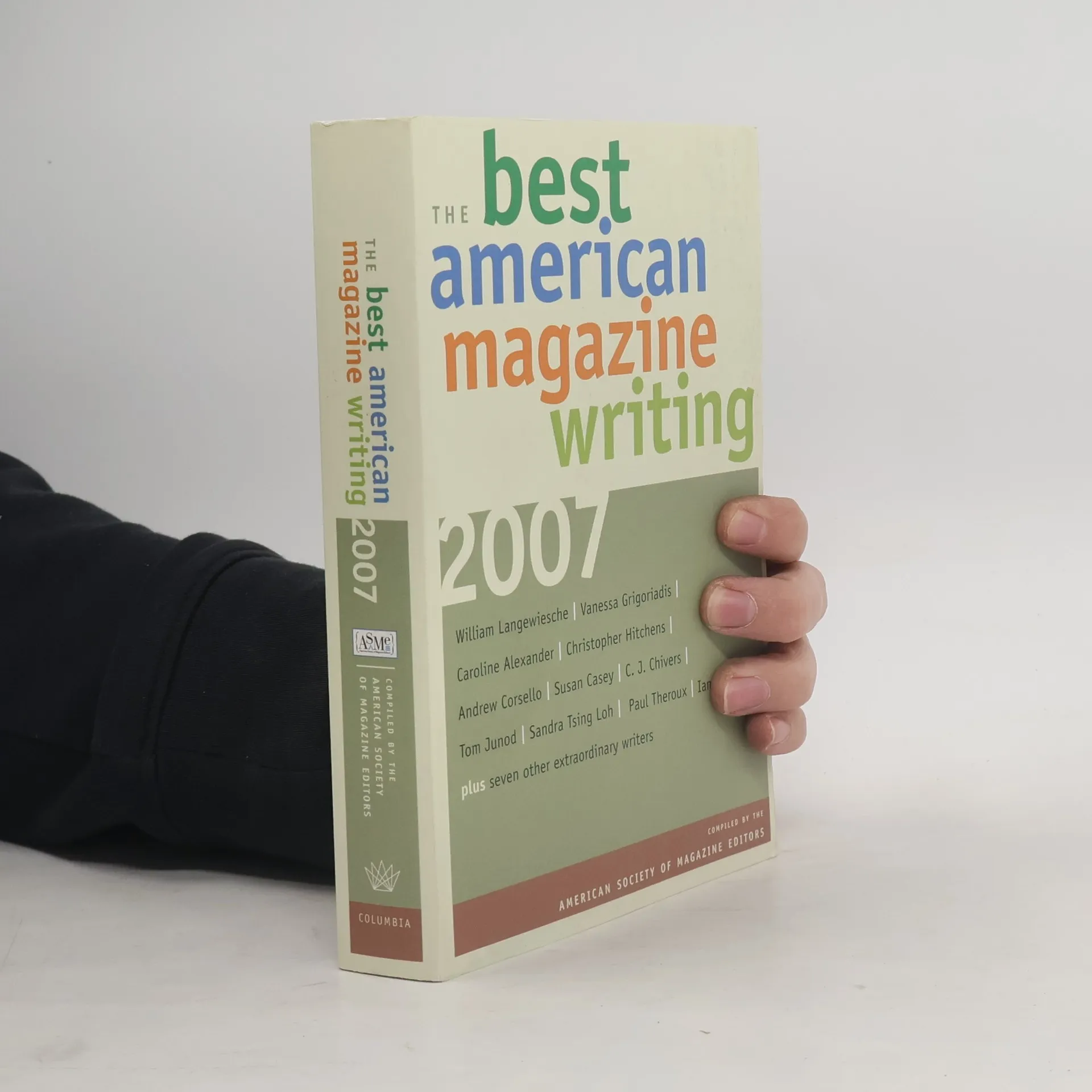
This year's selection includes William Langewiesche's probing investigation in Vanity Fair of the slaughter of twenty-four Iraqis in Haditha; C. J. Chivers's chilling account in Esquire of the 2004 hostage crisis in Beslan, which killed 331 people, 186 of them children; Susan Casey's revelation in Best Life of a virtually unknown, Texas-sized garbage dump resting at the bottom of the Pacific ocean; and Andrew Corsello's harrowing portrait in GQ of Robert Mugabe's mad rule and two men-a white farmer and a fiery black priest-who strive for forgiveness instead of hate. The collection also includes Vanessa Grigoriadis's hilarious portrait of fashion icon Karl Lagerfeld in New York Magazine; Christopher Hitchens's profile of survivors of Agent Orange in Vanity Fair; Sandra Tsing Loh's coverage of the stay-at-home-mommy debate in the Atlantic Monthly; Paul Theroux's thoughts on the dangers of anthropomorphism and our misconceptions about birds in the Smithsonian; Janet Reitman's unraveling of the mysteries of Scientology in Rolling Stone; and the work of nine other exceptional writers.
"This collection of essays brings together some of the finest pieces Hitchens published over the last two decades for the first time in one book, addressing with characteristic wit and erudition the subjects he is best known for, including: the case against God, faith and religious observance; the case for intervention in Iraq; indictments of towering political figures like Bill and Hillary Clinton, Tony Blair, and Henry Kissinger; and celebrations of the writers and thinkers whose work meant most to him"--
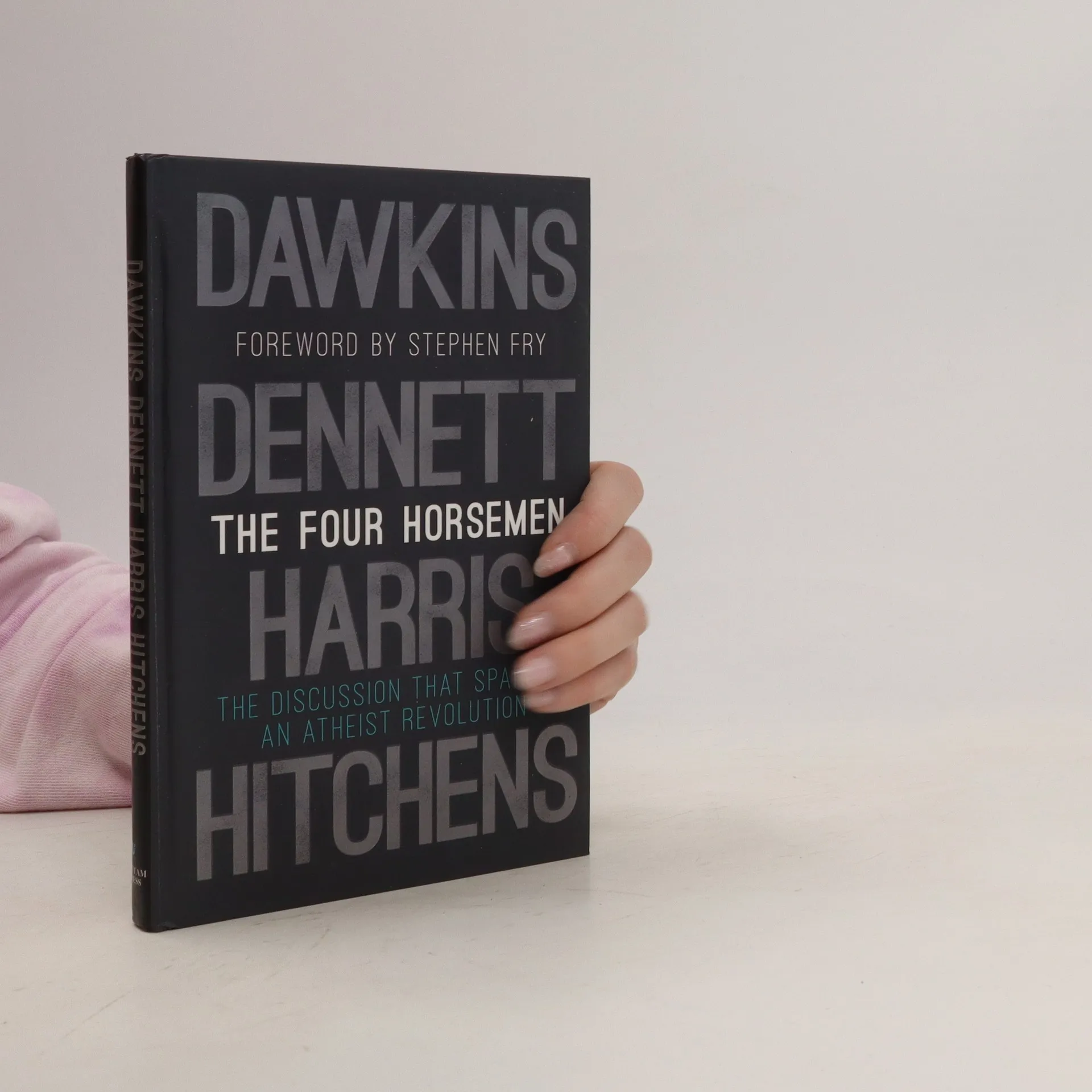
Known as the "four horsemen" of the New Atheism, four thinkers of the twenty-first century met only once. Their examination of ideas was wide-ranging. Everything that was said as they agreed and disagreed with one another, interrogated ideas and exchanged insights about religion and atheism, science and sense speaks to our present age. The dialogue was recorded, and is transcribed and presented in this book
Ten years since the death of the world-renowned and controversial intellectual, this stylish edition is one of twelve commemorating Christopher Hitchens' most wry and provocative works.
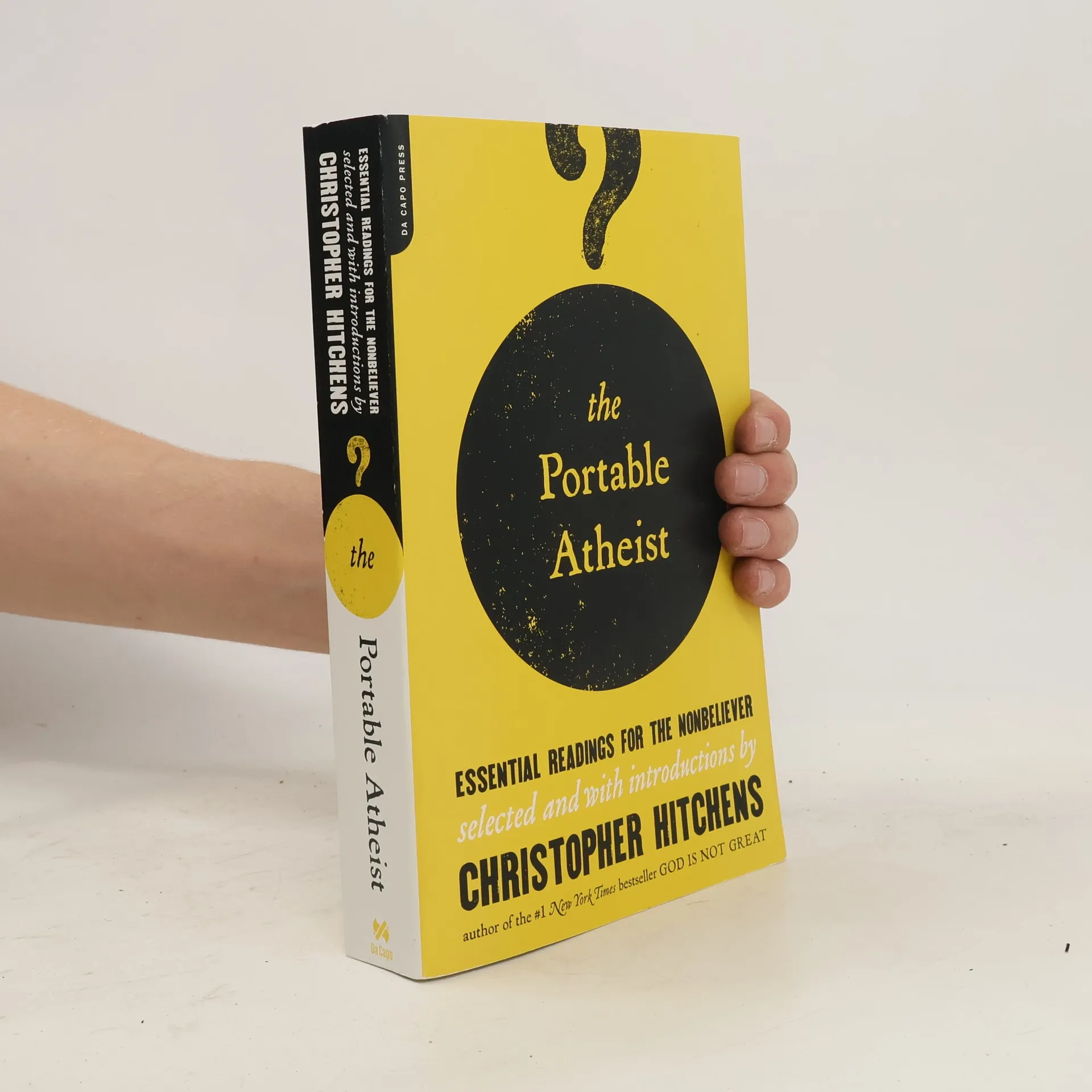
Presents excerpts on the subject of religion from the writings of such notable non-believers as John Stuart Mill, Karl Marx, Charles Darwin, Mark Twain, H. L. Mencken, Albert Einstein, Richard Dawkins, and Salman Rushdie.
Over the course of his 60 years, Christopher Hitchens has been a citizen of both the United States and the United Kingdom. He has been both a socialist opposed to the war in Vietnam and a supporter of the U.S. war against Islamic extremism in Iraq. He has been both a foreign correspondent in some of the world's most dangerous places and a legendary bon vivant with an unquenchable thirst for alcohol and literature. He is a fervent atheist, raised as a Christian, by a mother whose Jewish heritage was not revealed to him until her suicide. In other words, Christopher Hitchens contains multitudes. He sees all sides of an argument. And he believes the personal is political. This is the story of his life, lived large.
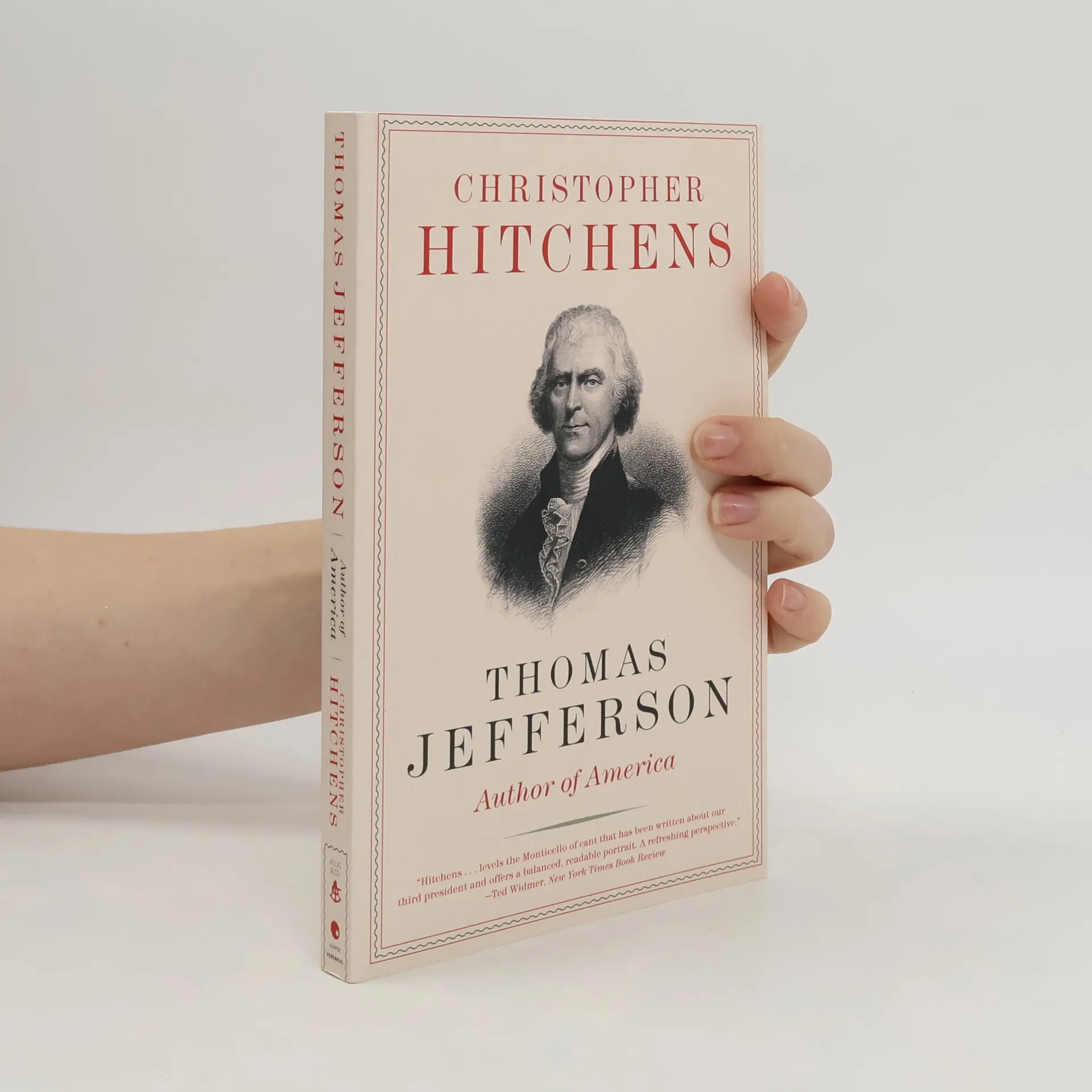
In this unique biography of Thomas Jefferson, leading journalist and social critic Christopher Hitchens offers a startlingly new and provocative interpretation of our Founding Father—a man conflicted by power who wrote the Declaration of Independence and acted as ambassador to France yet yearned for a quieter career in the Virginia legislature. A masterly writer, Jefferson was an awkward public speaker. A professed proponent of emancipation, he elided the issue of slavery from the Declaration of Independence and continued to own human property. A reluctant candidate, he left an indelible presidential legacy. With intelligence, insight, eloquence, and wit, Hitchens gives us an artful portrait of a complex, formative figure and his turbulent era.
This title presents an assessment of George Orwell's writing, and why it retains its central importance in a modern world. The author argues and defends Orwell's politics and gives an introduction to his work.
With the detention of Augusto Pinochet, and intense international pressure for the arrest of Slobodan Milosovic, the possibility of international law acting against tyrants around the world is emerging as a reality. In this incendiary book, Hitchens takes the floor as prosecuting counsel and mounts a devastating indictment of a man whose ambitions and ruthlessness have directly resulted in both individual murders and widespread, indiscriminate slaughter. He investigates and reveals Kissingers' involvement in: the deliberate mass killings of civilian populations in Indochina; the deliberate collusion in mass murder and assassination in Bangladesh; the personal suborning and planning of a murder, of a senior constitutional officer in a democratic nation that the USA was not war with - Chile; the incitement and enabling of a mass genocide in East Timor; and the personal involvement in the kidnap and murder of a journalist living in Washinton DC.
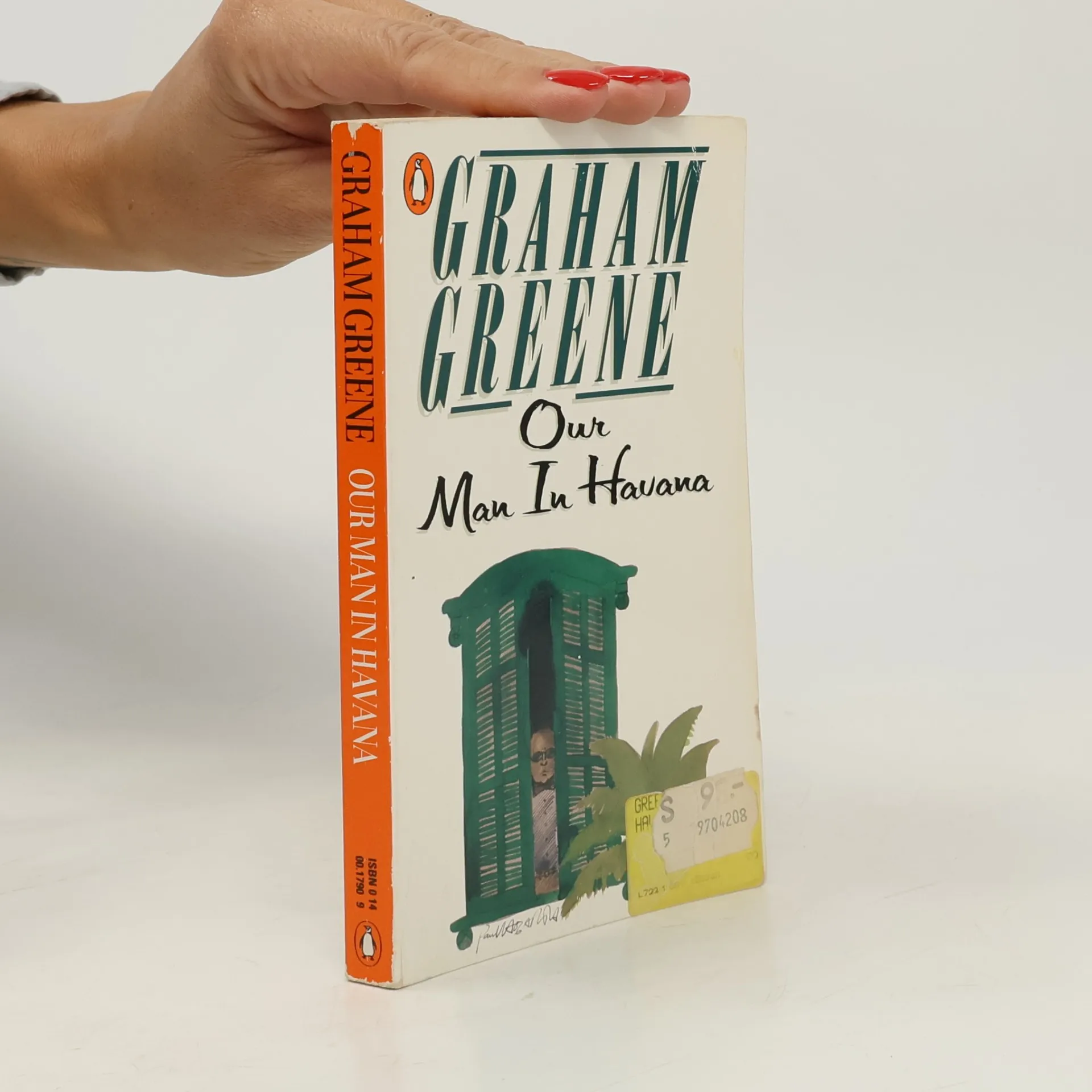
Wormold is a vacuum cleaner salesman in a city of power cuts. His adolescent daughter spends his money with a skill that amazes him, so when a mysterious Englishman offers him an extra income he's tempted. In return all he has to do is carry out a little espionage and file a few reports. But when his fake reports start coming true, things suddenly get more complicated and Havana becomes a threatening place.
On November 26, 2010, intellectual juggernaut and staunch atheist Christopher
Hitchens went head-to-head with former British Prime Minister Tony Blair, one
of the Western worlds most openly devout political leaders, on the highly
charged topic of religion.
Ten years since the death of the world-renowned and controversial intellectual, this stylish edition is one of twelve commemorating Christopher Hitchens' most wry and provocative works.
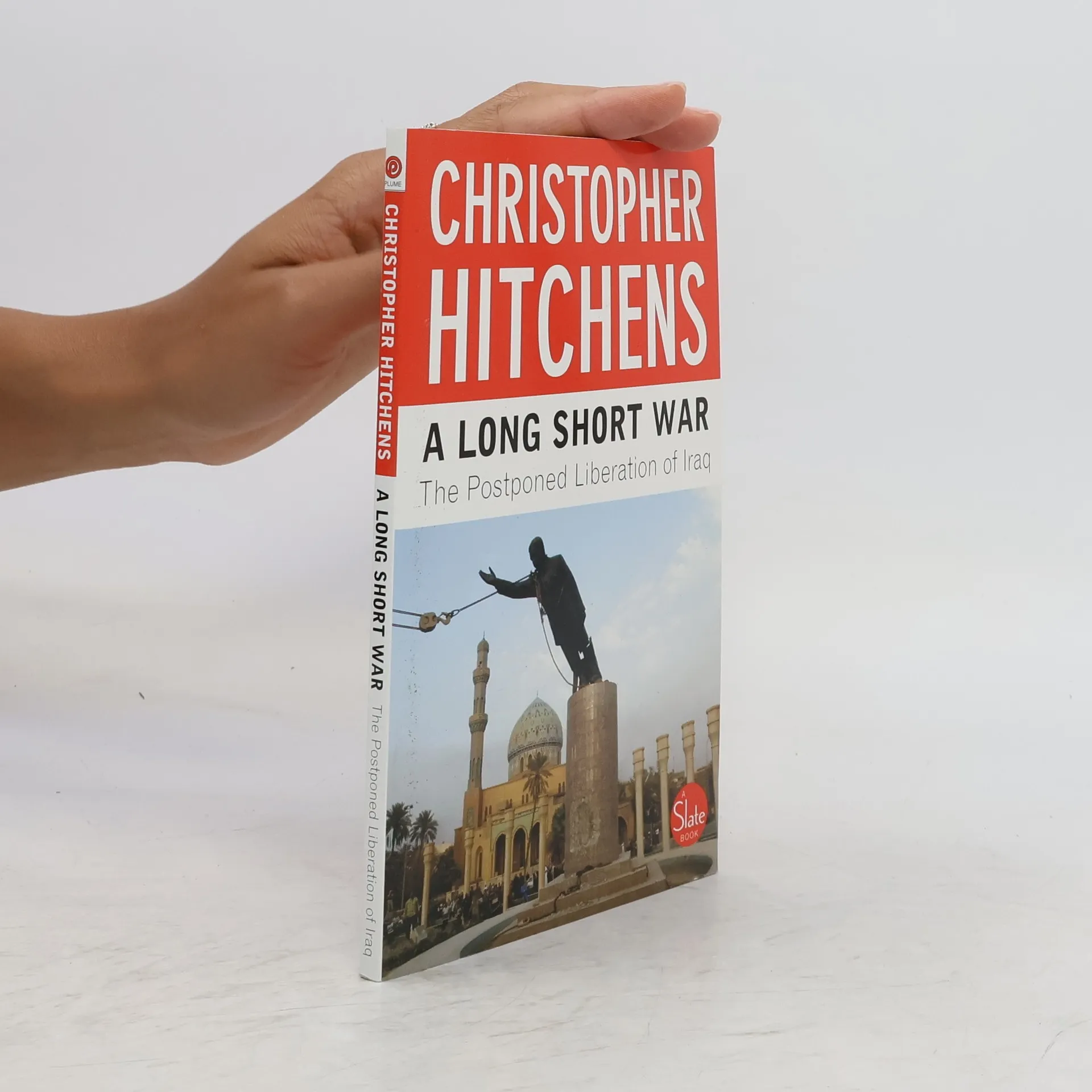
Presents an eyewitness account of the 2003 war in Iraq while arguing that the war actually began in 1990 when Saddam Hussein invaded Kuwait, and discusses how the conflict has divided public opinion.
Ten years since the death of the world-renowned and controversial intellectual, this stylish edition is one of twelve commemorating Christopher Hitchens' most wry and provocative works.
POPULAR CULTURE. Offers a history of how it came to be the dominant mode in the USA. Ehrenreich conceived of the book when she became ill with breast cancer, and found herself surrounded by pink ribbons and platitudes. She balked at the way her anger about having the disease was seen as unhealthy and dangerous by health professionals and other sufferers. In her droll and incisive analysis of the cult of cheerfulness, Ehrenreich ranges across contemporary religion, business and the economy, arguing, for example, that undue optimism and a fear of giving bad news sowed the seeds for the current banking crisis. She argues passionately that the insistence on being cheerful actually leads to a lonely focus inwards, a blaming of oneself for any misfortunes, and thus to political apathy. Rigorous, insightful and bracing as always, and also incredibly funny, "Smile or Die" uncovers the dark side of the 'have a nice day' nation.
A variety of contributors write about the great dividing lines that cut off one people from another and mark the barriers between culture, language, religion and race. Some frontiers follow natural features such as rivers or mountain ranges, whilst others are the results of recent wars or old imperial bargains, but they are all man-made. Novelist and playwright Frederic Raphael explores the Pyrenees, the frontier between France and Spain. John Wells, the writer and actor, goes to the Iron Curtain to meet both East and West Germans. Award-winning South African author Nadine Gordimer visits the war-torn border area between Mozambique and South Africa. Richard Rodriguez, associate editor at Pacific News Service in San Francisco, investigates the meeting of First and Third World on the US/Mexican border. Ronald Eyre, who wrote and presented the BBC TV series "Seven Ages", meets those living on both sides of the border in Ireland, and finds cause for hope as well as despair. Nigel Hamilton, biographer of Montgomery, visits the hitherto relatively unknown boundary between Russia and Finland. The "Sunday Times" South-East Asia correspondent Jon Swain travels to the Thai/Combodian border where thousands of Cambodian refugees have been stranded for over ten years. Finally Christopher Hitchens, Washington columnist for "Nation" magazine and "Harpers", talks to Greek and Turkish Cypriots living on either side of Cyprus.
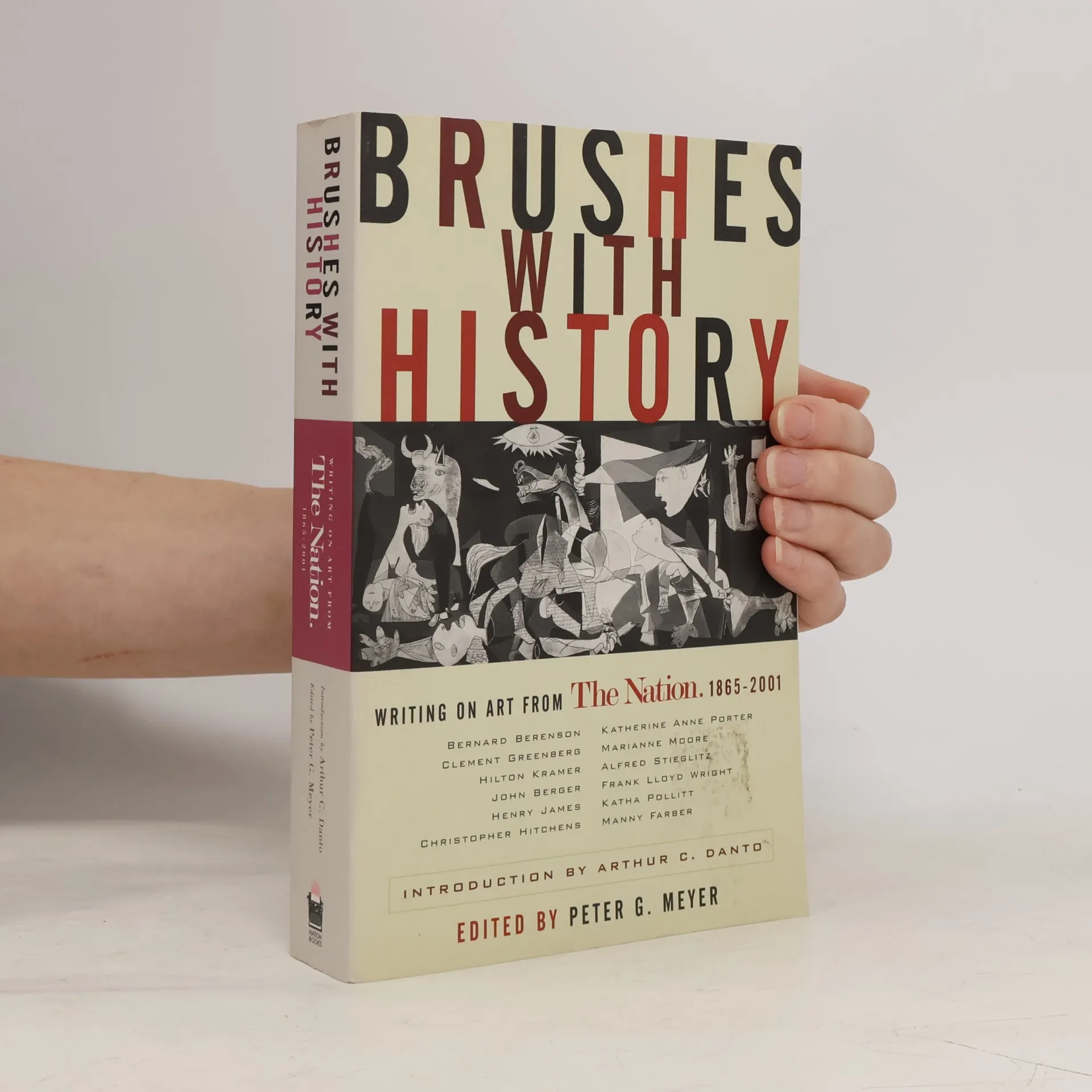
The Nation magazine, since its founding in 1865, began what has become, for better or worse, art criticism as a cultural institution in the United States. This eclectic collection features contributors like Christopher Hitchens on “degenerate art,” Heywood Broun on the Artists Congress of 1936, Katherine Anne Porter on children’s art, Marianne Moore on the death of Nation art critic Paul Rosenfeld, and Langston Hughes on “Negro Art.” The volume also includes contributions from many well-known Stuart Davis, Marsden Harley, Alfred Stieglitz, John Marin, Kenyon Cox, Guy Pene Du Bois, Louis Lozowick, and Frank Lloyd Wright. Celebrated writers on art such as Bernard Berenson, Clement Greenberg, Lawrence Alloway, Hilton Kramer, Max Kozloff, John Berger, and Arthur Danto give readers first-hand accounts of the debuts of artists ranging from John Singer Sargent to Jackson Pollock and Willem deKooning as well as the famous lawsuit between John Ruskin and James McNeill Whistler (reported by a youthful Henry James), the destruction of Diego Rivera’s Rockefeller Center murals and Richard Nixon’s views on art. More recently writers like E.L. Doctorow and Katha Pollitt have weighed in on the recent culture wars over arts funding and free expression.
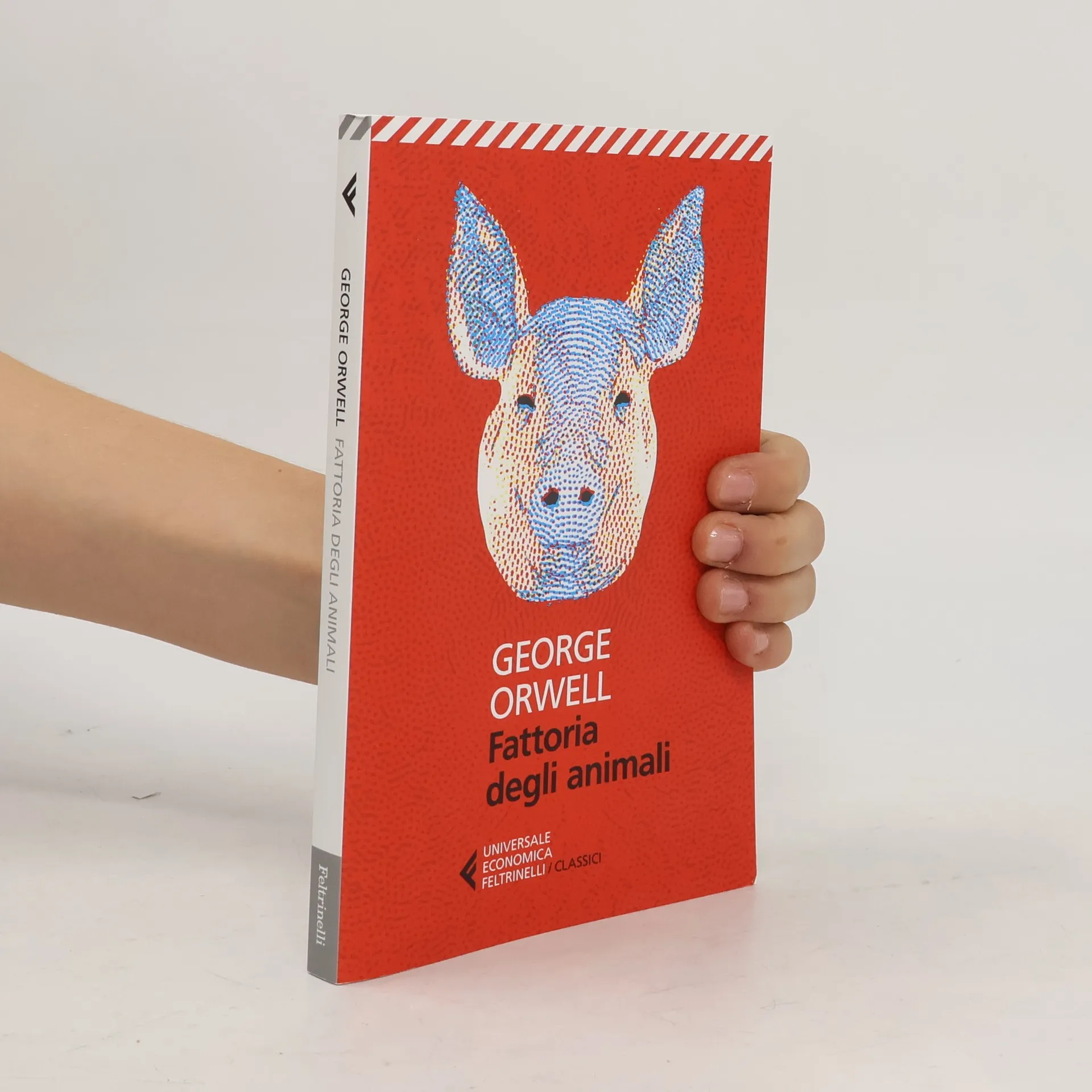
"È uno dei romanzi più famosi del Novecento, grande metafora di ogni regime totalitario. Eppure l’ispirazione per quest’opera nacque da un episodio molto concreto: “Un giorno, mentre percorrevo uno stretto sentiero vidi un bambino di forse una decina d’anni che teneva per le briglie un cavallo da tiro enorme, e ogni volta che questo cercava di voltarsi il bambino lo frustava. In quel momento mi ritrovai a pensare che se certi animali avessero coscienza della loro forza, noi non avremmo più alcun potere su di loro, e pensai pure che gli uomini sfruttano gli animali in modo assai simile a quello in cui i ricchi sfruttano il proletariato”. Prende così vita "Fattoria degli animali", storia di animali che sovvertono l’ordine costituito per instaurare un regime basato sull’uguaglianza e sulla parità di diritti e doveri. Ma la loro utopia egualitaria deraglia rapidamente e, come nella Russia stalinista che Orwell aveva in mente mentre scriveva, ben presto un gruppo – i maiali, guidati da Napoleon e Snowball – prende il sopravvento e si impone sugli altri con una prepotenza che sfocerà presto in brutalità. Una storia che, trasfigurando le vicende dell’Unione Sovietica attraverso la lente della favola, parla al lettore con un’immediatezza capace di toccare il nucleo più prezioso che abita in ciascuno di noi: quello che non esita a insorgere di fronte al sopruso e all’ingiustizia" -- Amazon
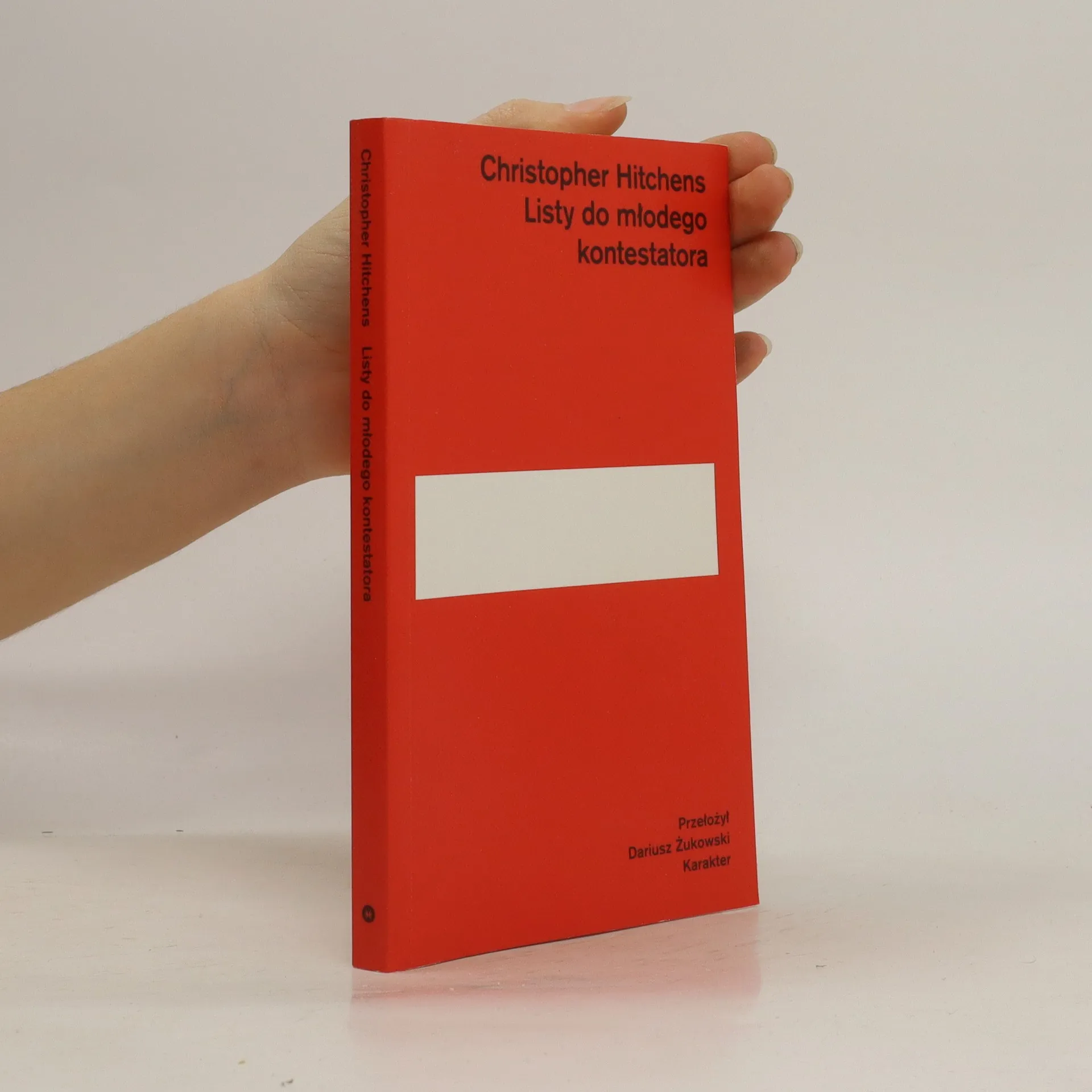
"Słynny esej kontrowersyjnego intelektualisty. Odwołując się do przykładów z własnego życia oraz postaw takich ważnych dla niego osób, jak Emile Zola, Rosa Parks, George Orwell czy Vaclav Havel, autor analizuje różne formy sprzeciwu i kontestacji. Opowiada o tym, jak być krytycznym, nie ulegać manipulacji mediów, nie poddawać się politycznej propagandzie i zachowywać twórczy dystans wobec rzeczywistości. Na co dzień możesz stanąć wobec różnych odmian przemocy albo hipokryzji, bałamutnego powoływania się na wolę ogółu albo małostkowych nadużyć władzy. Jeśli należysz do jakiejś organizacji politycznej, ktoś może cię poprosić o mówienie kłamstw albo półprawd służących jakiemuś krótkoterminowemu celowi. Każdy wypracowuje sobie własne sposoby radzenia sobie z takimi sytuacjami. Staraj się zachowywać, „jak gdyby” nie trzeba było ich tolerować i jakby nie było w nich nic oczywistego – pisze Hitchens do młodego adepta sztuki sprzeciwu."
Aldous Huxley (1894-1963) prefigura, in questo romanzo, una società pianificata in nome del razionalismo produttivistico, votata all'assoluta perfezione. In occasione del suo centenario la Mondadori ripropone in tiratura limitata una scelta di opere che hanno segnato la storia della collana "Medusa", riprendendone l'originale veste grafica ed editoriale.