
Bookbot

Stella McNichol

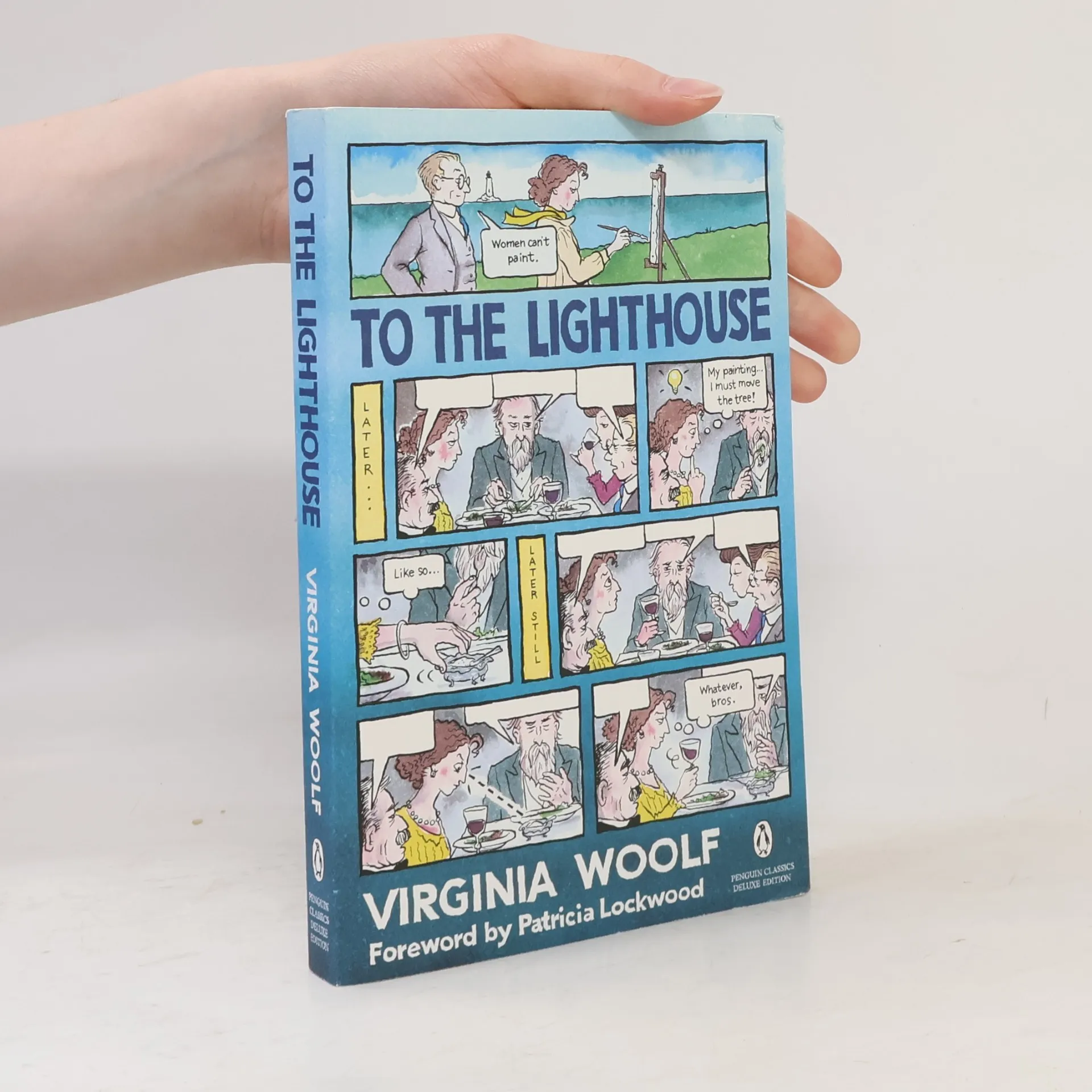
    To the Lighthouse: (Penguin Classics Deluxe Edition)
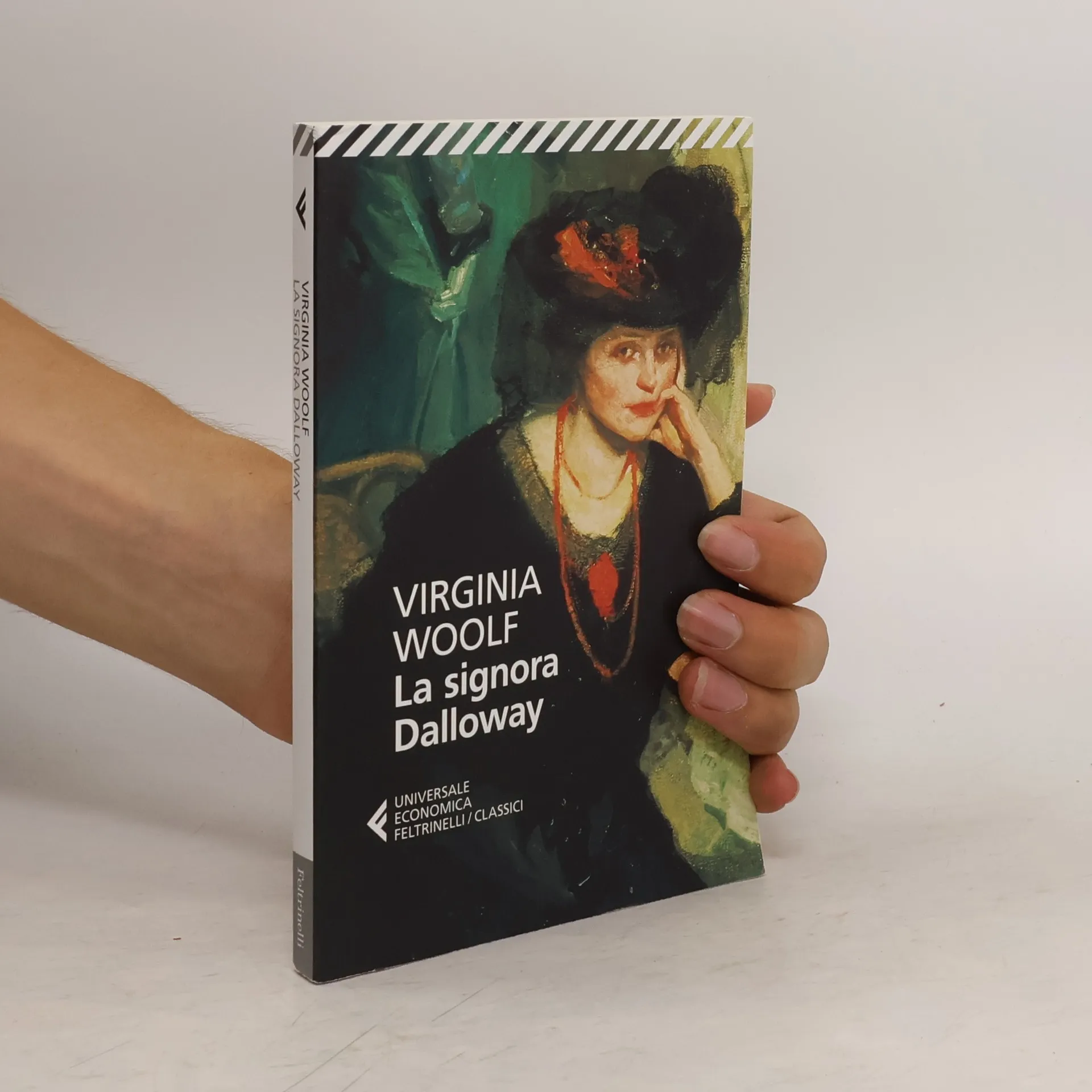
    La signora Dalloway
    To the Lighthouse
    • To the Lighthouse

      • 240pagine
      • 9 ore di lettura

      Explores the relationships between the members of the Ramsay family and the changes brought to their world by the First World War

      To the Lighthouse
    • La signora Dalloway

      • 177pagine
      • 7 ore di lettura

      Un mercoledì di metà giugno del 1923 Clarissa Dalloway, moglie di un deputato conservatore alla Camera dei Lords, esce per comprare dei fiori per la festa che la sera riunirà nella sua casa una variopinta galleria di personaggi. Tra gli altri: Peter Walsh, l'amante respinto, appena tornato dall'India, e l'amica tanto amata, più di ogni uomo, Sally Seton. Per le strade di Londra passeggia anche Septimus Warren Smith, il deuteragonista del romanzo. Nulla sembra legare i due, se non la città di Londra. Clarissa ha cinquant'anni, è ricca. Septimus ne ha appena trenta, è povero e traumatizzato dall'esperienza feroce e violenta della guerra, in cui ha perduto non solo l'amico Evans, ma ogni pace. Eppure i due, senza mai incontrarsi, semplicemente sfiorando gli stessi luoghi, comunicano. Con sapienza straordinaria Virginia Woolf, giunta con questo al suo quarto romanzo, tesse il filo sottile di corrispondenze, echi, emozioni che creano un'opera di grande intensità. Dove un uomo e una donna sconosciuti l'uno all'altra sono accomunati dallo stesso amore e terrore della vita, che li porterà, nell'accettazione (femminile) o nel rifiuto (maschile), ad affermarne comunque l'inestimabile valore.

      La signora Dalloway
    • To the Lighthouse is a 1927 novel by Virginia Woolf. The novel centers on the Ramsays and their visits to the Isle of Skye in Scotland between 1910 and 1920. Following and extending the tradition of modernist novelists like Marcel Proust and James Joyce, the plot of To the Lighthouse is secondary to its philosophical introspection. Cited as a key example of the literary technique of multiple focalization, the novel includes little dialogue and almost no action; most of it is written as thoughts and observations. The novel recalls childhood emotions and highlights adult relation­ships. Among the book’s many tropes and themes are those of loss, subjectivity, the nature of art and the problem of perception. In 1998, the Modern Library named To the Lighthouse No. 15 on its list of the 100 best English-language novels of the 20th century. In 2005, the novel was chosen by Time Magazine as one of the one hundred best English-language novels since 1923. (more on www.wisehouse-publishing.com)

      To the Lighthouse: (Penguin Classics Deluxe Edition)