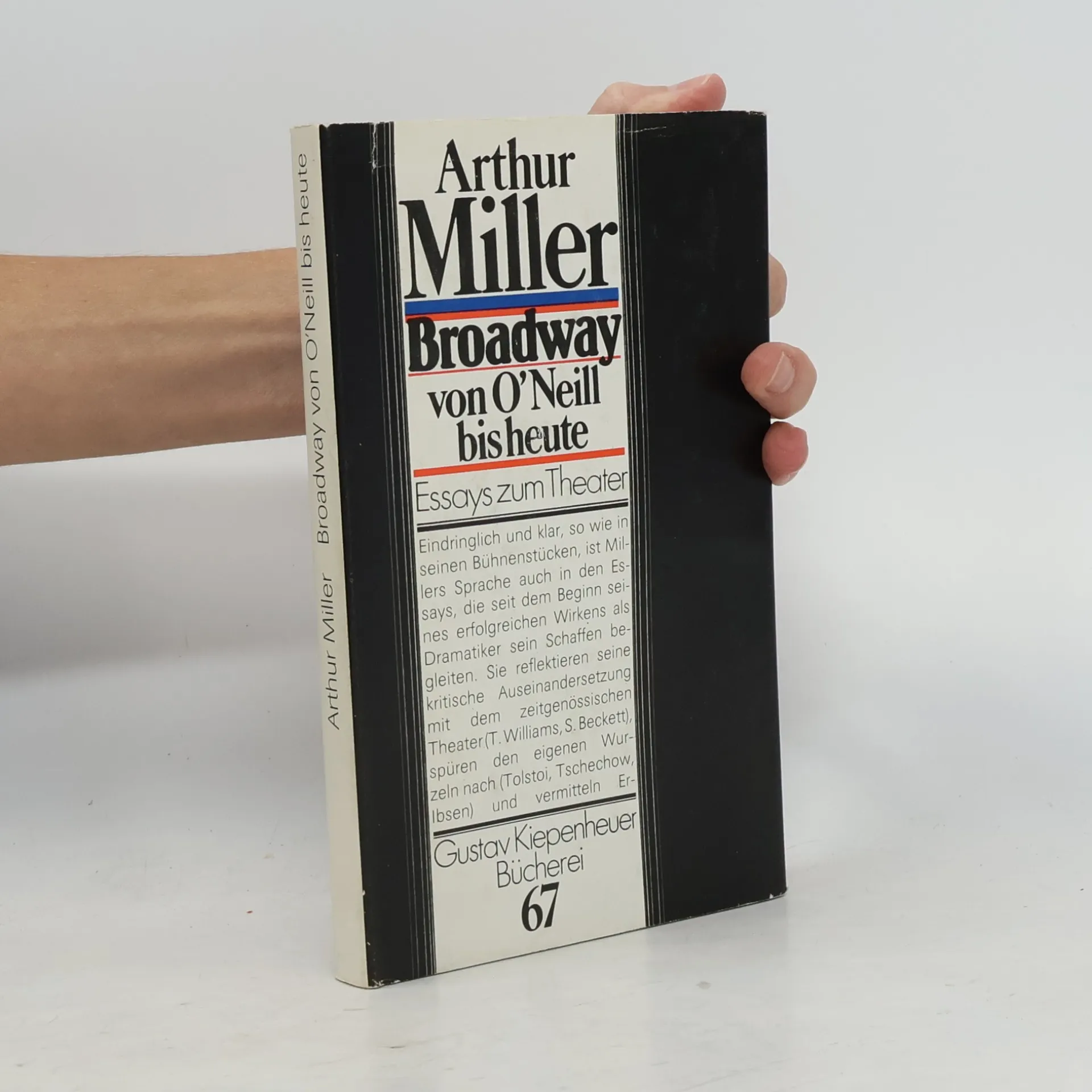
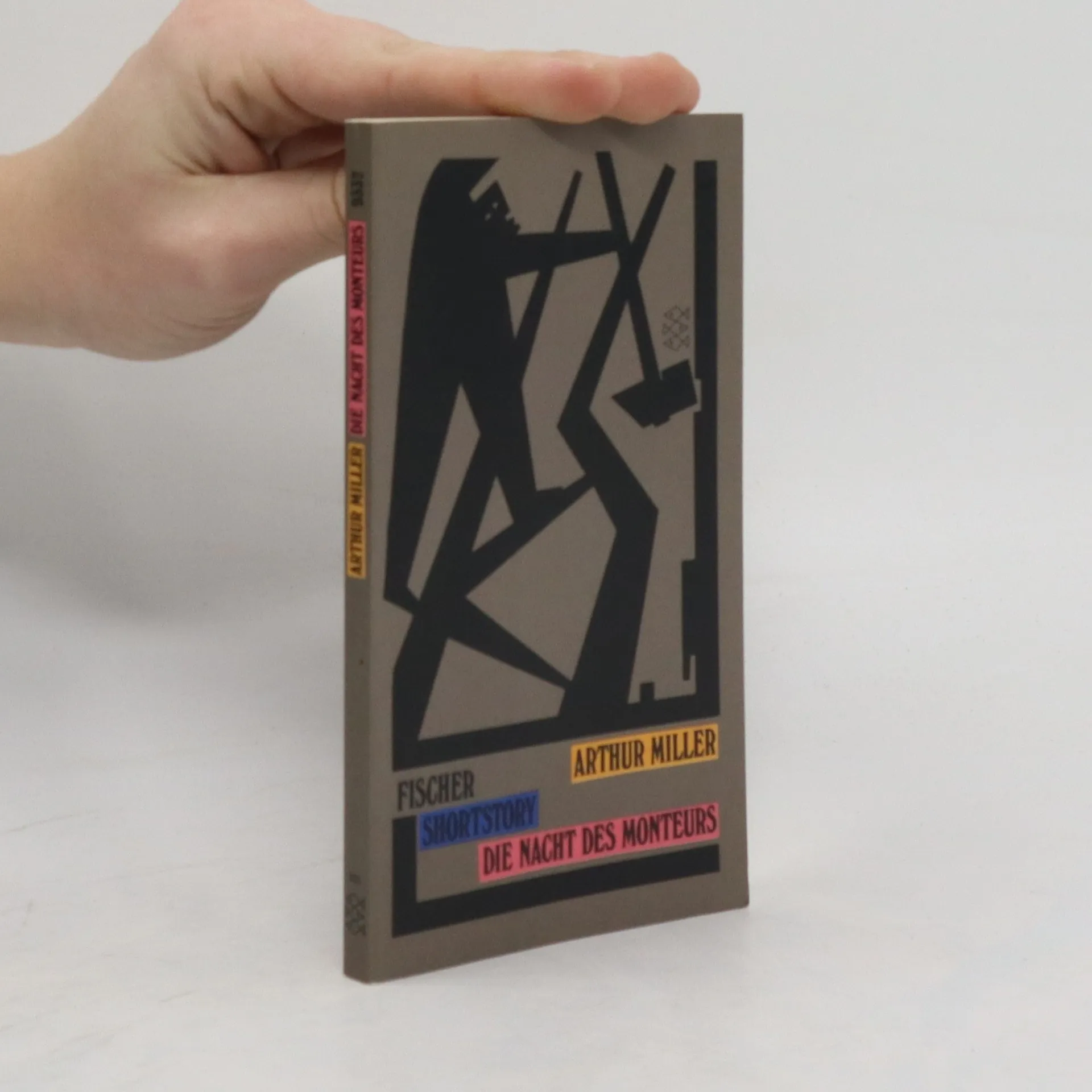
Arthur Miller Libri
Arthur Miller è stato una figura di spicco del dramma americano, la cui prolifica carriera si è estesa per oltre sei decenni, plasmando significativamente il panorama letterario della nazione. Le sue opere, ancora oggi studiate e rappresentate a livello globale, approfondiscono complesse complessità morali e offrono un'acuta critica sociale. Miller ha esplorato magistralmente temi come il senso di colpa, la responsabilità e l'elusivo sogno americano, impiegando uno stile distintivo caratterizzato da una profonda intuizione psicologica e una potente tensione drammatica. È ampiamente considerato uno dei più importanti drammaturghi americani della sua epoca, lasciando un segno indelebile nel teatro.

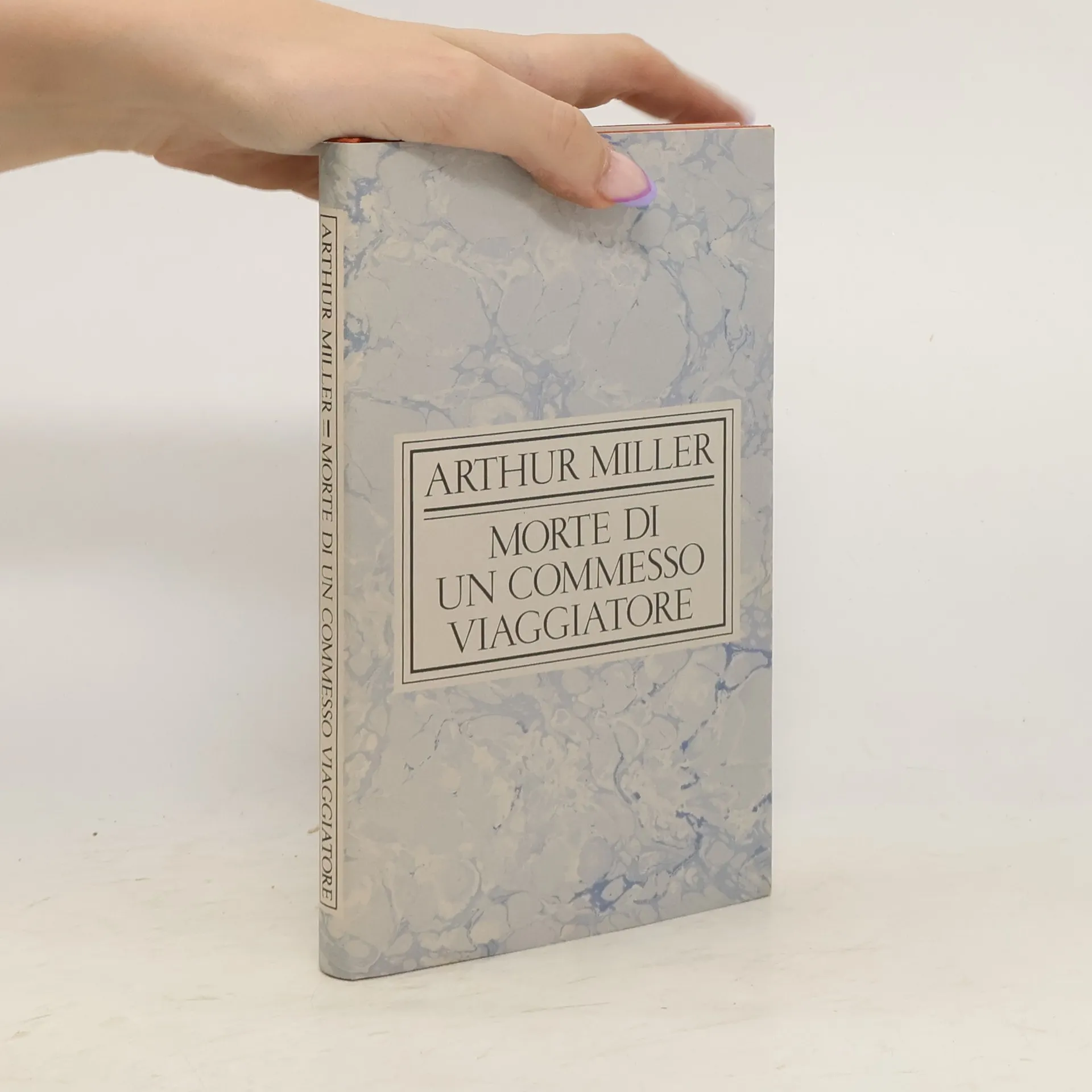
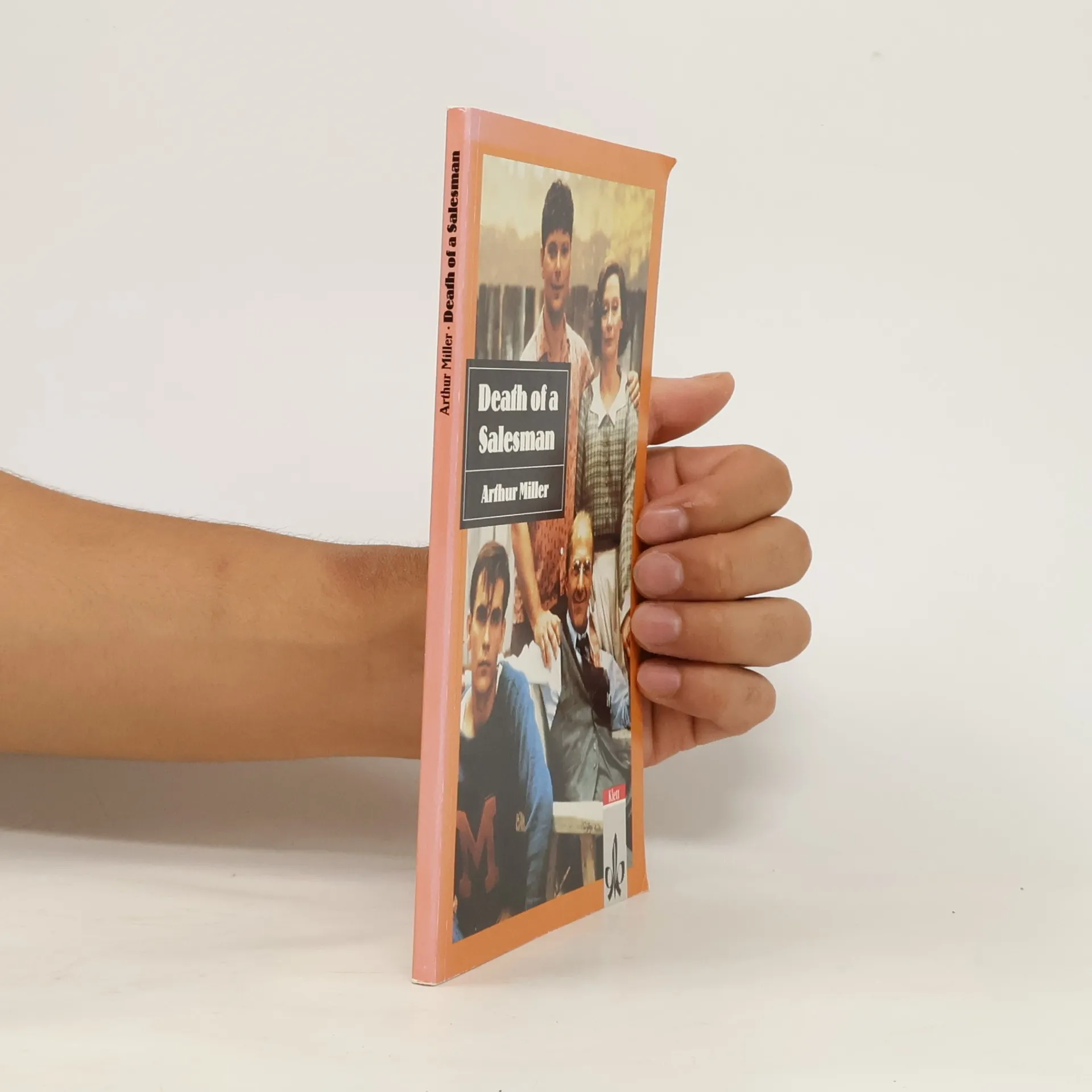
Andato in scena a New York nel febbraio del '49 per la regia di Elia Kazan, Morte di un commesso viaggiatore costituisce forse il più clamoroso successo teatrale del dopoguerra - un successo che, dagli Stati Uniti, dilaga in tutto il mondo. Partendo dall'idea di descrivere, in chiave quasi comica, quanto si agita all'interno della testa di un uomo, Miller lavorò sin dall'inizio sull'ipotesi di restituire - non solo letterariamente, ma anche e soprattutto sul piano della scrittura scenica - il coesistere di presente e passato nella vita di un essere umano. Willy Loman, l'esausto commesso viaggiatore vittima di un sistema fondato sulle leggi inesorabili della produttività, è stato ed è non solo il rappresentante di un'America già percorsa dai primi brividi del maccarthismo, ma anche un eroe tragico di straordinaria efficacia.
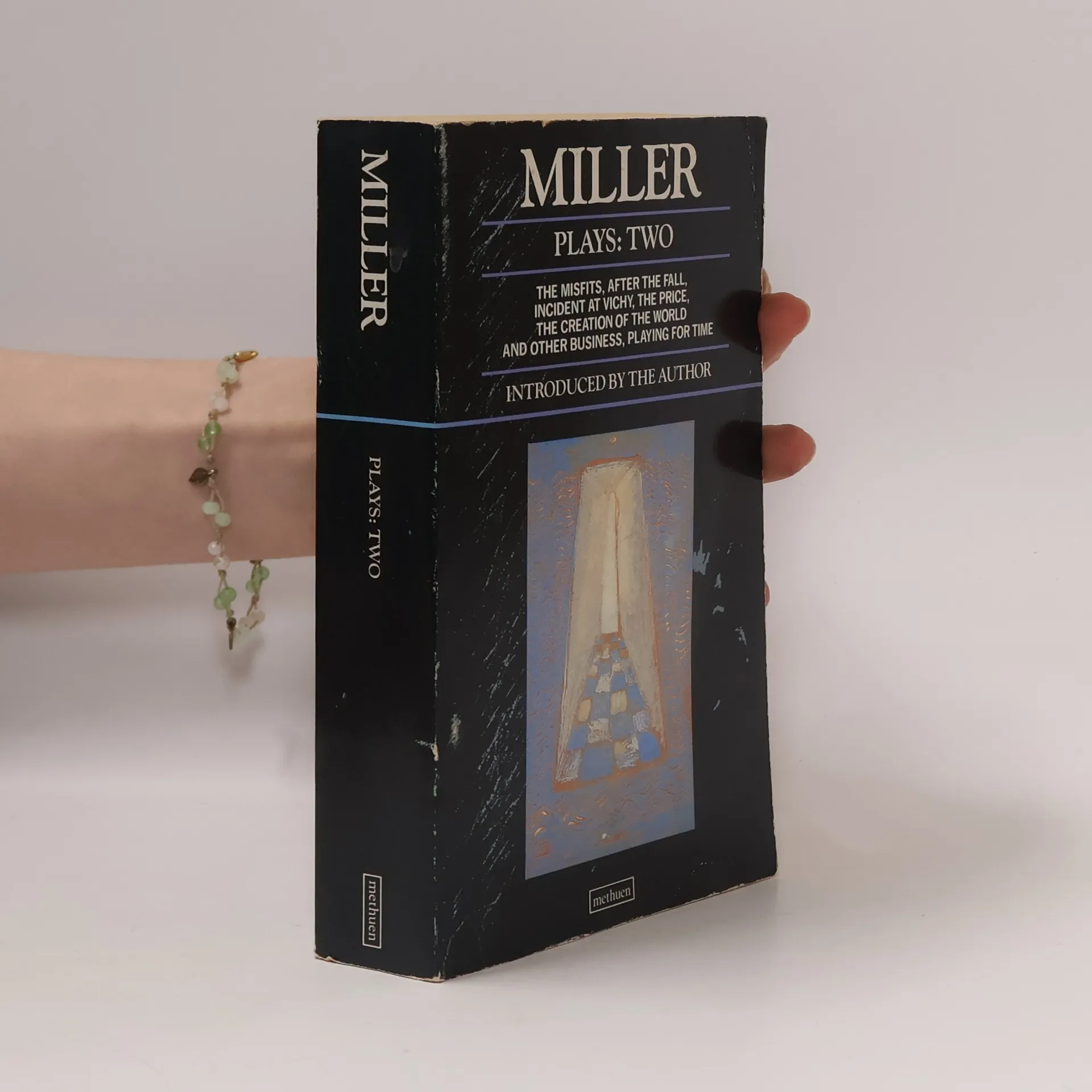
Second volume of plays in the reissued Arthur Miller Collection
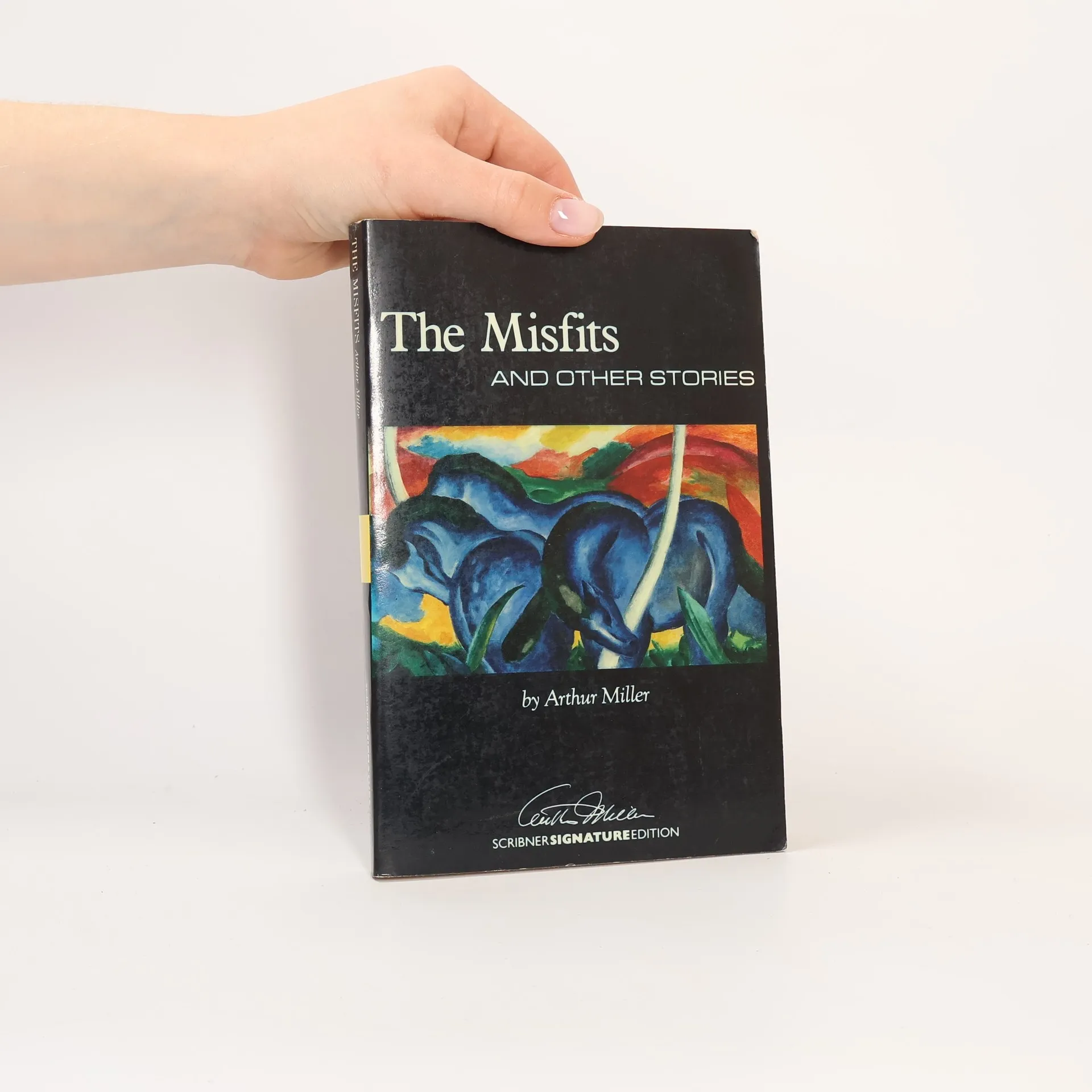
A story of four lost souls - the beautiful Roslyn who has never belonged to anyone or anthything, and three other misfits who roam the open land existing on the little money made from riding in rodeos - who meet in Reno to discover that freedom has its price, and the heart its rules.
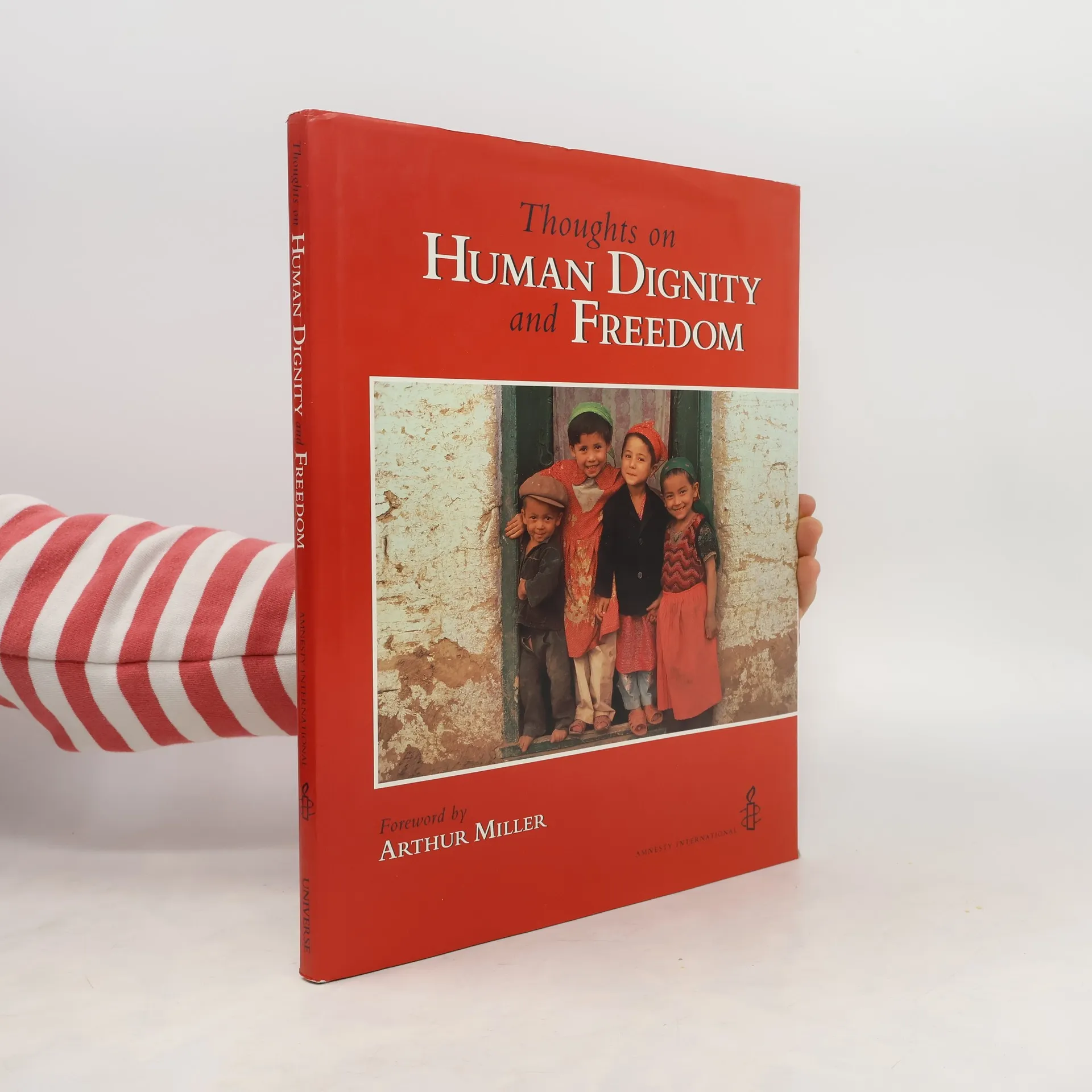
Thoughts on Human Dignity and Freedom
- 80pagine
- 3 ore di lettura
Book by Amnesty International
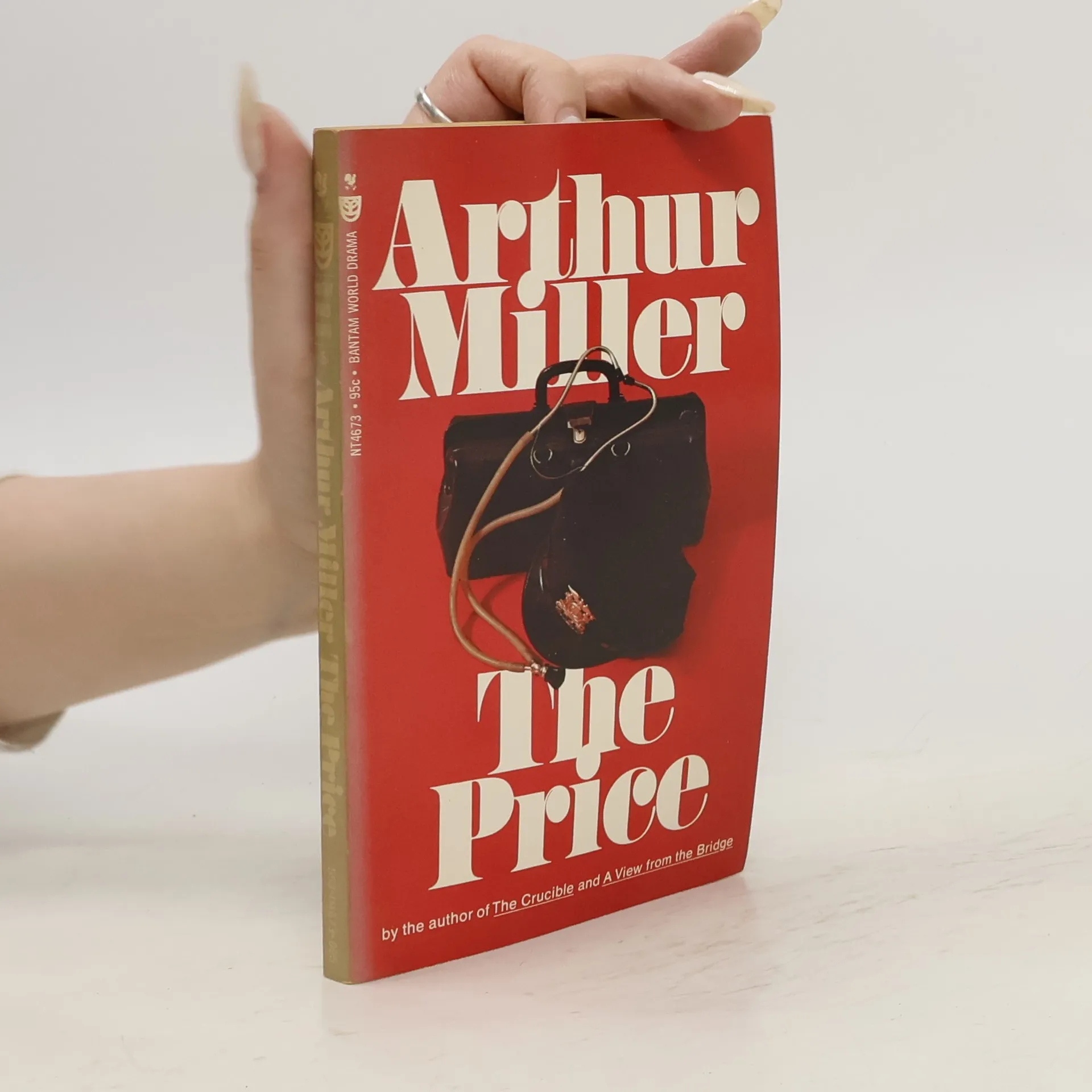
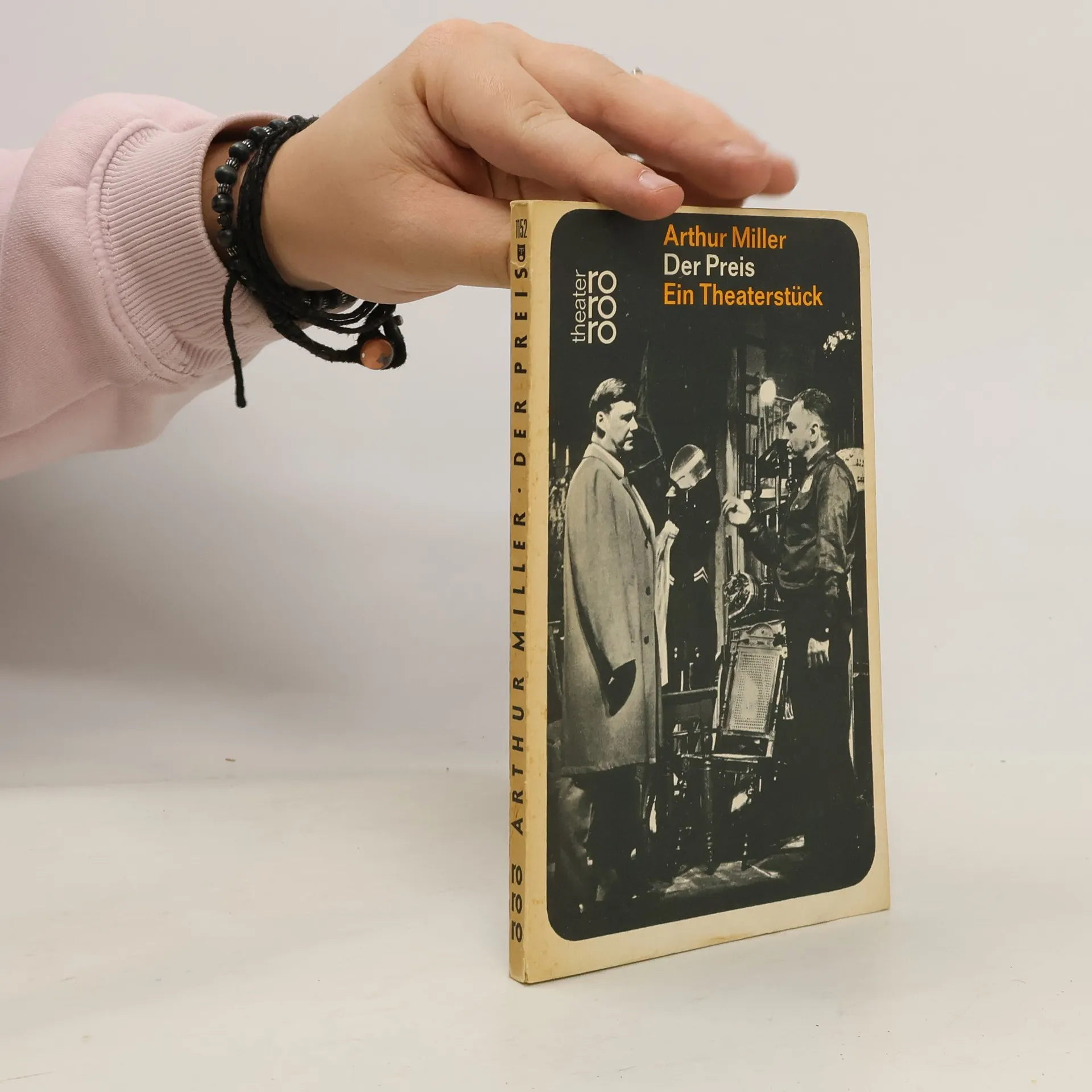
"The Price is one of the most engrossing and entertaining plays that Miller has ever written." - The New Uork Times When patriarch of the Franz family dies, his two sons return home to dispose of the furniture crammed in his attic: one is a successful surgeon, the other gave up everything to support their father following the Great Depression. As the pair sort through these abandoned belongings, frustrations, secrets and surprise guests are uncovered. With its touching and farcical presentation of American life beyond the Vietnam War and Great Depression, The Price is widely recognised as one of Miller's major works, earning him a Tony Award nomination in 1968. This Methuen Drama Student Edition is edited by Yuko Kurahashi, with commentary and notes that explore the play's production history (including excerpts from interviews with the director and designers of the 2017 Arena Stage production) as well as the dramatic, thematic and academic debates that surround it.
Portraits
- 95pagine
- 4 ore di lettura
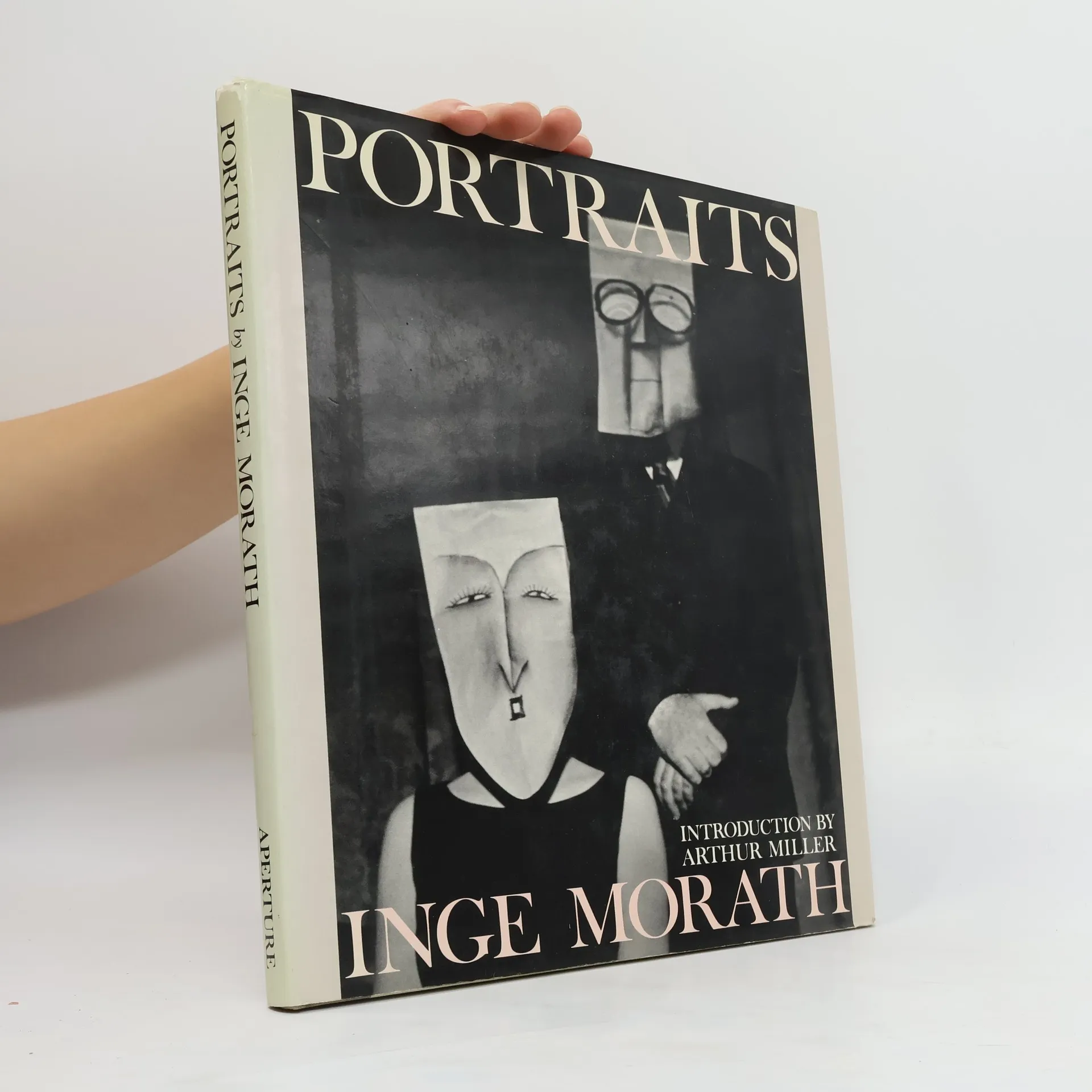
A photographic collection featuring texts by Arthur Miller, Robert Delpire, and Anna Farova. It showcases images spanning four decades, presenting a body of work that includes artist portraits, reportage photographs from Spain and Iran, behind-the-scenes shots from the film "The Misfits" with Marilyn Monroe, and scenes of New York past and present. The collection captures staged representations of groups and individuals, offering a mini-universe of our century through images.
This book documents the making of the legendary film The Misfits (1961). Directed by the Hollywood auteur John Huston, it starred three of the most charismatic actors of all time - Marilyn Monroe, Clark Gable and Montgomery Clift. Its script was composed by Arthur Miller, one of America's greatest playwrights and Marilyn's husband. As part of the promotional strategy for the film, the Magnum photographic agency was given exclusive access to the shoot. Nine of its most famous photographers - including Henri Cartier-Bresson, Eve Arnold and Elliott Erwitt - covered the production, both on and off the set. 200 of their pictures are reproduced in rich duotone, providing both a fascinating documentary of the making of a film and an intimate portrait of its stars. The photographs are paralleled with an essay by the Editor-in-Chief of the established film magazine Cahiers du cinéma , Serge Toubiana, in which he recounts the tragic and triumphant story of the film that was to become Monroe and Gable's swansong. The book also contains a revealing interview between Toubiana and Arthur Miller, in which Miller discusses the making of the film, the troubled relationships between the stars (including his own with Monroe) and the fascinating background to the photographs.
RUR Rossum's Universal Robots
- 162pagine
- 6 ore di lettura
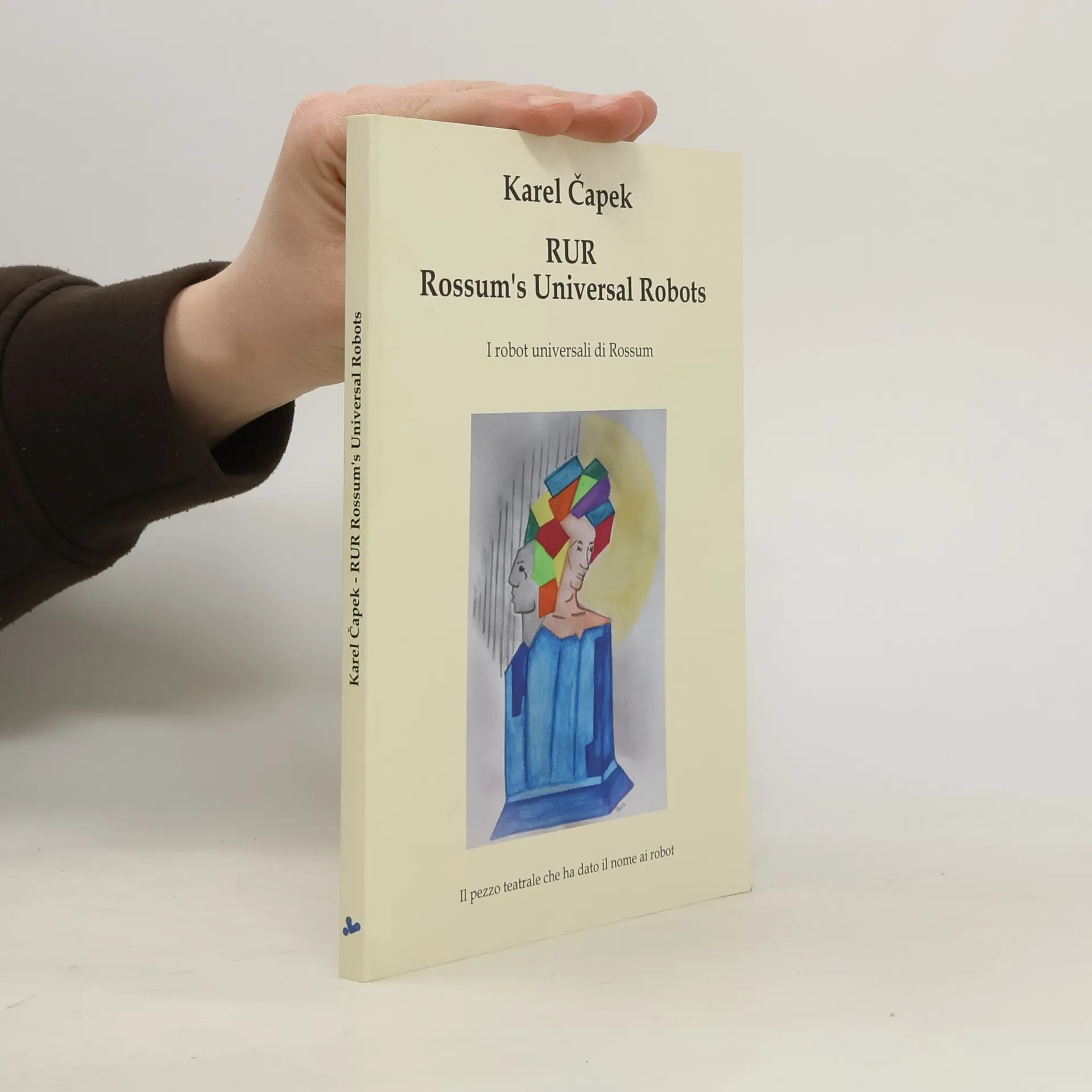
"R.U.R. Rossum's Universal Robots", scritta nel 1920, è l'opera teatrale che introduce nella cultura mondiale il termine "robot". Nella prima metà degli anni Venti si afferma sui palcoscenici di tutto il mondo con grande rapidità: nel 1921 è in scena a Praga e Aquisgrana, un anno dopo a Varsavia, Belgrado e New York, nel 1923 a Berlino, Vienna, Londra e Zurigo, nel 1924 a Parigi, Bruxelles, Stoccolma e Tokio. Utopia planetaria che coinvolge il destino dell'intera umanità, propone una riflessione sulle paure ancestrali che l'uomo del XX secolo prova di fronte alla rapidità senza precedenti con cui il progresso scientifico avanza. La creazione di un uomo artificiale, il suo sfruttamento nel mercato del lavoro e perfino lo scoppio di guerre distruttive sono all'epoca temi già noti; la grande novità del dramma tragicomico di Karel Capek consiste nel ridurre al minimo la distanza tra creatura artificiale e umana. Il robot è un operaio artificiale non meccanico, è una replica semplificata dell'uomo: nelle intenzioni dell'autore "R.U.R." è un grido d'allarme, "un ammonimento alla società tecnologica, perché si avveda in tempo del baratro in cui sta precipitando". Sarà invece l'aspetto spettacolare e drammatico della lotta tra uomini e robot a catturare l'attenzione degli spettatori e a inaugurare un filone che avrà grande successo letterario e cinematografico lungo il Novecento.
Jane's blanket
- 64pagine
- 3 ore di lettura
The only children's book penned by playwright Arthur Miller, Jane's Blanket intelligently and iconically details a touching truth of childhood. The first reprint since its 1963 release makes Arthur Miller's enduring message available to a new generation.
This volume contains four of the most important and famous plays of the American theatre. All were written by Arthur Miller within a ten-year period which began with his first Broadway hit in 1947: 'With the production of All My Sons,' wrote Brooks Atkinson in the New York Times, 'the theatre has acquired a genuine new talent.' This hit was followed by an even greater Death of a Salesman. 'A great play of our day', wrote the New York Herald Tribune and the play has gone on to become the classic American tragedy of Willy Loman, a salesman who becomes disillusioned with the American dream. The Crucible(1953) was produced during the McCarthy era and became a parable of the witch-hunting practises of a government rooting out Communists. A View from the Bridge(1955) concerns the lives of longshoremen in the Brooklyn waterfront and has remained one of Miller's most produced plays. A Memory of Two Mondays, a one-act play, was written as a companion piece to A View from the Bridge. "The greatest American dramatist of our age" (Evening Standard)
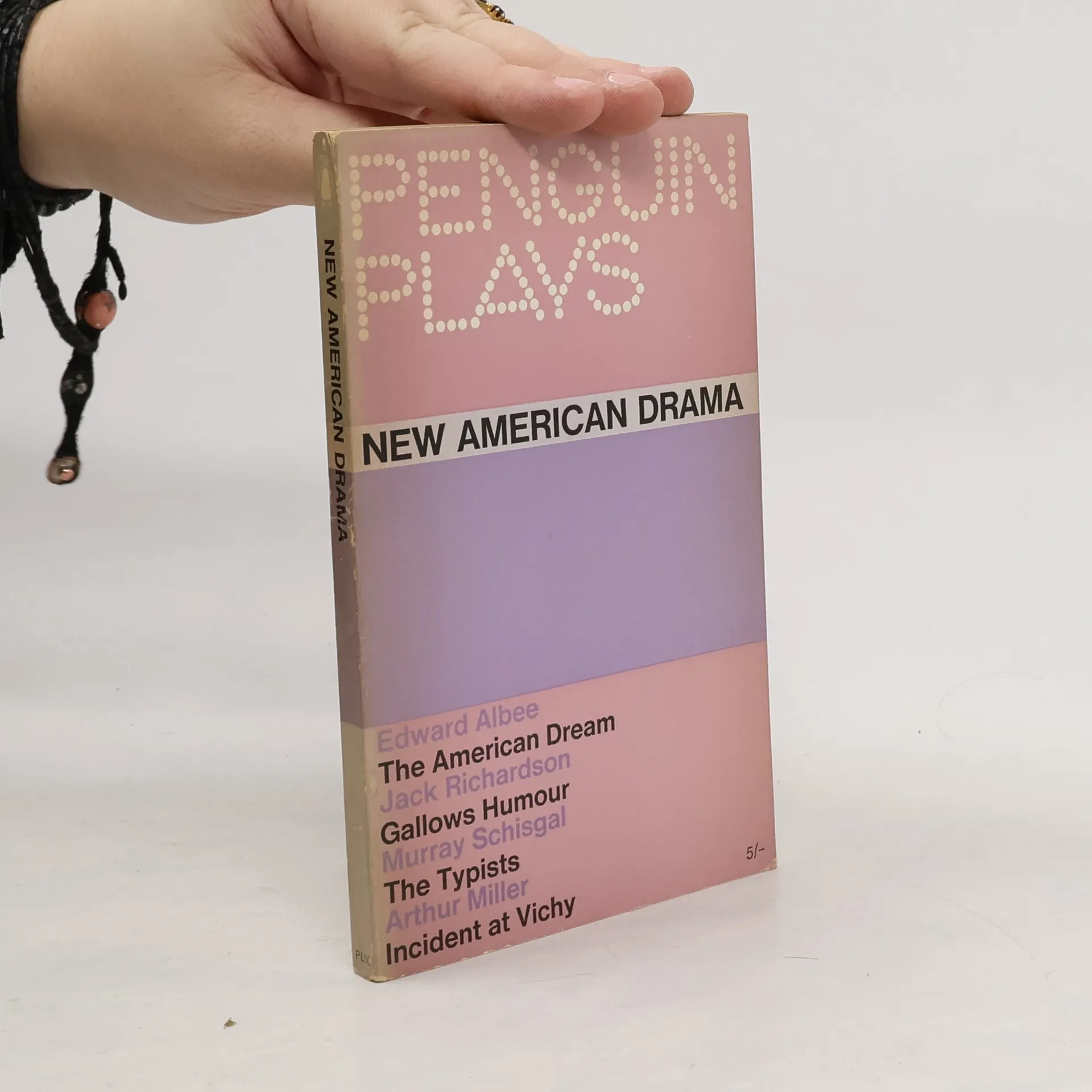
New American Drama
- 203pagine
- 8 ore di lettura
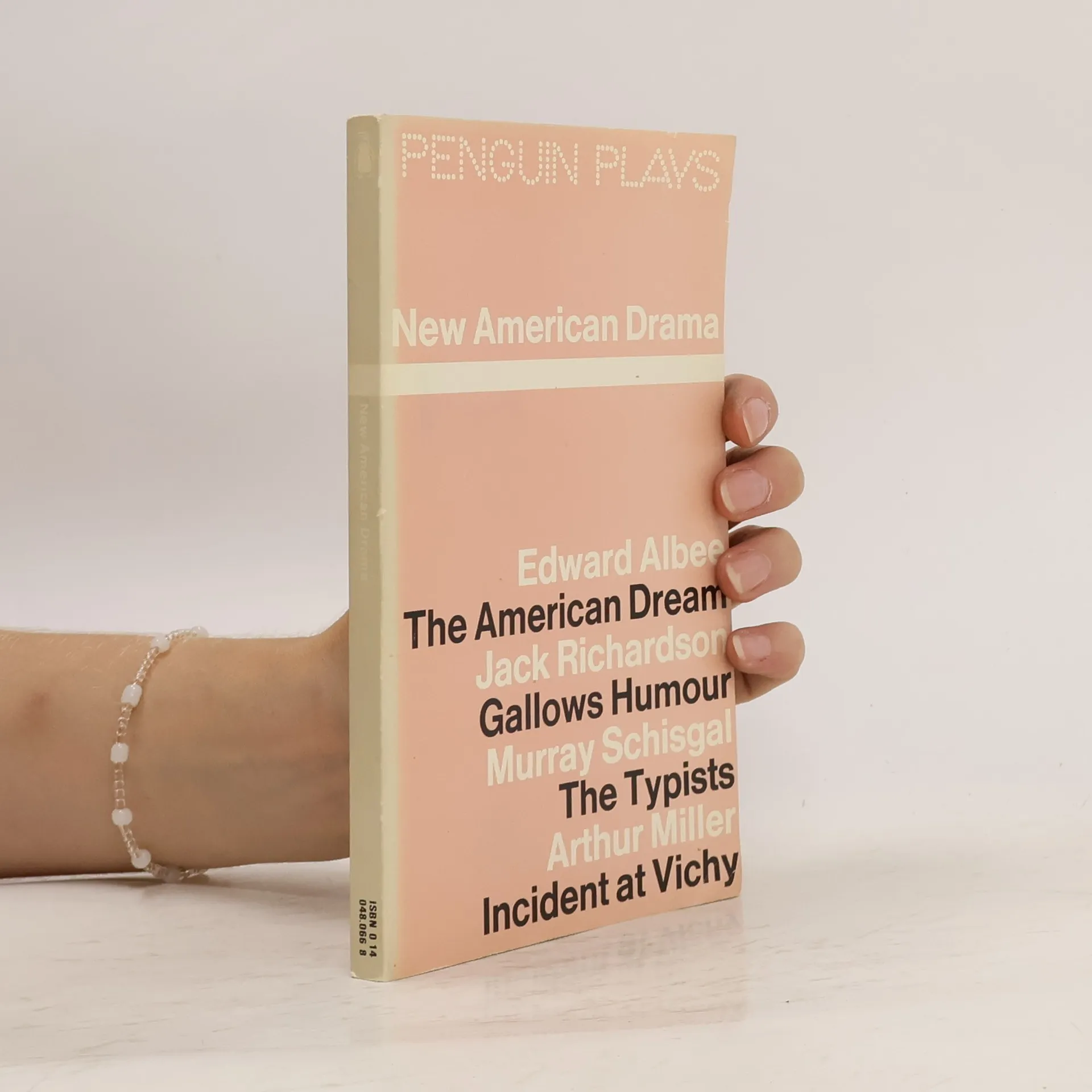
Edward Albee: The American DreamJack Richardson: Gallows HumourMurray Schisgal: The TypistsArthur Miller: Incident at Vichy
Einstein, Picasso
- 368pagine
- 13 ore di lettura
Miller is an excellent historian...and a fine biographer... [His] artful arrangement of his conclusions...makes the book something of an intellectual thriller.-New York Times Book Review.
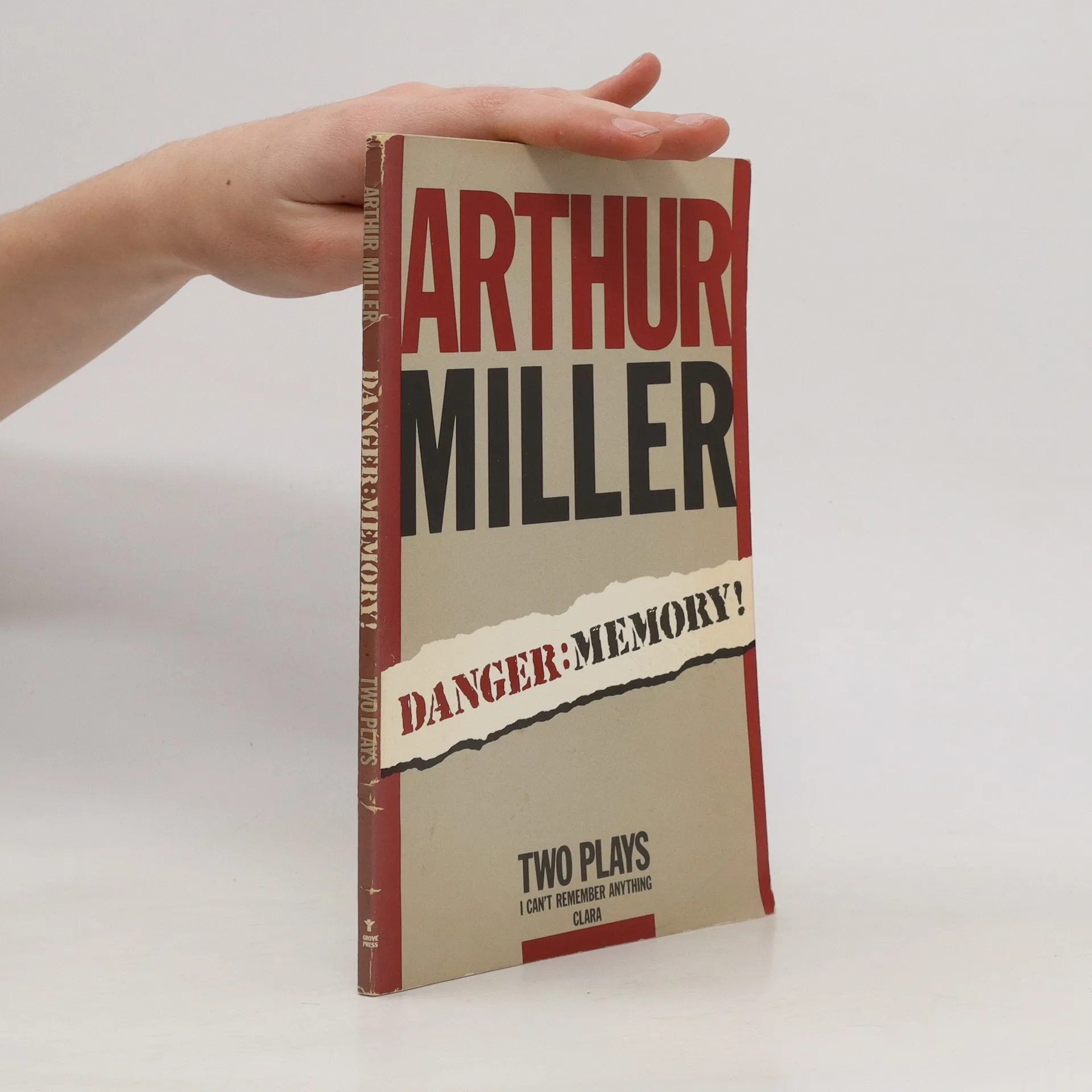
Danger, Memory!
- 68pagine
- 3 ore di lettura
In "Danger: Memory!" Two contrasting but thematically related one-act plays, I Can't Remember Anything and Clara, are concerned with remembrance. The first play portrays the shared and disputed recollections of two elderly friends, and Clara dramatizes the resistance to brutal present-day fact when a young woman's father speaks with a detective investigating her murder. Like all of Miller's plays, Danger: Memory! holds the powerful emotional charge and social perceptions associated with his work while reaching for one of the fundamental issues of mankind, the selective amnesia of the past.
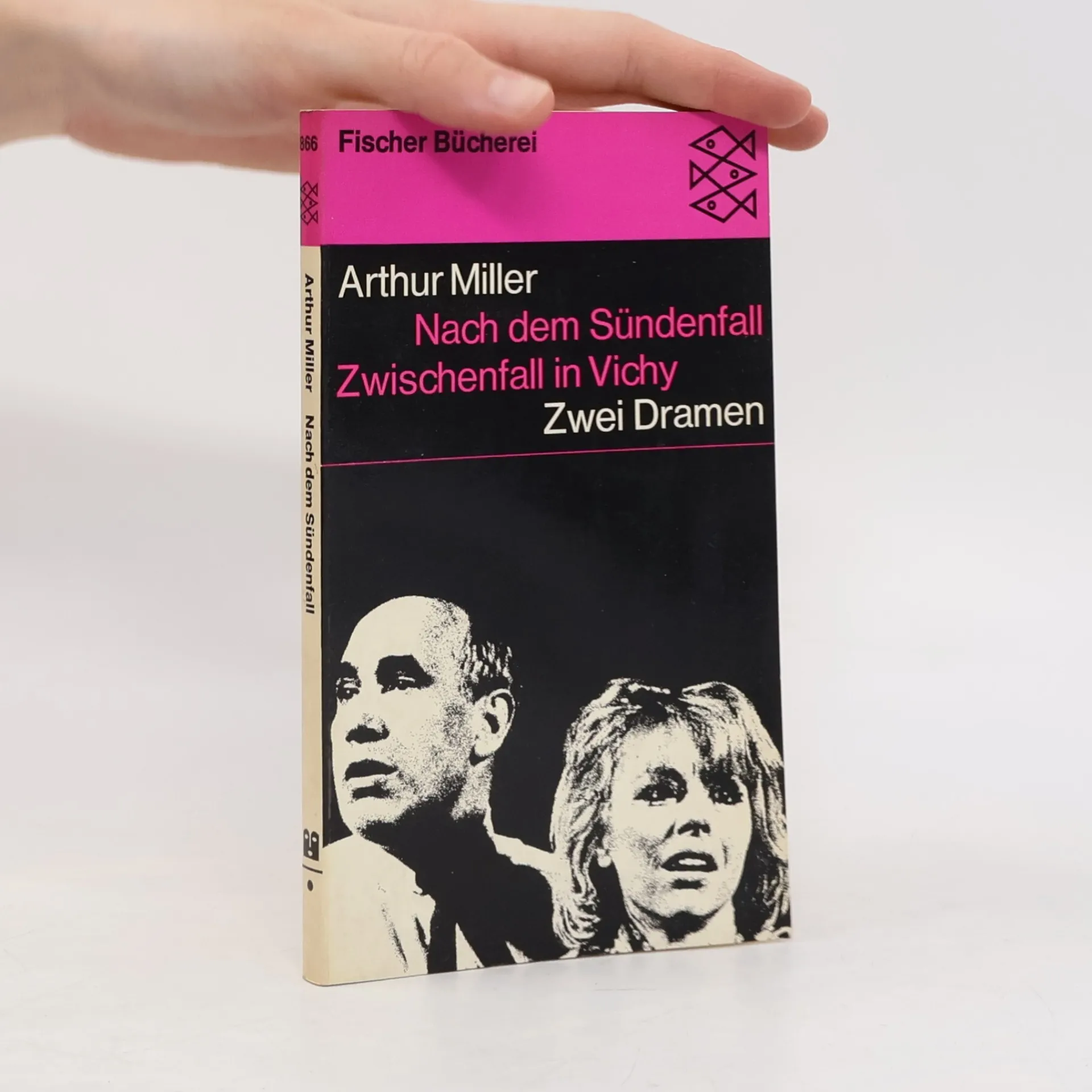
Jew is only the name we give to that stranger. Each man has his Jew; it is the other. And the Jews have their Jews. Arthur Miller's largely forgotten masterpiece, Incident at Vichy is a prescient examination of the evil that exists in us all, inspired by a real-life incident in France in which a Gentile gave a Jew his identity pass during a check, which would have resulted in the Jew otherwise being sent to a concentration camp. This Methuen Drama Student Edition of the play includes commentary and notes by Joshua Polster, Emerson College, US, which investigate the politics of the play in the context of the African-American civil rights movement happening at the time; the Vietnam War; The House Committee on Un-American Activities; and the murder of Kitty Genovese, as well as exploring Miller's own relationships that were central to the play including with psychoanalyst Dr Rudolf Loewenstein, his wife Inge Morath and his friend Elia Kazan.
Based on a true story, Arthur Miller's play All My Sonswas his first major success, a moving exploration of denial, guilt, social responsibility and the falsehood of the American Dream. This Penguin Modern Classics edition includes an introduction by Christopher Bigsby.In Joe and Kate Keller's family garden, an apple tree - a memorial to their son Larry, lost in the Second World War - has been torn down by a storm. But his loss is not the only part of the family's past they can't put behind them. Not everybody's forgotten the court case that put Joe's partner in jail, or the cracked engine heads his factory produced which caused it and dropped twenty-one pilots out of the sky. All My Sonsis a moving, powerful drama of the ethics of profiteering and family, and the first great play from one of the finest playwrights of the twentieth century.If you enjoyed All My Sons, you might also like Euripides' Medea and Other Plays, available in Penguin Classics.
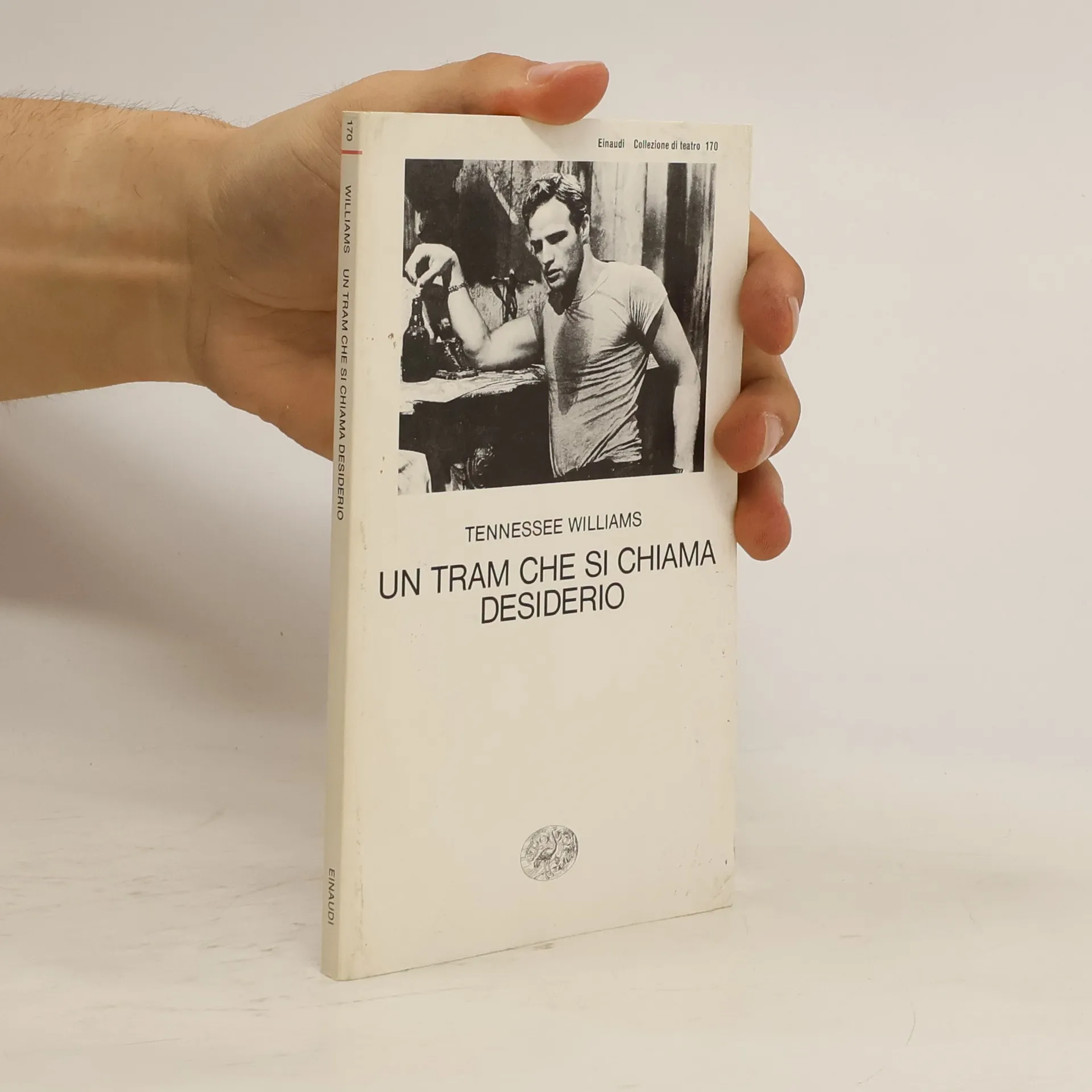
Siamo a New Orleans (in quel Sud che è caratteristico dell'ambientazione delle commedie di Williams) ed i temi che il dramma agita sono ancora una volta quelli del sesso e della violenza. Qui come altrove, al centro della partitura teatrale, è la figura di donna, alcoolizzata, ninfomane sino alla demenza. Un altro notevole commediografo americano, Arthur Miller, ha rimproverato a Williams di non immergere i suoi personaggi in un concreto tessuto di circostanze storiche. Egli non ha inteso che il Sud favoloso e mitico dell'autore è il luogo in cui l'uomo contemporaneo celebra la sua decadenza e la sua fine. I giovani inquieti e malati di Williams, le sue donne perdute, che tentano di ritrovare se stesse attraverso un disperato ritorno ad uno stato materno, sono le figure-simbolo di una tragedia che non è solo dell'America d'oggi. La commedia fu allestita la prima volta a New York il 3 dicembre 1947 per la regia di Elia Kazan, interpreti Marlon Brando, Karl Malden e Kim Hunter.
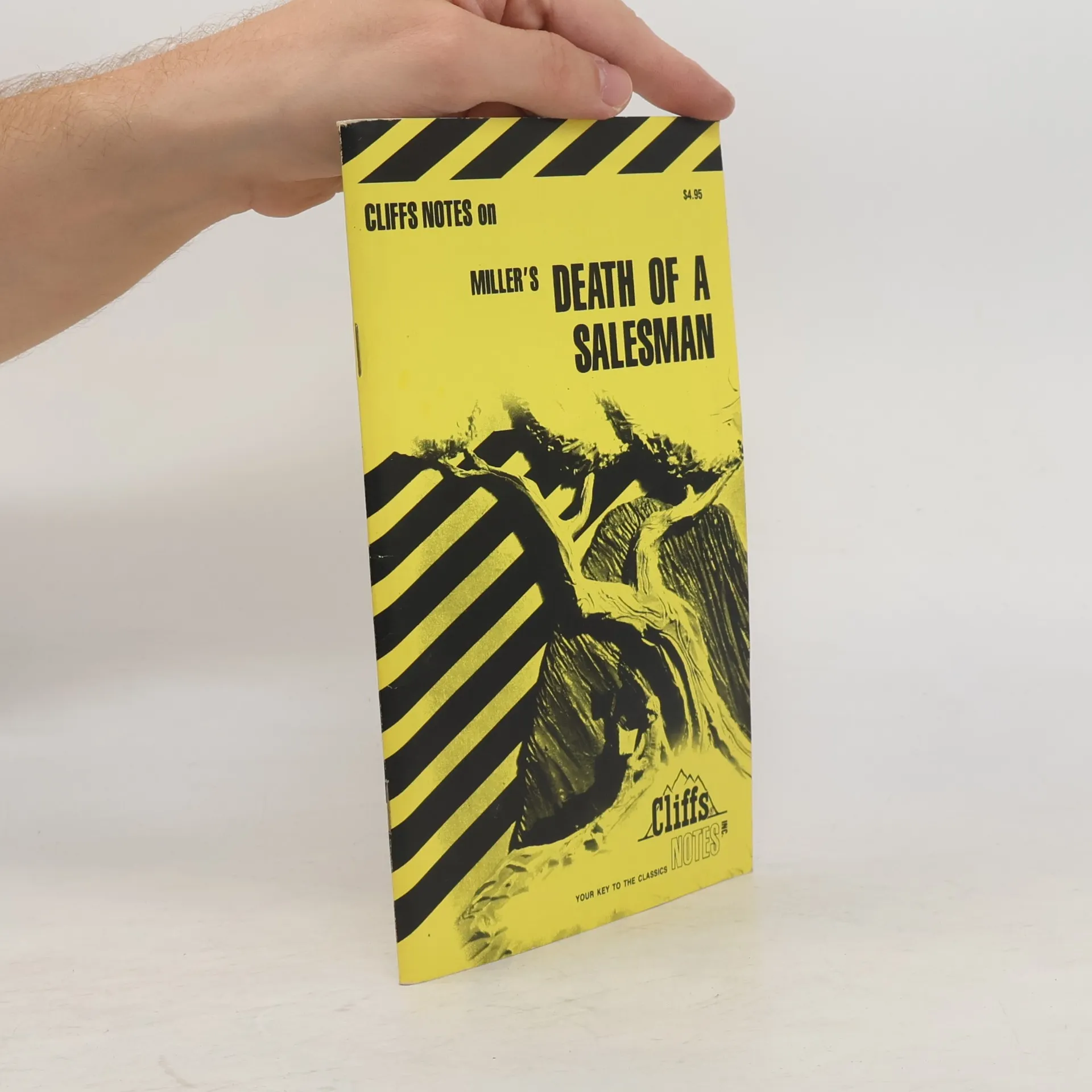
CliffsNotes on Miller's Death of a Salesman
- 98pagine
- 4 ore di lettura
The original CliffsNotes study guides offer a look into critical elements and ideas within classic works of literature. The latest generation of titles in this series also feature glossaries and visual elements that complement the classic, familiar format. CliffsNotes on Death of a Salesman shares an intimate glimpse into the dreams and disappointments of an American family. Following the story of Willy Loman, an aging salesman who can't accept change within himself and society, this study guide provides a character list, character map, and character analyses to explore the personalities within Arthur Miller's masterful play. Other features that help you figure out this important work include Classic literature or modern-day treasure—you'll understand it all with expert information and insight from CliffsNotes study guides.
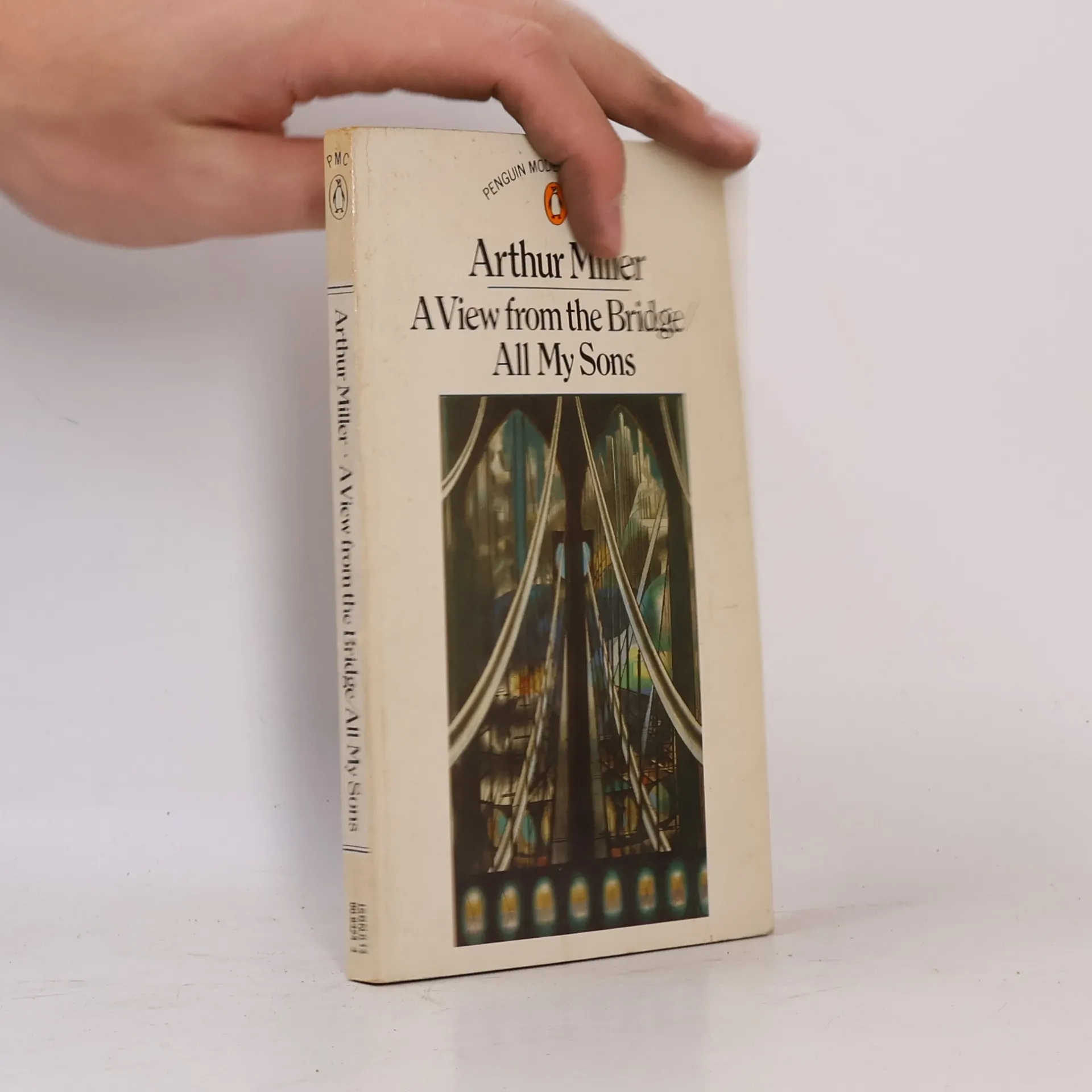
A View from the Bridge; All my Sons
- 176pagine
- 7 ore di lettura
Set on the gritty Brooklyn waterfront, "A View from the Bridge" follows the cataclysmic downfall of Eddie Carbone, who spends his days as a hardworking longshoreman and his nights at home with his wife, Beatrice, and niece, Catherine. But the routine of his life is interrupted when Beatrice's cousins, illegal immigrants from Italy, arrive in New York. As one of them embarks on a romance with Catherine, Eddie's envy and delusion plays out with devastating consequences.
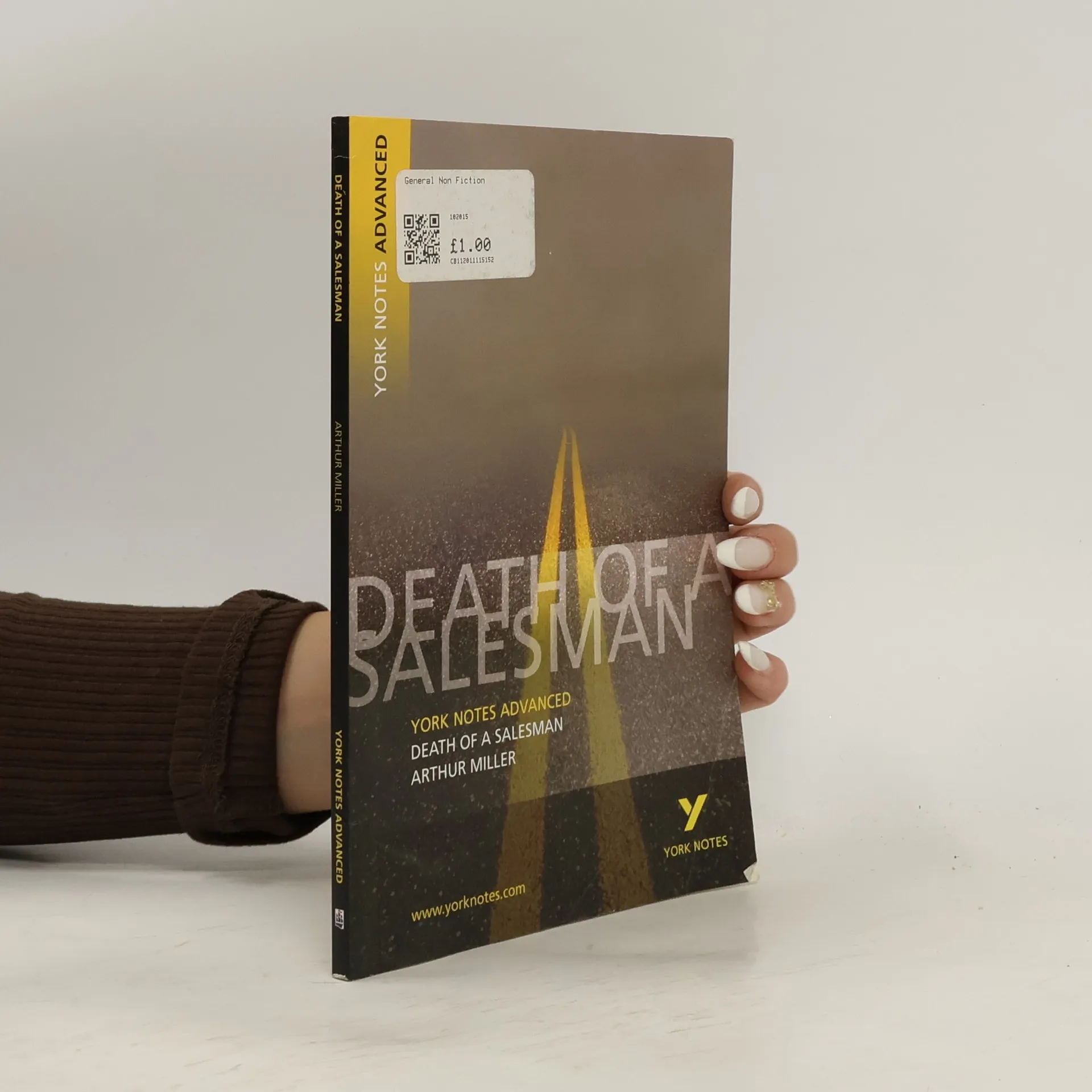
Death of a Salesman: York Notes Advanced
- 120pagine
- 5 ore di lettura
'York Notes' offer an approach to English literature that aims to fully reflect student needs. They are filled with summaries, commentaries, exam advice, margin and textual features to offer a wider context to the text and encourage a critical analysis. schovat popis
Death of a salesman : certain private conversations in two acts and a requiem : text and study aids
- 128pagine
- 5 ore di lettura
In the spring of 1948 Arthur Miller retreated to a log cabin in Connecticut with the first two lines of a new play already fixed in his mind. He emerged six weeks later with the final script of Death of a Salesman - a painful examination of American life and consumerism. Opening on Broadway the following year, Miller's extraordinary masterpiece changed the course of modern theatre. In creating Willy Loman, his destructively insecure anti-hero, Miller himself defined his aim as being 'to set forth what happens when a man does not have a grip on the forces of life'.
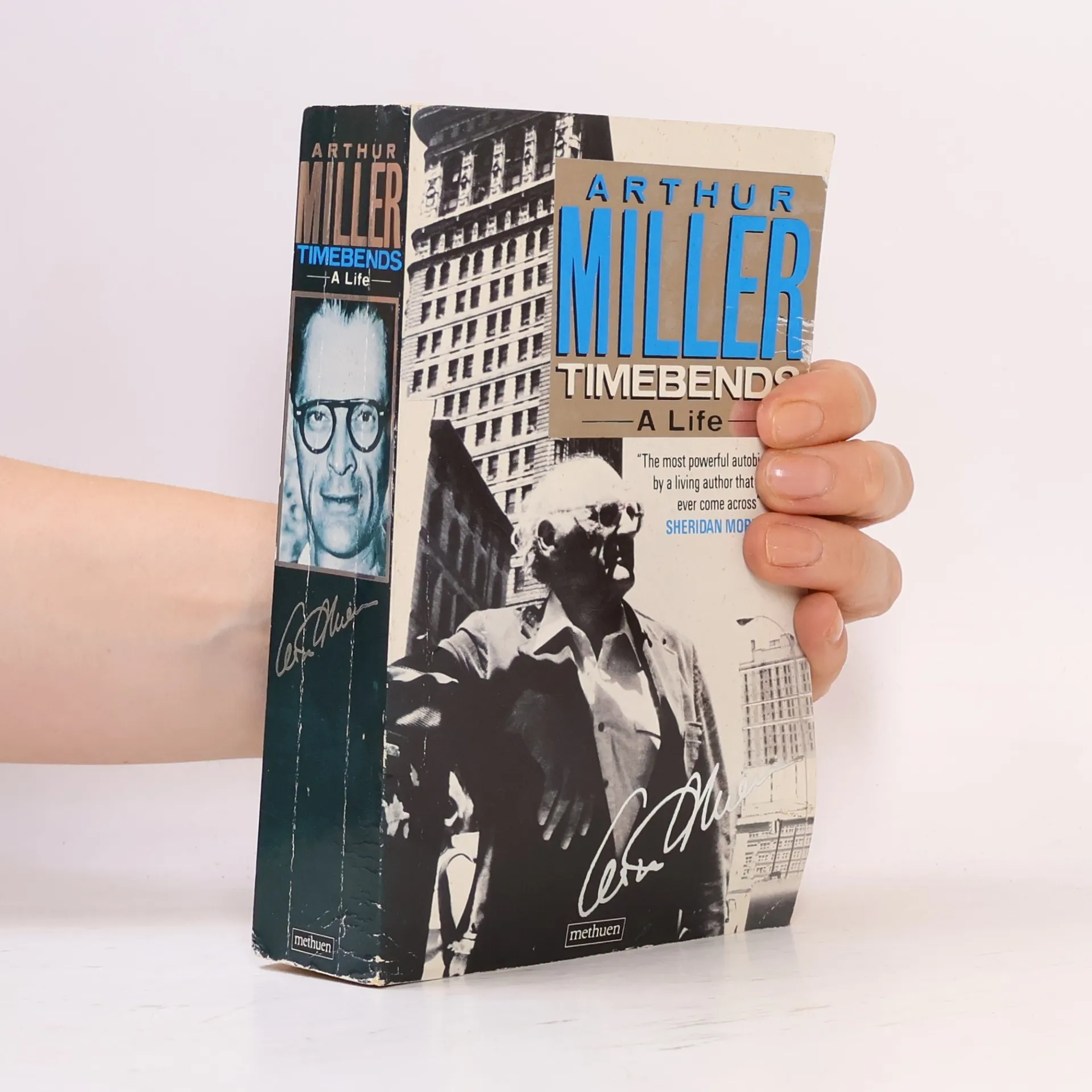
The definitive memoir of Arthur Miller—the famous playwright of The Crucible , All My Sons , Death of a Salesman , A View from the Bridge , and other plays— Timebends reveals Miller’s incredible trajectory as a man and a writer. Born in 1915, Miller grew up in Harlem in the 1920s and 1930s, developed leftist political convictions during the Great Depression, achieved moral victory against McCarthyism in the 1950s, and became president of PEN International near the end of his life, fighting for writers’ freedom of expression. Along the way, his prolific output established him as one of the greatest writers of the twentieth century—he wrote twenty-two plays, various screenplays, short stories, and essays, and won the Pulitzer Prize in 1949 for Death of a Salesman and the New York Drama Critics Circle Award in 1947 for All My Sons . Miller also wrote the screenplay for The Misfits, Marilyn Monroe’s final film. This memoir also reveals the incredible host of notables that populated his life, including Marilyn Monroe, Elia Kazan, Clark Gable, Sir Laurence Olivier, John F. Kennedy, and Mikhail Gorbachev. Leaving behind a formidable reputation in the worlds of theater, cinema, and politics, Arthur Miller died in 2005 but his memoir continues his legacy.
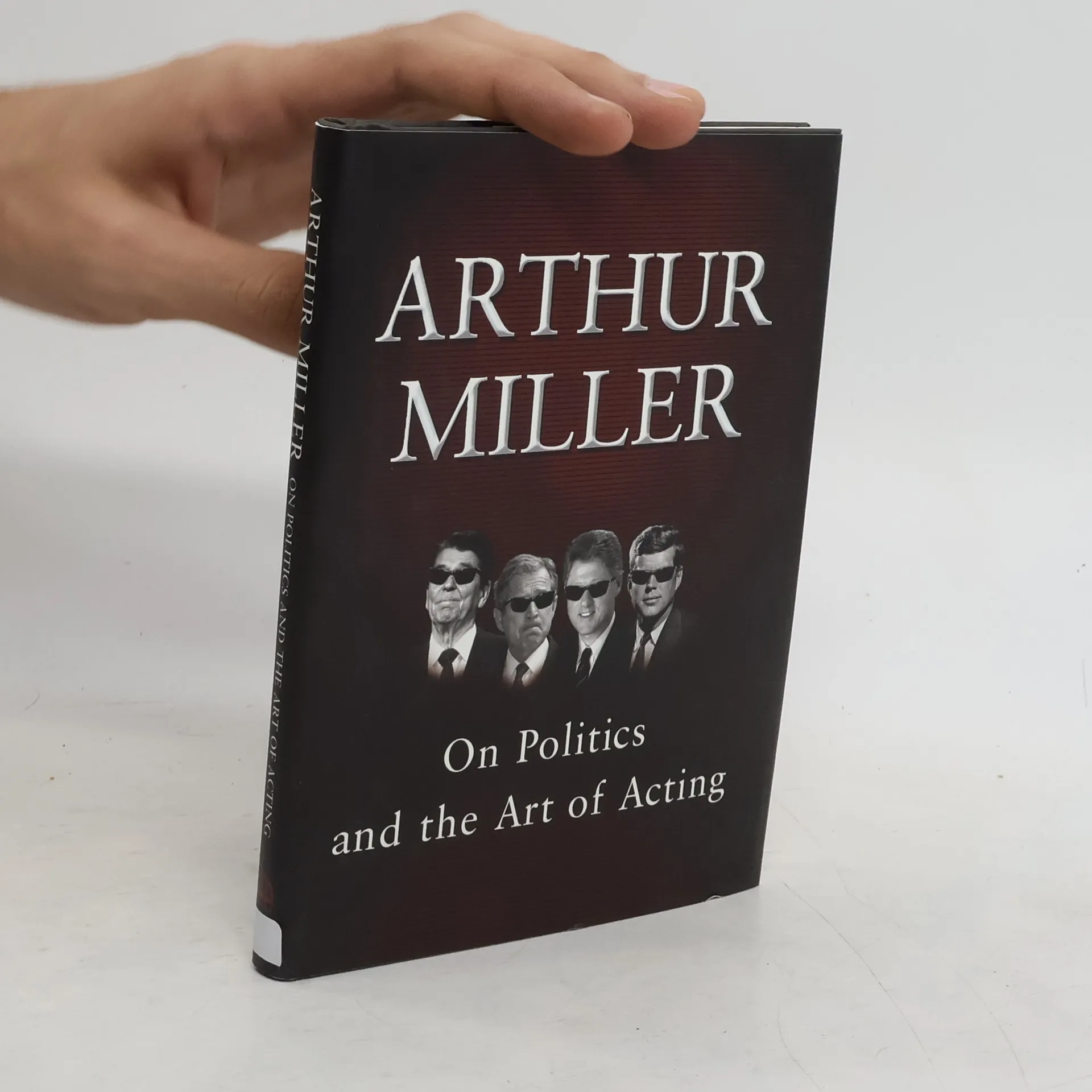
On Politics and the Art of Acting
- 96pagine
- 4 ore di lettura
Looks at the similarities between politics and acting, reviewing presidents of the twentieth-century and their skill as actors.
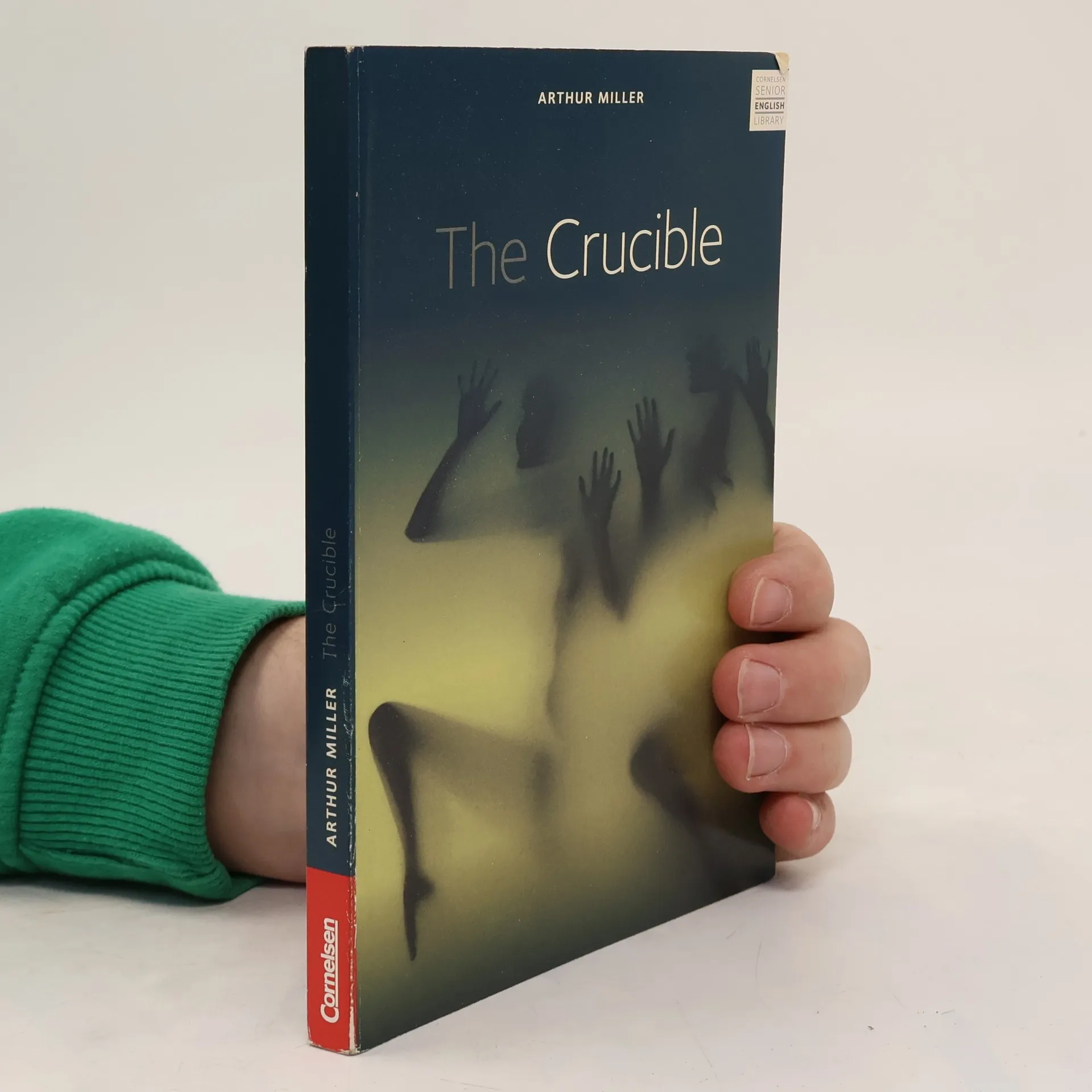
Tale about the Puritan witch trials in the late 1600's Salem (Massachusetts), and how this historical play's lessons apply to contemporary society.
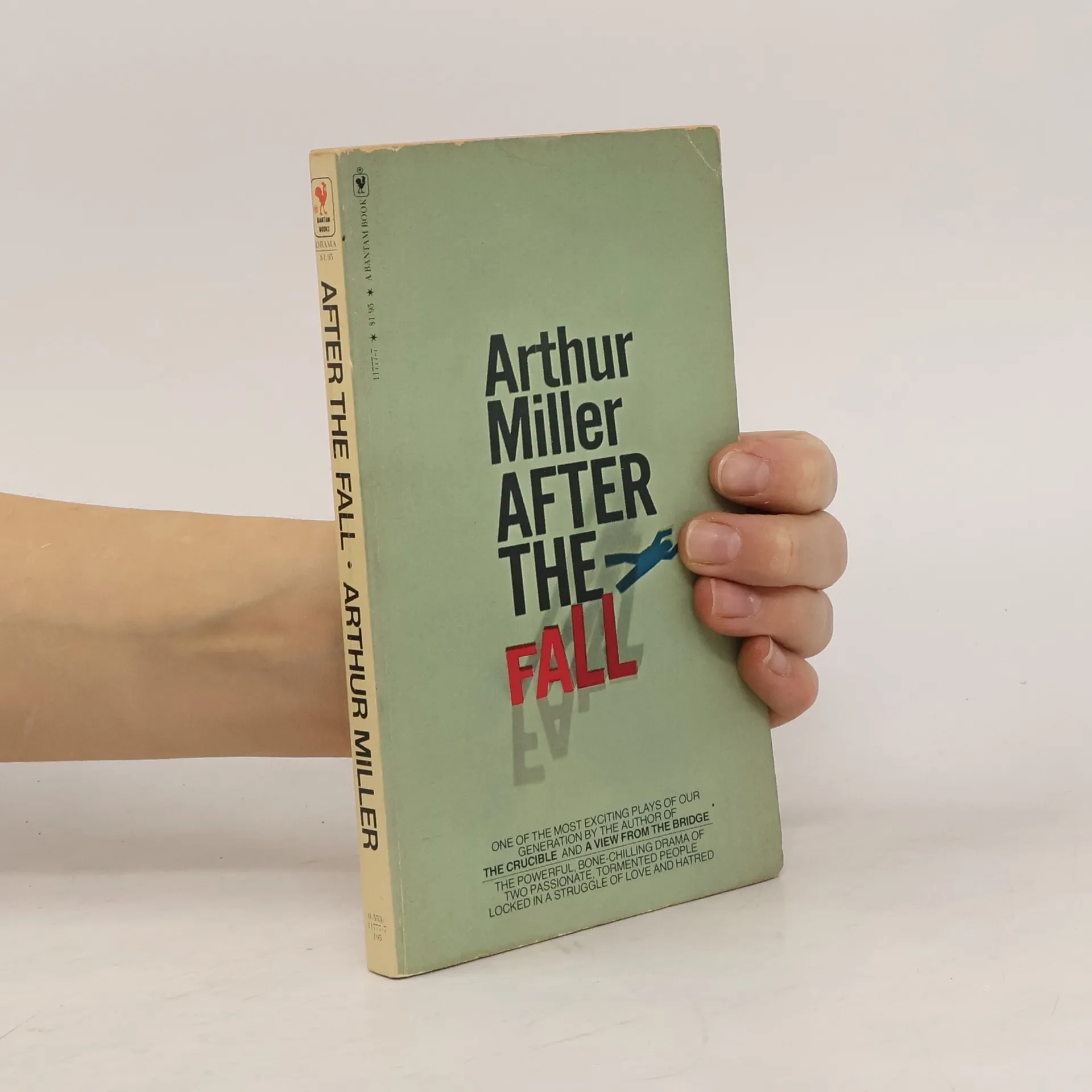
'Much like Mr. Miller, Quentin is a witness to alarming public and personal catastrophes: the stock market crash, the Holocaust, the McCarthy witchhunts and the self-destruction of a show business idol to whom he is married.' NEW YORK TIMES Haunted by past romantic failures, Quentin, a New York City Jewish intellectual, retreats into his mind as he debates marrying for a third time: as he revisits past loves and losses, his mind and memory fragments under philosophical questions; are our failures really just our own? Or is possible to hide away from the mistakes of the past? One of Miller's most personal plays, After the Fall takes place almost entirely inside the mind of the play's protagonist, who is often read as a stand-in for the playwright himself. Touching on themes of the Holocaust, McCarthyism and inherited sin, the play is one of the most discussed within Miller's canon. This Methuen Drama Student Edition is edited by Ramón Espejo-Romero, with commentary and notes that explore the play's production history (including excerpts from an interview with Michael Blakemore, former Associate Director of the Royal National Theatre,) as well as the dramatic, thematic and academic debates that surround it.
"It's moral vision, as well as the Miller voice, which remains as strong and unrelenting as a prophet's, that distinguish Broken Glass." - The New York Times When Sylvia Gellburg, a young Jewish woman living in Brooklyn, becomes partially paralyzed from the waist down, her husband Phillip is shocked: what could've caused this sudden condition? The answer is Kristallnacht, the horrific, anti-Semitic event occurring halfway around the world. As the Gellburgs reckon with this pogrom and with the breakdown of their own marriage, a terrifying thought emerges: will the Jewish people ever be able to avoid persecution? Broken Glass is one of Miller's most moving and personal works, touching on themes of Jewish identity and anti-Semitism, winning him the Olivier Award for Best New Play in 1994. This Methuen Drama Student Edition is edited by Ambika Singh, and Nupur Tandon, with commentary and notes that explore the play's production history (including excerpts from an interview with director David Thacker,) as well as the dramatic, thematic and academic debates that surround it.
Fremdsprachentexte: A View from the Bridge
- 151pagine
- 6 ore di lettura
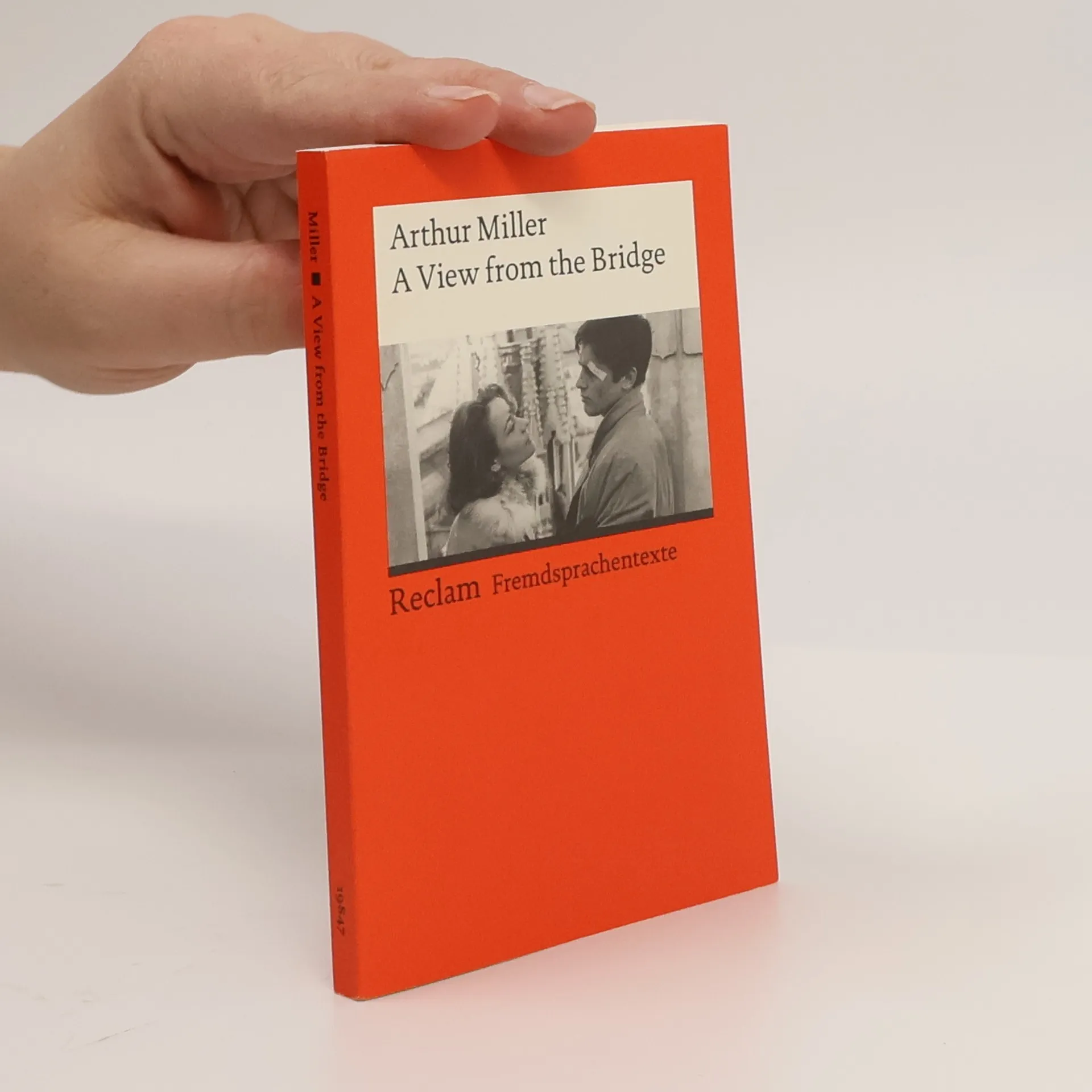
In »A View from the Bridge«, 1955 uraufgeführt (seine endgültige Fassung fand das Drama ein Jahr später in einer Inszenierung von Peter Brook), dramatisiert Arthur Miller eine Geschichte, die er einem New Yorker Hafenarbeiter verdankt und in der es um den Verrat eines italienischen Einwanderers an zwei illegal eingewanderten Verwandten geht. An dieser Geschichte faszinierte Miller besonders das, wie er es nannte, mythische Element. Die »Brücke« des Titels ist die Brooklyn Bridge, die den auf Long Island gelegenen Stadtteil Brooklyn mit der Südspitze Manhattans verbindet. Das Stück war Vorlage für Filme von Luchino Visconti (»Rocco und seine Brüder«) und Sidney Lumet; Dustin Hoffman spielte in einer New Yorker Inszenierung 1965 mit, Scarlett Johannson 2009. Ungekürzte und unbearbeitete Textausgabe in der Originalsprache, mit Übersetzungen schwieriger Wörter am Fuß jeder Seite, Nachwort und Literaturhinweisen.
York Notes on A View from the Bridge
- 68pagine
- 3 ore di lettura
An unforgettable collection of a master storyteller's final works.
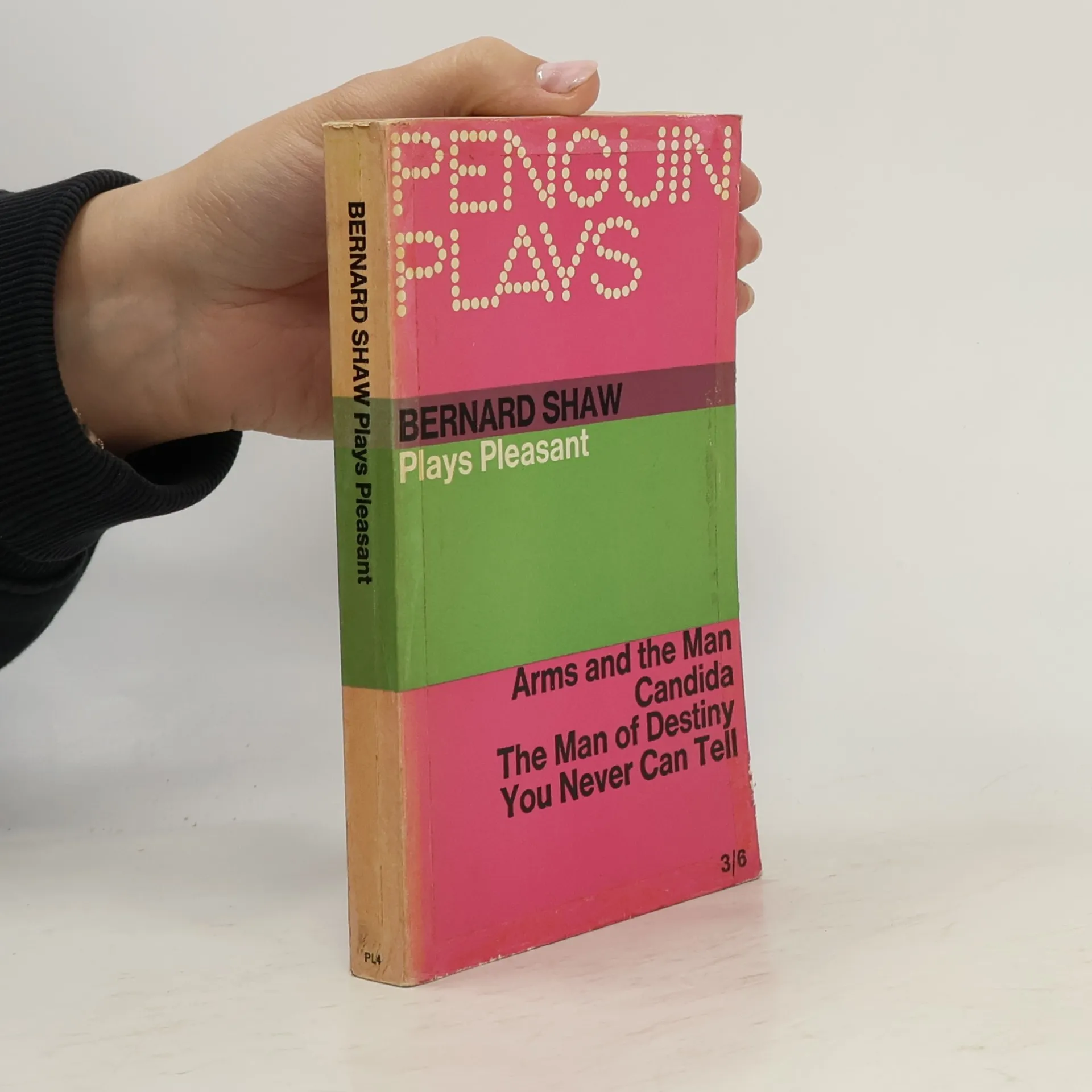
Plays Pleasant
Arms and the Man Candida The Man of Destiny You Never Can Tell
Lire en V. O. Anglais - 1: New York Stories
- 176pagine
- 7 ore di lettura
Cliffs Notes: Death of a Salesman
- 72pagine
- 3 ore di lettura
Cliffs Test Preparation Guides assist students in enhancing their performance on standardized tests, covering a wide range of assessments including the ACT, GRE, SAT, and LSAT, among others. These guides provide essential strategies and practice materials tailored for various exams, such as the GMAT, Praxis, and TOEFL, ensuring thorough preparation. Additionally, Cliffs Quick Reviews cater to students in introductory college courses or Advanced Placement classes, offering concise resources in subjects like Algebra, Biology, Chemistry, and Physics. These reviews are designed to reinforce foundational knowledge and support academic success. For high school students enrolled in Advanced Placement courses, Cliffs Advanced Placement Preparation Guides help them achieve college credit in subjects like AP Biology, AP Calculus, and AP English. Cliffs Complete Study Editions serve as comprehensive study aids, featuring complete texts, running commentary, and glossaries for classic literature, including works by Shakespeare and Chaucer. The guides are recognized for their effectiveness in helping students navigate their academic challenges and prepare for future endeavors. Registered trademarks include GRE, MSAT, Praxis Series, TOEFL, AP, SAT, GMAT, and LSAT.
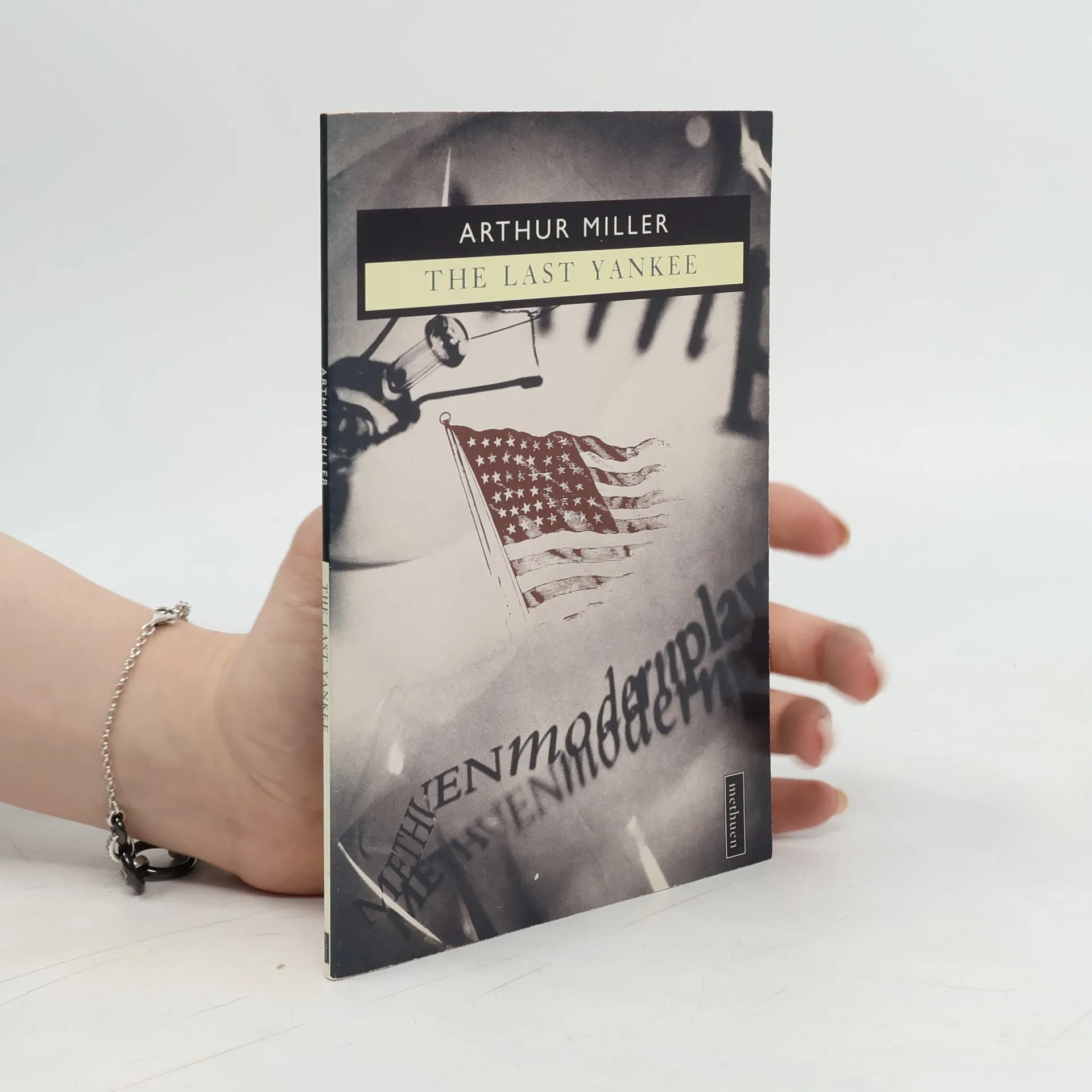
The Last Yankee
- 40pagine
- 2 ore di lettura
Opens in a state mental hospital where two men have come to visit their wives. Leroy Hamilton, the younger man, shocks Frick, a successful businessman in his 60s, by revealing that, though descended from one of the Founding Fathers of the USA, Alexander Hamilton, he is by profession a carpenter.
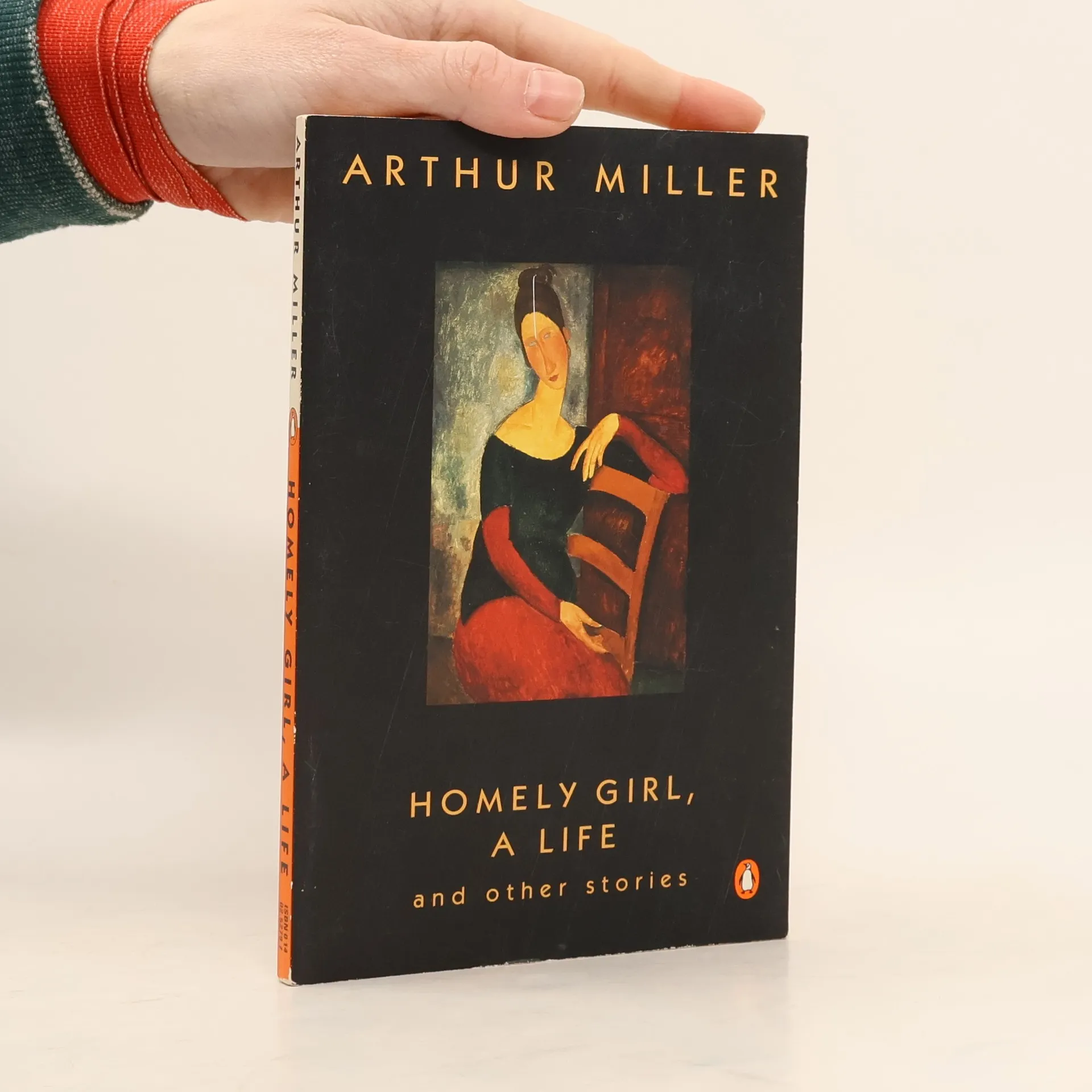
In his long career, Arthur Miller has charted some of the most hidden aspects of the American character, and made us recognize ourselves. With Homely Girl, A Life , he turns his attention to a smaller, more intimate, canvas, but one that in its deceptive delicacy still encompasses a vast range of human fears, ambitions, and desires. Janice—the eponymous homely girl—has hated her face ever since she was a child and her mother held up Ivory Snow advertisements to her, saying, "Now that is beauty." Homely she is, but also fiercely herself. Still,it is not until she falls in love with a blind musician that she feels her full nature unfold in this exquisite portrait of a woman finding a language to describe herself. Flanked by two stories also set in Manhattan, "Fame" and "Fitter's Night," Homely Girl, A Life pays homage to a city constantly reinventing itself—and to the classic Miller themes of work, honor, and identity. "Chekhovian . . . deserves praising to the top of the highest skyscraper for its humanity, wit, depth" —A.N. Wilson
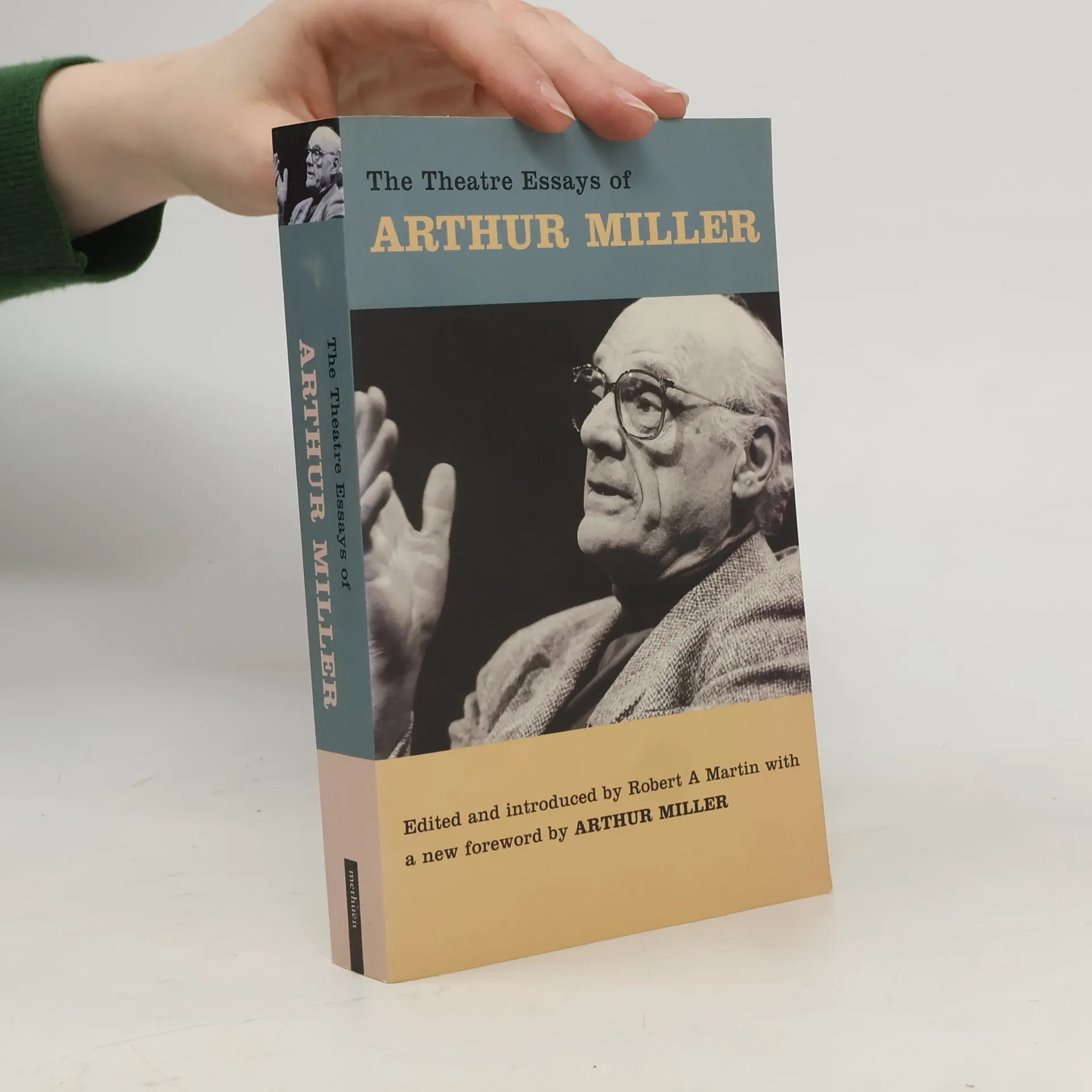
The Theatre Essays of Arthur Miller
- 428pagine
- 15 ore di lettura
A collection of Arthur Miller's thoughts on theatre, politics and society spanning some 25 years. It includes 23 interviews which illustrate Miller's developing view on the theatre, including such topics as the nature of tragedy, what makes plays endure and the theatre in Britain, Russia and the USA. His thoughts confirm his belief in the theatre as a serious business, one that makes or should make man more human, which is to say, less alone.
New American Drama
The American Dream. Gallows Humour. The Typists. Incident at Vichy
E.O´Neill: Ľadár prichádza, T. Wilder - Iba o vlások, T. Williams - Kráľovská cesta, A. Miller - Skúška ohňom
Známa divadelná hra Arthura Millera, ktorej hlavnou postavou a zároveň rozprávačom je Quentin - asi 40-ročný nadaný právnik, plný pochybností a neistoty. Počas svojho rozprávania rozoberá svoj život, detstvo, dospelosť i vzťahy. V hre sa prejavujú autobiografické rysy a napríklad aj autorove skúsenosti z manželstva s Marilyn Monroe...
Nová, do značné míry autobiografická hra, děj se odehrává v mysli ústřední postavy, v jejích myšlenkách. Na scénu staví asi čtyřicetiletého právníka, jenž se rozborem nejvýznamnějších skutečností svého života snaží dopátrat se pravdy o své vině na tom, co udělal on i společnostkolem něho. Přeložili Luba a Rudolf Pellarovi za jazykové spolupráce Hildy Lassové.
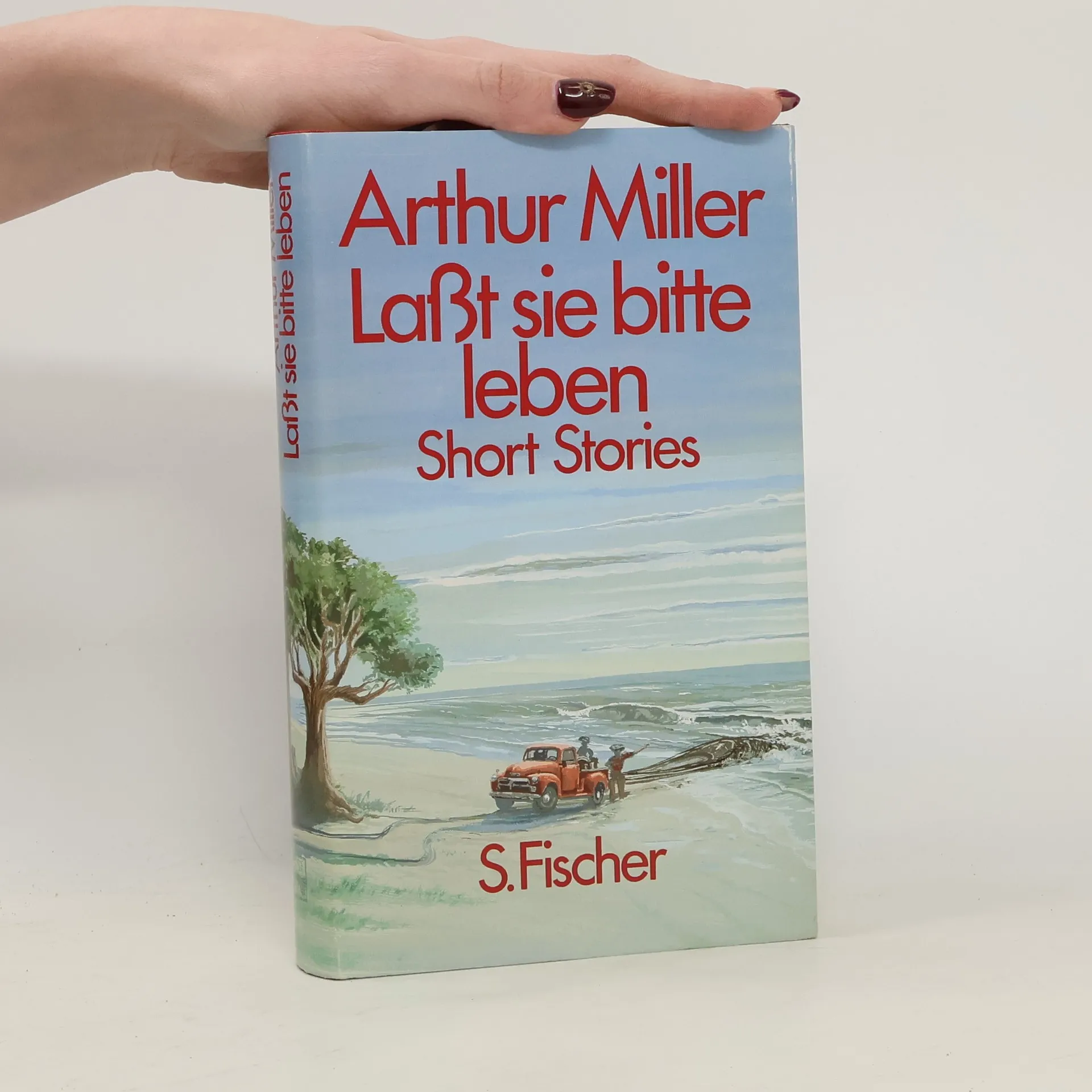
Lasst sie bitte leben. Short Stories
- 319pagine
- 12 ore di lettura
Die Kurzgeschichten von Arthur Miller zeichnen sich durch eine breite Themenvielfalt aus, von autobiografischen Kindheitserlebnissen bis hin zu berühmten Erzählungen wie ›Misfits‹. Sie reflektieren Millers persönliche Erfahrungen, darunter seine Beziehung zu Marilyn Monroe und seine Zeit auf einer Marinewerft während des Zweiten Weltkriegs.
Spiel um Zeit
- 156pagine
- 6 ore di lettura
Ein erschütterndes Drama des Holocausts – und die bemerkenswerte, bewegende Geschichte des Frauenorchesters von Auschwitz. Paris, 1942. Fania Fénelon, eine beliebte jüdische Nachtclubsängerin, wird von den besetzenden Deutschen verhaftet. In einem überfüllten Güterwagen nach Auschwitz geschickt, ihrer Haare beraubt, mit einer Identifikationsnummer tätowiert, ausgehungert und harter Arbeit unterworfen, verliert sie alle Spuren ihres früheren Selbst. Doch ihr Leben im Lager ändert sich dramatisch, als sie in das Frauenorchester aufgenommen wird, ein verzweifeltes kleines Ensemble, das die Gefangenen zur Arbeit marschiert und Konzerte für die deutschen hohen Herren gibt. Unter der Leitung von Alma Rosé, einer streng ehrgeizigen deutsch-jüdischen Dirigentin, die weiß, dass ihr Job eine Frage von Leben und Tod ist, müssen Fania und ihre Mitmusikerinnen dem Horror, der um sie herum geschieht, ins Auge sehen und sich gleichzeitig anstrengen, Schönheit inmitten der Verzweiflung zu schaffen.
Příběh Američana, který pro židovské vzezření, které mu dodávají brýle, je pronásledován rasistickou protižidovskou organizací, která se koncem druhé světové války pod vlivem nacismu rozšířila po Spojených státech. Muž se nejprve brání a vysvětluje, že není žid, potom začíná přemýšlet, chápe absurdnost nenávisti vůči židům a nalézá východisko: Přestává se hájit a staví se do řad pronásledovaných.
Stücke I
- 576pagine
- 21 ore di lettura
Arthur Miller, Amerikas berühmtester Dramatiker des 20. Jahrhunderts, verbindet analytischen Scharfsinn mit moralischer Überzeugung und höchstem Stilbewusstsein. Seine Theaterstücke, die jetzt erstmals in einer dreibändigen Ausgabe vorliegen, handeln von der Existenznot des Einzelnen, von der Unbarmherzigkeit der Gesellschaft, von der Flüchtigkeit unserer Illusionen. Es sind Stücke, die auch im 21. Jahrhundert weitergespielt werden und deren Wirkung sich stets erneuert. In seinem großen Theateressay, der die Ausgabe seiner ›Stücke‹ in drei Bänden einleitet, denkt Arthur Miller über die Funktion des Theaters in der Gesellschaft, über das Schreiben von Stücken und über die Erwartungen der Zuschauer nach.
A jelentős művészi teljesítmény egyik lényeges meghatározó tulajdonsága, hogy a művek, bármilyen eltérés ellenére, közös jegyeket hordoznak, és egy irányba mutatnak. A valóság különböző arcaival szemben a művész mindig ugyanazzal a nézőponttal fordul. Az egyes darabok mögött egy közös mag rejtőzik, amely az írói alkat és egyéniség egyedi bélyegét hordozza. Arthur Miller drámaírói teljesítménye is ezt a következetességet tükrözi, hiszen minden darabban felfedezhető egy sajátos életfelfogás. A különböző témák és dramaturgiai megközelítések mélyebb összefonódását az író morális szenvedélye adja. Minden darab a morális elkötelezettségből fakad, amely az élet alapvető erkölcsi dilemmáit tárja fel. Miller hangsúlyozza, hogy a tettek következményei éppoly valóságosak, mint maguk a tettek, ám gyakran nem számolunk velük. Minden művében a tettek és következményeik erkölcsi alapú szembesítése zajlik. A dráma bemutathatja a folyamatot a döntéstől a következményekig, vagy a következmények szemszögéből visszatekintve tárja fel a tett indítékait. A két módszer néha összemosódik, gazdagítva ezzel a művek jelentését.
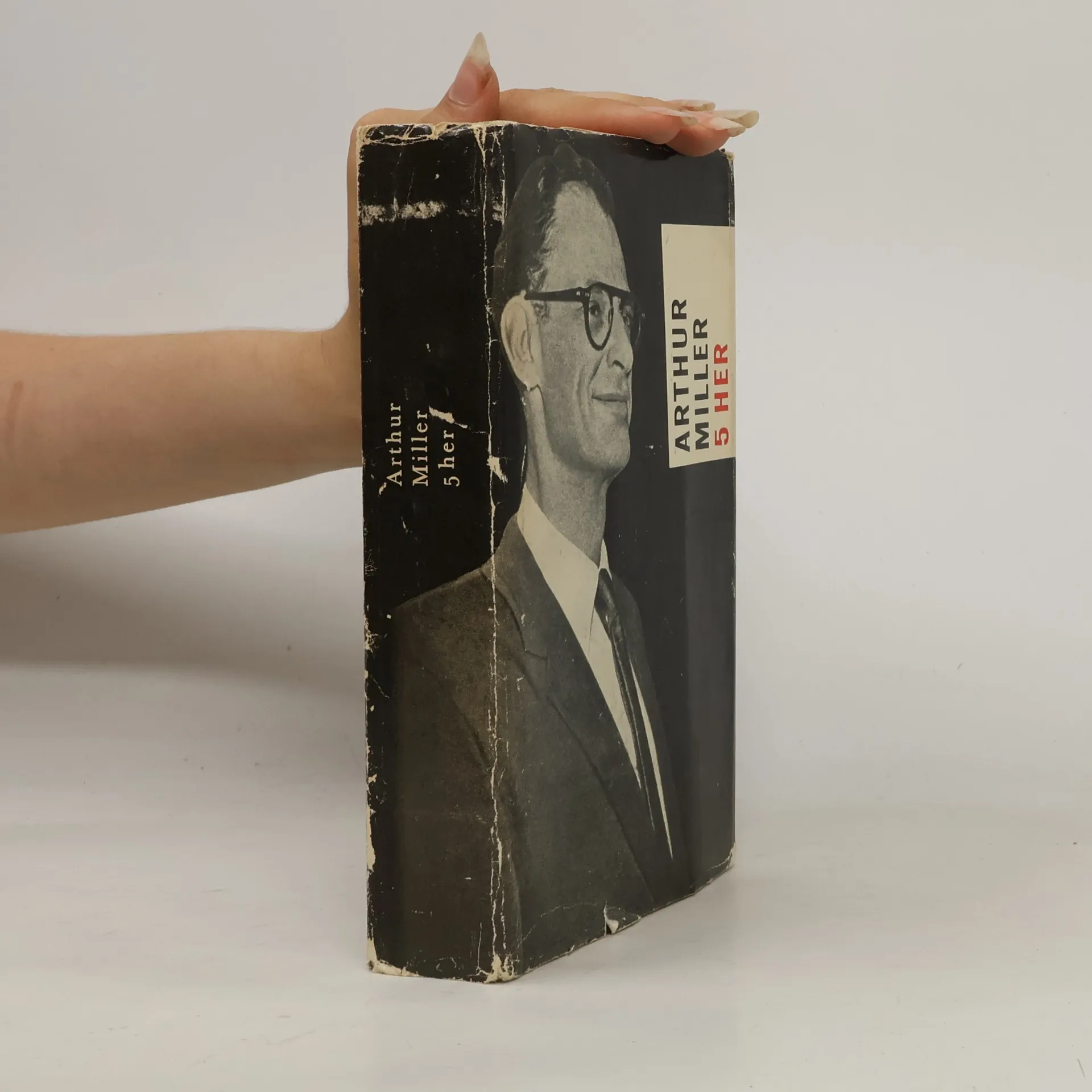
5 her amerického dramatika: Všichni moji synové (1947) — Smrt obchodního cestujícího (1949) — Zkouška ohněm (1953; později jako Čarodějky ze Salemu) — Vzpomínka na dva pondělky (1955) — Pohled z mostu (1955). Dobová anotace: Ve svazku jsou obsaženy všechny dosud tiskem vyšlé divadelní hry soudobého amerického dramatika, jenž jimi i u nás vyvolal nejživější zájem odvahou a citlivostí, s níž vniká do problematiky člověka a společnosti naší doby. Byť i byl nucen svou situací – jak řekl sám – „individuálního podnikatele, který nabízí své zboží nepřátelskému trhu“ k určitým ústupkům a nemá také zatím plnou odvahu k revolučnímu řešení, přece je svými názory a cíli uměleckými i společenskými blízký cítění socialistického člověka. Předmluva František Vrba. 20 s. fot. příl.
Dej tohoto diela sa odohráva v zime, v kraji „holandských dolín“, ktoré sa v čase zimy menia z krásnych rozkvitnutých lúk na nehostinnú tmavú pustatinu. Toto ročné obdobie rovnako ako na krajinu pôsobí aj na ľudí.
Jankina perinka
- 48pagine
- 2 ore di lettura
Vynikajúci americký spisovateľ a dramatik Arthur Miller pre deti napísal iba jeden jediný, ale jedinečný rozprávkový príbeh Jankina perinka. Hrejivý rodinný príbeh o tom, akým šťastím je dieťa v rodine. Nie je však len o dievčatku a jeho perinke. Je najmä o veciach a vzťahoch, ktoré sú v živote dôležité; o dospievaní a o tom, ako sa z bábätka stáva dievča. A tak trochu je to aj príbeh o autorovi samom. Janka je jeho prvá dcérka Jane, ktorá sa bolestne lúči s milovanou perinkou, lebo sa nelúči iba s ňou, ale aj so svojím detstvom. Z nežných ilustrácií Maje Dusíkovej vyžaruje pokoj a harmónia. Kniha je určená deťom od 3 rokov. V čase, keď Jane spávala prikrytá ružovou perinkou, jej ocko ešte nebol slávny. Vedel a cítil len, že má talent a túžil, aby o tom presvedčil aj iných. Jane pomaly z perinky vyrastala a jej ockovi sa splnil sen: jeho divadelné hry sa hrali na Broadwayi, na slávnych divadelných pódiách. S úspechom prišla aj sláva a na jednej filmovačke sa spoznal a neskôr oženil s najobdivovanejšou herečkou všetkých čias, s Marilyn Monroe. Aj ona mala jeho dcérku Jane rada. Preložila: Zuzana Vilikovská Ilustrovala: Maja Dusíková
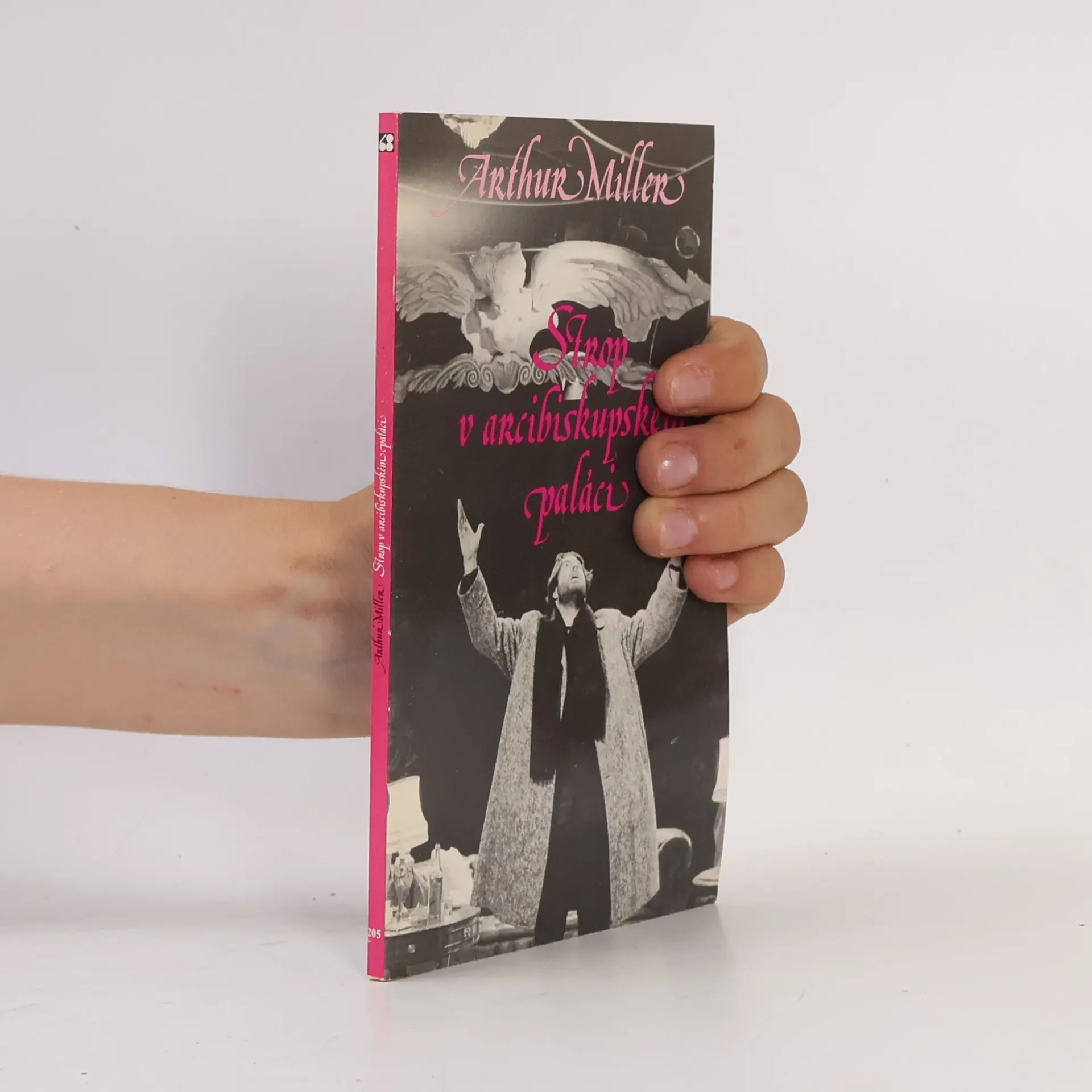
Strop v arcibiskupském paláci
- 102pagine
- 4 ore di lettura
Inspirací k napsání této hry byly pravděpodobně dvě události: jednak odhalení dlouho používaných odposlouchávacích zařízení v hotelu Mayflower ve Washingtonu, jednak setkání s obdobnou realitou ve východní Evropě 70. let minulého století. Postavy tuší, že by mohly být odposlouchávány, a tato skutečnost ovlivňuje jejich chování, jednání a postoje. Příběh je údajně zasazen do domu na Hradčanském náměstí v Praze, který obýval spisovatel Jiří Mucha, jehož Miller několikrát navštívil. Exilové vydání s doslovem Christophera Bigsbyho. Grafická úprava Věra Držmíšková. Obálku s použitím fotografie Ivana Kyncla navrhla Barbora Munzarová.
Text o Karlu Čapkovi, který přednesl Arthur Miller na zahájení mezinárodní konference o české literatuře XX. století v New Yorku v březnu roku 1990.
Obsahuje devět kratších próz různého charakteru.
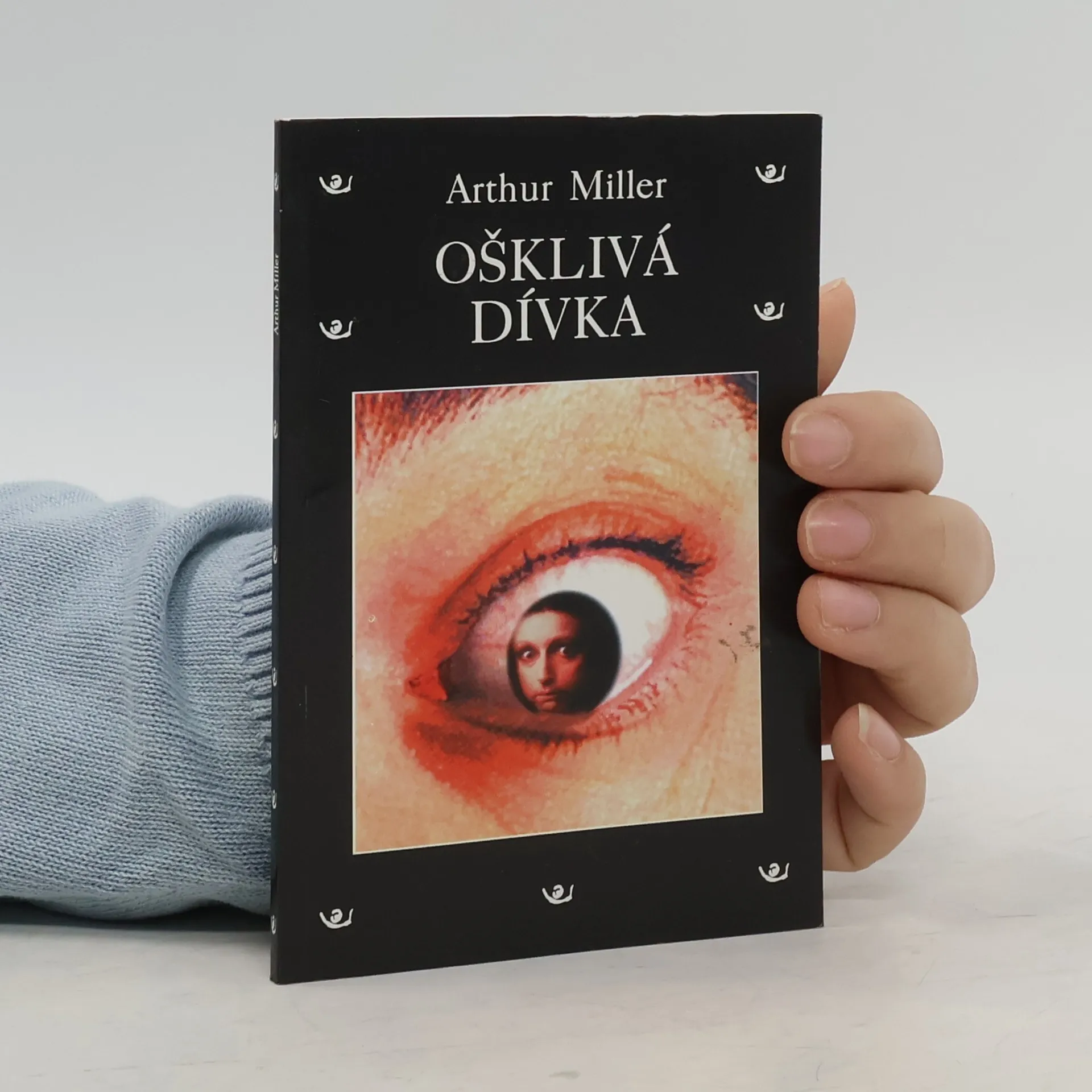
Ošklivá dívka
- 58pagine
- 3 ore di lettura
Půvabná novelka, kde na pár stránkách proletíte životem hlavní hrdinky na pozadí historických událostí.
Les Misfits
- 215pagine
- 8 ore di lettura
Une histoire de quatre âmes perdues - la belle Roslyn qui n'a jamais appartenu à personne ni à rien, et trois autres marginaux qui errent dans la nature en vivant de l'argent gagné dans des rodéos - qui se rencontrent à Reno pour découvrir que la liberté a un prix et que le cœur a ses règles.
Zwischenfall in Vichy
- 72pagine
- 3 ore di lettura
Die Nacht des Monteurs
- 106pagine
- 4 ore di lettura
Meisterdramen
- 471pagine
- 17 ore di lettura
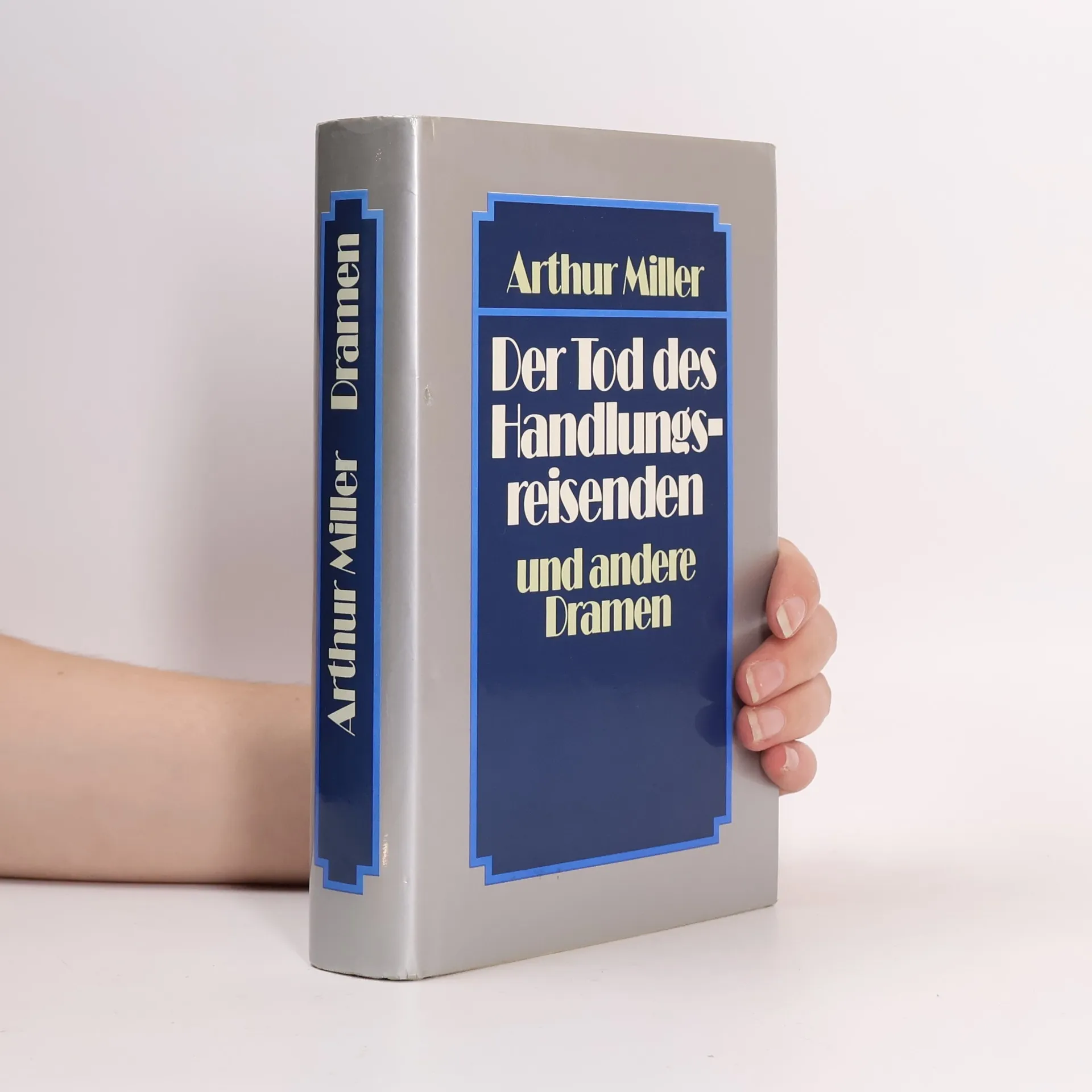
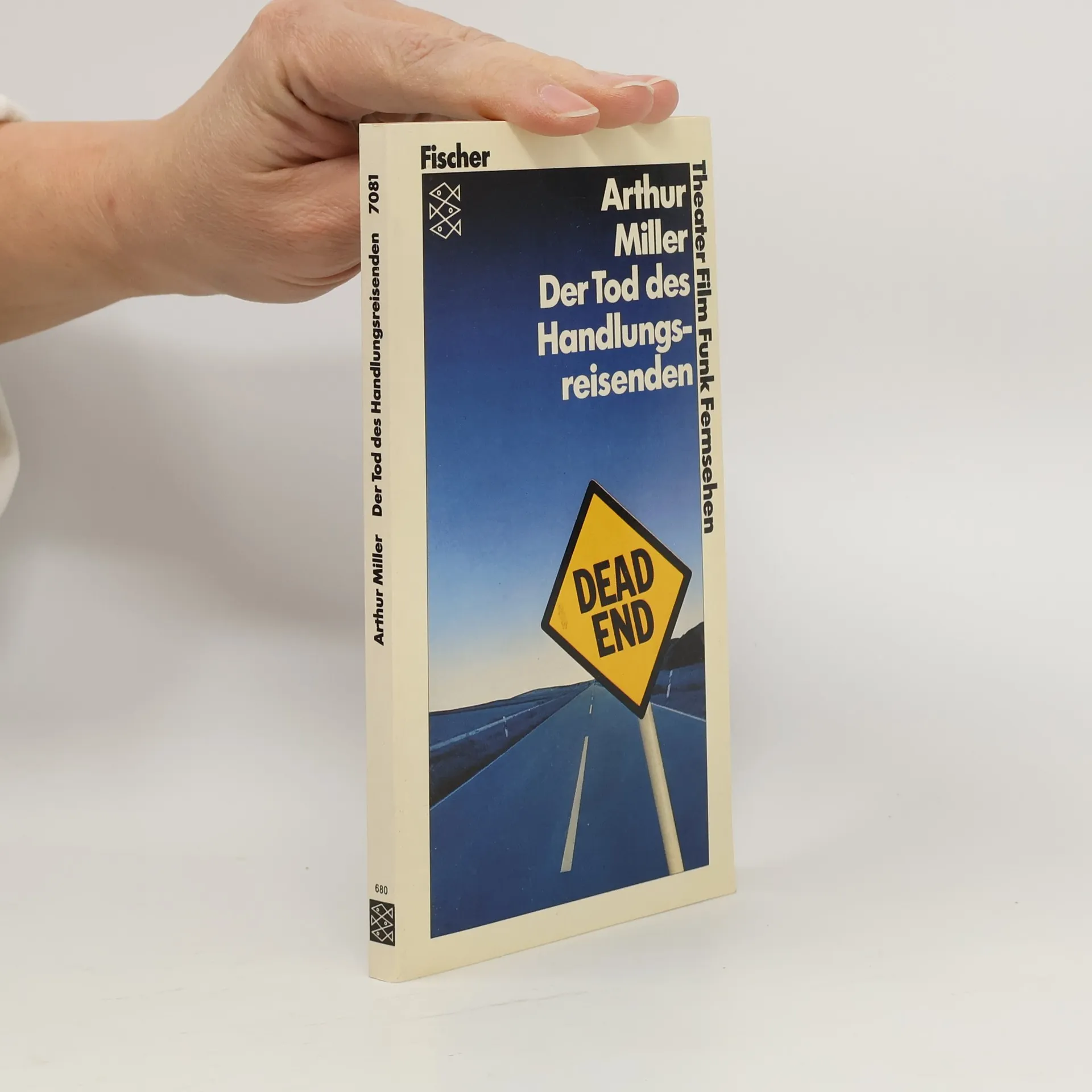
Der Tod des Handlungsreisenden
- 107pagine
- 4 ore di lettura
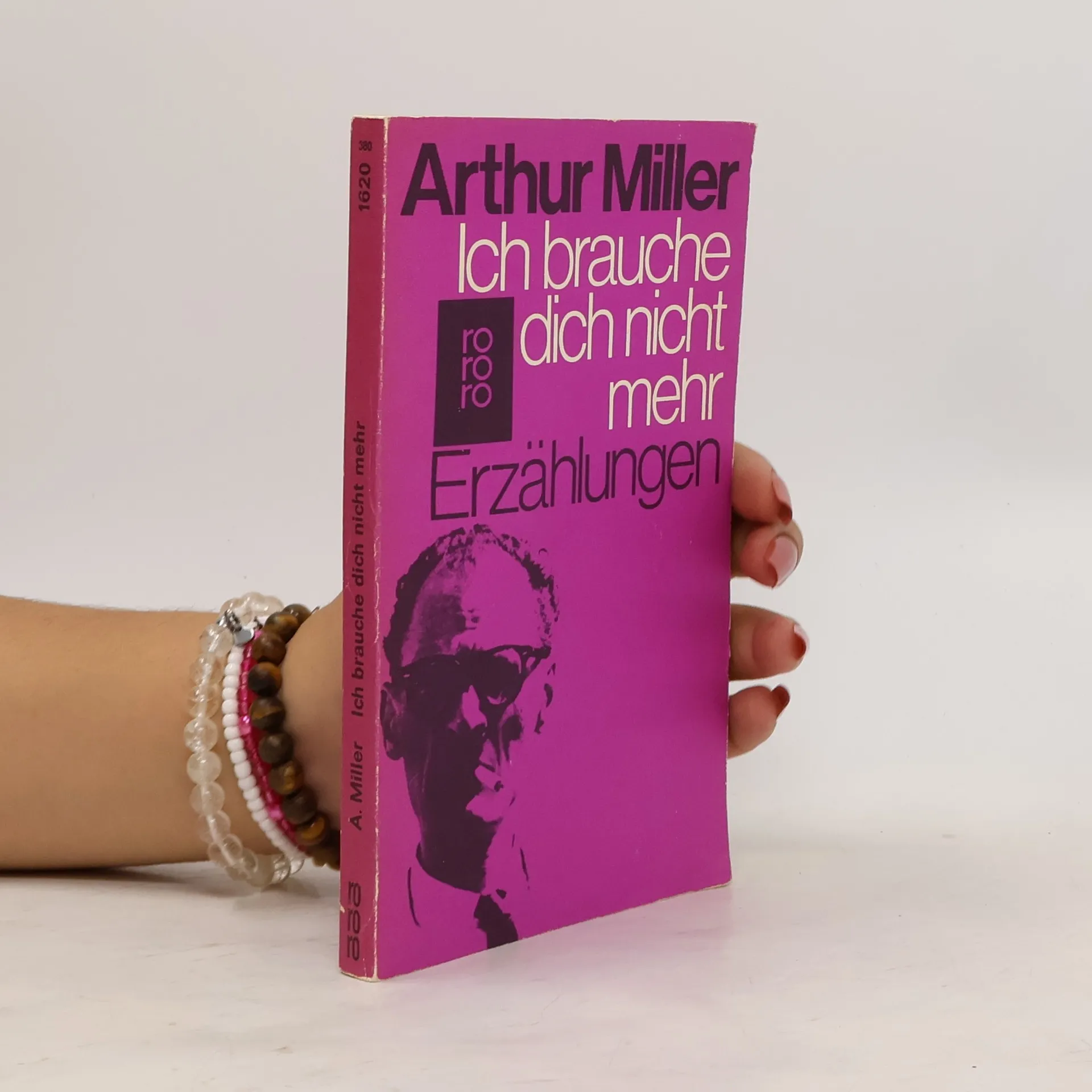
Ich brauche dich nicht mehr
Erzählungen und Kurzgeschichten
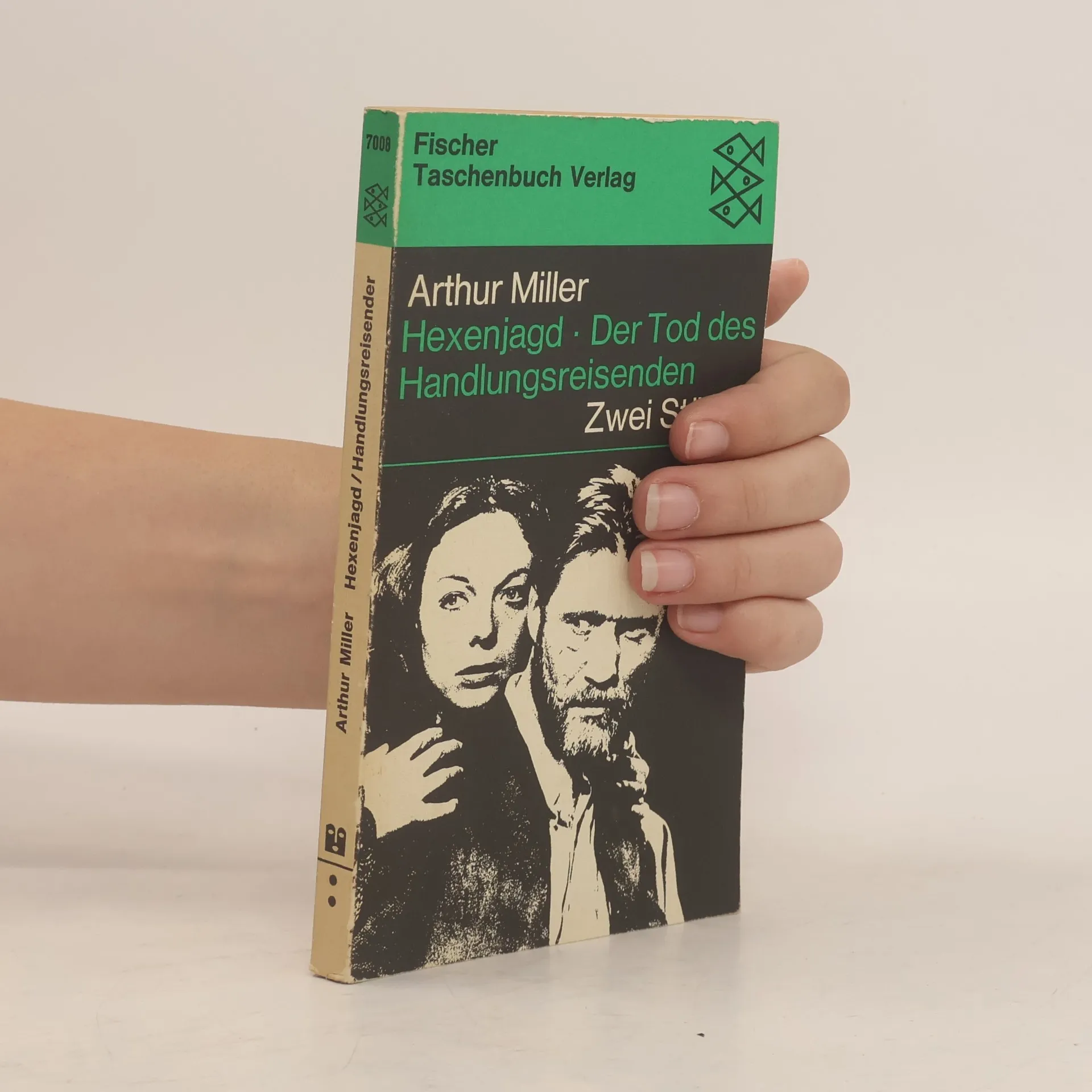
Hexenjagd. Der Tod des Handlungsreisenden
- 212pagine
- 8 ore di lettura
Hexenjagd/Der Tod des Handlungsreisenden - Zwei Stücke - bk179; Fischer Verlag; Arthur Miller; pocket_book; 1976
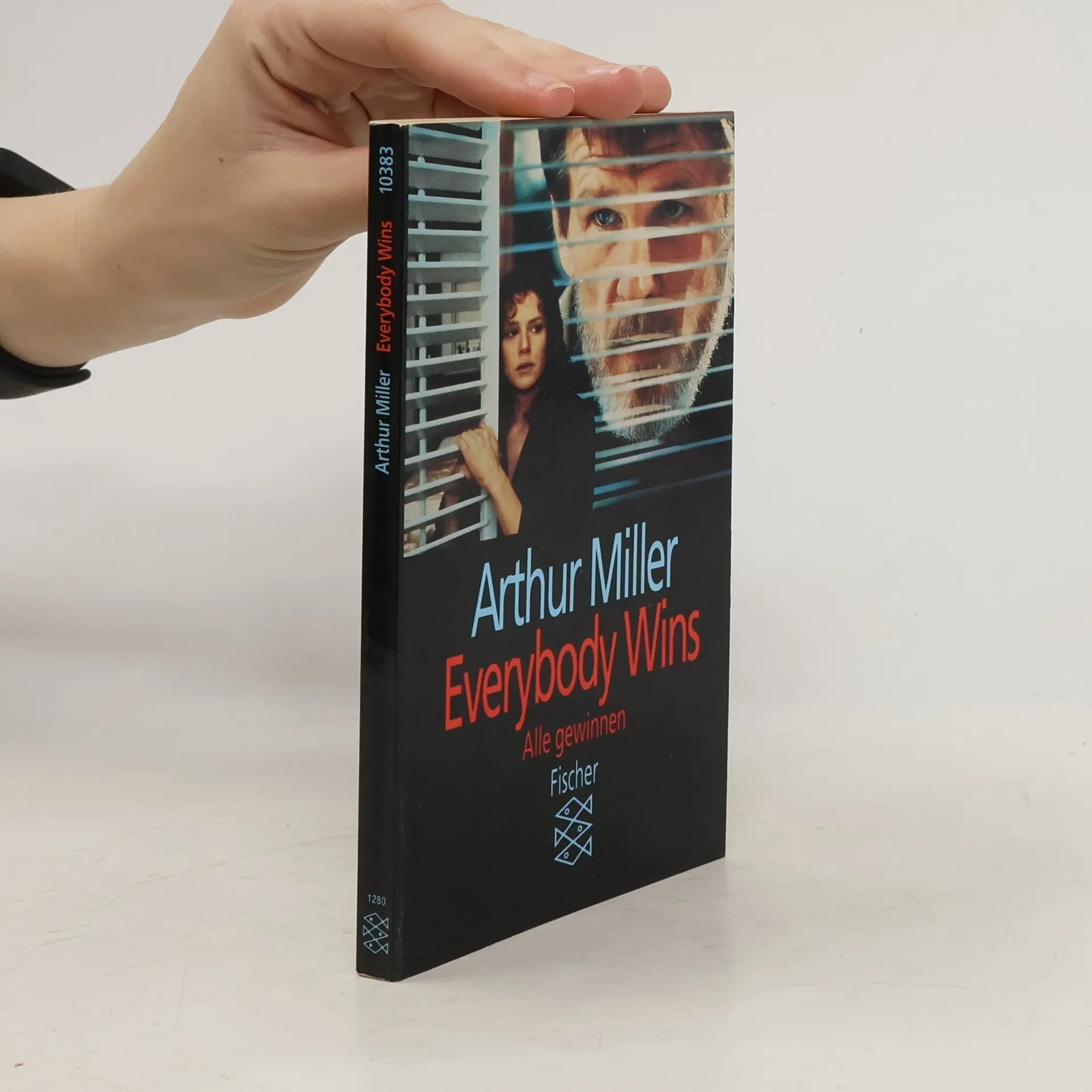
Everybody Wins
- 118pagine
- 5 ore di lettura
Psychologisches Meisterstück über Korruption. SW: Drama.