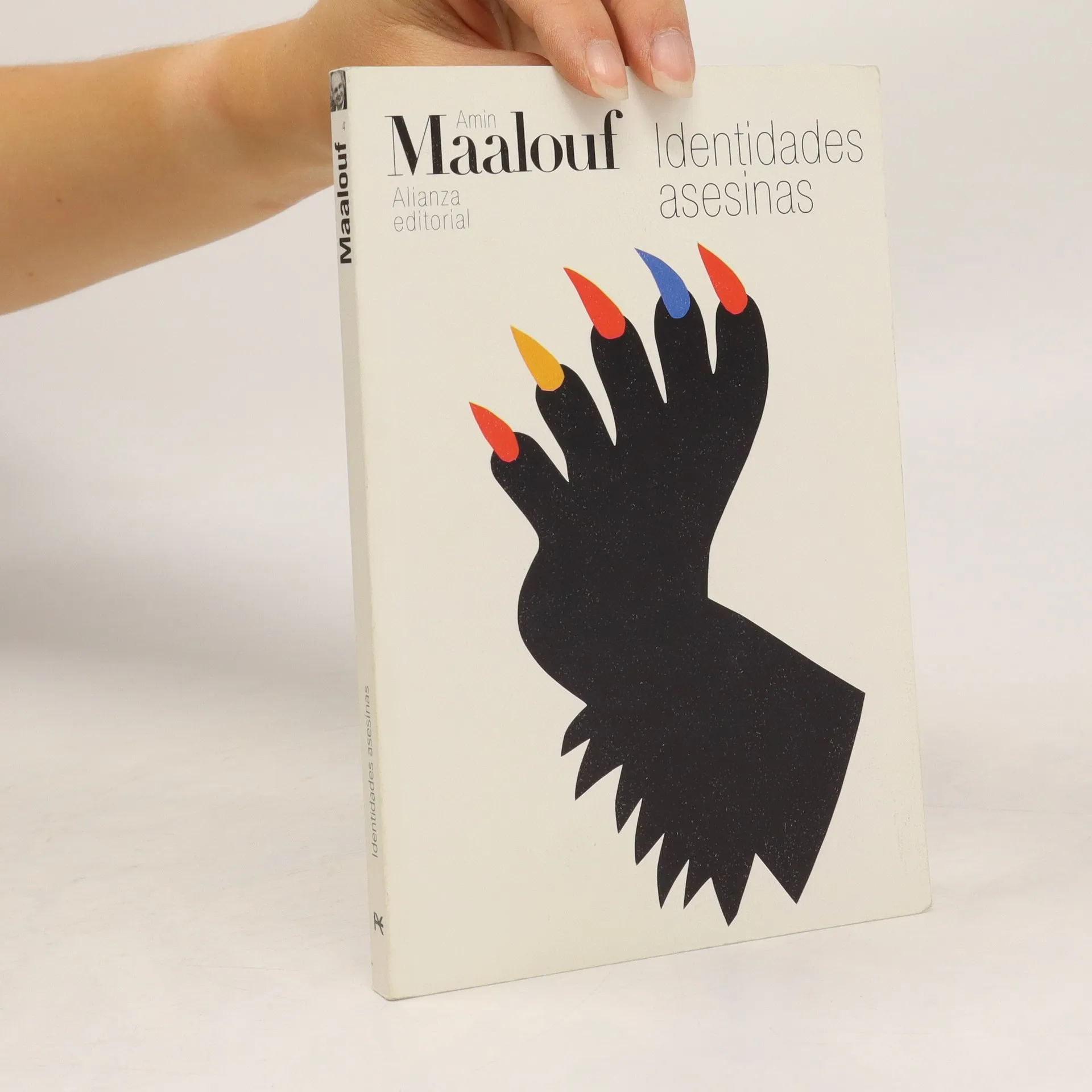
Da quando ho lasciato il Libano per stabilirmi in Francia, mi è stato spesso chiesto, con le migliori intenzioni, se mi sentissi "più francese" o "più libanese". Rispondo invariabilmente: "Entrambi!" Non per un desiderio di equilibrio, ma perché rispondere diversamente sarebbe una menzogna. Ciò che mi rende unico è il fatto di trovarmi al confine di due paesi, di due o tre lingue, di diverse tradizioni culturali. Questa è la mia identità... Partendo da una domanda che gli è stata posta frequentemente, Amin Maalouf riflette sulla nozione di identità, sulle passioni che suscita e sulle sue derive violente. Perché è così difficile assumere liberamente le proprie appartenenze? Perché l'affermazione di sé si accompagna spesso alla negazione dell'altro? Le nostre società saranno sempre soggette a tensioni e violenze, solo perché le persone che vi convivono non condividono la stessa religione, colore della pelle o cultura d'origine? L'autore, rifiutando questa fatalità, scrive "Identità assassine", un libro di saggezza e lucidità, di inquietudine ma anche di speranza.
Barbara Bray Ordine dei libri (cronologico)

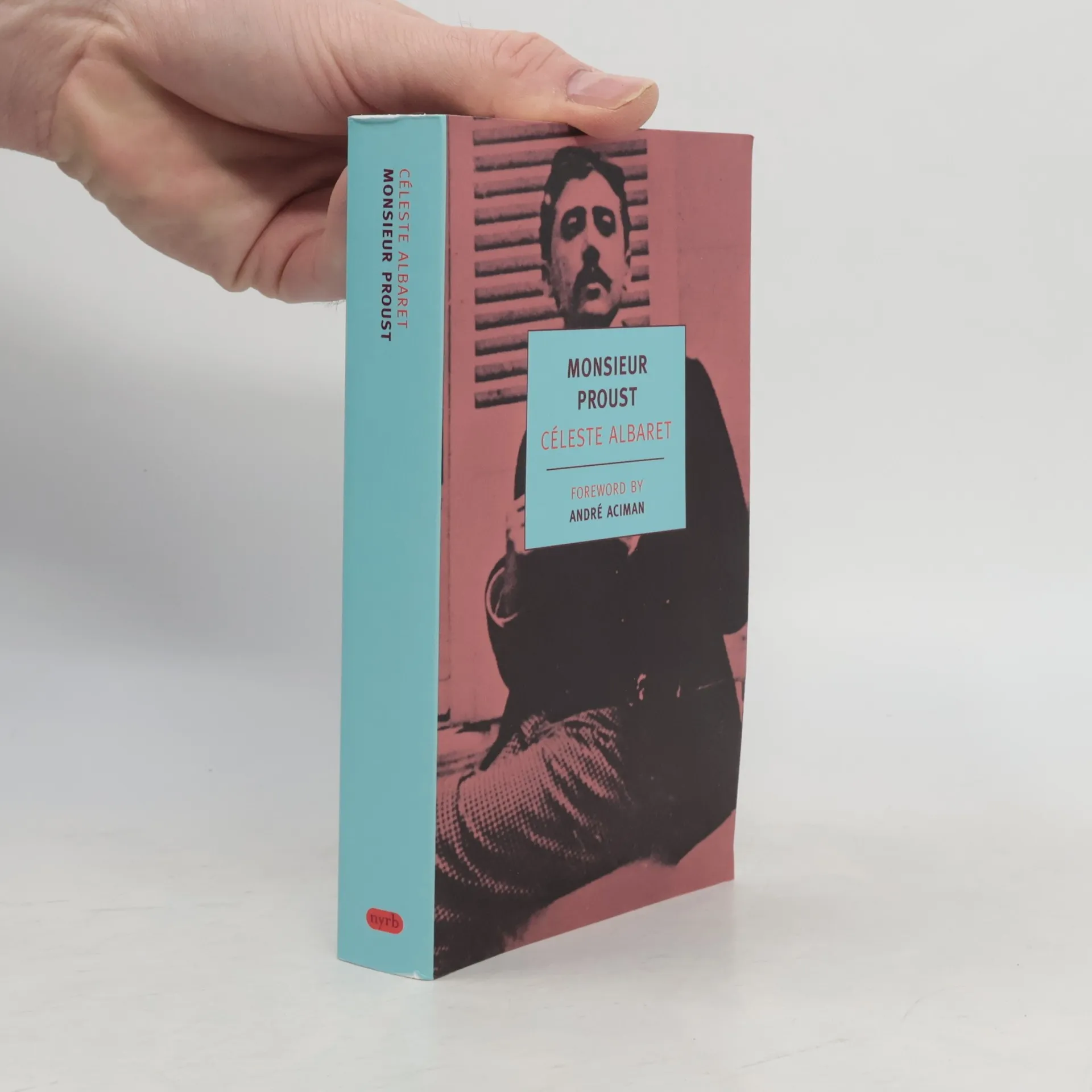
Monsieur Proust
- 456pagine
- 16 ore di lettura
Céleste Albaret was Marcel Proust's housekeeper in his last years, when he retreated from the world to devote himself to In Search of Lost Time. She could imitate his voice to perfection, and Proust himself said to her, "You know everything about me." Her reminiscences of her employer present an intimate picture of the daily life of a great writer who was also a deeply peculiar man, while Madame Albaret herself proves to be a shrewd and engaging companion.
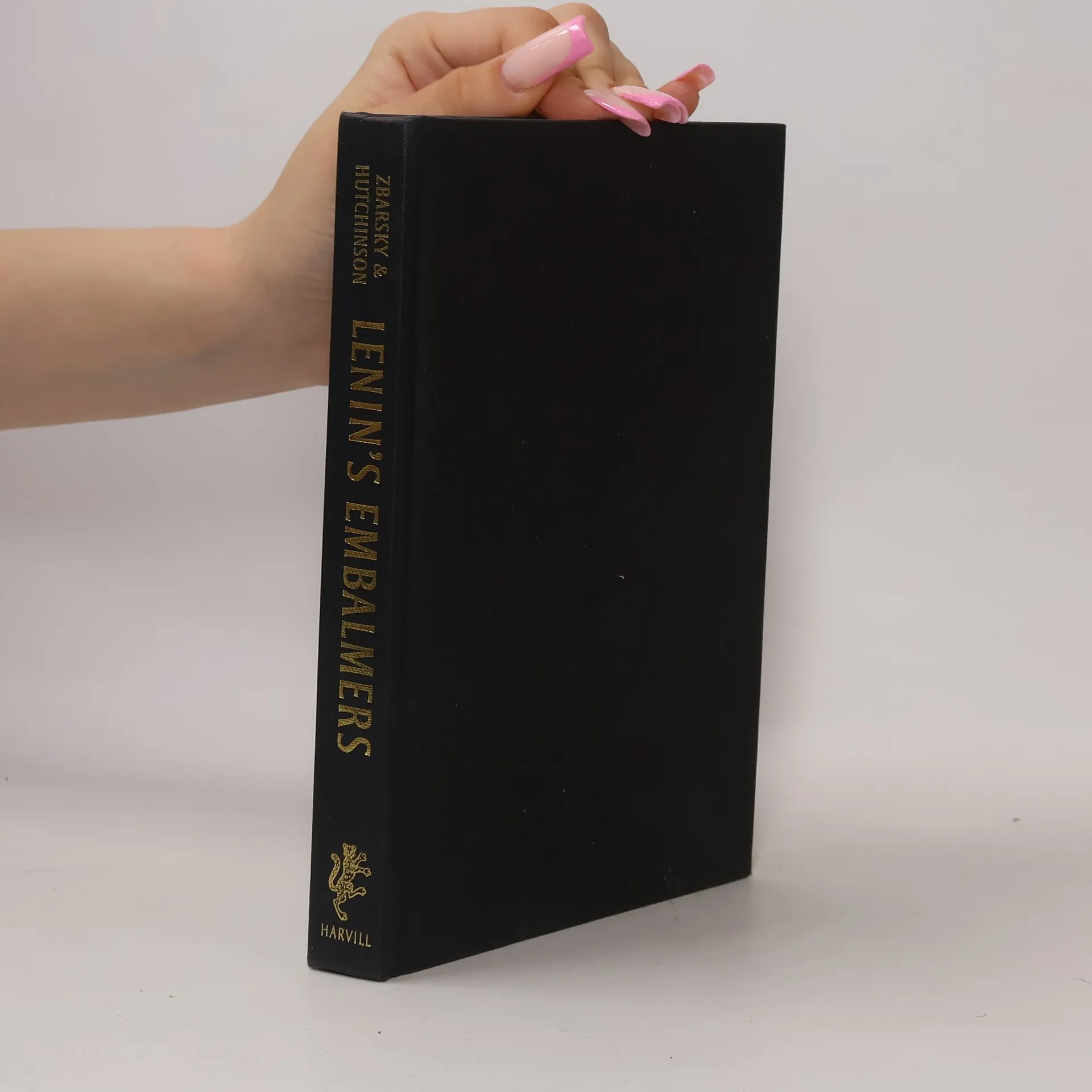
Lenin's Embalmers
- 215pagine
- 8 ore di lettura
Professor Ilya Zbarski mummified Lenin two months after his death to maintain the Soviet founder's body in perpetuity. Between 1924 and the fall of communism in 1991, hundreds of millions of visitors paid their respects to the embalmed bodies of Lenin and later, Stalin. This text reveals the story of Zbarski, his family and of those who worked in the mausoleum laboratory. Lenin's body was plunged into a secret solution based on glycerine and potassium acetate. This story, unthinkable except in a totalitarian regime, is also that of the burgeoning Soviet Union and those who, disregarding Stalin and his growing antisemitic paranoia, believed that working in the shadows of the mausoleum would protect them forever. Abandoned by the State since 1991, the laboratory can only survive through the patronage of the "nouveaux riches" and the Russian mafia dynasties. The text includes both archival and contemporary photographs.
Jacques Lacan. An Outline of a Life and a History of a System of Thought
- 596pagine
- 21 ore di lettura
Recounts the conflicts surrounding Lacan's break with the institutional framework of Freudian orthodoxy, the popularity of Lacanianism in the 1960s and 1970s, and its encounters with the women's movement
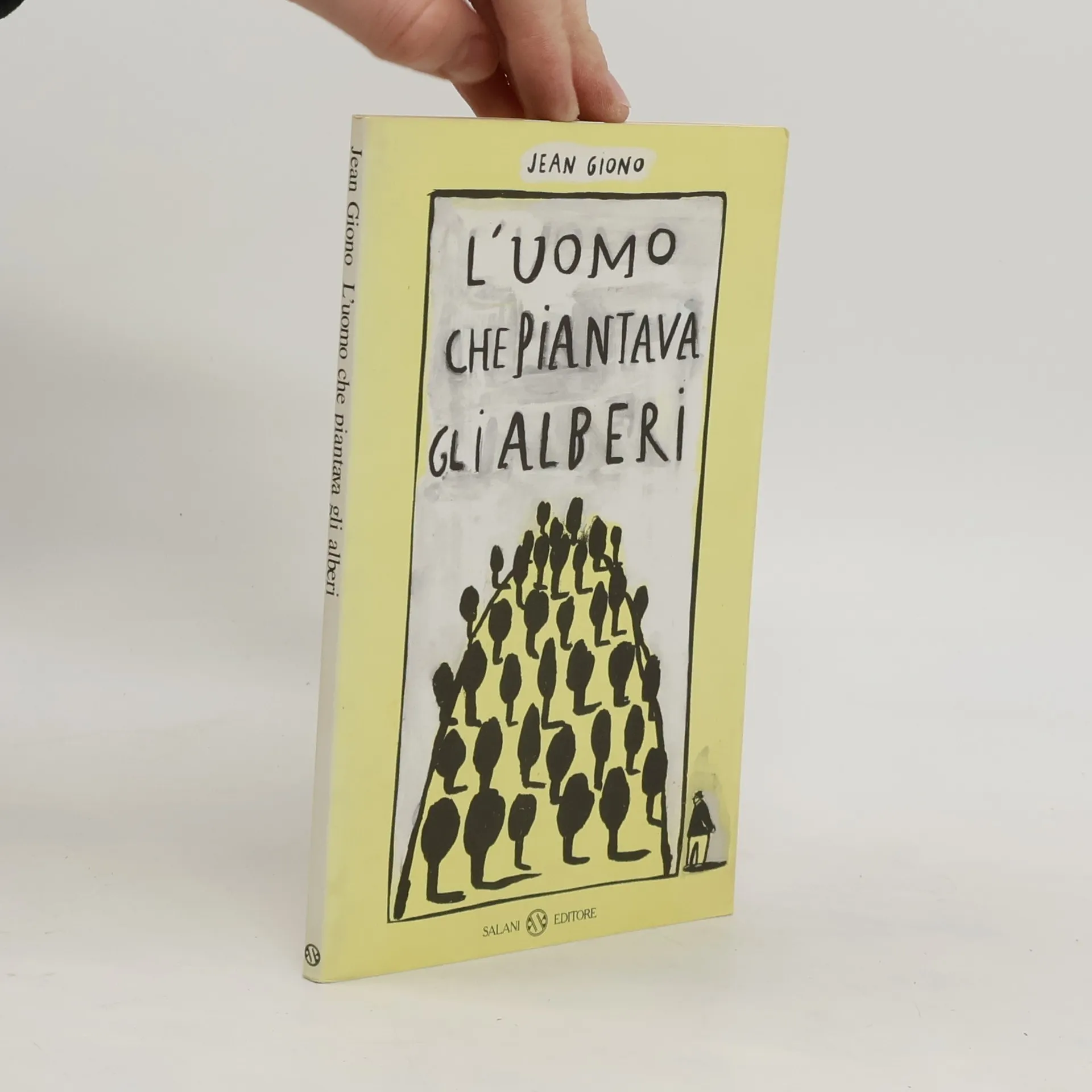
Quando penso che un uomo solo, ridotto alle proprie semplici risorse fisiche e morali, è bastato a far uscire dal deserto quel paese di Canaan, trovo che malgrado tutto, la condizione umana sia ammirevole.
Yann Andréa Steiner
- 115pagine
- 5 ore di lettura
A semi-autobiographical novel exploring the anarchic nature of passion, the traumas of childhood and the legacy of the Holocaust. Threatened with allusions to her life's work, this melancholic and dreamlike novel is typical of the novelist.
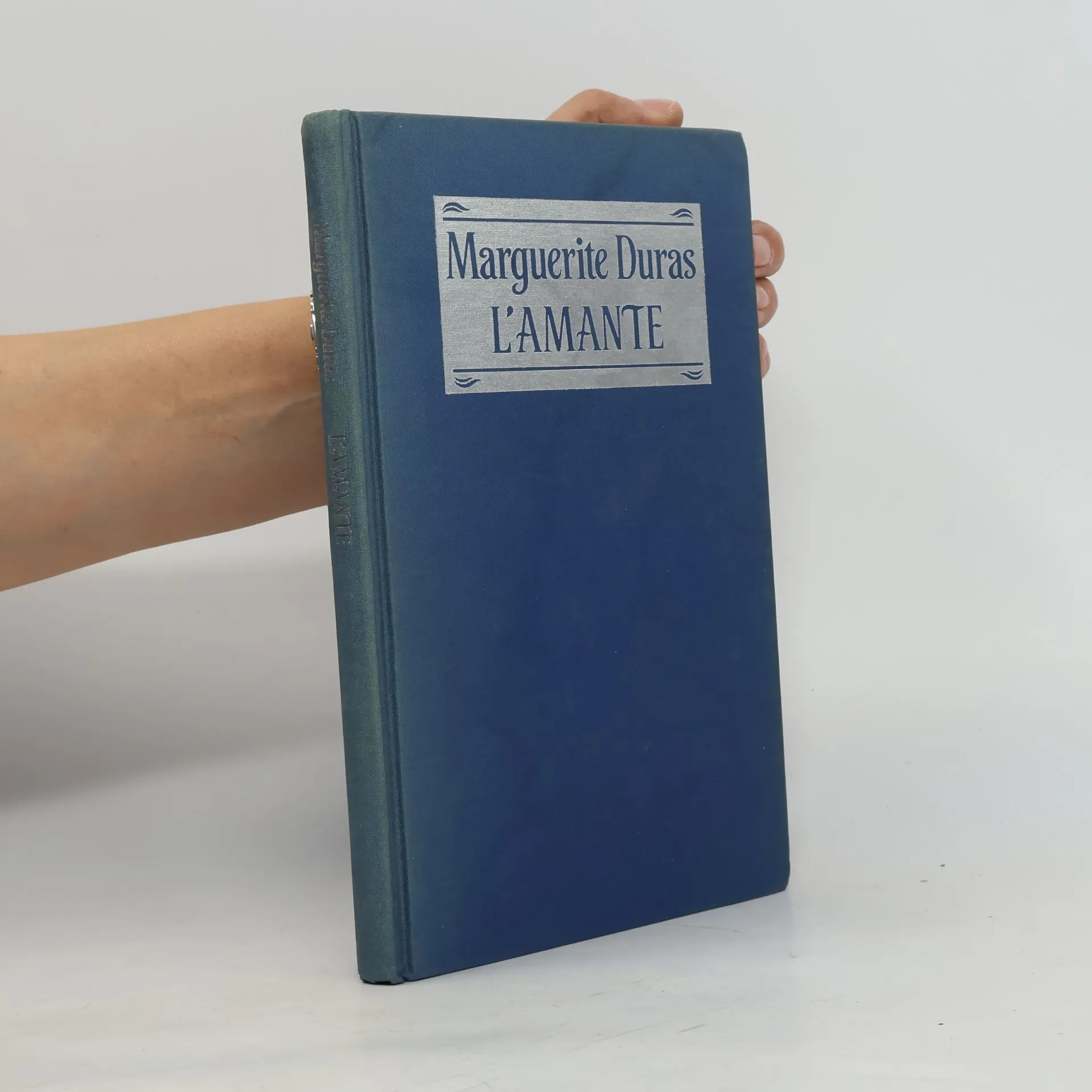
La storia d'amore di una francese quindicenne con un giovane miliardario cinese, sullo sfondo di un ritratto di famiglia, nell'Indocina degli anni trenta. Racconto-rivelazione di lucidità struggente, di terribile e dolce bellezza. L'amante trasfigura e risolve integralmente in una scrittura spoglia, e prodigiosamente intensa, il complice gioco che la memoria e l'oblio ricalcano sulla trama della vita.
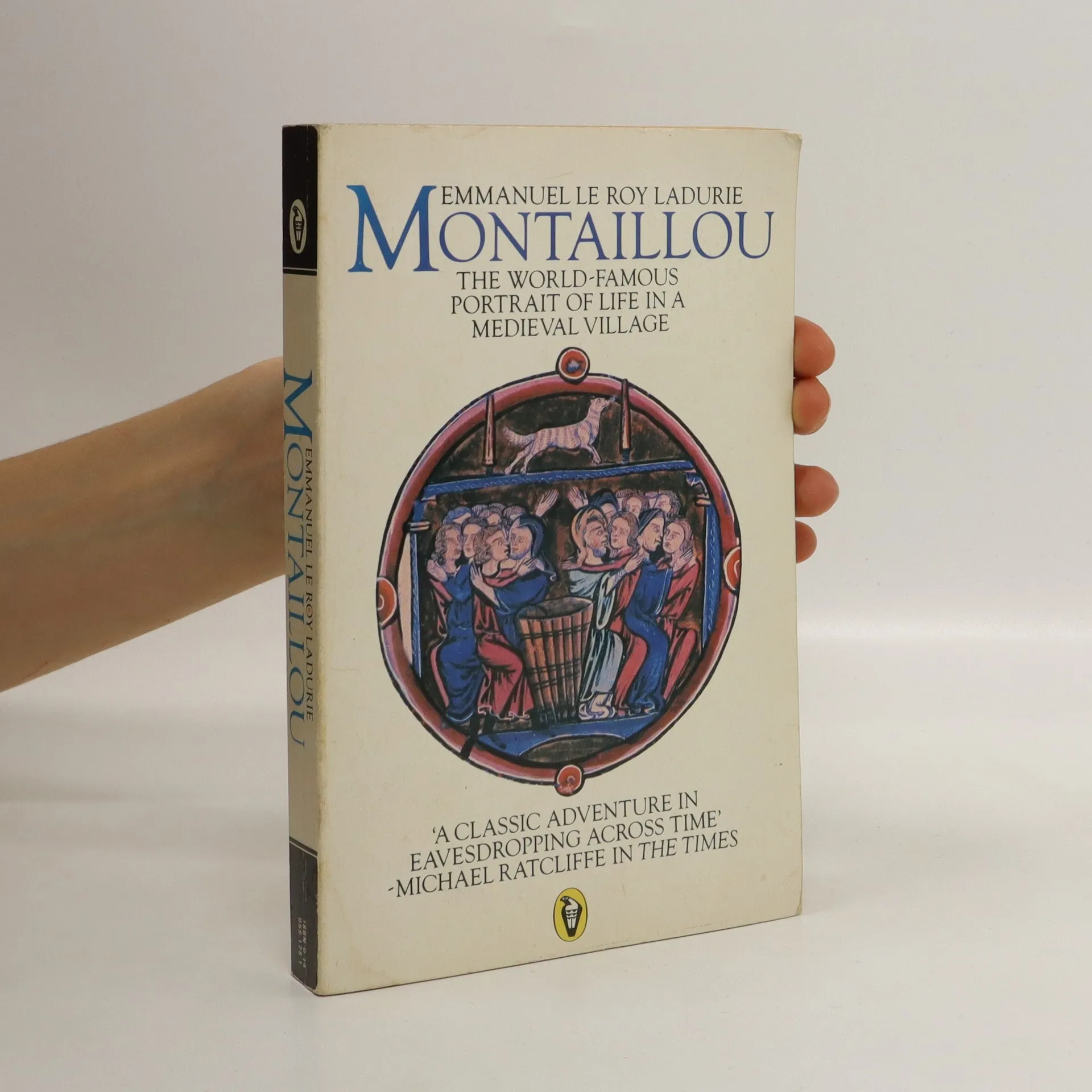
Presents an account of day-to-day life in a medieval French village. Using records gathered by the Catholic Church in its pursuit of heretics, this book shows the lives of a cast of village characters.
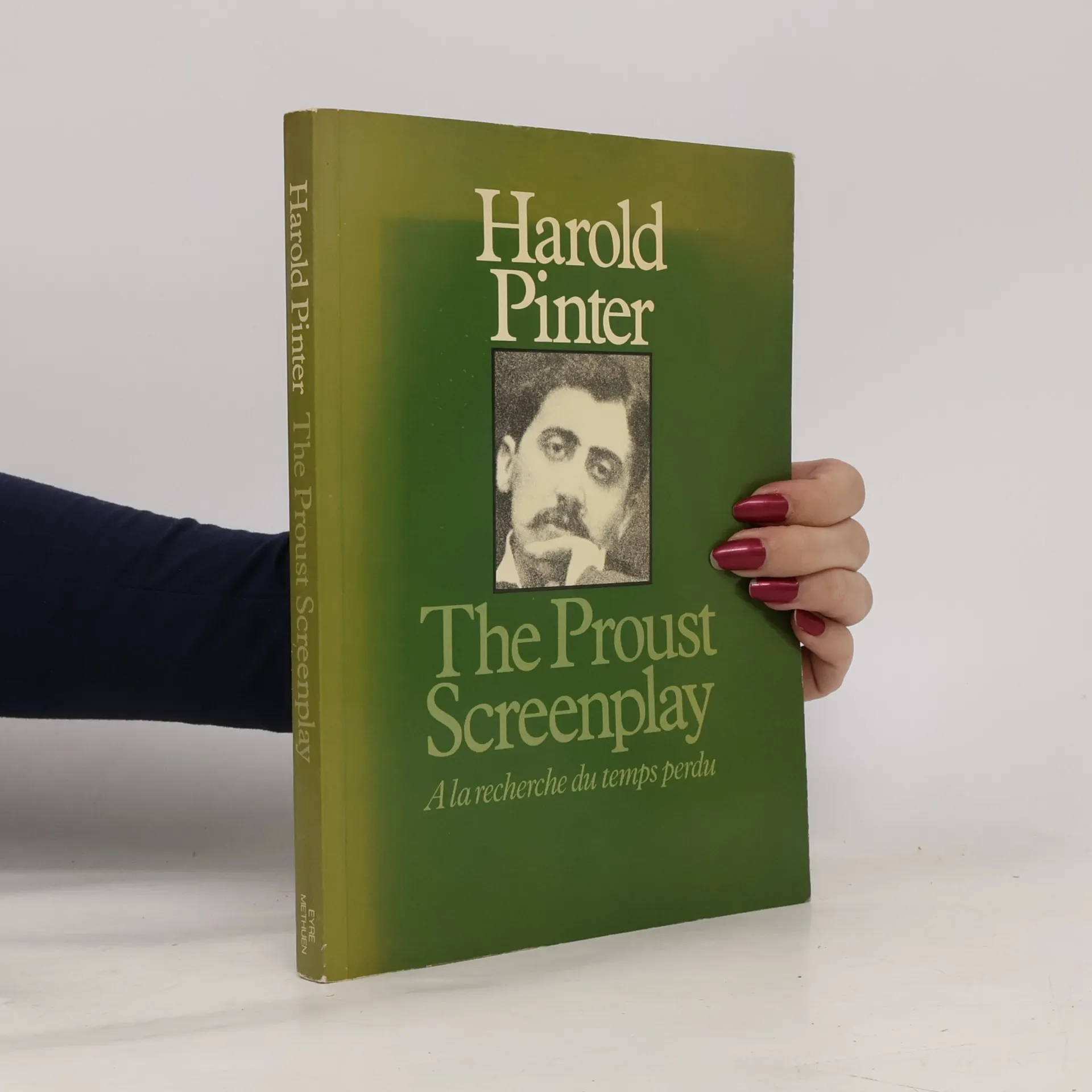
Recognized as one of the major literary works of the twentieth-century, Marcel Proust's monumental seven-volume novel brings together memories of childhood and Parisian society before and during the First World War. This new adaptation is based on Harold Pinter's screenplay, written at the request of the film director Joseph Losey in 1972. Remembrance of Things Past premi�red at the Royal National Theatre in November 2000.