

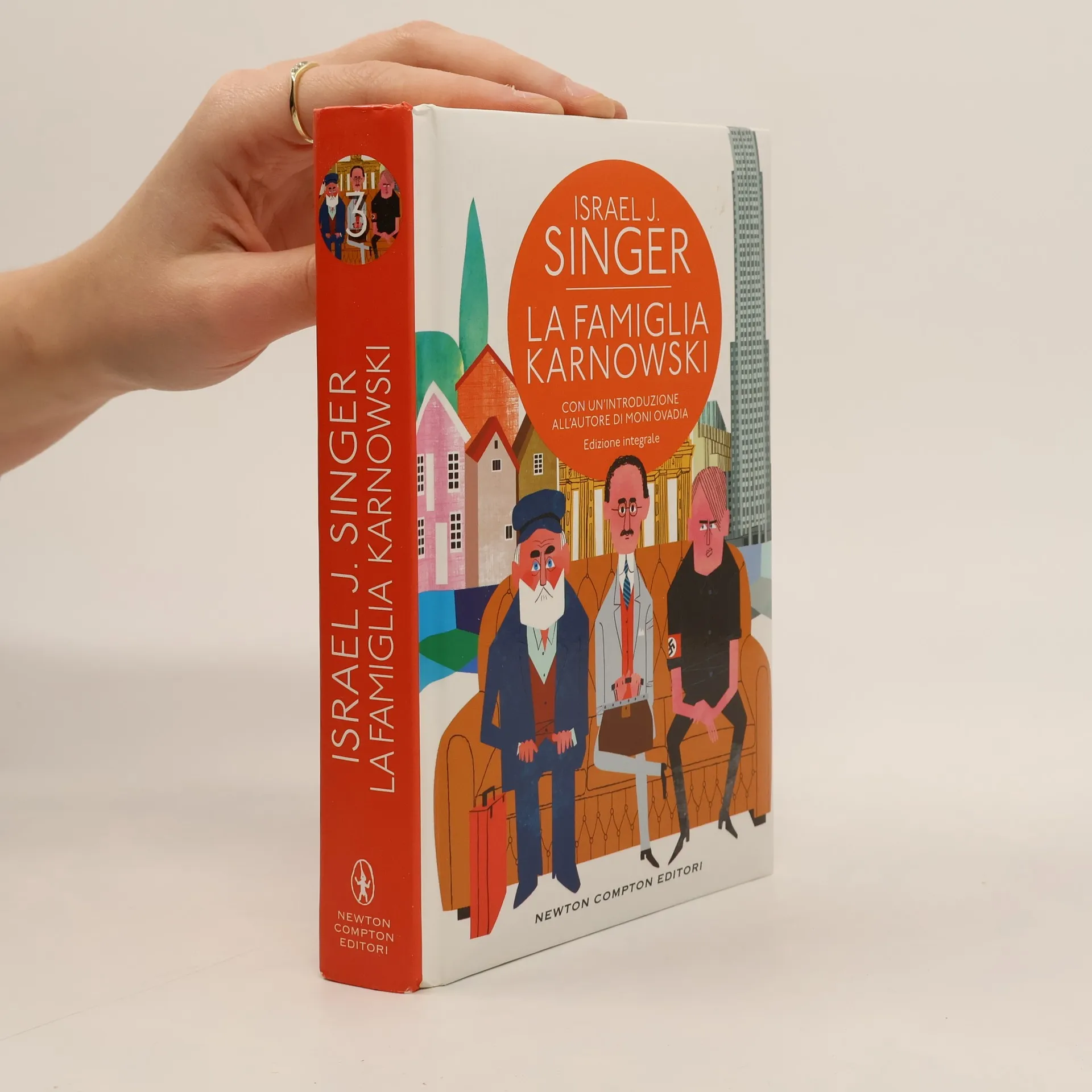
The dread shadow of Nazism falls upon the Carnovsky family, three generations of Jews who believe themselves totally assimilated into German society. David, who has prospered in "enlightened, civilized" Berlin and considers himself "more German than the Germans", cannot rationalize the momentous events engulfing him. His son Georg, a famous doctor, taught by his father to be "Jewish at home, a German in the street", is stripped of his practice, his possessions, and ultimately his illusions. And his young son Jegor is pulled between his love for the fatherland and the Jewishness he scorns. A tragedy of torn loyalties, this powerful and panoramic novel has become one of the classics of our time.
Israel Joshua Singer Libri
Israel Joshua Singer fu un romanziere che scriveva in yiddish. La sua opera si addentrava frequentemente nelle complessità della vita e della tradizione ebraica, intrecciando preoccupazioni spirituali con le realtà quotidiane. La prosa di Singer si distingue per la sua profondità psicologica e la sua narrazione avvincente, che attira i lettori nei mondi dei suoi personaggi. I suoi scritti offrono un prezioso contributo alla letteratura yiddish, riflettendo le correnti intellettuali e sociali del suo tempo.


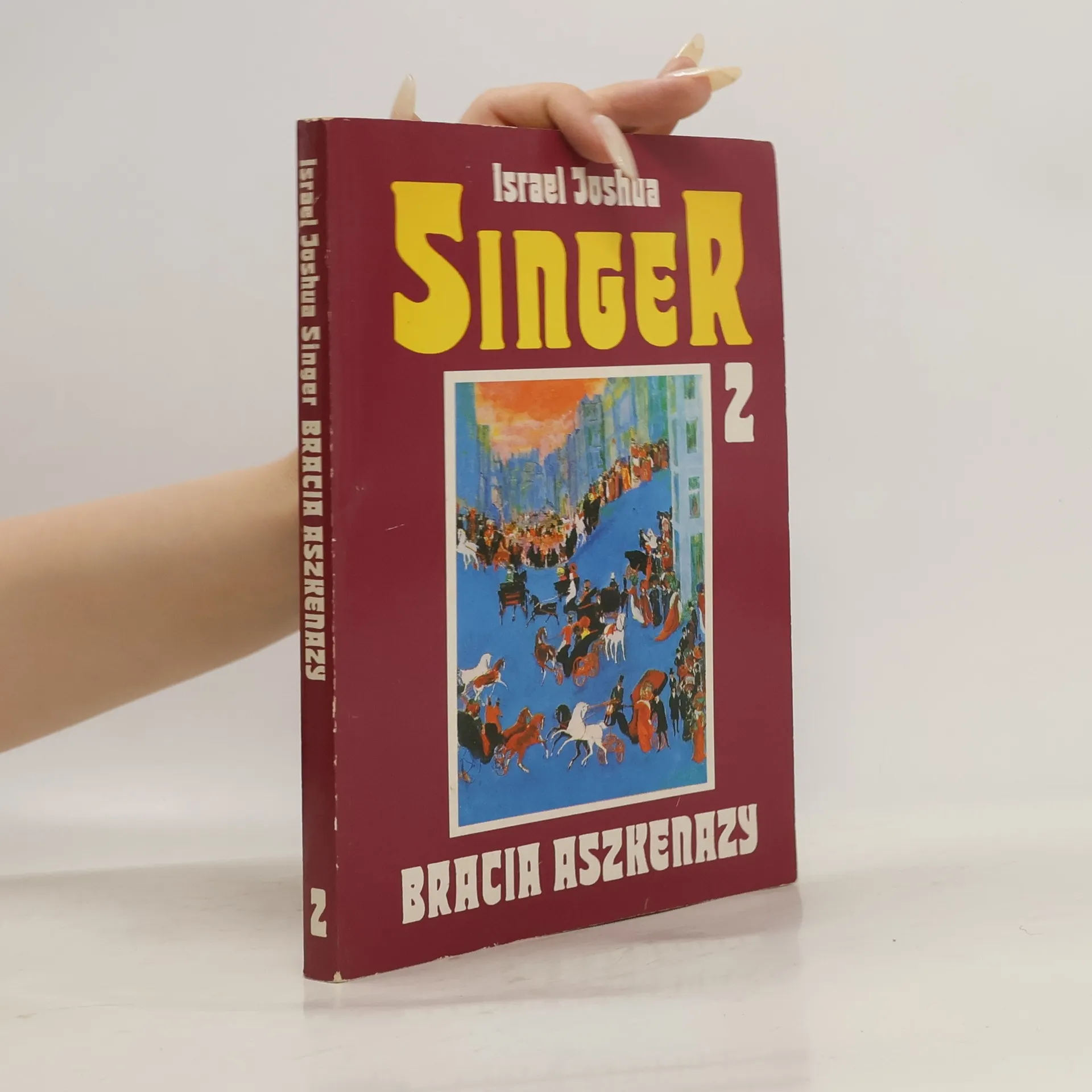
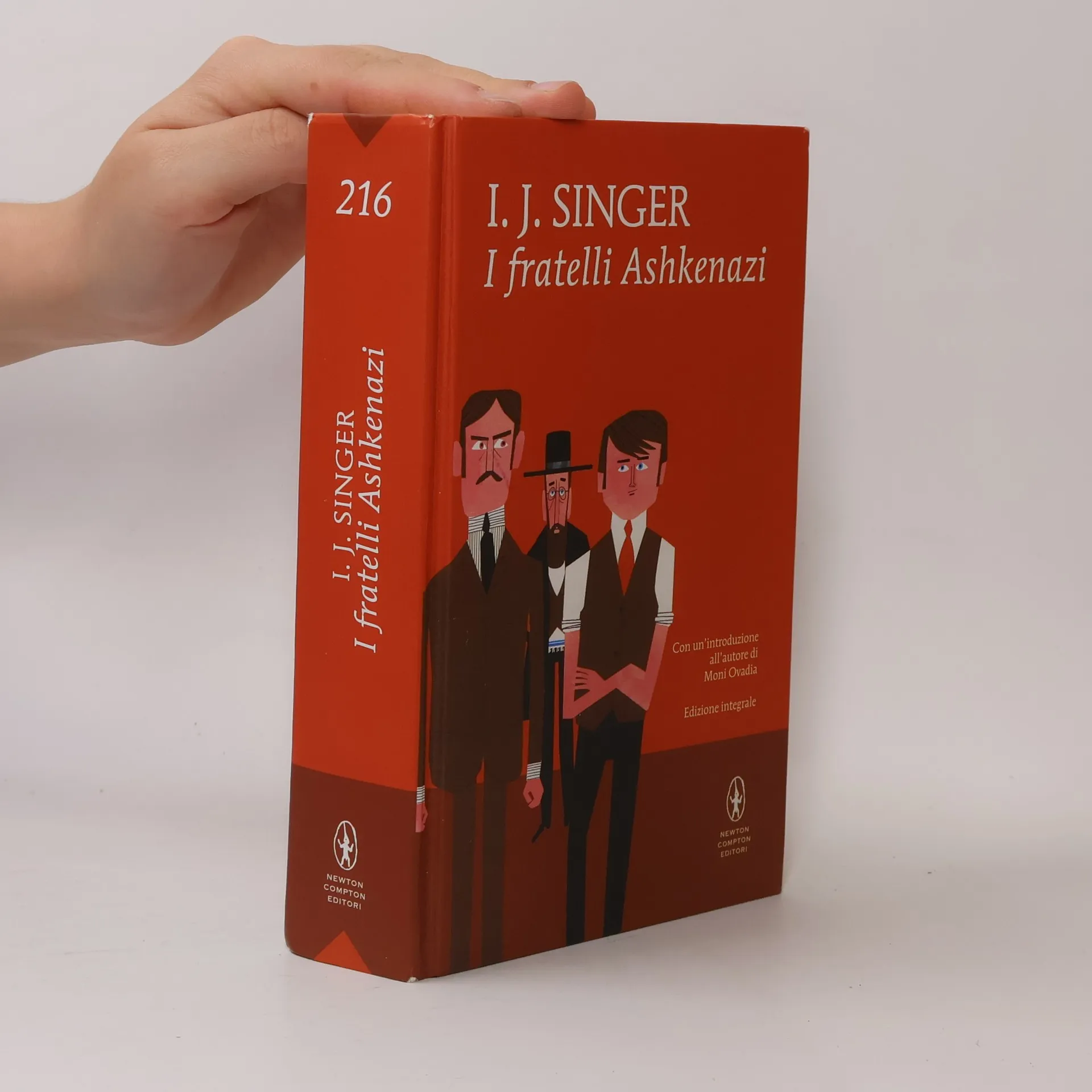
The Brothers Ashkenazi
- 448pagine
- 16 ore di lettura
With a large cast of characters, this is a social novel, a family saga set against the rise of capitalism and of a Jewish bourgeoisie in Lodz. It tells the story, through an interwoven plot, of the clash between old traditions and growing desires.
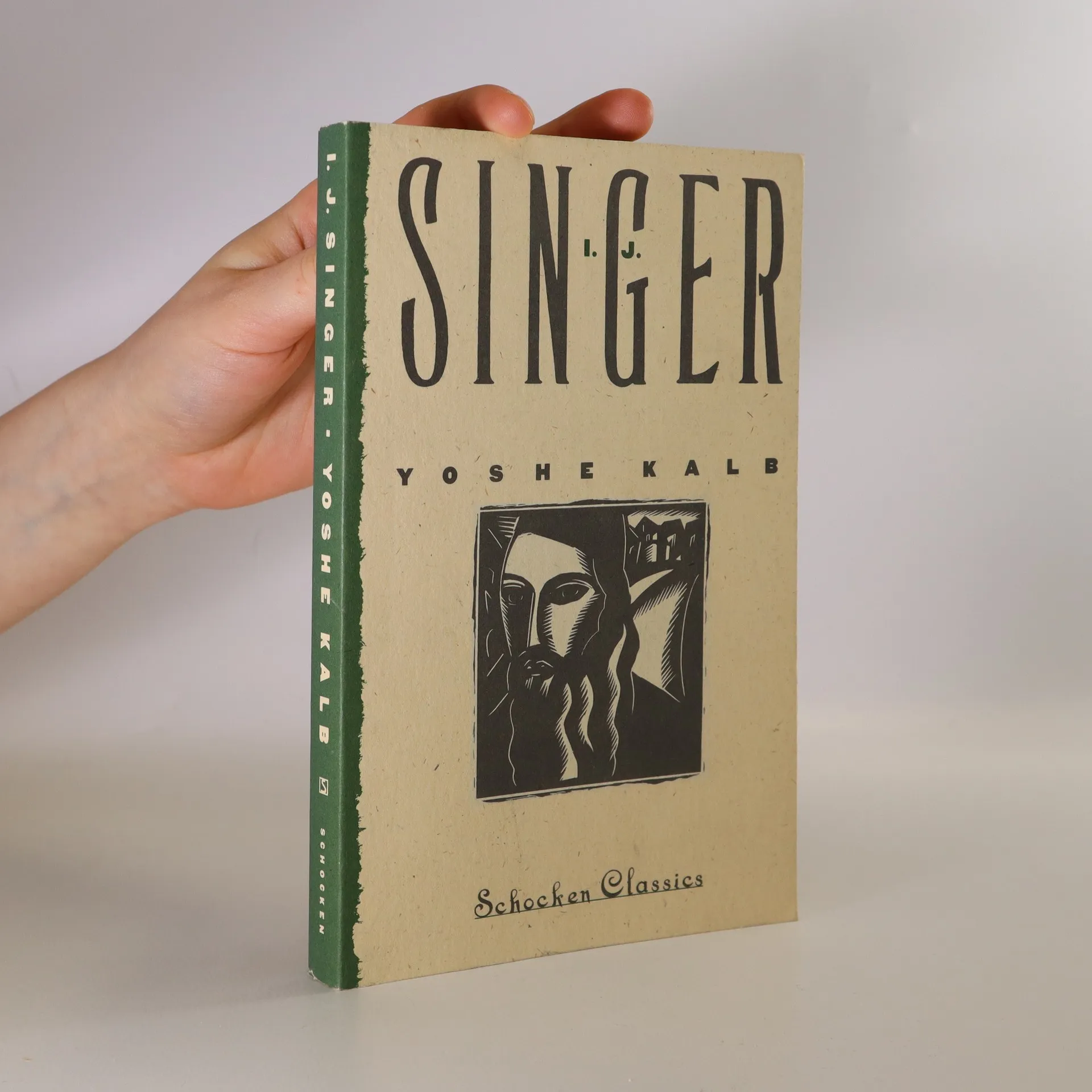
Based on a popular folk legend. Yoshe Kalb is a brilliant and haunting novel set in nineteenth-century Galicia. Nahum, a naive and sensitive young man, is thrust into the decadent world of corrupt and competing hasidic dynasties when he marries the daughter of a powerful Rabbi. I. J. Singer explores the darker side of hasidic life and the forces of sin and saintliness that vie for Nahum's soul.
Nejznámější román bratra slavného I. B. Singera byl rovněž zdramatizován a patří k nesporným vrcholům jidiš prózy 20. století. Příběh zbožného mladíka, jenž se na dvoře tyranského cadika proti vlastní vůli zaplete s cadikovou ženou, vyústí v drama lidské identity. Žena umírá a její milenec odchází z rodného kraje, aby se po letech vrátil jako někdo docela jiný, o jehož totožnosti se v náboženské obci vede spor. Ke světovému úspěchu románu přispěla autorova znalost dobových reálií, mistrné líčení atmosféry cadikova dvora, skvěle vykreslené postavy a v neposlední řadě strhující příběh.
Erinnerungen an eine Jugend in dem kleinen polnischen Provinzstädtchen Leoncine: Vom bescheidenen, gläubigen, friedfertigen, der Not abgerungenen Leben, das für die Kinder dennoch ein glückliches und reiches war, von dieser Welt, die nicht mehr ist, da sie grausam vernichtet wurde, berichtet er ganz ohne Sentimentalität, ja heiter – wenn auch in dem Bewußtsein, daß sie unwiederbringlich ist.