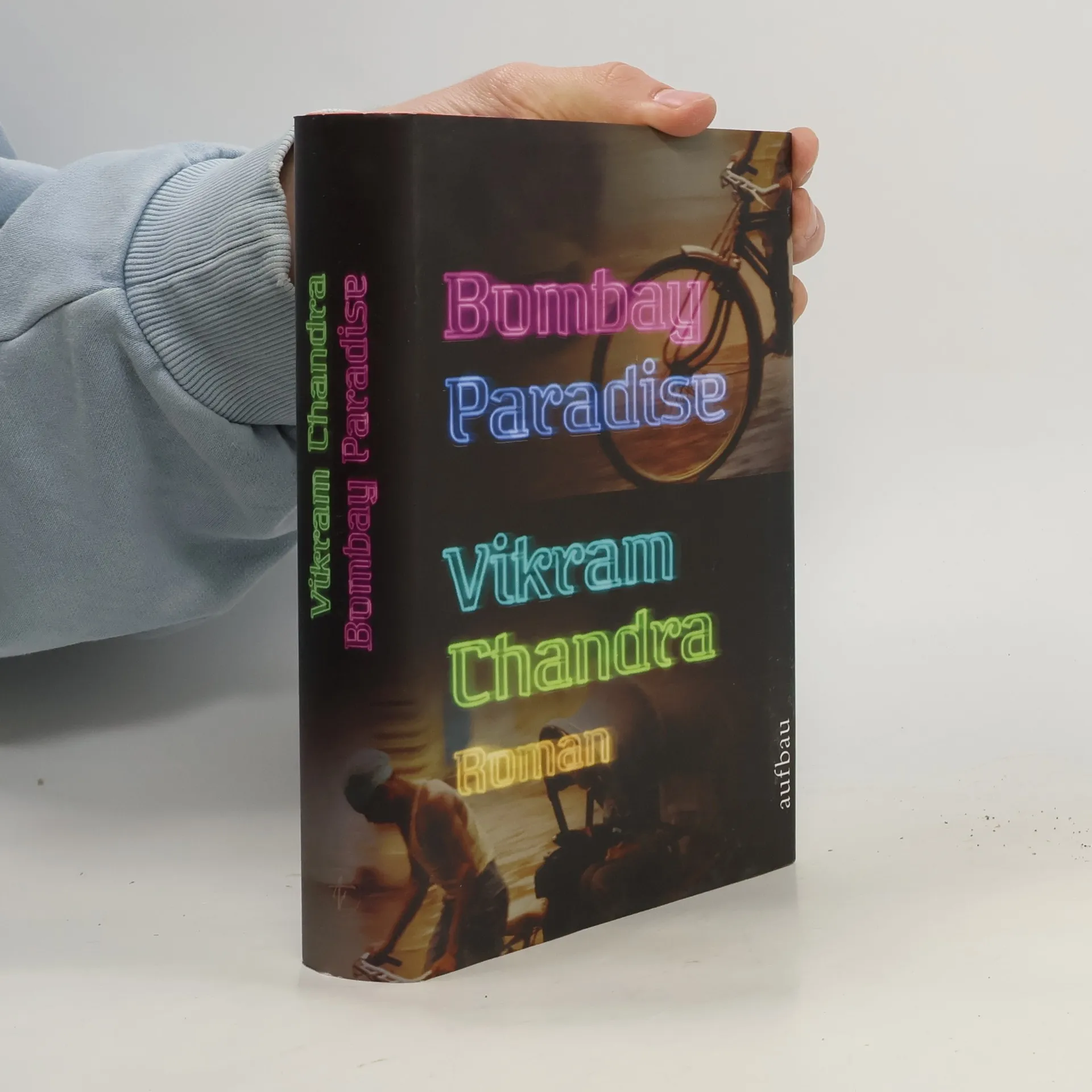
Vikram Chandra è un autore che intreccia magistralmente le tradizioni narrative con tecniche letterarie moderne. Le sue opere esplorano profondi desideri umani e la complessità dell'identità, spesso ambientate nel ricco sfondo culturale dell'India. Chandra si distingue per la sua capacità di creare storie ampie ed epiche che, allo stesso tempo, si addentrano negli intimi paesaggi psicologici dei suoi personaggi. La sua prosa è densa, sensuale ed evocativa, attirando i lettori nelle sue complesse narrazioni.
Looks at the connection between the two worlds of art and technology. This
book explores such varied topics as logic gates and literary modernism, the
male machismo of geeks, the striking presence of an 'Indian Mafia' in Silicon
Valley, and the writings of Abhinavagupta, the 10th-11th century Kashmiri
thinker.
Ganesh Gaitonde ist der Boß einer berüchtigten Mafia-Gang, sein Wille ist das Gesetz der Straße. Allein Jojo Mascarenas, Agentin für Edelprostituierte, tritt ihm furchtlos in den Weg. Sie ist die einzige Frau, die er respektiert, obwohl sie ihn unentwegt mit seinen Schwächen konfrontiert: seinem übersteigerten Selbstwertgefühl und seiner Sentimentalität. Mehr und mehr erfüllt von einer seltsamen Leere, treibt es Gaitonde in die Fänge eines fanatischen Gurus. Als er die unheilvollen Pläne seines spirituellen Meisters durchschaut, ergreift ihn Panik. Er sucht nach einem Gesprächspartner und findet ihn – in Sartaj Singh.
Vikram Chandra's novel draws the reader deep into the life of Inspector Sartaj Singh—and into the criminal underworld of Ganesh Gaitonde, the most wanted gangster in India. It is is a story of friendship and betrayal, of terrible violence, of an astonishing modern city and its dark side. Seven years in the making, Sacred Games is an epic of exceptional richness and power. Vikram Chandra's novel draws the reader deep into the life of Inspector Sartaj Singh—and into the criminal underworld of Ganesh Gaitonde, the most wanted gangster in India. Sartaj, one of the very few Sikhs on the Mumbai police force, is used to being identified by his turban, beard and the sharp cut of his trousers. But "the silky Sikh" is now past forty, his marriage is over and his career prospects are on the slide. When Sartaj gets an anonymous tip-off as to the secret hide-out of the legendary boss of G-Company, he's determined that he'll be the one to collect the prize. Vikram Chandra's keenly anticipated new novel is a magnificent story of friendship and betrayal, of terrible violence, of an astonishing modern city and its dark side. Drawing inspiration from the classics of nineteenth-century fiction, mystery novels, Bollywood movies and Chandra's own life and research on the streets of Mumbai, Sacred Games evokes with devastating realism the way we live now but resonates with the intelligence and emotional depth of the best of literature.
Faszinert lauscht Ranjit, ein junger Softwarespezialist, Abend für Abend den Geschichten, die ihm ein alter Mann in einer verrauchten Hafenbar erzählt. Jede von ihnen illustriert einen Zentralbegriff der hinduistischen Lebensphilosophie, für jede findet Chandra eine eigene Sprache. Er kostet alle Möglichkeiten aus und führt den Leser in "sein Bombay".§"Am Anfang und Ende von allem ist die Ehe". So beginnt beispielsweise die Geschichte über "Shakti", die Macht der Natur: Zwei Frauen, die den alten und neuen Reichtum in der Stadt repräsentieren, führen über Jahre hinweg einen erbitterten Konkurrenzkampf, bis sie schließlich die Liebe ihrer beiden Kinder eint. In "Kama" - sinnliche Liebe - schildert Chandra die letzte, leidenschaftliche Begegnung eines Kriminalisten mit seiner Ehefrau.
Una Bombay inedita, regno del cinema e dell'informatica. Una metropoli contemporanea, di sangue misto e ideologie non meno mescidate, ma ancora e sempre più la "Città dell'Oro", come già era chiamata ai tempi del Raj: miraggio dei molti e riserva privilegiata dei pochi. Tante automobili, treni e qualche risciò a motore; vestiti eleganti, circoli esclusivi, ambizioni e possibilità infinite. Dharma, Sakti, Kama, Artha, Santi, cinque precetti della filosofia hindu collegati dal racconto dell'anziano e riverito Subramaniam. Cinque episodi d'amore e nostalgia... per la donna lontana, per un legame naufragato, per il compagno scomparso, per i tempi della gioventù.
Il giovane Abhay torna in India dopo aver studiato negli Stati Uniti e, in un momento di frustrazione, ferisce una scimmia sacra. I suoi genitori decidono di prendersene cura, ma la scimmia si rivela un essere straordinario capace di scrivere a macchina. Abhay scopre che dietro le sembianze della scimmietta si nasconde Parasher, uno spirito minacciato da Yama, Signore della Morte, che deve raccontare storie per salvarsi. L’unica possibilità di salvezza è narrare per almeno due ore al giorno. Hanuman, il migliore tra le scimmie, suggerisce che Abhay possa alternarsi a Parasher nel ruolo di narratore. Così, le avventure del guerriero Sikander e del poeta Sanjay si intrecciano, creando un racconto che attraversa i secoli, collegando le gesta di Alessandro Magno a un Occidente contemporaneo tanto esotico quanto l'India del passato. Davanti a un pubblico sempre più numeroso, si sviluppa un flusso di storie che evoca i grandi cicli narrativi del "Mahàbharata" e delle "Mille e una notte", dando vita al romanzo d'esordio di Vikram Chandra, una delle nuove voci della letteratura indiana contemporanea.