
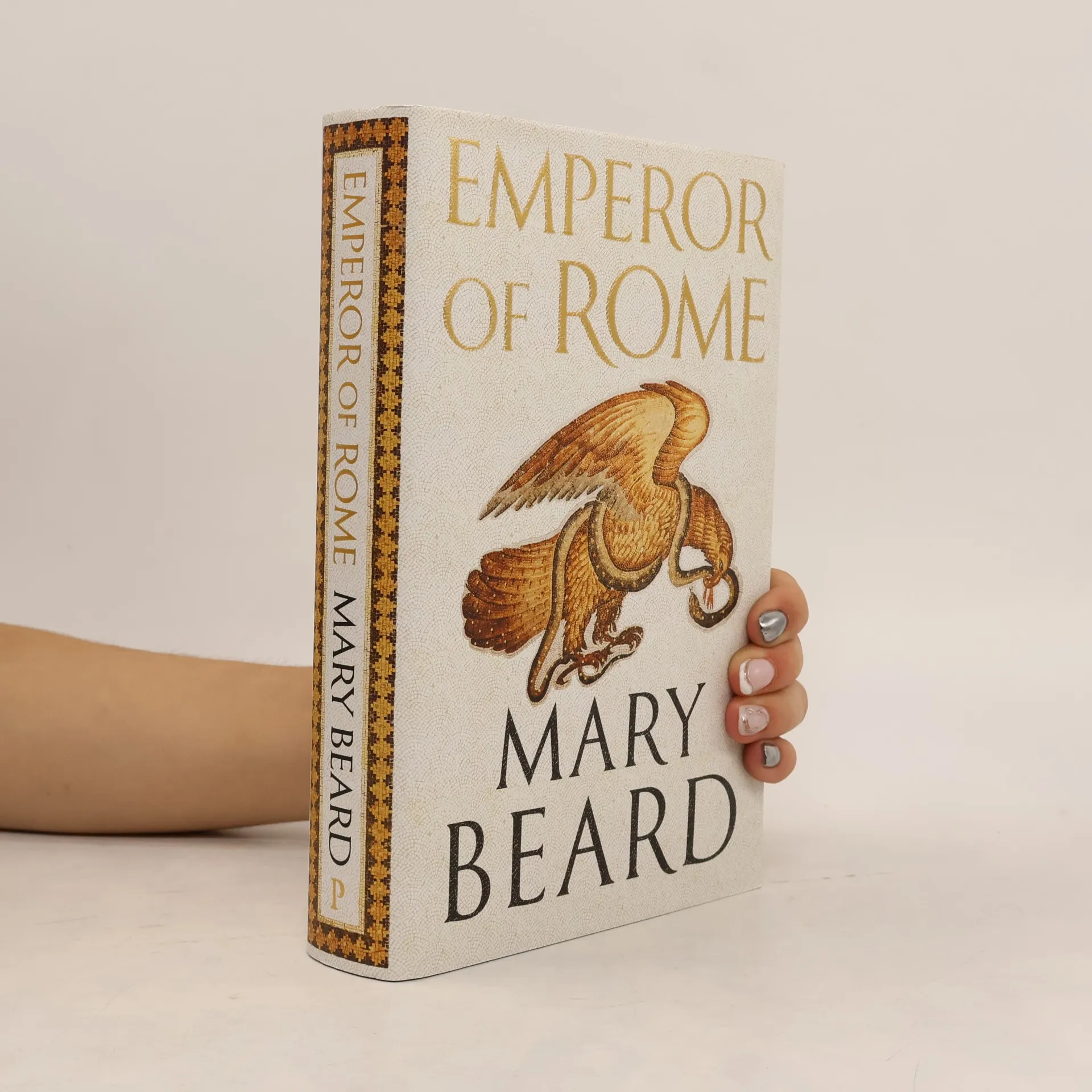
THE SUNDAY TIMES TOP TEN & NEW YORK TIMES BESTSELLER BLACKWELL'S NON-FICTION BOOK OF THE YEAR SHORTLISTED FOR THE WATERSTONES BOOK OF THE YEAR 2023 'Extraordinary ... a deliciously varied tapestry of detail drawn from across nearly three centuries' Telegraph What was it really like to rule and be ruled in the Ancient Roman world? In her international best-seller SPQR, Mary Beard told the thousand-year story of ancient Rome. Now, she shines her spotlight on the emperors who ruled the Roman empire, from Julius Caesar (assassinated 44 BCE) to Alexander Severus (assassinated 235 CE). Emperor of Rome is not your usual chronological account of Roman rulers, one after another: the mad Caligula, the monster Nero, the philosopher Marcus Aurelius. Beard asks bigger questions: What power did emperors actually have? Was the Roman palace really so bloodstained? Emperor of Rome goes directly to the heart of Roman (and our own) fantasies about what it was to be Roman, offering an account of Roman history as it has never been presented before.
Mary Beard Libri
Questa autrice offre una prospettiva rinfrescante e accessibile sul passato classico, concentrandosi su come le culture antiche continuino a risuonare nel nostro presente. Il suo lavoro approfondisce gli aspetti meno noti dell'antichità, scoprendo le sfumature della vita quotidiana, le norme sociali e l'intrigo politico. Con un'arguzia caratteristica e una mente acuta, distilla complessi eventi storici in narrazioni avvincenti che sfidano le percezioni comuni e invitano a una riflessione più profonda. Il suo stile è sia rigoroso accademicamente che vivido nella narrazione, rendendo lo studio degli argomenti classici accessibile e avvincente per un vasto pubblico.


THE SUNDAY TIMES TOP TEN BESTSELLER & BEST HISTORY BOOK OF 2023THE NEW YORK TIMES BESTSELLERA TELEGRAPH BEST HISTORY BOOK OF 2023A BLOOMBERG BEST BOOK OF 2023A PROSPECT BEST HISTORY BOOK OF 2023BLACKWELL'S NON-FICTION BOOK OF THE YEARSHORTLISTED FOR THE WATERSTONES BOOK OF THE YEAR 2023THE TIMES TOP 50 PAPERBACKS OF THE YEAR 2024 '[Mary Beard] has always had the sharpest eyes for telling detail and colourful anecdote' Sunday Times'Britain's most famous classicist ... at the peak of her powers' The Times'Extraordinary ... a deliciously varied tapestry of detail drawn from across nearly three centuries' Telegraph'The reigning Queen of Classics' SpectatorWhat was it really like to rule and be ruled in the Ancient Roman world?In her international best-seller SPQR, Mary Beard told the thousand-year story of ancient Rome. Now, she shines her spotlight on the emperors who ruled the Roman empire, from Julius Caesar (assassinated 44 BCE) to Alexander Severus (assassinated 235 CE).Emperor of Rome is not your usual chronological account of Roman rulers, one after another: the mad Caligula, the monster Nero, the philosopher Marcus Aurelius. Beard asks bigger questions: What power did emperors actually have? Was the Roman palace really so bloodstained?Emperor of Rome goes directly to the heart of Roman (and our own) fantasies about what it was to be Roman, offering an account of Roman history as it has never been presented before.
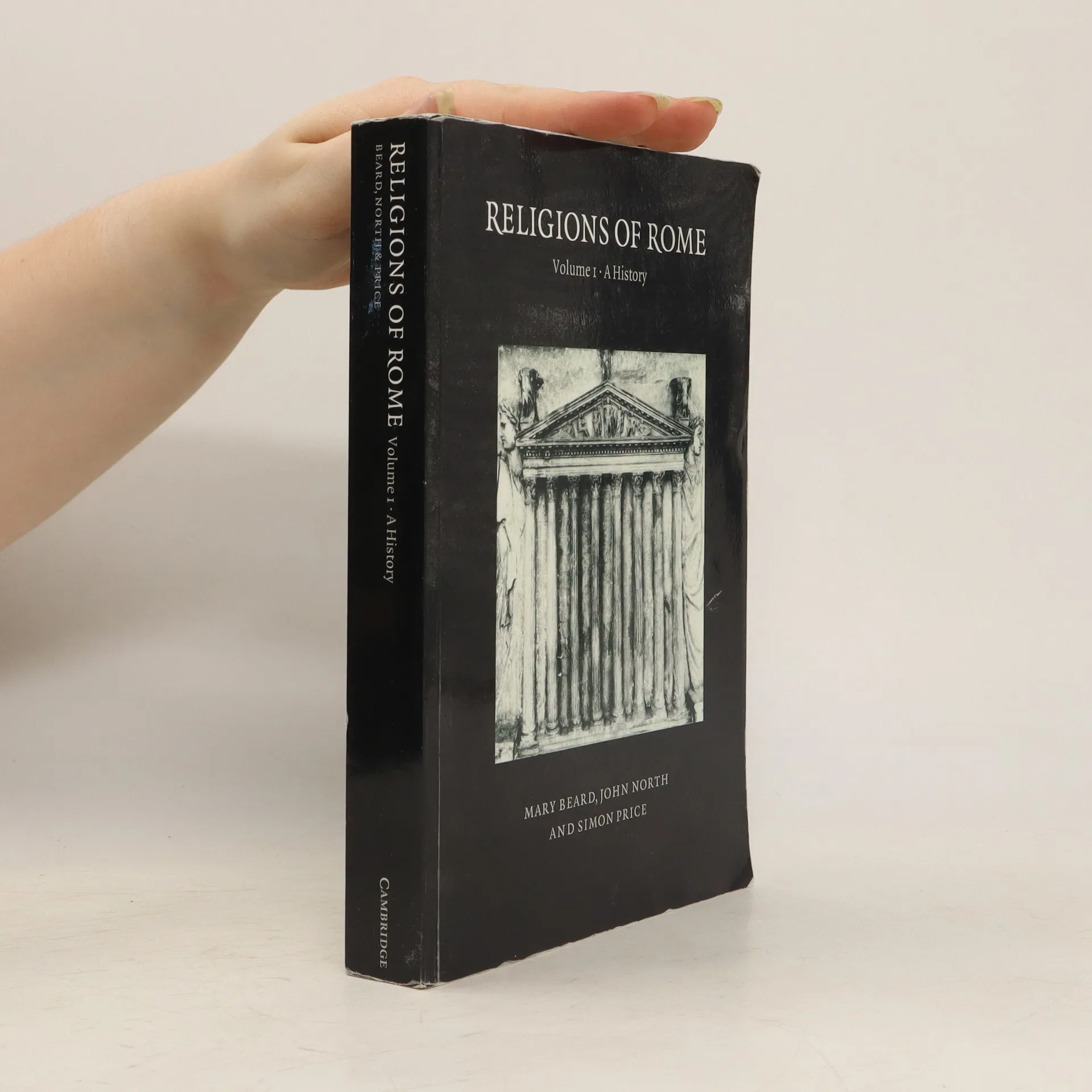
This book offers a radical survey of over a 1000 years of religious life, from the foundation of Rome to its rise to world empire & Xian conversion. It sets religion in its full cultural context, between the primitive hamlet of the 8th century BCE & the cosmopolitan, multicultural society of the 1st centuries of the Xian era. A companion volume, Religions of Rome, Vol 2: A Sourcebook, sets out a wide range of documents, illustrating the religious life in the Roman world.Acknowledgements Preface Conventions & abbreviations Maps 1 Early Rome 2 Imperial triumph & religious change 3 Religion in the late Republic 4 The place of religion: Rome in the early Empire 5 The boundaries of Roman religion 6 The religions of imperial Rome 7 Roman religion & Roman Empire 8 Roman religion & Christian emperors: 4th & 5th centuries Bibliography Details of maps & illustrations Index
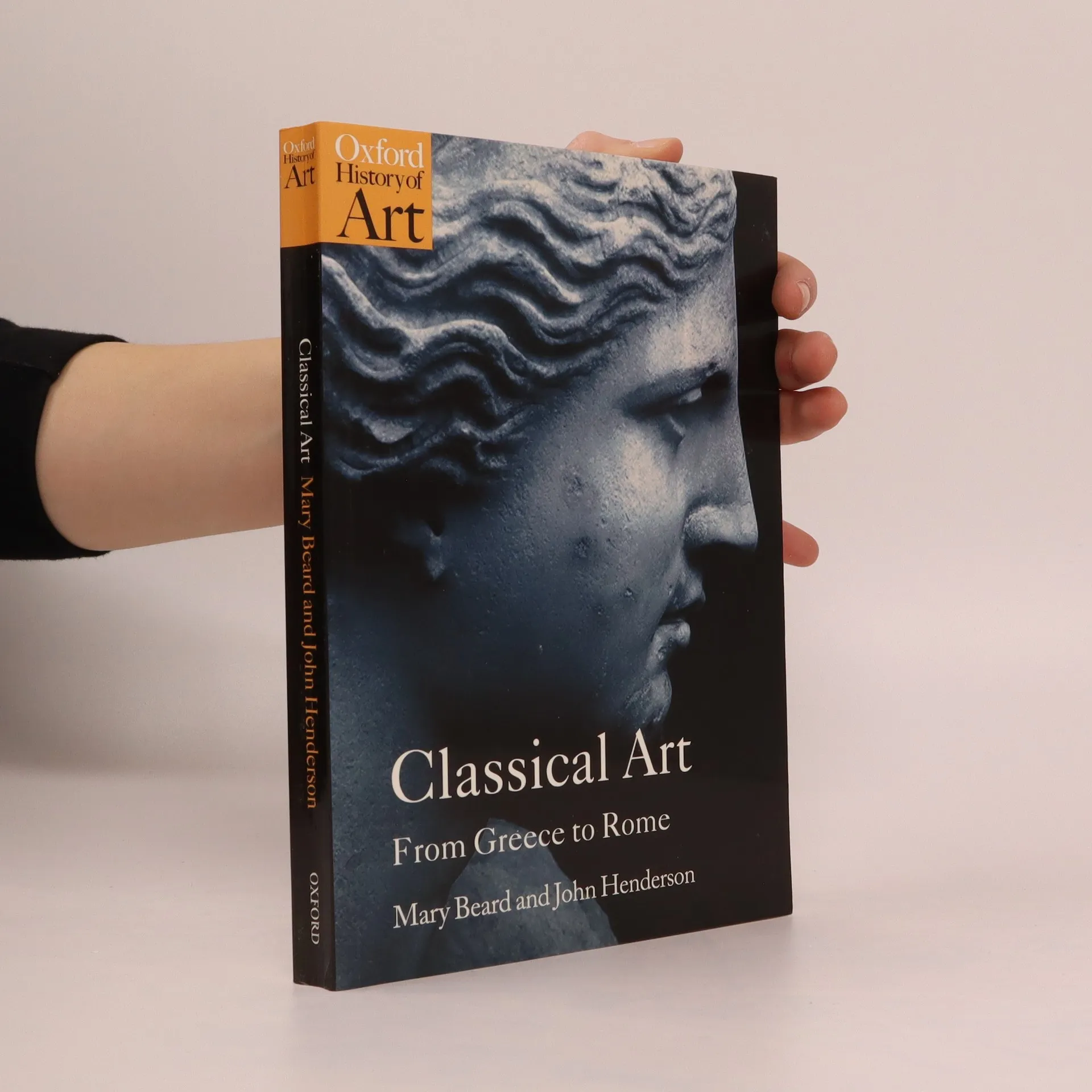
'The book is part of a series of introductory studies intended to bring the latest developments in art history to students and general readers. But it offers something new to the specialist reader too [...] the quantity of illustrations is impressive for such a slim and inexpensive book ...Classical Art is illuminating, playful, provocative, and often (literally) iconoclastic' -Times Higher Education Supplement
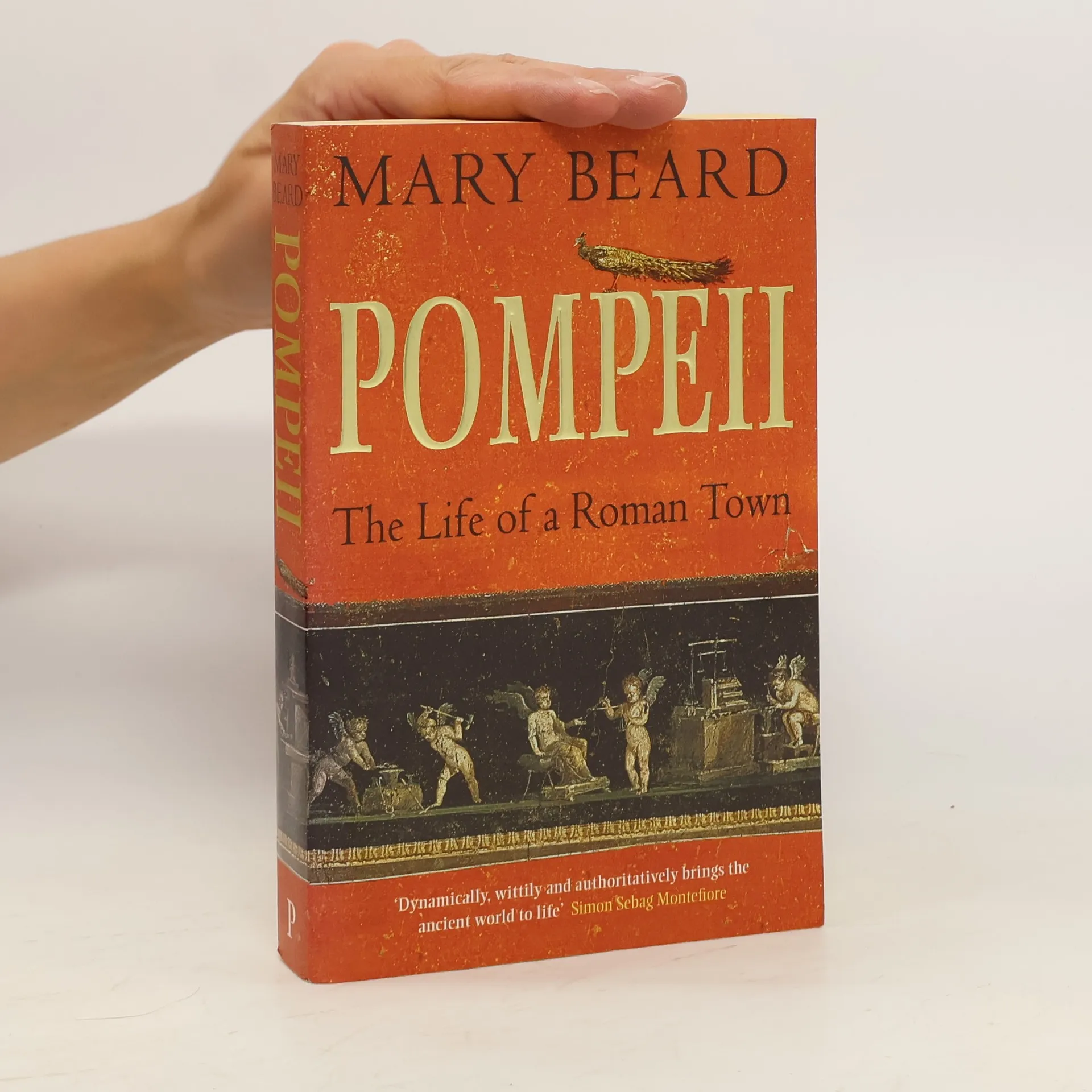
Pompeii explodes a number of myths - from the very date of the eruption, probably a few months later than usually thought; the hygiene of the baths which must have been hotbeds of germs; and the legendary number of brothels, most likely only one, to the massive death count which was probably less than ten per cent of the population.Street Life, Earning a Living: Baker, Banker and Garum Maker (who ran the city), The Pleasure of the Body: Food, Wine, Sex and Baths, these chapter headings give a surprising insight into the workings of a Roman town. At the Suburban Baths we go from communal bathing to hygiene to erotica. A fast-food joint on the Via dell' Abbondanza introduces food and drink and diets and street life. These are just a few of the strands that make up an extraordinary and involving portrait of an ancient town, its life and its continuing re-discovery, by Britain's leading classicist.
The Parthenon
- 209pagine
- 8 ore di lettura
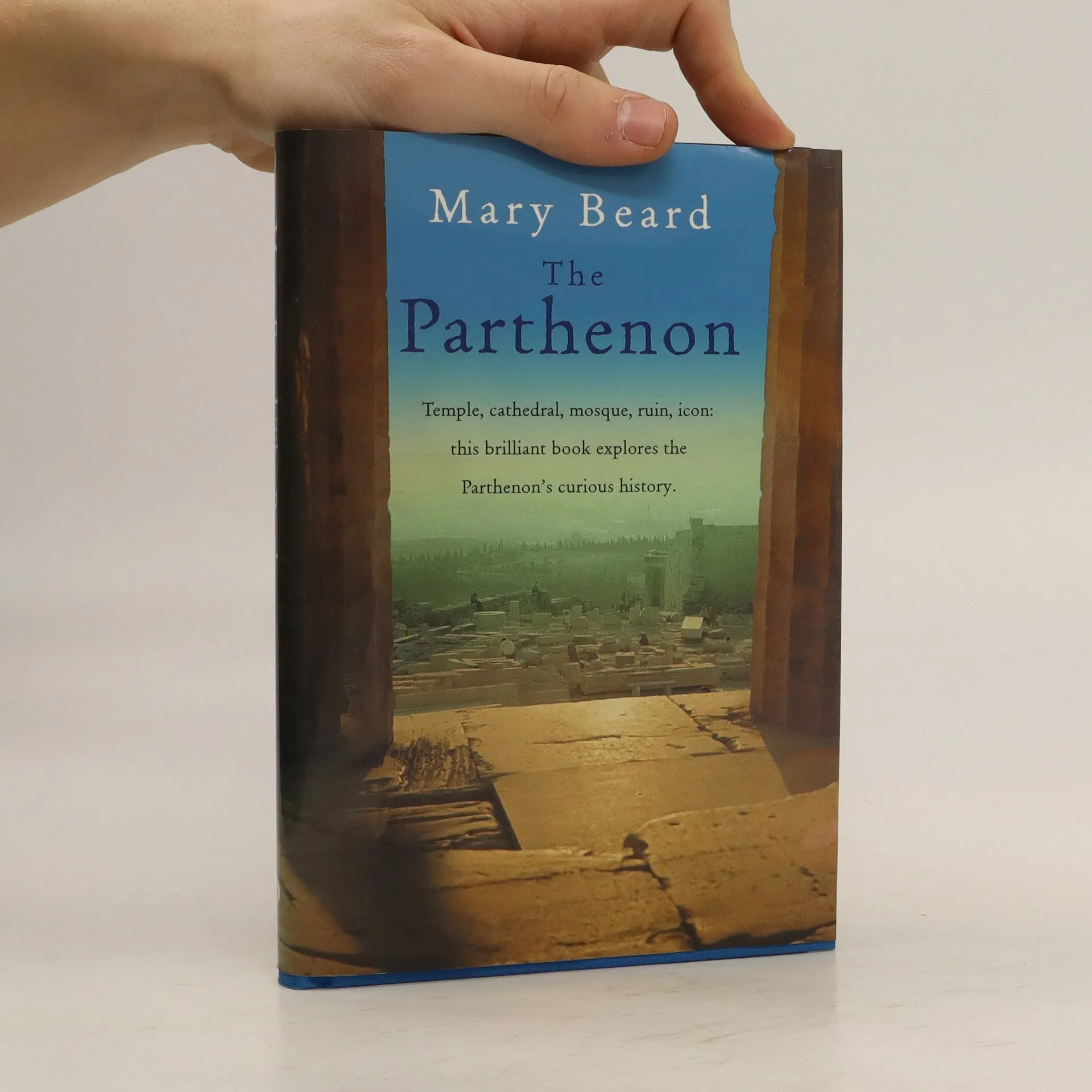
The ruined silhouette of the Parthenon on its hill above Athens is one of the world's most famous images. Its 'looted' Elgin Marbles are a global cause celèbre. But what actually are they? In the first of an occasional 'series' on wonders of the world - such as the Colosseum, Stonehenge, the Pyramids, the Alhambra, Mary Beard, biographer, reviewer and leading Cambridge classicist, tells the history and explains the significance of the Parthenon, the temple of the virgin goddess Athena, the divine patroness of ancient Athens:
"Why the popular resonance of 'mansplaining' (despite the intense dislike of the term felt by many men)? It hits home for us because it points straight to what it feels like not to be taken seriously: a bit like when I get lectured on Roman history on Twitter. Britain's best known classicist Mary Beard, is also a committed and vocal feminist. With wry wit she shows how history has treated powerful women. With examples ranging from Medusa and Athena to Theresa May and Elizabeth Warren, Beard explores the cultural underpinnings of misogyny, considering the public voice of women, how we look at women who exercise power, our cultural assumptions about women's relationship with power, and how powerful women resist being packaged into a male template. With personal reflections on her own experiences of sexism online and the gendered violence she has endured as a woman in the public eye, Mary asks: if women aren't perceived to be fully within the structures of power, isn't it power that we need to redefine?"--Publisher
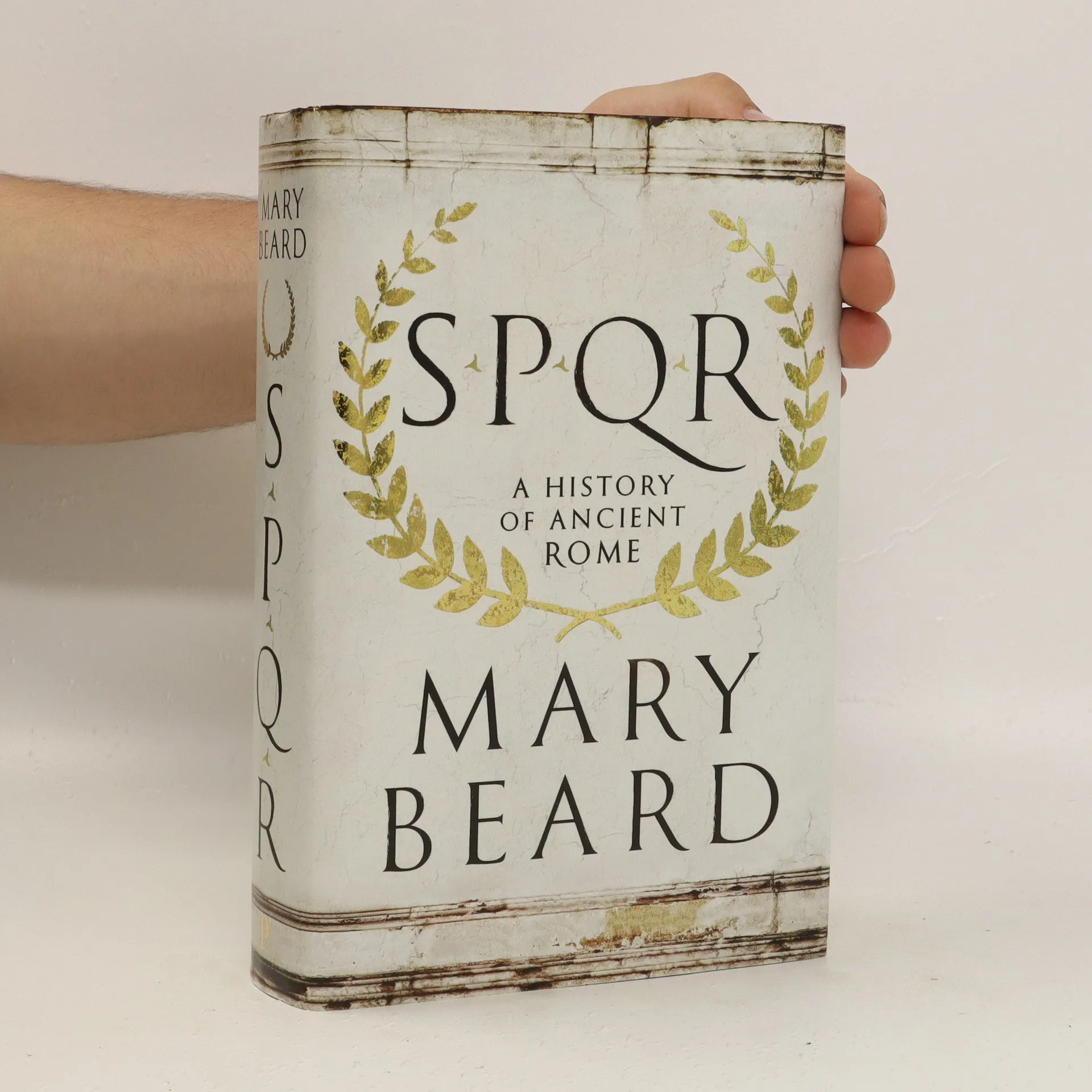
SPQR
A history of Ancient Rome
Sunday Times Top 10 BestsellerShortlisted for a British Book Industry Book of the Year Award 2016Ancient Rome matters. Its history of empire, conquest, cruelty and excess is something against which we still judge ourselves. Its myths and stories - from Romulus and Remus to the Rape of Lucretia - still strike a chord with us. And its debates about citizenship, security and the rights of the individual still influence our own debates on civil liberty today.SPQR is a new look at Roman history from one of the world's foremost classicists. It explores not only how Rome grew from an insignificant village in central Italy to a power that controlled territory from Spain to Syria, but also how the Romans thought about themselves and their achievements, and why they are still important to us.Covering 1,000 years of history, and casting fresh light on the basics of Roman culture from slavery to running water, as well as exploring democracy, migration, religious controversy, social mobility and exploitation in the larger context of the empire, this is a definitive history of ancient Rome.SPQR is the Romans' own abbreviation for their state: Senatus Populusque Romanus, 'the Senate and People of Rome'.
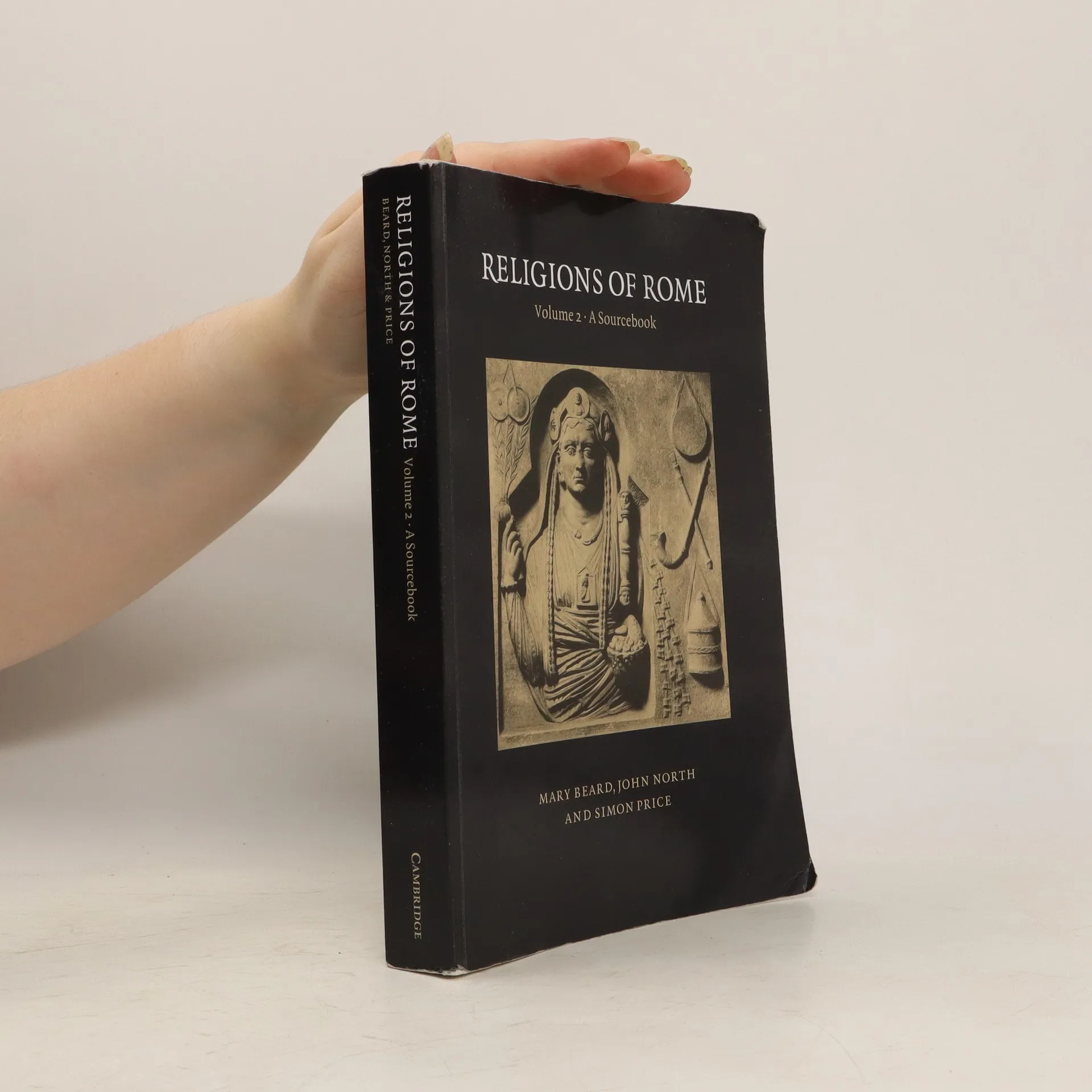
This book, the 2nd of two volumes making up Religions of Rome, presents a range of documents illustrating religious life in the Roman world from the early Republic to the late Empire (visual evidence & texts in translation). More than just a sourcebook, it explores some of the major themes & problems of Roman religion such as sacrifice, the religious calendar, divination & prediction. Each document has an introduction, explanatory notes & bibliography, & is used as the starting point for discussion.Acknowledgements Preface Conventions & abbreviations 1 Earliest Rome 2 The deities of Rome 3 The calendar 4 Religious places 5 Festivals & ceremonies 6 Sacrifices 7 Divination & diviners 8 Priests & priestesses 9 Individuals & gods: life and death 10 Rome outside Rome 11 Threats to the Roman order 12 Religious groups 13 Perspectives Glossary Deities & their epithets Bibliography 1. Literary texts 2. Secondary literature Details of illustrations Index of texts cited General index
New York Times Bestseller One of the Guardian's "100 Best Books of the 21st Century" — "A modern feminist classic." From the internationally acclaimed classicist and New York Times best-selling author comes this timely manifesto on women and power. At long last, Mary Beard addresses in one brave book the misogynists and trolls who mercilessly attack and demean women the world over, including, very often, Mary herself. In Women & Power, she traces the origins of this misogyny to its ancient roots, examining the pitfalls of gender and the ways that history has mistreated strong women since time immemorial. As far back as Homer’s Odyssey, Beard shows, women have been prohibited from leadership roles in civic life, public speech being defined as inherently male. From Medusa to Philomela (whose tongue was cut out), from Hillary Clinton to Elizabeth Warren (who was told to sit down), Beard draws illuminating parallels between our cultural assumptions about women’s relationship to power—and how powerful women provide a necessary example for all women who must resist being vacuumed into a male template. With personal reflections on her own online experiences with sexism, Beard asks: If women aren’t perceived to be within the structure of power, isn’t it power itself we need to redefine? And how many more centuries should we be expected to wait?