

Bookbot

Carmen M. Reinhart

    L'influente opera di Carmen M. Reinhart approfondisce le ripercussioni delle crisi economiche e finanziarie. Esamina meticolosamente dati storici per scoprire schemi ricorrenti e lezioni dal passato, offrendo una prospettiva critica sulla politica economica contemporanea. La capacità della Reinhart di colmare il divario tra intuizioni teoriche e implicazioni pratiche la rende una voce essenziale per comprendere le complessità dell'economia globale.

    Carmen M. Reinhart
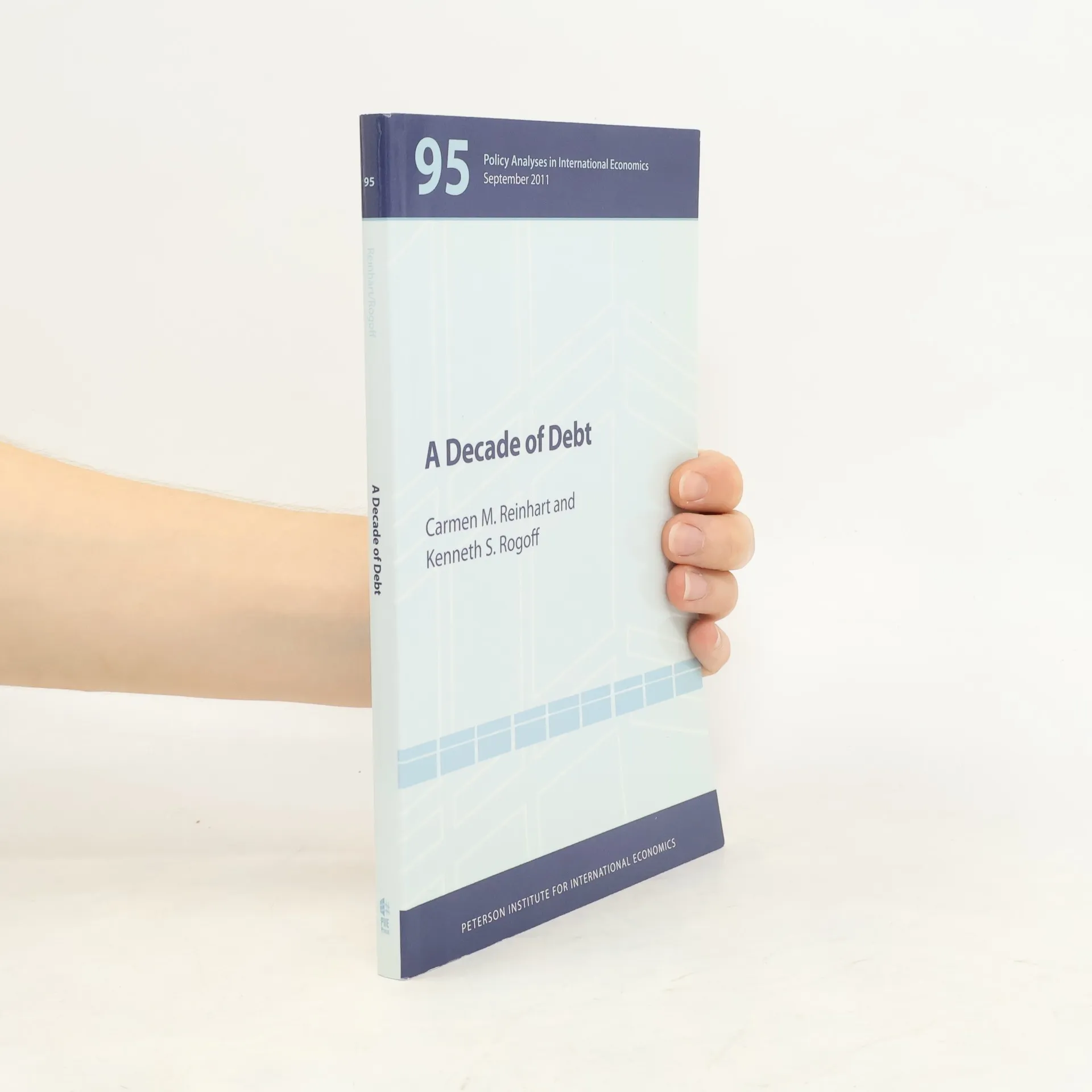
    A Decade of Debt
    Questa volta è diverso. Otto secoli di follia finanziaria
    • Throughout history, countries have experienced a range of financial crises, with experts often declaring, "this time is different," insisting that past lessons no longer apply. In this groundbreaking study, economists Carmen Reinhart and Kenneth Rogoff challenge this notion by examining sixty-six countries over eight centuries. They provide a comprehensive analysis of government defaults, banking panics, and inflationary spikes, from medieval currency debasements to contemporary subprime disasters. The authors argue that financial crises are universal experiences for both emerging and established markets, revealing how little we have learned from history. Their clear analysis and extensive data show that financial downturns occur in clusters, with consistent frequency, duration, and intensity. They explore patterns of currency crashes, hyperinflation, and government defaults on debts, alongside cycles in housing and equity prices, capital flows, unemployment, and government revenues. While nations may survive financial turmoil, Reinhart and Rogoff highlight how short memories facilitate the recurrence of crises. This significant work is poised to influence policy discussions for years, shedding light on centuries of financial missteps.

      Questa volta è diverso. Otto secoli di follia finanziaria
      3,8
    • This book presents evidence that public debts in the advanced economies have surged in recent years to levels not recorded since the end of World War II, surpassing the heights reached during the First World War and the Great Depression. At the same time, private debt levels, particularly those of financial institutions and households, are in uncharted territory and are (in varying degrees) a contingent liability of the public sector in many countries. Historically, high leverage episodes have been associated with slower economic growth and a higher incidence of default or, more generally, restructuring of public and private debts. A more subtle form of debt restructuring in the guise of "financial repression" (which had its heyday during the tightly regulated Bretton Woods system) also importantly facilitated sharper and more rapid debt reduction than would have otherwise been the case from the late 1940s to the 1970s. It is conjectured here that the pressing needs of governments to reduce debt rollover risks and curb rising interest expenditures in light of the substantial debt overhang (combined with the widespread "official aversion" to explicit restructuring) are leading to a revival of financial repression--including more directed lending to government by captive domestic audiences (such as pension funds), explicit or implicit caps on interest rates, and tighter regulation on cross-border capital movements.

      A Decade of Debt
      4,2