

Bookbot

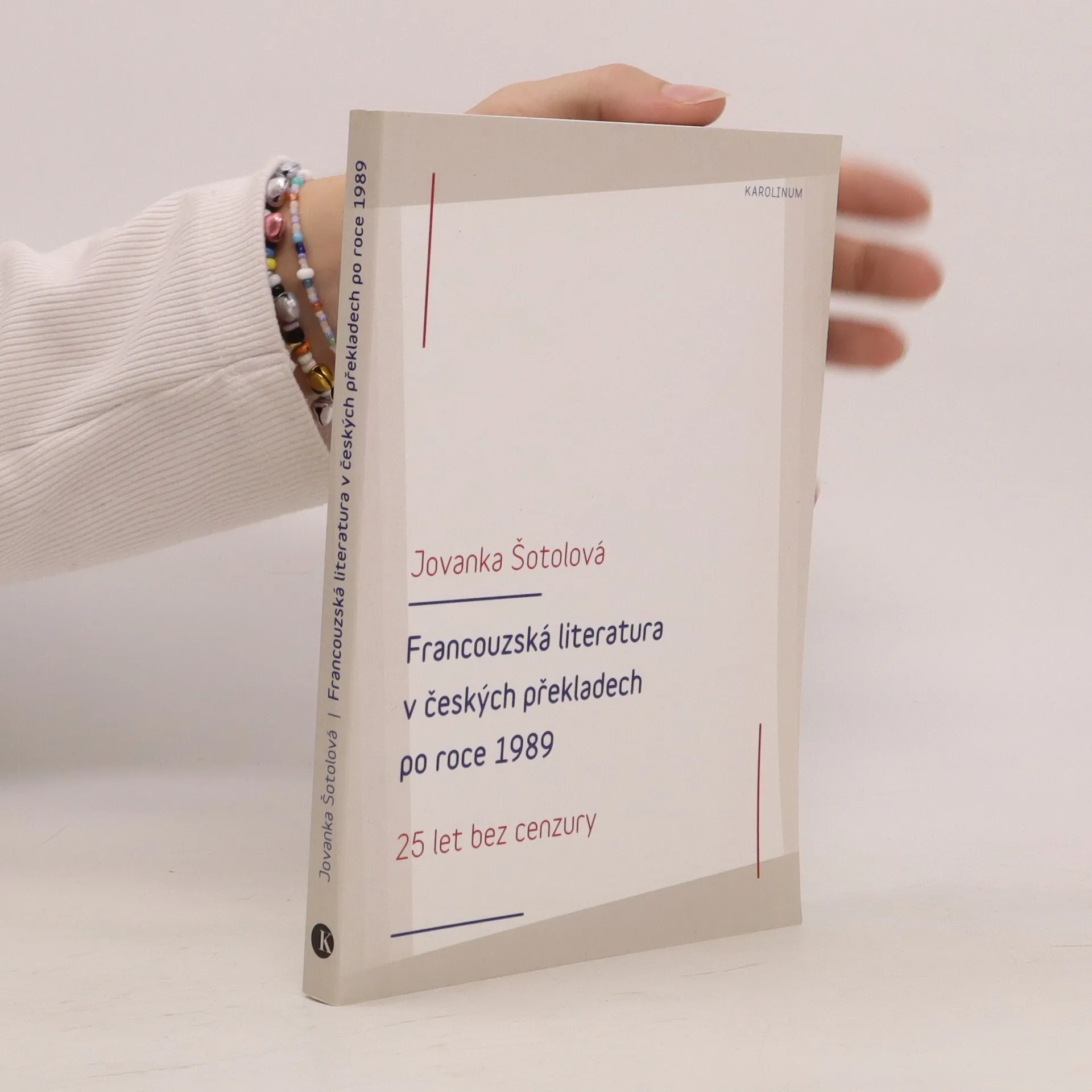
Jovanka Šotolová

    Jovanka Šotolová
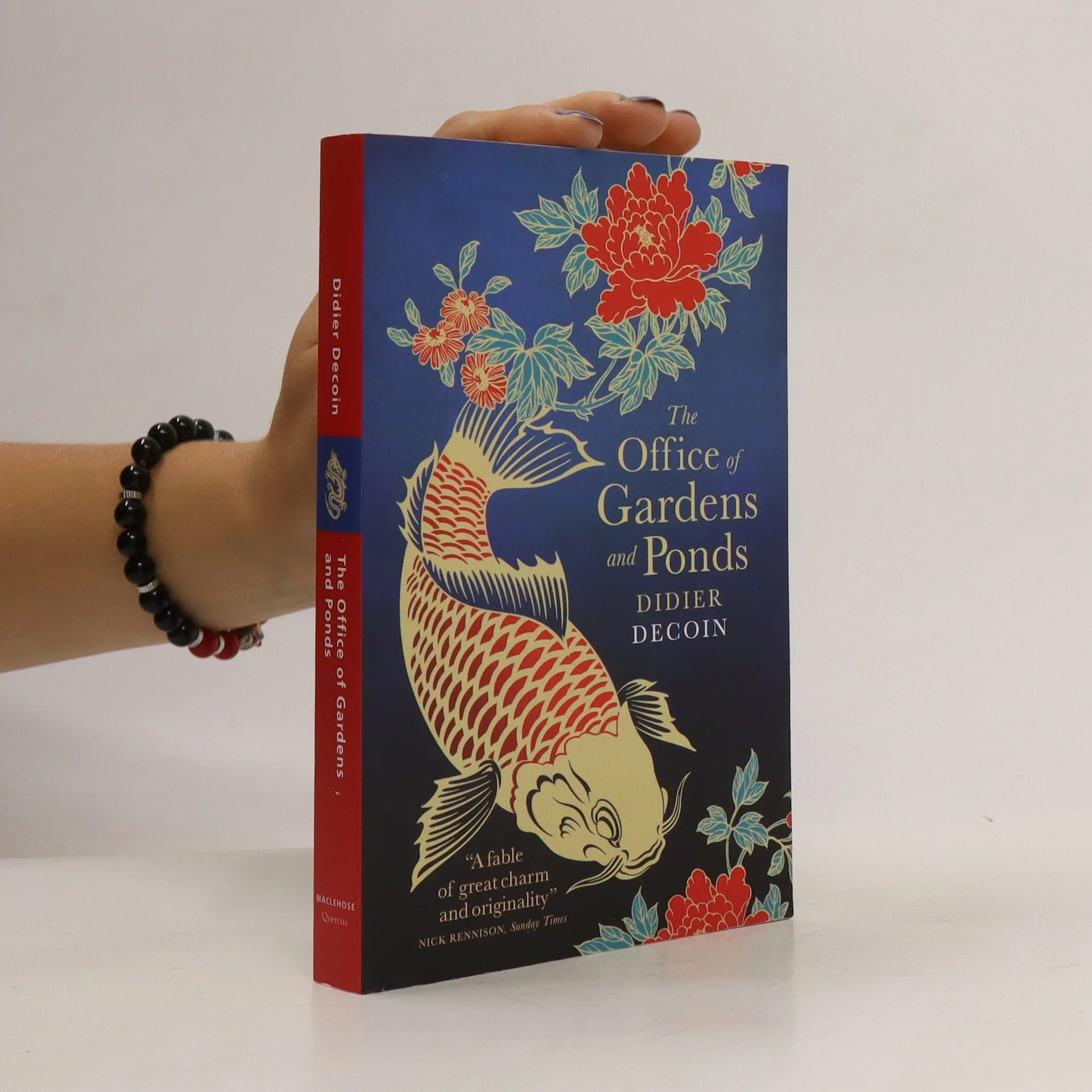
    The Office of Gardens and Ponds
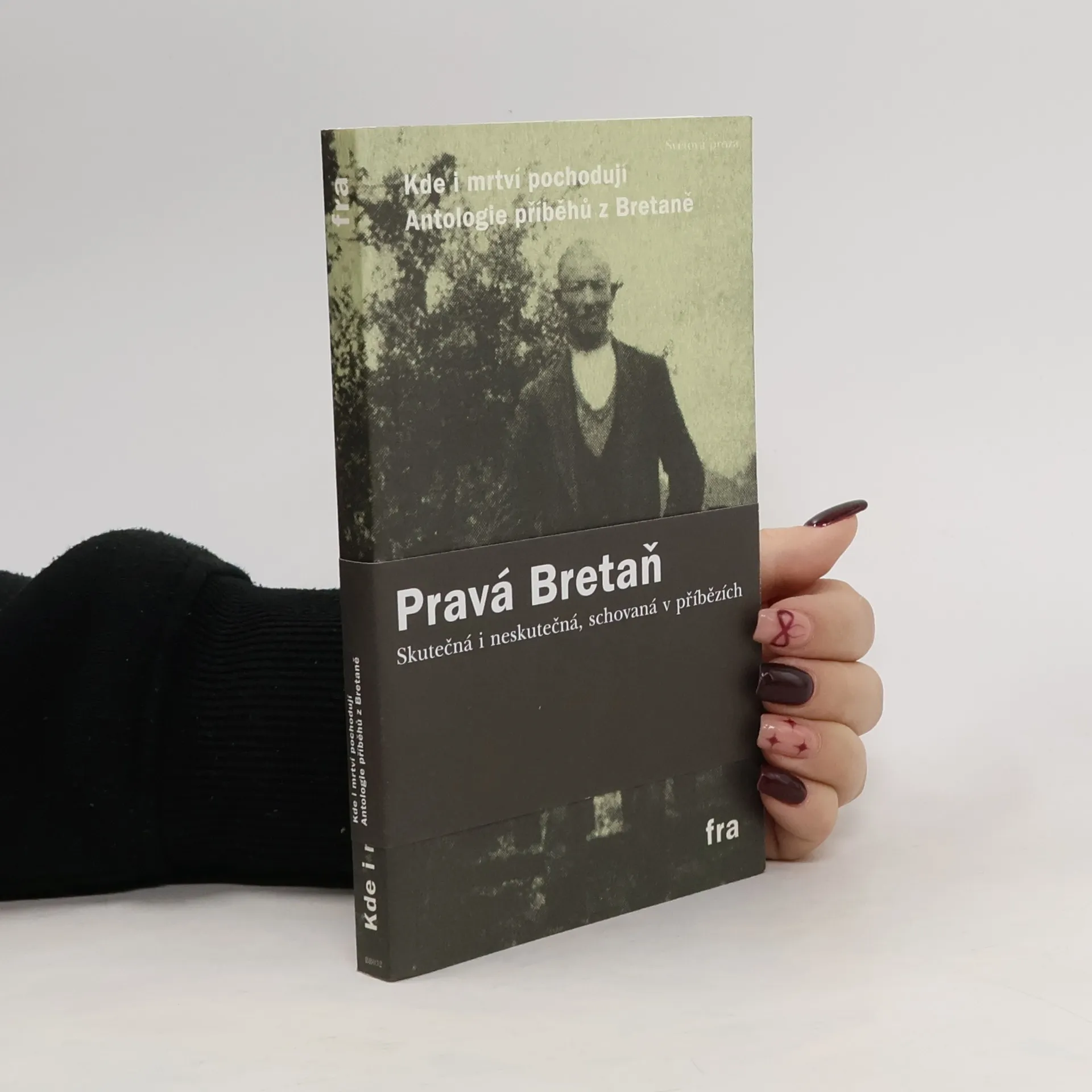
    Kde i mrtví pochodují : antologie příběhů z Bretaně
    Podobenství
    Catherine Certitude
    Waiting for Bojangles
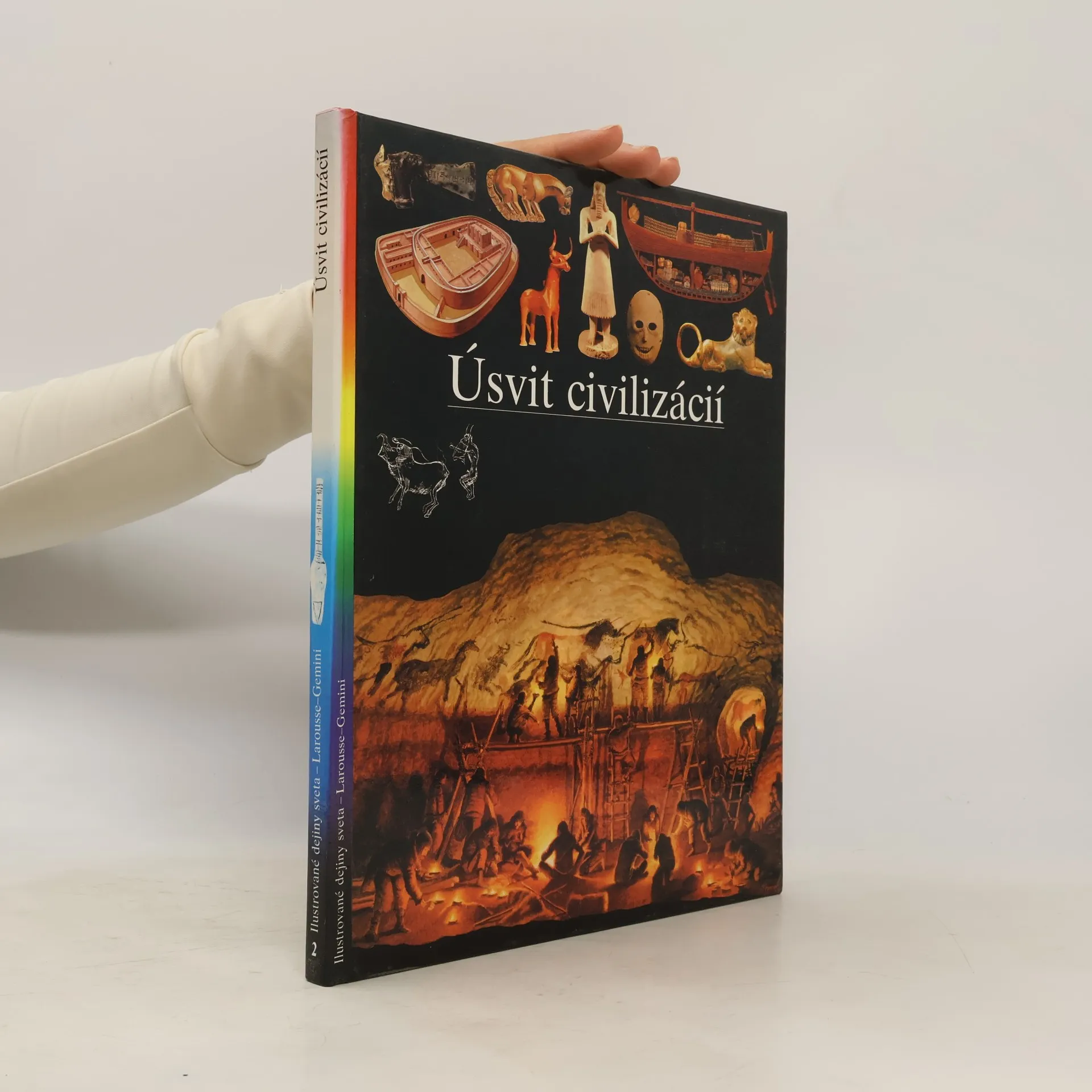
    Úsvit civilizácií
    • Kapitoly: Doba sobov v Európe-Paleolit: kedy a kde ?, Územie lovcov, Organizovanie bývania, Leto na brehu Seiny, Umenie vo všetkých podobách, Dvadsať tisícročí jaskynného umenia, Lascaux, jaskyňa-svätyňa, Myšlienky na záhrobie, Tváre paleolitu. Prví roľníci, prví remeselníci-Ovládnutie prírody, Život v dedine, Megality, Stavba megalitu, Remeselníci... a bojovníci, Vládcovia ohňa, Pochovávanie a viera, Neolit: revolúcia. Z prehistórie Sumeru-Život v dedinách, Zrodenie miest, Vynájdenie písma, Bohovia Mezopotámie, Prvé dynastie Sumeru, Sumerská renesancia, Kráľ-staviteľ, Obchodné cesty, Kolíska civilizácií. Ríša "Štyroch strán sveta"-Chammurapi, kráľ-zákonodarca, Palác v Mari, Mocní vládcovia z Asýrie, Aššurbanipal zoči-voči levom, Marduk, vládca Babylónu, Vedy a mágia v Babylóne, Literatúra v Mezopotámii, Tajomstvá klinového písma, Urartu. Národy starovekého východu-Súzy a Elam, Mesto bohov, Chetitská ríša, Prístavy Levanty, Feničania, Rozšírenie písma, Vynájdenie abecedy, Peržania, Židia. Jazdci a kováči-Skýti, Hochdorf, Zlatníctvo, Kelti v Itálii, Diplomacia, Prechod cez Alpy, Keltské náboženstvo, Bibracte, Vidiek v železnej dobe.
      Úsvit civilizácií
      4,7
    • Waiting for Bojangles

      • 176pagine
      • 7 ore di lettura

      An “oddball fairy tale” (The New York Times)—shortlisted for one of France’s highest literary prizes—a dark, funny, and wholly charming novel about a young boy and his eccentric family, who grapple with the realities of mental illness in unique and whimsical ways. A young boy lives with his madcap parents, Louise and George, and an exotic bird in a Parisian apartment, where the unopened mail rises in a tower by the door and his parents dance each night to Nina Simone’s mellifluous classic “Mister Bojangles.” As his mother, mesmerizing and unpredictable, descends deeper into her own mind, it is up to the boy and his father to keep her safe—and, when that fails, happy. Fleeing Paris for a country home in Spain, they come to understand that some of the most radiant people bear the heaviest burdens. Told from the perspective of a young boy who idolizes his parents—and from George’s journals, detailing his epic love story with his wife—Waiting for Bojangles is a “lighthearted and yet sorrowful tale” (San Francisco Chronicle) that will stay with you long after the final page.

      Waiting for Bojangles
      4,3
    • A classic French story from Nobel Prize-winner Patrick Modiano and celebrated illustrator Jean-Jacques Sempé. Beautifully illustrated, this is a love letter to Paris, ballet and childhood for fans of The Little Prince, Le Petit Nicholas and Madeline.Catherine lives with her gentle father, Georges Certitude, who runs a shipping business in Paris with a failed poet named Casterade. Father and daughter share the simple pleasures of daily life: sitting in the church square, walking to school, going to her ballet class every Thursday afternoon. But just why did Georges change his name to Certitude? What kind of trouble with the law did Casterade rescue him from? And why did Catherine's ballerina mother leave to return to New York?

      Catherine Certitude
      4,2
    • Podobenství

      • 116pagine
      • 5 ore di lettura

      Do provinčního hotelu vchází Bůh, jenž na sebe vzal lidskou podobu, přijal jméno Vincent Lauze. Celé dny spí, nebere telefon, občas vychází na bezcílnou procházku okolím. Recepční, starší dáma, nad ním drží ochrannou ruku. Přece se jí ale nepodaří uchránit ho před všetečnými otázkami ostatních hostů, před návštěvami policejního komisaře, duchovního i samotného ďábla, jenž jako by byl jeho dvojčetem. Bůh a la Vincent Lauze s nimi trpělivě hovoří, avšak přeje si jediné: pokojně, v dřímotě zmizet navždy. Smrt vchází do pokoje se setměním a moc se těší. Dokáže si odvést odevzdaného Vincenta Lauzeho?

      Podobenství
      4,0
    • Mrtví v bretonské tradici ve skutečnosti nezemřeli, pouze žijí ve světě paralelním k tomu našemu. Ten se probouzí, když my živí večer uléháme ke spánku. Mrtví se za noční tmy vracejí do svých příbytků, na pole či vyplouvají na moře. Oba světy se protnou na svátek Všech svatých a při svatojánské noci, jež nám živým nabízejí příležitost shledat se s dušemi mrtvých. Takové setkání nabízí i tato antologie, v níž i mrtví pochodují a jsou připraveni vzít vás s sebou na dávné pobřeží Armoriky. Někdy stačí jen chytit za ocas ještěrku… anebo rovnou ještěra?

      Kde i mrtví pochodují : antologie příběhů z Bretaně
      4,0
    • The Office of Gardens and Ponds

      • 320pagine
      • 12 ore di lettura

      The village of Shimae is thrown into turmoil when master carp-catcher Katsuro suddenly drowns in the murky waters of the Kusagawa river. Who now will carry the precious cargo of carp to the imperial palace and preserve the crucial patronage that everyone in the village depends upon? Step forward Miyuki, Katsuro's grief-struck widow and the only remaining person in the village who knows anything about carp. She alone can undertake the long, perilous journey to the imperial palace, balancing the heavy baskets of fish on a pole across her shoulders, and ensure her village's future. So Miyuki sets off. Along her way she will encounter a host of remarkable characters, from prostitutes and innkeepers, to warlords and priests with evil in mind. She will endure ambushes and disaster, for the villagers are not the only people fixated on the fate of the eight magnificent carp. But when she reaches the Office of Gardens and Ponds, Miyuki discovers that the trials of her journey are far from over. For in the Office of Gardens and Ponds, nothing is quite as it seems, and beneath its veneer of refinement and ritual, there is an impenetrable barrier of politics and snobbery that Miyuki must overcome if she is to return to Shimae.

      The Office of Gardens and Ponds
      4,1
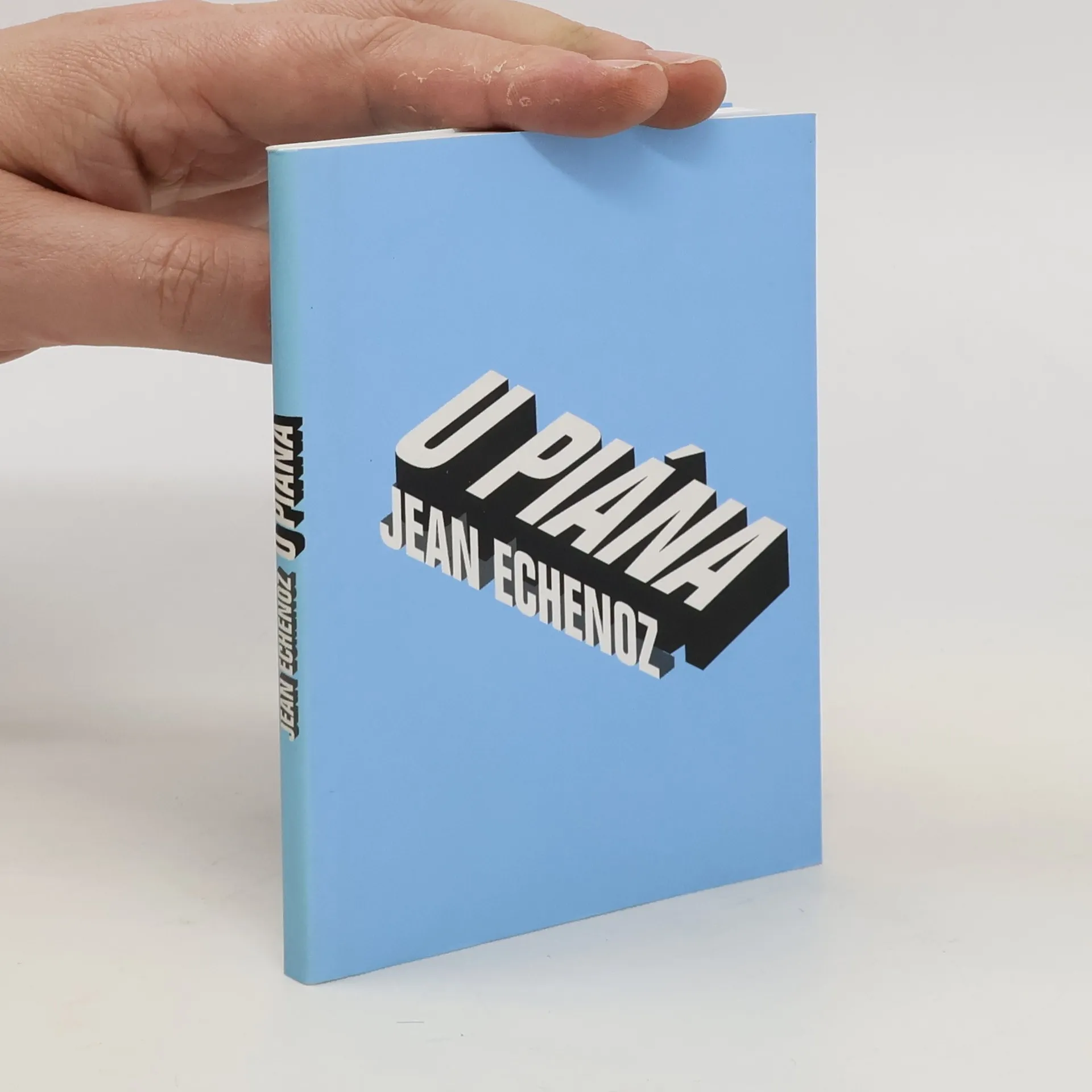
    • U piána

      • 146pagine
      • 6 ore di lettura

      Román U piána vypráví o Maxi Delmarcovi, jenž je celou svou bytostí oddán hudbě, a to dokonce i poté, co se z bytosti stává jen přízrak, k čemuž dojde dvaadvacet dní (a osmdesát šest stran) od chvíle, kdy ho čtenář poznal - je totiž zavražděn. Dále pak postava v románu vystupuje v této záhrobní podobě. Max trpí nezměrnou trémou, již zvládá jedině pomocí alkoholu. Jakmile ale sedí u klavíru a začne hrát, napětí mizí. Na rozdíl od předchozích románů, například Jdu nebo Velké blondýny (Les Grandes blondes, 1995), se vypravěč tentokrát zaměřuje na jedinou postavu, jediný osud, tedy na zmíněného Maxe.

      U piána
      4,0
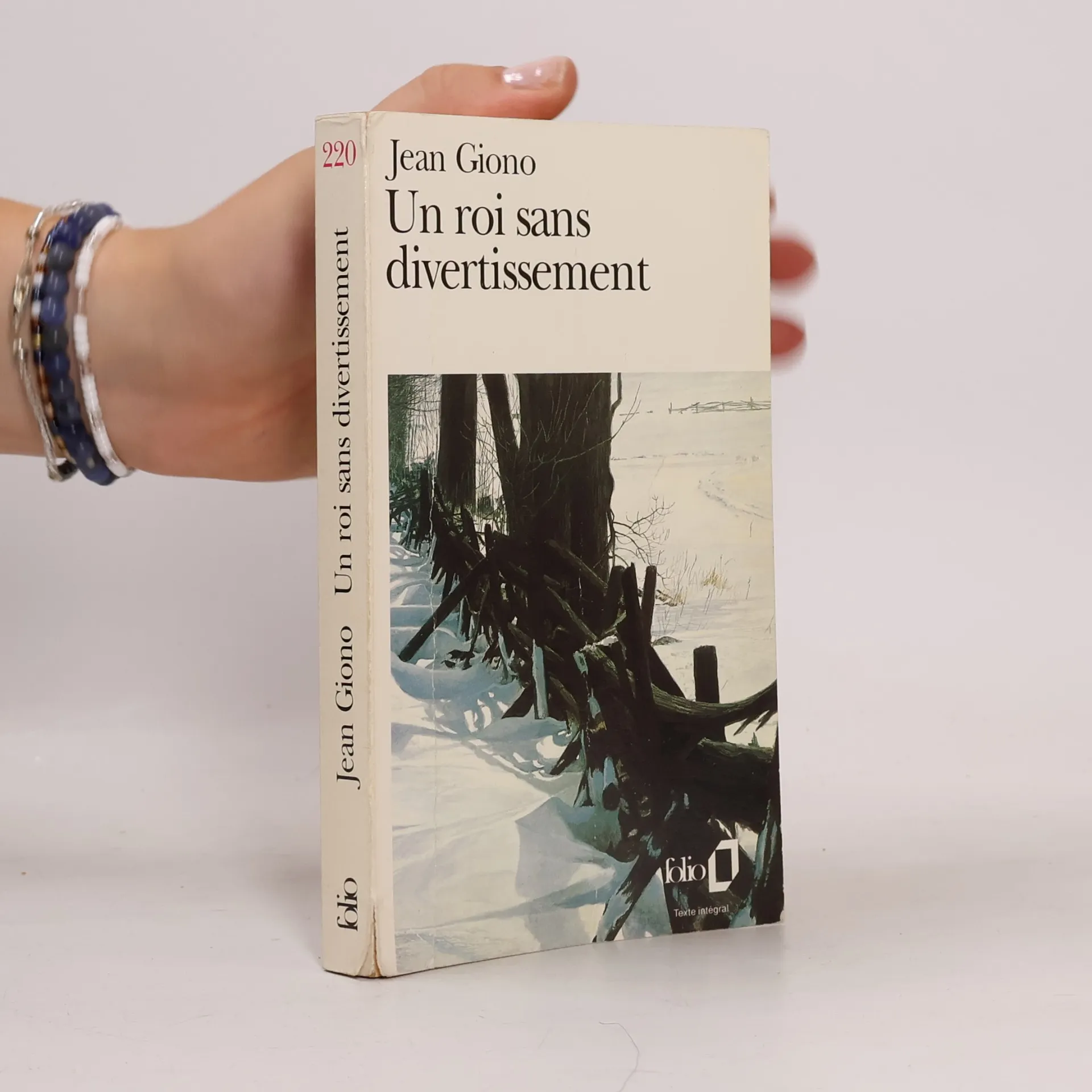
    • Seulement, ce soir-là, il ne fumait pas un cigare : il fumait une cartouche de dynamite. Ce que Delphine et Saucisse regardèrent comme d'habitude, la petite brise, le petit fanal de voiture, c'était le grésillement de la mèche. Et il y eut, au fond du jardin, l'énorme éclaboussement d'or qui éclaira la nuit pendant une seconde. C'était la tête de Langlois qui prenait, enfin, les dimensions de l'univers. Qui a dit : "Un roi sans divertissement est un homme plein de misères " ?

      Un roi sans divertissement
      4,0
    • Ravel

      • 128pagine
      • 5 ore di lettura

      Ravel is a beguiling and original evocation of the last ten years in the life of the musical genius Ravel, written by novelist Jean Echenoz. The book opens in 1928 as Maurice Ravel—dandy, eccentric, curmudgeon—crosses the Atlantic abroad the luxury liner the SS France to begin his triumphant grand tour of the United States. A “master magician of the French novel” (The Washington Post), Echenoz captures the folly of the era as well as its genius, including Ravel’s personal life—sartorially and socially splendid—as well as his most successful compositions from 1927 to 1937. Illuminated by flashes of Echenoz’s characteristically sly humor, Ravel is a delightfully quirky portrait of a famous musician coping with the ups and downs of his illustrious career. It is also a beautifully written novel that’s a deeply touching farewell to a dignified and lonely man going reluctantly into the night.

      Ravel
      3,9
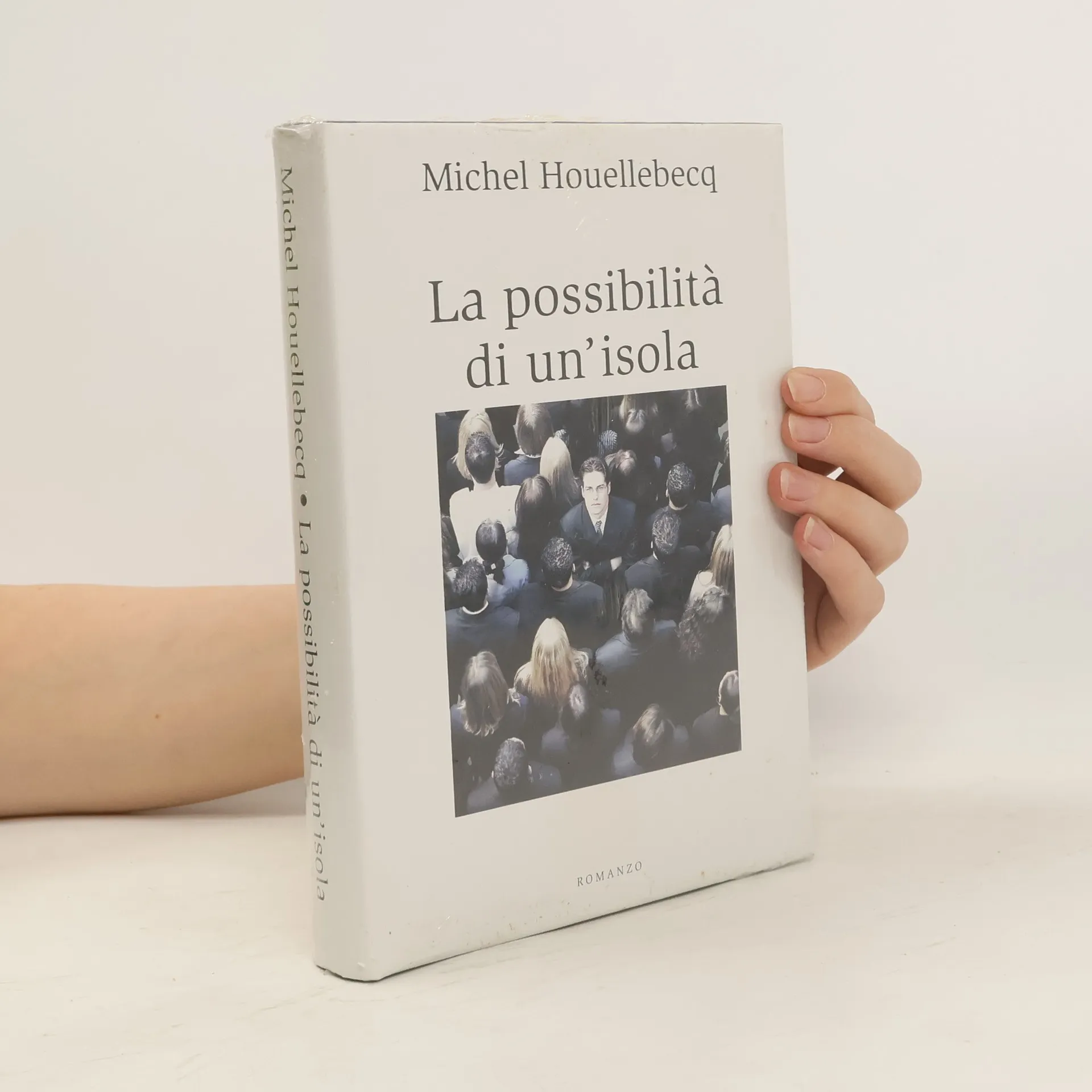
    • The possibility of an island

      • 423pagine
      • 15 ore di lettura

      Who, among you, deserves eternal life? Daniel is a highly successful stand-up comedian who has made a career out of playing outrageously on the prejudices of his public. But at the beginning of the twenty-first century, he has begun to detest laughter in particular and mankind in general. Despite this, Daniel is unable to stop himself believing in the possibility of love. A thousand years on, war, drought and earthquakes have decimated the earth and Daniel24 lives alone in a secure compound - his only companion, a cloned dog named Fox. Outside, the remnants of the human race roam in packs, while Daniel24 attempts to decipher his predecessor's history. In a nightmarish vision of the implosion of the modern world, he, like his predecessor attempts to fathom the meaning of love, sex, suffering and regret.

      The possibility of an island
      3,9
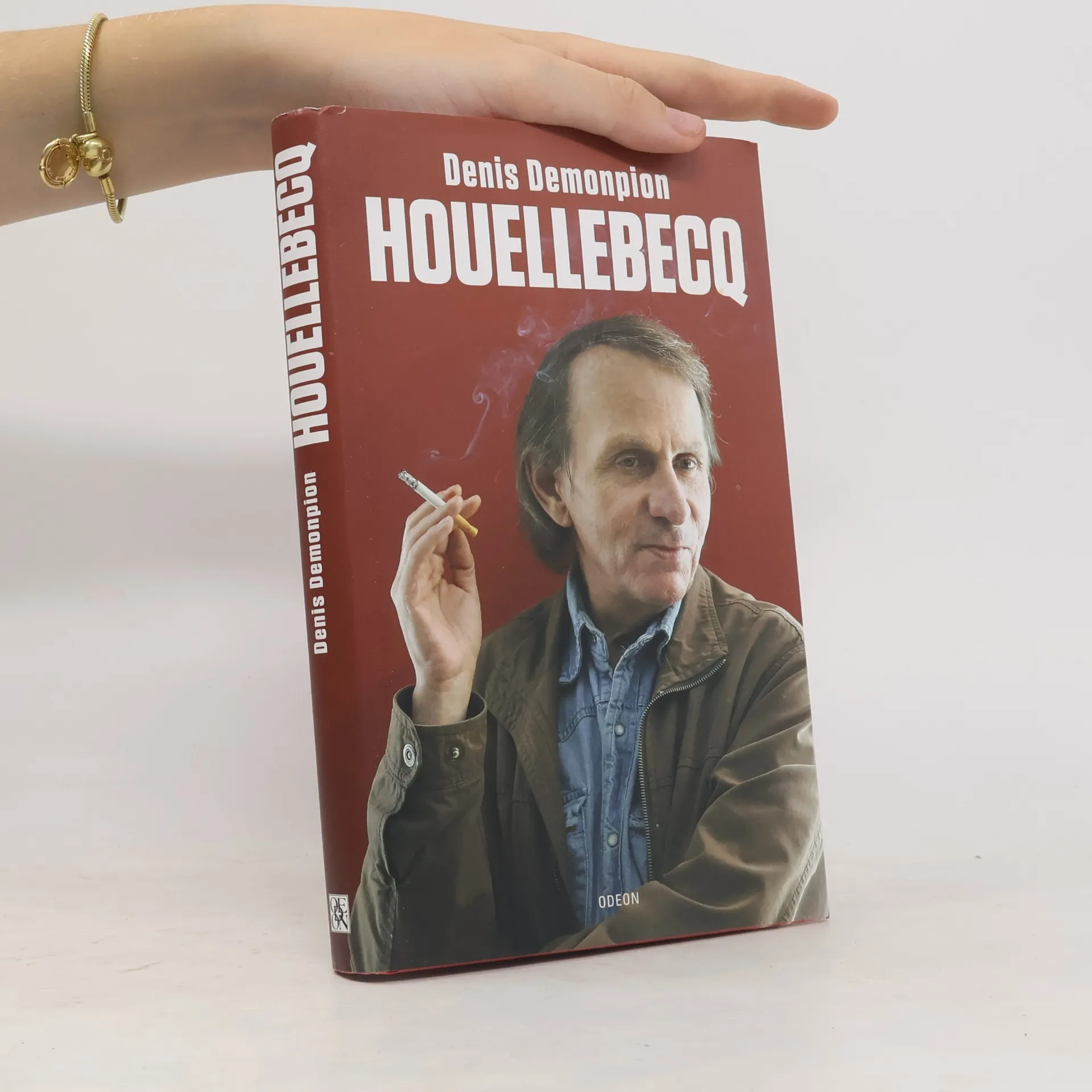
    • „Michel Houellebecq se stal marketingovým produktem, značkou. Jeho názor má cenu, chtějí po něm, aby se vyjadřoval ke kdečemu… Je vidět, vystupuje jako moudrý muž, naparuje se, baví své publikum svým číslem starého smutného šaška. Pořád má ovšem i čas psát.“ Novinář Denis Demonpion nabízí aktualizovanou a rozšířenou verzi životopisu původně vydaného v roce 2005. Michel Houellebecq je významným spisovatelem, jeho knihy vycházejí po celém světě, vznikají filmové, divadelní, rozhlasové adaptace. Jeho romány i básně se dnes studují v akademickém prostředí. Ačkoli si pěstuje pověst nepříjemného a nepřístupného společníka, je laureátem Goncourtovy ceny a před časem se stal nositelem Řádu čestné legie. Tyká si se současným francouzským prezidentem i s jedním z jeho předchůdců. To vše považoval Demonpion za důležité: text doplnil o nové poznatky a vydal znovu. Český čtenář může číst Houellebecqovy prózy v překladech od roku 2004. Teprve nyní vychází kniha o něm – o tomto francouzském fenoménu současnosti.

      Houellebecq
      3,6
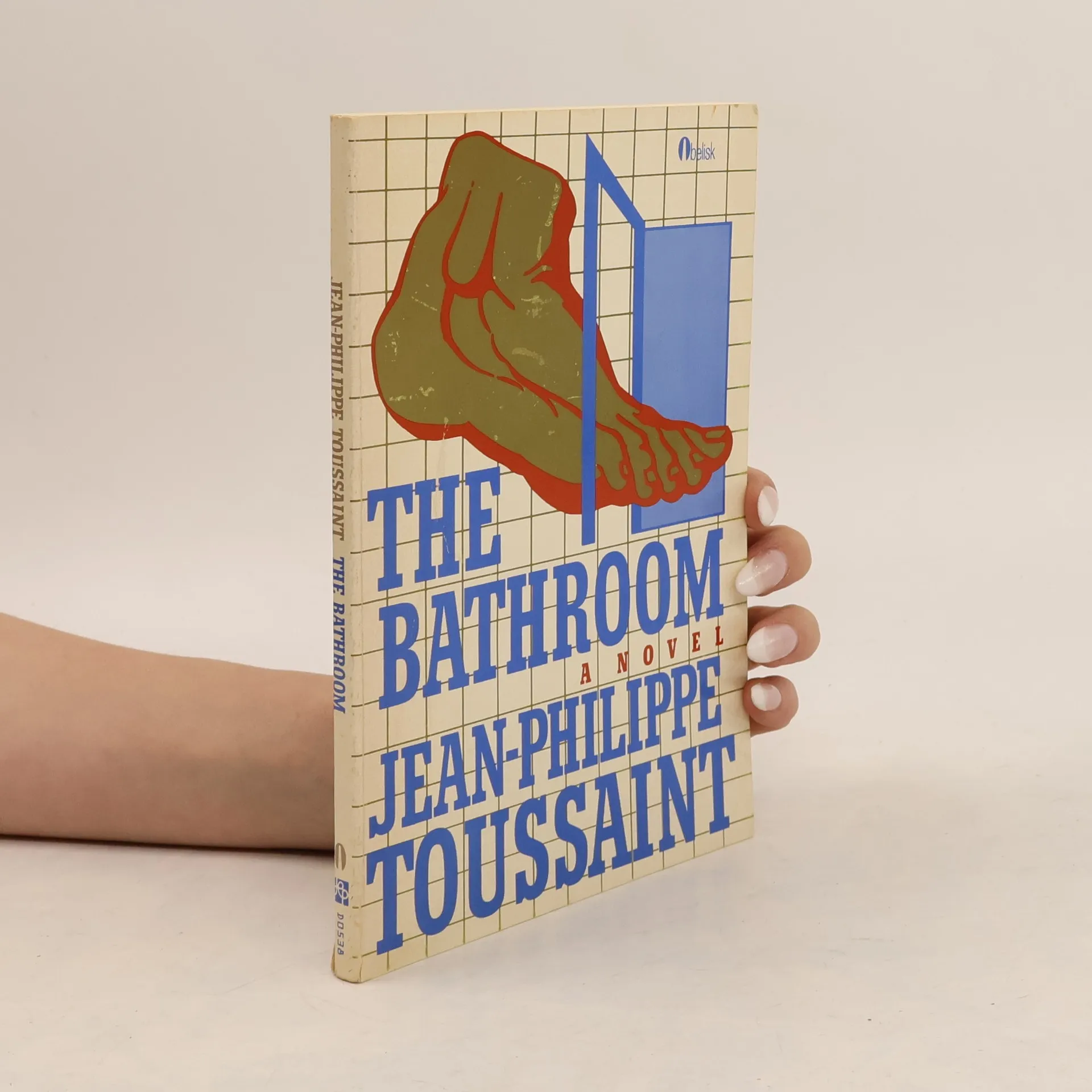
    • Das Badezimmer

      Roman

      • 123pagine
      • 5 ore di lettura

      Ein junger Mann, der sich als „noch 27, bald 29 Jahre alt“ beschreibt, beschließt, sein Leben in der Badewanne zu verbringen. Er strebt ein abstraktes, ungestörtes Leben an und verrät nicht, warum. In dieser Isolation liest er Bücher und reflektiert über seine Gedanken. Um ihn herum gibt es verschiedene Figuren: Edmondsson, seine Frau aus einer Kunstgalerie, zwei polnische Maler, die seine Küche streichen sollen, einen besorgten Freund der Familie und seine Mutter, die ihn besucht. Eines Tages verlässt er jedoch hastig sein Badezimmer, reist nach Venedig und bezieht ein Hotelzimmer, das er selten verlässt. Dort spielt er Dart und sucht nach einem Tennisplatz. Als Jean-Philippe Toussaint 1985 „Das Badezimmer“ veröffentlichte, brachte er frischen Wind in die stagnierende französische Romanlandschaft. Mit einem klaren, kargen Stil und einer kuriosen Geschichte präsentierte er sich als neuer, bedeutender Autor, der die ernsten und komischen Elemente von Samuel Beckett und Jacques Tati vereint. Im Herbst 2004 erschien dieser moderne Klassiker in neuer Übersetzung. Toussaint, 1957 in Brüssel geboren, lebt heute abwechselnd in Brüssel und auf Korsika und hat mehrere Romane sowie Filmdrehbücher verfasst. Sein zuletzt erschienener Roman „Sich lieben“ war ebenfalls erfolgreich.

      Das Badezimmer
      3,6
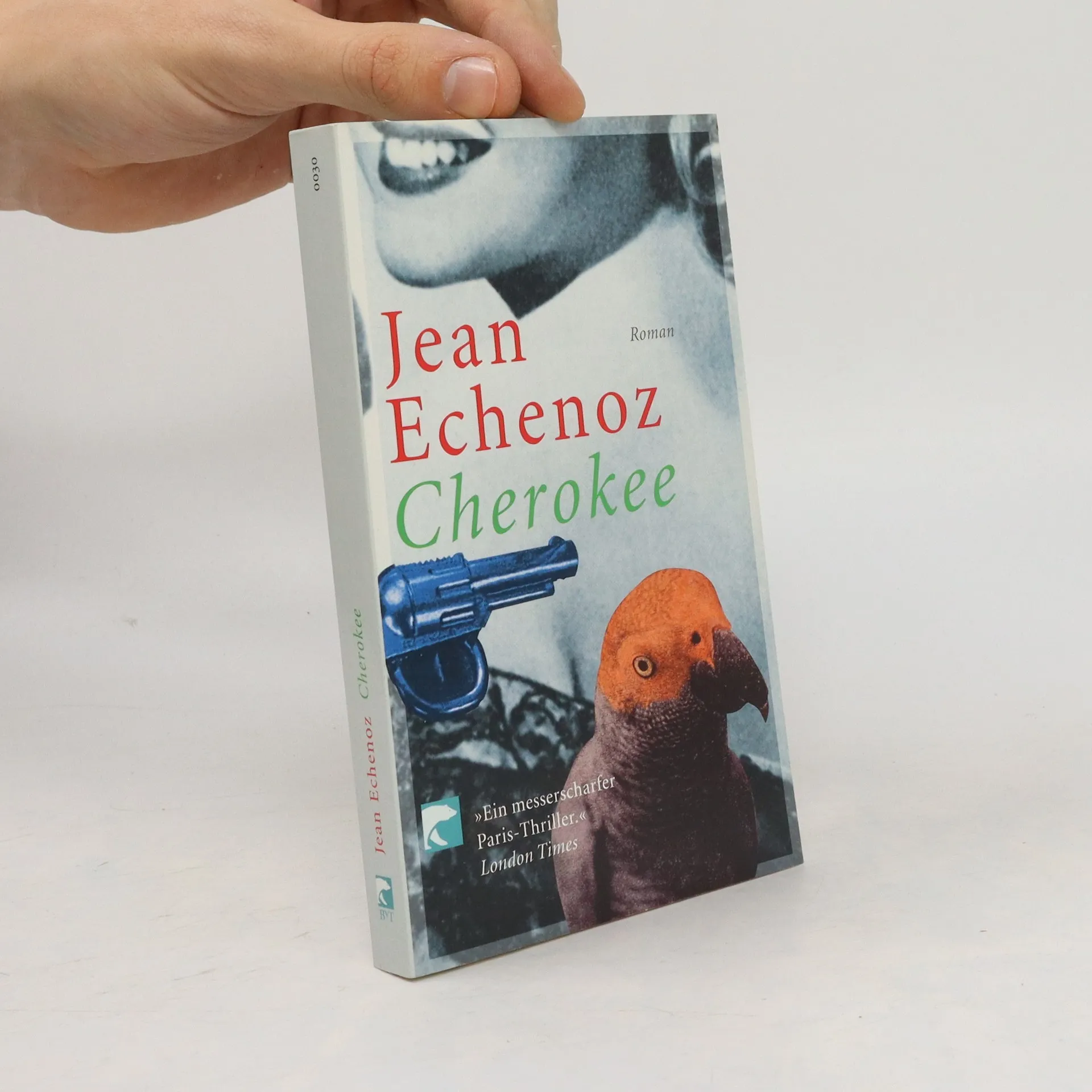
    • Cherokee

      • 231pagine
      • 9 ore di lettura

      Georges Chave, né à Ivry-sur-Seine le jour de la bataille d'Okinawa, domicilié à Paris dans le 11e arrondissement. Vit de peu. Meuble son existence d'une activité de bars, de cinémas, de voyages en banlieue, de sommeils imprévus, d'aventures provisoires. Écoute souvent des disques américains ; l'un de ces disques lui manque, une version rare de Cherokee, qu'on lui a dérobé il y a dix ans. Tout cela n'est rien, mais il s'en contente jusqu'à ce que Véronique surgisse dans sa vie. Dès lors Georges s'agite un peu.

      Cherokee
      3,4
    • Un pedigrí

      • 144pagine
      • 6 ore di lettura

      París, octubre de 1942. Un hombre y una mujer se conocen durante la ocupación de la ciudad. Él es un judío de origen toscano, ella una belga que persigue el sueño de convertirse en bailarina. Se casan y tienen dos hijos, uno de los cuales es Patrick Modiano. Durante veinte años viven juntos en un piso del muelle de Conti. A su alrededor, un mundo de personajes extraños: hombres de negocios cuyas tareas son siempre misteriosas, actrices de tres al cuarto dispuestas a cualquier cosa, aman-tes de personajes famosos, alcahuetes y aristócratas decadentes de dudosa sexualidad. Son hombres y mujeres que intentan huir de la guerra y las deportaciones, y tratan de arreglárselas en la difícil existencia de la posguerra. Un universo de rostros con el que Modiano reconstruye un carné de identidad personal. Pero también el cuadro de una época extraña en la que se presiente el desastre. Un texto autobiográfico clave para entender la obra de este extraordinario autor. «Su documentación sobre la ocupación, la resistencia, la expulsión, la deportación, el exilio, la colaboración y la guerra de Argelia es fenomenal» (Joseph Animan, Frankfurter Allgemeine Zeitung); «Una hoguera de sufrimiento que hay que arrancar de uno evitando quemarse» (Michèle Gazier, Télérama).

      Un pedigrí
      3,2
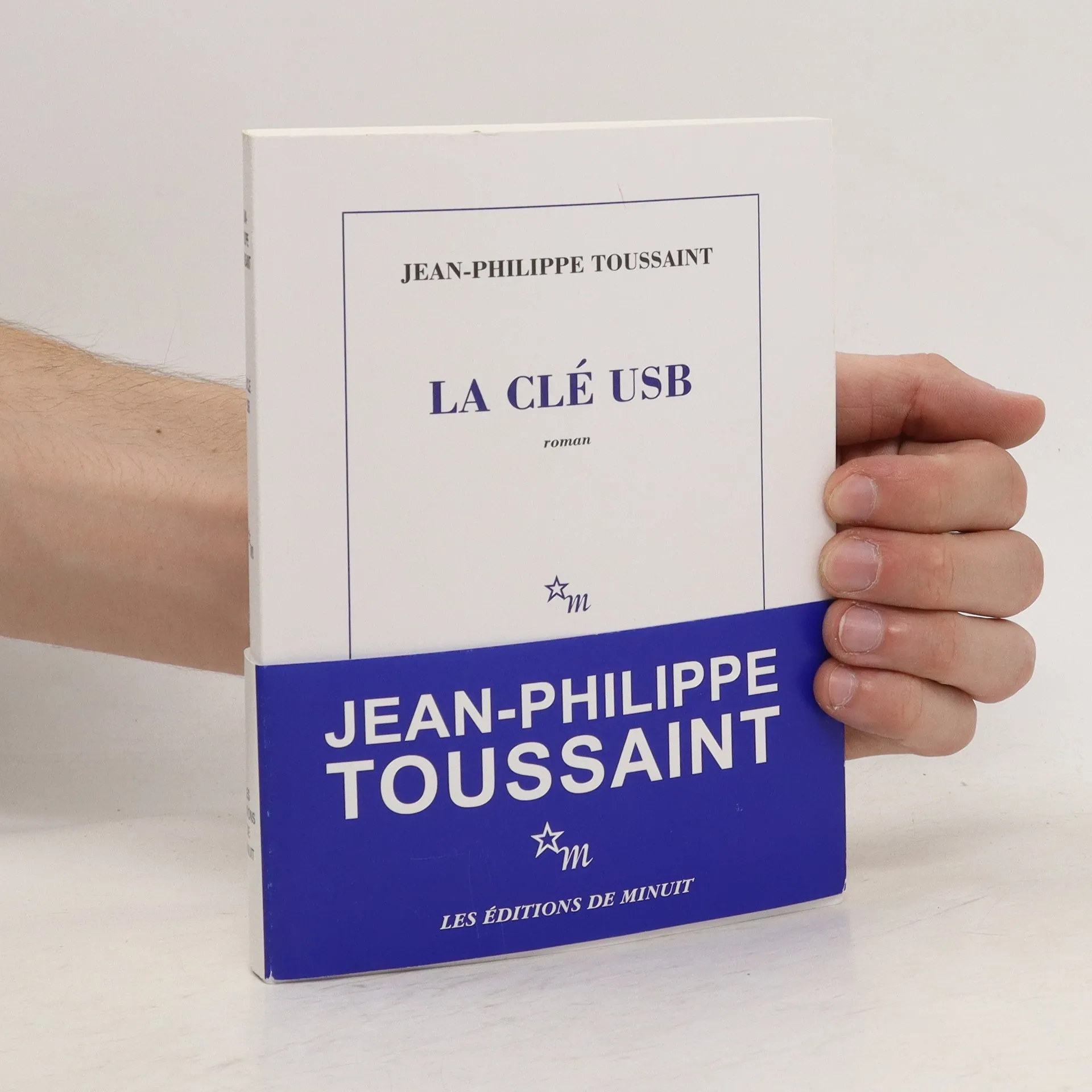
    • La clé USB

      • 190pagine
      • 7 ore di lettura

      Lorsqu’on travaille à la Commission européenne dans une unité de prospective qui s’intéresse aux technologies du futur et aux questions de cybersécurité, que ressent-on quand on est approché par des lobbyistes ? Que se passe-t-il quand, dans une clé USB qui ne nous est pas destinée, on découvre des documents qui nous font soupçonner l’existence d’une porte dérobée dans une machine produite par une société chinoise basée à Dalian ? N’est-on pas tenté de quitter son bureau à Bruxelles et d’aller voir soi-même, en Chine, sur le terrain ?

      La clé USB
      3,1
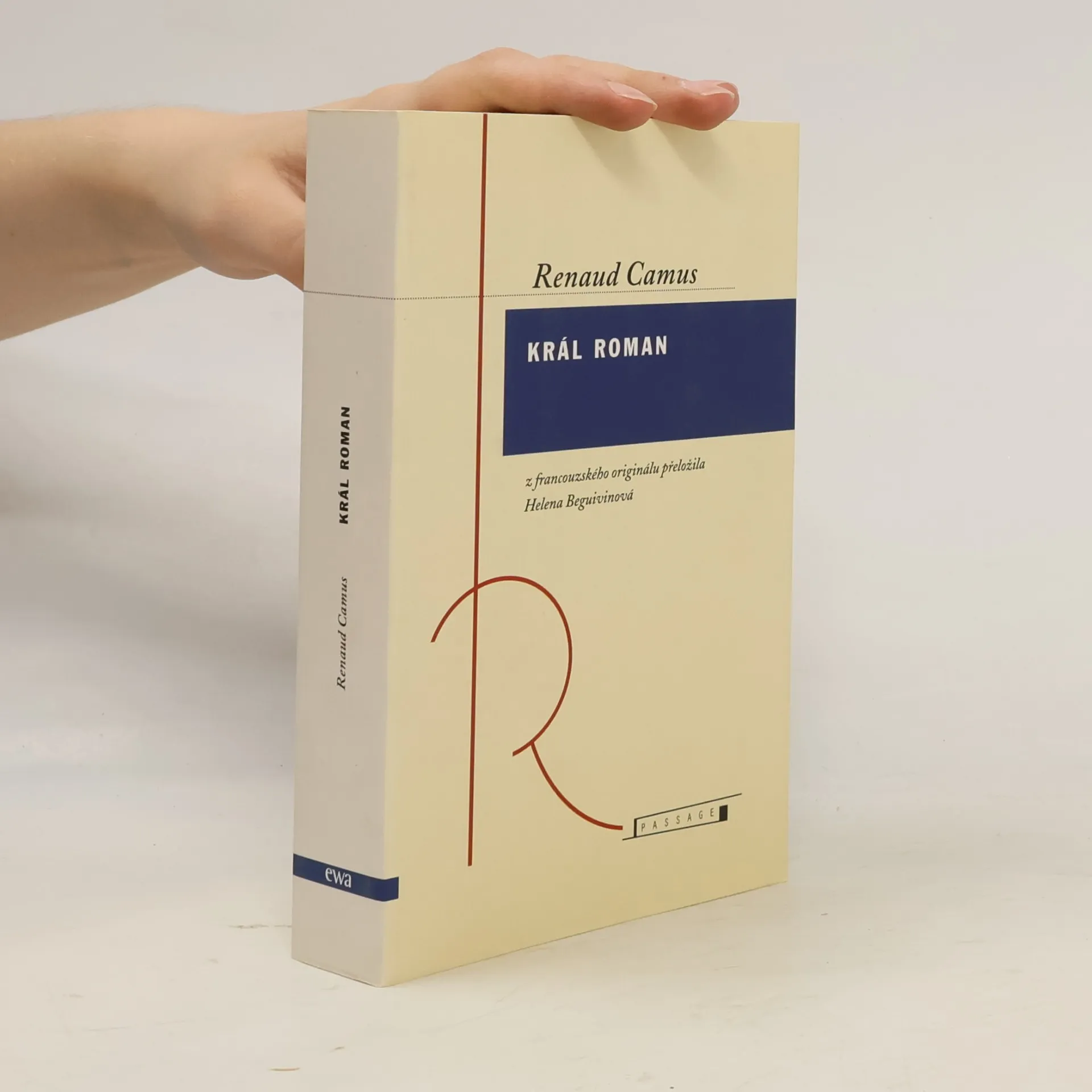
    • Král Roman (Roman Roi), také román král či královský román o králi Romanovi, vyšel v roce 1983. Barvitá historie fiktivního království Karonska do roku 1948 na pozadí skutečných událostí je nejen historickým dokumentem, ale i dramatem o lásce, dobrodružství a konspiraci. Fikci a fakta autor mistrně proplétá a čtenář má dojem prožitku reality.

      Král Roman
    • Analýza bibliografického korpusu francouzsky psaných beletristických knih, které vyšly v českých překladech v rozmezí let 1989 až 2013, ukazuje některé známé skutečnosti, ale i nečekané zajímavé detaily. Snaží se najít odpovědi na otázky typu: Jak známe francouzskou literaturu? Čeho si na ní ceníme? Máme možnost si česky přečíst všechny důležité knihy francouzských autorů? Zdá se, že čeští čtenáři vyhledávají především dobrodružné příběhy, ať už jim je poskytují romány z 19. století, anebo díla současná. Literatura s komerčním potenciálem převažuje – ale jak se daří nakladatelům odhadnout, které knihy půjdou na odbyt? Nestačí vsadit na to, že se kniha stala bestsellerem ve Francii. Obecně se vyplatí vydávat tituly napsané na základě historických událostí, společenské romány, detektivky nebo sci-fi. Na řadu ovšem přicházejí i erotické novely autorů jako Apollinaire nebo Musset, popřípadě Simenon, pro hloubavější povahy raději Malý Princ. Absolutní „francouzskou jedničkou“ je však u nás dlouhodobě Jules Verne.

      Francouzská literatura v českých překladech po roce 1989