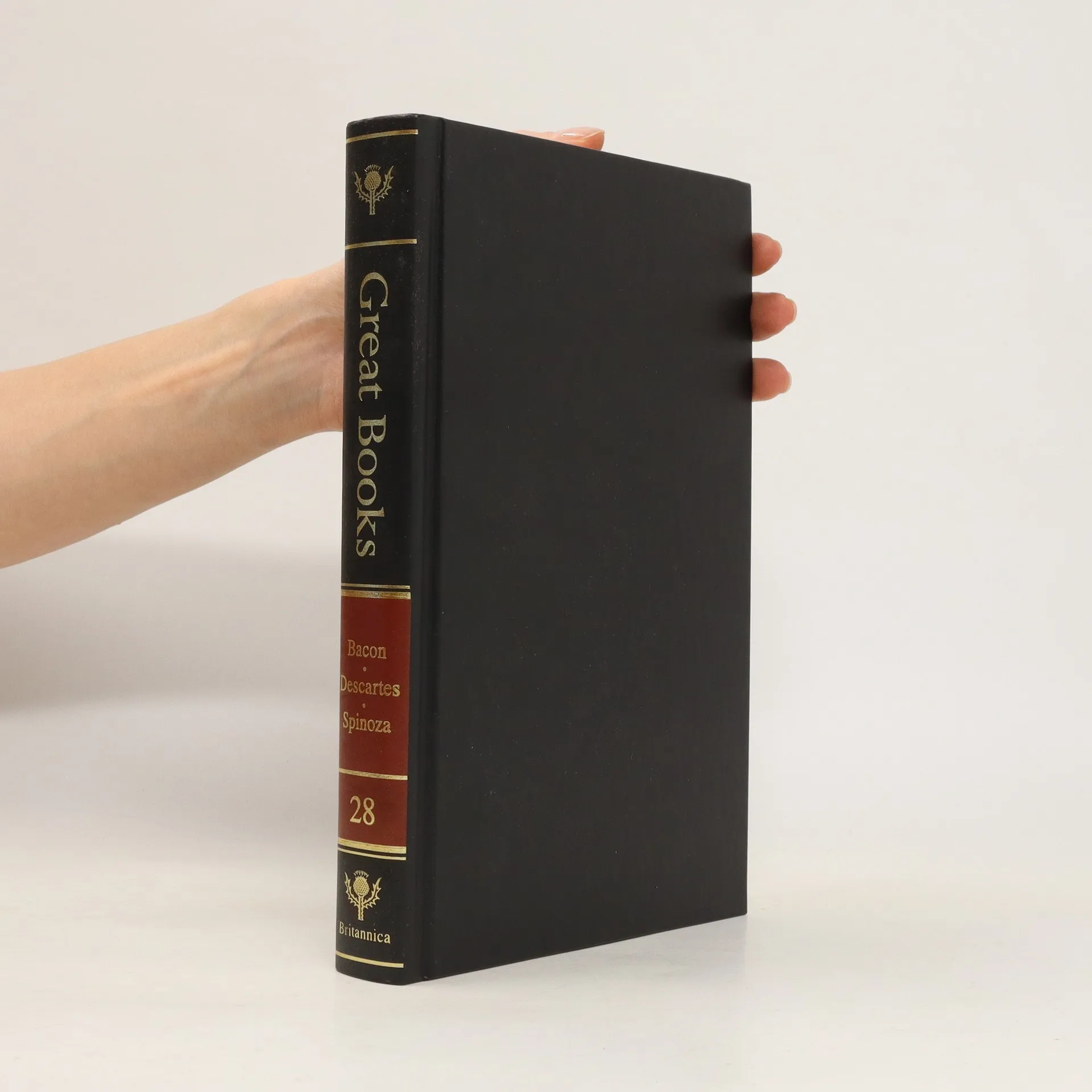
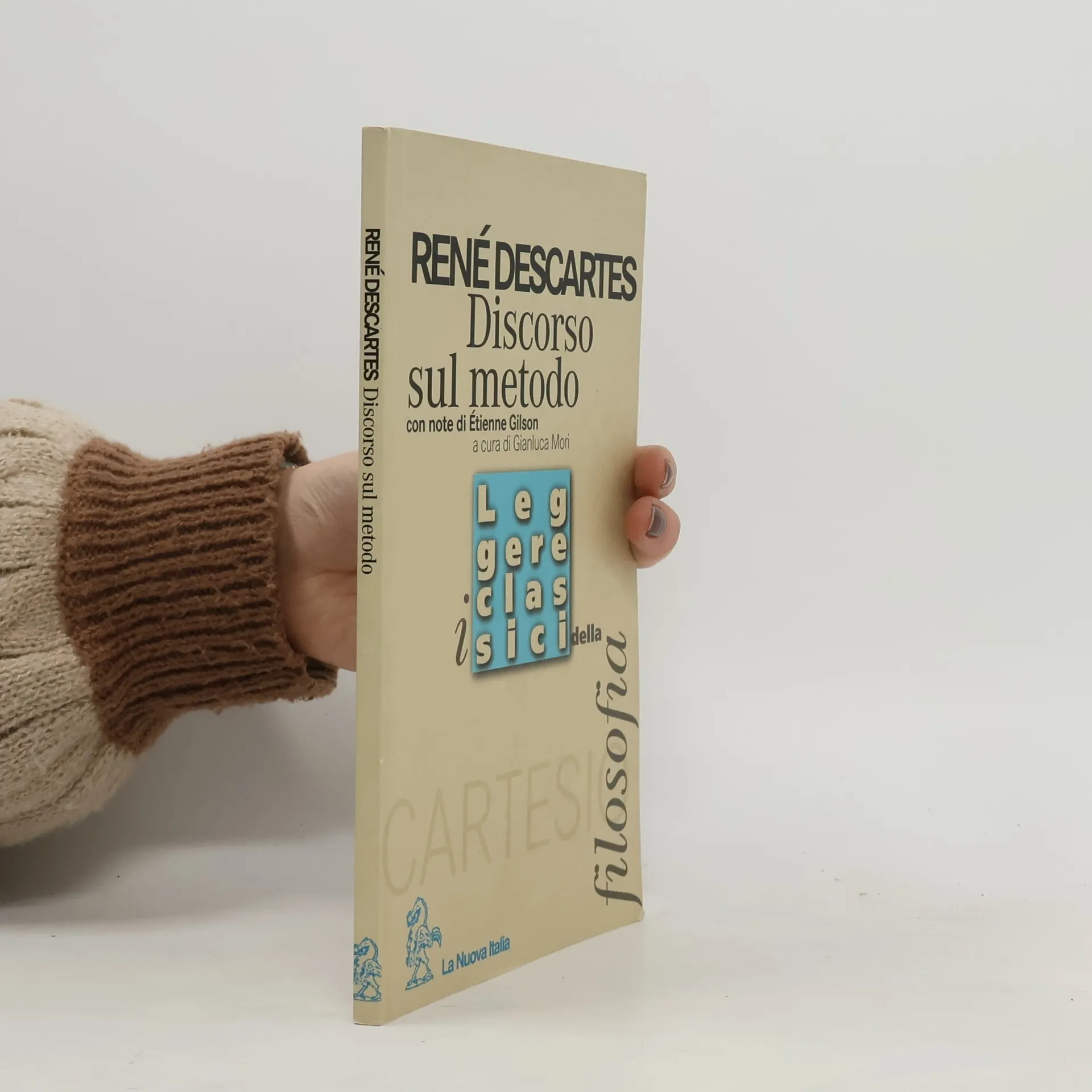
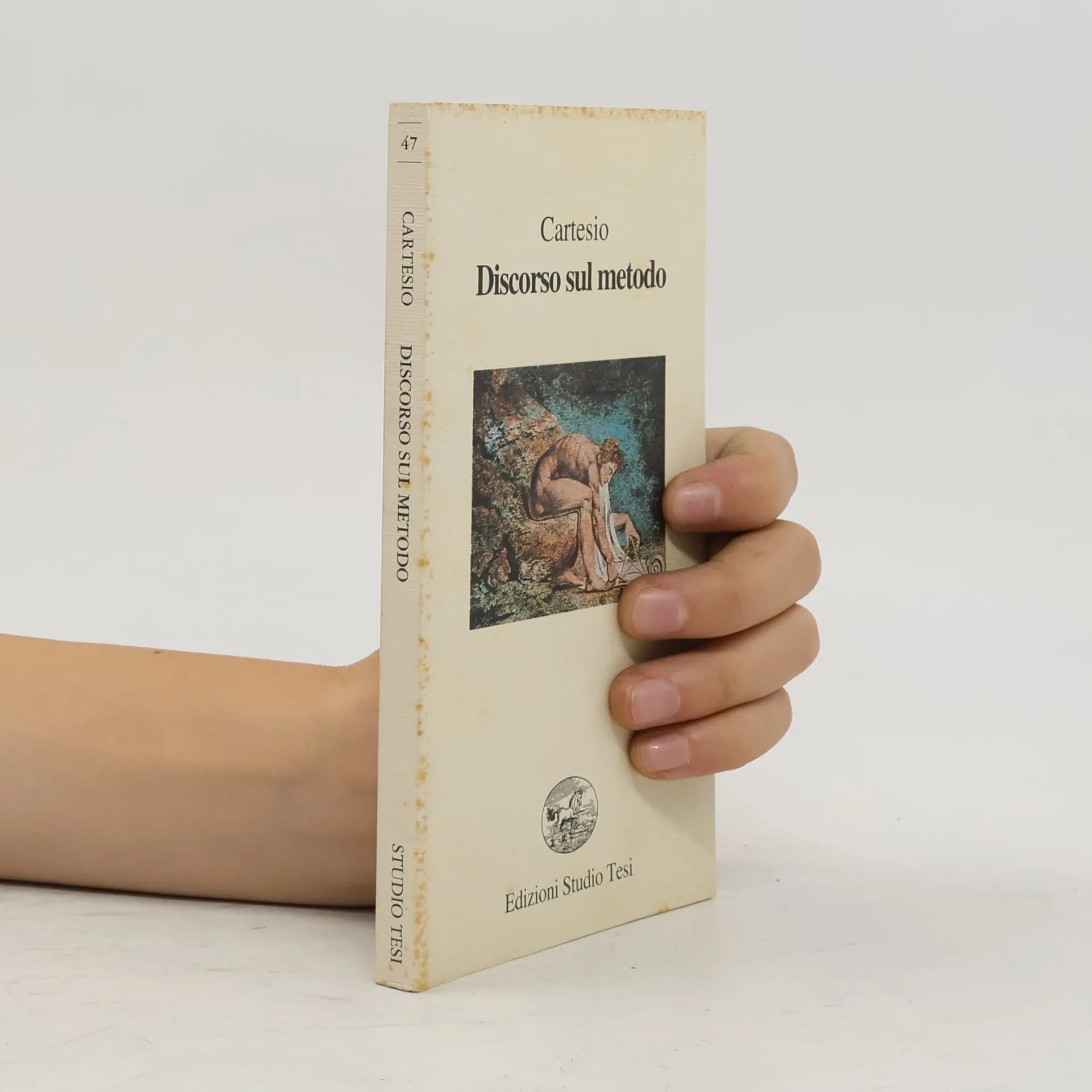
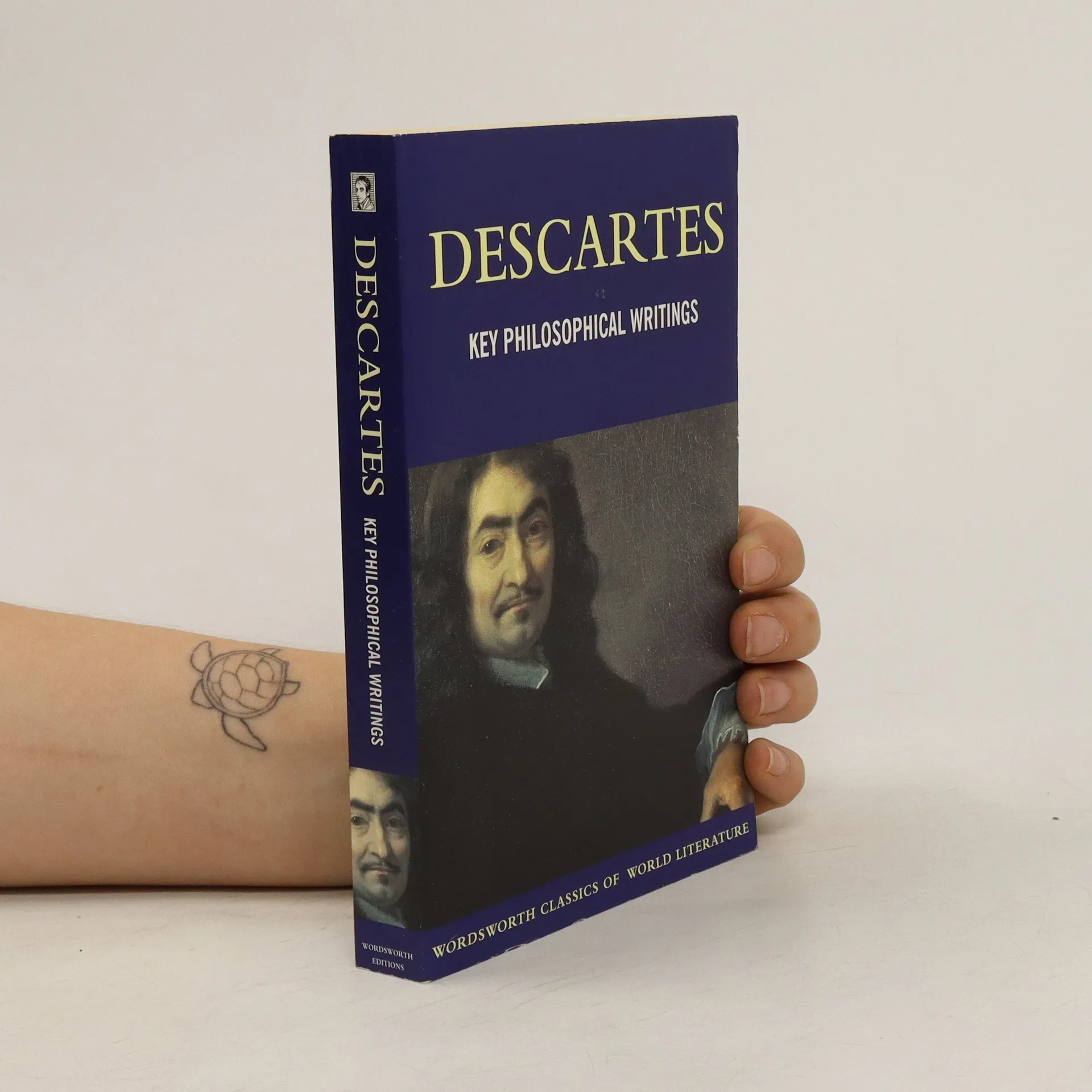
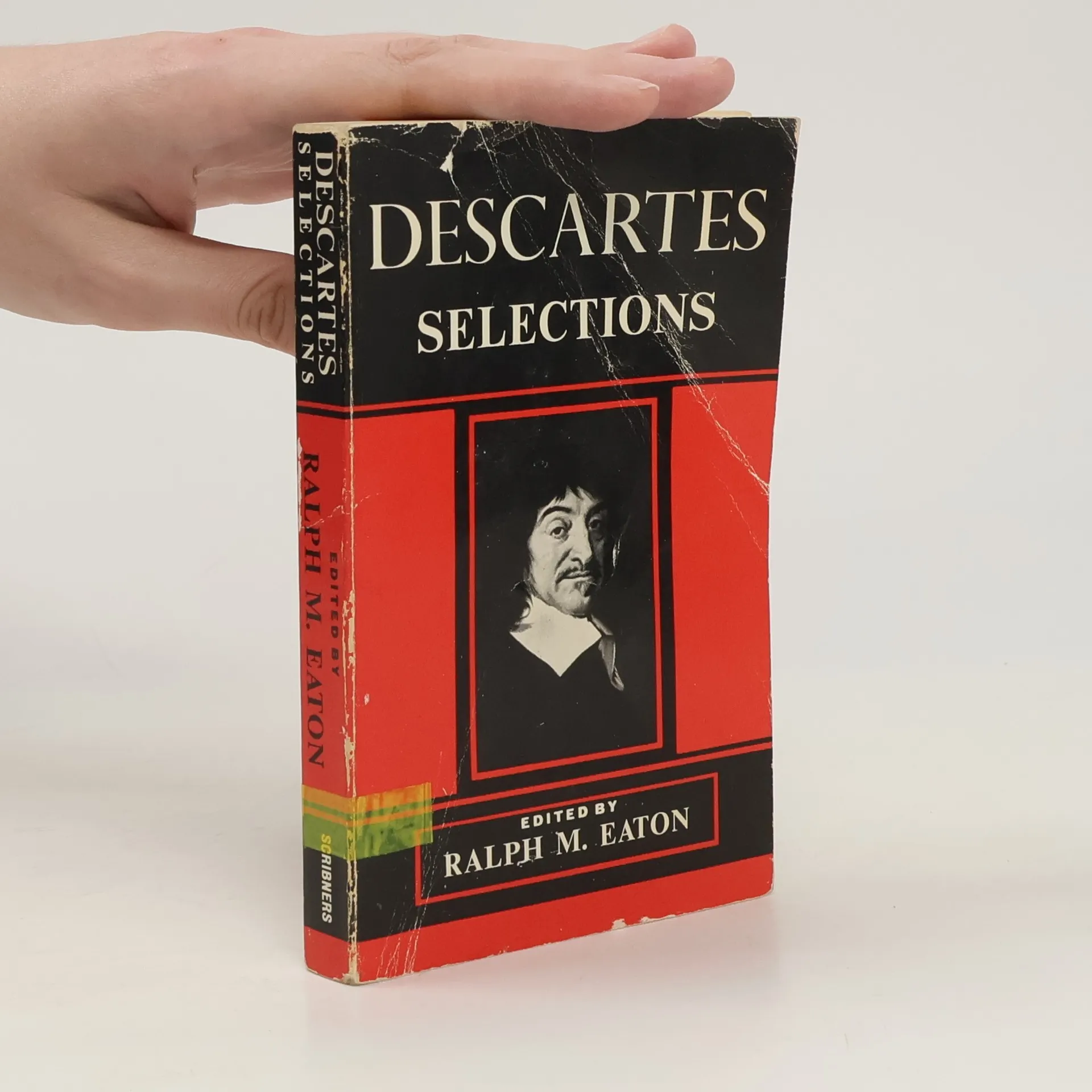
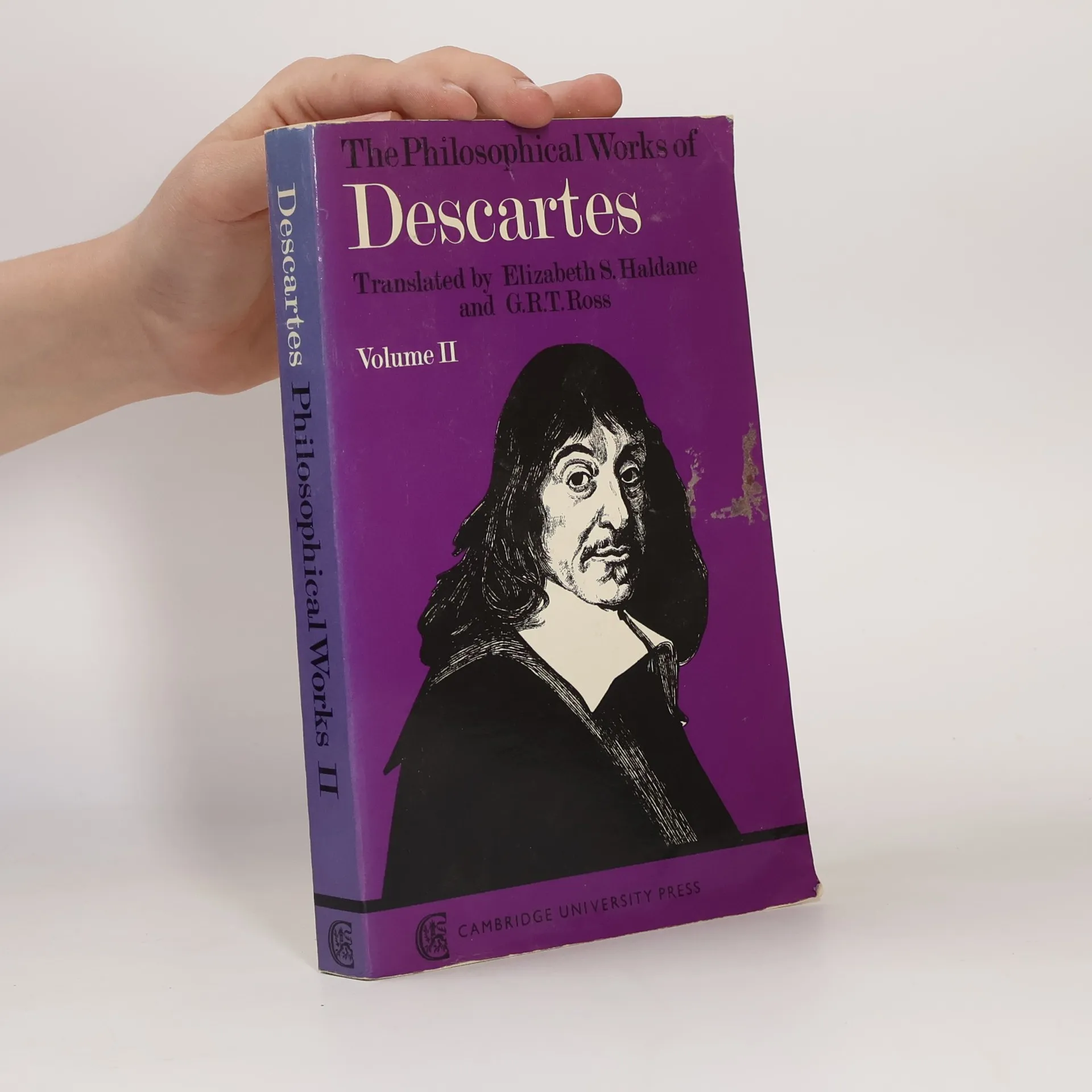
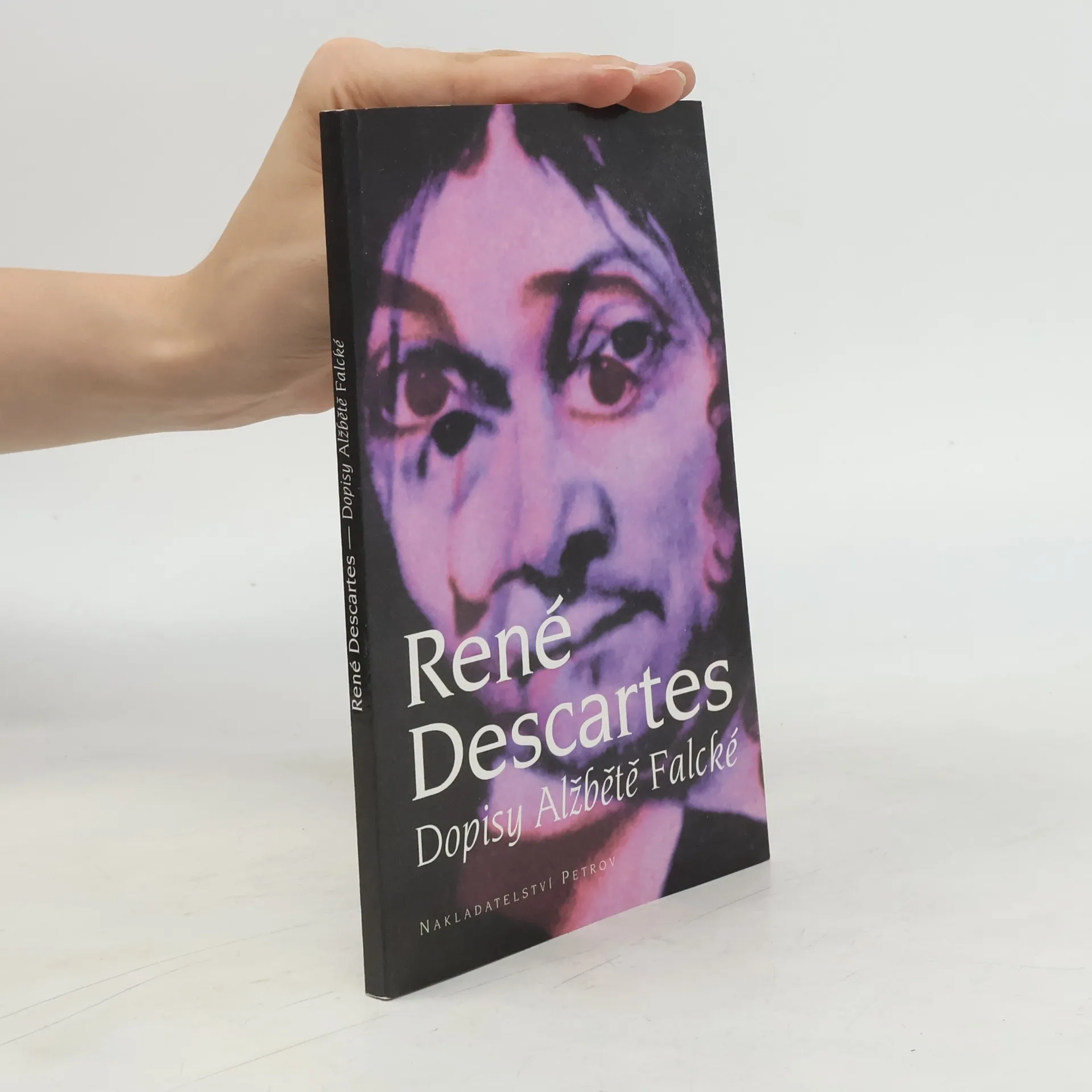
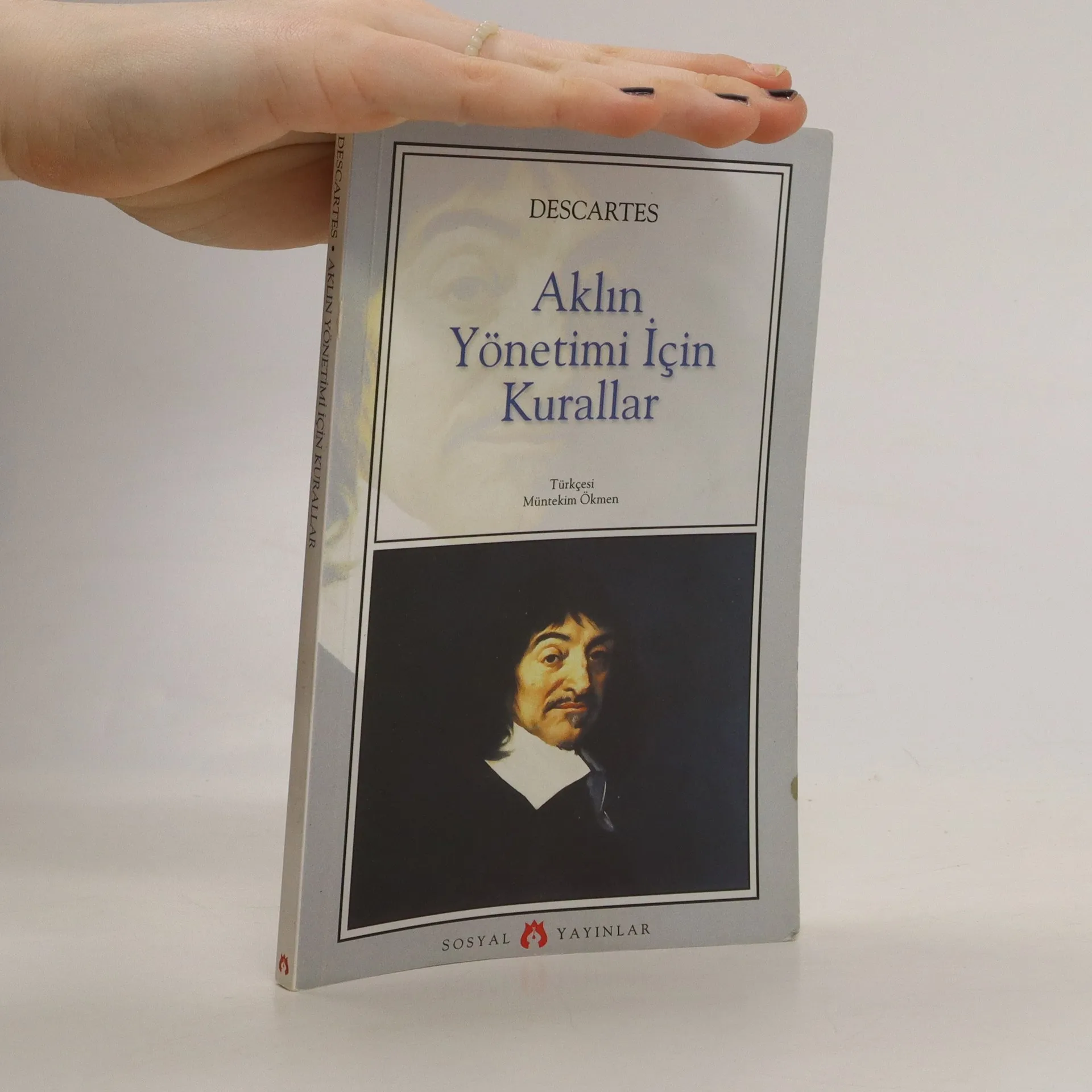
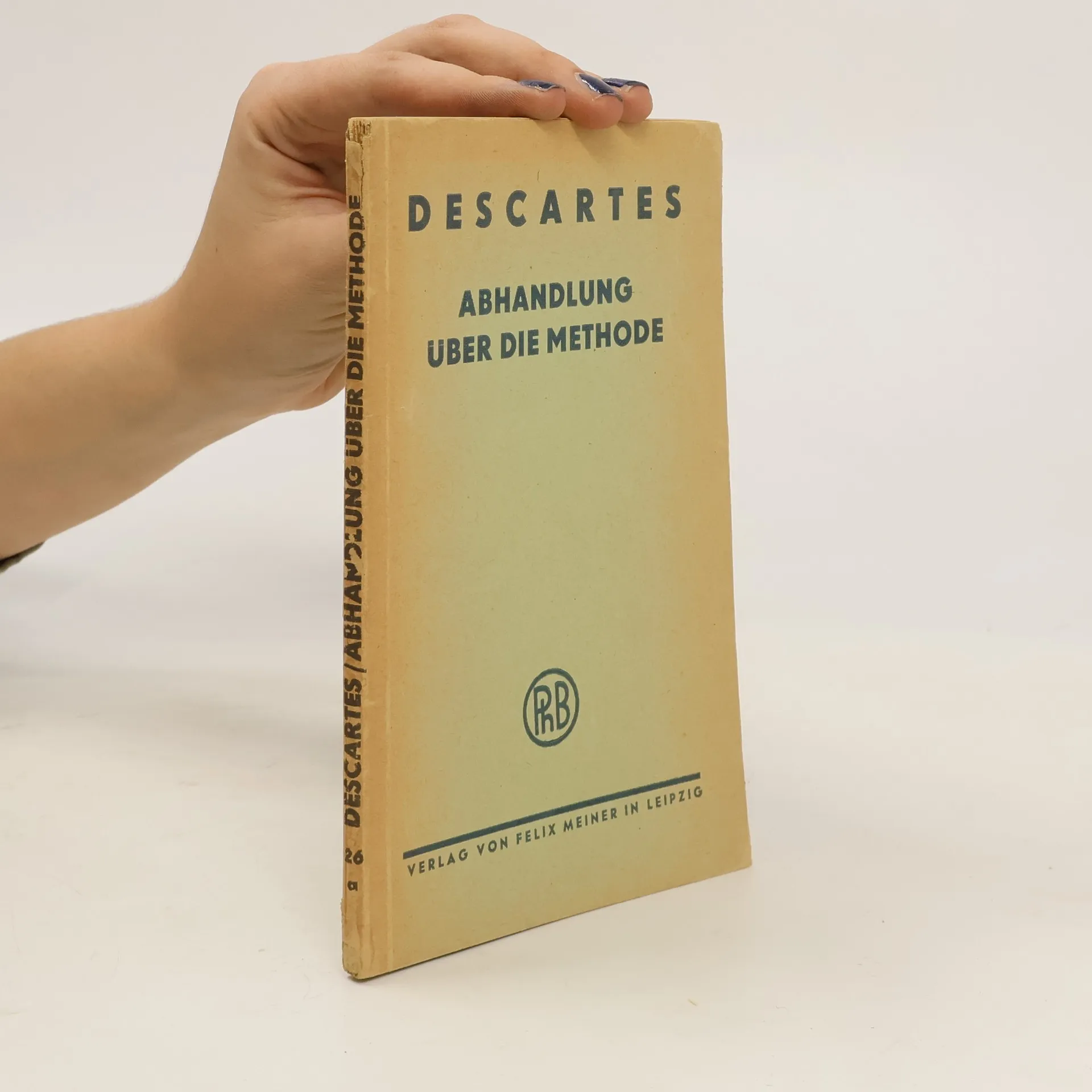
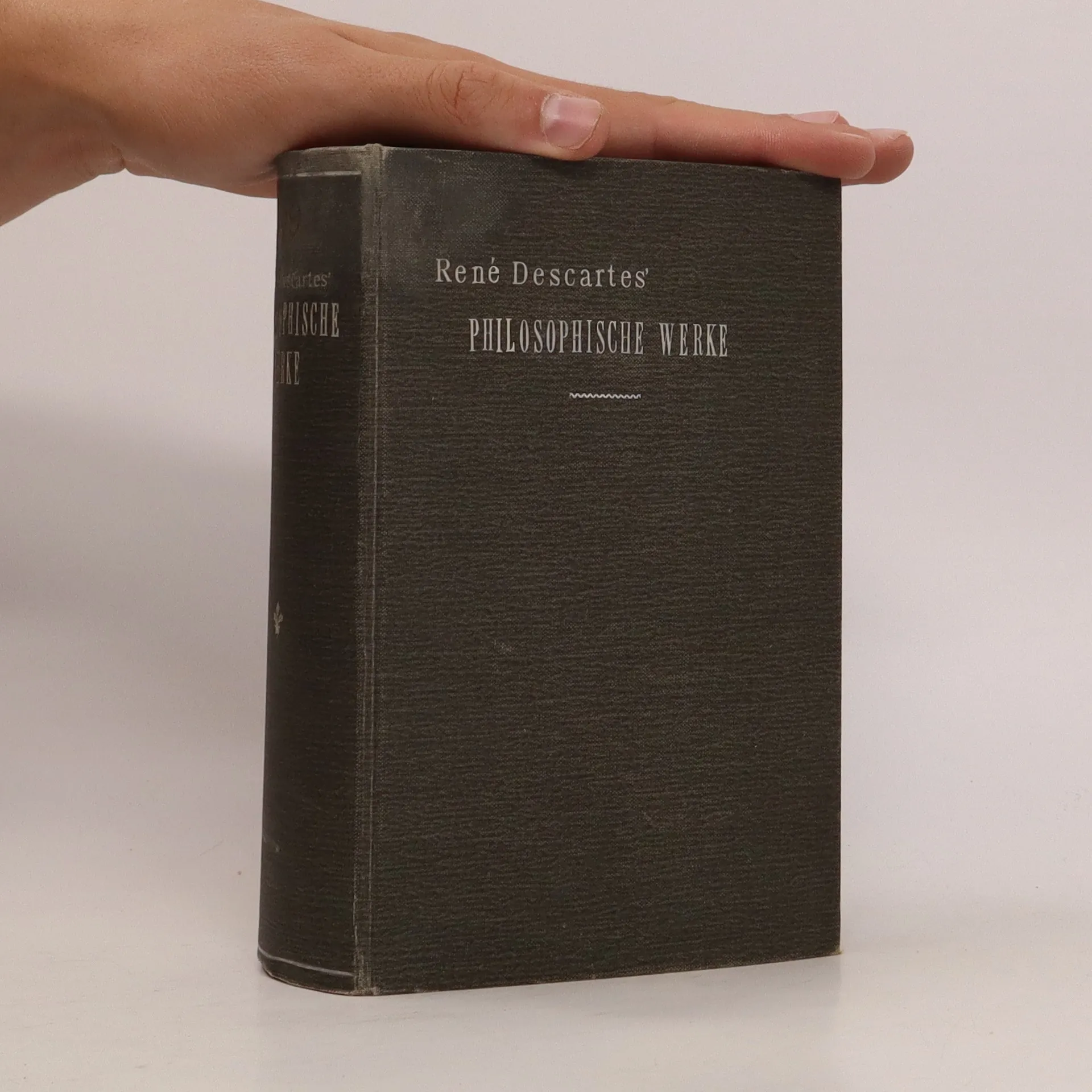
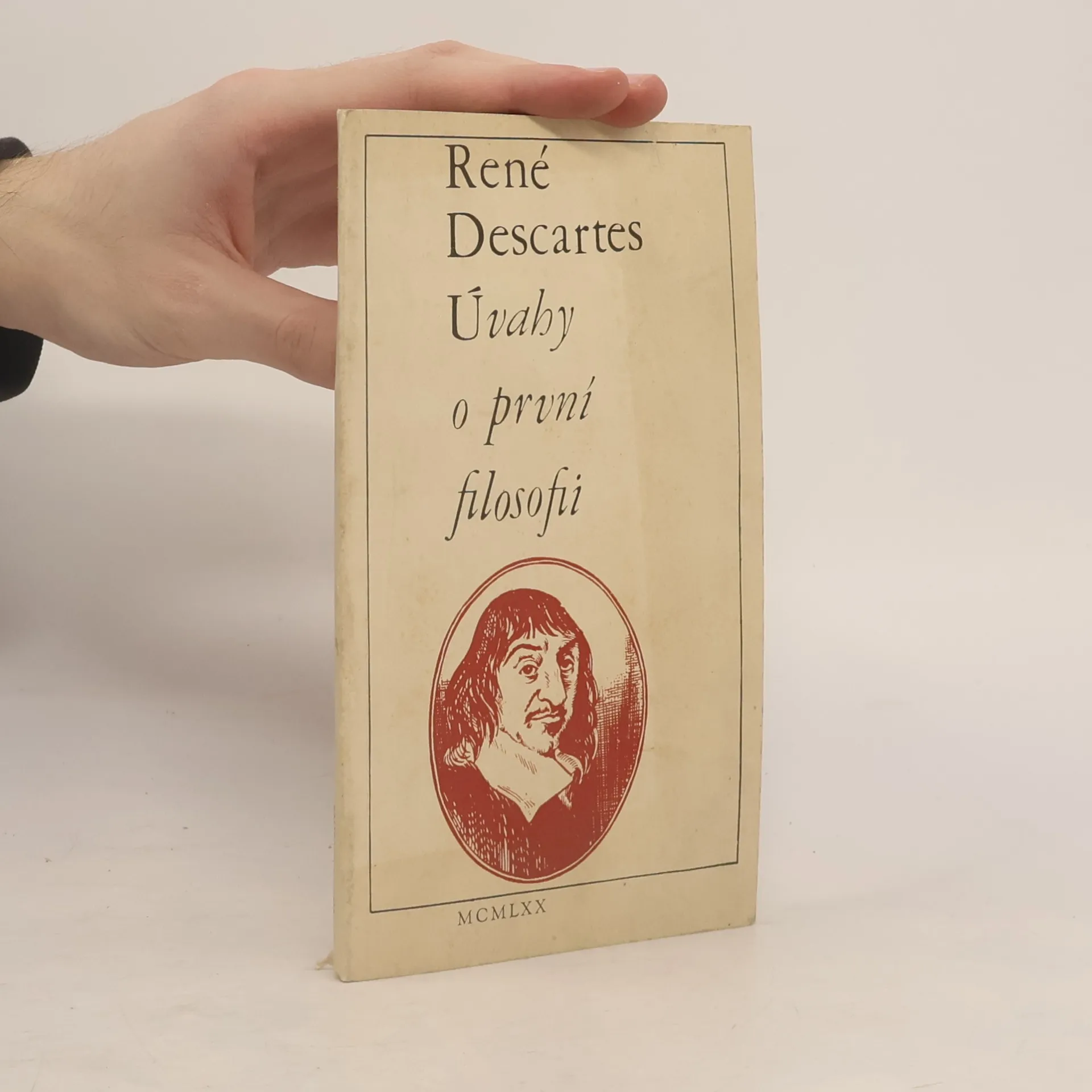
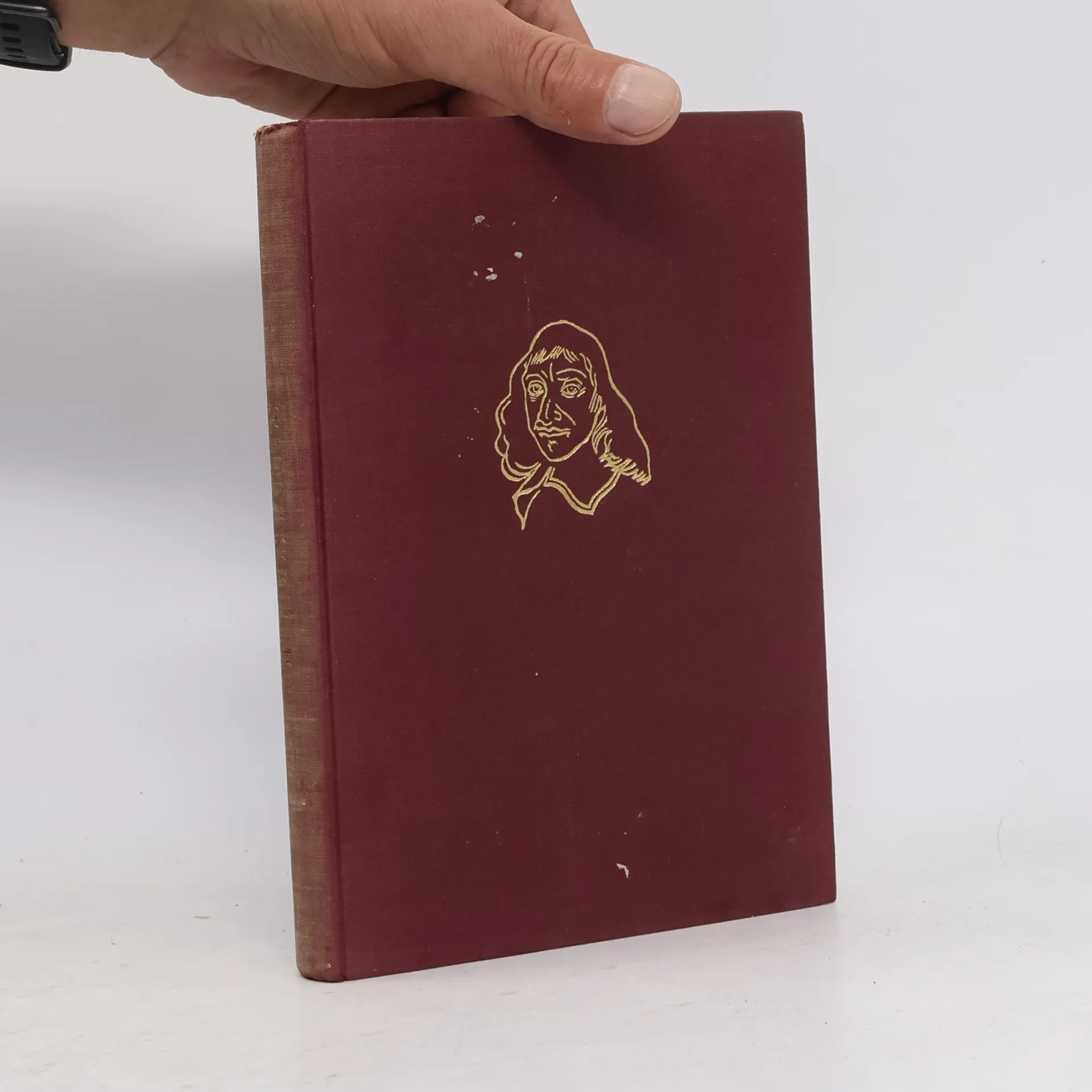
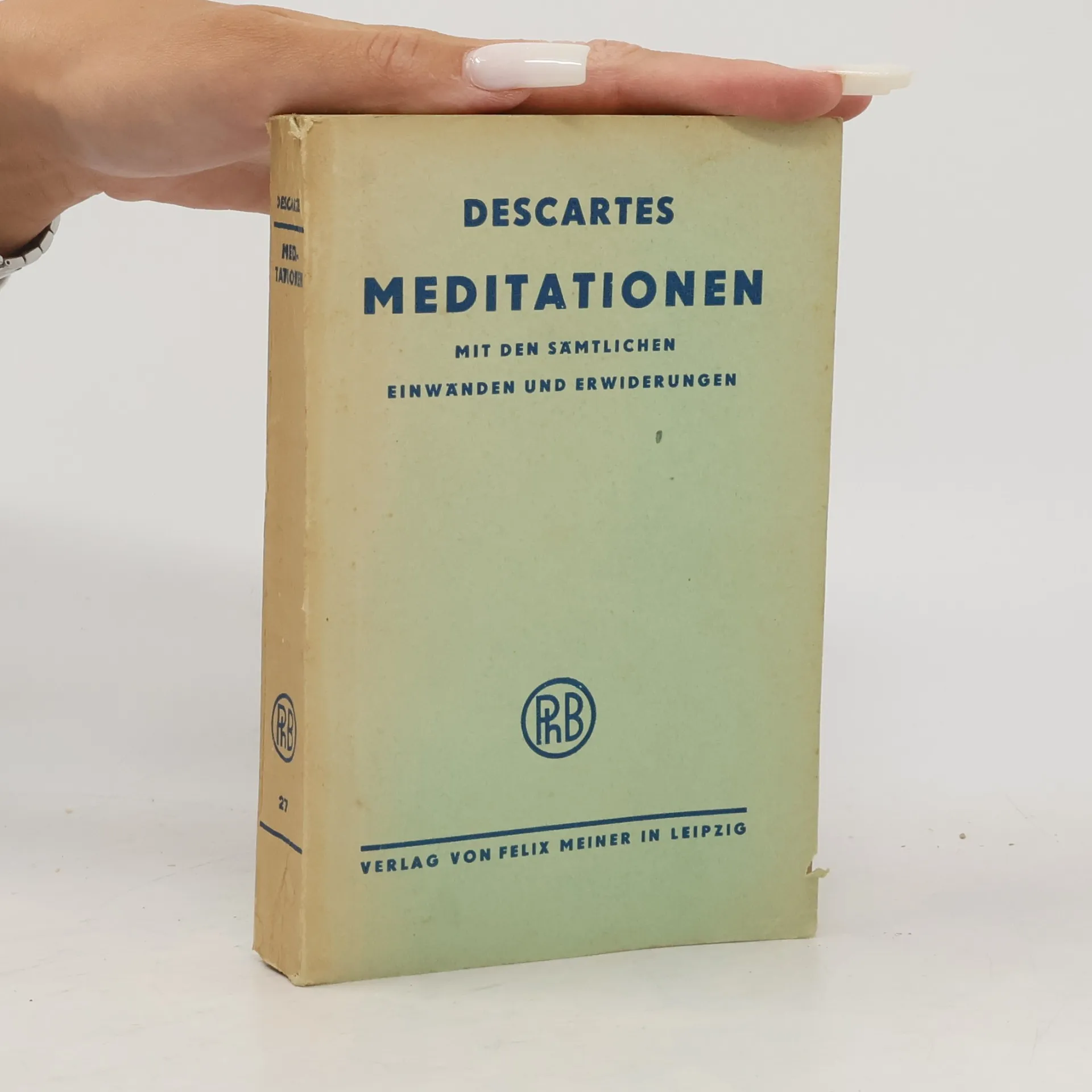
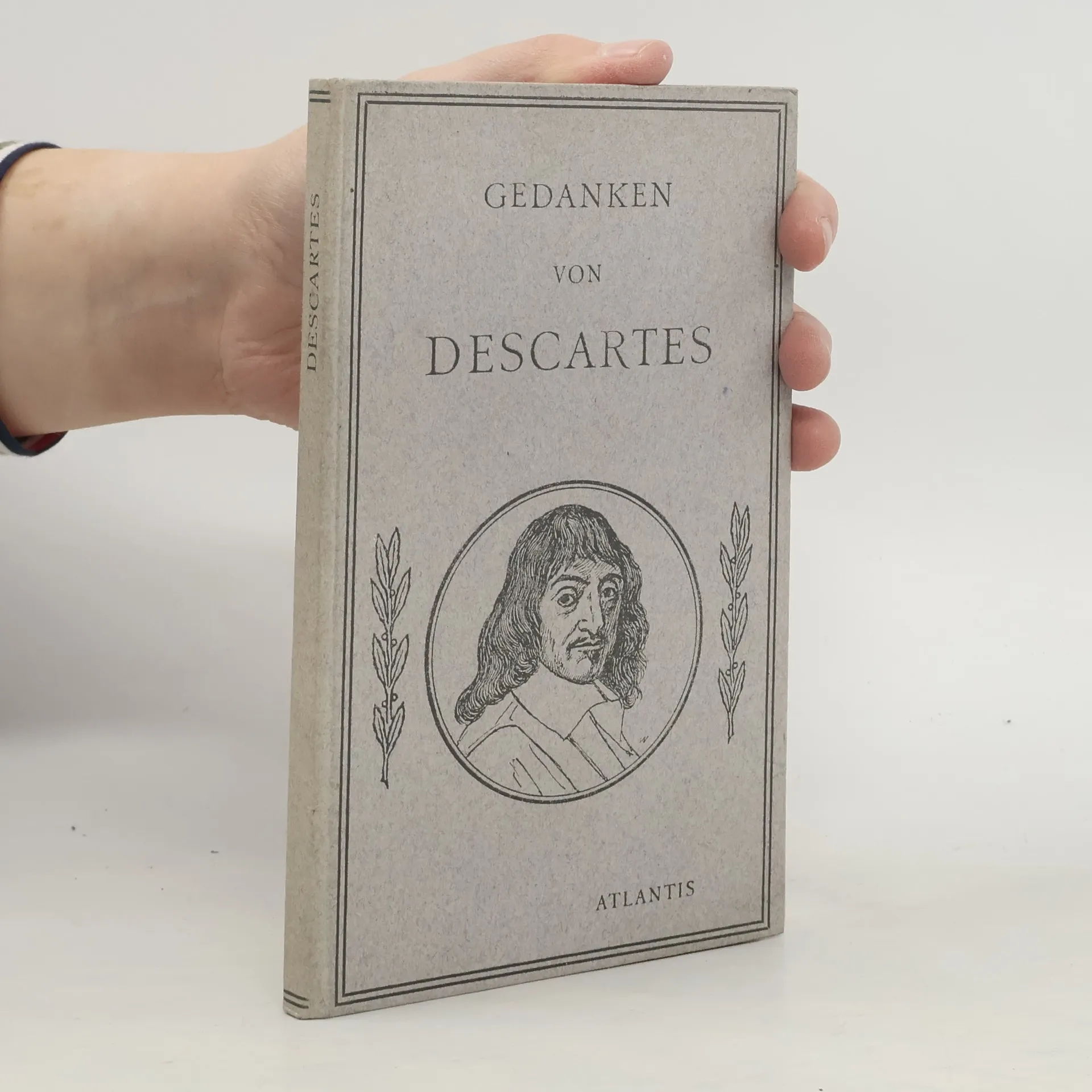
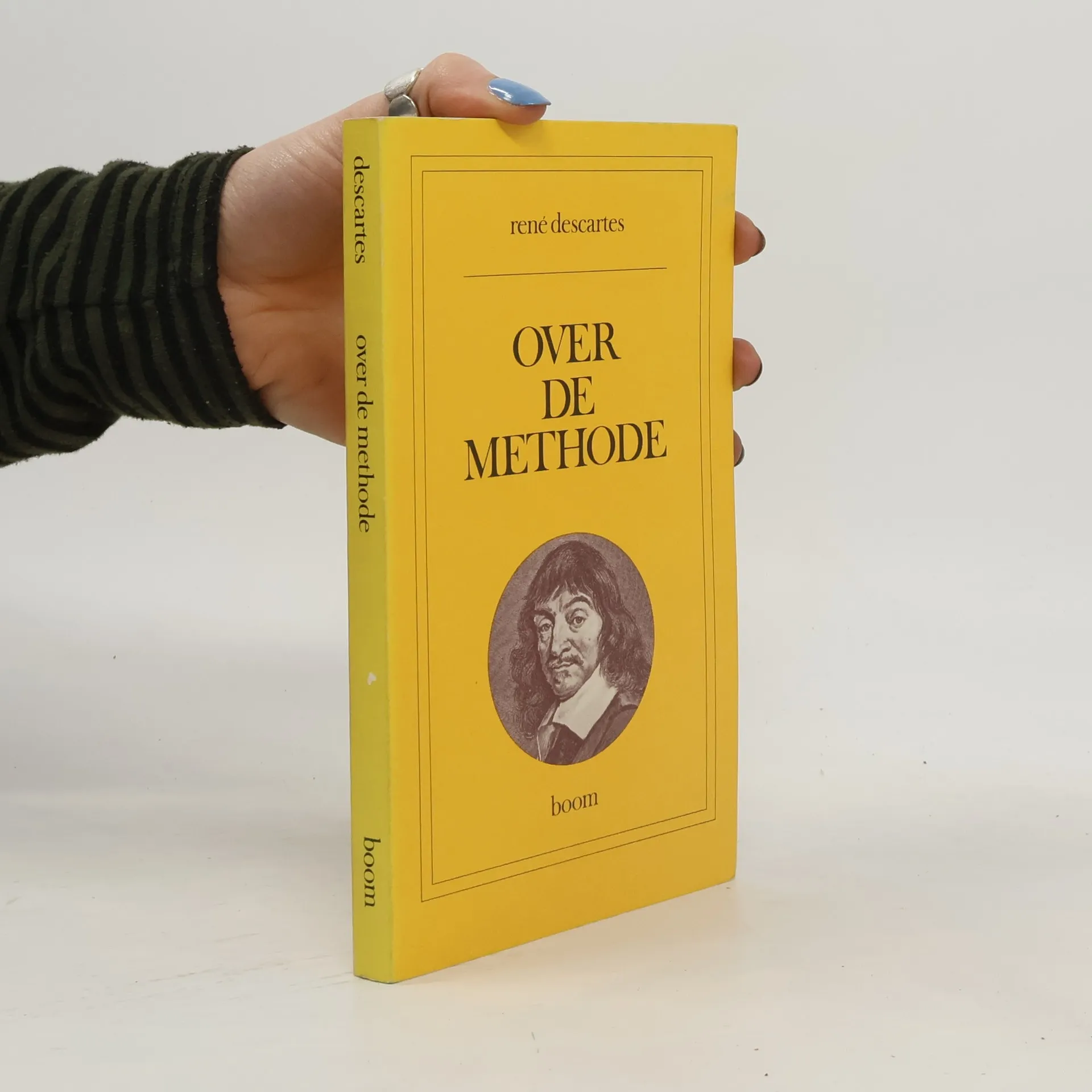
Questo influente pensatore del XVII secolo è acclamato come il padre della filosofia moderna e una figura chiave della Rivoluzione Scientifica. I suoi scritti hanno plasmato profondamente il pensiero occidentale successivo e rimangono oggetto di studio essenziale. In matematica, istituì la geometria analitica, collegando algebra e geometria e ponendo le basi per il calcolo infinitesimale. Le sue indagini filosofiche sulla mente e sul meccanismo anticiparono le successive esplorazioni sull'intelligenza artificiale, con la sua famosa affermazione "Penso, dunque sono" che racchiude la sua ricerca di certezza.
Frammenti giovanili, Regole, La ricerca della verità, Il Mondo, L'Uomo, Discorso sul metodo
346pagine
13 ore di lettura
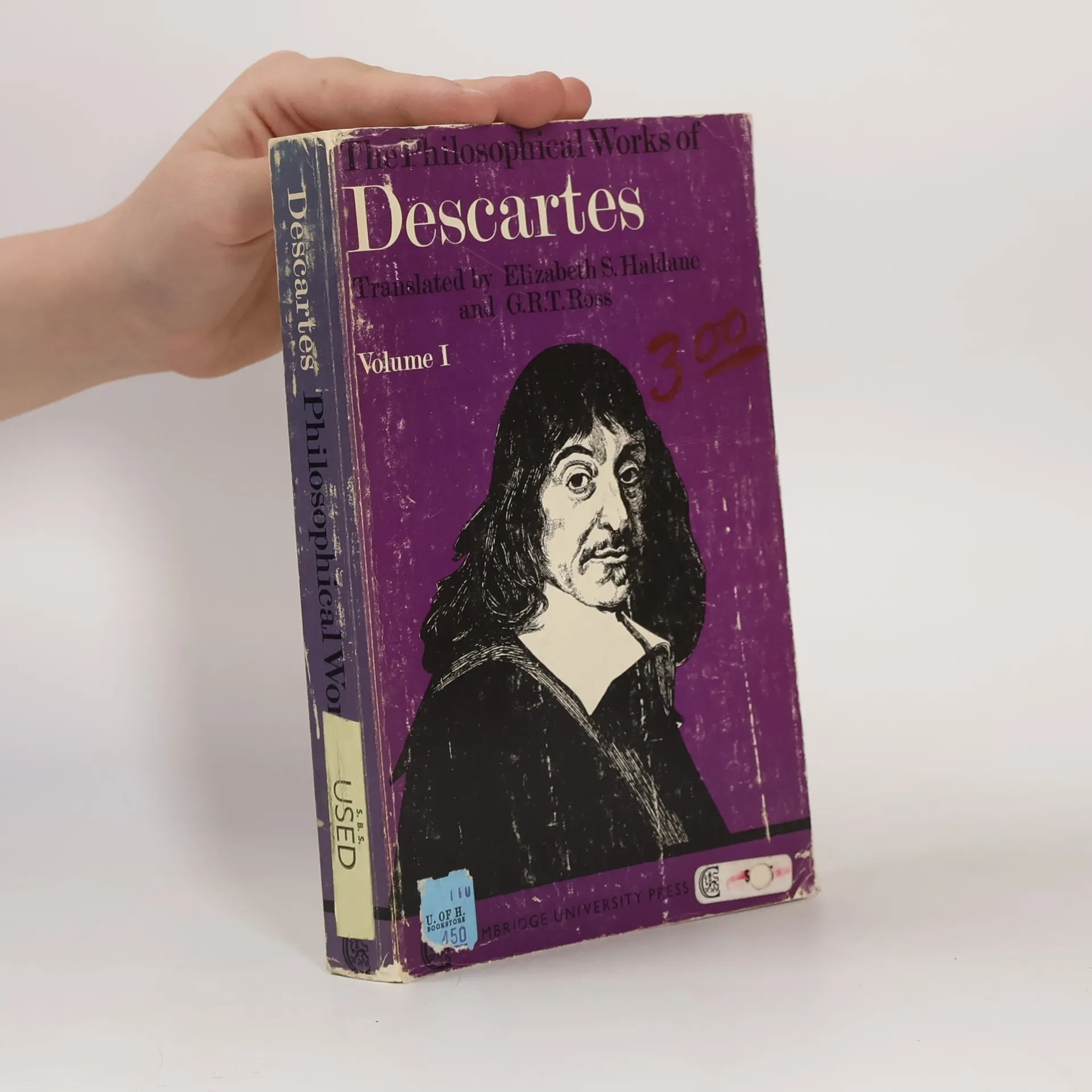
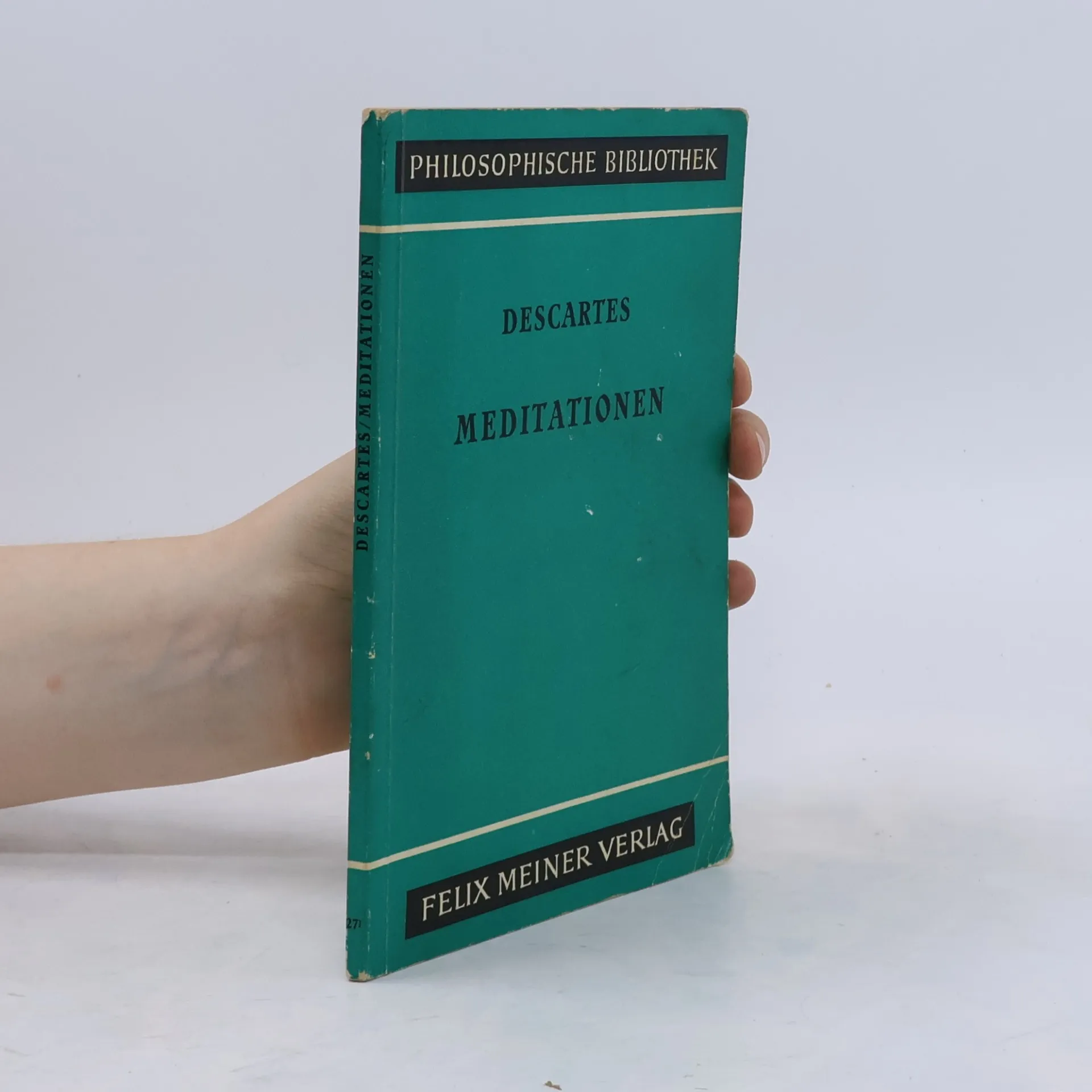
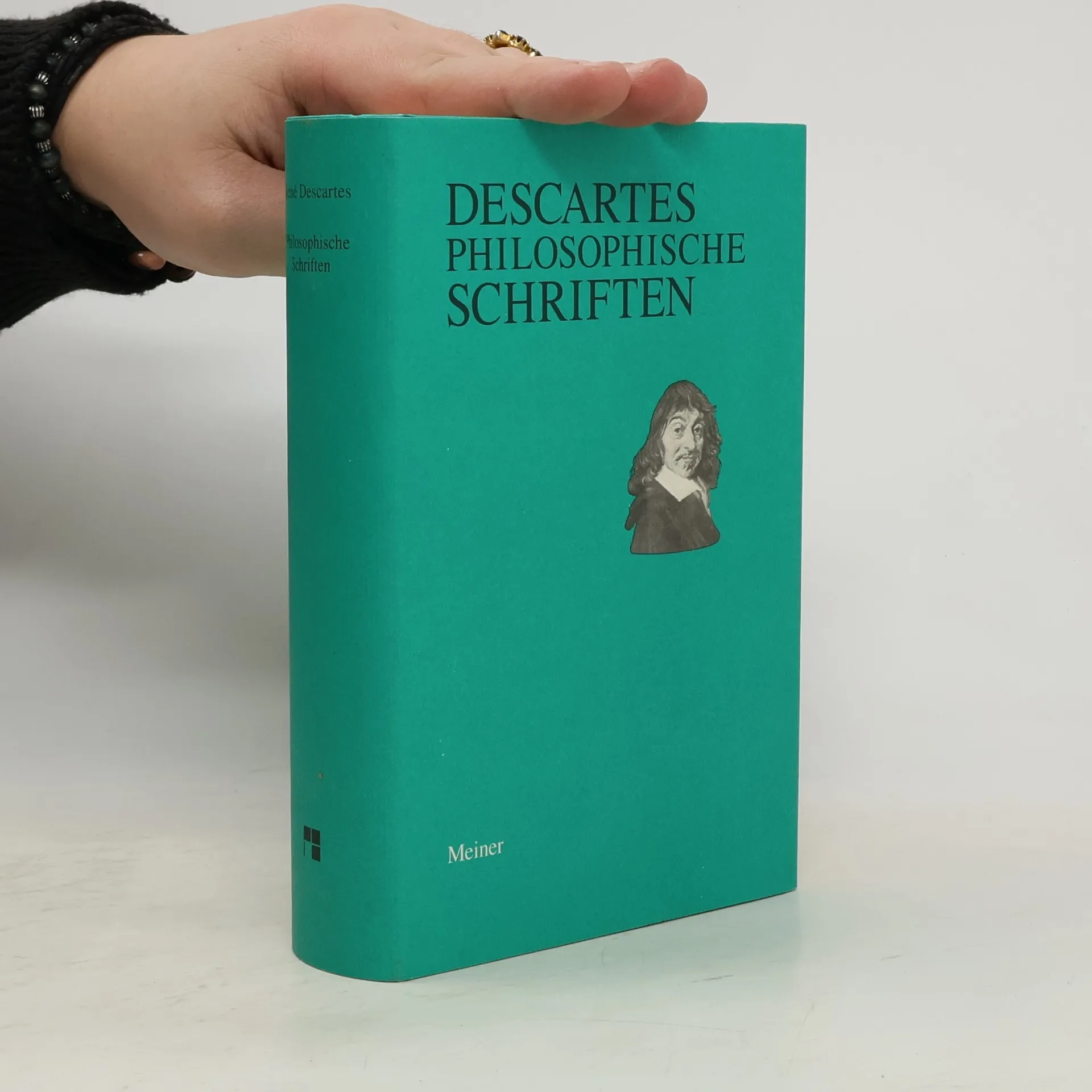
Opere filosofiche. Volume 1. Frammenti giovanili - Regole per la guida dell'intelligenza - La ricerca della verit mediante il lume naturale - Il Mondo o Trattato della luce - L'Uomo - Discorso sul metodo. Introduzione di Eugenio Garin. Traduzioni di Eugenio Garin, Gallo Galli, Maria Garin 8vo. pp. XXVIII-346. . Ottimo (Fine). . . .
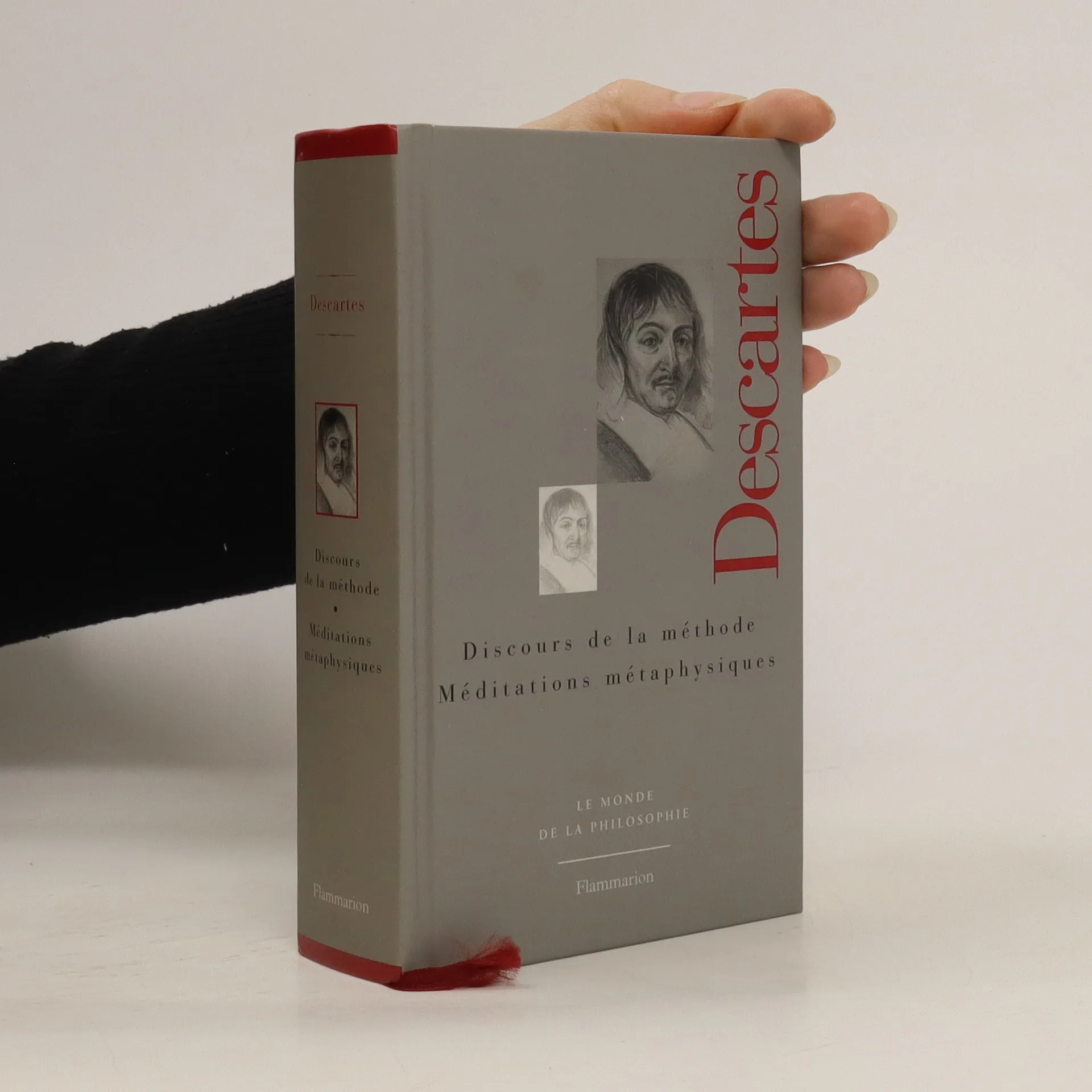
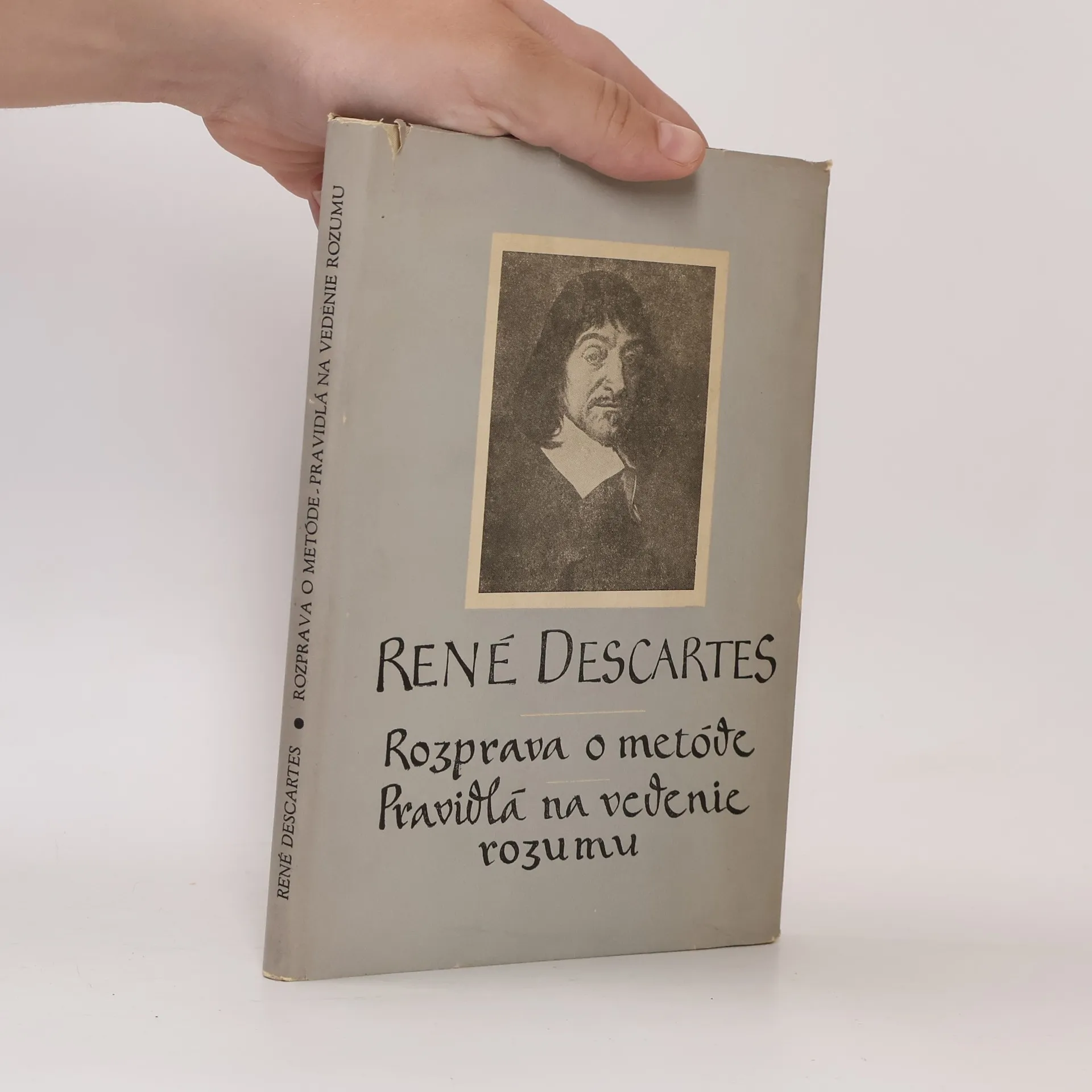
Testo francese a fronte La grandezza di Descartes, oggi, coincide con la notorietà del suo metodo: la determinazione a non accettare nulla sulla fiducia influenzerà in modo definitivo l'idea moderna secondo cui la ricerca della verità è esclusivamente individuale. Il filosofo francese propone il suo Discorso, composto originariamente come prefazione ai saggi, "solo come una storia o, se preferire, una favola", nella speranza che "tutti mi siano grati della franchezza". Eppure non si deve ignorare che con questa "favola" Descartes sta fondando il pensiero scientifico moderno, che le sue pagine contengono l'essenziale di quella'logica della scoperta" che lo aveva condotto a risultati paragonabili a quelli di Galileo e Newton.
This unabridged republication features the definitive English translation of a monumental classic in science, originally published in 1637. It has been hailed as "the greatest single step ever made in the progress of the exact sciences" and as a work that "remade geometry and made modern geometry possible." This volume marks the founding of modern analytical geometry, bridging geometry with algebra and analysis. Descartes systematically classified curves and demonstrated the algebraic solutions of geometric problems, while his geometric interpretation of negative quantities laid the groundwork for later concepts of continuity and the theory of functions. The third book offers significant contributions to the theory of equations. This edition includes the complete Smith-Latham translation of Descartes' three Problems: the Construction of which Requires Only Straight Lines and Circles; On the Nature of Curved Lines; and On the Construction of Solid and Supersolid Problems. Each page of the translation is interleaved with a facsimile of the original 1637 French text, complete with Descartes' original illustrations. Additionally, 248 footnotes provide clarifications and further bibliographic resources.
The new translation offers a fresh perspective by relying solely on the Latin text, distinguishing it from the older version by Haldane and Ross, which utilized a composite text from both French and Latin sources. This edition highlights significant differences in the French version through detailed footnotes, providing readers with a clearer understanding of the original Latin text.
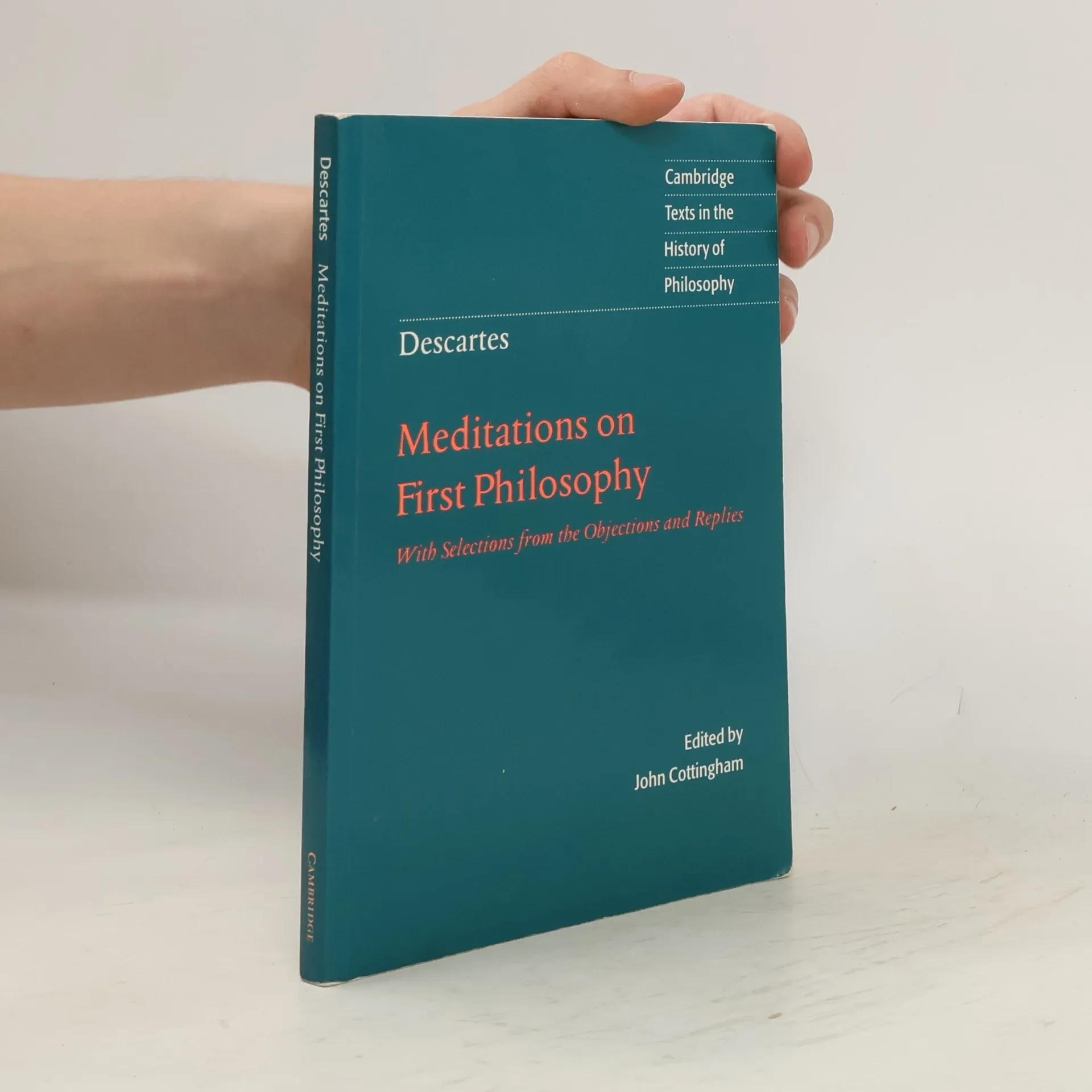
This authoritative translation by John Cottingham of the Meditations is taken from the much acclaimed three-volume Cambridge edition of the Philosophical Writings of Descartes. It is based on the best available texts and presents Descartes' central metaphysical writings in clear, readable modern English.
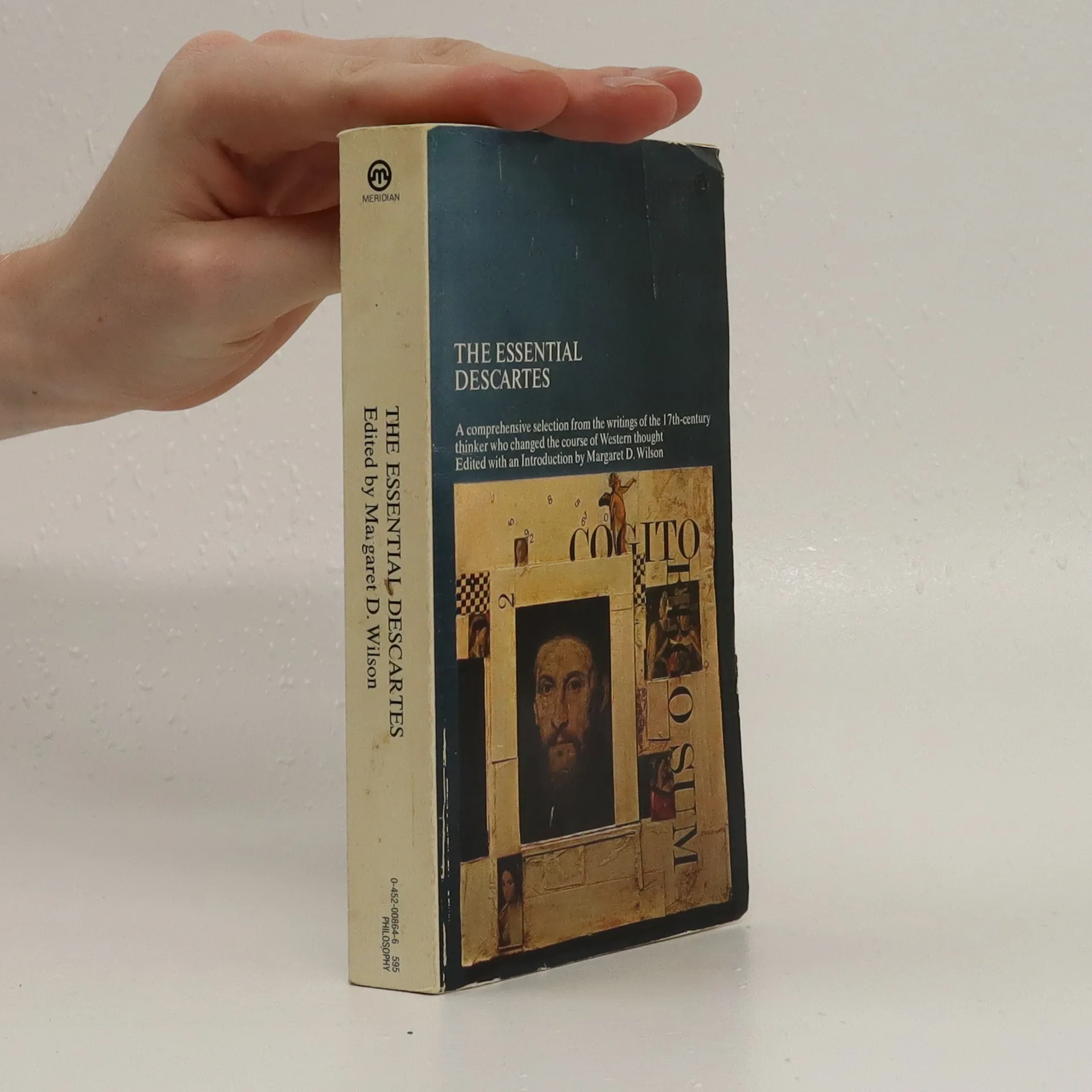
In The Essential Descartes, the passion, precision, and deep humanity of this avant-garde 17th-century thinker are presented in a selection from his most profound writings, including his Discourse on Method, Meditations on First Philosophy, and Rules for the Direction of the Mind.
Widely regarded as the father of modern Western philosophy, Descartes sought
to look beyond established ideas and create a thought system based on reason.
In this work, he meditates on doubt, the human soul, God, truth and the nature
of existence itself.
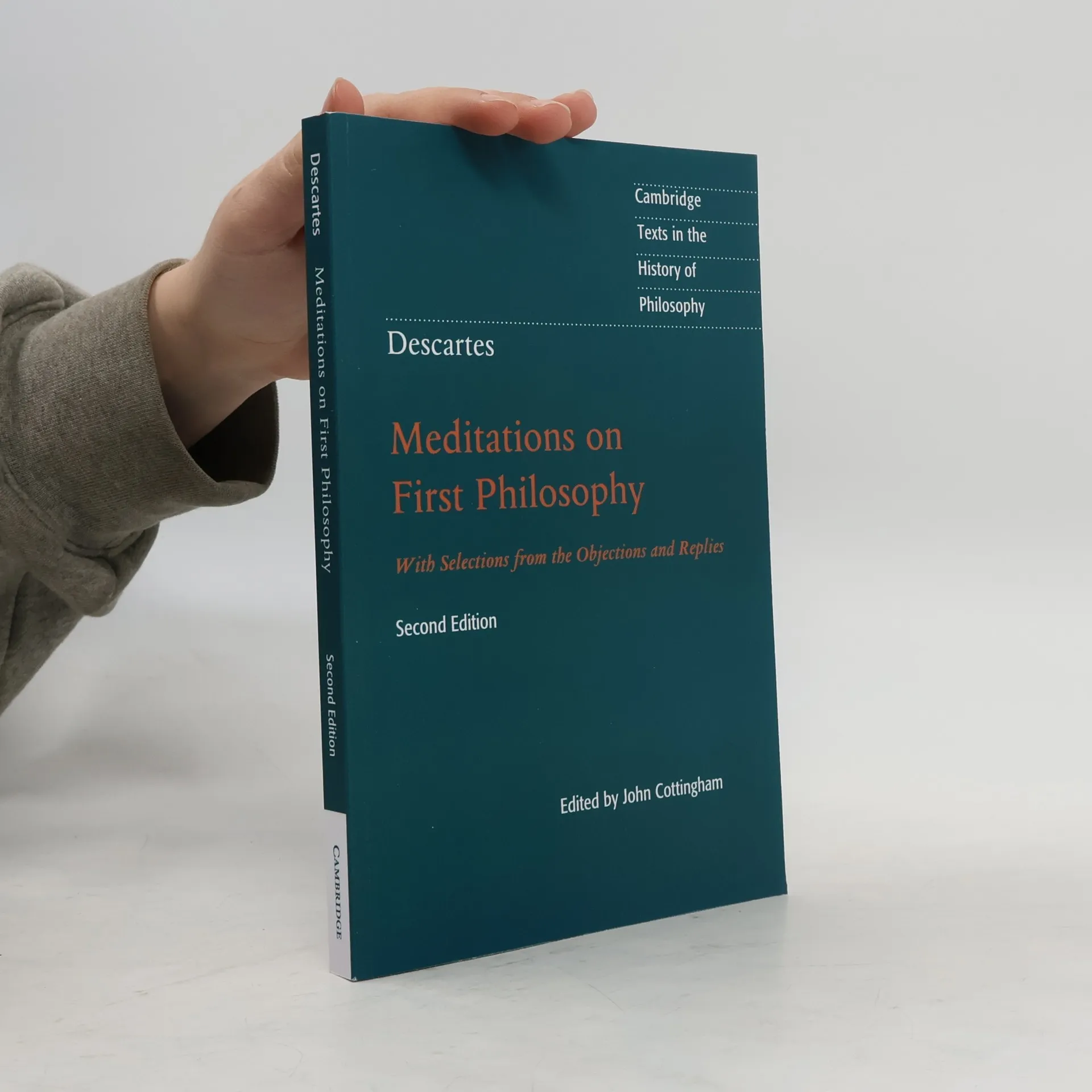
Descartes's Meditations on First Philosophy remains one of the most widely studied works of Western philosophy. This volume is a refreshed and updated edition of John Cottingham's bestselling 1996 edition, based on his translation in the acclaimed three-volume Cambridge edition of The Philosophical Writings of Descartes. It presents the complete text of Descartes's central metaphysical masterpiece, the Meditations, in clear, readable modern English, and it offers the reader additional material in a thematic abridgement of the Objections and Replies, providing a deeper understanding of how Descartes developed and clarified his arguments in response to critics. Cottingham also provides an updated introduction, together with a substantially revised bibliography, taking into account recent literature and developments in Descartes studies. The volume will be a vital resource for students reading the Meditations, as well as those studying Descartes and early modern philosophy.
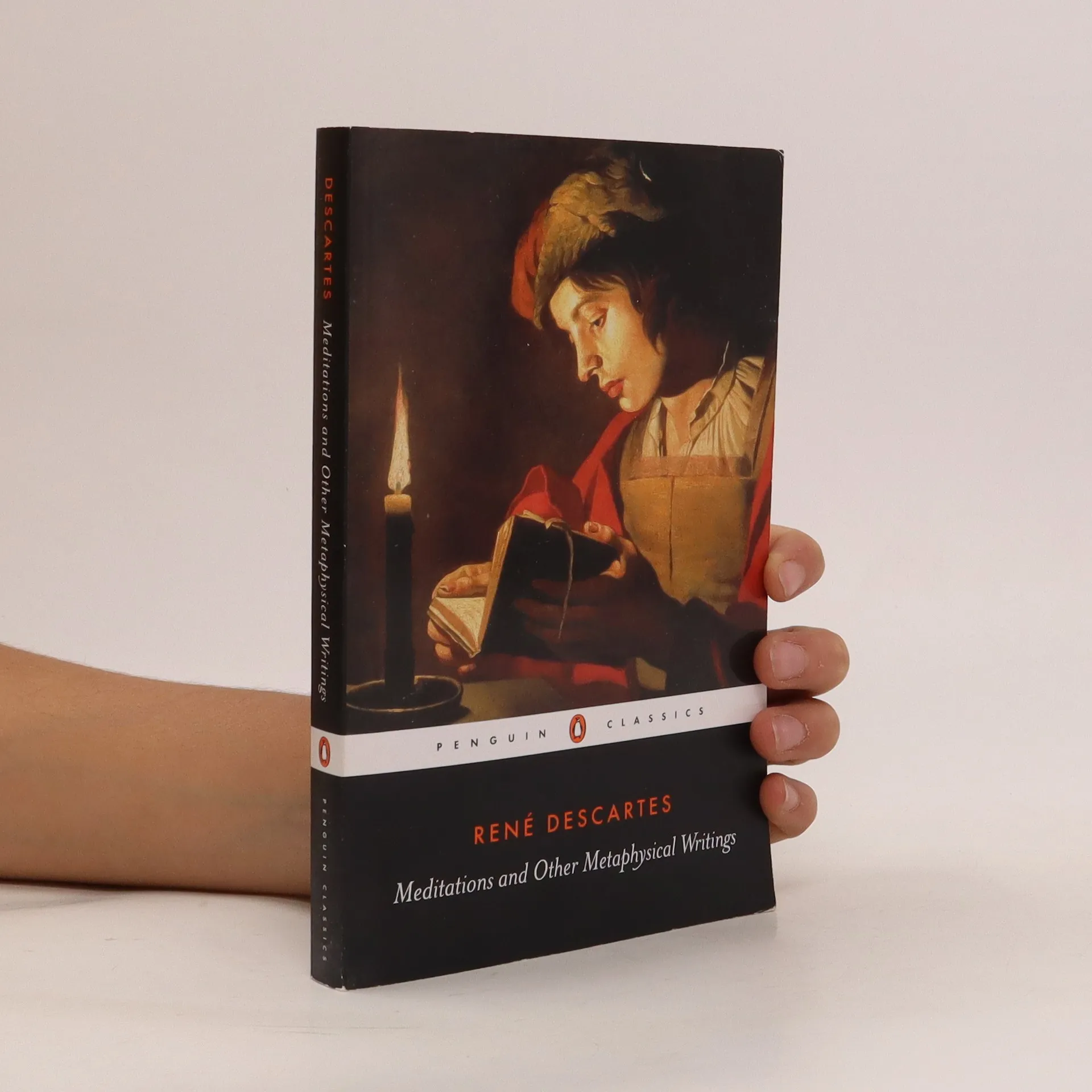
One of the foundation-stones of modern philosophy Descartes was prepared to go to any lengths in his search for certainty—even to deny those things that seemed most self-evident. In his Meditations of 1641, and in the Objections and Replies that were included with the original publication, he set out to dismantle and then reconstruct the idea of the individual self and its existence. In doing so, Descartes developed a language of subjectivity that has lasted to this day, and he also took his first steps towards the view that would eventually be expressed in the epigram Cogito, ergo sum ("I think, therefore I am"), one of modern philosophy's most famous—and most fiercely contested—claims. The first part of a two-volume edition of Descartes' works in Penguin Classics, the second of which is Discourse on Method & Related Writings. For more than seventy years, Penguin has been the leading publisher of classic literature in the English-speaking world. With more than 1,700 titles, Penguin Classics represents a global bookshelf of the best works throughout history and across genres and disciplines. Readers trust the series to provide authoritative texts enhanced by introductions and notes by distinguished scholars and contemporary authors, as well as up-to-date translations by award-winning translators.
Rene Descartes, the "father" of modern philosophy, is without doubt one of the greatest thinkers in history: his genius lies at the core of our contemporary intellectual identity. Breaking with the conventions of his own time and suffering persecution by the Church as a consequence, Descartes in his writings - most of which are philosophical classics - attempted to answer the central questions surrounding the self, God, free-will and knowledge, using the science of thought as opposed to received wisdom based on the tenets of faith. This edition, the most comprehensive one-volume selection of Descartes' works available in English, includes his great essay, "Discourse on Method".
Offers a concise presentation and defense of Rene Descartes' method of
intellectual inquiry - a method that greatly influenced both philosophical and
scientific reasoning in the early modern world. Ian Johnston's new translation
is modern, clear, and thoroughly annotated.
Ve svých dopisech se Descartes dotýká centrálních otázek vlastní filosofie, takže korespondence tvoří doplněk četby jeho stěžejních prací. Dva z dopisů (otištěné též v českém vydání Descartových "Principů filosofie") představují vzhledem k tradičním výkladům Descarta překvapivou formulaci Descartova distancovaného postoje k metafysice. Čtenář se tak na základě četby korespondence může seznámit s tím Descartem, který upřednostňuje žitou zkušenost před výlučně racionálními próté-filosofickými stanovisky, rozvinutými nejslavněji v jeho "Meditacích o první filosofii". Korespondence může oproti až nekriticky tradovanému obrazu Descarta motivovat změnu přístupu k jeho dílu a celkovou proměnu stanoviska k Descartově úloze při konstituci novodobého myšlení.
Rene Descartes: Prinzipien der Philosophie Edition Holzinger. Taschenbuch Berliner Ausgabe, 2016 Vollstandiger, durchgesehener Neusatz mit einer Biographie des Autors bearbeitet und eingerichtet von Michael Holzinger Erstdruck unter dem Titel Principia philosophiae, Amsterdam 1644. Text nach der Ubersetzung durch Julius Heinrich von Kirchmann von 1870. Textgrundlage ist die Ausgabe: Rene Descartes' philosophische Werke. Ubersetzt, erlautert und mit einer Lebensbeschreibung des Descartes versehen von J. H. von Kirchmann, Abteilung I-III, Berlin: L. Heimann, 1870 (Philosophische Bibliothek, Bd. 25/26). Herausgeber der Reihe: Michael Holzinger Reihengestaltung: Viktor Harvion Umschlaggestaltung unter Verwendung des Bildes: Rene Descartes (Portrat von Frans Hals, 1648) Gesetzt aus Minion Pro, 11 pt.
This edition features reliable, accessible translations; useful editorial materials; and a straightforward presentation of the Objections and Replies, including the objections from Caterus, Arnauld, and Hobbes, accompanied by Descartes' replies, in their entirety. The letter serving as a reply to Gassendi—in which several of Descartes' associates present Gassendi's best arguments and Descartes' replies—conveys the highlights and important issues of their notoriously extended exchange. Roger Ariew's illuminating Introduction discusses the Meditations and the intellectual environment surrounding its reception.
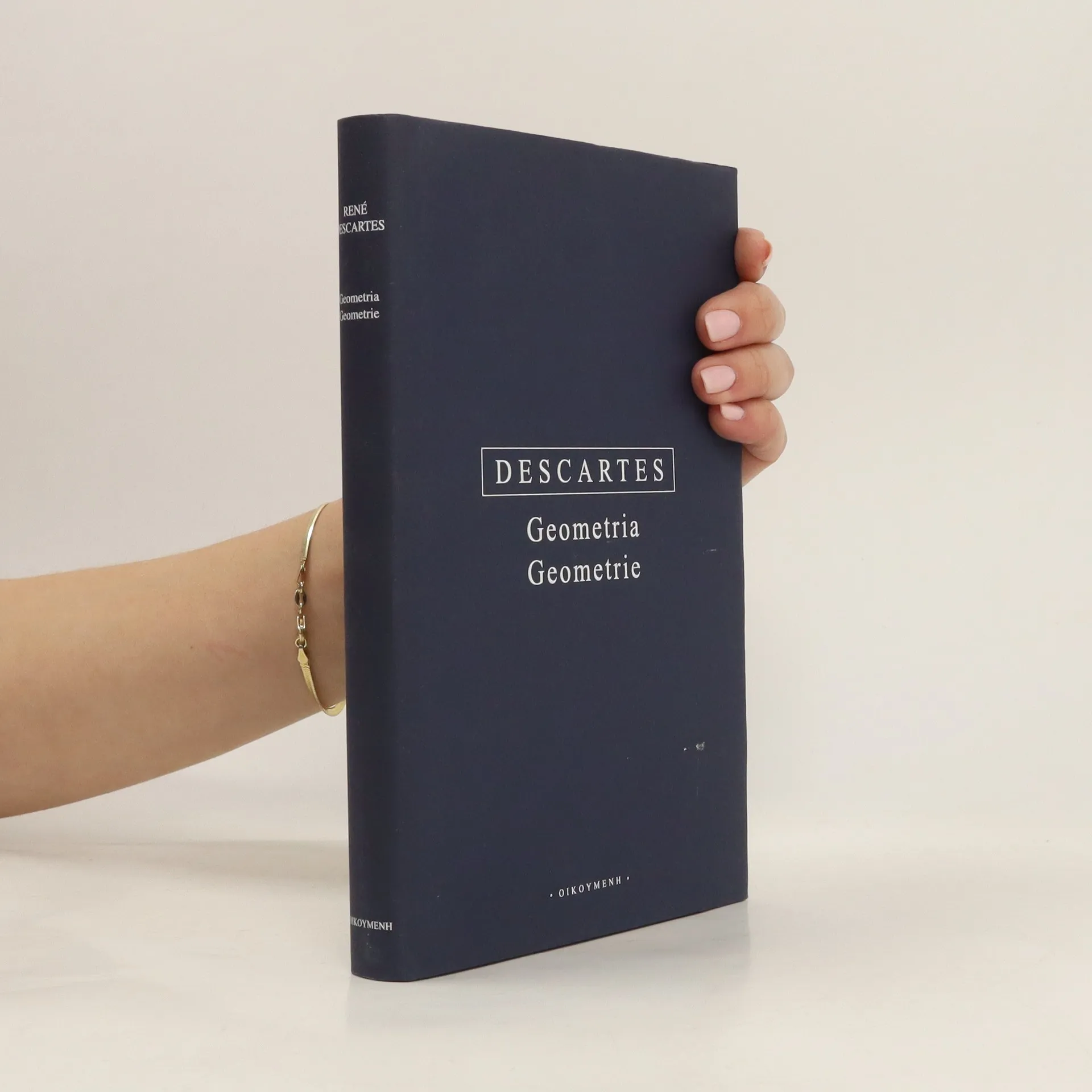
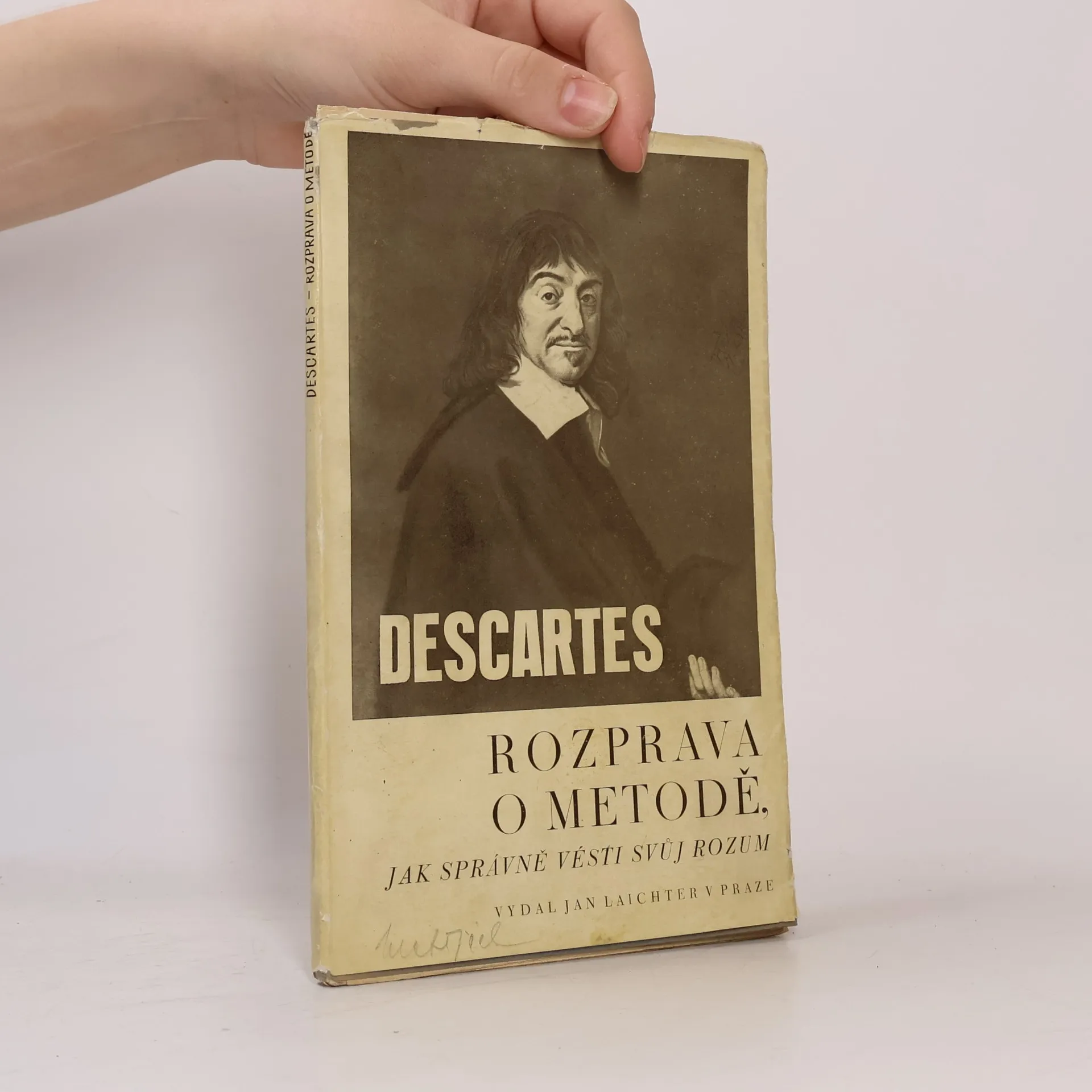
Součástí Descartovy Rozpravy o metodě byly tři „eseje“, které ilustrovaly Descartovu metodu. Jedním z nich je slavná Geometrie, základní dílo novověké matematiky, první revoluce od vzniku řecké geometrie. Český překlad J. Fialy je pořízen podle původního francouzského znění a doprovází jej faksimile prvního latinského překladu podle vydání z roku 1683.
Descartes publie en 1642 un ouvrage intitulé Méditations touchant la première philosophie dans lesquelles l'existence de Dieu et la distinction réelle entre l'âme et le corps de l'homme sont démontrées. Son but est d'unifier les sciences en découvrant leur principe ou méthode commune. Il s'agit d'affirmer l'indépendance et l'autonomie de la philosophie par rapport à la théologie pour résoudre la crise des sciences, ou d'apaiser le conflit du savoir et de la foi en redéfinissant la place de l'homme dans l'univers. Cette œuvre intéresse donc la philosophie, la science et la religion. C'est la naissance de la subjectivité et le début de l'époque moderne.
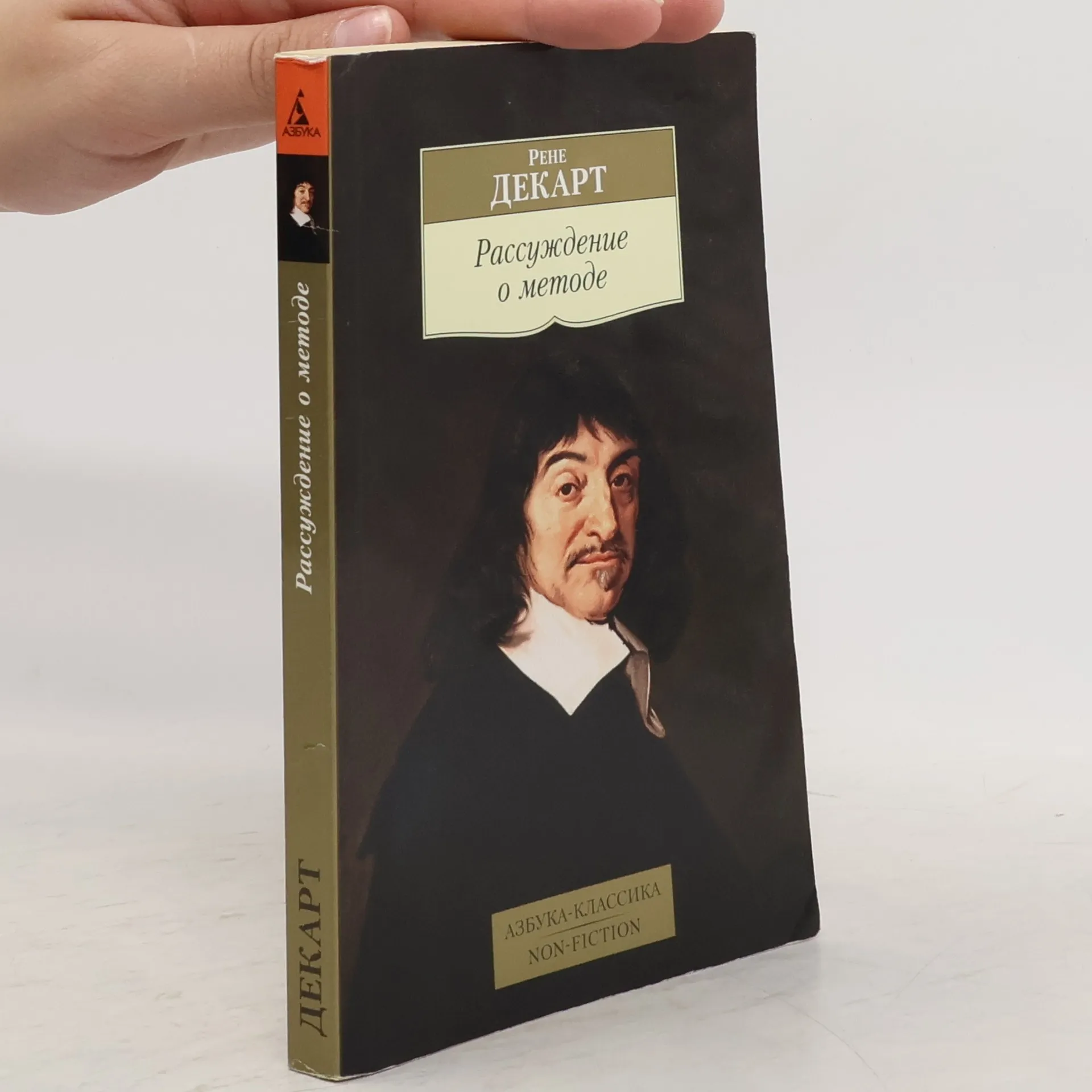
Рене Декарт — основоположник новой рационалистической философии, принадлежит к числу выдающихся европейских мыслителей. Картизянство стало объектом философского культа. Его идеи не только изучают, но и исповедуют. Обаяние мысли Декарта ощутит каждый читатель. Внимательный к непосвященным, снисходительный к книжной мудрости философ обращается к нам не как метр, а как скромный ученик, готовый отказаться от своих выводов, услышав убедительную критику. В данное издание вошли три наиболее важных трактата Рене: «Разyskanie istiny», «Рассуждение о методе» и «Размышления о первой философии». В качестве приложения представлена работа Т. Гоббса. Издание включает большой справочный вступительную статью и подробный комментарий.
Die den Beginn neuzeitlicher Philosophie und Naturwissenschaft markierenden Lehren des René Descartes sind geprägt vom Pathos der Aufklärung und lassen Herkunft und Eigenart abendländischer Erkenntnishaltung deutlich erkennen. Auch wenn seine Metaphysik der Vergangenheit angehört, so fordert der Denker und Theoretiker exakter Forschung doch bis auf den heutigen Tag zu Diskussionen heraus.(Dieser Text bezieht sich auf eine frühere Ausgabe.)
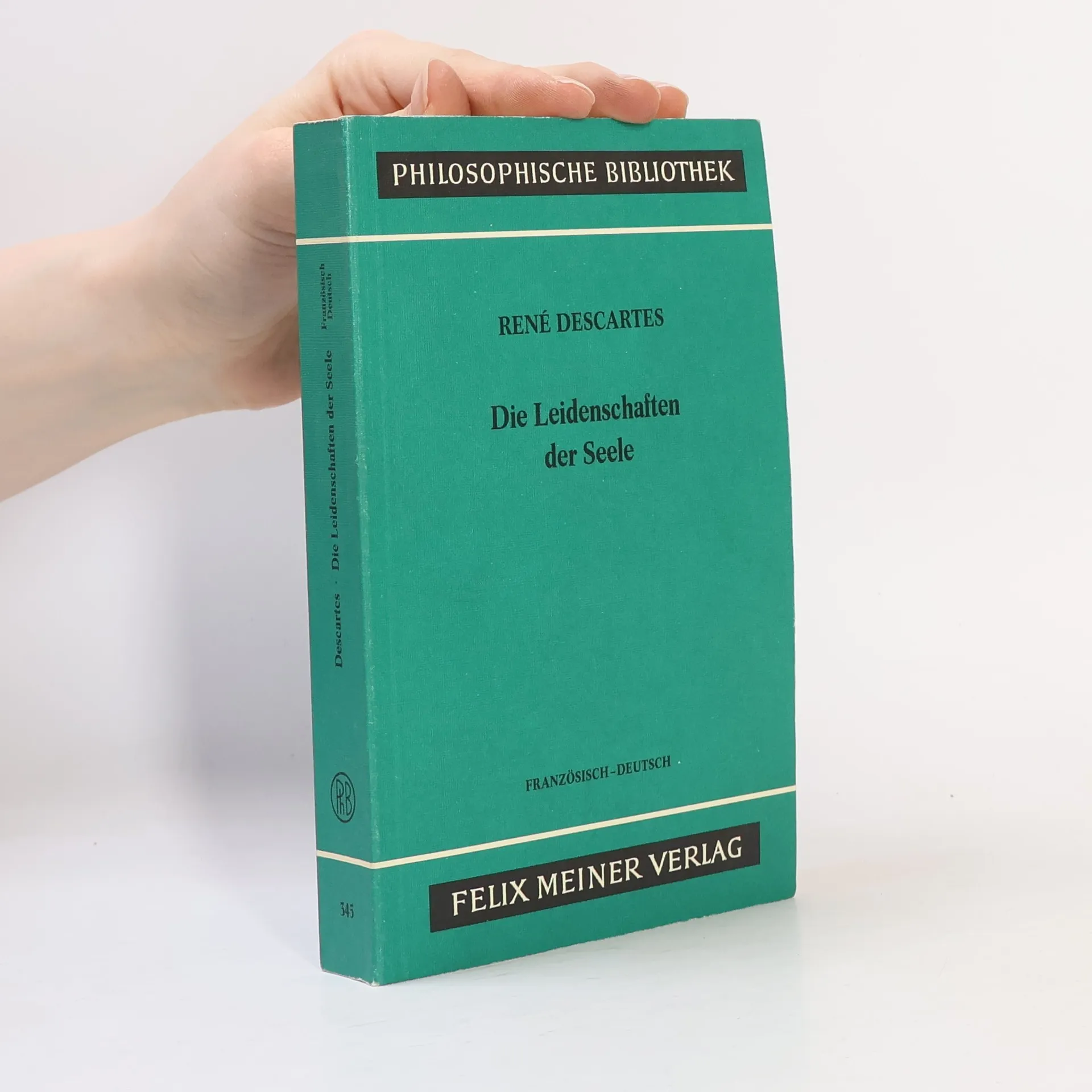
In Descartes' letztem Werk von 1649 wird das Verhältnis von Geist und Körper sowohl im Rahmen der Klassifikation einzelner Affekte als auch im Hinblick auf das traditionelle Ziel der Moralphilosophie thematisiert, nämlich die Kontrolle körperlicher Regungen durch feste, vernunftgemäße Urteile. Die Originalität von Descartes' Auffassung menschlicher Emotionalität im Vergleich zu dieser Tradition liegt nicht nur darin, dass er für jede seelische Regung eine eigene Definition und spezifische Anwendung findet, sondern vor allem darin, dass er auf die Möglichkeit hinweist, auch schädliche und schwer zu bewältigende Affekte gewinnbringend zu nutzen. Aus diesen können wir mit dem nötigen Abstand dasselbe Vergnügen schöpfen, als ob es sich um eine Aufführung im Theater handelt.
El cartesianismo hace mucho tiempo que murió. El pensamiento de Descartes, sin embargo, pervive y pervivirá mientras exista como guía de reflexión la libertad de pensar. Este principio constituye la más deliciosa fábula que el hombre pudo inventar, y eso se lo debe a la humanidad, en buena parte, a Descartes y, especialmente, a las dos obras que el lector tiene entre sus manos. Leer a Descartes es uno de los mejores ejercicios para mantener vivo el más importante impulso de la filosofía moderna: una duda previa absoluta, un escepticismo como punto de partida del genuino saber. Con todo, el principal mérito del que pasa por ser el primer racionalista oficial de la historia de la filosofía, ha consistido en su matizada crítica al pensamiento dogmático. Nada, efectivamente, puede ser aceptado en virtud de una autoridad cualquiera. Este héroe del pensamiento moderno, en palabras de Hegel, ha llevado a la filosofía por caminos apenas percibidos anteriormente, atreviéndose, por decirlos en palabras de Dalembert, a enseñar a las buenas cabezas a sacudirse el yugo de la escolástica, de la opinión, de la autoridad; en una palabra, de los prejuicios y de la barbarie y, con esta rebelión cuyos frutos recogemos hoy, ha hecho a la filosofía más esencial quizá que todos los que ésta debe a los ilustres sucesores de Descartes.
První české vydání slavné Descartovy diskuse s jeho současníky, kteří se kriticky vyjádřili k jeho spisu Meditace o první filosofii, je doplněno novým českým překladem Meditací. Tento svazek obsahuje šest souborů námitek, jež Descartovi k jeho knize sepsalo několik významných myslitelů (např. Th. Hobbes, P. Gassendi či A. Arnauld). Přeložili V. Glombíček, T. Marvan a P. Zavadil.
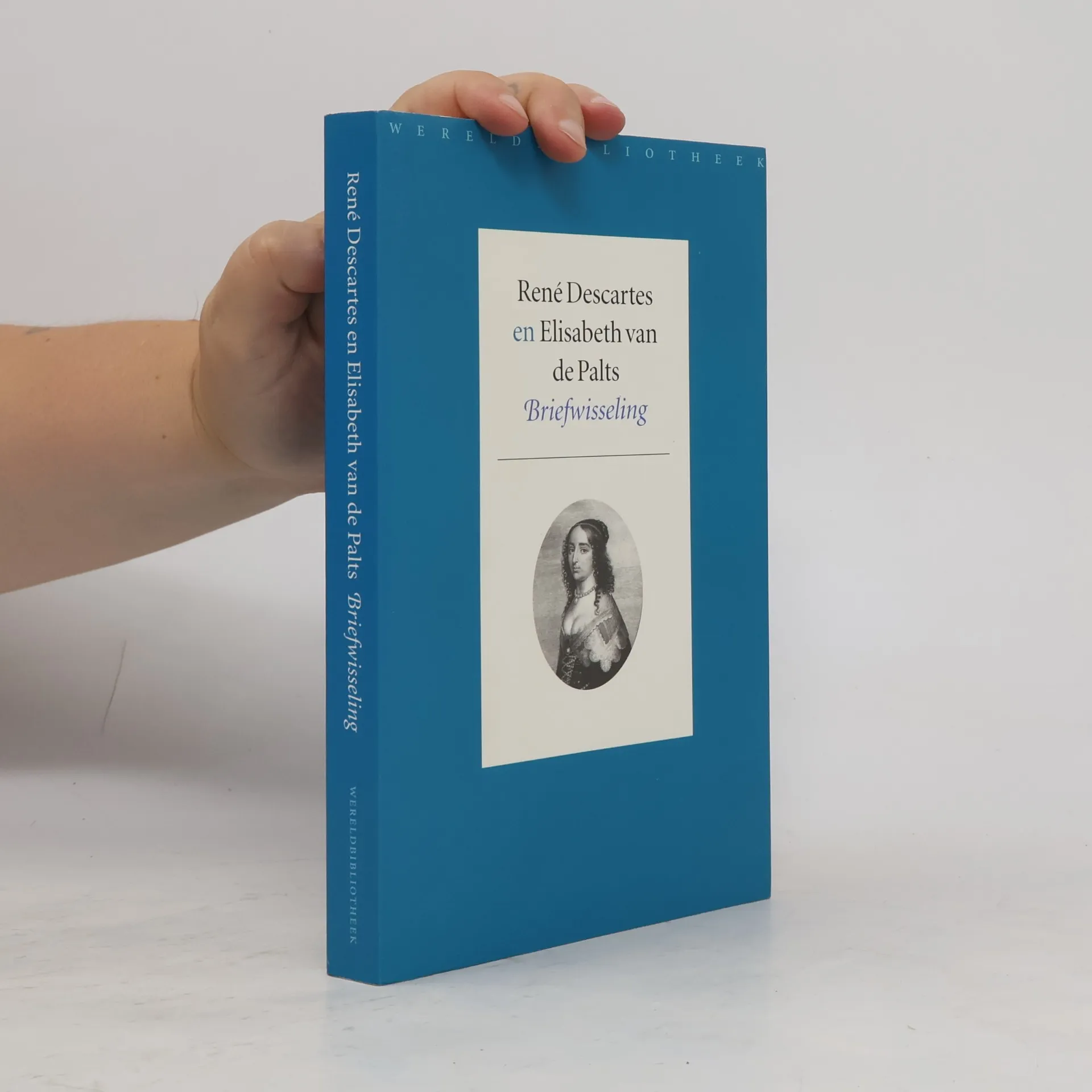
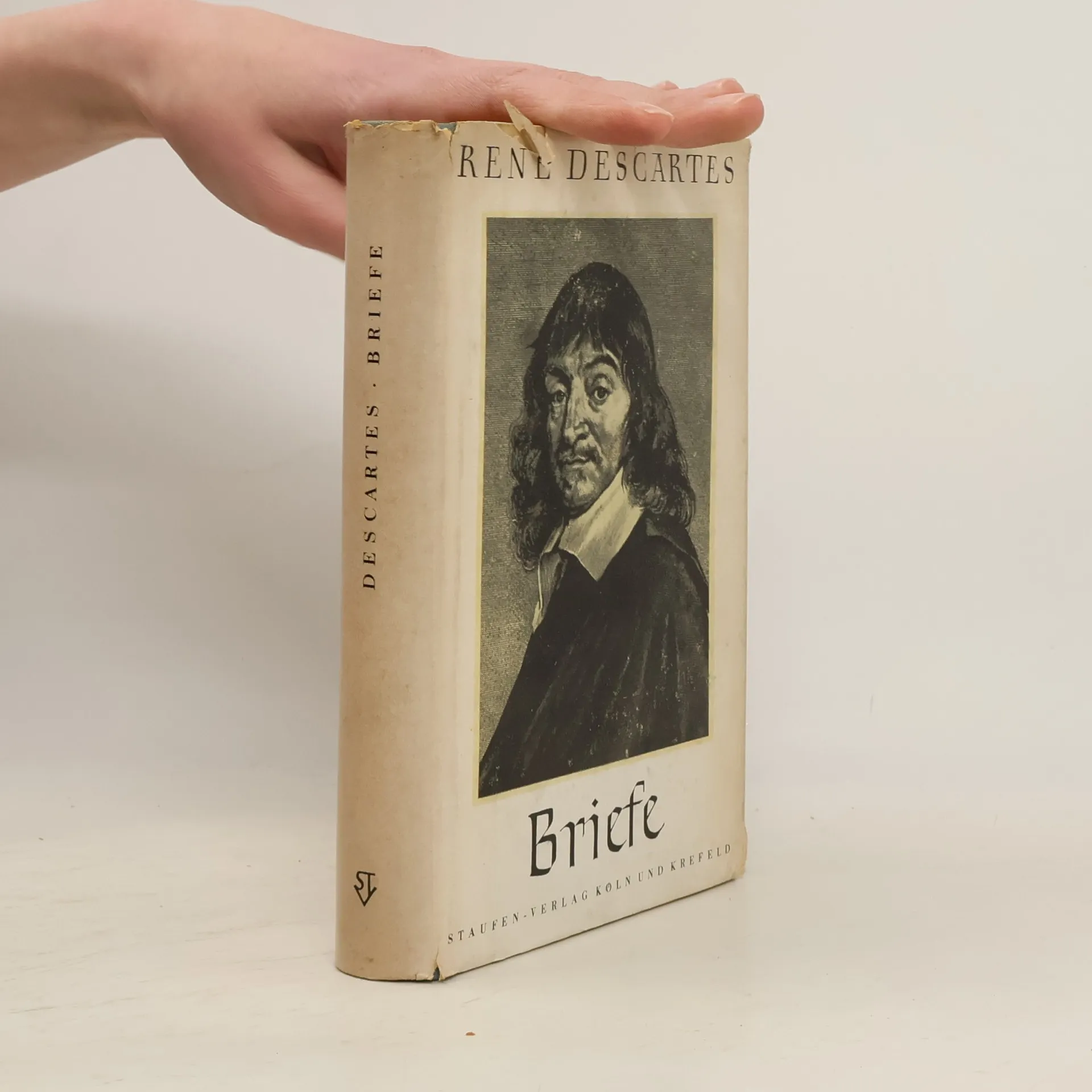
Après avoir lu les Méditations métaphysiques , la jeune Élisabeth de Bohême demande à s’entretenir avec Descartes pour obtenir des réponses. Ainsi naît, entre un philosophe déjà vieux et une princesse mélancolique, une conversation épistolaire qui durera sept ans, jusqu’à la mort de Descartes en 1650. Ils discuteront aussi bien de mathématiques et de géométrie que de l’union de l’âme et du corps, des passions, du bonheur et de Dieu. Sans jamais renier sa pensée – bien plutôt en la fortifiant –, Descartes diagnostiquera à la jeune femme un excès de cartésianisme : pour la soigner, il valorisera les plaisirs de la vie courante, le repos de l’esprit et le manque de sérieux.Ce volume rassemble la correspondance intégrale entre Descartes et Élisabeth, ainsi que des lettres du philosophe à divers correspondants, dont le médecin Regius, Christine, reine de Suède, et Chanut, ambassadeur de France en Suède.
Passion en morale se dit des différentes agitations de l'âme selon les divers objets qui se présentent à ses sens. Les philosophes ne s'accordent pas sur le nombre des passions (...). Voyez surtout M. Descartes qui a fait un beau traité des Passions d'une manière physique. (Dictionnaire de Furetière).
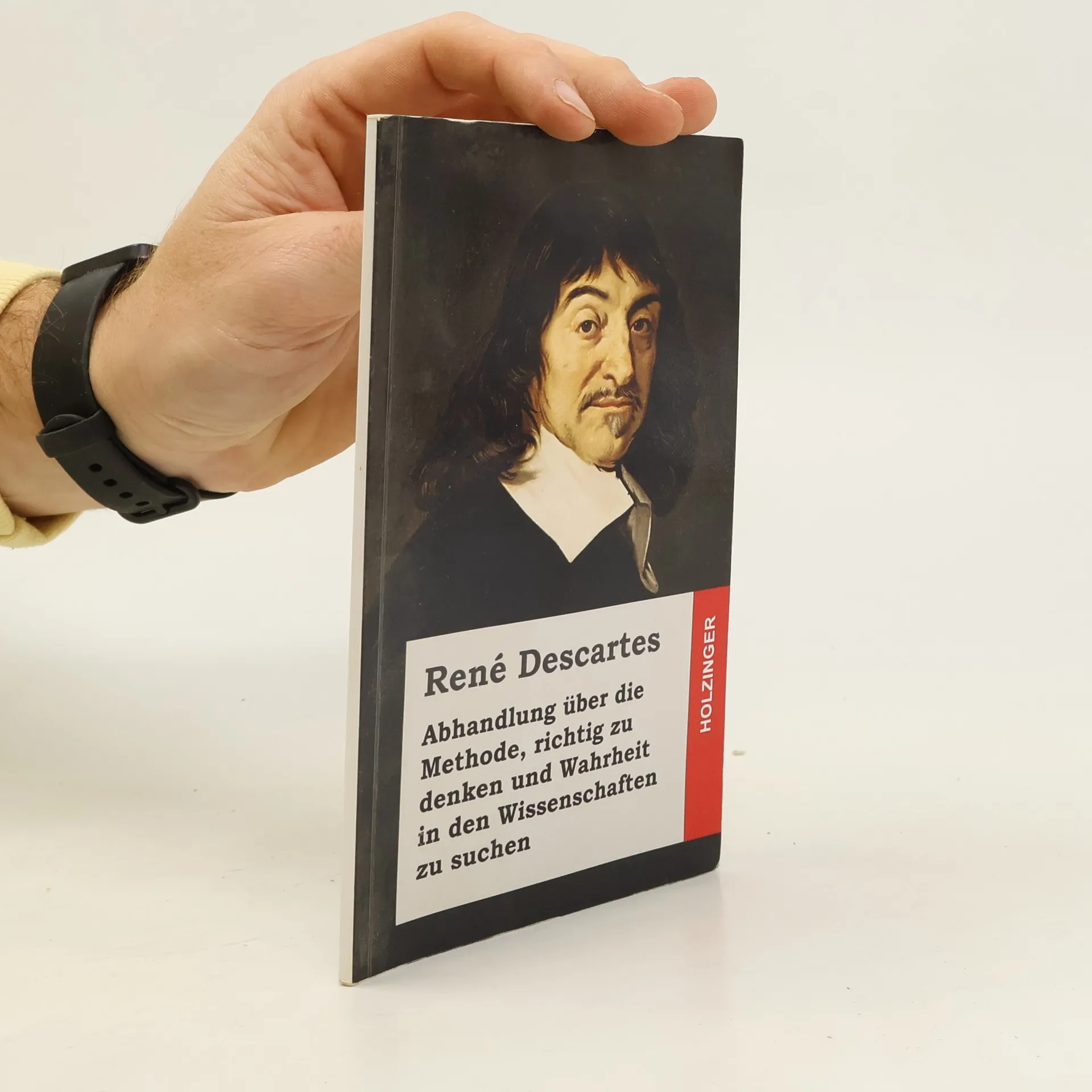
René Descartes: Abhandlung über die Methode, richtig zu denken und Wahrheit in den Wissenschaften zu suchen Edition Holzinger. Taschenbuch Berliner Ausgabe, 2013 Vollständiger, durchgesehener Neusatz mit einer Biographie des Autors bearbeitet und eingerichtet von Michael Holzinger Erstdruck (anonym) unter dem Titel »Discours de la méthode pour bien conduire sa raison et chercher la vérité dans les sciences« in: »Essais«, Leiden 1637. Text nach der Übersetzung durch Julius Heinrich von Kirchmann von 1870. Textgrundlage ist die Ausgabe: René Descartes' philosophische Werke. Übersetzt, erläutert und mit einer Lebensbeschreibung des Descartes versehen von J. H. von Kirchmann, Abteilung I-III, Berlin: L. Heimann, 1870 (Philosophische Bibliothek, Bd. 25/26). Herausgeber der Reihe: Michael Holzinger Reihengestaltung: Viktor Harvion Umschlaggestaltung unter Verwendung des Bildes: René Descartes (Porträt von Frans Hals, 1648) Gesetzt aus Minion Pro, 10 pt
René Descartes' "Abhandlung über die Methode" bietet einen klaren Zugang zu rationalem Denken und der Suche nach Wahrheit in den Wissenschaften. Diese Ausgabe enthält eine Biographie des Autors und wurde sorgfältig modernisiert. Sie basiert auf der Übersetzung von Julius Heinrich von Kirchmann aus dem Jahr 1870.
Die "Méditations sur la philosophie première" von Descartes, erstmals 1641 in Latein veröffentlicht, behandelt die Existenz Gottes und die Unsterblichkeit der Seele. Die zweite Auflage von 1642 thematisiert die Unterscheidung zwischen Seele und Körper. Das Werk stieß auf heftige Ablehnung und wurde 1663 auf den Index gesetzt.
Dieses Buch untersucht den Briefwechsel zwischen Descartes und Marin Mersenne, der als zentraler Vermittler wissenschaftlicher Ideen galt. Es beleuchtet, wie Mersenne Descartes' Denken beeinflusste und die Entstehung seiner Werke begleitete. Zudem wird Descartes' persönliche Entwicklung und seine Reaktionen auf zeitgenössische Ereignisse thematisiert.
1637 veröffentlichte Descartes anonym seinen „Discours de la méthode“, ein bedeutendes populärwissenschaftliches Werk. Es behandelt Erkenntnistheorie, Ethik, Metaphysik und Physik, betont logische Analyse, moralisches Verhalten und die rationale Erklärung der Natur. Der Neusatz folgt der Ausgabe von 1870.
Der "Discours de la méthode" von René Descartes ist ein bedeutendes philosophisches und autobiografisches Werk aus dem Jahr 1637. Es behandelt die Wissenschaften, die Methode, moralische Regeln, Metaphysik und Naturphilosophie. Berühmt ist das Zitat "Je pense, donc je suis" aus dem IV. Teil.
Další z „esejů“ z Rozpravy o metodě v němž Descartes předvádí svou metodu na nauce o světle, zvláště pak na objevu zákonu lomu světla a jeho důsledcích. Francouzko-česky, s původními obrázky a závěrečným komentářem překladatele.
Bd. 1: Kompendium der Musik, Anmerkungen zu einem gewissen … Programm, Brief an Dinet, Briefwechsel mit Beeckman, Morin, Regius u.a. – Bd. 2: Die Untersuchung der Wahrheit durch das natürliche Licht, Briefwechsel mit More u.a.
1300pagine
46 ore di lettura
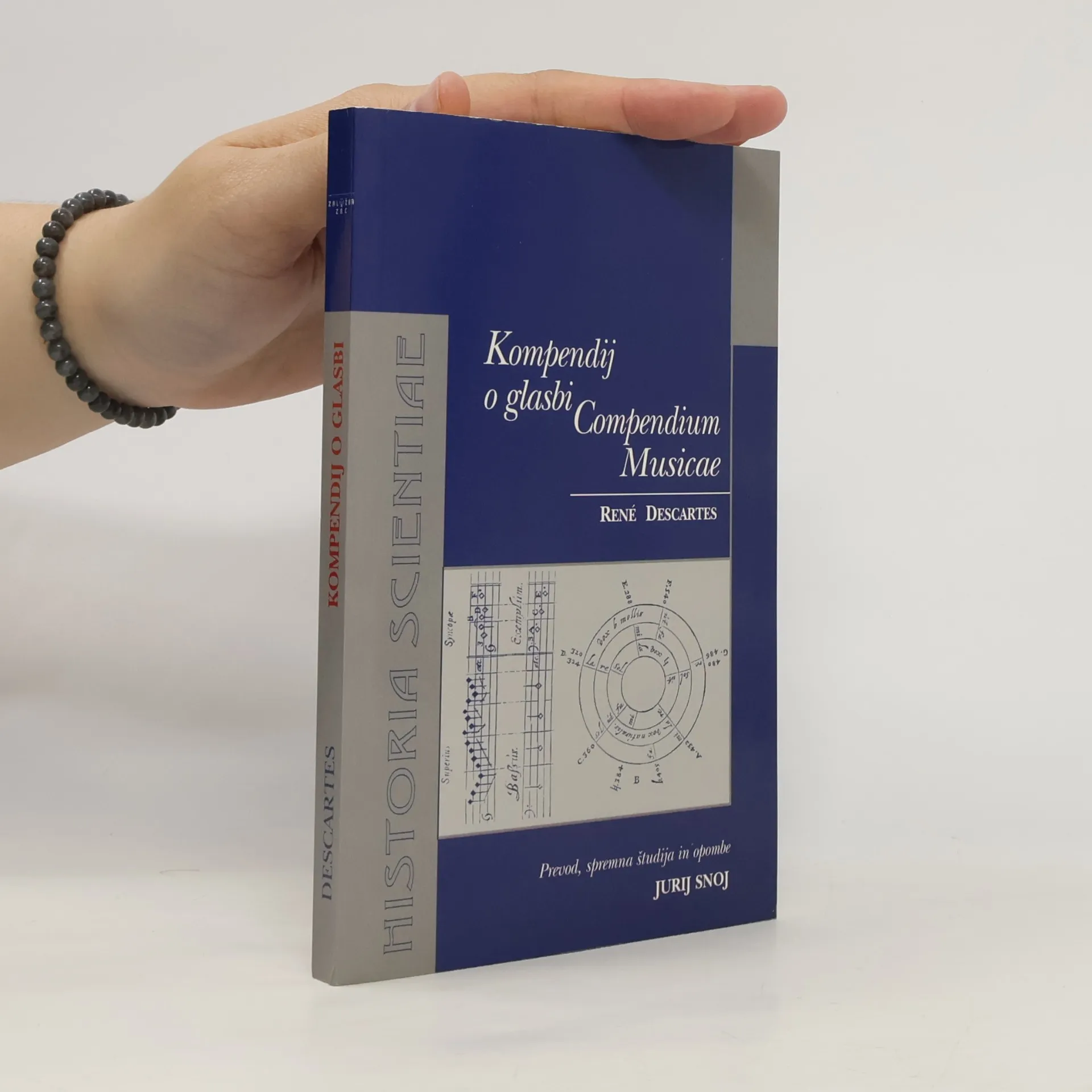
Diese Bände mit »Kleinen Schriften« enthalten Aufsätze und Briefe René Descartes’, die die Zeit zwischen seinen zentralen Werken beleuchten. Sie beginnen und enden mit zwei Texten, die einen besonderen Anspruch aufweisen: das »Compendium musicae« von 1618 und der undatierbare Dialog »La Recherche de la Vérité par la Lumière naturelle«. Das »Compendium musicae« ist Descartes’ ältestes erhaltenes Werk, abgesehen von seiner juristischen Examensarbeit von 1616, und bietet eine frühe, noch unausgearbeitete Erkenntnistheorie, die in einer Musiktheorie skizziert wird. Der Dialog zur »Untersuchung der Wahrheit durch das natürliche Licht« ist Gegenstand einer intensiven Forschung im 20. Jahrhundert, sowohl hinsichtlich der Datierung als auch der Bedeutung, da Descartes hier seine Position in pädagogischer Form darstellt und in eine Ethik mündet. Weitere enthaltene Schriften umfassen die frühe Korrespondenz mit Isaac Beeckman, Briefe im Zusammenhang mit den Veröffentlichungen des »Discours«, der »Meditationen« und der »Principia«, sowie Kontroversen zu Optik, Metaphysik und Willensfreiheit. Auch die Briefe an Regius und Dinet im Kontext des ersten Auseinandersetzungs um den Cartesianismus in den Niederlanden sind enthalten. Die Texte werden durch erläuternde Anmerkungen des Herausgebers Christian Wohlers und ausführliche Register ergänzt.
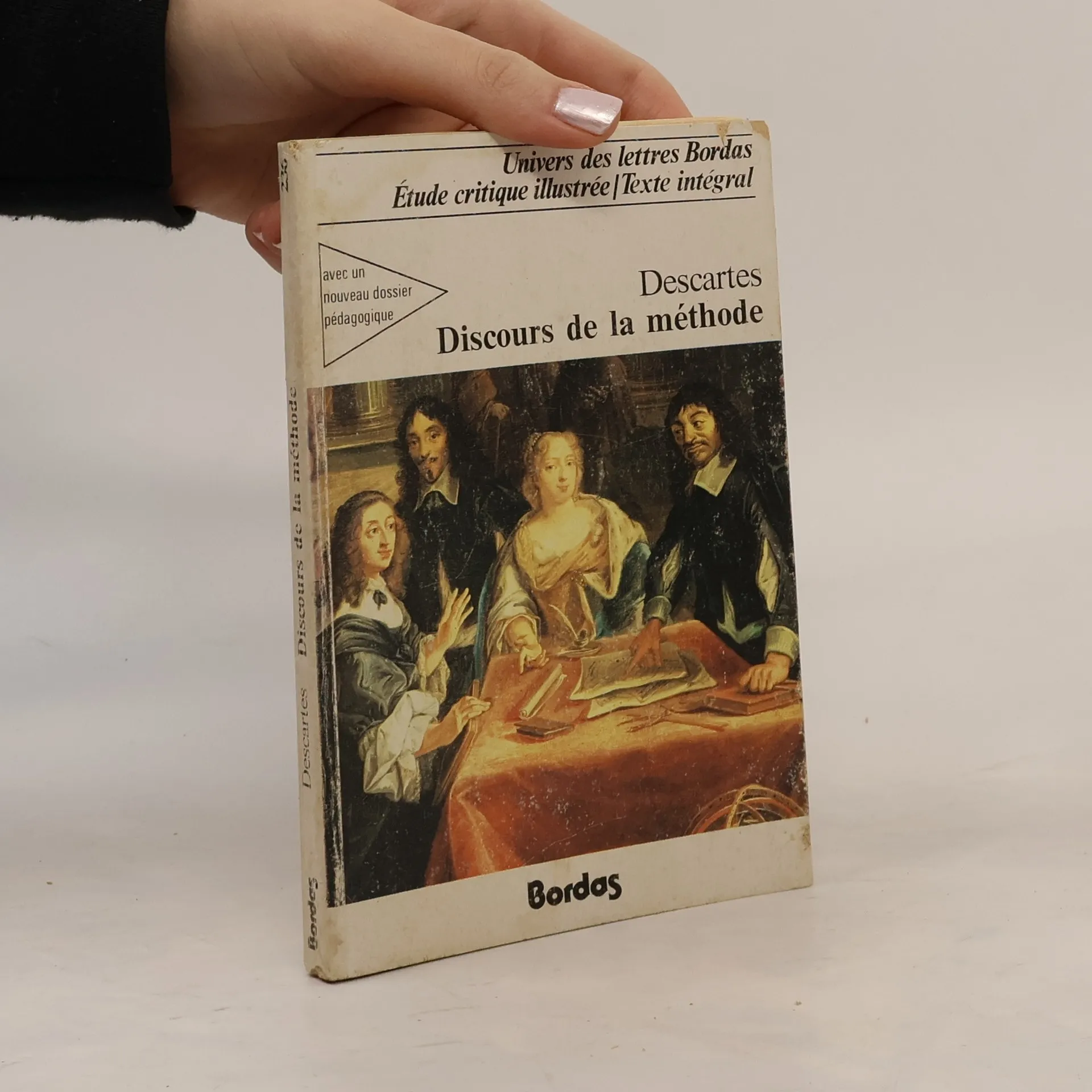
Der «Discours de la méthode», mit vollem Titel «Discours de la méthode pour bien conduire sa raison et chercher la verité dans les sciences» (dt. «Abhandlung über die Methode, seine Vernunft gut zu gebrauchen und die Wahrheit in den Wissenschaften zu suchen») ist ein philosophisches und autobiographisches Werk des französischen Philosophen René Descartes. Es erschien erstmals 1637 anonym in Leiden in französischer Sprache und war daher auch philosophischen Laien zugänglich. Der Discours beinhaltet Descartes' Auseinandersetzung mit Skeptizismus und dem Aristotelismus der Scholastik. Ausgehend von einem allgemeinen Zweifel an überlieferten Wahrheiten, aber auch am eigenen Urteil ist es Descartes Ziel, unwiderlegbare wahre Sätze zu finden. Umrahmt von Schilderungen seiner intellektuellen Autobiographie beschreibt Descartes dabei detailliert eines der frühesten Programme zur wissenschaftlichen Naturforschung. Der Discours gilt daher als einer der Ursprünge der Wissenschaftsphilosophie.
Myšlenkový postup šesti proslulých meditací se stal odrazovým můstkem celé moderní filosofie jakožto její fundament i partner dialogu. Úvahy rozvádějí důvody veškeré pochybnosti a důvod k důkazu boží existence. Stanoví povahu lidského ducha a podstatu hmoty, určují, v čem tkví pravda aomyl a vyznačují rozdíl rozumového a imaginativního poznání. M. Sobotka doprovází spisek nejen poznámkami, ale i výtečnou úvodní studií, v níž ukazuje Descartovo místo ve vývoji metafyziky a jeho pojetí vztahů "cogito" a "sum" ("ego").
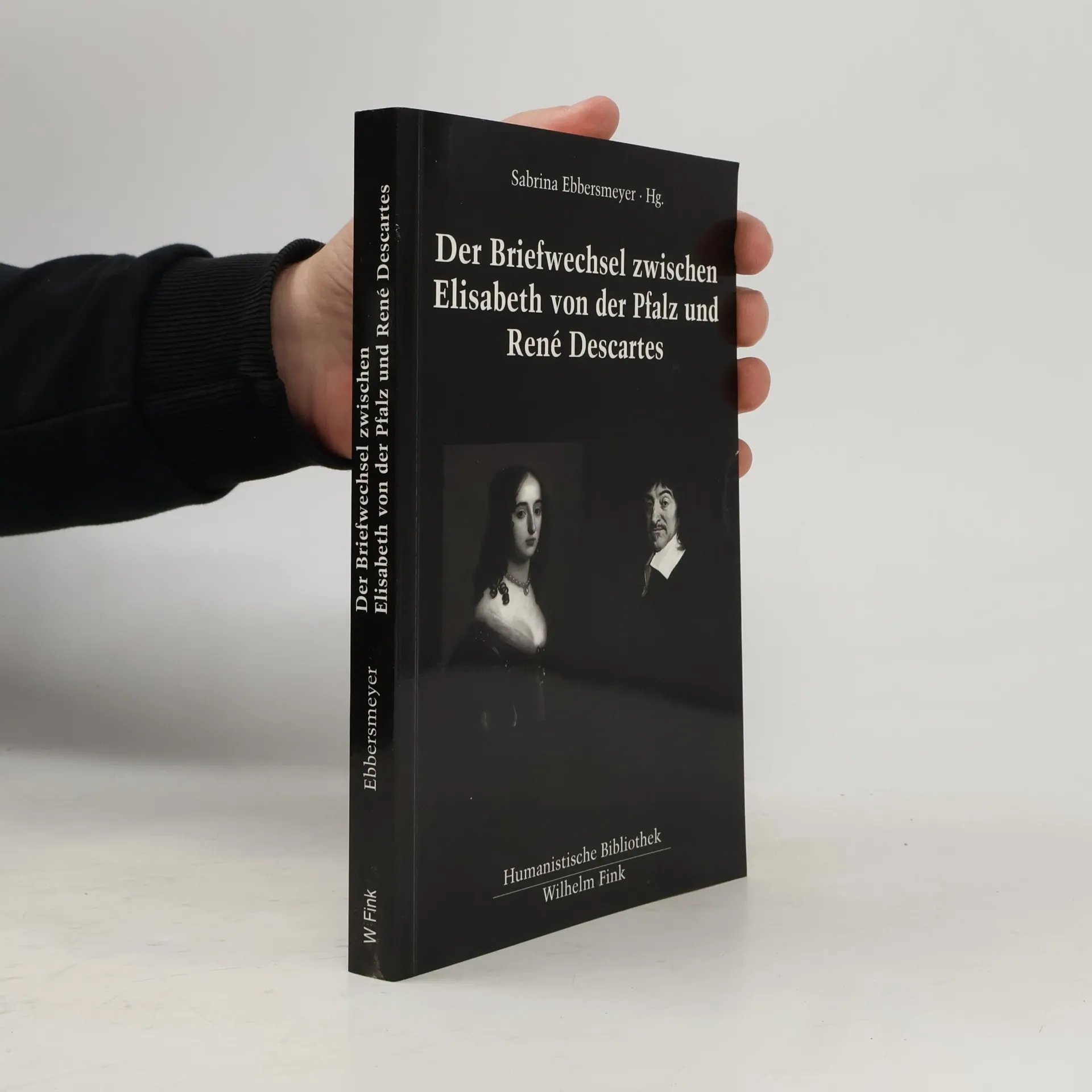
Angeregt durch die Lektüre von Descartes’ Meditationen suchte Elisabeth von der Pfalz (1618-1680) 1643 den brieflichen Kontakt zu dem berühmten Philosophen. Der sich über sechs Jahre, bis zum Tod Descartes’ im Februar 1650 erstreckende Briefwechsel fesselt durch philosophische Reflexionen wie durch persönliche Betrachtungen. Unter den 59 Briefen der Korrespondenz stammen 26 aus Elisabeths und 33 aus Descartes’ Feder. Der Briefwechsel ist zum einen bedeutsam für all jene, die sich für die Philosophie Descartes’ interessieren, insbesondere für das Verständnis vom Menschen als Körper-Geist-Einheit. Zum anderen dokumentiert er die philosophischen Überlegungen einer der gelehrtesten Frauen des 17. Jahrhunderts und belegt eindrucksvoll, auf welche Weise sich gebildete Frauen der Frühen Neuzeit in den philosophischen Diskurs einbringen konnten.
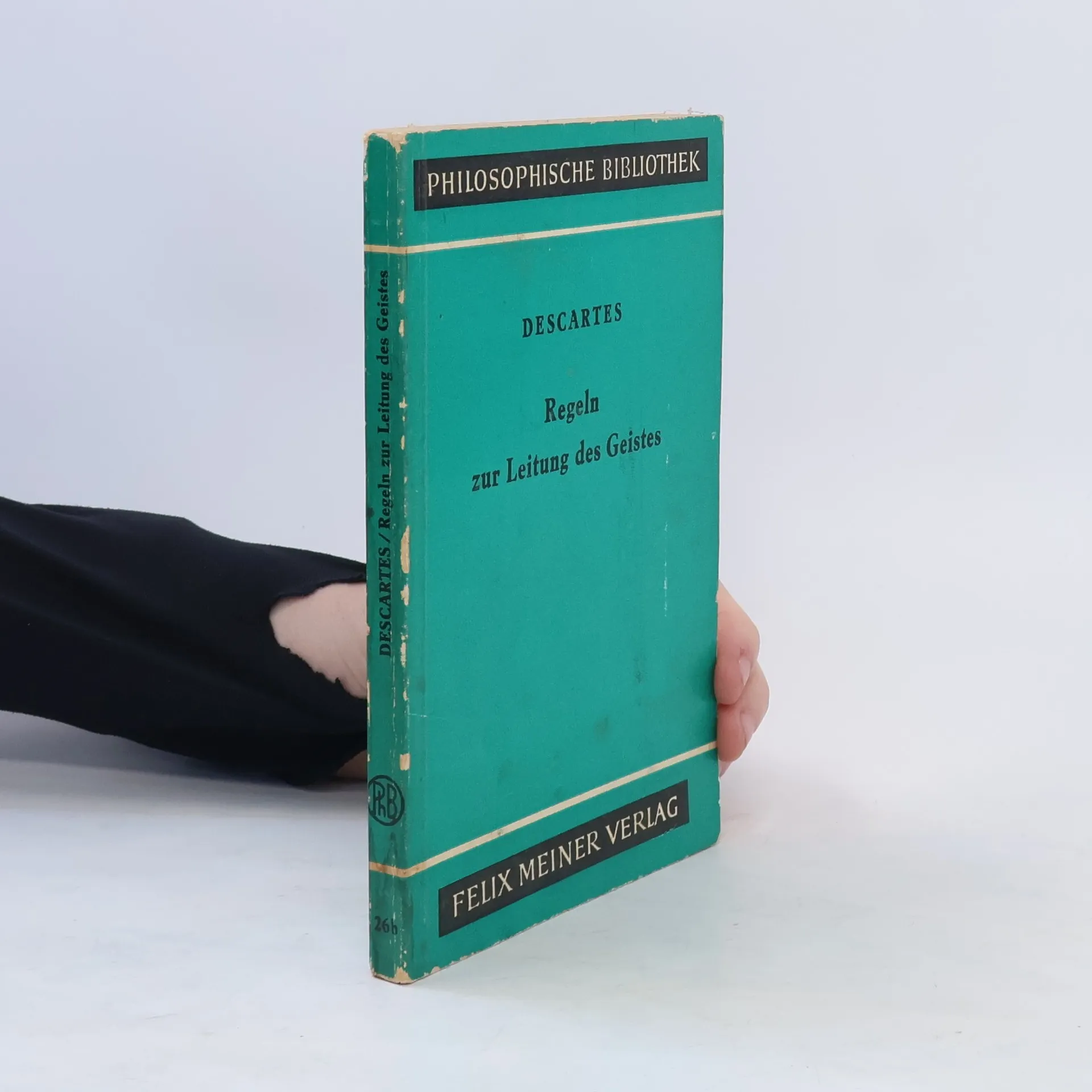
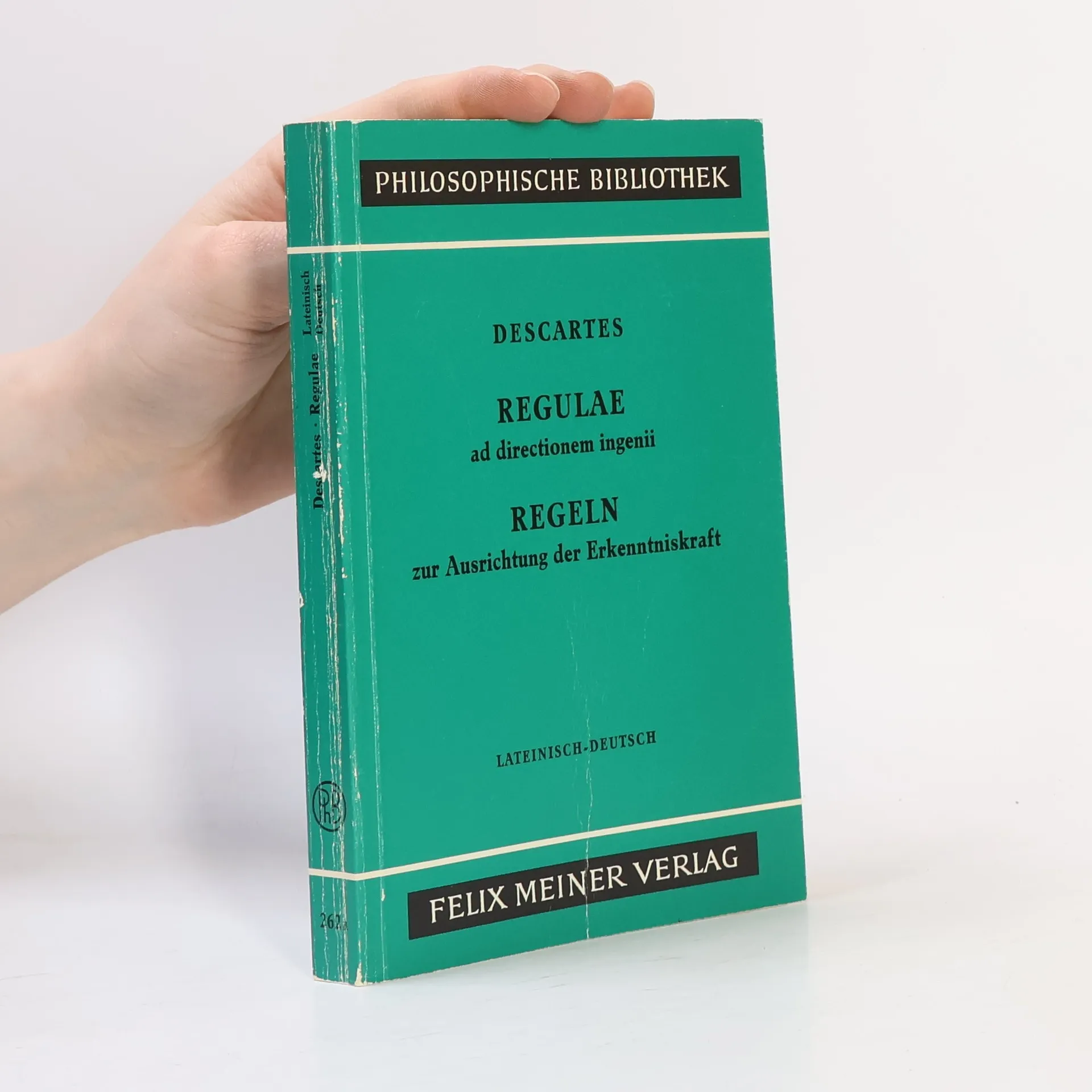
In der Fragment gebliebenen Frühschrift (entstanden ca. 1628) bestimmt René Descartes den ethischen Wert wissenschaftlicher, d. h. methodisch ausgerichteter Erkenntnis. Tenor: Ziel und Wert wissenschaftlicher Tätigkeit liegen nicht zuerst in den Kenntnissen, die sie vermitteln, noch in dem Nutzen, den diese Kenntnisse haben können, sondern vielmehr in der formalen Ausbildung des Erkenntnisvermögens zu diszipliniertem Denken.
Meditations on First Philosophy is a philosophical treatise written by René Descartes first published in Latin in 1641. The book is made up of six meditations, in which Descartes first discards all belief in things which are not absolutely certain, and then tries to establish what can be known for sure. The meditations were written as if he was meditating for 6 days: each meditation refers to the last one as "yesterday". However, Descartes did not take 6 days to complete this work; it actually took several years.