Bookbot

Julian Barnes

    19 gennaio 1946

    Julian Barnes è uno scrittore inglese contemporaneo le cui opere sono spesso inserite nel solco del postmodernismo. La sua scrittura esplora le complessità della memoria, della storia e dell'identità attraverso narrazioni attentamente costruite e uno stile distintivo e ironico. Barnes intreccia magistralmente temi di perdita, amore e ricerca di significato in storie esistenzialmente risonanti. La sua profondità letteraria e la sua abilità stilistica lo rendono una figura significativa nella narrativa britannica contemporanea.

    Julian Barnes
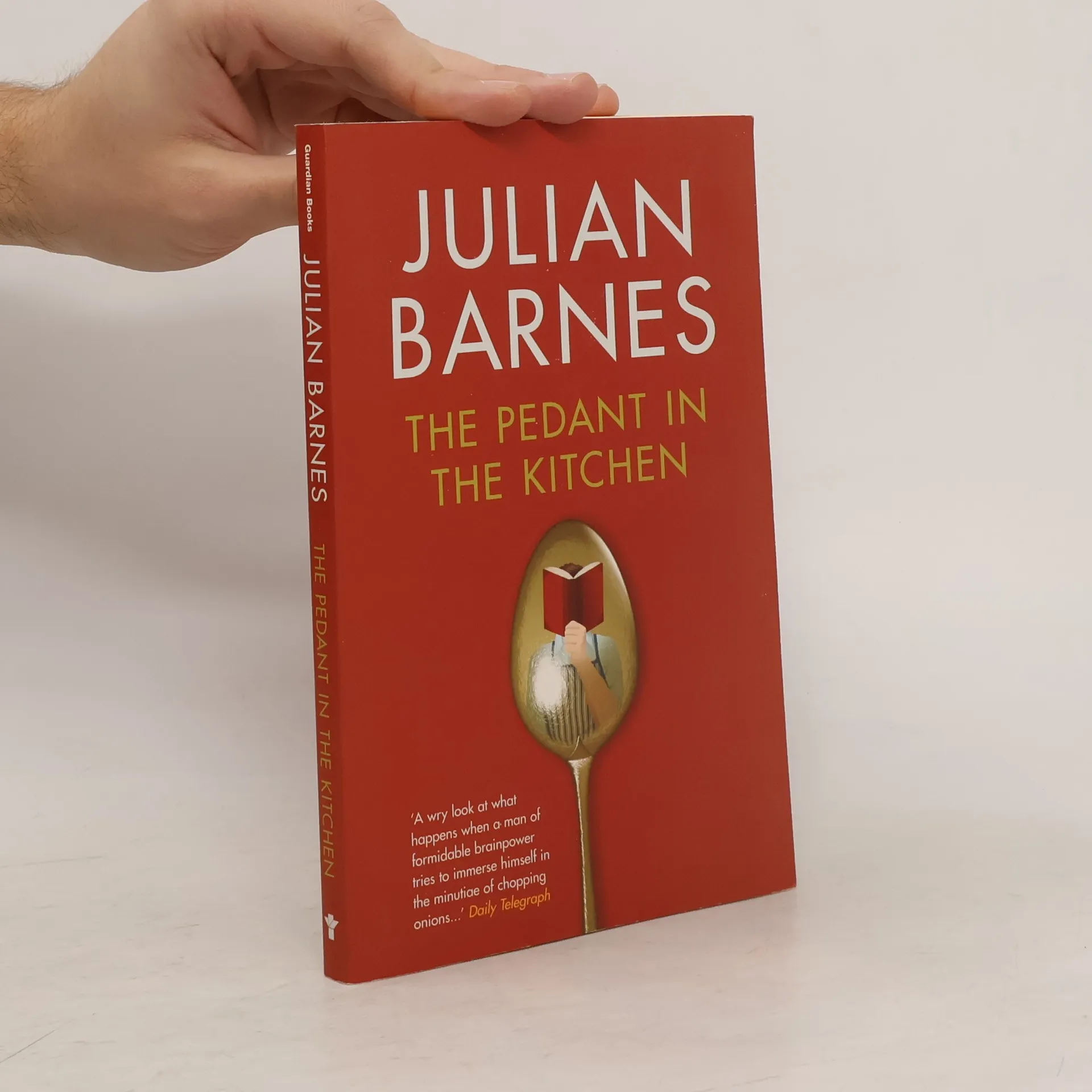
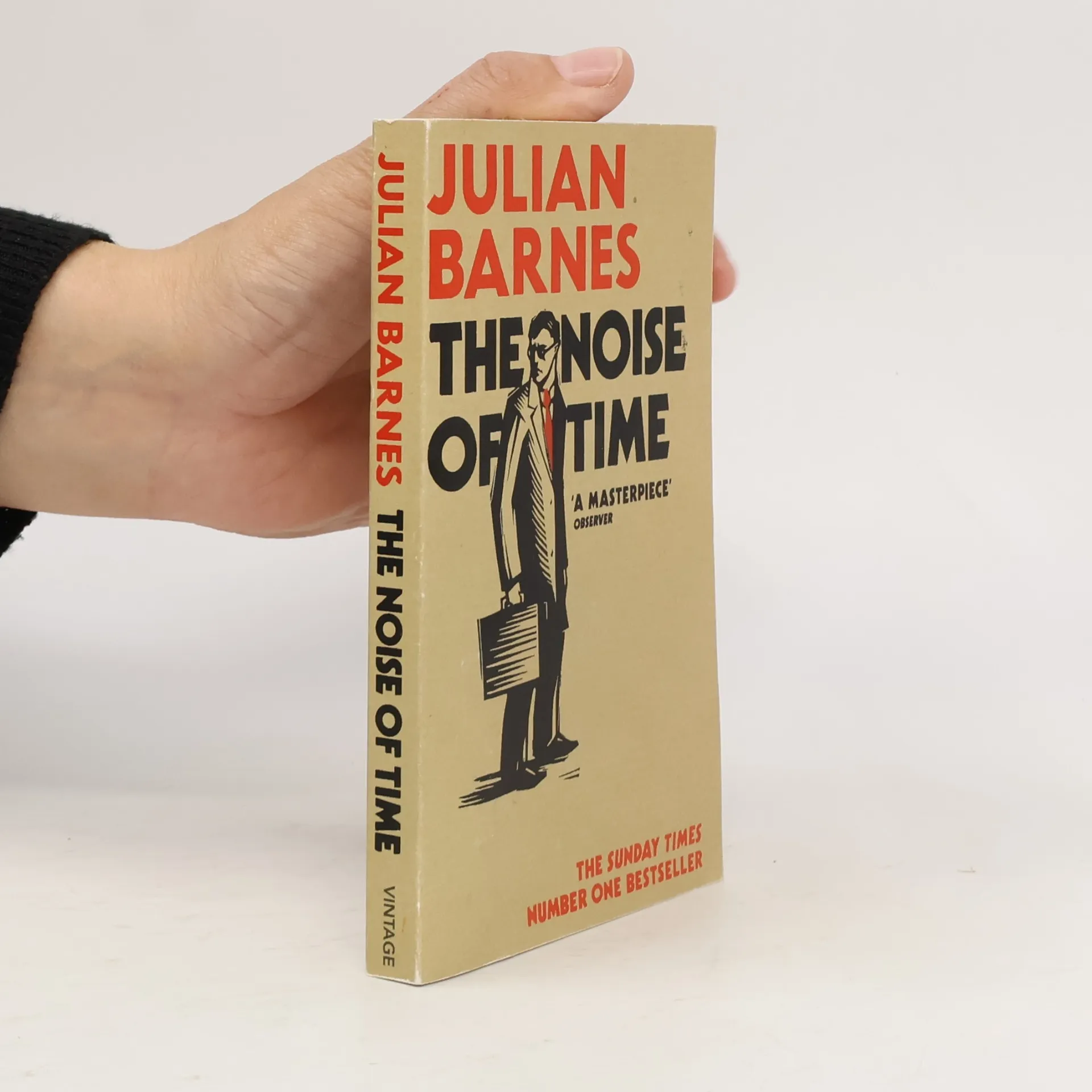
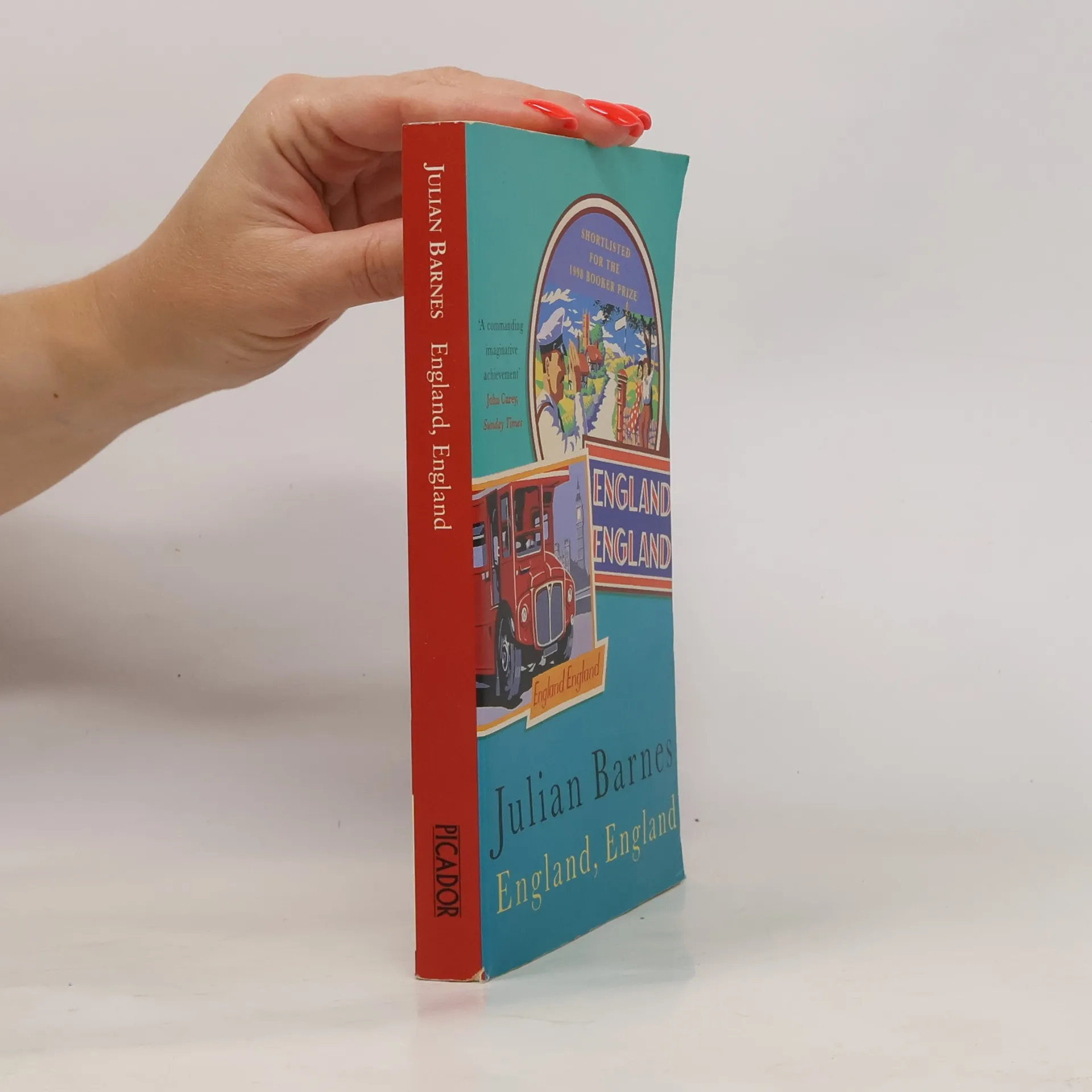
    Keeping an Eye Open
    Through the window
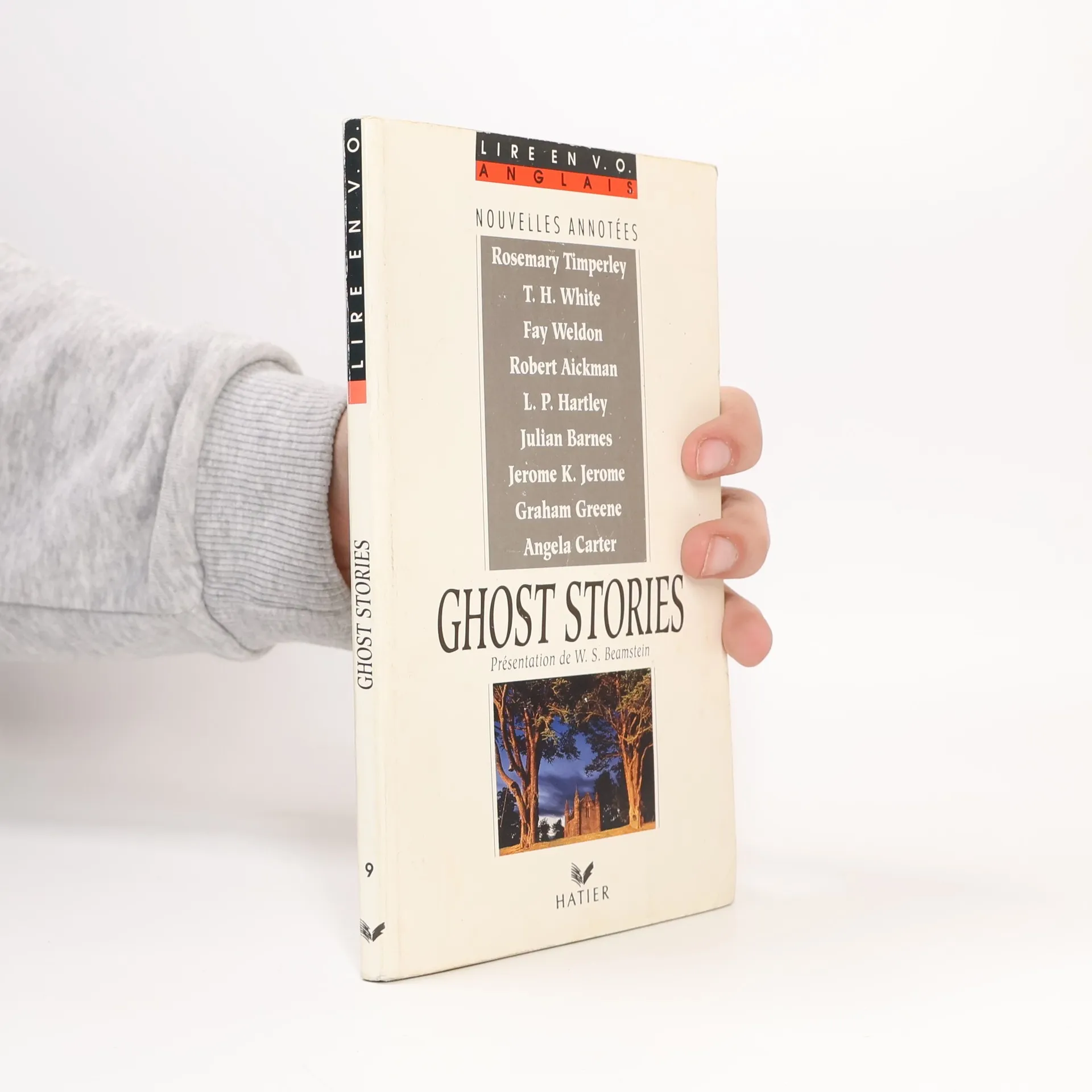
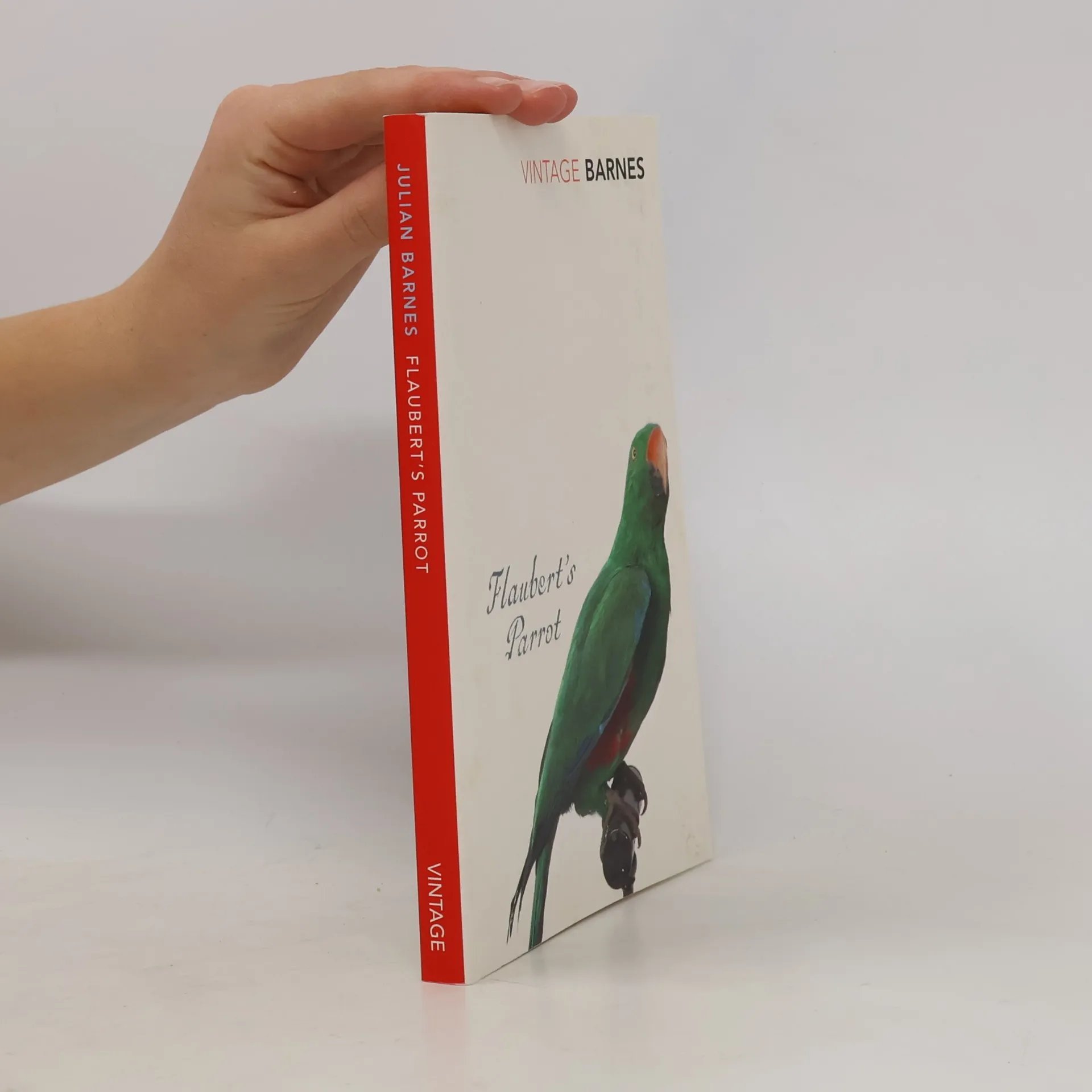
    Flaubert's parrot and A history of the world in 10 1/2 chapters
    Einaudi tascabili - 439: Una storia del mondo in 10 capitoli e ½
    L'uomo con la vestaglia rossa
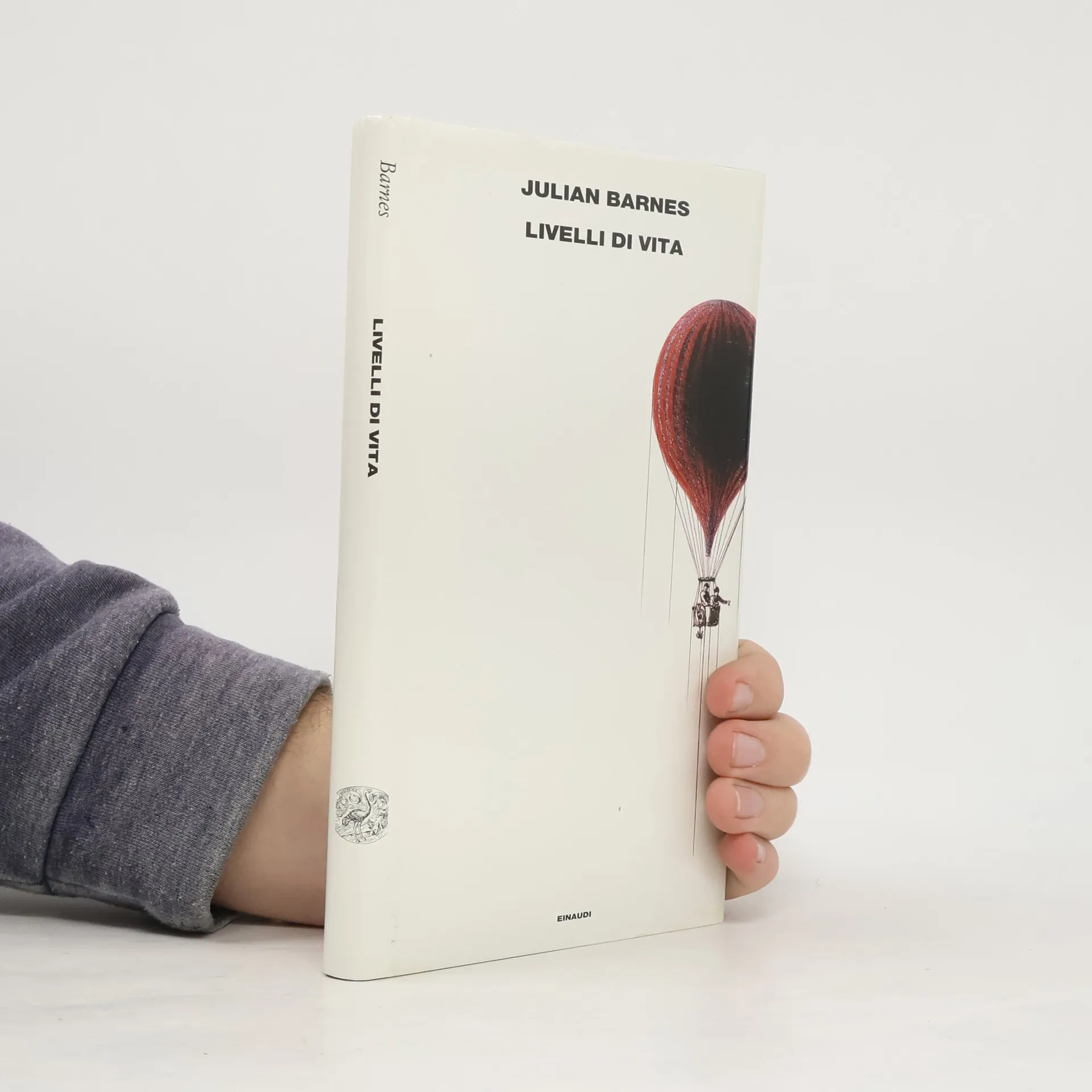
    Livelli di vita
    • Livelli di vita

      • 128pagine
      • 5 ore di lettura

      «Siamo creature destinate al piano orizzontale, a vivere coi piedi per terra, eppure - e perciò - aspiriamo a elevarci. Da spettatori terragni quali siamo, qualche volta ci è dato di raggiungere gli dèi. Alcuni di noi lo fanno attraverso l'arte, altri con la religione; nove su dieci, con l'amore. Ma se è vero che possiamo elevarci, allo stesso modo rischiamo di precipitare. Non sono molti gli atterraggi morbidi». Tre leggendari pionieri ottocenteschi rivivono fra le pagine dell'originale e struggente mescolanza di fatti e finzione che è Livelli di vita : Fred Burnaby, colonnello della cavalleria della Guardia Reale inglese e viaggiatore per terre esotiche e inesplorate, la «divina» Sarah Bernhardt, la più grande attrice di tutti i tempi a detta di alcuni, e Félix Tournachon, il caricaturista, vignettista, aeronauta e celebre fotografo ritrattista noto come Nadar. Ad accomunarli, un'incomprimibile passione per il volo, l'impulso sacrilego a issarsi a bordo di una cesta di vimini appesa a un pallone e, affidandosi a un precario equilibrio di pesi e correnti, sganciarsi dal regno che ci è deputato per conquistare lo spazio degli dèi. Una buona metafora per ogni storia d'amore. Quella immaginata fra Burnaby e Sarah Bernhardt, ad esempio - l'aria, l'assenza di vincoli, l'eccentricità, lei; la concretezza, l'avventura, la disciplina, lui. O quella, cinquantennale, fra Nadar e l'afasica moglie Ernestine. Oppure la storia d'amore, durata trent'anni e poi proseguita, fra Julian Barnes e la moglie Pat Kavanagh. Storie in cui «metti insieme due cose che insieme non sono mai state e il mondo cambia», esempi di una «devozione uxoria» che travalica ogni barriera. Volare è esaltante e semidivino, volare è pericoloso. Un calcolo sbagliato, un vento contrario, un disegno avverso, o la casuale assenza di esso, e si può precipitare. Finire conficcati nel terreno fino al ginocchio, magari, con gli organi sparsi tutto intorno. Perduta l'altezza, perduta la prospettiva, disintegrati nel corpo e nello spirito, che cosa ci rimane? Orfeo poté scendere agli Inferi per riportare indietro la sua Euridice. Ma l'impresa (con la sua implicita consolazione religiosa) è a noi preclusa. «Abbiamo perso le antiche metafore e dobbiamo trovarne di nuove. Noi non possiamo scendere laggiù come Orfeo. Perciò dobbiamo farlo in modo diverso, riportarla indietro in modo diverso. Possiamo ancora scendere dentro i sogni. E possiamo scendere nella memoria». I ricordi, dunque, baluardi di una vita ancora intatta e densa e furiosa, tramiti di un discorso amoroso che non si esaurisce e non placa. In attesa di un vento da settentrione, capace di riportare in quota.

      Livelli di vita
    • Chi è l’uomo con la vestaglia rossa che compare nel famoso dipinto di John Singer Sargent? Quel dandy «vergognosamente bello» è il dottor Samuel-Jean Pozzi, intraprendente ginecologo della noblesse parigina di fine Ottocento, instancabile uomo di scienza ed esteta decadente. È seguendo le sue tracce che Julian Barnes ci porta nella rutilante Belle Époque europea, fra le celebrità che la animano, da Gustave Flaubert a Oscar Wilde, da Sarah Bernhardt a Edmond de Goncourt. Un viaggio affascinante in un’epoca tanto simile alla nostra: «decadente, frenetica, violenta, narcisistica e nevrotica». Nell’estate del 1885 tre francesi giungono a Londra per un viaggio di piacere. Pur eleganti e disinvolti, i tre formano «uno strano trio»: due sono aristocratici, uno è un borghese; due hanno «tendenze elleniche», uno è di un’esuberante eterosessualità; tutti e tre – il conte Robert de Montesquiou-Fezensac, il principe Edmond de Polignac e il dottor Samuel-Jean Pozzi – frequentano gli stessi salotti mondani della Parigi fin de siècle, e li influenzano al punto da meritarsi una trasposizione artistica, in forma letteraria o pittorica, ad opera di alcuni fra i piú grandi artisti loro contemporanei, da Marcel Proust a John Singer Sargent. Ma che ci fa un medico borghese fra individui di cosí alto lignaggio, in una società tanto rigidamente stratificata? Samuel-Jean Pozzi è il figlio di un pastore di provincia, ma diventa un chirurgo e ginecologo di fama per aver messo a punto tecniche pionieristiche nella sua specialità medica. Entra nelle grazie dell’aristocrazia parigina per averne curato un buon numero di esponenti femminili, e altrettante averne amate (una su tutte l’attrice Sarah Bernhardt, che coniò per lui il lusinghiero epiteto di «Docteur Dieu»). Ma soprattutto la sua affinità con i poeti, gli artisti e i pensatori piú celebri della Belle Époque è dovuta al suo fascino di uomo di scienza e al suo amore per la razionalità e il libero pensiero. A partire dalla sua vita e da quella dei suoi compagni, Julian Barnes tratteggia un quadro vivacissimo di un’intera epoca e delle monumentali figure che la animavano – Henry James, Richard Wagner, Gustave Flaubert, Edmond de Goncourt, Paul Valéry, Dante Gabriel Rossetti, Alma-Tadema, Oscar Wilde… un parterre eccezionale, fra le pagine di Julian Barnes – e lo fa servendosi di testimonianze, epistole, diari, atti processuali, articoli di giornale, inserti saggistici e splendide illustrazioni. Ne nasce un libro ricco e originale che vive della tensione tra realtà e rappresentazione, tra fiction e non-fiction, tra vita e letteratura.

      L'uomo con la vestaglia rossa
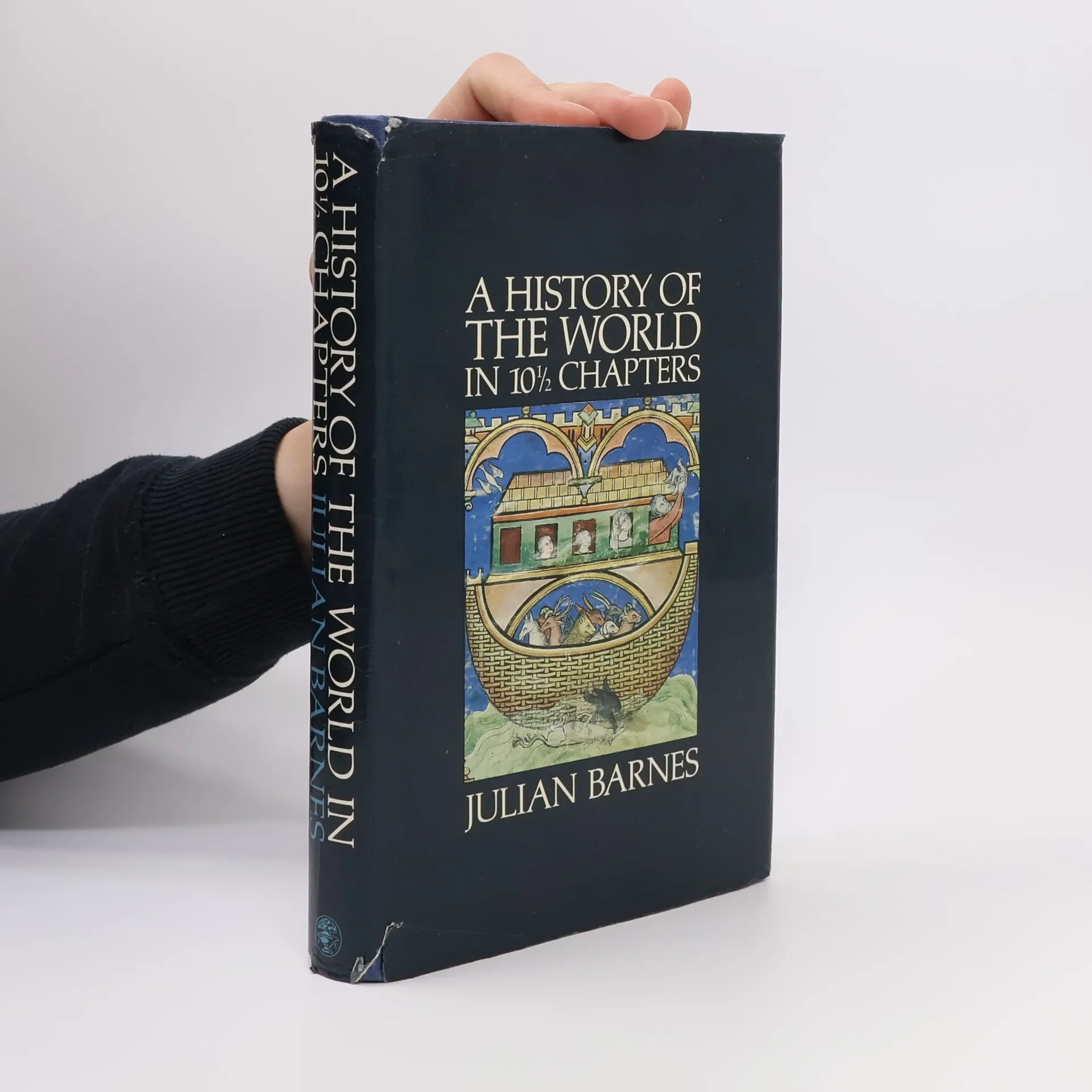
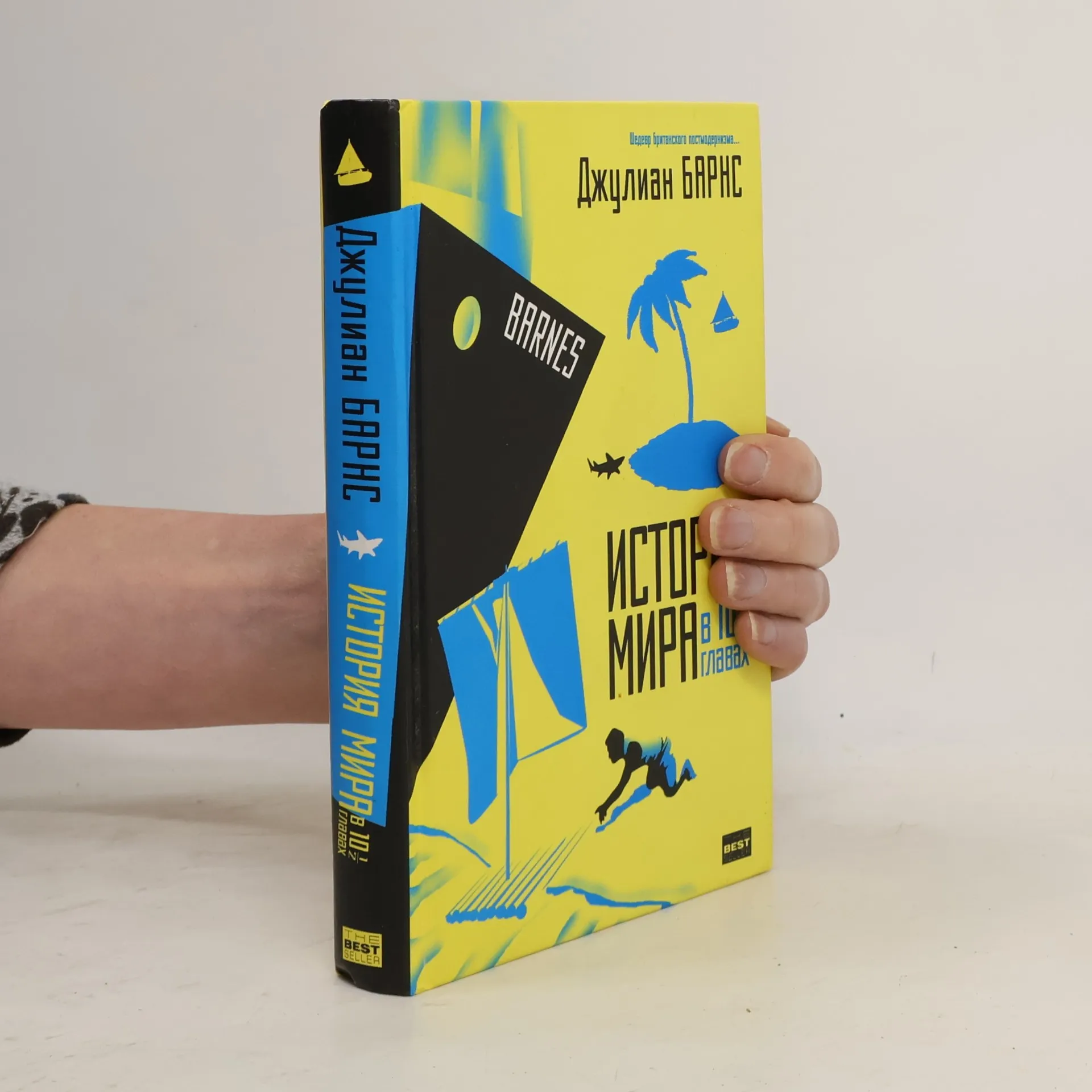
    • Quando le cronache ufficiali descrissero l’impresa di Noè, sorvolarono su una serie di episodi poco edificanti che, se fossero stati rivelati, avrebbero potuto ridimensionare il valore mitico dell’epopea. Nessuno, però, sapeva che un animaletto, salito a bordo da clandestino, era stato testimone di quei retroscena non proprio eroici, e aveva deciso di raccontarli. Come si conclusero i processi ecclesiastici celebrati nella Francia medievale contro quei tarli accusati di avere rosicchiato gli arredi sacri? Che cosa capitò a Spike Tiggler, l’astronauta che, dopo aver portato un pallone sulla luna, svelò il mistero del Monte Ararat? E quale fine fece l’unicorno che godeva di cosí tante attenzioni da parte della moglie di Noè? Rimbalzando di continuo tra epoche e situazioni diverse, Julian Barnes ripercorre le grandezze e le follie dell’umanità, lanciando una sfida ambiziosa alla fantasia del lettore: immaginare un mondo completamente nuovo.

      Einaudi tascabili - 439: Una storia del mondo in 10 capitoli e ½
    • Flaubert's Parrot, Julian Barnes's breakthrough book—shortlisted for the Booker Prize in 1984—is the story of Geoffrey Braithwaite, a retired doctor who is obsessed with the French author and with tracking down a stuffed parrot that once inspired him. Barnes playfully combines a literary detective story with a character study of its detective, embedded in a brilliant riff on literary genius. A History of the World in 10 1/2 Chapters is a mix of fictional and historical narratives of voyage and discovery—ranging from a woodworm's perspective on Noah's ark to a survivor from the sinking of the Titanic—that question our ideas of history.

      Flaubert's parrot and A history of the world in 10 1/2 chapters
    • Through the window

      • 243pagine
      • 9 ore di lettura

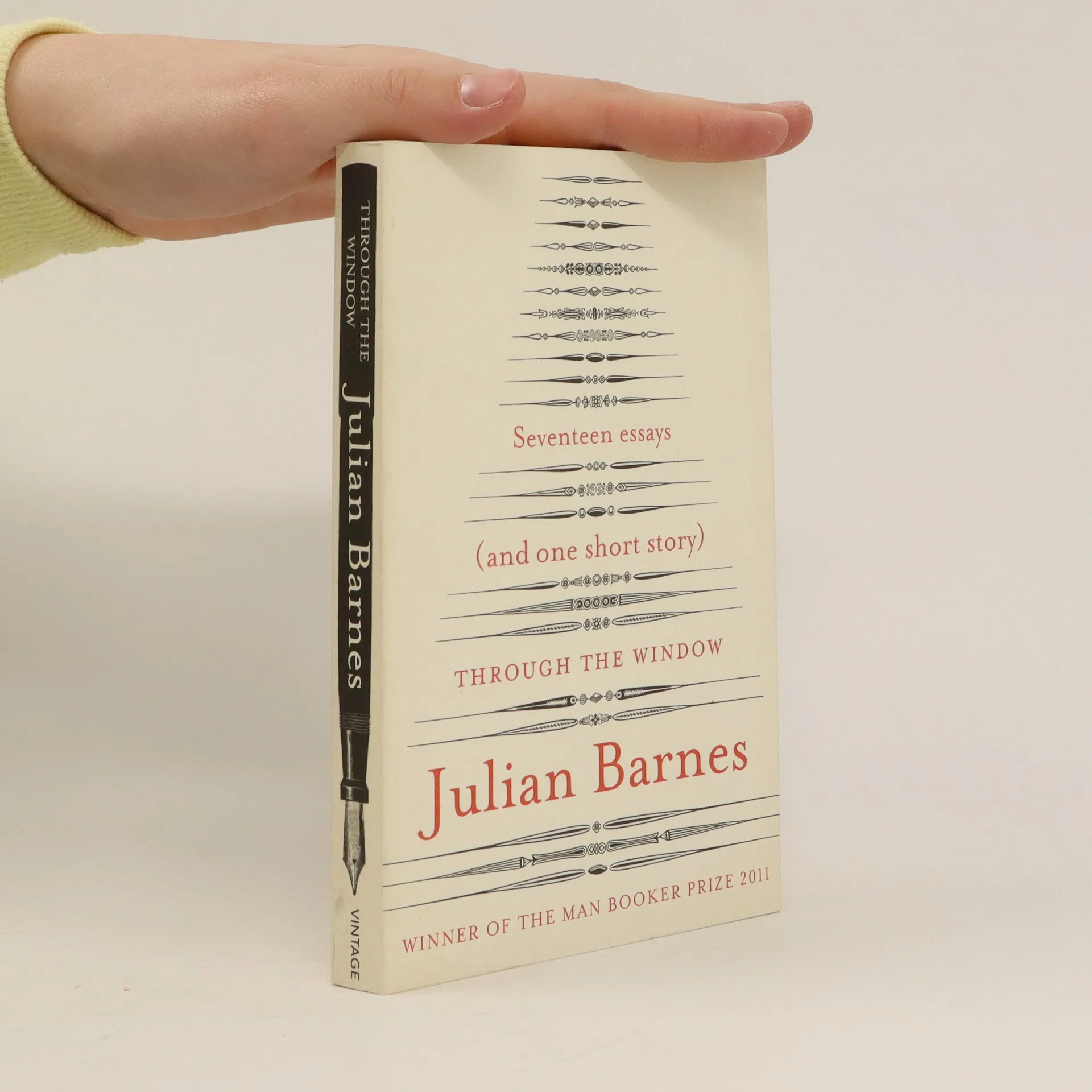
      From the bestselling, Booker Prize-winning author of The Sense of an Ending and one of Britain’s greatest writers: a brilliant collection of essays on the books and authors that have meant the most to him throughout his illustrious career. • "[A] blissfully intelligent gathering of literary essays." —Financial Times In these seventeen essays (plus a short story and a special preface, “A Life with Books”), Julian Barnes examines the British, French and American writers who have shaped his writing, as well as the cross-currents and overlappings of their different cultures. From the deceptiveness of Penelope Fitzgerald to the directness of Hemingway, from Kipling’s view of France to the French view of Kipling, from the many translations of Madame Bovary to the fabulations of Ford Madox Ford, from the National Treasure status of George Orwell to the despair of Michel Houellebecq, Julian Barnes considers what fiction is, and what it can do. As he writes, “Novels tell us the most truth about life: what it is, how we live it, what it might be for, how we enjoy and value it, and how we lose it.”

      Through the window
    • Keeping an Eye Open

      • 384pagine
      • 14 ore di lettura

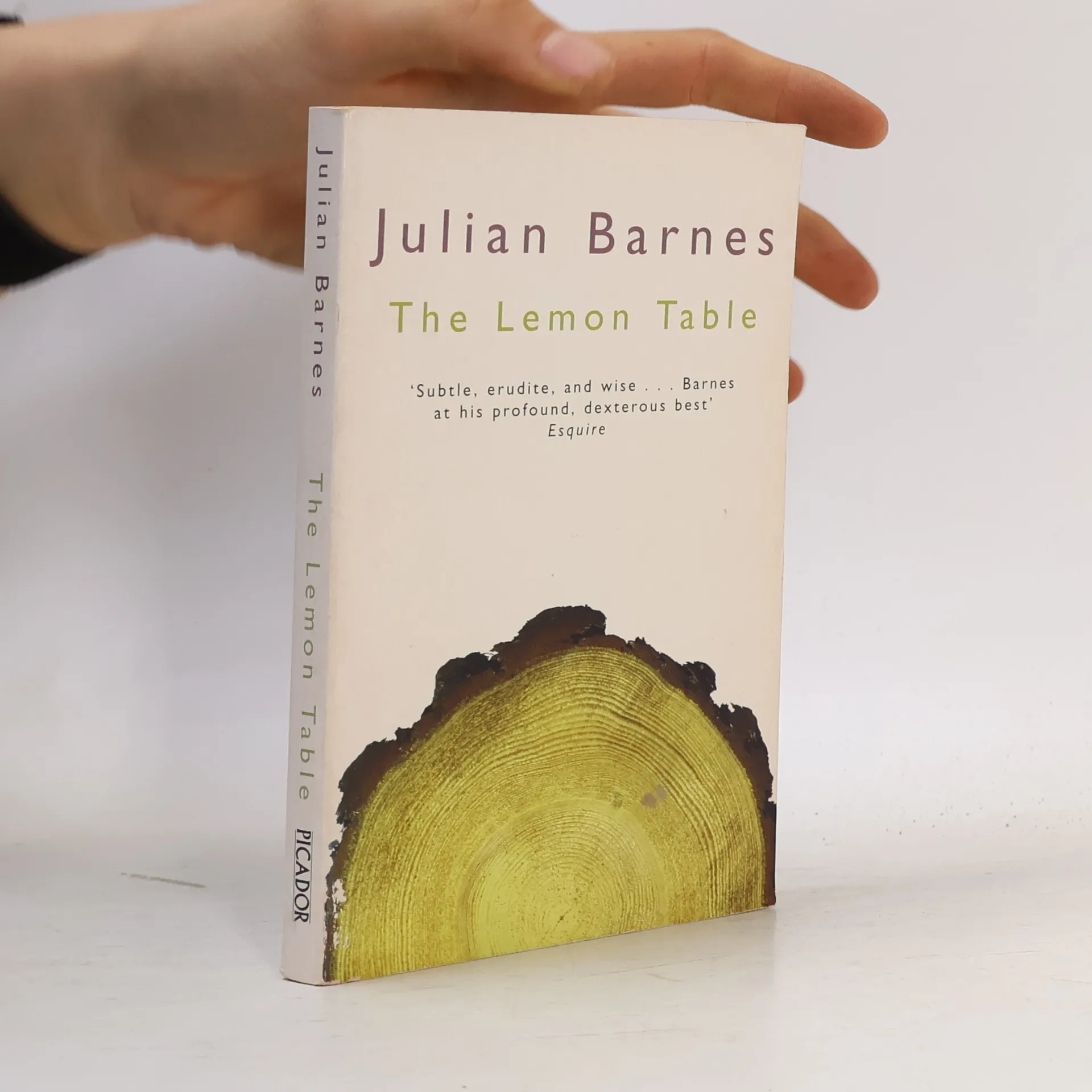
      The updated edition of Julian Barnes' best-loved writing on art, with seven new exquisite illustrated essays'Flaubert believed that it was impossible to explain one art form in terms of another, and that great paintings required no words of explanation.

      Keeping an Eye Open
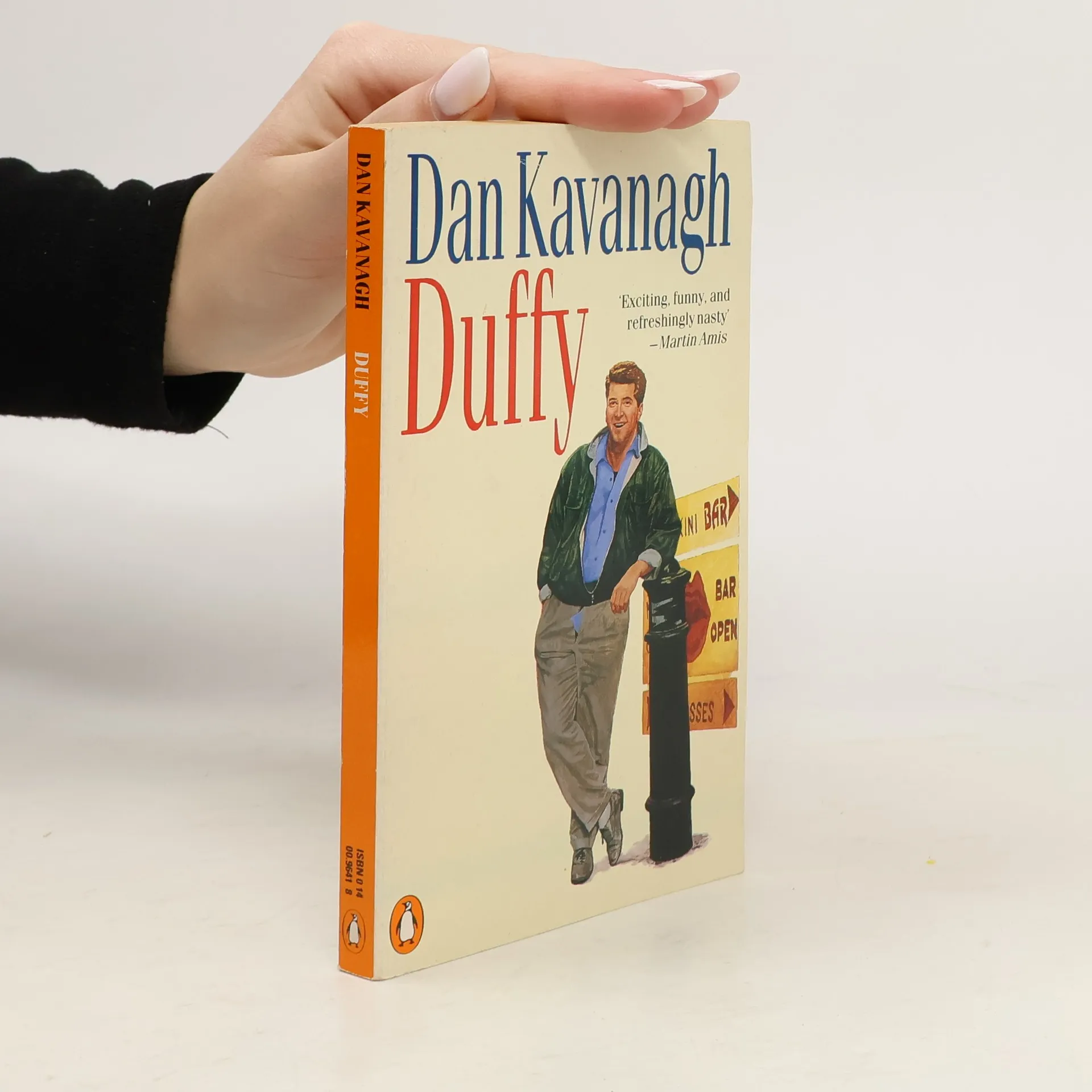
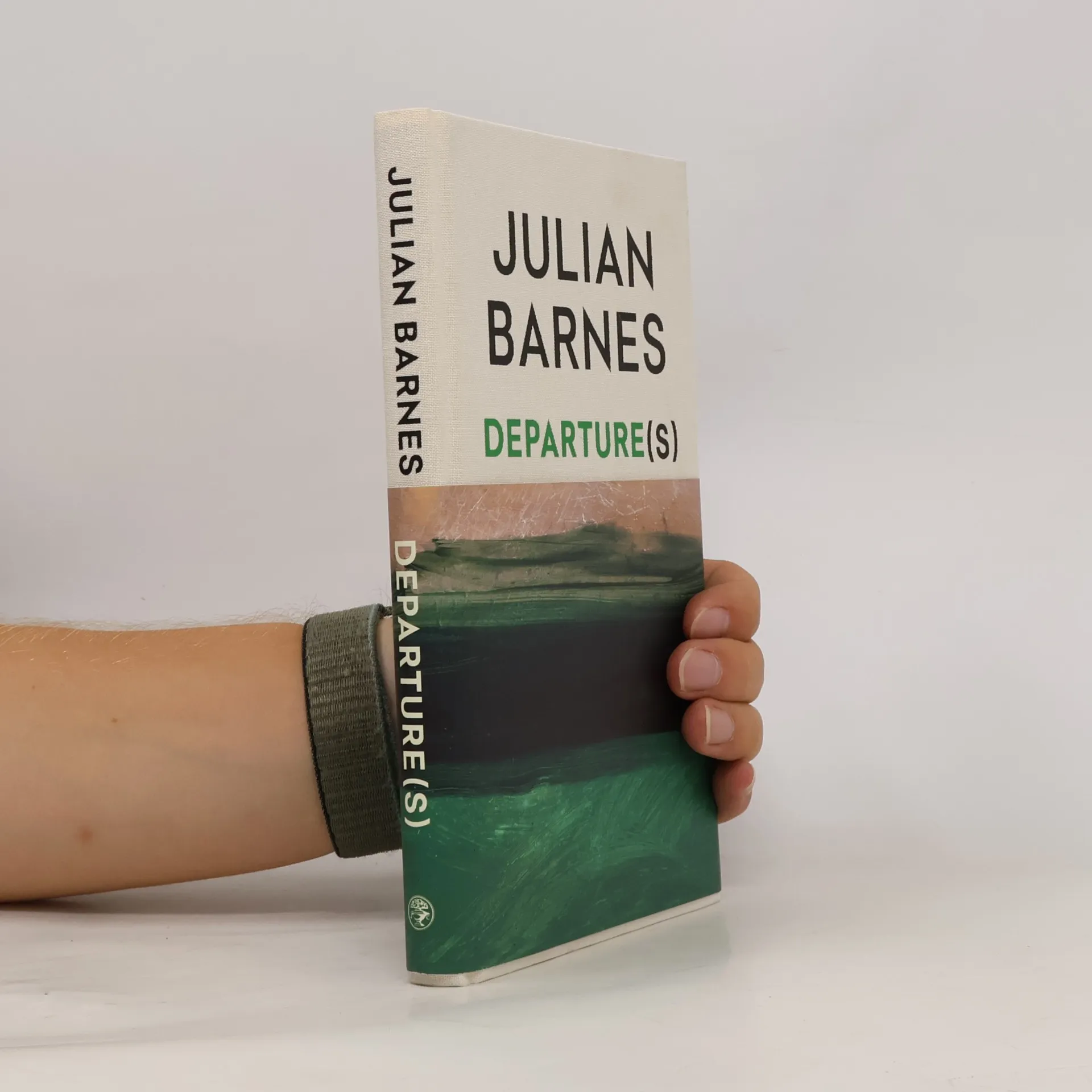
    • Going to the Dogs

      • 229pagine
      • 9 ore di lettura

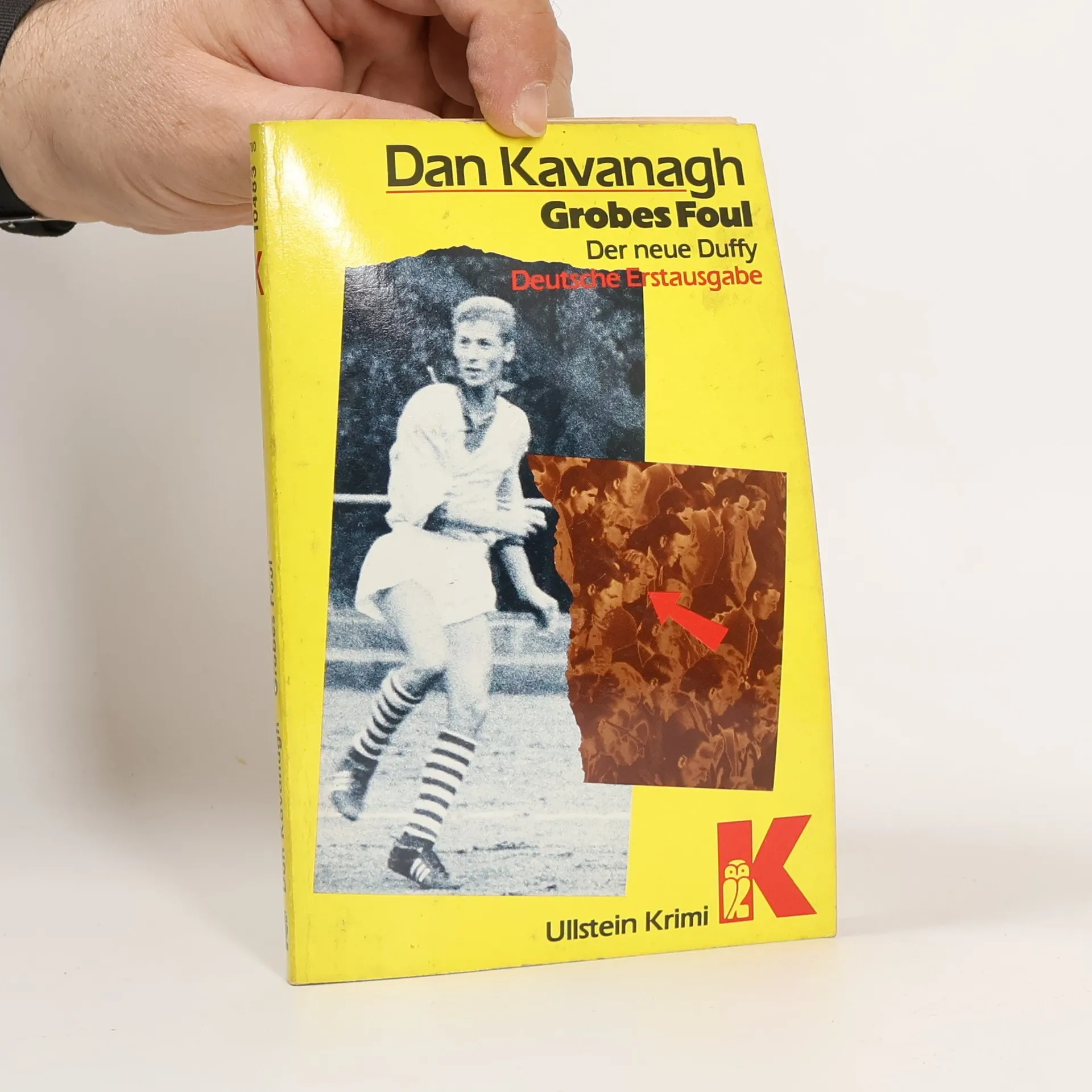
      Strange things happen in the countryside. And for bisexual private detective Duffy, this is his strangest case yet. Summoned to a country mansion following an unusual murder, Duffy finds the house awash with potential suspects. Does Vic Crowther, the man who called on Duffy in the first place, have a far more sinister motive up his sleeve? Or perhaps his wife, the ex-page three model, knows more than she's letting on . . .

      Going to the Dogs
    • In the Land of Pain

      • 112pagine
      • 4 ore di lettura

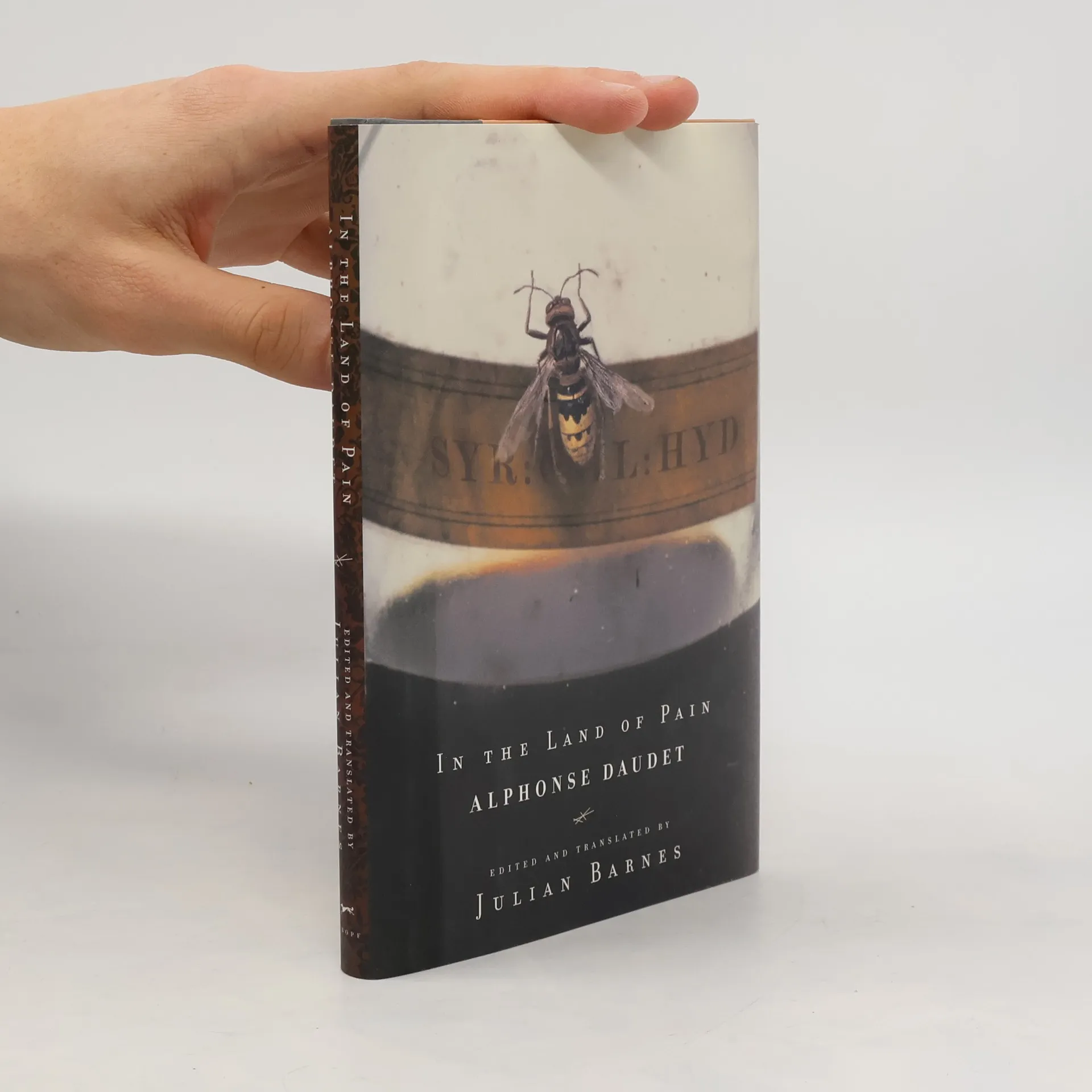
      As Julian Barnes writes in the introduction to his superb translation of Alphonse Daudet’s La Doulou, the mostly forgotten writer nowadays “ate at the top literary table” during his lifetime (1840–1897). Henry James described him as “the happiest novelist” and “the most charming story-teller” of his day. Yet if Daudet dined in the highest company, he was also “a member of a less enviable nineteenth-century French that of literary syphilitics.” In the Land of Pain —notes toward a book never written—is his timelessly resonant response to the disease.In quick, sharp, unflinching strokes of his pen, Daudet wrote about his symptoms (“This is the one-man-band of pain”) and his treatments (“Mor-phine nights . . . thick black waves, sleepless on the surface of life, the void beneath”); about his fears and reflections (“Pain, you must be everything for me. Let me find in you all those foreign lands you will not let me visit. Be my philosophy, be my science”); his impressions of the patients, himself included, and their strange life at curative baths and spas (“Russians, both men and women, go into the baths naked . . . Alarm among the Southerners”); and about the “clever way in which death cuts us down, but makes it look like just a thinning-out.”Given Barnes’s crystalline translation, these notes comprise a record—at once shattering and lighthearted, haunting and beguiling—of both the banal and the transformative experience of physical suffering, and a testament to the complex resiliency of the human spirit.

      In the Land of Pain
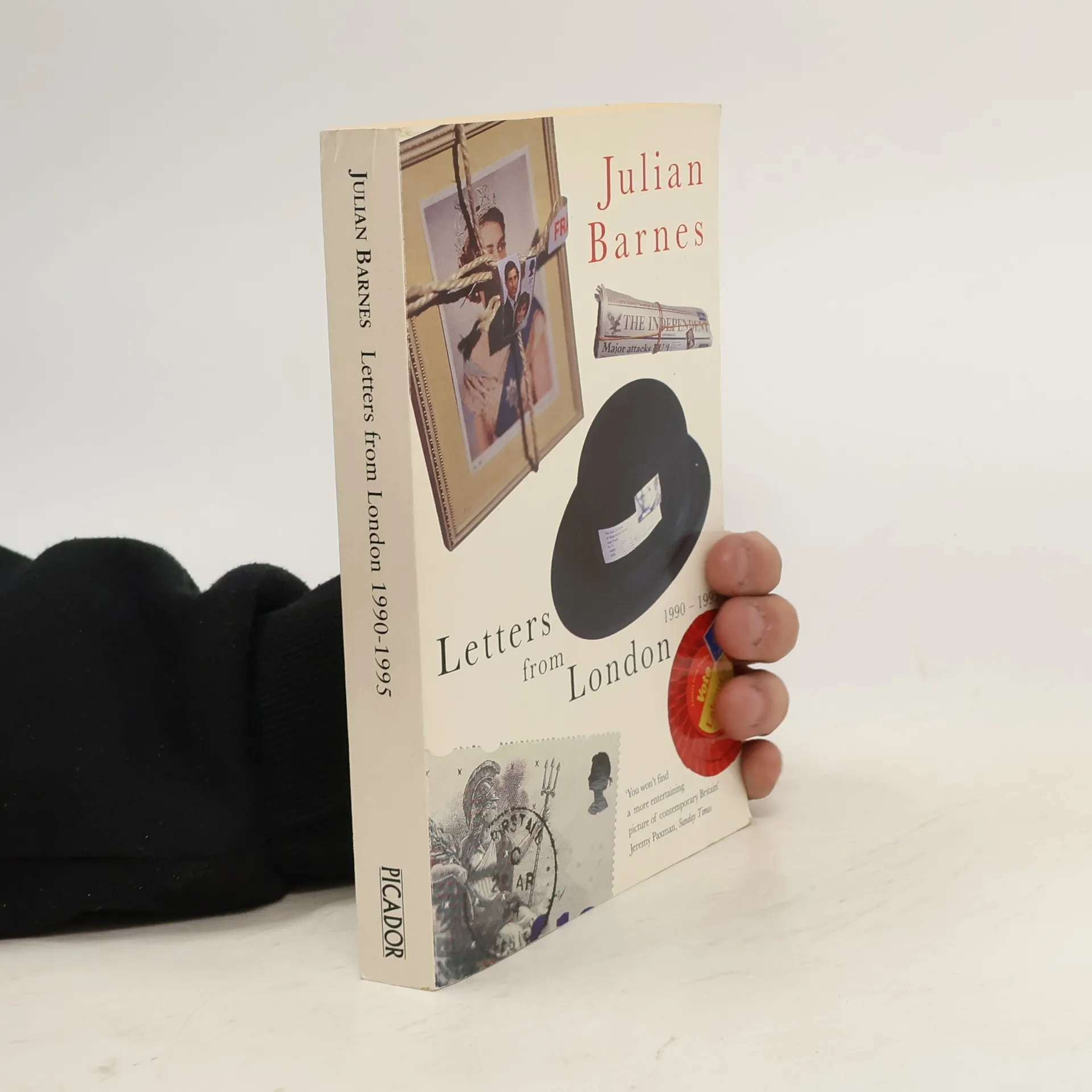
    • Since 1990 Julian Barnes has written a regular ‘Letter from London’ for the New Yorker magazine. These already celebrated pieces cover subjects as diverse as the Lloyd’s insurance disaster, the rise and fall of Margaret Thatcher, the troubles of the Royal Family and the hapless Nigel Short in his battle with Gary Kasparov in the 1993 World Chess Finals. With an incisive assessment of Salman Rushdie’s plight and an analysis of the implications of being linked to the Continent via the Channel Tunnel, Letters from London provides a vivid and telling portrait of Britain in the Nineties.

      Letters from London. 1990-1995
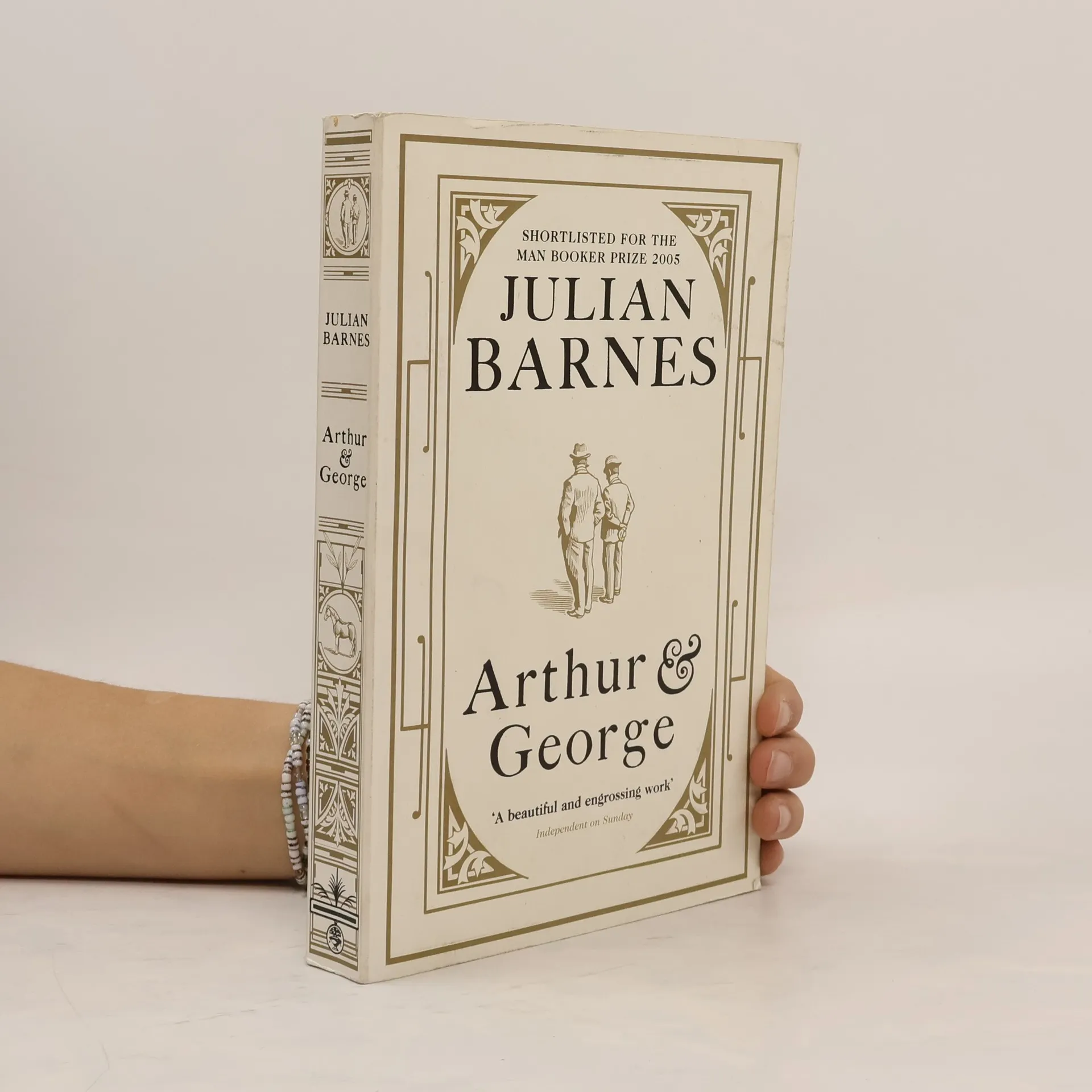
    • `Frequently brilliant, funny, thoughtful, iconoclastic, and a delight to read. Barnes is like a worldly, secular reincarnation of a medieval gloss-writer on sacred texts, and what he offers us is the novel as footnote to history, as subversion of the given, as brilliant, elaborate doodle around the margins of what we know we think about what we think we know' Salman Rushdie, Observer

      A History of The World in 10 1/2 Chapters