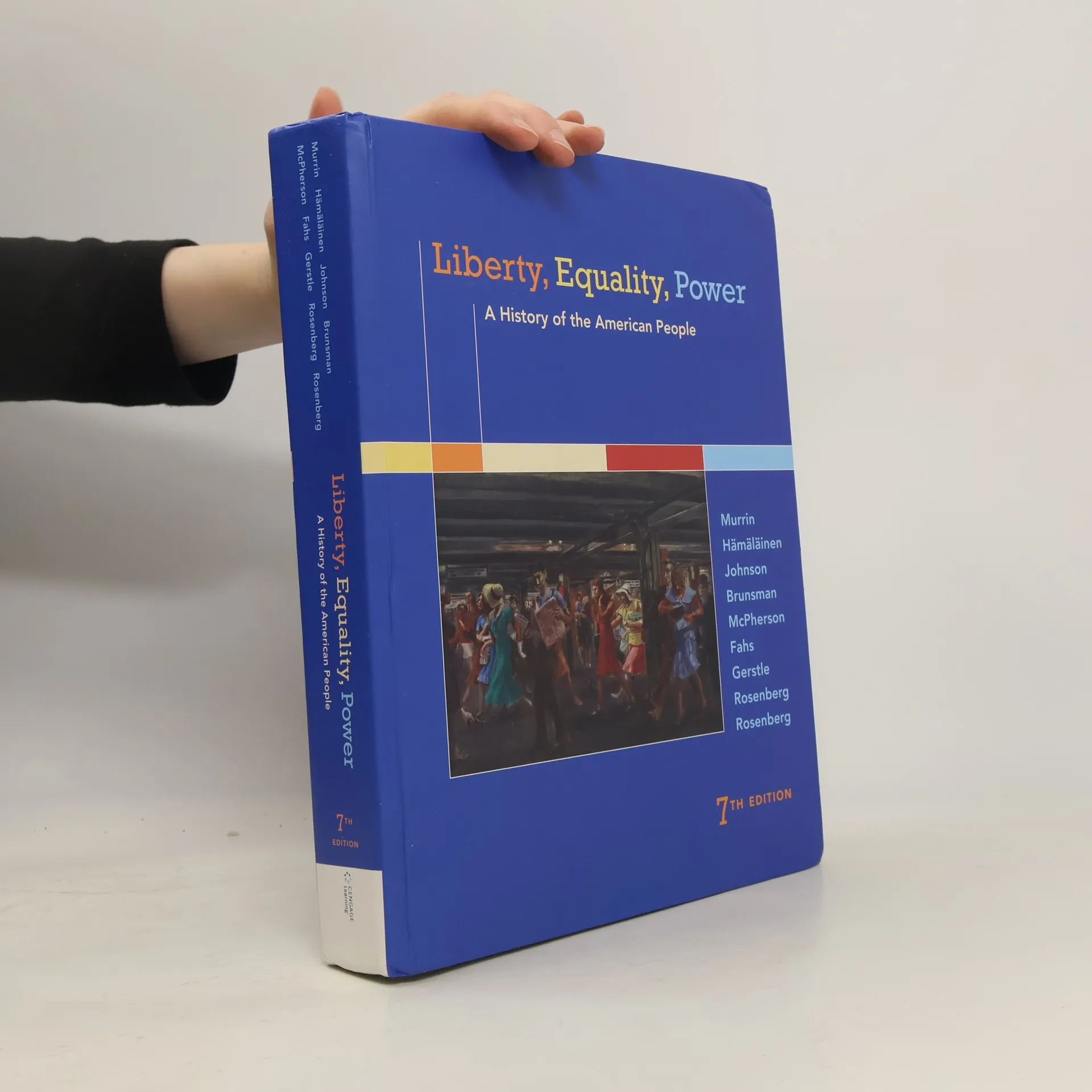
Understanding the past helps us navigate the present and future. This book teaches readers about American history and exposes them to movies and other forms of popular culture that tell the stories of the nation's past. A highly respected and thoroughly modern approach to U.S. history, LIBERTY, EQUALITY, POWER, Seventh Edition, shows how the United States was transformed, in a relatively short time, from a land inhabited by hunter-gatherer and agricultural Native American societies into the most powerful industrial nation on Earth. This approach helps readers understand the impact of the notions of liberty and equality, which are often associated with the American story, and recognize how dominant and subordinate groups have affected and been affected by the ever-shifting balance of power.
Paul E. Johnson Libri
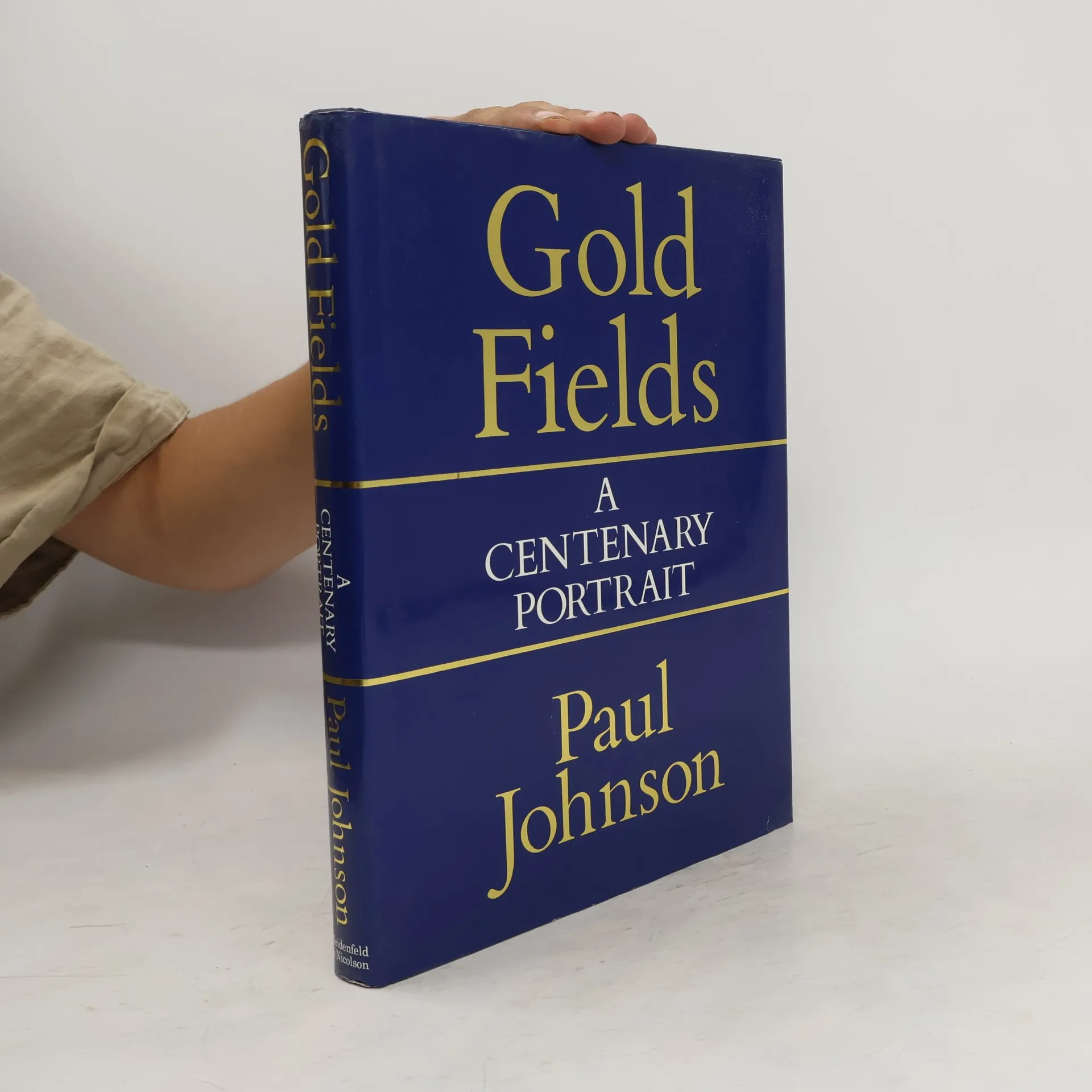
Paul Johnson è stato uno storico, giornalista e autore di spicco che si è occupato di una vasta gamma di argomenti. Le sue opere si sono spesso addentrate nelle profondità della storia, analizzando l'evoluzione delle società e delle culture con un occhio attento ai dettagli e al contesto. L'ampio catalogo di pubblicazioni di Johnson testimonia la sua insaziabile curiosità e la sua capacità di rendere accessibili complesse narrazioni storiche a un vasto pubblico. La sua scrittura è caratterizzata da chiarezza e intuizioni convincenti, offrendo ai lettori prospettive avvincenti sul passato.