

George A. Akerlof è un distinto Professore di Economia presso l'Università della California, Berkeley, insignito del Premio Nobel per l'Economia. I suoi contributi pionieristici esplorano le profonde implicazioni dell'asimmetria informativa, rivelando come la conoscenza diseguale plasmi le dinamiche di mercato e i risultati economici.
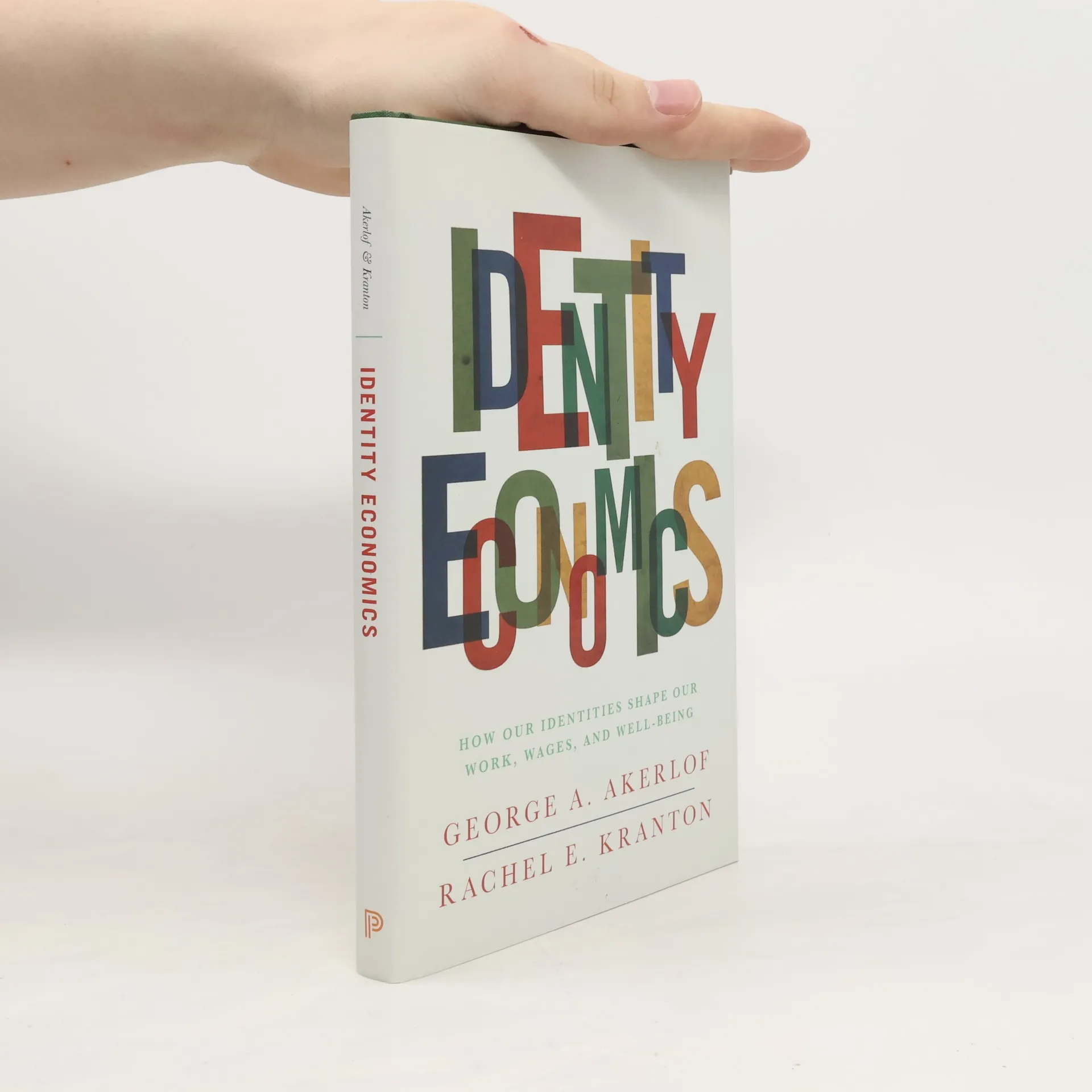
Provides an important way to understand human behavior, revealing how our
identities - and not just economic incentives - influence our decisions. This
title explains how our conception of who we are and who we want to be may
shape our economic lives more than any other factor, affecting how hard we
work, and how we learn, spend, and save.
The global financial crisis has made it clear that powerful psychological forces are imperiling the wealth of nations. This title challenges the economic wisdom that got us into this mess, and puts forward a vision that transforms economics and restores prosperity. It asserts the necessity of an active government role in economic policymaking.
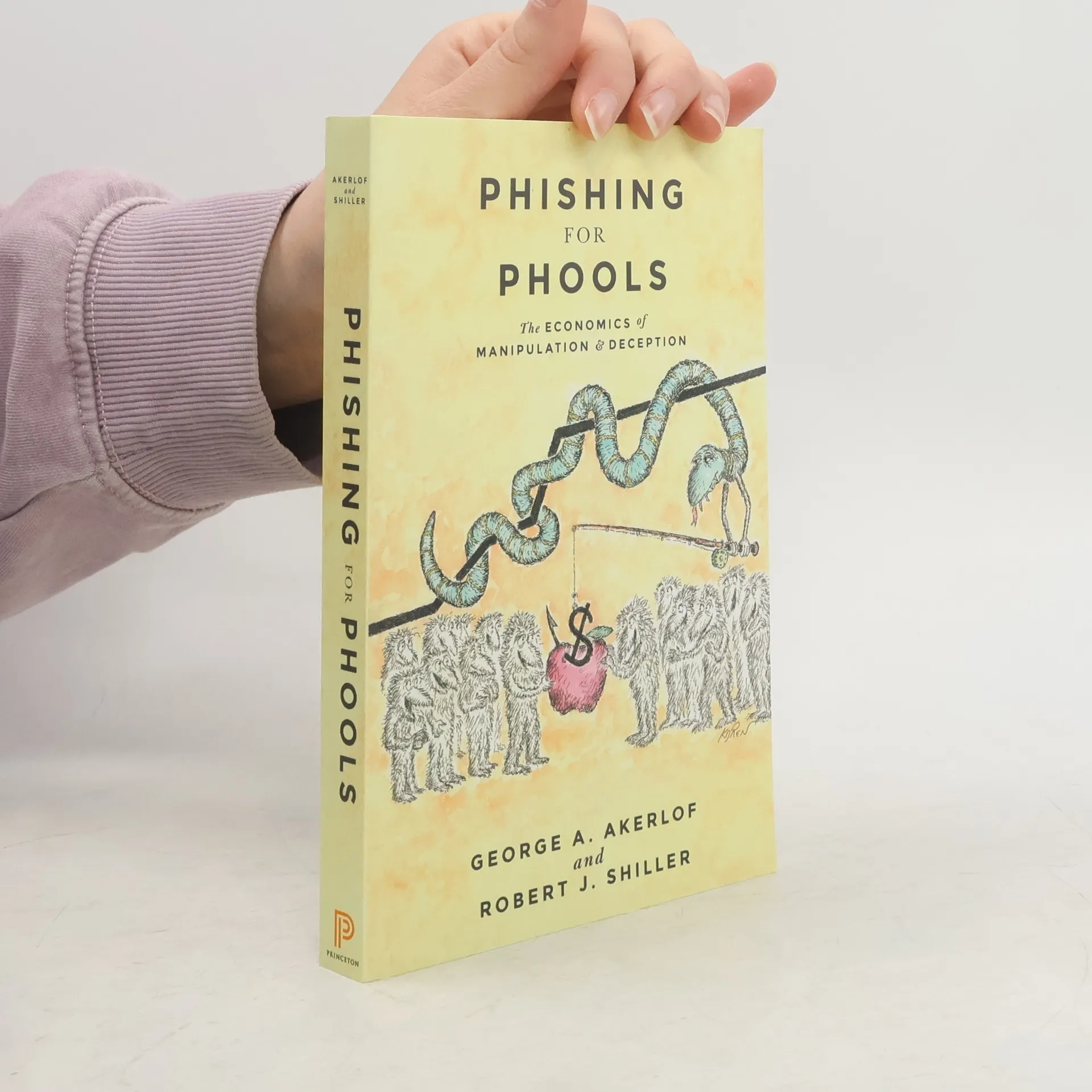
Ever since Adam Smith, the central teaching of economics has been that free markets provide us with material well-being, as if by an invisible hand. In Phishing for Phools, Nobel Prize-winning economists George Akerlof and Robert Shiller deliver a fundamental challenge to this insight, arguing that markets harm as well as help us. As long as there is profit to be made, sellers will systematically exploit our psychological weaknesses and our ignorance through manipulation and deception. Rather than being essentially benign and always creating the greater good, markets are inherently filled with tricks and traps and will "phish" us as "phools." Phishing for Phools therefore strikes a radically new direction in economics, based on the intuitive idea that markets both give and take away. Akerlof and Shiller bring this idea to life through dozens of stories that show how phishing affects everyone, in almost every walk of life. We spend our money up to the limit, and then worry about how to pay the next month's bills. The financial system soars, then crashes. We are attracted, more than we know, by advertising. Our political system is distorted by money. We pay too much for gym memberships, cars, houses, and credit cards. Drug companies ingeniously market pharmaceuticals that do us little good, and sometimes are downright dangerous. Phishing for Phools explores the central role of manipulation and deception in fascinating detail in each of these areas and many more. It thereby explains a paradox: why, at a time when we are better off than ever before in history, all too many of us are leading lives of quiet desperation. At the same time, the book tells stories of individuals who have stood against economic trickery--and how it can be reduced through greater knowledge, reform, and regulation
This work bridges a critical gap in the social sciences. It brings identity and norms to economics. People's notions of what is proper, and what is forbidden, and for whom, are fundamental to how hard they work, and how they learn, spend, and save.
Akerlof and Shiller argue that markets harm as well as help us. As long as there is profit to be made, sellers will systematically exploit our psychological weaknesses and our ignorance through manipulation and deception. Based on the intuitive idea that markets both give and take away, they show how phishing affects everyone, in almost every walk of life. We spend our money up to the limit, and then worry about how to pay the next month's bills. The financial system soars, then crashes. In doing so they explain a paradox: why, at a time when we are better off than ever before in history, all too many of us are leading lives of quiet desperation.
Seit Adam Smith ist eine der zentralen Thesen der Wirtschaftswissenschaften, dass freie Märkte und freier Wettbewerb die besten
Voraussetzungen für allgemeinen Wohlstand sind. Die Wirtschaftsnobelpreisträger George Akerlof und Robert Shiller argumentieren dagegen, dass Märkte nicht von sich aus gutartig sind und sich auch nicht immer die besten Produkte durchsetzen. Die Autoren behandeln in diesem Buch erstmals die zentrale Rolle von Manipulation und Täuschung in der Wirtschaft. Anhand von zahlreichen Fallbeispielen zeigen sie, wie wir verleitet werden, mehr Geld auszugeben, als wir haben; wie wir von Werbung stärker beeinflusst werden, als wir glauben; warum wir oft zu viel bezahlen und wie massiv die Politik durch Wirtschaft beeinflusst wird.