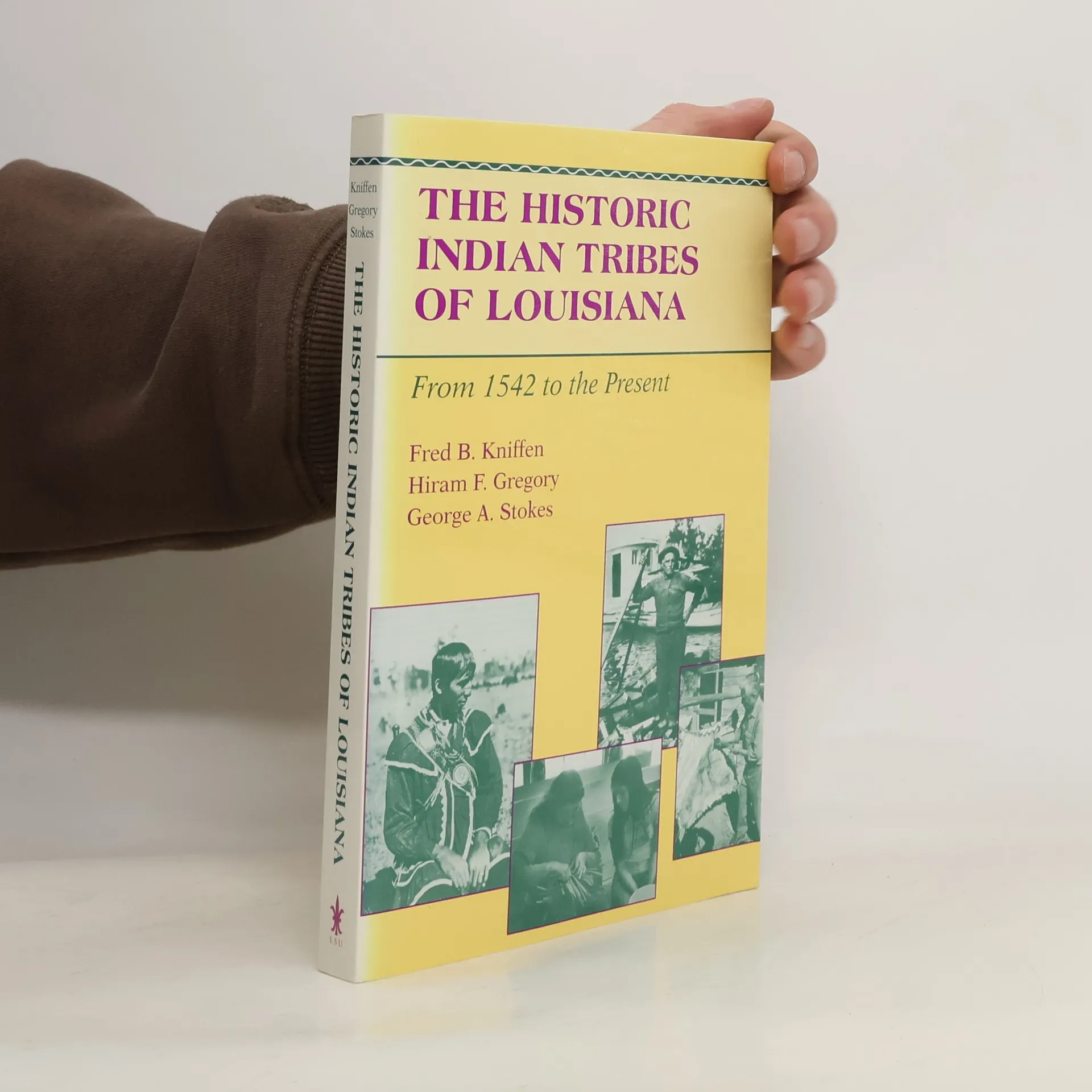
Although many specialized studies have focused on Louisiana's Indian tribes, a comprehensive account of their long and varied history has been lacking. This informative study reconstructs their history and cultural evolution, identifying tribal groups, mapping their migrations, and discussing their languages and customs. The earliest descriptions of Louisiana Indians come from accounts by Hernando de Soto's expedition in the 1540s, followed by French observations in the 1700s. European influences profoundly affected the tribes, leading to the loss of land and the adoption of European tools and weapons. Diseases introduced by Spaniards decimated tribes and caused the extinction of some unrecorded languages. Despite these challenges, elements of Indian material culture, such as the dugout canoe and Chitimacha basketry, have endured. Today, Louisiana has the third largest Native American population in the eastern United States. Several tribes, including the Tunica-Biloxi, Choctaw, and Koasati, migrated to the state in the late 18th century, establishing settlements and sometimes displacing native tribes. Many contemporary Louisiana Indians are engaged in various professions, including business, industry, farming, and logging. This study is a significant contribution to Louisiana history, appealing to anthropologists, geographers, historians, and those interested in the state's indigenous populations.
Fred B. Kniffen Libri