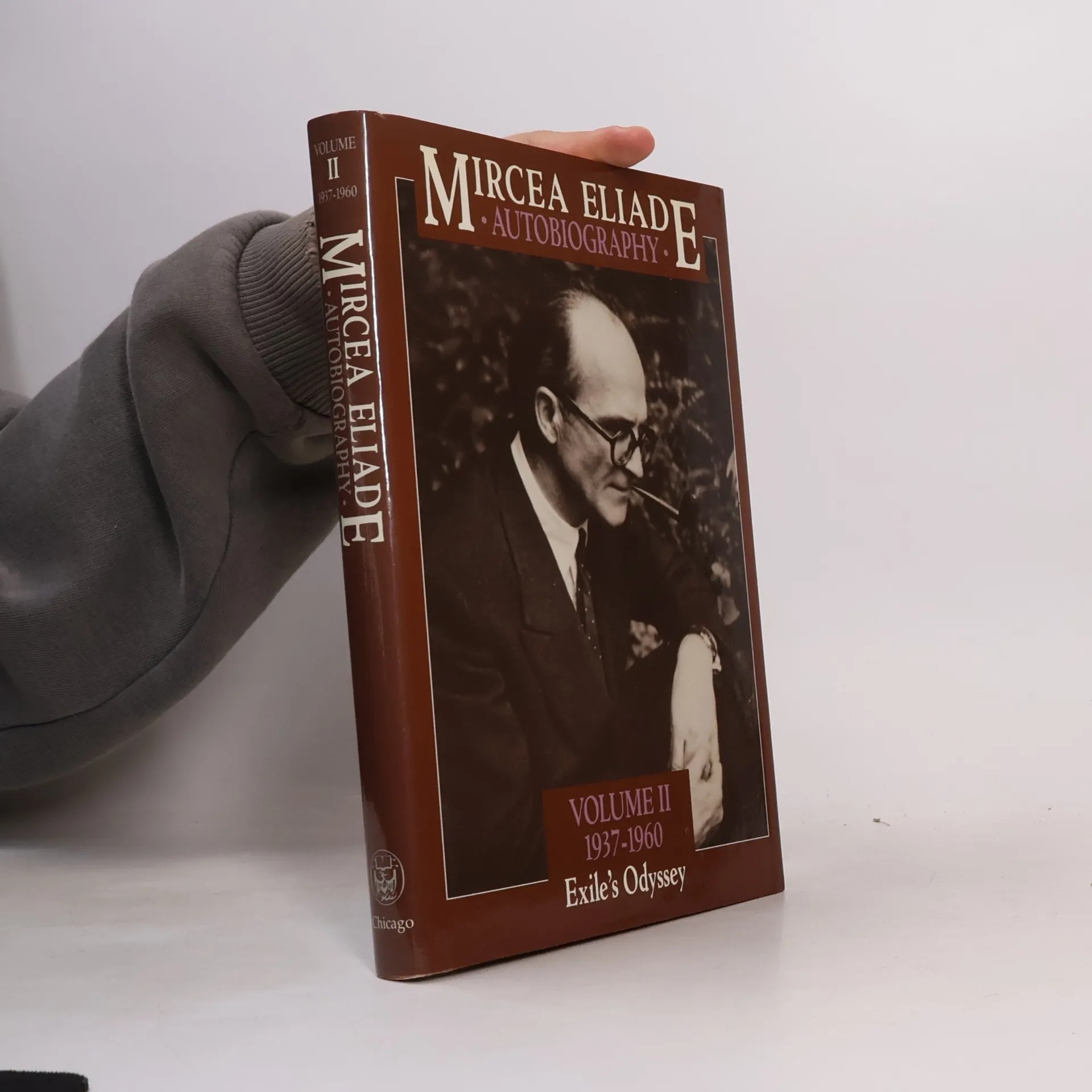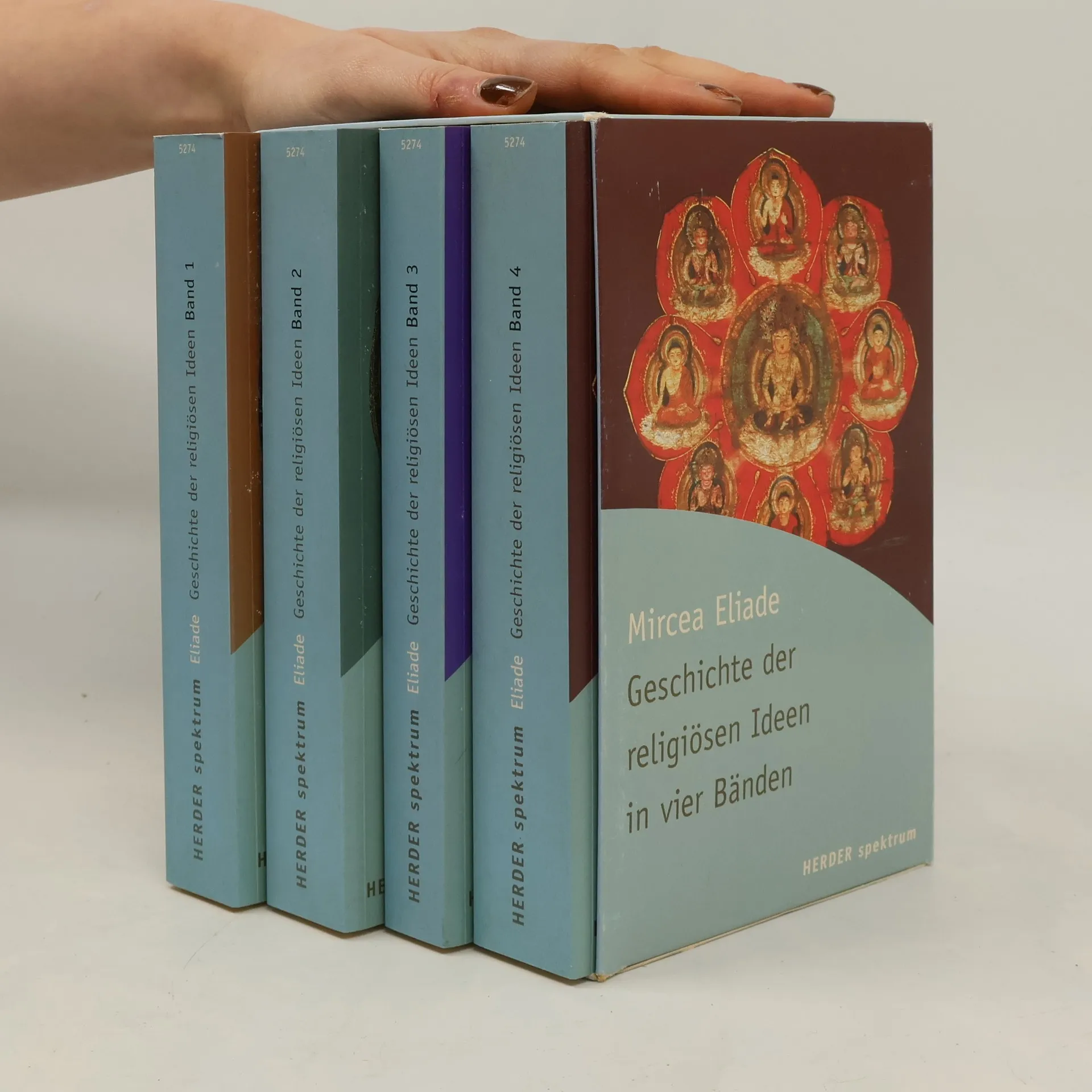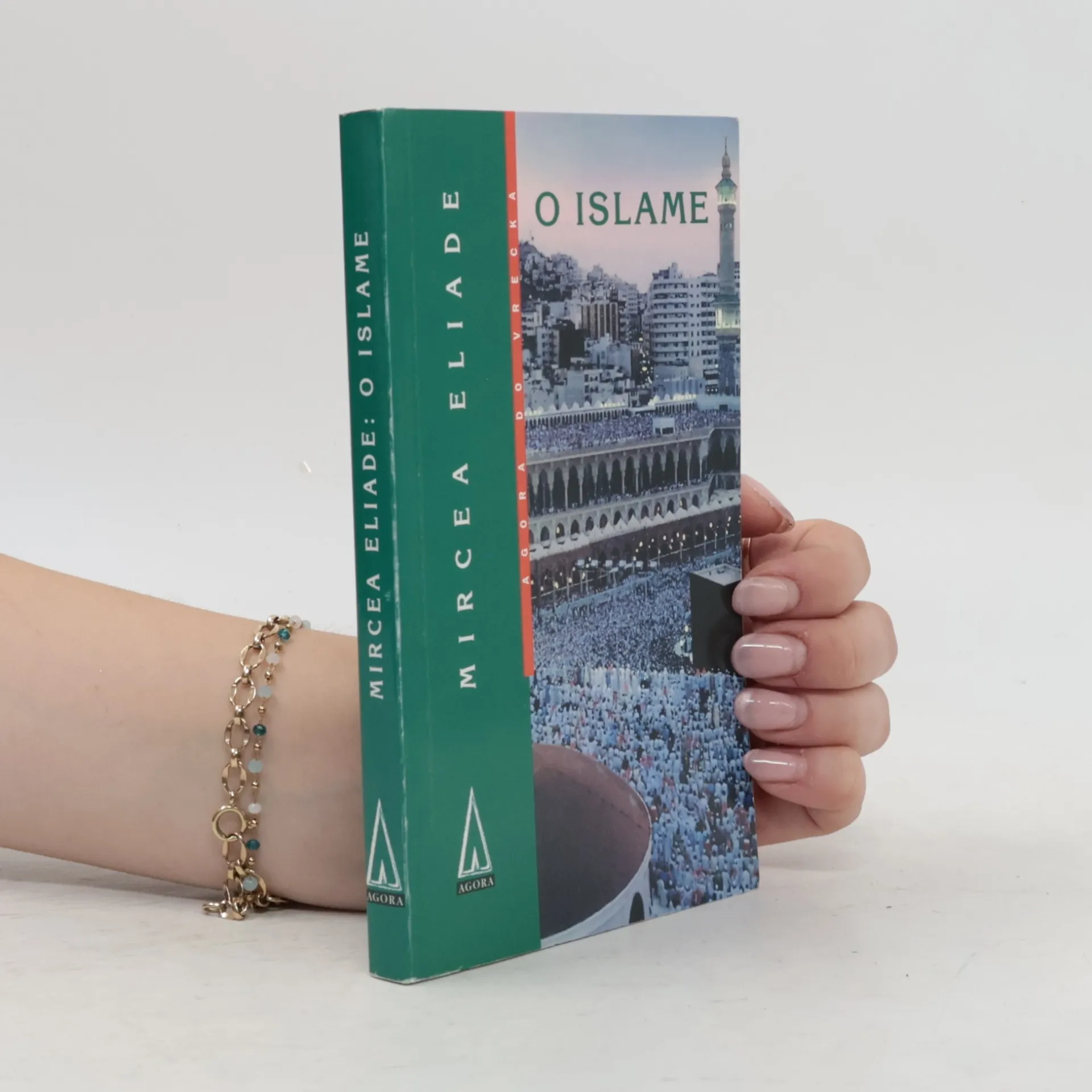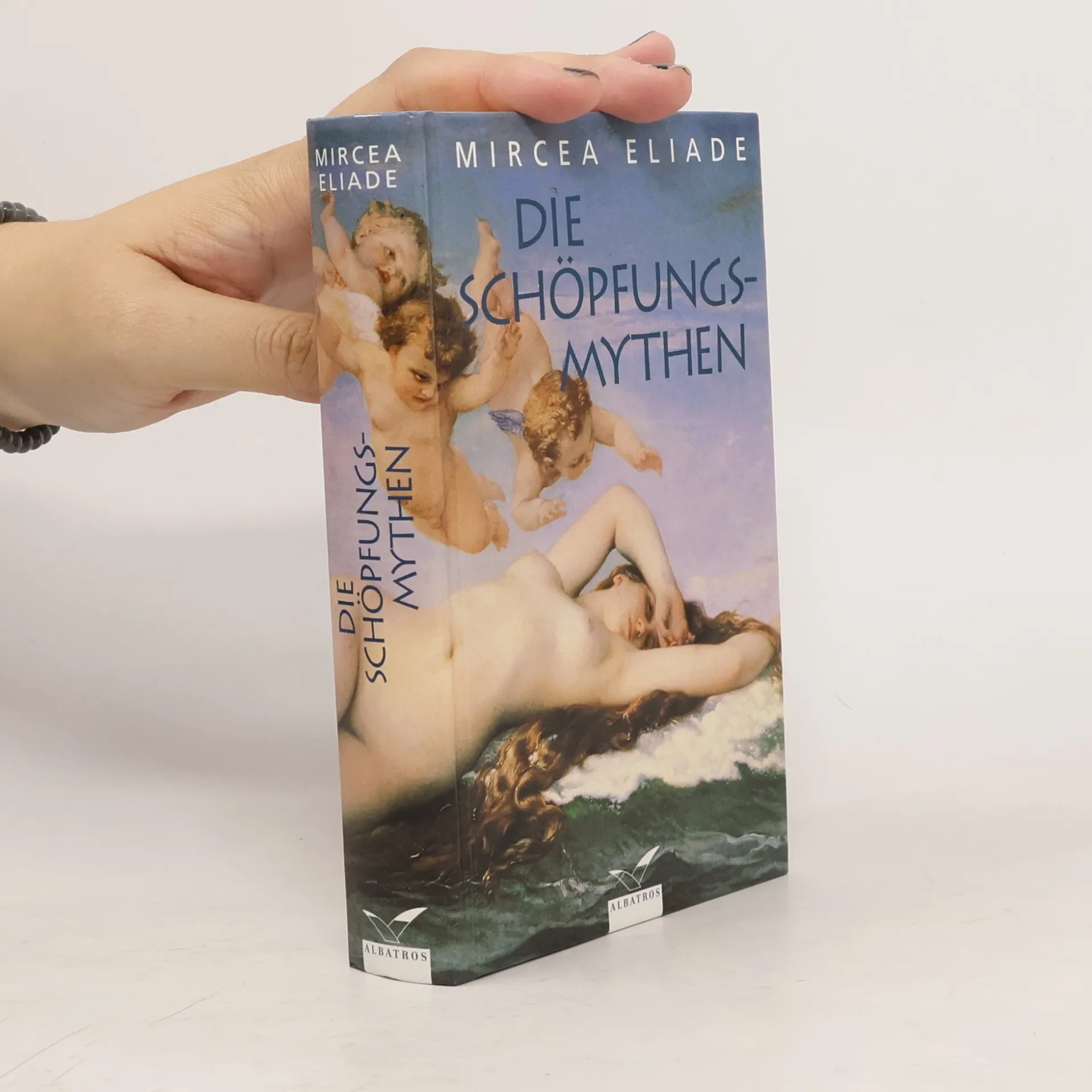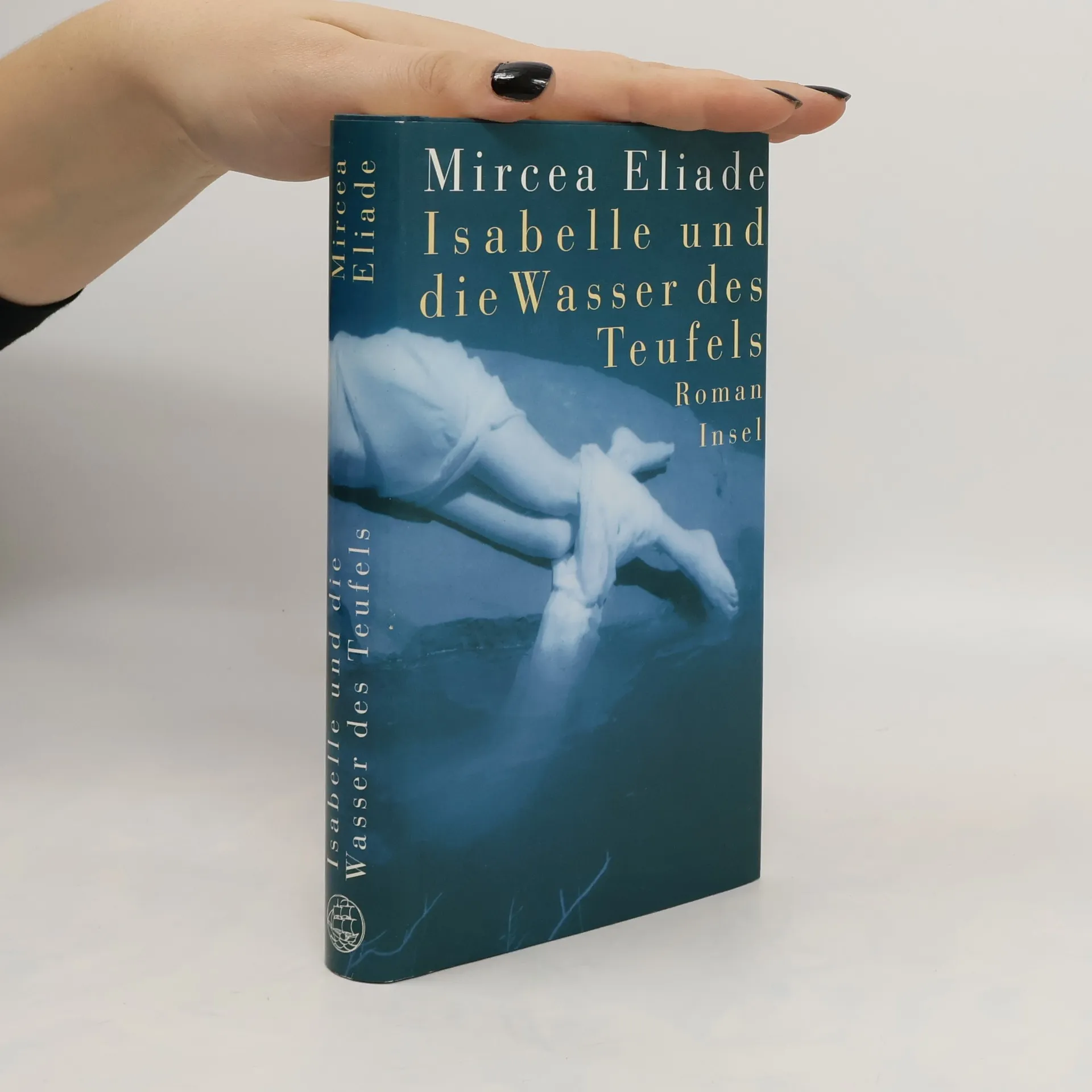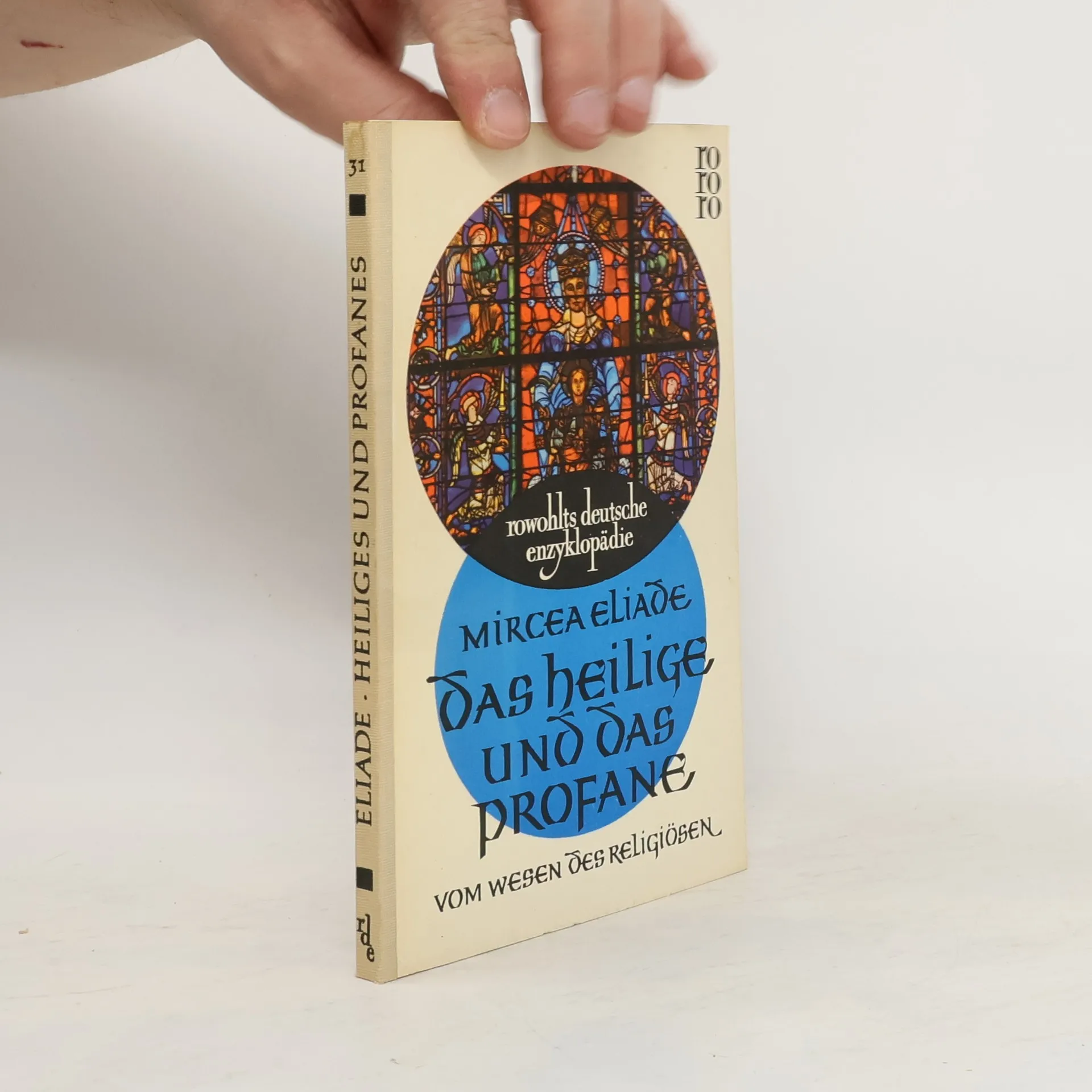
Mircea Eliade Libri
Mircea Eliade fu un autore estremamente prolifico la cui opera spaziava tra religione, filosofia e narrativa. Come uno dei massimi interpreti delle religioni mondiali, ottenne fama internazionale per le sue profonde intuizioni sui simboli e le immagini religiose. Il suo profondo interesse per il mondo dell'inconscio e il tema centrale dell'amore erotico nei suoi romanzi evidenziano la sua fascinazione per la psicologia e il desiderio umano. La vasta produzione di Eliade, che conta oltre 1.300 opere, lo afferma come una figura significativa sia in ambito letterario che accademico.


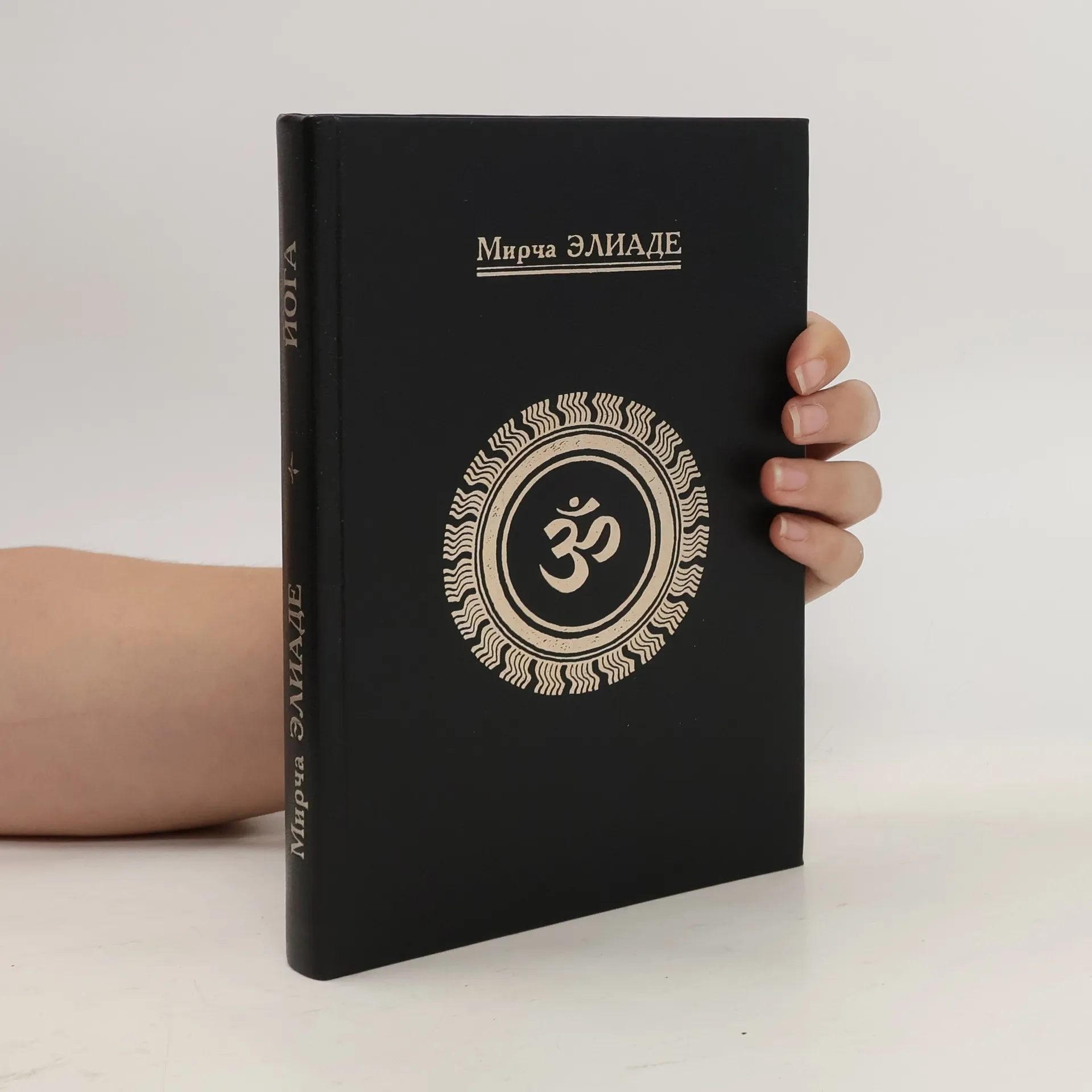
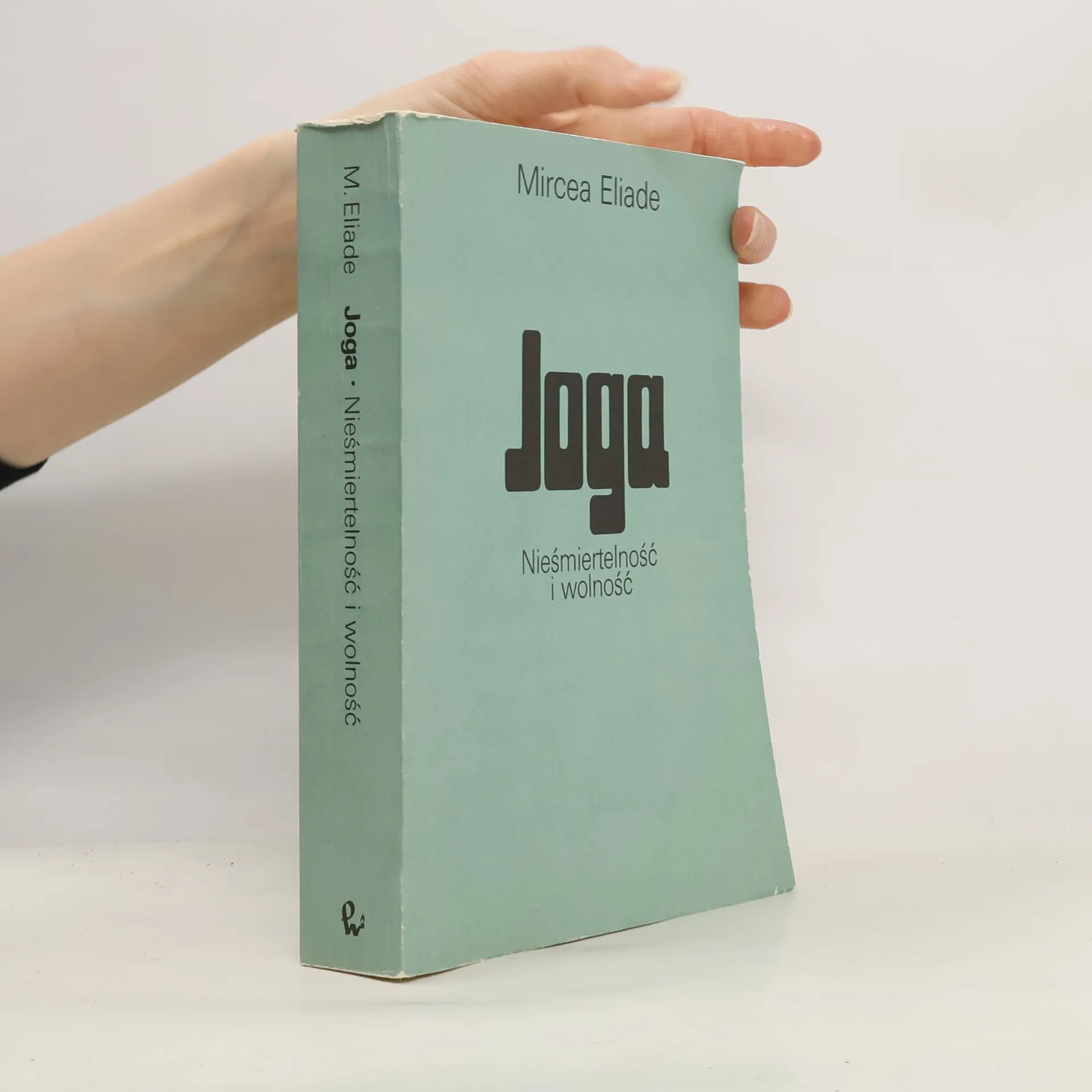
Lo Yoga
Immortalità e libertà
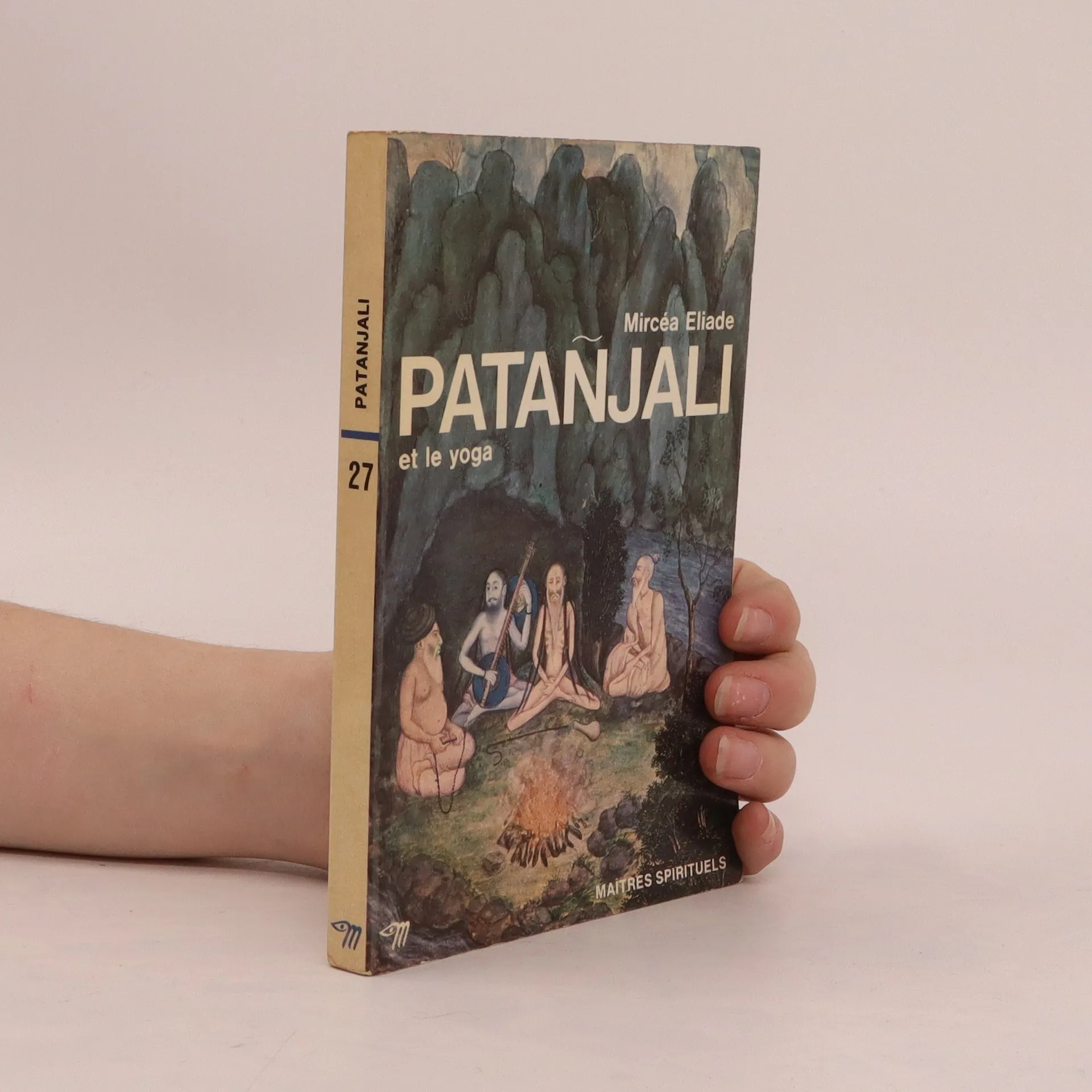
Insieme panindiano di tecniche spirituali, simbolo e summa di una cultura radicalmente diversa da quella occidentale, lo Yoga è divenuto uno dei miti della nostra epoca, punto di fuga verso una riacquisizione di valori spirituali che paiono dimenticati da una civiltà, come la nostra, pragmatica, accelerata e tecnologica. Mircea Eliade, insigne storico delle religioni, ha affrontato concretamente, di persona, l'itinerario yoga verso la liberazione. Quest'opera, frutto di un lungo soggiorno in India, si propone di offrire una sintesi ricca, ma accessibile anche ai non specialisti, dello Yoga classico e delle dottrine, dei metodi e del simbolismo yoga espressi nel buddhismo, nel tantrismo, nell'alchimia, nel folklore e nella devozione popolare.

Mito e realtà
- 190pagine
- 7 ore di lettura
A History of Religious Ideas 2
- 580pagine
- 21 ore di lettura
In volume 2 of this monumental work, Mircea Eliade continues his magisterial progress through the history of religious ideas. The religions of ancient China, Brahmanism and Hinduism, Buddha and his contemporaries, Roman religion, Celtic and German religions, Judaism, the Hellenistic period, the Iranian syntheses, and the birth of Christianity—all are encompassed in this volume.
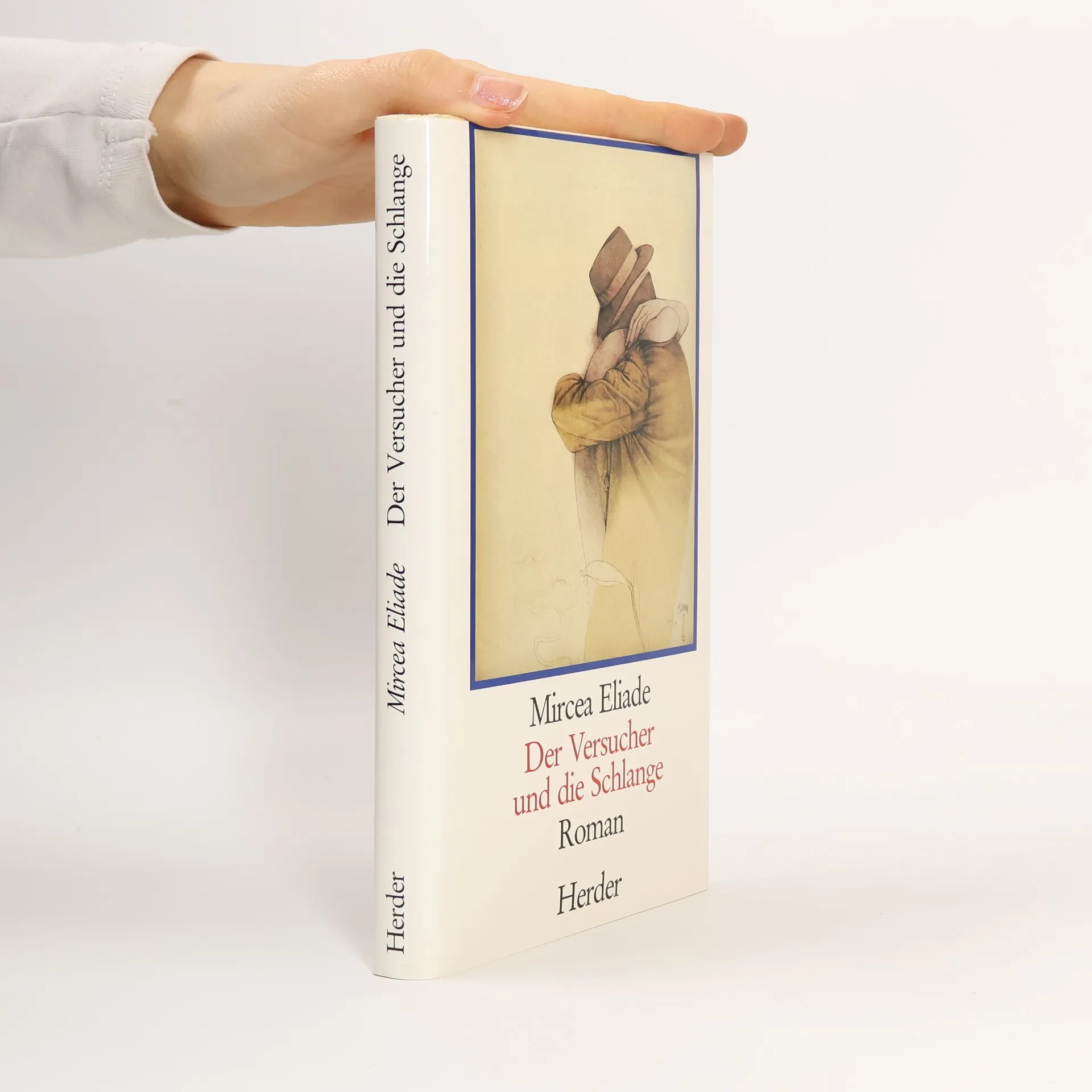
A History of Religious Ideas
- 508pagine
- 18 ore di lettura
"No one has done so much as Mr. Eliade to inform literature students in the West about 'primitive' and Oriental religions...Everyone who cares about the human adventure will find new information and new angles of vision."--Martin E. Marty, "New York Times Book Review"
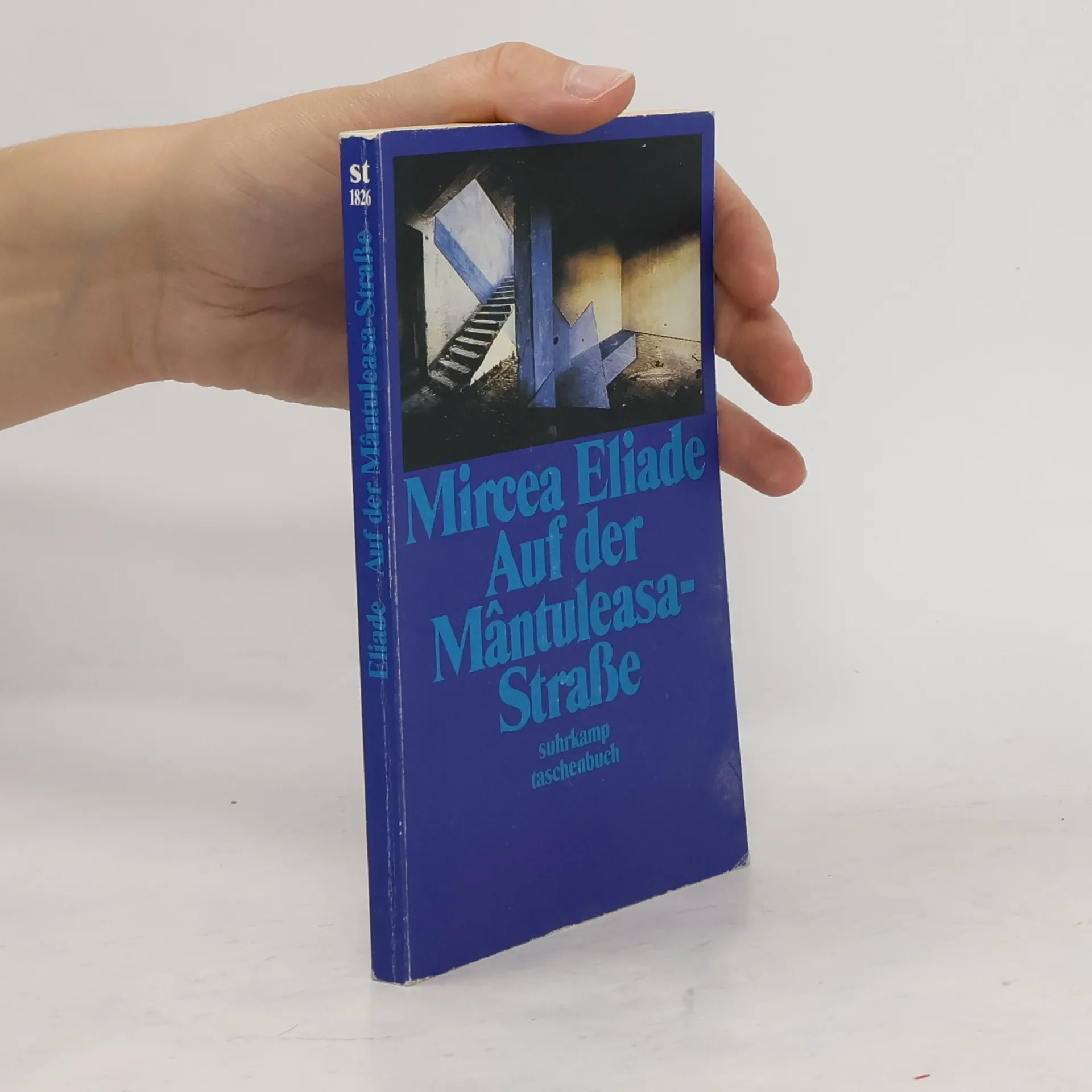
Eros and Magic in the Renaissance
- 296pagine
- 11 ore di lettura
A common belief in modern scientific society is that "magic" is a mere collection of outdated and nonsensical practices. This work challenges that notion, offering a scholarly exploration of magic's role and its evolution into contemporary forms. According to Ioan Couliano, Renaissance magic was a scientifically grounded attempt to influence individuals through an understanding of motivations, especially erotic ones. The core idea was that sexual desire could sway everyone and everything. Additionally, magicians employed advanced memory techniques to shape the imaginations of their subjects. Couliano posits that magic serves as a precursor to modern psychological and sociological disciplines, positioning the magician as a forerunner to psychoanalysts and marketing professionals. Couliano delves into the works of influential figures like Giordano Bruno, Marsilio Ficino, and Pico della Mirandola, shedding light on various facets of Renaissance culture, including heresy, medicine, astrology, alchemy, courtly love, classical mythology, and even fashion. While science has become the dominant narrative of our age, magic once provided a similar narrative during the Renaissance. The reliance on images in magic faced repression during the Reformation, leading to its decline in favor of precise science and technology. Couliano's insightful scholarship revives the significance of magic, appealing to a diverse audience in the humanities
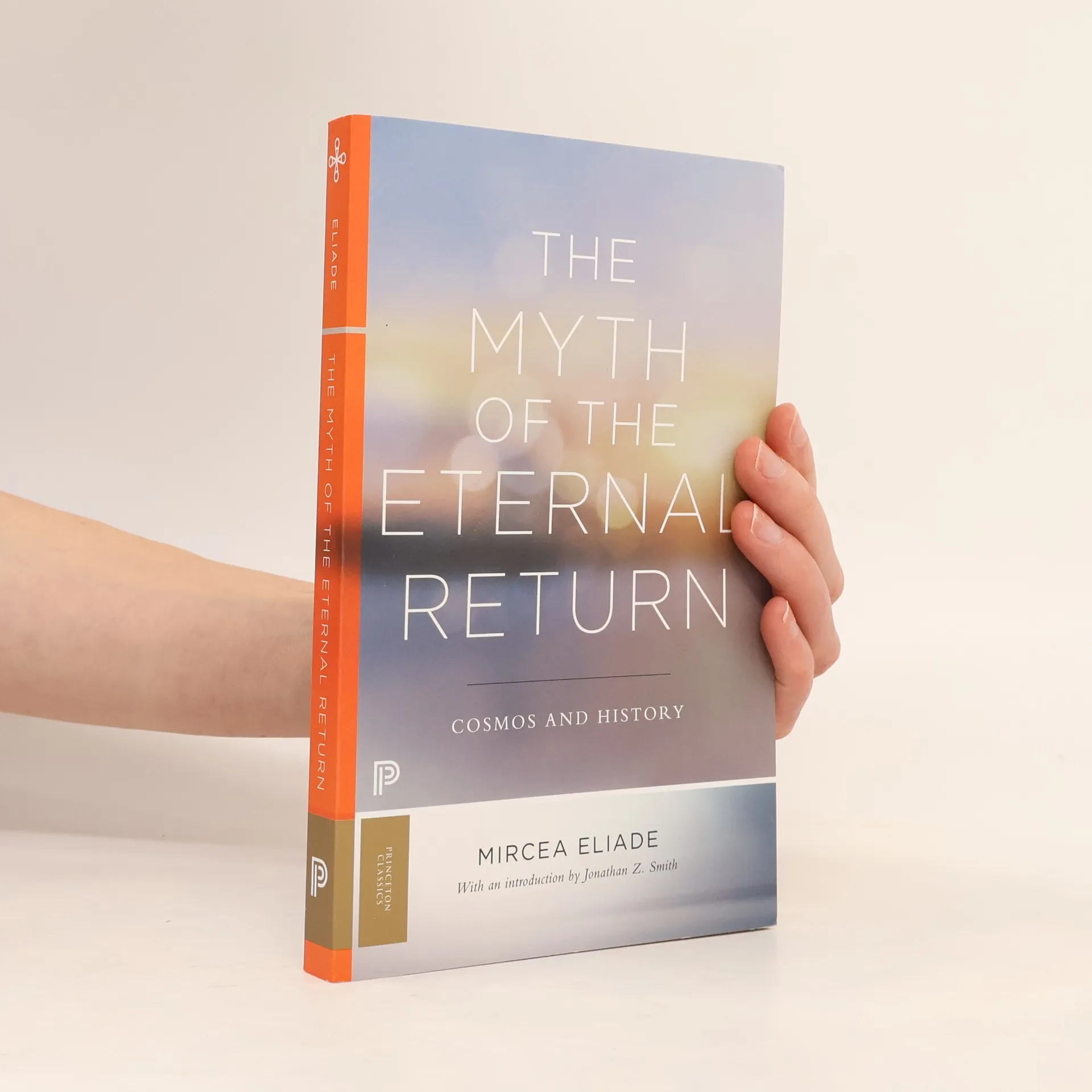
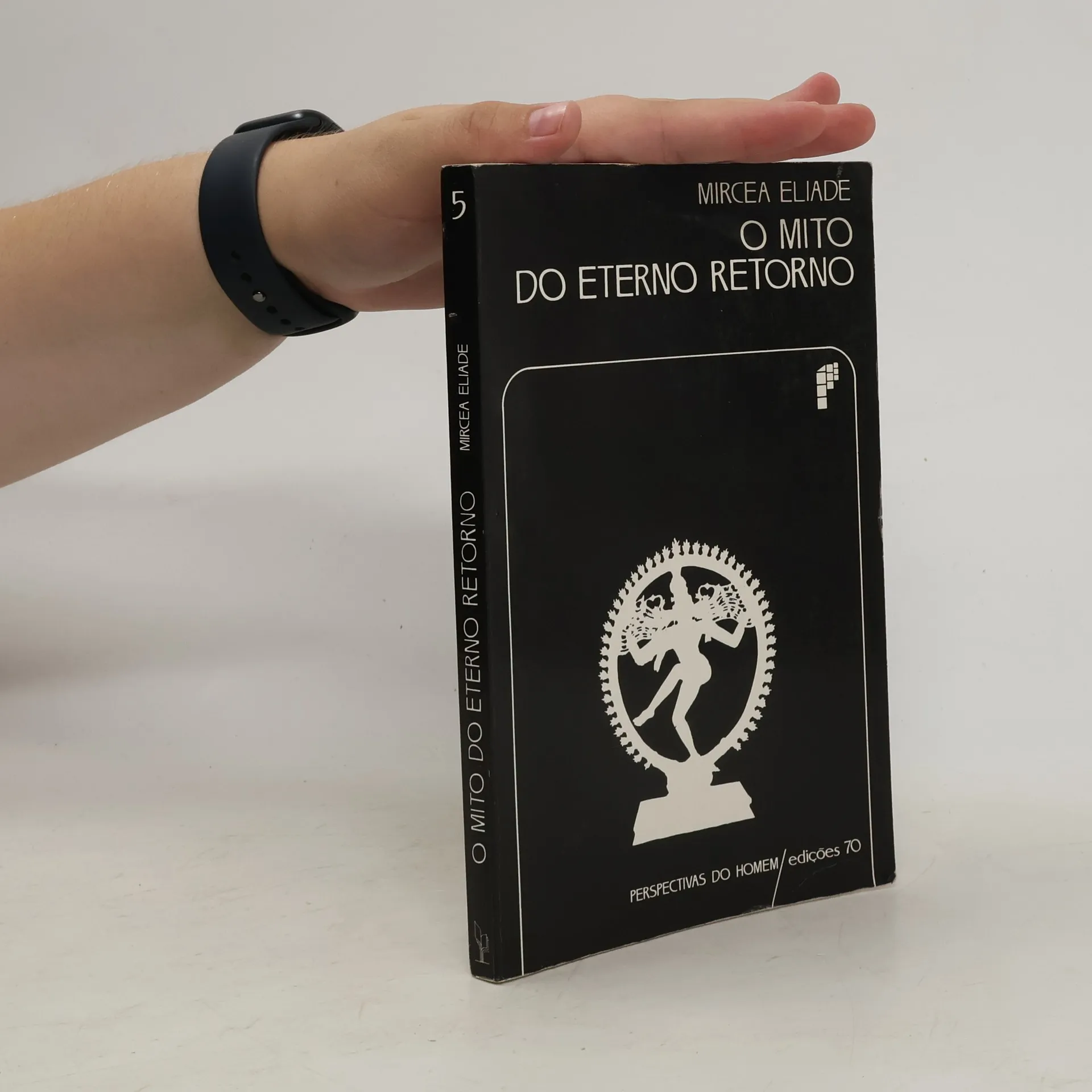
The Myth of the Eternal Return
- 232pagine
- 9 ore di lettura
Harper Torchbooks paperback edition published under the title Cosmos and history, New York, 1959--Copyright page.
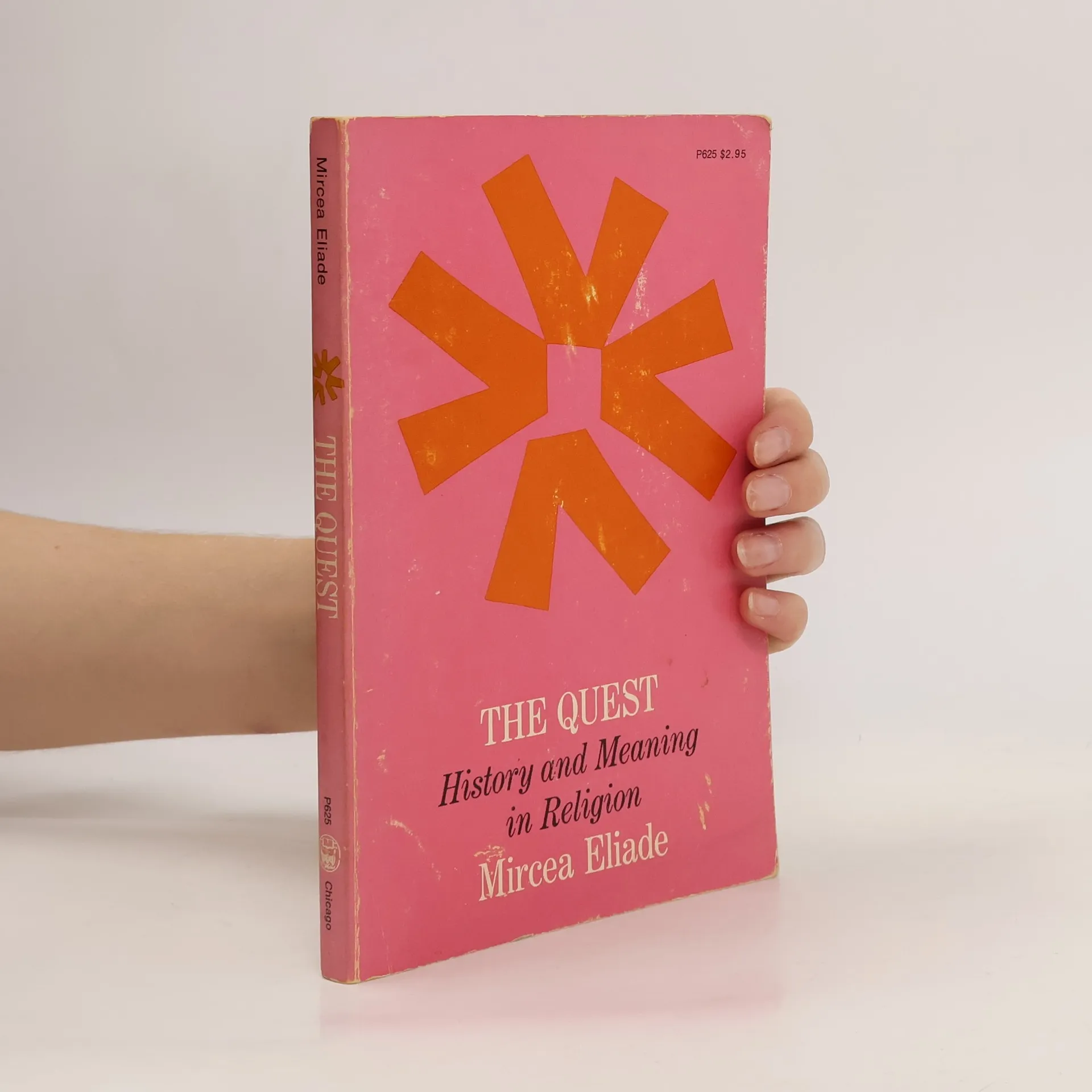
The quest
- 180pagine
- 7 ore di lettura
In The Quest Mircea Eliade stresses the cultural function that a study of the history of religions can play in a secularized society. He writes for the intelligent general reader in the hope that what he calls a new humanism "will be engendered by a confrontation of modern Western man with unknown or less familiar worlds of meaning." "Each of these essays contains insights which will be fruitful and challenging for professional students of religion, but at the same time they all retain the kind of cultural relevance and clarity of style which makes them accessible to anyone seriously concerned with man and his religious possibilities."—Joseph M. Kitagawa, Religious Education