Bookbot

Roberto Bolaňo

    28 aprile 1953 – 15 luglio 2003

    Sebbene si considerasse sempre un poeta nel profondo, Roberto Bolaño cementò infine la sua eredità letteraria attraverso i suoi romanzi, le novelle e le raccolte di racconti. Dopo una giovinezza nomade trascorsa viaggiando per il Sud America e l'Europa, si stabilì in Spagna, svolgendo vari lavori manuali di giorno e scrivendo di notte. Alla fine passò alla prosa nei suoi primi quarant'anni, spinto dal desiderio di provvedere alla sua famiglia, sebbene il suo lavoro conservasse una profonda sensibilità poetica. La scrittura di Bolaño è nota per la sua onestà cruda e l'esplorazione delle sfaccettature più oscure della vita, spesso permeate da una distintiva qualità lirica.

    Last Evenings on Earth
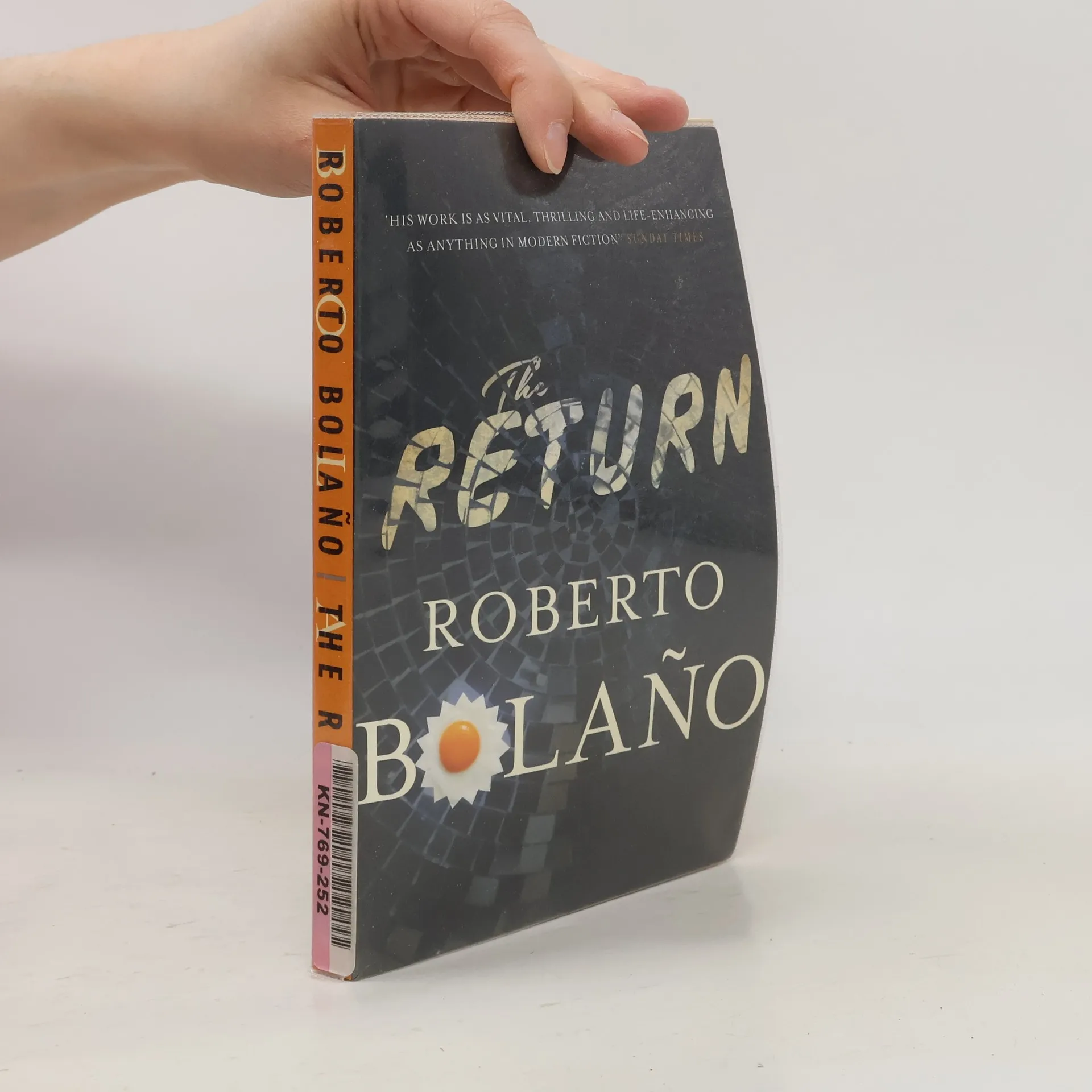
    The Return
    The Savage Detectives
    Stella distante
    L'ultima conversazione
    2666
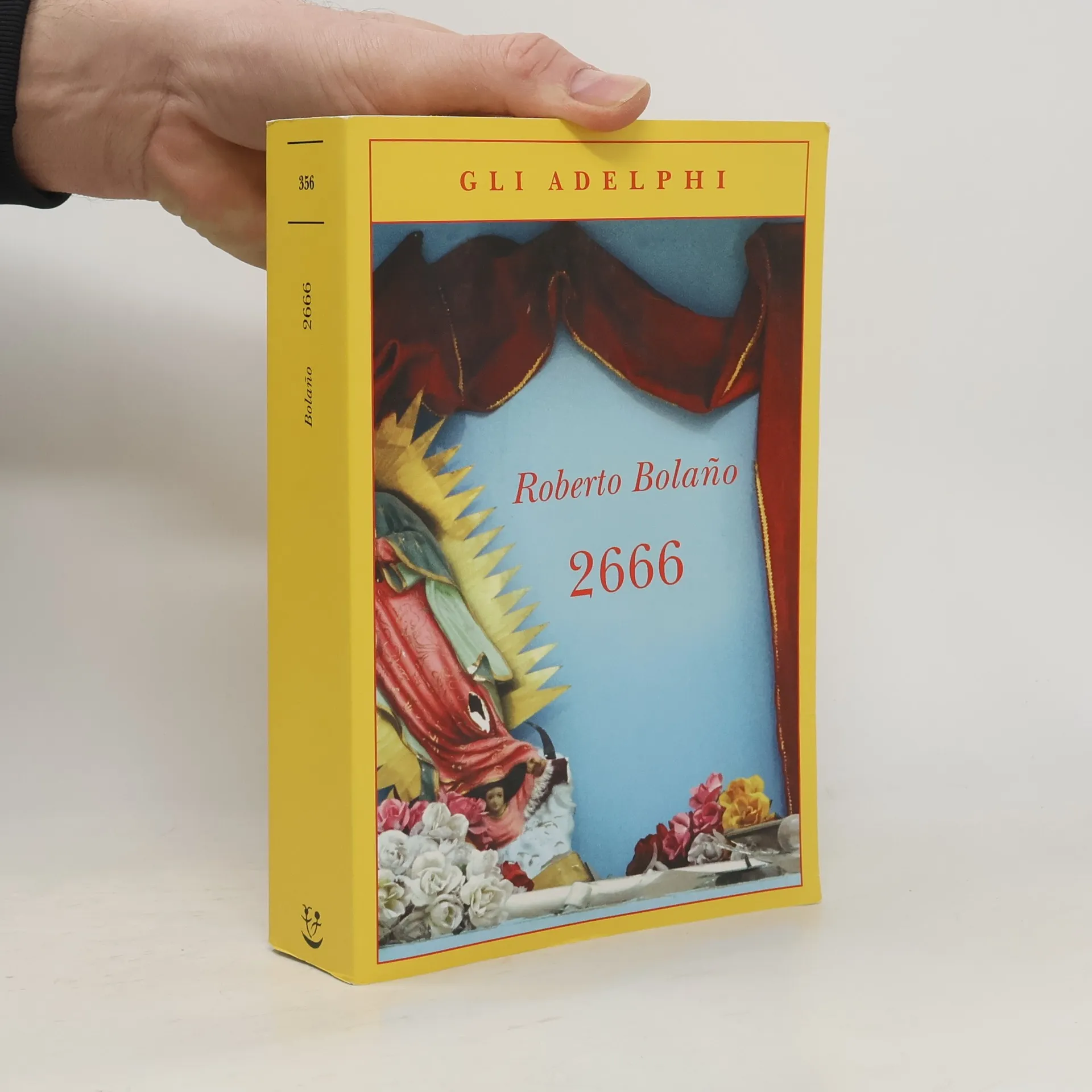
    • 2666

      • 963pagine
      • 34 ore di lettura

      Delle molte leggende alla cui nascita Bolaño stesso ha contribuito, l’ultima riguarda la forma che 2666 avrebbe dovuto assumere. Si dice infatti che l’autore desiderasse vedere i cinque romanzi che lo compongono pubblicati separatamente, e se possibile letti nell’ordine preferito da ciascuno. La disposizione, ammesso che sia autentica, era in realtà un avviso per la navigazione in questo romanzo-mondo, che contiene di tutto: un’idea di letteratura per la quale molti sono disposti a vivere e a morire, l’opera al nero di uno scrittore fantasma che sembra celare il segreto del Male, e il Male stesso, nell’infinita catena di omicidi che trasforma la terra di nessuno fra gli Stati Uniti e il Messico nell’universo della nostra desolazione. Tutte queste schegge, e infinite altre, si possono in effetti raccogliere entrando in 2666 da un ingresso qualsiasi; ma fin dall’inizio il libro era fatto per diventare quello che oggi il lettore italiano, per la prima volta, ha modo di conoscere: un immenso corpo romanzesco oscuro e abbacinante, da percorrere seguendo una sola, ipnotica illusione – quella di trovare il punto nascosto in cui finiscono, e cominciano, tutte le storie.
      2666
      4,3
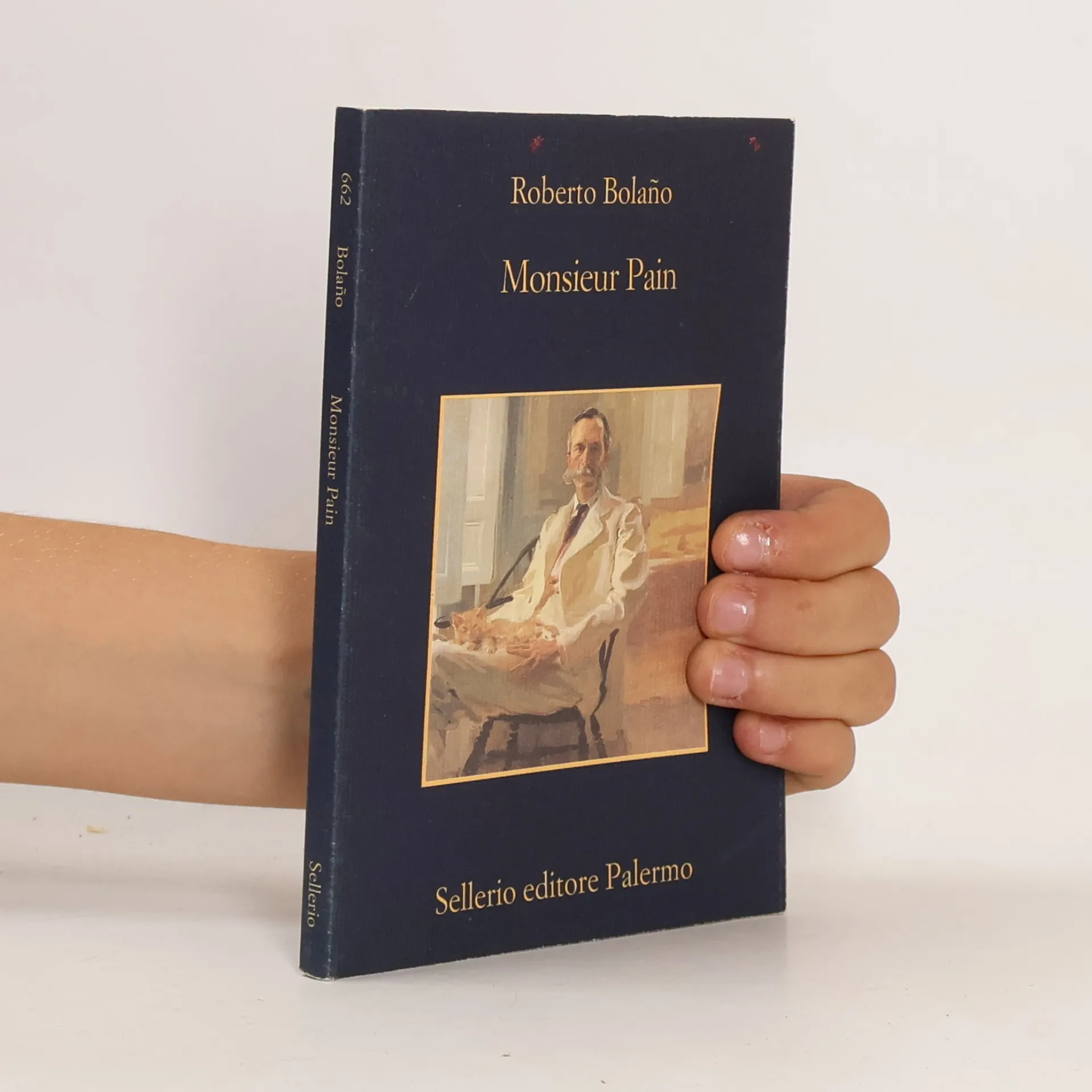
    • L'ultima conversazione

      • 124pagine
      • 5 ore di lettura

      L’autore di 2666 e I detective selvaggi si racconta in questa collezione di interviste realizzate in un arco di cinque anni, che si conclude con la famosa «Ultima conversazione», pubblicata per la prima volta pochi giorni dopo la scomparsa dello scrittore. L’infanzia in Cile, l’adolescenza in Messico, l’Europa da uomo maturo; la presa di coscienza civile e politica, i primi tentativi di scrittura; le letture, le influenze e le amicizie; le cose che adora e le cose che gli danno fastidio: queste conversazioni ci permettono di addentrarci in una delle menti migliori del Novecento, un’intelligenza pirotecnica che continua a emanare scintille e ad abbagliare i lettori di tutto il mondo. Con un saggio di Nicola Lagioia.

      L'ultima conversazione
      4,1
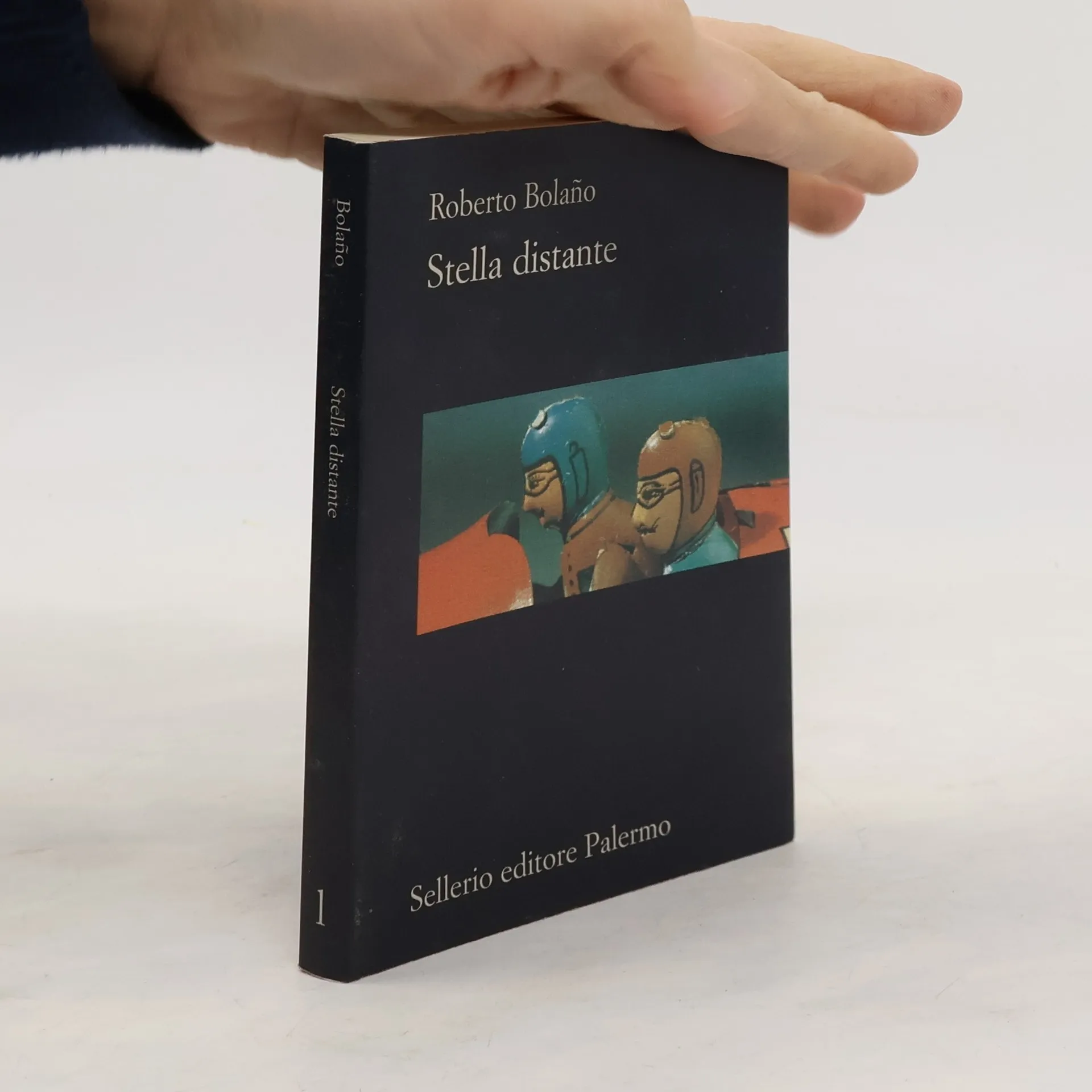
    • Stella distante

      • 212pagine
      • 8 ore di lettura

      «La prima volta che vidi Carlos Wieder fu nel 1971 o forse nel 1972 quando Allende era presidente del Cile». Chi è Carlos Wieder? È un poeta, un aviatore che scrive versi nel cielo, un killer di poeti, un torturatore, un fotografo surrealista delle vittime, e poi un fuggiasco in Europa, poeta d'avanguardia e forse operatore-assassino di film hard core criminali (quelli in cui si commettono omicidi). Questo è il racconto delle sue imprese, ma soprattutto della caccia condotta, dopo la caduta di Pinochet, da un vecchio poliziotto esiliato: e diventa un viaggio palpitante, seguito come una cronaca dal narratore, nelle diverse identità fittizie del poeta-torturatore. In un'intervista a proposito del suo primo libro tradotto in italiano (La letteratura nazista in America, una narrativa grottesca stranamente trascurata appena giunta in Italia) Roberto Bolaño dichiara il suo debito verso Borges e i suoi sogni letterari, e verso l'Alfonso Reyes delle Vite reali eimmaginarie. Sicché non è facile dire se Carlos Wieder sia un personaggio reale o immaginario. Viene da un incubo, e gli incubi - come sapevano Borges e Reyes - conservano un nucleo di verità più reale della realtà.

      Stella distante
      4,0
    • The Savage Detectives

      • 592pagine
      • 21 ore di lettura

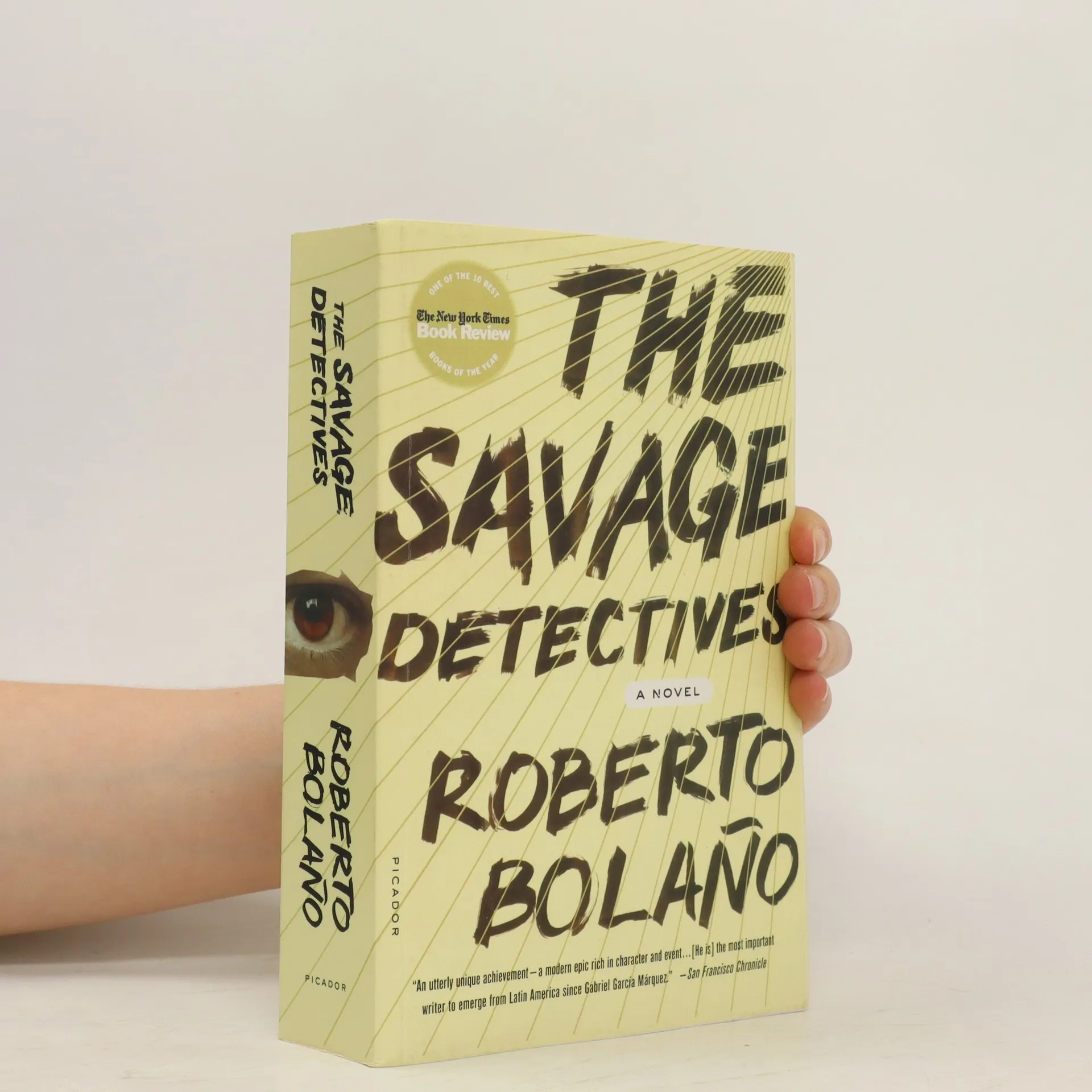
      Set against the backdrop of New Year's Eve 1975, two poets, Arturo Belano and Ulises Lima, embark on a quest from Mexico City in a borrowed white Impala to find the elusive Cesárea Tinajero, a vanished poet. Their journey takes a violent turn in the Sonora desert, forcing them into a life on the run for twenty years. This ambitious novel captures their experiences through the perspectives of various characters they encounter across Central America, Europe, Israel, and West Africa. Among them are the enchanting Font sisters, their father in a Mexico City asylum, a devoted follower of Octavio Paz, a brash American grad student, a French girl with a penchant for the Marquis de Sade, the great-granddaughter of Leon Trotsky, a Chilean stowaway gifted with numbers, an anorexic heiress to a Mexican underwear empire, and an Argentinian photojournalist in Angola, alongside a host of critics, lovers, and vagabonds. Roberto Bolaño, a literary descendant of Borges and Pynchon, explores the intricate relationship between literature and violence, revealing a world where national boundaries blur and death is ever-present in the avant-garde. This work stands as a remarkable testament to the vitality of contemporary Latin American literature.

      The Savage Detectives
      4,4
    • The Return

      • 208pagine
      • 8 ore di lettura

      Pankaj Mishra remarked in The Nation , "one of the remarkable qualities of Bolaño's short stories is that they can do the work of a novel". The Return contains thirteen unforgettable stories bent on returning to haunt you. Wide-ranging, suggestive, and daring, a Bolaño story might concern the unexpected fate of a beautiful ex-girlfriend or a dream of meeting Enrique Lihn; his plots go anywhere and everywhere and they always surprise. Consider the title piece: a young party animal collapses in a Parisian disco and dies on the dance floor; just as his soul is departing his body, it realizes strange doings are afoot--and what follows next defies the imagination (except Bolaño's own). Although a few have been serialized in The New Yorker and Playboy , most of the stories of The Return have never before appeared in English, and to Bolaño's many readers will be like catnip to the cats.

      The Return
      3,9
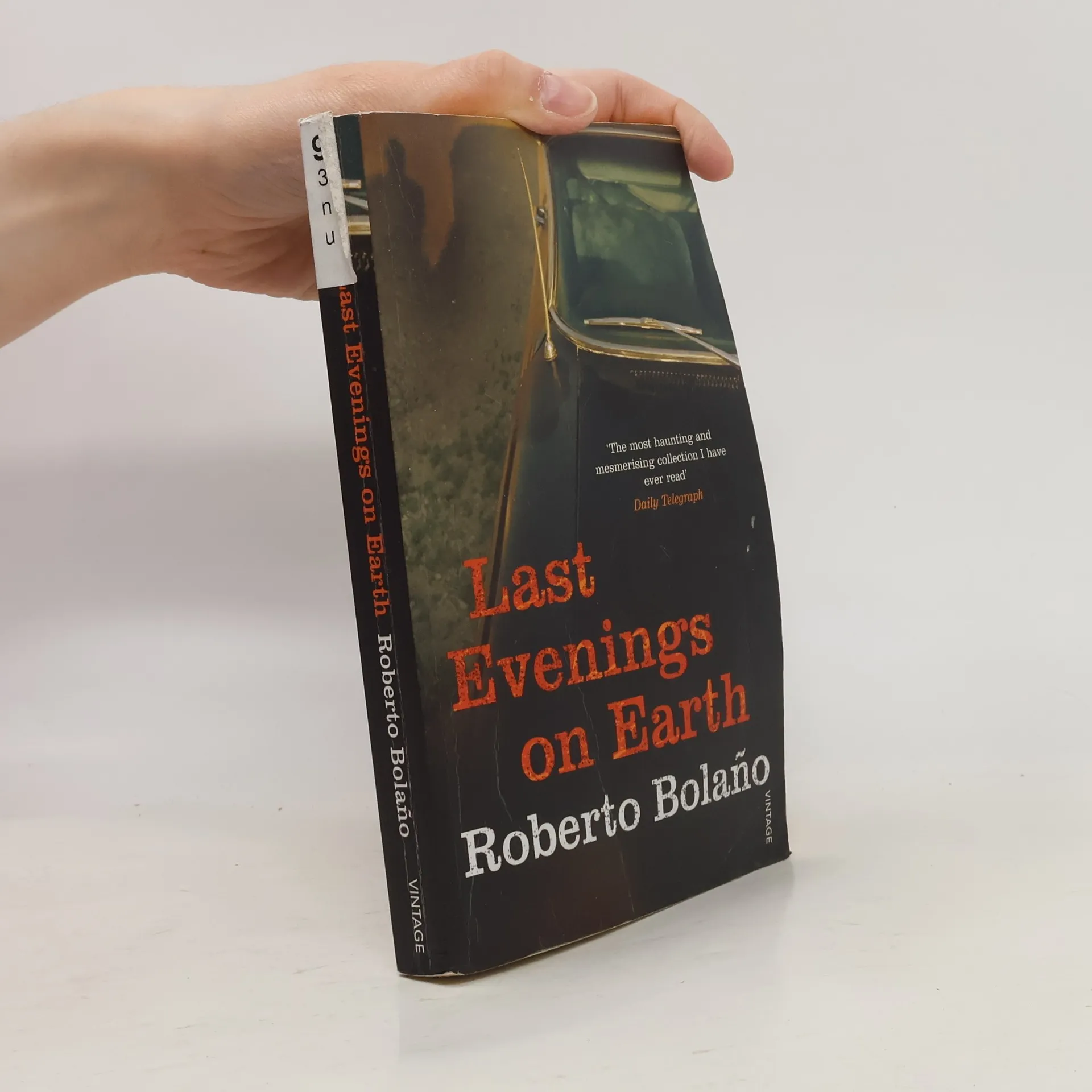
    • The acclaimed Chilean author's first collection of stories to be published in English. Here are fourteen stories set largely among those living in the margins, on the edge. "The most haunting and mesmerizing collection I have ever read."--"Daily Telegraph"

      Last Evenings on Earth
      3,9
    • Roberto Bolano: The Last Interview

      • 128pagine
      • 5 ore di lettura

      With the release of Roberto Bolaño’s The Savage Detectives in 1998,journalist Monica Maristain discovered a writer “capable of befriending his readers.” After exchanging several letters with Bolaño, Maristain formed a friendship of her own, culminating in an extensive interview with the novelist about truth and consequences, an interview that turned out to be Bolaño’s last. Appearing for the first time in English, Bolaño’s final interview is accompanied by a collection of conversations with reporters stationed throughout Latin America, providing a rich context for the work of the writer who, according to essayist Marcela Valdes, is “a T.S. Eliot or Virginia Woolf of Latin American letters.” As in all of Bolaño’s work, there is also wide-ranging discussion of the author’s many literary influences. (Explanatory notes on authors and titles that may be unfamiliar to English-language readers are included here.) The interviews, all of which were completed during the writing of the gigantic 2666, also address Bolaño’s deepest personal concerns, from his domestic life and two young children to the realities of a fatal disease.

      Roberto Bolano: The Last Interview
      3,9
    • Amulet

      • 192pagine
      • 7 ore di lettura

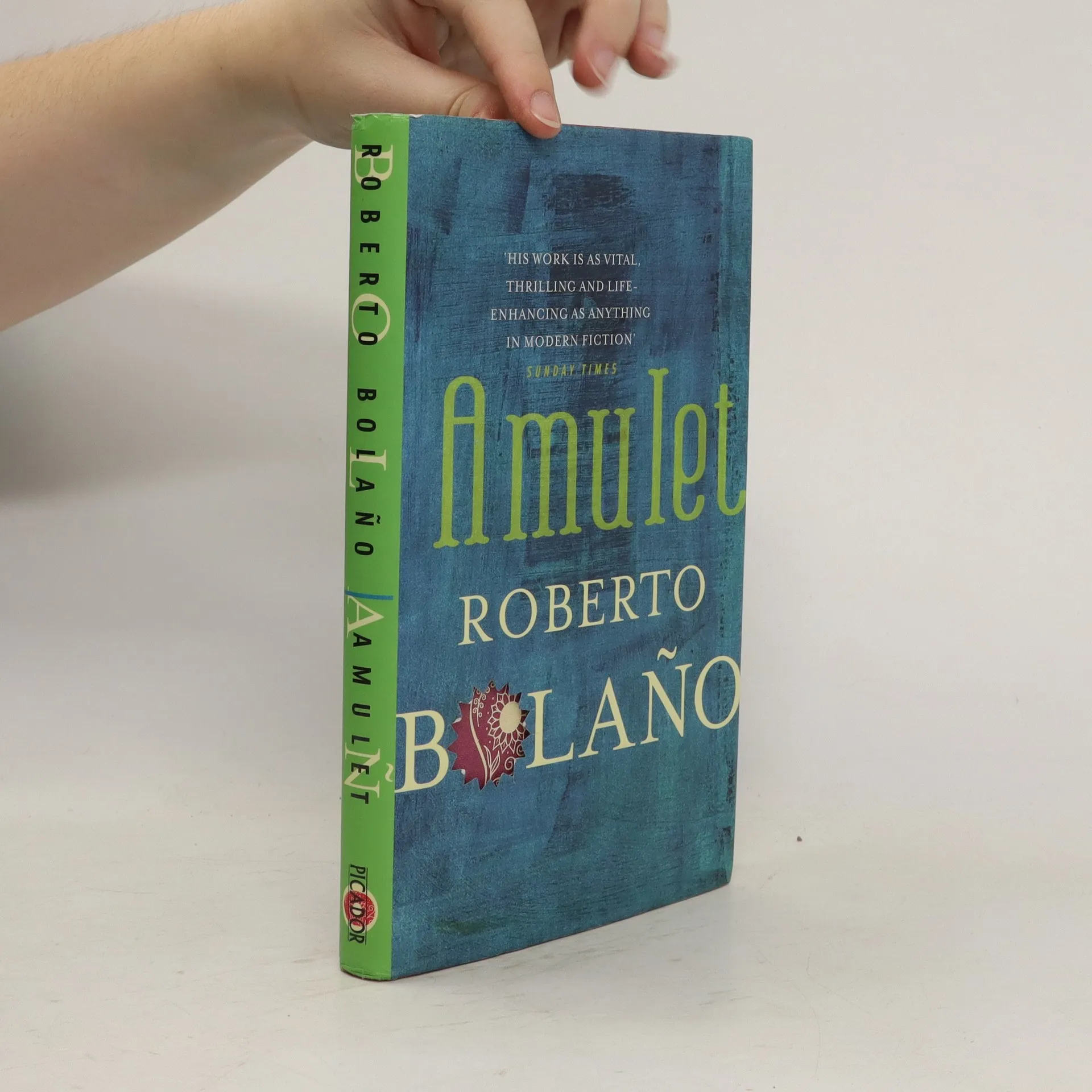
      It is September 1968 and the Mexican student movement is about to run head-on into the repressive right-wing government of Mexico: hundreds of young people will soon die. When the army invades the university, one woman hides in a fourth-floor ladies' room and for twelve days she is the only person left on campus. Staring at the floor, she recounts her bohemian life among the young poets of Mexico City—inventing and reinventing freely—and along the way she creates a cosmology of literature. As they grow ever more hallucinatory, her "memories" become mythologies before completely transforming into riveting dark prophecies. Hair-raising and enthralling, Amulet is a heart-breaking novel and another brilliant example of the art of Roberto Bolaño, 'the most admired novelist,' as Susan Sontag noted, 'in the Spanish-speaking world.'

      Amulet
      3,9
    • By Night In Chile

      • 144pagine
      • 6 ore di lettura

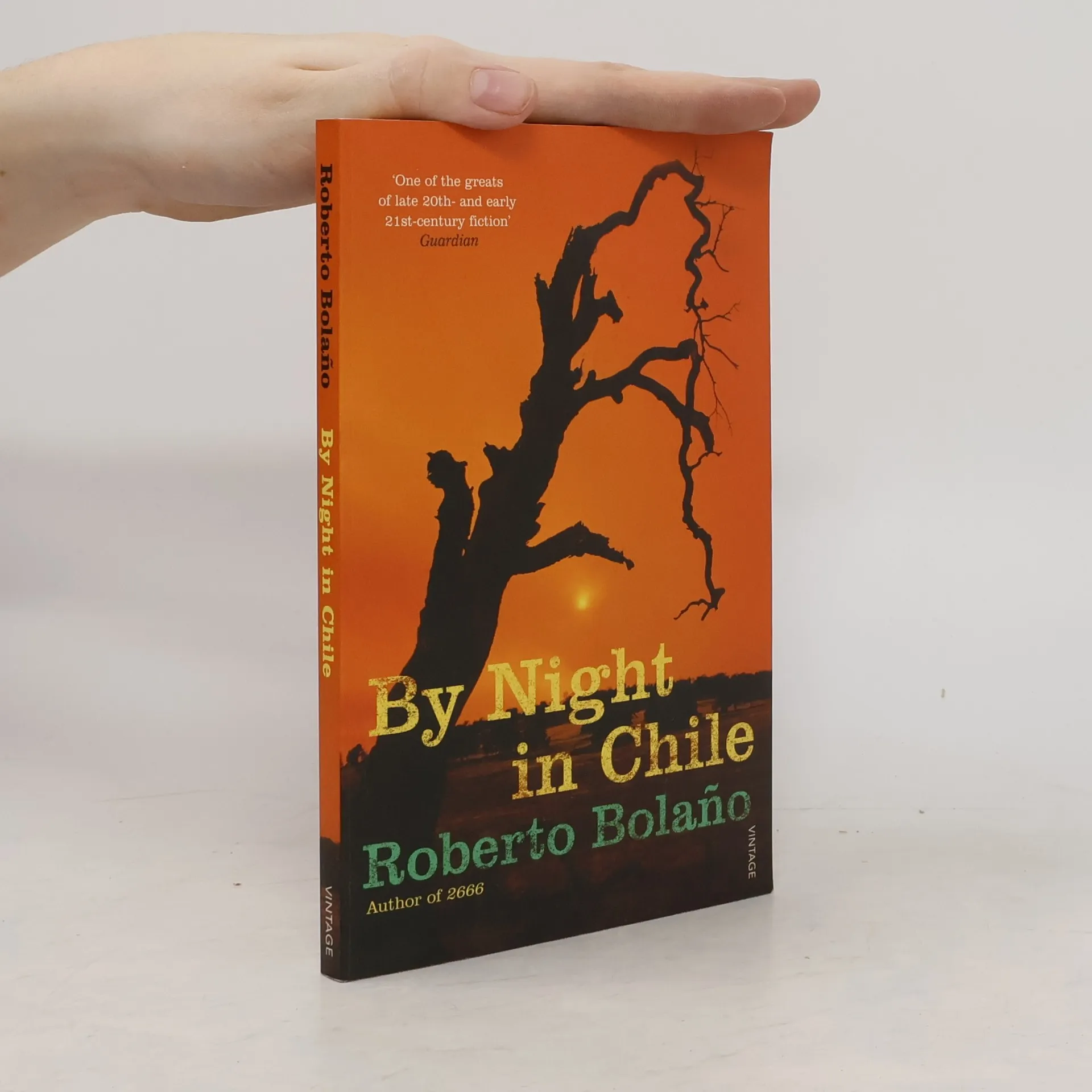
      During the course of a single night, Father Sebastian Urrutia Lacroix, a Chilean priest, who is a member of Opus Dei, a literary critic and a mediocre poet, relives some of the crucial events of his life.

      By Night In Chile
      3,8
    • Nazi Literature in the Americas

      • 260pagine
      • 10 ore di lettura

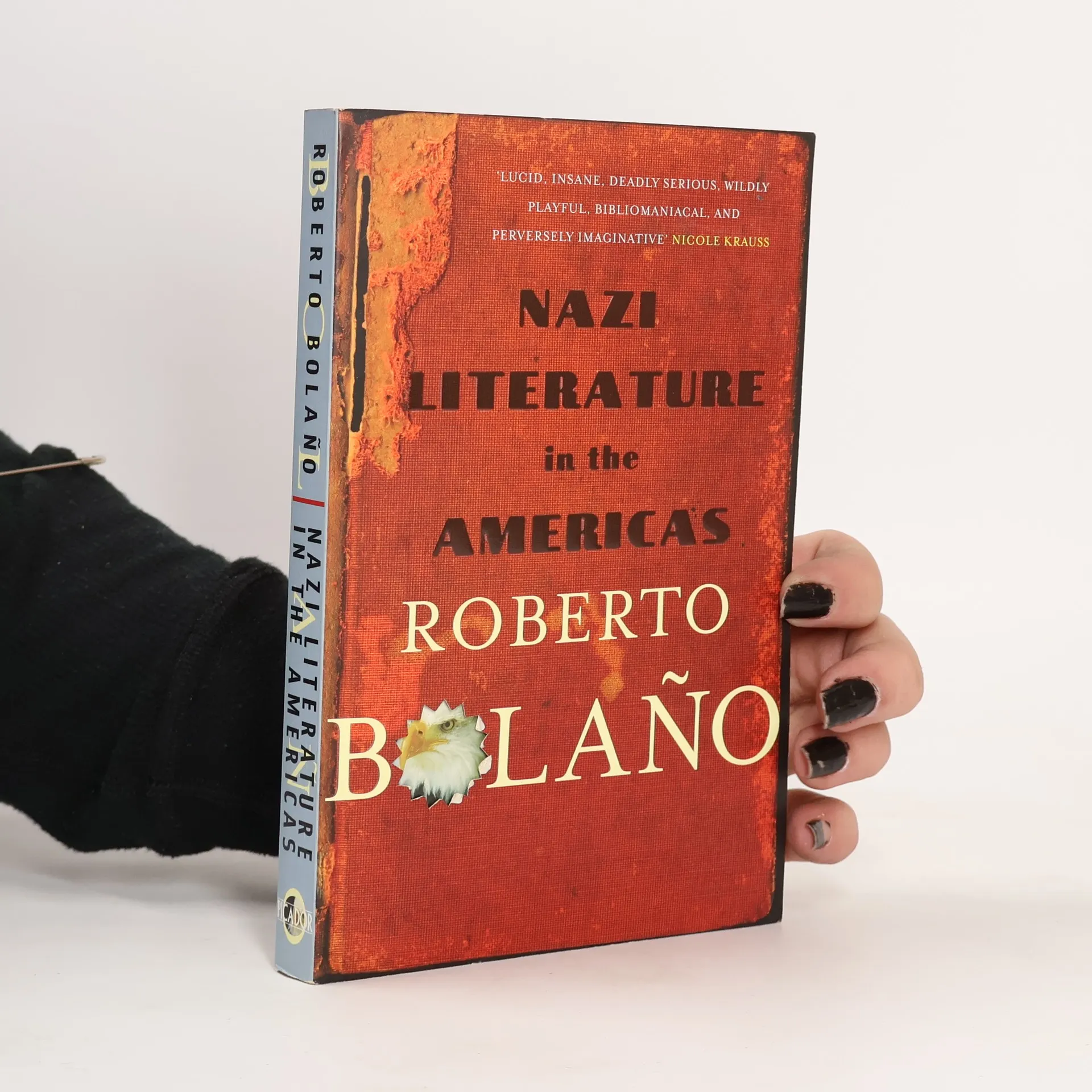
      Featuring several mass-murdering authors, two fraternal writers at the head of a football-hooligan ring and a poet who crafts his lines in the air with sky writing, Nazi Literature in the Americas details the lives of a rich cast of characters from one of the most extraordinarily fecund imaginations in world literature. Written with acerbic wit and virtuosic flair, this encyclopaedic cavalcade of fictional pan-American authors is the terrifyingly humourous and remarkably inventive masterpiece which made Bolaño famous throughout the Spanish-speaking world.

      Nazi Literature in the Americas
      3,8