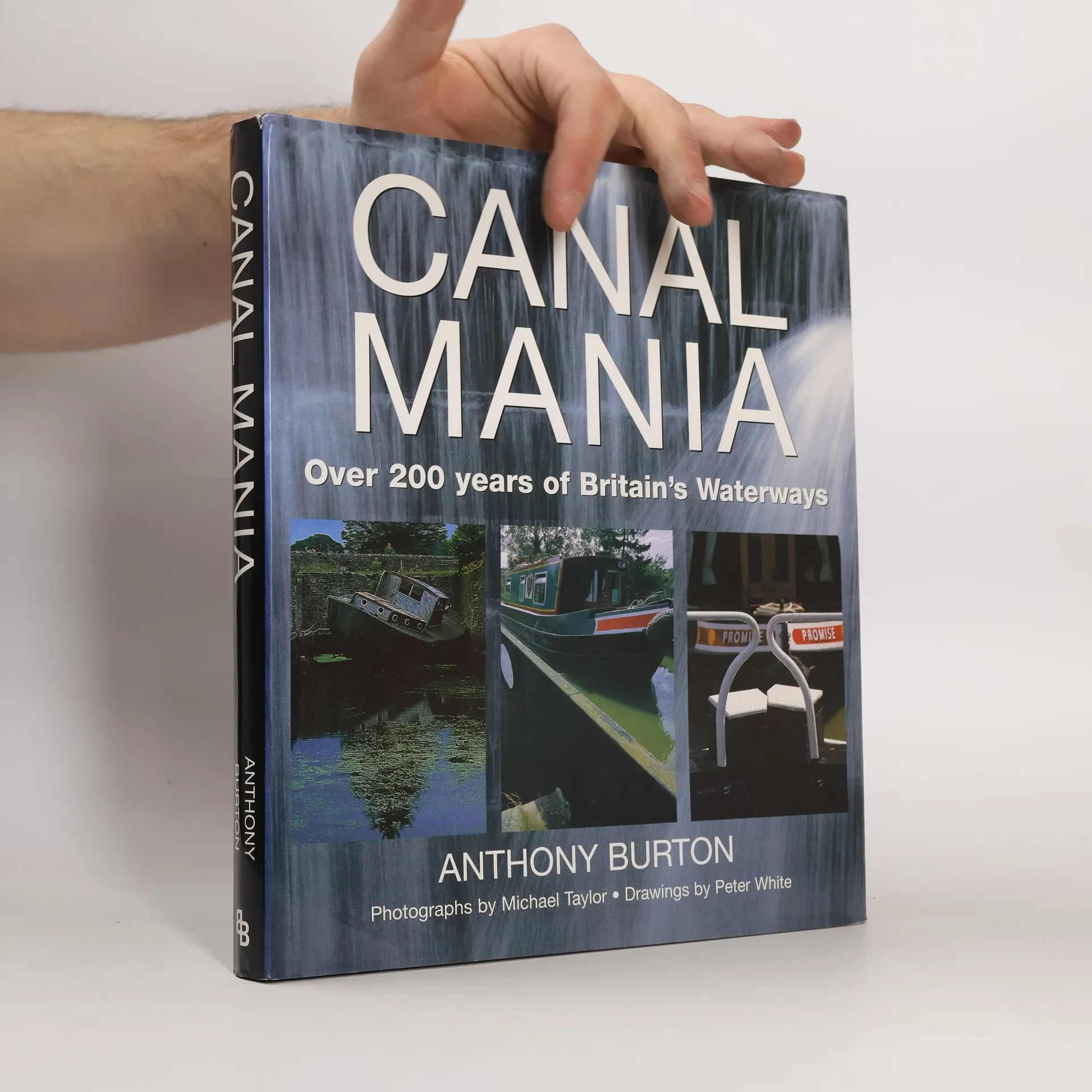
The Great Days of the Canals
- 224pagine
- 8 ore di lettura
First published David and Charles, 1989


Anthony Burton è un autore e radiologo specializzato principalmente nella storia industriale e dei trasporti, a partire dal suo primo libro in materia nel 1972. Oltre a canali, ferrovie e altre forme di trasporto, i suoi interessi includono anche la campagna e la storia del paesaggio. Le sue opere invitano i lettori nei affascinanti regni dei settori industriali e delle reti di trasporto che hanno plasmato il nostro mondo moderno. Con un occhio attento ai dettagli e una prosa accessibile, Burton dà vita alle narrazioni storiche, illustrando il loro impatto duraturo sul presente. La sua scrittura è sia avvincente che informativa, offrendo una prospettiva distintiva sull'evoluzione della tecnologia e sui paesaggi che ha trasformato. I lettori apprezzeranno il suo talento nel rendere accessibili argomenti complessi e nel dipingere immagini vivide del passato.

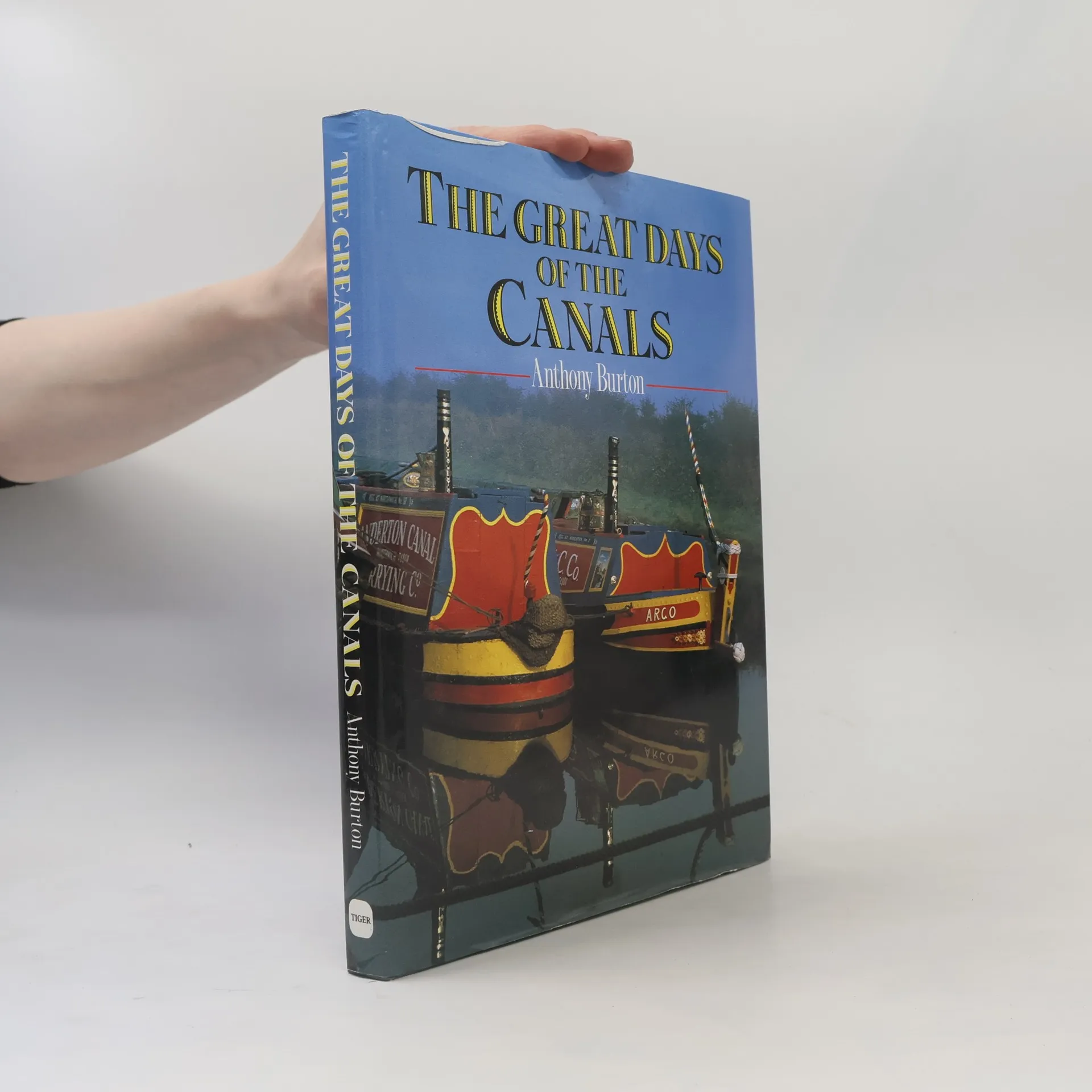
First published David and Charles, 1989
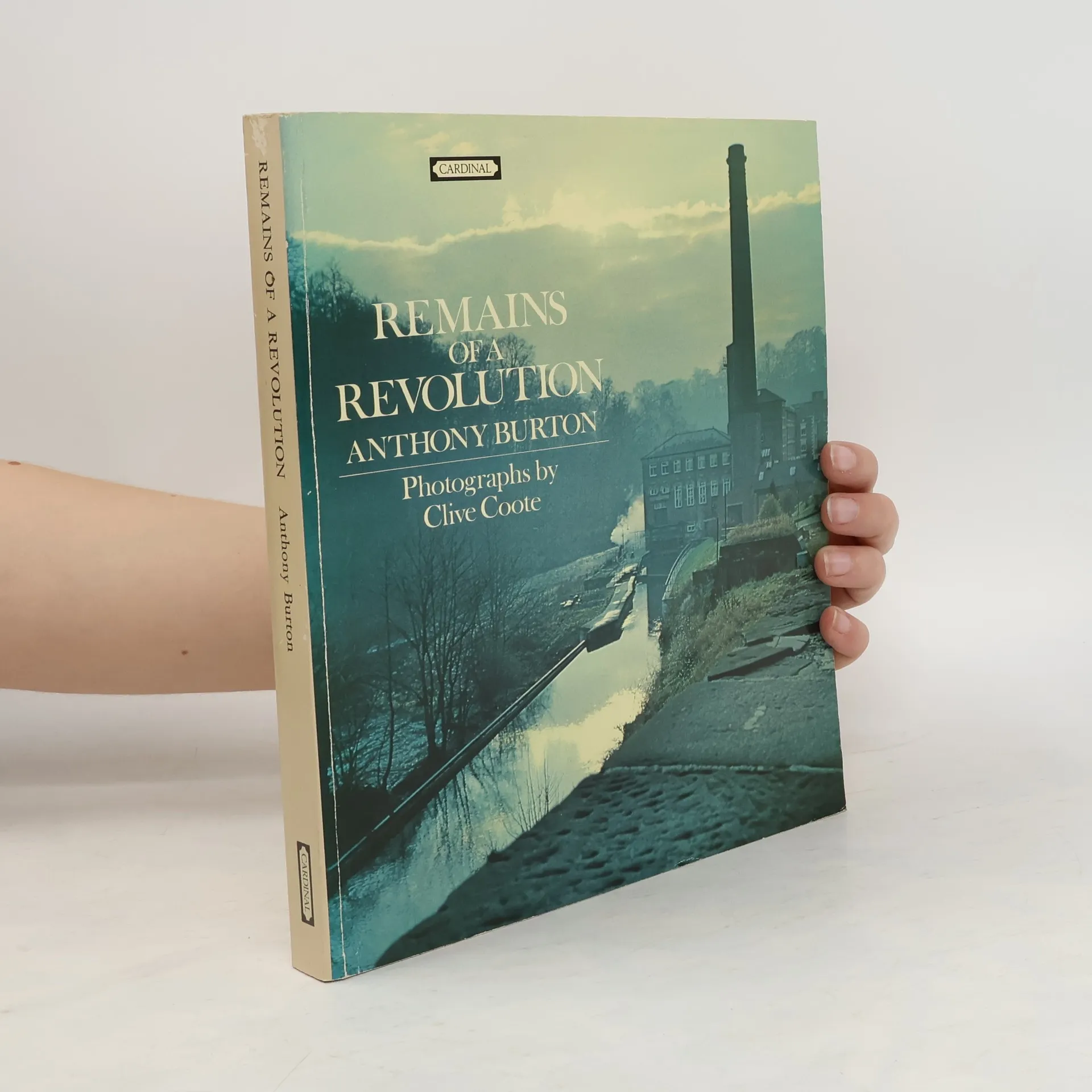
The Industrial Revolution was one of the greatest changes in the history of society. It transformed Britain's "green and pleasant land" from an agricultural world into one dominated by spinning and weaving were mechanized; roads, railways and canals spread across the country; mining and factories wiped out the cottage industries and eroded a rural way of life for ever. Man's immense inventiveness and skill also created appalling suffering and cruelty, sacrificing humanity for profit in a society riven with inequalities that remian today. Yet, as the photographs in this book show, the "dark, satanic mills" and machines that changed the world are brilliantly, often beautifully designed, and the industrial landscape is haunting in its vast, imposing grandeur. Combined with lively writing and dramatic historical accounts, they transport our imaginations back to the revolutionary age of smoke and steam.
Canals In Colour
The Past at Work [hardcover] Burton, Anthony [Jan 01, 1980]… 0233971912
This text explores over 200 years of British waterways history. It tells the stories of the great engineers, from James Brindley through to William Jessop and Thomas Telford. It also includes archive illustrations and detailed architectural drawings.