Bookbot

Peter Handke

    6 dicembre 1942

    Peter Handke è un romanziere e drammaturgo austriaco noto per i suoi contributi d'avanguardia. La sua opera si addentra profondamente nella psiche umana e nel mondo, enfatizzando spesso l'esperienza soggettiva e la sperimentazione linguistica. I testi di Handke esplorano i confini della percezione e della comunicazione, giocando sia con la forma che con il contenuto. La sua importanza letteraria risiede nella continua ricerca di nuove forme di espressione e nella profonda contemplazione sull'essenza dell'esistenza.
    Peter Handke
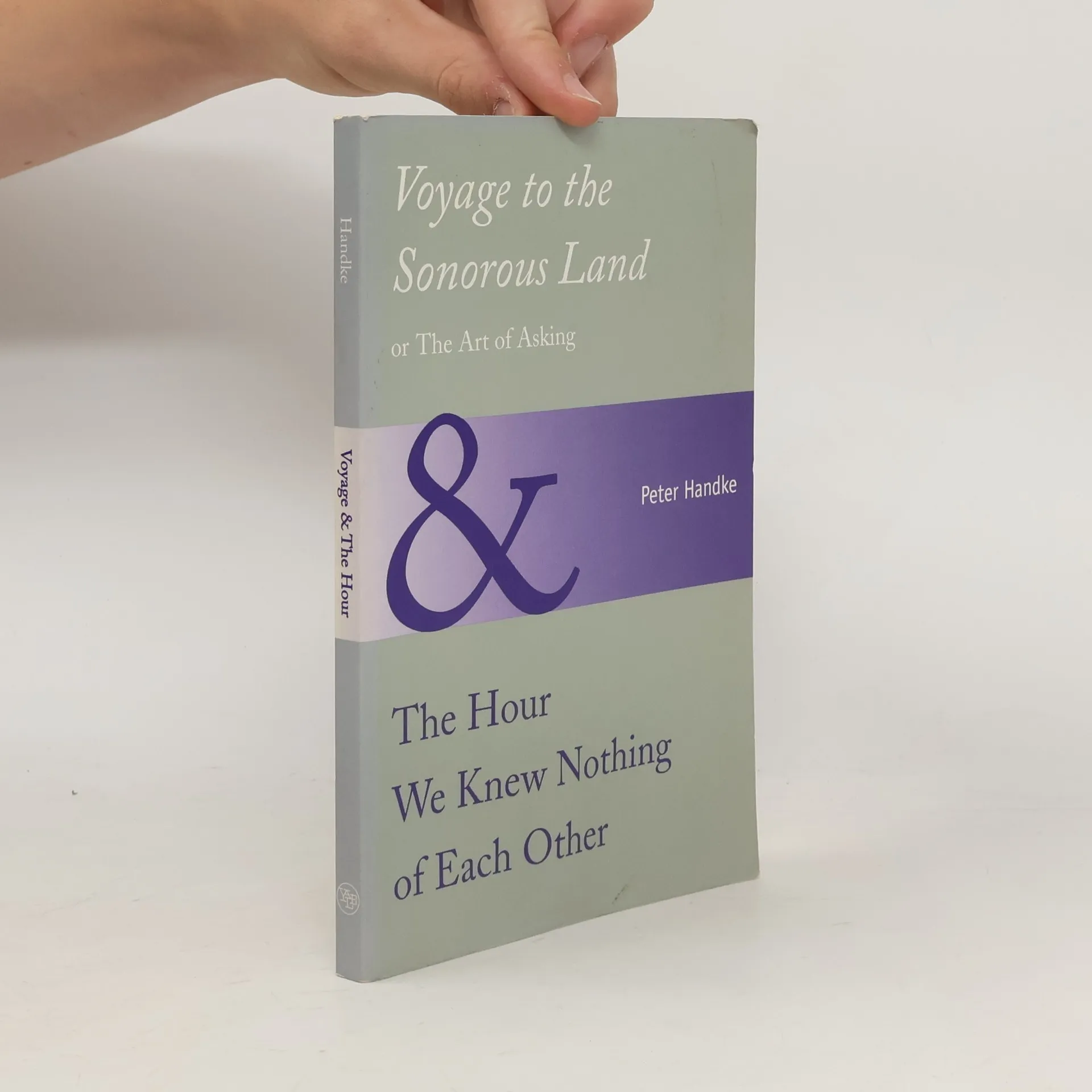
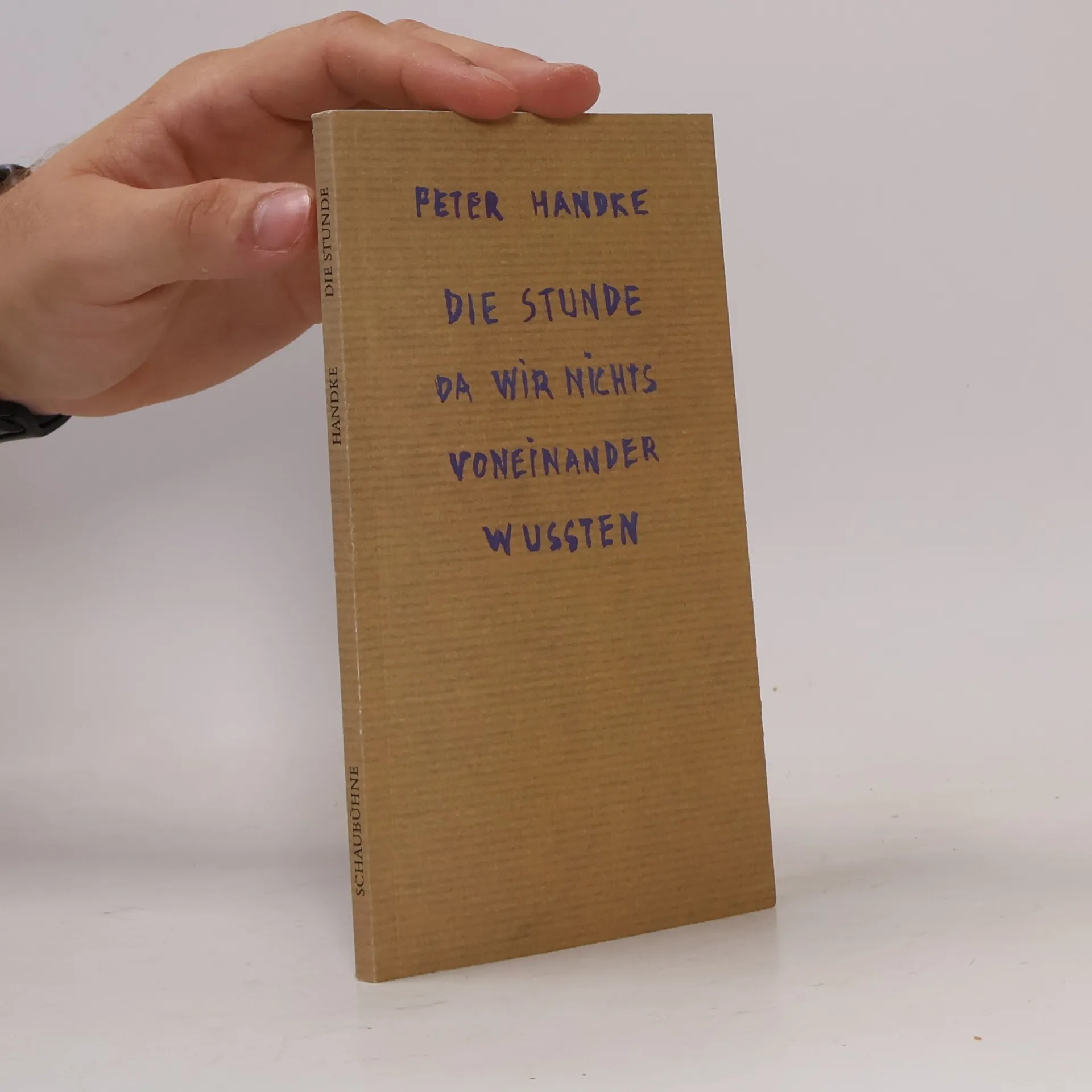
    Voyage to the Sonorous Land, Or, The Art of Asking ; And, The Hour We Knew Nothing of Each Other
    Weight of the World
    2 x Handke
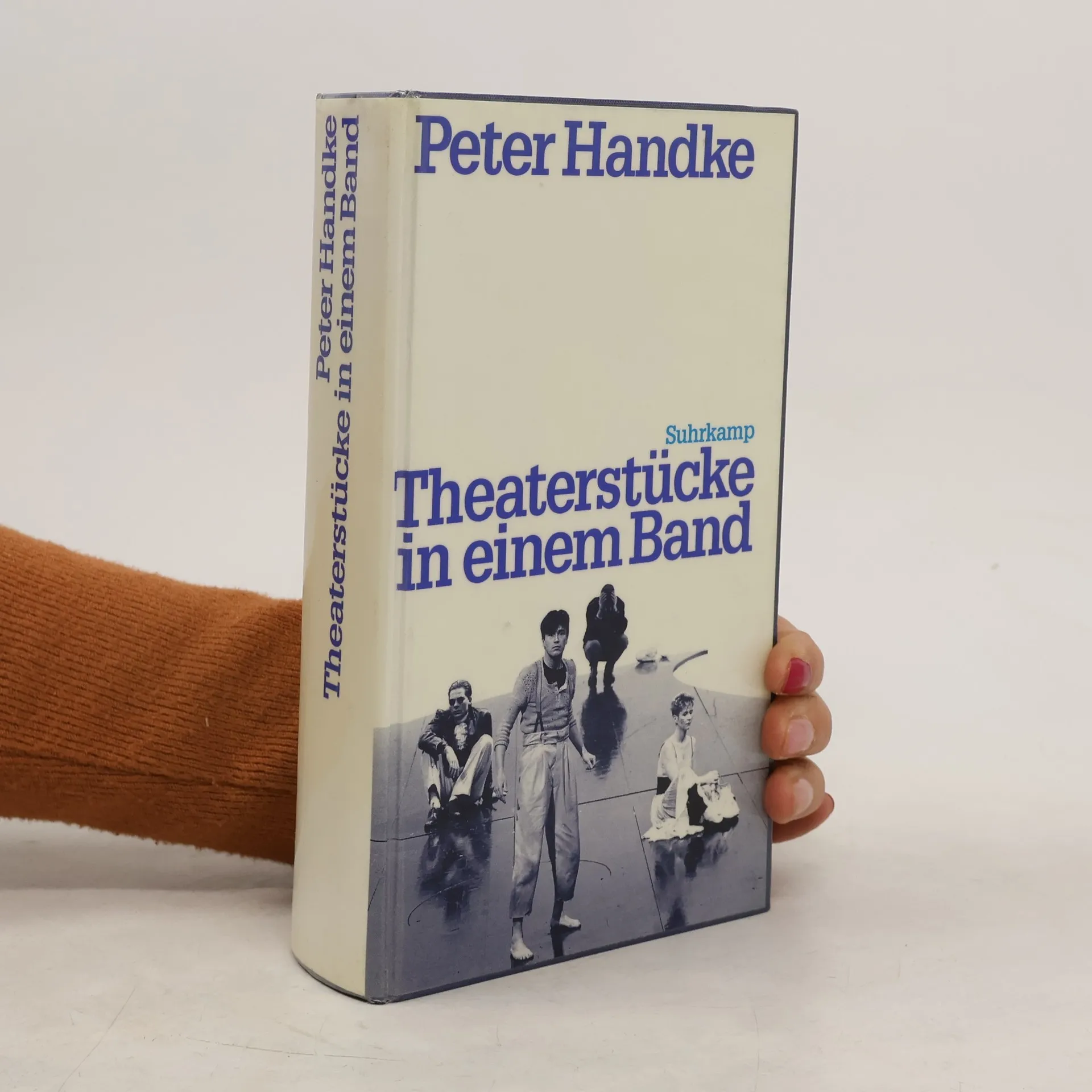
    Ride Across Lake Constance and Other Plays
    Jukebox and Other Essays on Storytelling
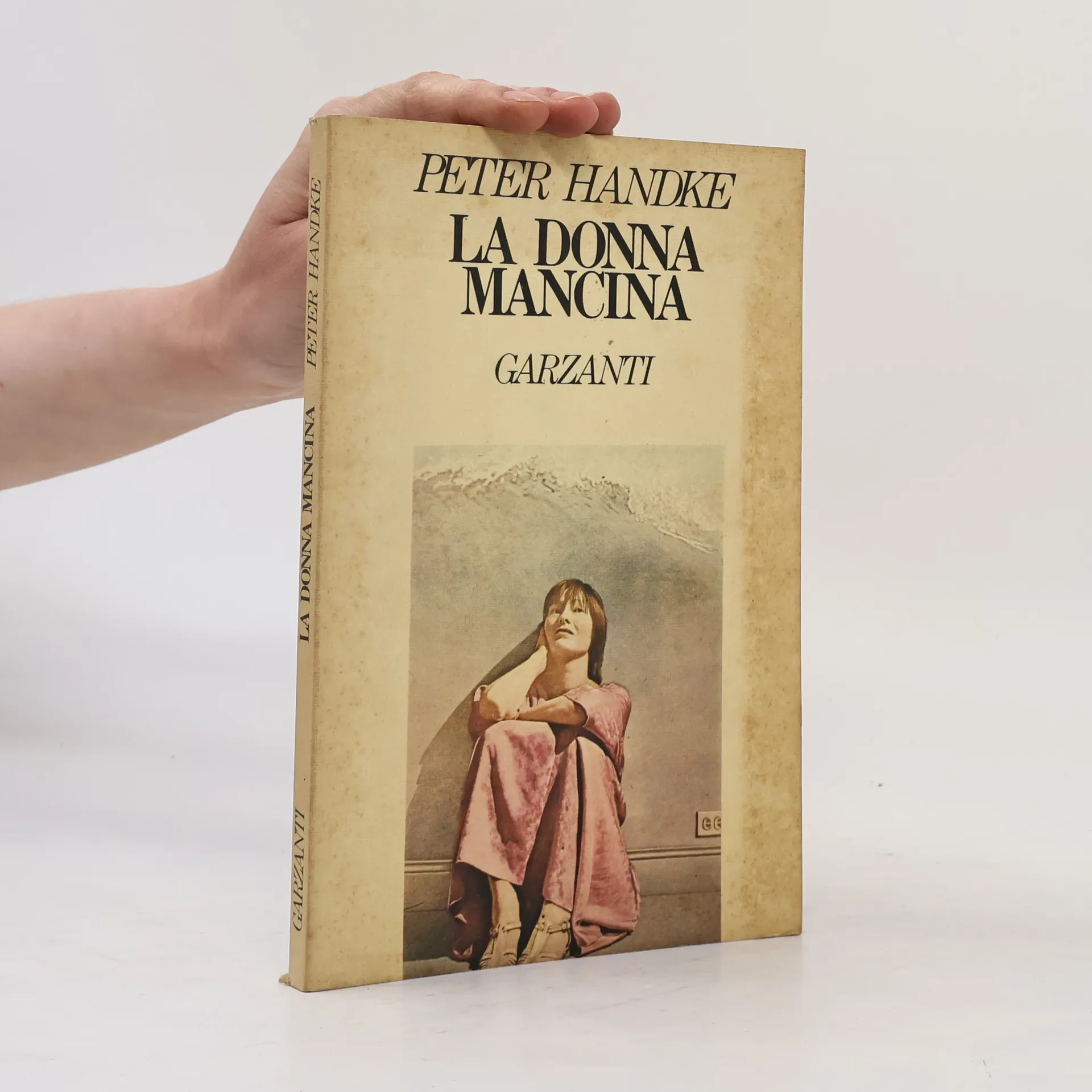
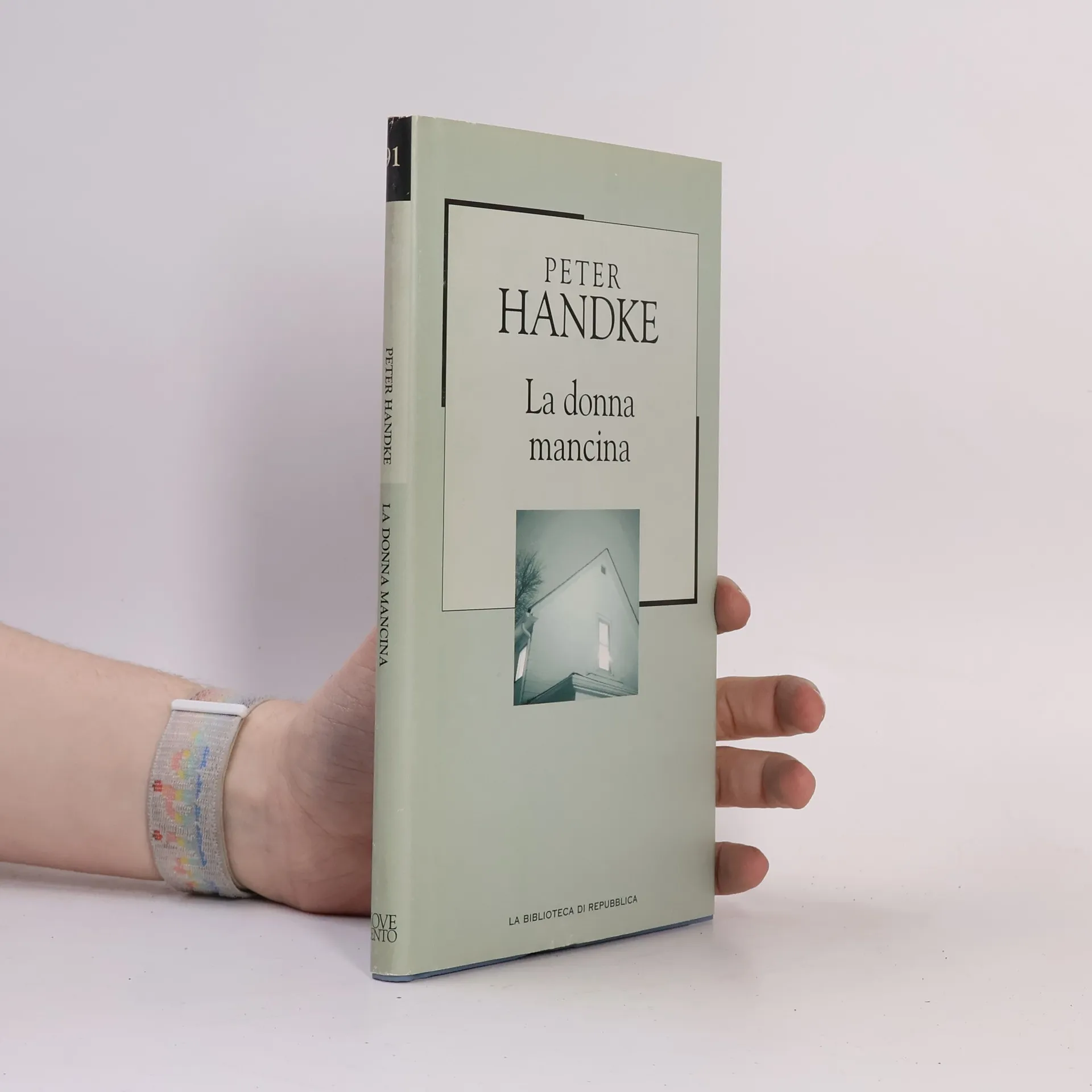
    La Biblioteca di Repubblica - 91: La donna mancina
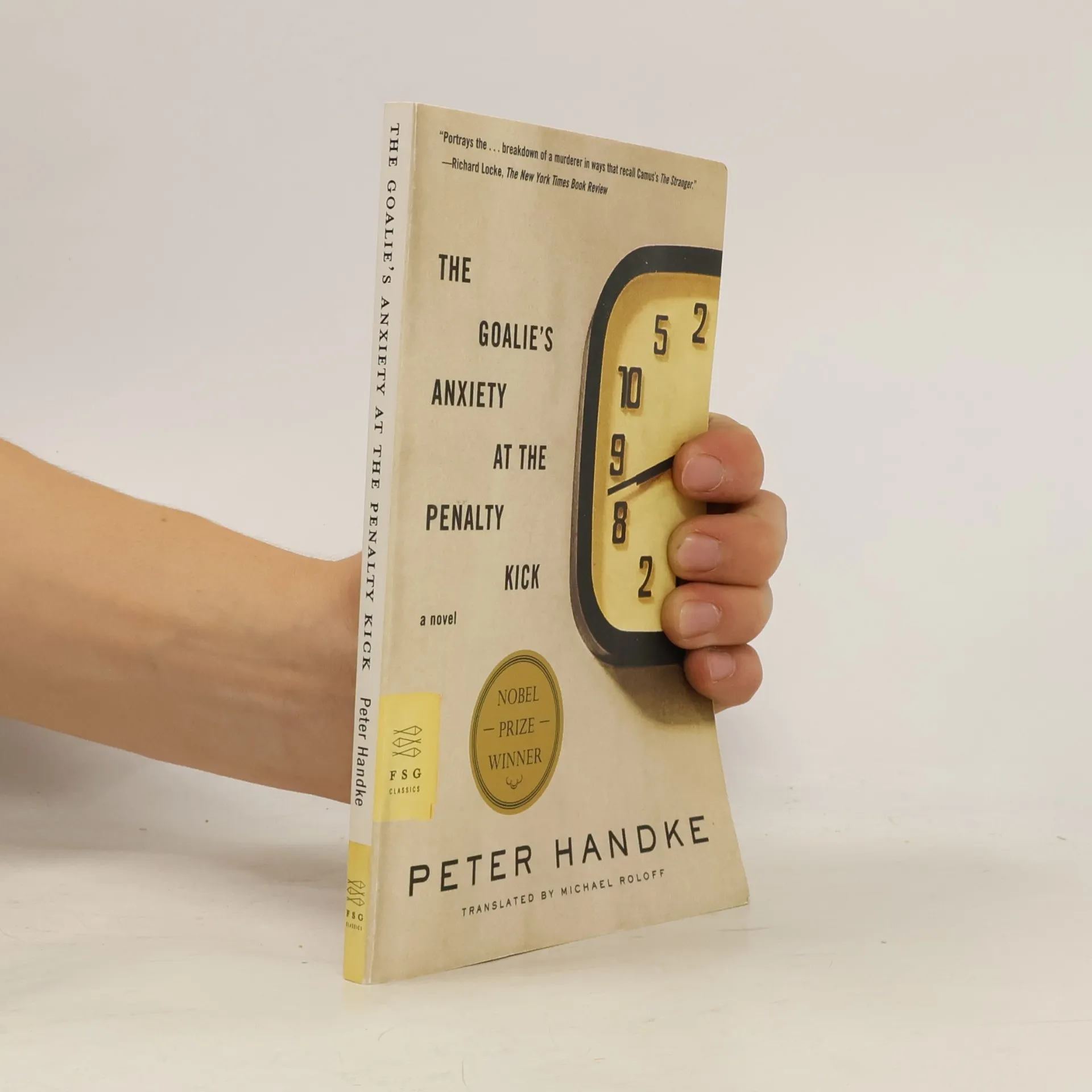
    • Una donna trentenne, felicemente sposata e madre di un bambino, chiede improvvisamente al marito di andarsene di casa e di lasciarla sola col figlio. Non c'è alcun motivo apparente in quella richiesta, eppure il marito la asseconda, limitandosi in seguito ad alcuni blandi tentativi di tornare, che sa già destinati all'insuccesso. Senza drammi, ma con convinzione sempre più profonda, la donna si avvia così a una vita diversa, segnata dalla solitudine, ma anche da una riconquistata libertà interiore.Attentamente calibrata nei suoi equilibri e squilibri psicologici, la storia di Marianne e Bruno è fatta tutta di impercettibili scatti sentimentali, di sottigliezze che chiunque giudicherebbe ininfluenti, e che invece determinano più di ogni altra cosa la felicità o l'infelicità dell'individuo: piccoli gesti, occhiate di sfuggita, toni di voce, si rincorrono sulla pagina e infine si integrano a disegnare il quadro di un impressionante vuoto di vita, in cui più che il rapporto di coppia è in gioco il rapporto con se stessi e con la propria precaria identità.

      La Biblioteca di Repubblica - 91: La donna mancina
    • The book features three introspective meditations by Nobel Prize winner Peter Handke, exploring themes of memory and identity as he navigates from Alaska to his Austrian childhood. Through this self-reflexive journey, Handke delves into the nuances of the writing process, offering a profound reflection on the interplay between place and personal history.

      Jukebox and Other Essays on Storytelling
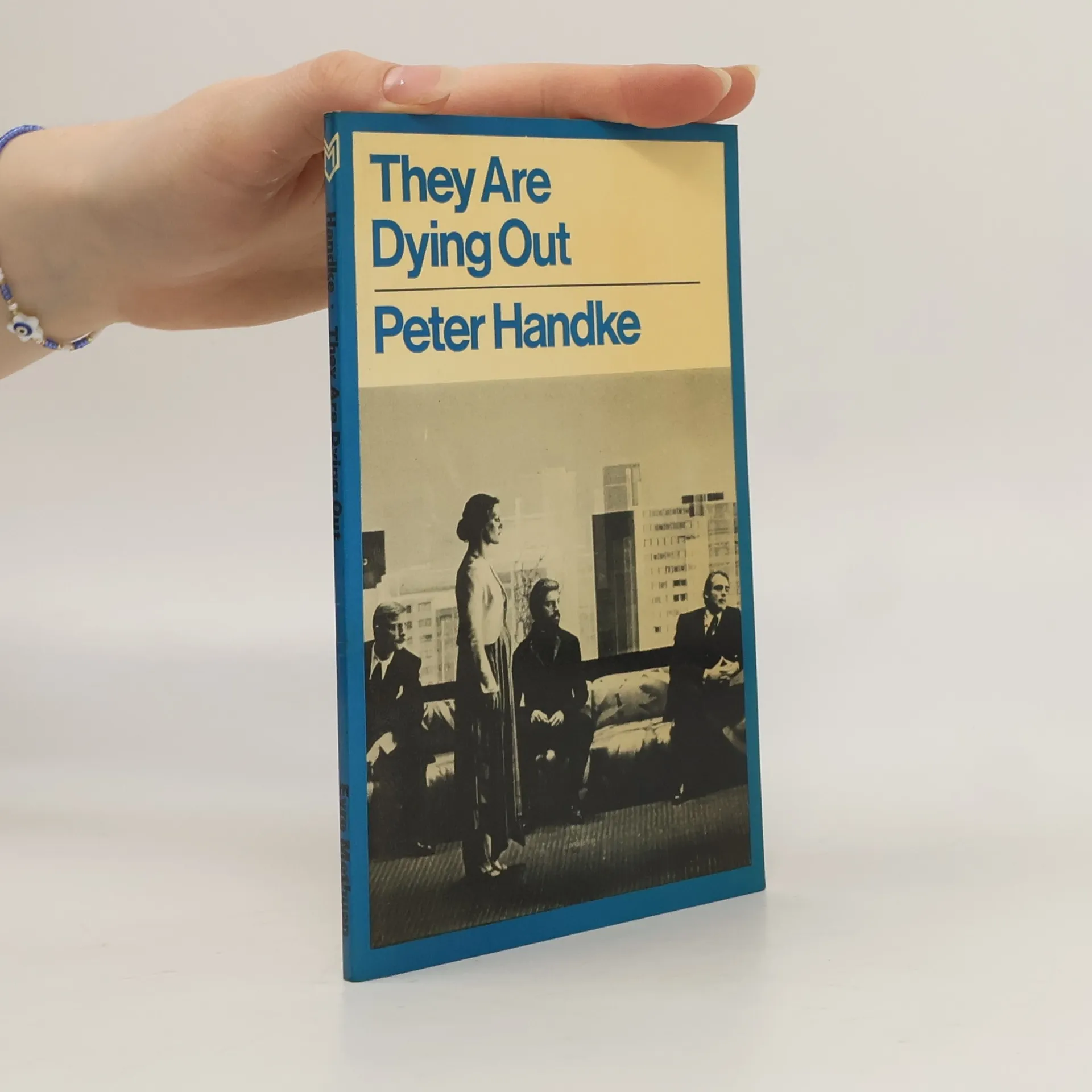
    • This collection features six plays by Nobel Prize winner Peter Handke, showcasing his early career as an Austrian playwright. The works reflect his innovative approach to language and form, exploring themes of identity, existence, and the human experience. Handke's unique narrative style and profound insights into the complexities of life are evident throughout these plays, offering readers a glimpse into the foundational elements that shaped his later acclaimed works.

      Ride Across Lake Constance and Other Plays
    • Here, in one edition, are two provocative novels that show why, as John Updike has written in The New Yorker, "Handke is widely regarded by many as the best writer in his language". The two stories, "A Moment of True Feeling", and "The Left-Handed Woman", confirm Handke's enormous gifts as a writer.

      2 x Handke
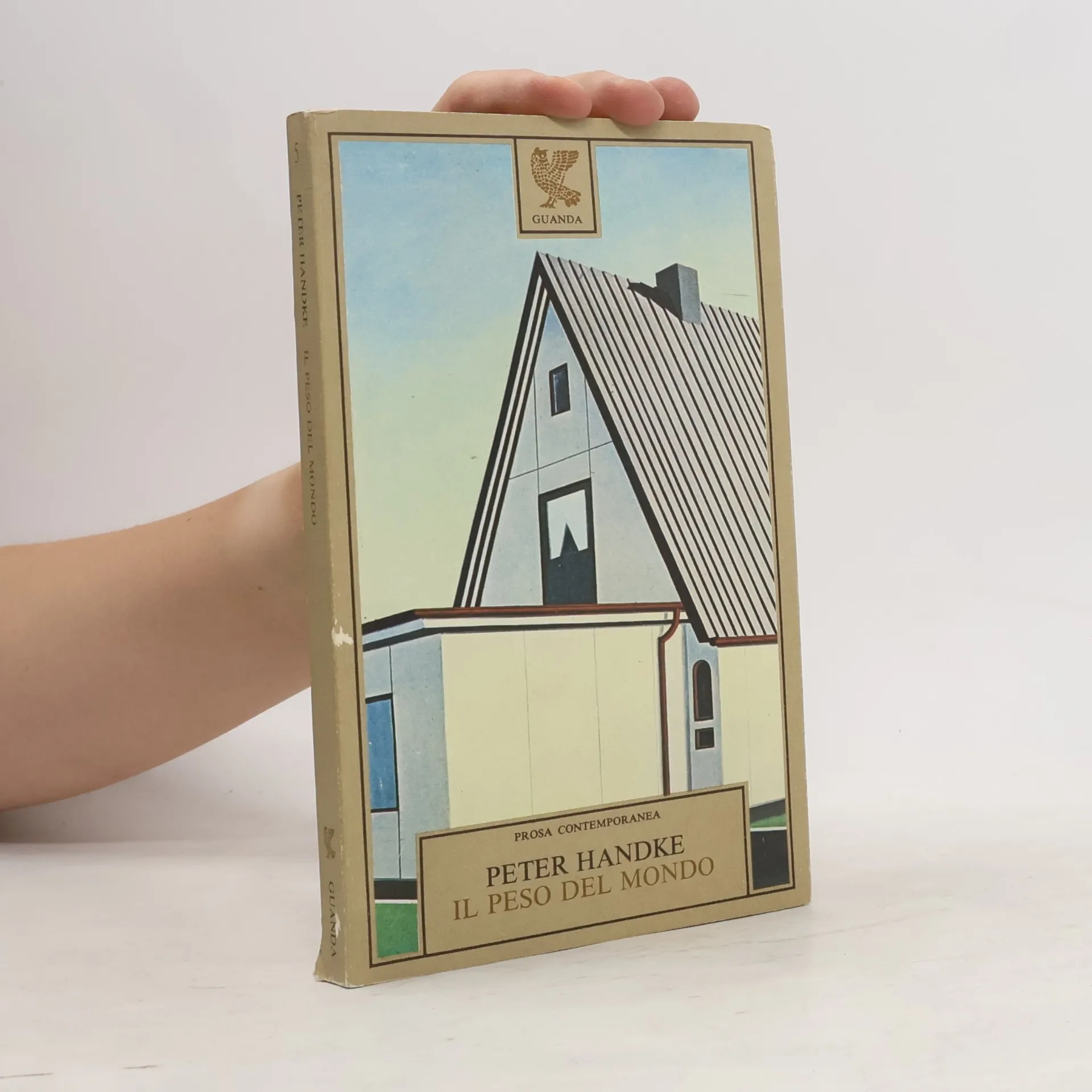
    • Weight of the World

      • 256pagine
      • 9 ore di lettura

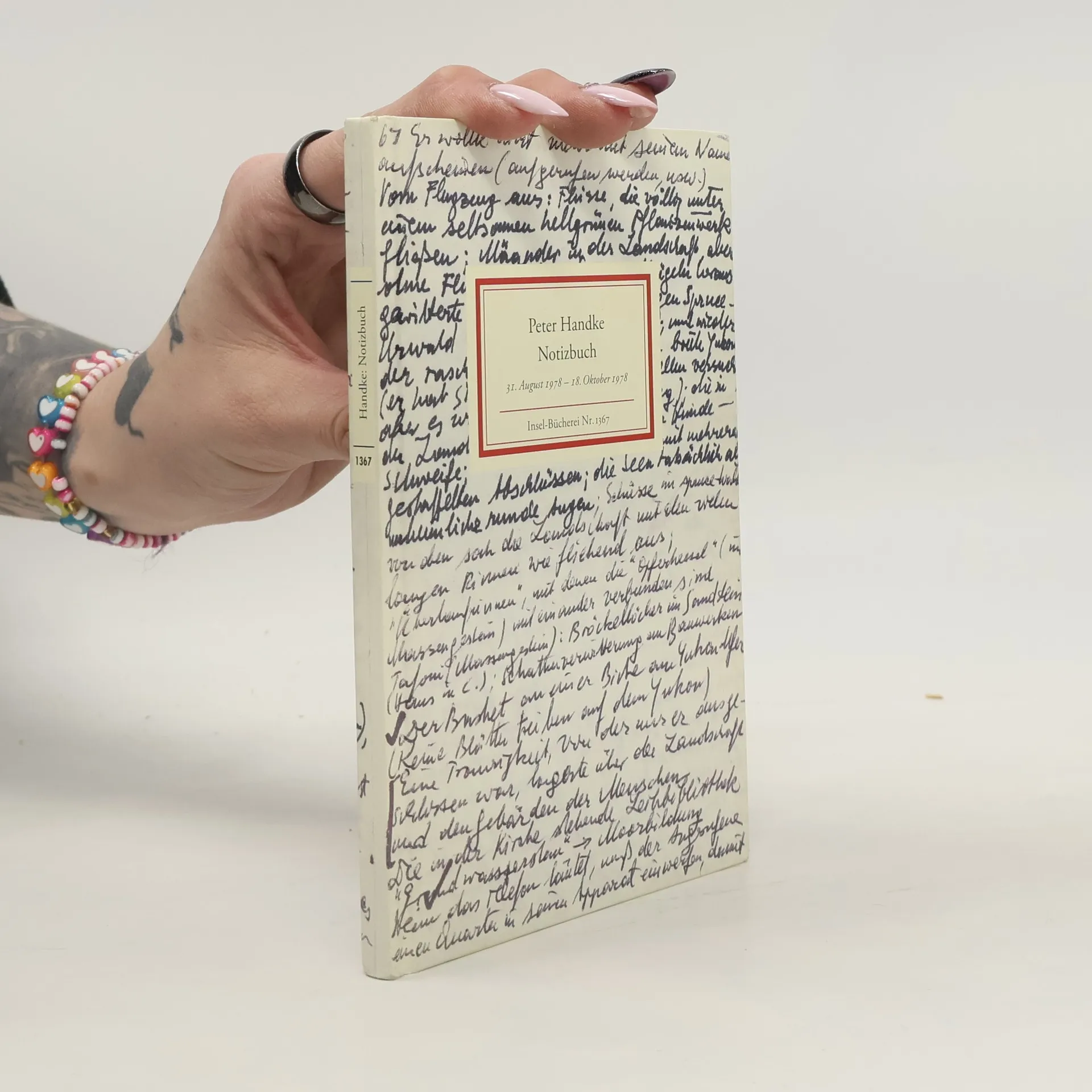
      This journal blends professional notes and personal reflections, capturing Handke's life in Paris from late 1975 to early 1977. It features informal jottings and deeper meditations, highlighting encounters with notable figures like Truffaut and Goethe, as well as Handke's poignant observations on strangers and his complex bond with his daughter. A significant hospital stay also prompts contemplations on mortality, revealing his ongoing anxieties about life and death.

      Weight of the World
    • Two plays from the 2019 Nobel laureate for literature explore the life-affirming qualities of languageIn these two plays, here translated into English for the first time, the renowned Austrian writer Peter Handke inquires into the boundaries and life-affirming qualities of language. At a time when language no longer seems to serve the purposes of a genuine human community, Handke asks, is such a community possible?In Voyage to the Sonorous Land , or The Art of Asking , a cockeyed optimist and a spoilsport lead a group of characters to the hinterland of their imaginations, where they search not for the right answers but for the right questions. The Hour We Knew Nothing of Each Other takes place in a city square where more than 400 characters pass by one another without speaking a single word. Handke here journeys to the brink of Who is that person passing by? Is she on her way, or is she coming back? Is her story ahead of her, or is it behind? In the silence of the square, Handke returns the gift of speech, the magic of telling a story, to the spectator. 

      Voyage to the Sonorous Land, Or, The Art of Asking ; And, The Hour We Knew Nothing of Each Other
    • In this visionary novel, Nobel Prize winner Peter Handke offers descriptions of objects, relationships, and events that teach readers a renewed way of seeing; he creates a wealth of images to replace those lost to convention and conformity. On the outskirts of a northwestern European river port city lives a powerful woman banker, a public figure admired and hated in equal measure, who has decided to turn from the worlds of high finance and modern life to embark on a quest. Having commissioned a famous writer to undertake her "authentic" biography, she journeys through the Spanish Sierra de Gredos and the region of La Mancha to meet him. As she travels by all-terrain vehicle, bus, and finally on foot, the nameless protagonist encounters five way stations that become the stuff of her biography and the biography of the modern world, a world in which genuine images and unmediated experiences have been exploited and falsified by commercialization and by the voracious mass media. Crossing the Sierra de Gredos is a very human book of yearning and the ancient quest for love, peopled with memorable characters (from multiple historical periods) and imbued with Handke's inimitable ability to portray universal, inner-worldly adventures that blend past, future, present, and dreamtime.

      Crossing the Sierra de Gredos
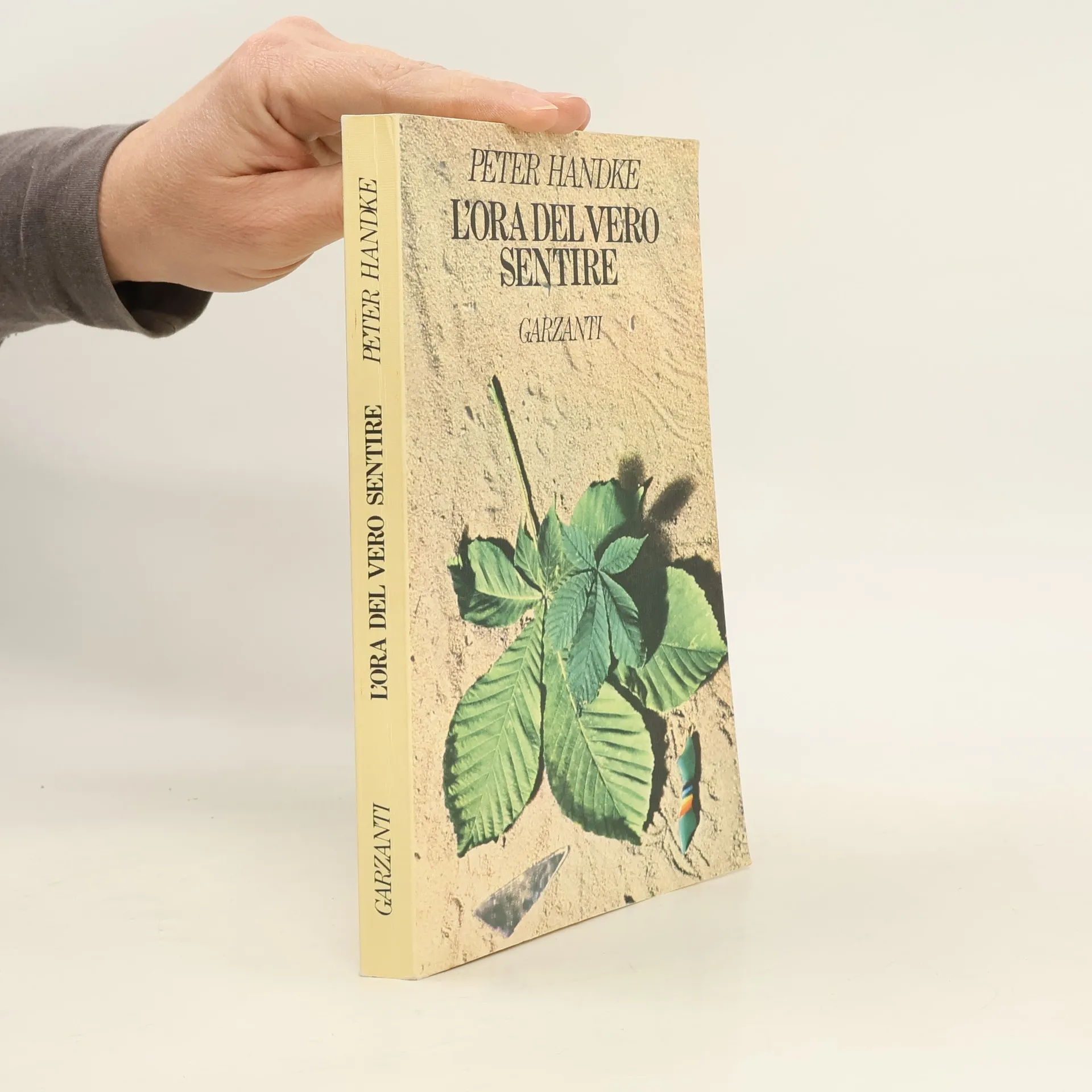
    • Moment of True Feeling

      • 144pagine
      • 6 ore di lettura

      The narrative follows Gregor Keuschnig, who, after a haunting nightmare of committing murder, decides to embrace a dual existence. This choice sets him on a path of introspection and exploration of identity, as he navigates the complexities of his new life. Handke delves into themes of guilt, reality, and the human psyche, creating a thought-provoking story that examines the boundaries between truth and illusion.

      Moment of True Feeling